Most of us treat our toilets and kitchen drains as a kind of invisible disposal system. Things go in, they disappear, and that’s that. The problem is, “out of sight” is very much not “out of harm’s way.” What you send down the pipes doesn’t vanish – it travels somewhere, and the consequences can range from a costly plumber’s visit to genuine environmental damage that stretches far beyond your neighborhood.
The list of things people routinely flush or drain at home is surprisingly long, and the reasons not to are more serious than most people realize. Some items wreck your own plumbing quietly over months. Others work their way into rivers, aquatic ecosystems, and eventually, drinking water. Here are eight of the worst offenders, and why each one deserves a spot in the trash instead.
1. “Flushable” Wipes – The Fatberg Fuel
Despite the name, most so-called “flushable” wipes don’t break down like toilet paper. They stay intact as they travel through your plumbing and often clump together, creating massive blockages in sewer lines. The word “flushable” on the packaging simply means the product will clear your toilet bowl. It does not mean it will definitely clear your pipes or break down in the sewer system or at a wastewater treatment plant.
The downstream effects are staggering. These wipes have been partially responsible for “fatbergs” – giant sewer clogs made of wipes, grease, and other debris. According to the National Association of Clean Water Agencies, products such as wipes that should not be flushed but often are end up costing billions of dollars in maintenance and repair costs. They estimate that wipes, whether or not they’re marked as flushable, cost U.S. utilities $441 million a year in additional operating costs. Every flushed wipe is, in a very real sense, a shared cost.
2. Cooking Grease and Oil – The Pipe Killer You Can’t See
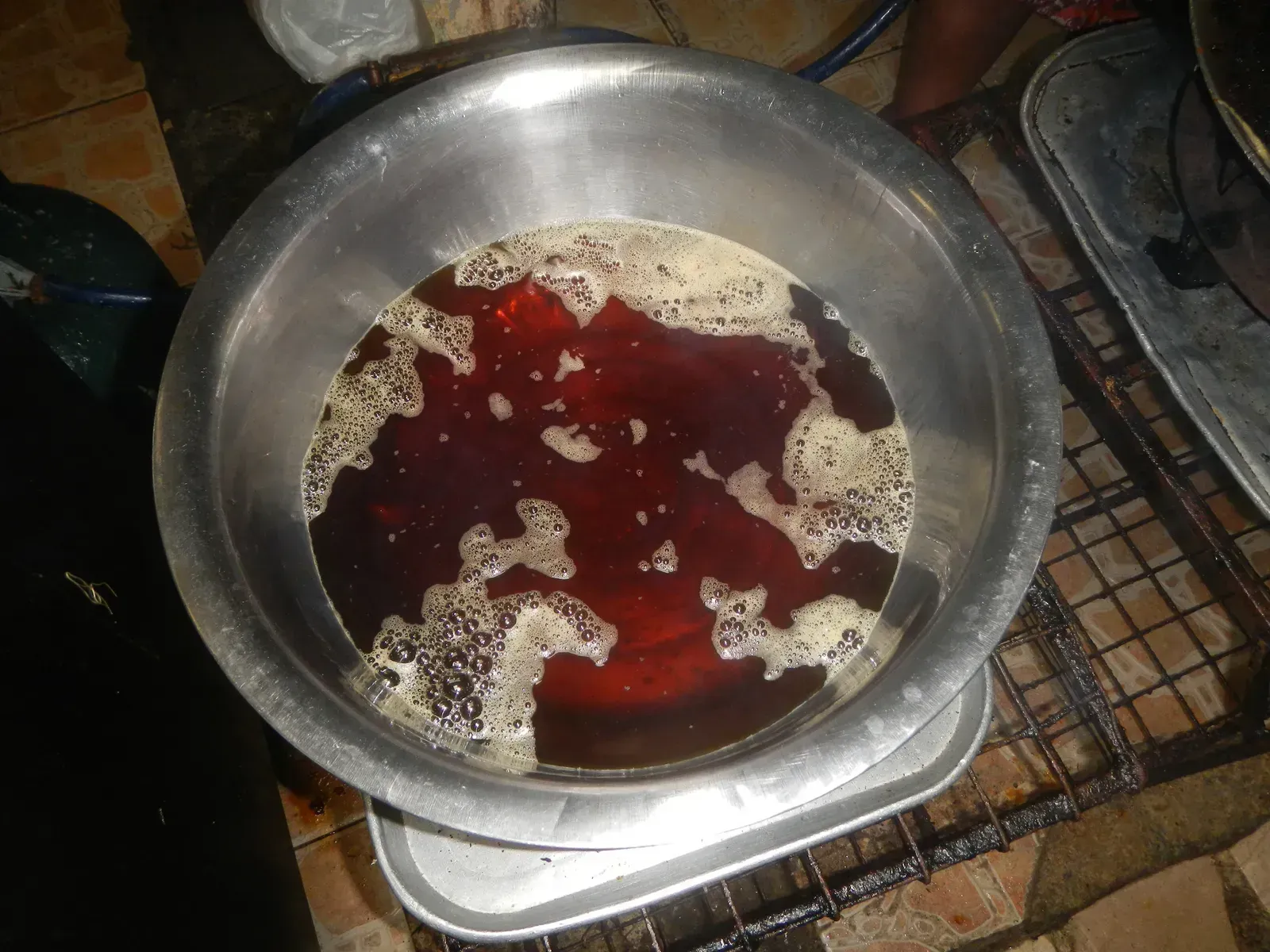
Grease should never be poured down any drain. It may look like a liquid that can easily be dumped down a drain, but when it cools, it will congeal and clog up your pipes. Hot water and dish soap are not reliable solutions either. Running hot water as you pour the grease down the drain will not help. Many people are unaware that pouring hot water and detergent down the drain only breaks up grease temporarily.
In sewer systems, the problem scales up dramatically. In the Thames Water network alone, fats, oils and grease contribute to more than 20,000 blockages each year, accounting for over a quarter of all incidents. These blockages are linked to more than 60 per cent of sewer flooding events, with consequences that extend from household disruption to environmental contamination. The fix is simple: let it cool, pour it into a sealed container, and put it in the trash.
3. Medications and Pharmaceuticals – The Silent Water Contaminant
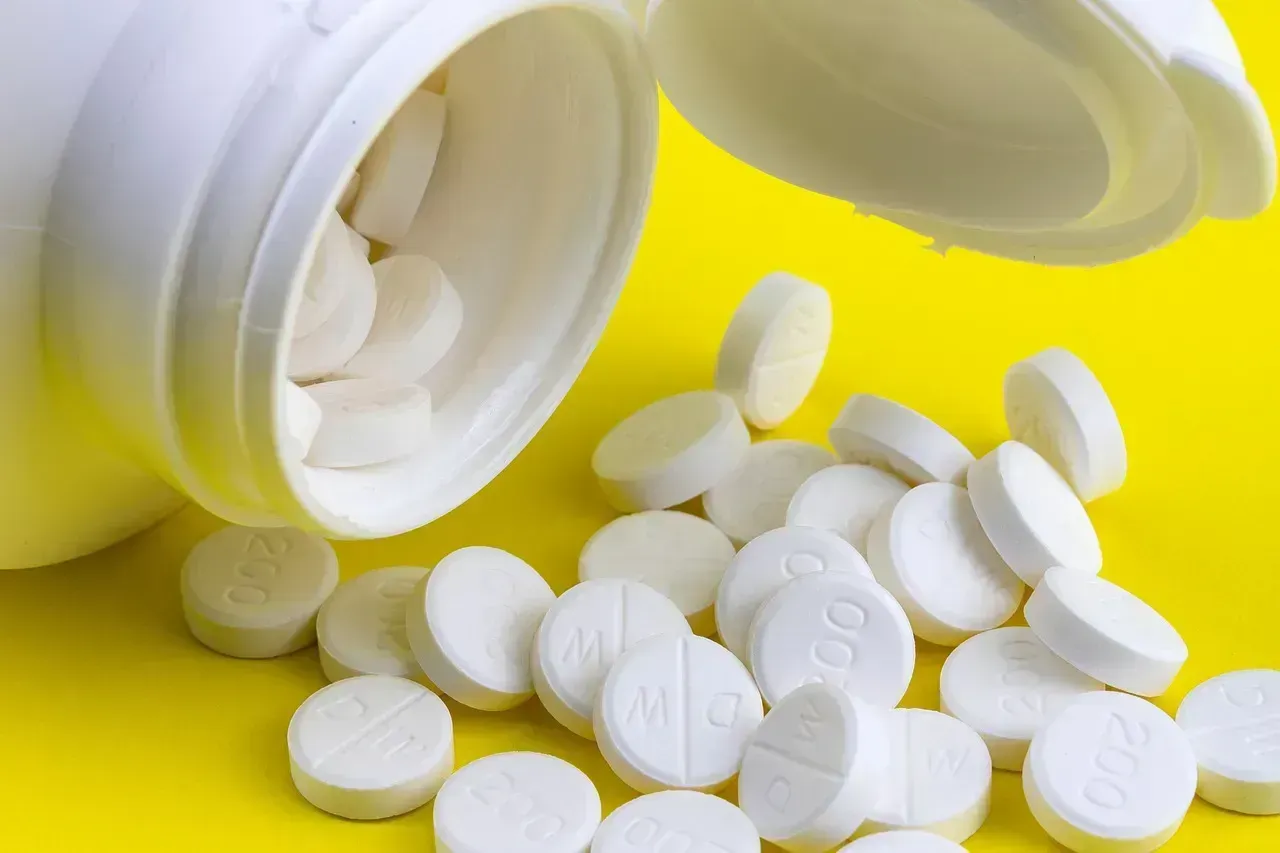
Prescription and over-the-counter drugs poured down the sink or flushed down the toilet often pass through wastewater treatment systems and enter surface water. Water treatment plants are generally not equipped to remove medicines. The treated wastewater then flows downstream where other communities may use the same body of surface water as a source of drinking water.
Research shows that pharmaceuticals entering the environment through flushing negatively affect aquatic ecosystems, including fish and animal populations. Endocrine disrupting chemicals damage reproductive physiology resulting in low reproductive rates, and in some cases, cause male fish to develop female characteristics. Drug take-back programs offered at many pharmacies and police stations are a far safer alternative, and they’re more widely available than most people expect.
4. Feminine Hygiene Products and Diapers – Designed to Expand, Not Dissolve
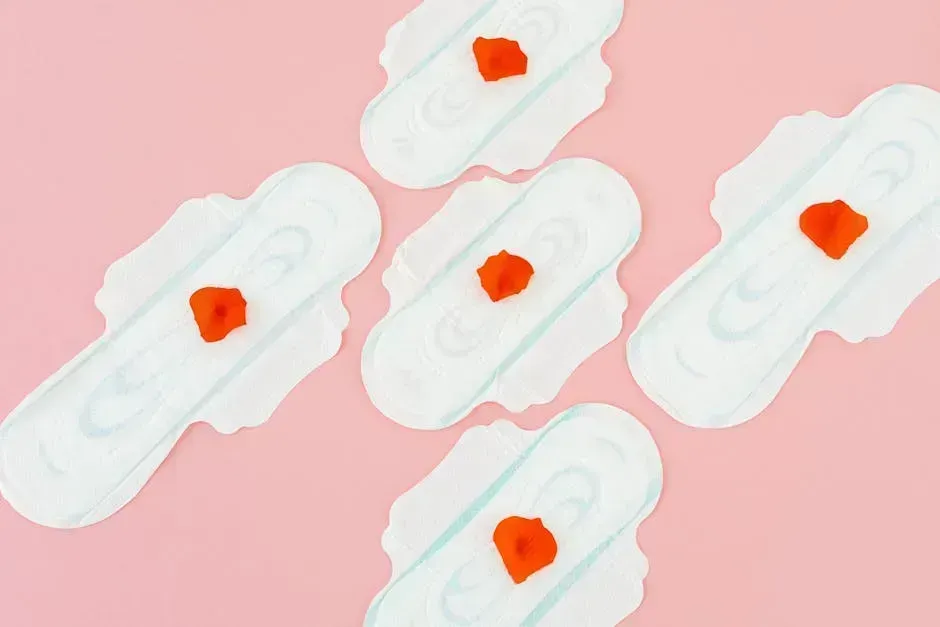
Feminine hygiene items should be placed in garbage bins instead of flushed down toilets. Composed primarily of cotton, menstrual products are designed to absorb liquid and moisture, which causes them to expand. The expanded cotton can cause blockages in your drains if flushed and ultimately lead to bigger toilet clogs that professionals will have to fix. Tampons, pads, and menstrual cups all fall into this category, without exception.
Diapers are made to expand in water. In the unlikely case you actually get the diaper to flush, it will likely get caught in the U-bend of the pipe. These products contain super-absorbent gels and plastic layers that don’t break down in any reasonable timeframe. The real budget buster would be a blocked main sewer line causing sewage to back up into the house. The cost to fix this issue can be from $3,000 up to $12,000, especially if excavation is required.
5. Dental Floss – The Invisible Net in Your Pipes
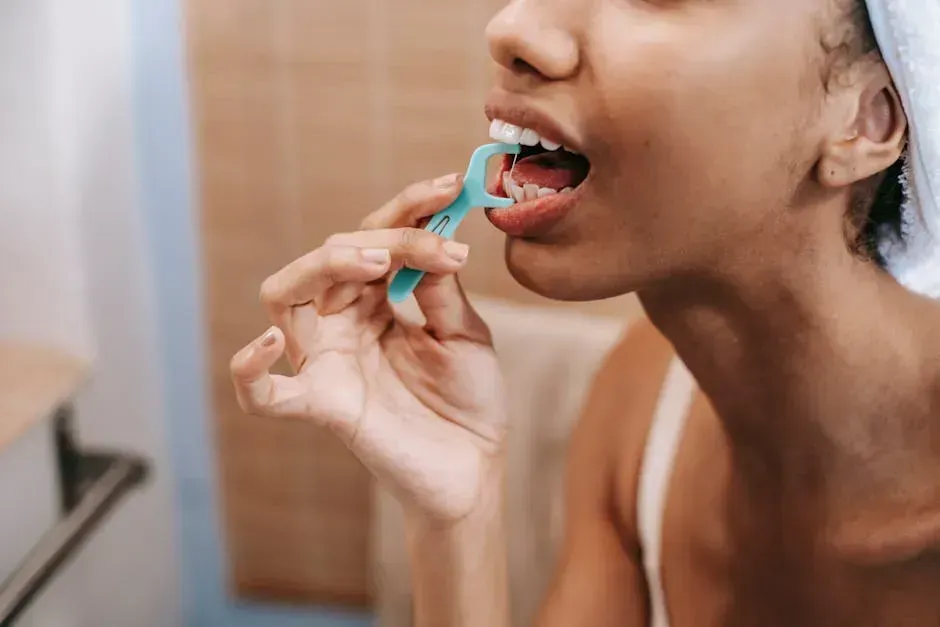
Dental floss is not biodegradable and can cause serious clogs and environmental damage. Dental floss is small but mighty when it comes to causing blockages. It’s often made of nylon or Teflon, which doesn’t break down in water. Worse, it can wrap around other debris, creating a tangled mess that’s extremely difficult to remove.
When flushed down, floss mixes with wet wipes, paper towels, hair, and other items, creating huge balls that will clog pumps and sewers. Dental floss is a common item flushed down the toilet that should not be. It does not biodegrade, can block sewage lines, and may end up in the ocean where sea life can choke on it. Given how light and small it is, it’s easy to underestimate – but a single strand can anchor a growing blockage.
6. Cat Litter – Parasites and Pipe Concrete
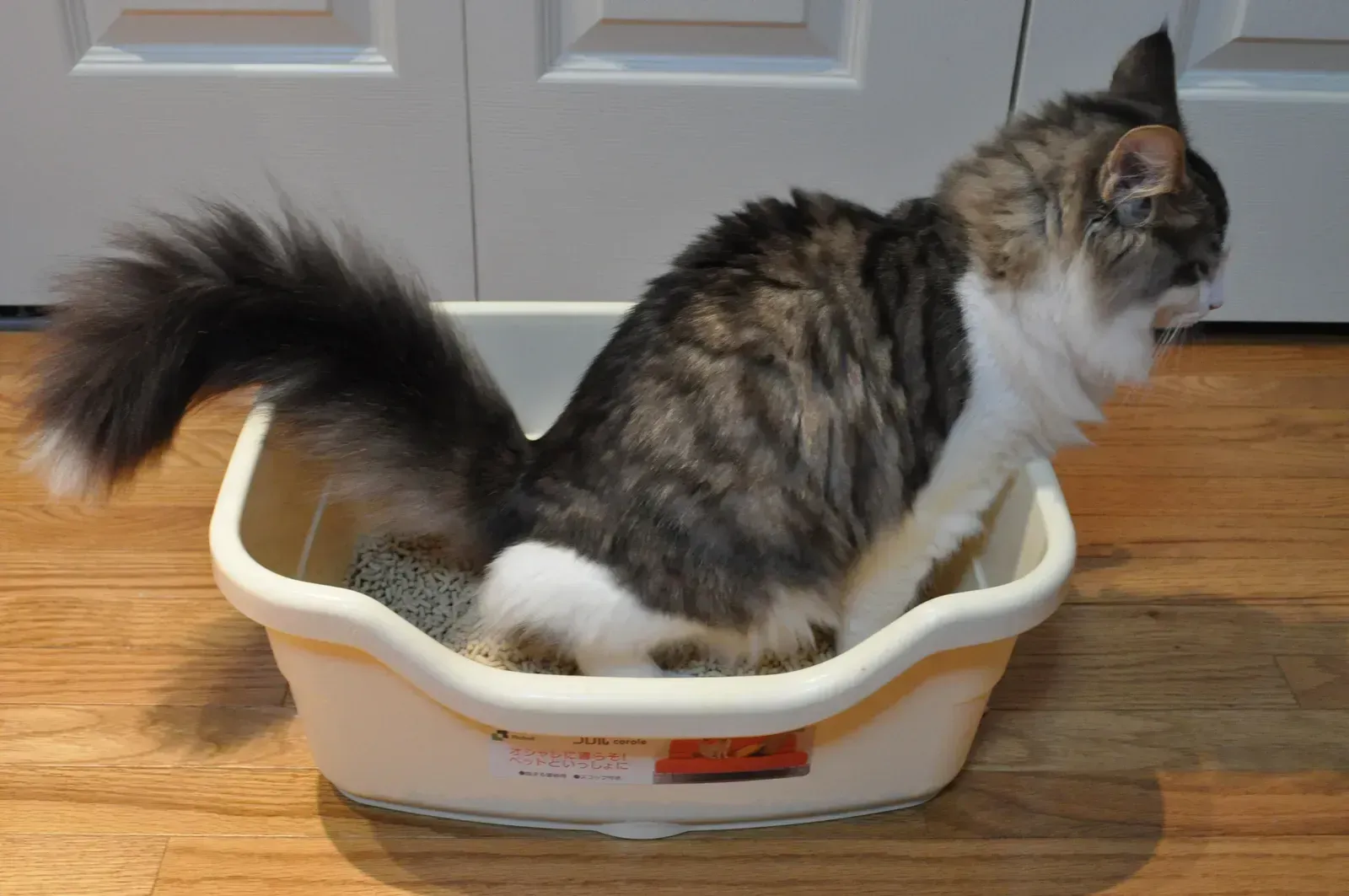
Made of materials like clay, silica, or gel, kitty litter is meant to clump together when wet, allowing easier disposal of liquid waste. Its clumping properties make it unsuitable for flushing, as it will congeal and cause blockages in your septic system. Some brands of cat litter claim to be flushable; however, most toilets don’t use enough water to move the litter along properly in your pipes. Even if the brand claims it’s flushable, don’t flush cat litter down the toilet.
Cat feces and urine can contain parasites that are dangerous to humans and other animals. Water treatment facilities do not kill these parasites, allowing them to remain in the water where they can potentially cause damage. One notable concern is Toxoplasma gondii, a parasite found in cat waste that is resistant to standard water treatment processes and has been linked to illness in marine mammals. Bagging and binning is the only safe route.
7. Paper Towels and Facial Tissues – Stronger Than You Think
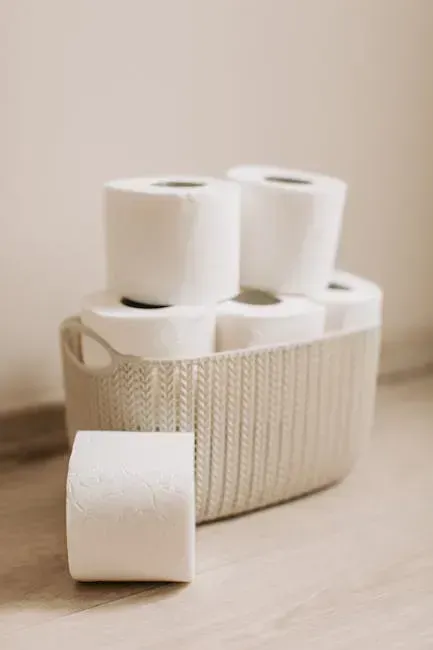
Paper towels and tissues are meant to absorb water and hold together. That’s why they’re great for wiping spills, but terrible for your drain. They don’t break into small pieces fast enough, so they get stuck at bends and joints in your pipes. This is a surprisingly common mistake, especially with tissues, which look and feel almost like toilet paper but behave very differently once flushed.
Unlike toilet paper, paper towels absorb water and are designed to hold their strength when wet. They don’t break down in water and can easily accumulate in your plumbing system, causing stubborn blockages. Over time, this can lead to water damage and a need for professional plumbing services. Even a single sheet flushed regularly can contribute to a growing obstruction. The bin is always the right call here, no exceptions.
8. Household Chemicals and Paint – Toxic All the Way Down
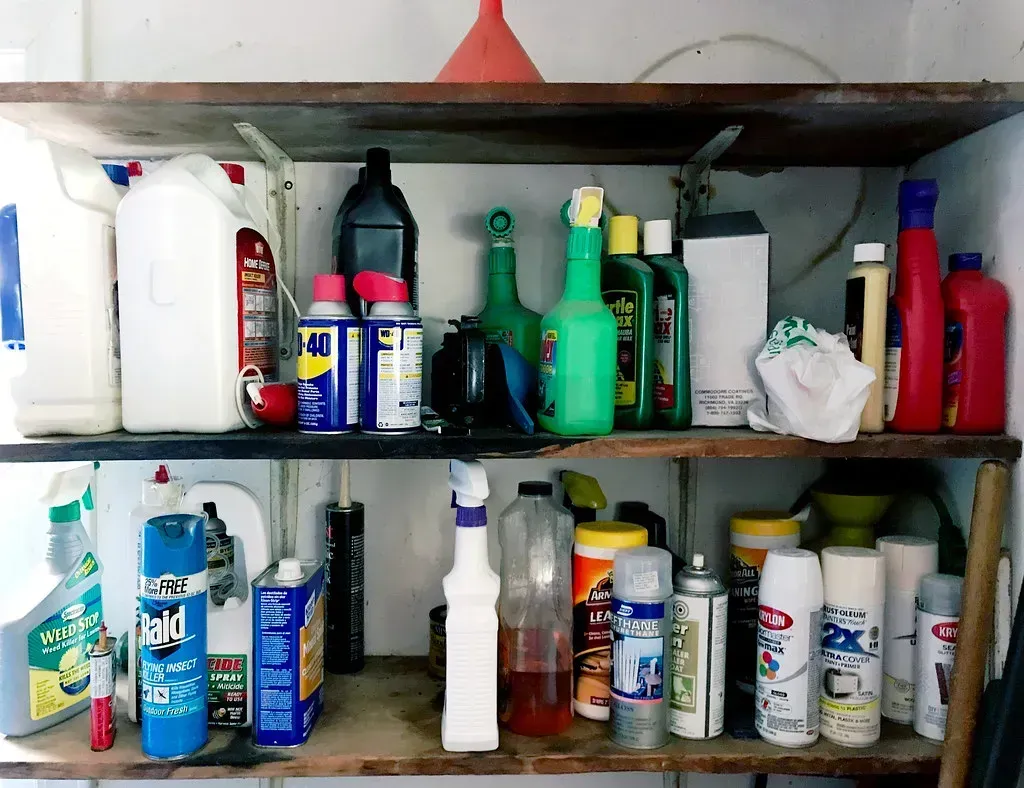
When people flush paint, solvents, or pesticides, they send toxic environmental effects downstream. Treatment plants are not built to handle these chemicals. Some can harm the helpful bacteria used in treatment; others can pass through and affect wildlife. Bleach, for instance, can be extremely corrosive, damage your pipes, and react with other substances in your plumbing, creating and releasing toxic fumes.
Even water-based paints contain hazardous chemicals that, when mixed with other substances in plumbing, can damage pipes, contaminate the water supply, and release toxic fumes. Harsh chemicals don’t just harm your septic system – they can also contaminate your soil and local water supply. Most communities run hazardous waste disposal events or maintain drop-off facilities specifically for paints, solvents, and cleaning chemicals. Using those services takes only a few extra minutes and prevents damage that can take years to undo.
Pipes and drains are easy to misuse because their consequences are delayed and hidden. A single flushed wipe, a pan’s worth of bacon grease, a blister pack of old pills – none of them feel significant in the moment. Over time, though, these habits add up to clogged infrastructure, contaminated waterways, and bills that could have been avoided entirely. The trash can is rarely the convenient choice, but it’s almost always the right one.