
There’s a particular kind of calm that settles in when you’re behind the wheel on a road that’s genuinely quiet. No reservation lottery, no parking lot chaos, no line of tour buses. Just asphalt, scenery, and the faint sense that you found something most people missed. Driving along scenic routes offers a form of meditation – the repetitive nature of the road, combined with the changing vistas, can induce a state of mindfulness, and that present-moment awareness helps reduce anxiety, alleviate stress, and promote a sense of calm.
The routes below are not theoretical. They’re real drives, each with a distinct character, and most of them sit quietly in the shadow of more famous roads that have long since become outdoor traffic jams. If crowded national parks and bumper-to-bumper scenic highways have ever made travel feel more exhausting than restorative, these nine alternatives are worth your attention.
1. The Natchez Trace Parkway – Tennessee, Alabama, and Mississippi
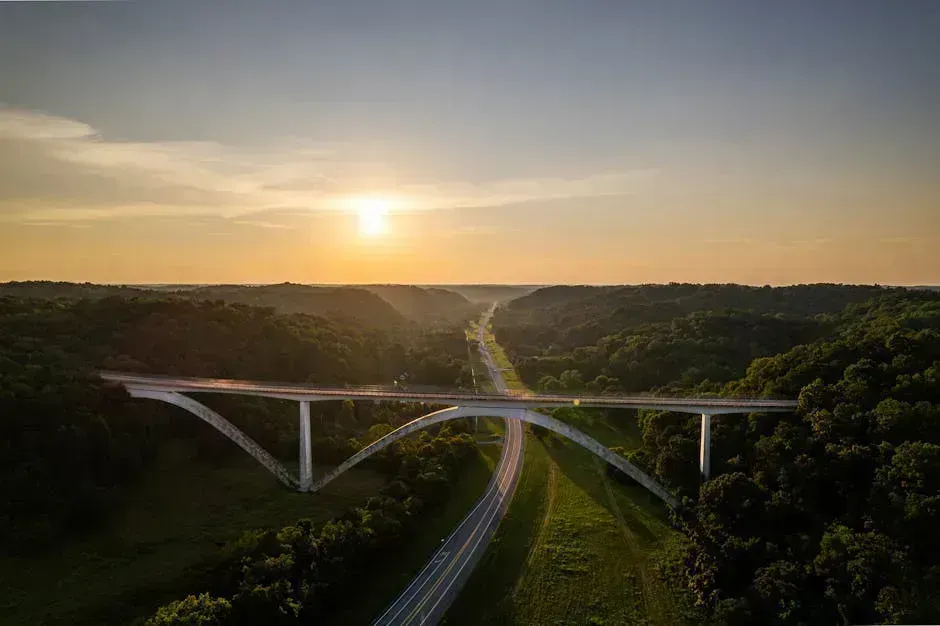
The Natchez Trace Parkway is a 444-mile recreational road and scenic drive through three states, roughly following the “Old Natchez Trace,” a historic travel corridor used by American Indians, “Kaintucks,” and European settlers. The two-lane parkway permits no billboards, trucks, hotels, or gas stations, and limits the speed to 50 mph – it’s like taking a Sunday drive on a rural country road.
The parkway follows the path of the “Old Trace,” a historic walking and wagon trail developed in the 1800s, roughly based on original Chickasaw and Choctaw footpaths but later repurposed as a postal, military, and trade route. Many consider Jackson Falls and Fall Hollow to be two of the most beautiful sites along the entire parkway – these two serene waterfalls are easily accessible and situated in idyllic settings. The whole route is free to drive, and for anyone carrying travel anxiety, few roads in America feel this genuinely unhurried.
2. Nevada’s Route 50 – “The Loneliest Road in America”
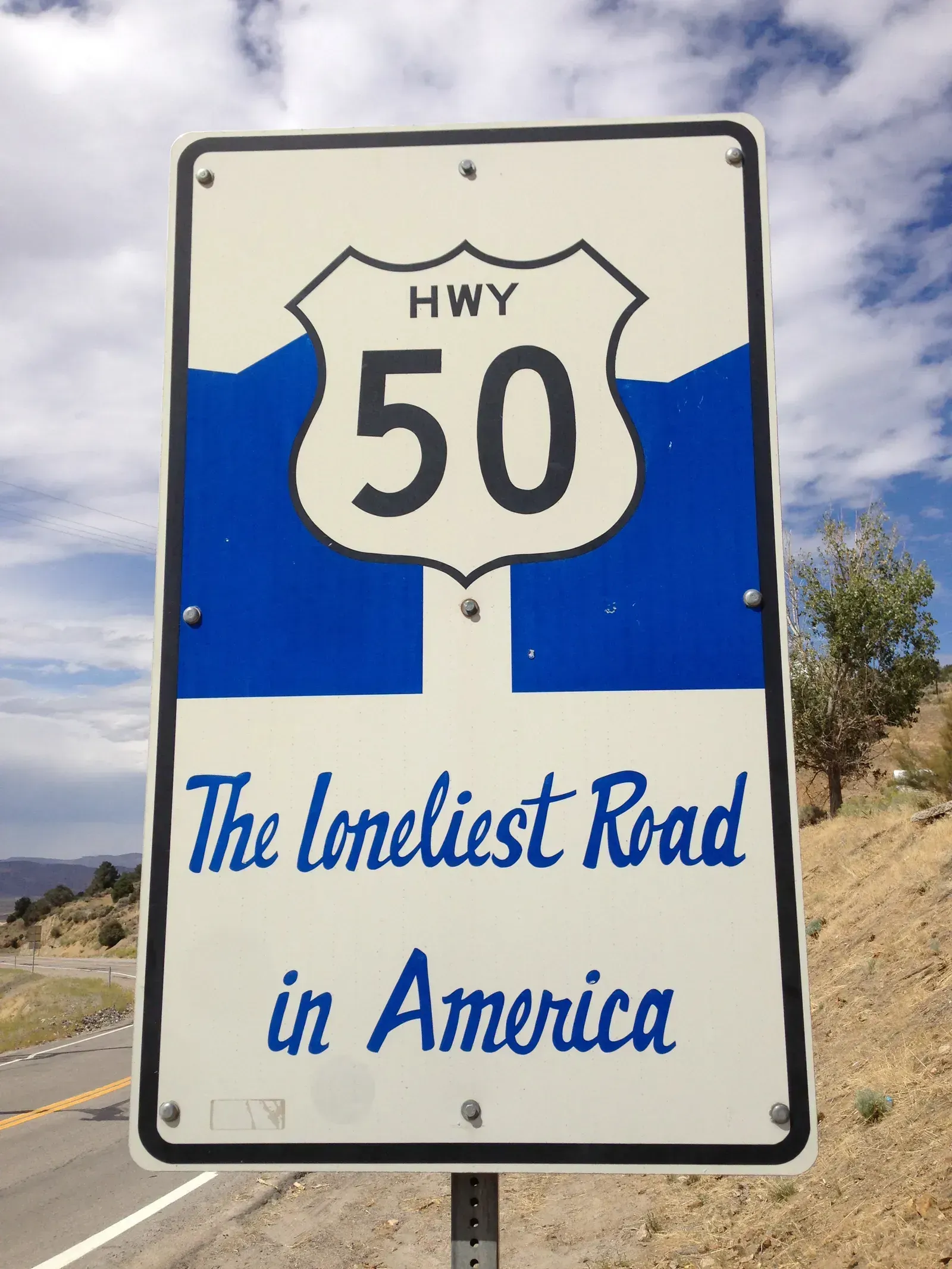
Nevada Route 50 has been dubbed “The Loneliest Road in America” since a 1986 Life magazine article. Mountain ranges can be seen on every horizon as the route travels through long, deserted basin-and-range valleys, and the towns along the road – such as Eureka, Austin, and Ely – maintain a small-town Western culture that has been mostly lost in more populated areas.
The Great Basin area receives far fewer visitors than similar national parks, and for those prepared to drive, the experience frequently resembles visiting a national park in the early 1980s, before the crowded age started. The well-maintained Wheeler Peak Scenic Drive climbs to over 10,000 feet and makes the wilderness accessible, while Lehman Caves – sculpted by geological forces over roughly 70 million years – have been left largely undisturbed, with no flashy light-and-sound show, just hundreds of delicate stalagmites, stalactites, and formations. This is the kind of drive that makes it easy to breathe again.
3. San Juan Skyway – Southwestern Colorado
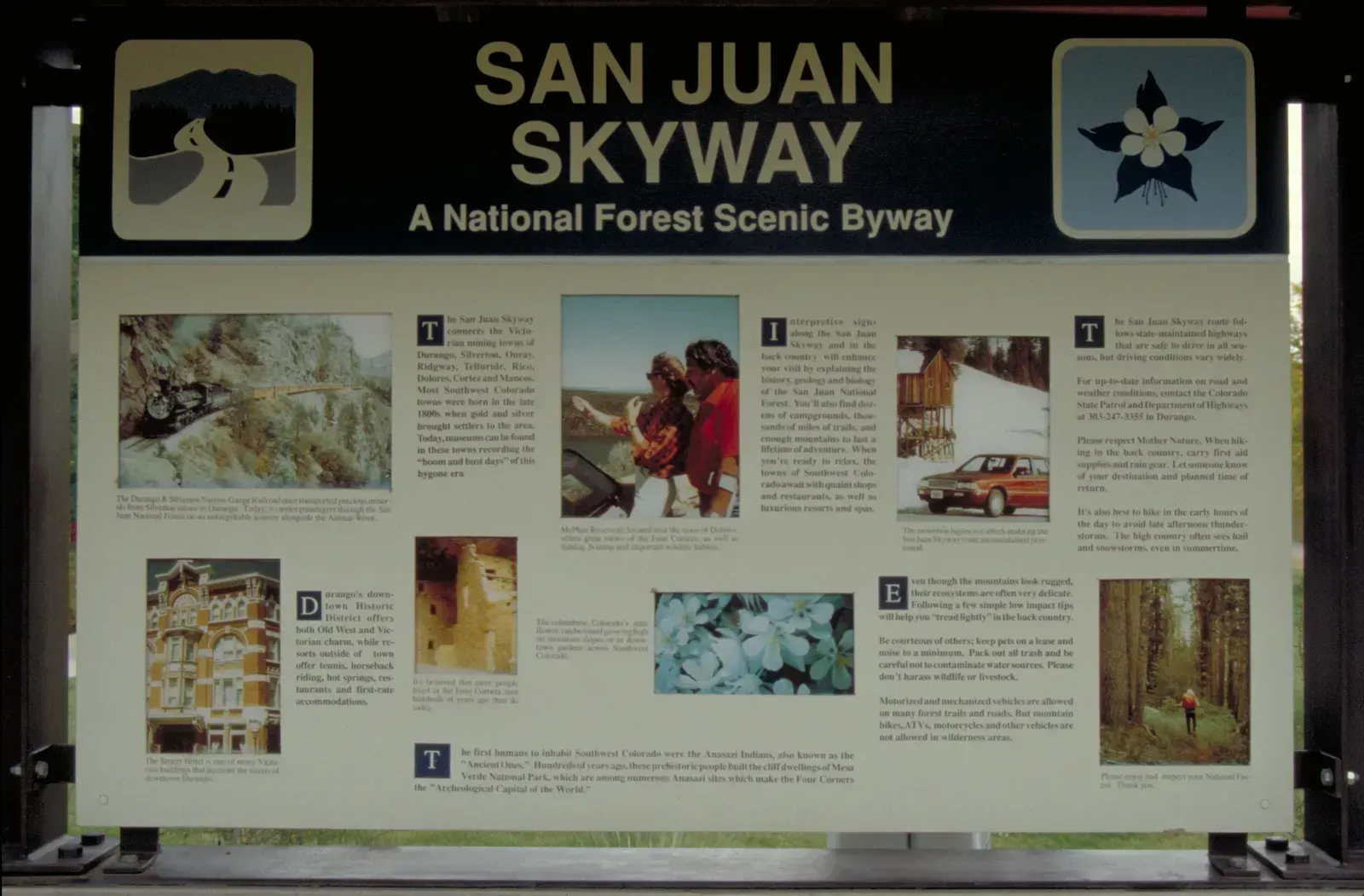
The San Juan Skyway covers 236 miles through southwestern Colorado, with driving time of roughly six hours. The route starts with major towns – Durango, a well-preserved descendant of the Old West; picturesque Telluride, renowned for world-class skiing and film, jazz, and bluegrass festivals. The San Juan Skyway was designated by the U.S. Secretary of Transportation as an All-American Road, the highest level of designation, in 1996.
The 25-mile stretch between Silverton and Ouray – known as the Million Dollar Highway – ascends and descends three of the highest mountain passes in the U.S., and after a steep descent through the Uncompahgre River Gorge, you can stop near the abandoned mining town of Ironton for a walk in a dense aspen forest. Mesa Verde, a UNESCO Heritage Site reachable as a side trip, is home to more than 4,000 sites built between the 6th and 12th centuries and is considered a must for anyone driving this route. The sheer variety of scenery keeps the drive grounding rather than overwhelming.
4. North Shore Scenic Drive – Minnesota’s Lake Superior
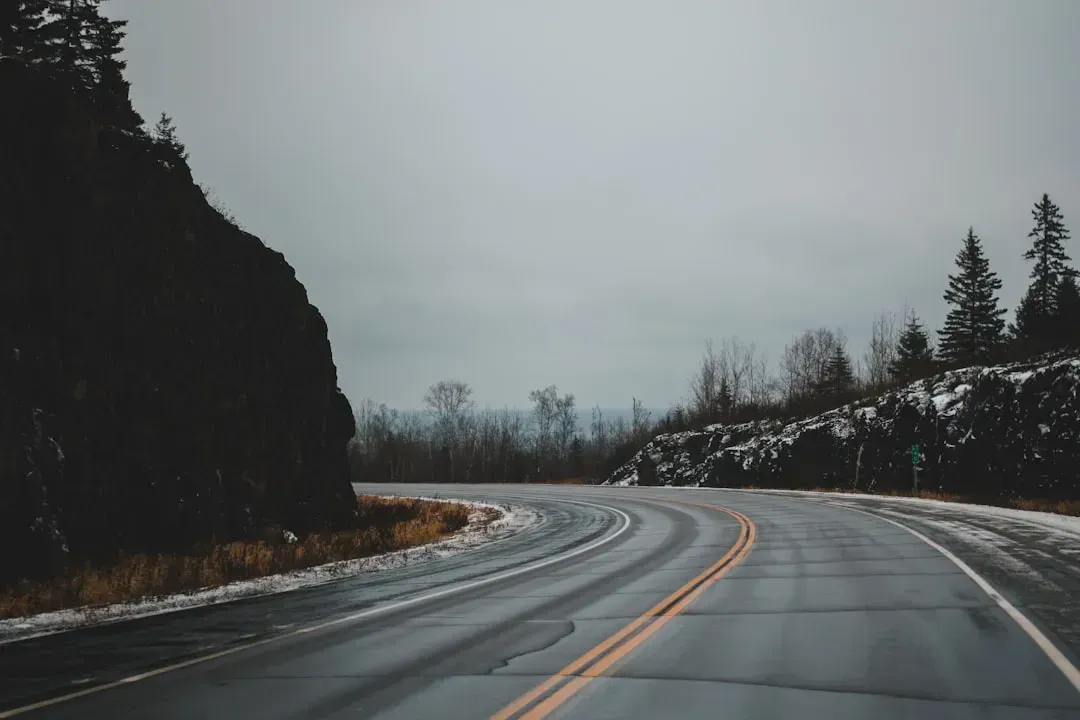
The North Shore Scenic Drive is a true stunner, stretching approximately 154 miles from Duluth, Minnesota, to the Canadian border, offering unparalleled views of the northern shores of Lake Superior – the largest freshwater lake in the world by surface area. The drive passes through charming towns and rugged coastal landscapes, allowing for opportunities to stop for food and drink while also taking in expansive forests, waterfalls, and beaches studded with colorful agate stones. Other highlights include Gooseberry Falls State Park, wildlife spotting around the Sawtooth Mountains, and Split Rock Lighthouse, a historic structure perched on a cliff overlooking the lake.
What makes this route particularly good for anxious travelers is its forgiving nature. There’s almost always a reason to pull over, and the pace is genuinely your own. May through early June and September through October hit the sweet spot – you avoid peak-season crowds and prices. The lake itself is so vast it feels oceanic, which gives the whole drive an expansive, quietly liberating quality.
5. Oregon’s Historic Columbia River Highway
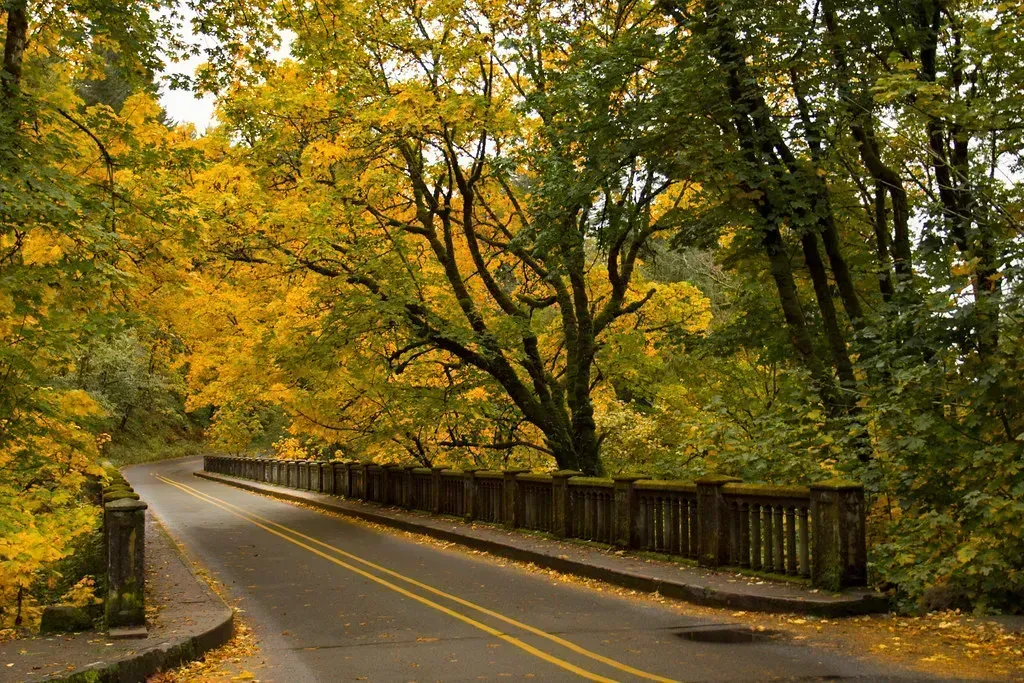
Oregon’s Columbia River Highway, built between 1913 and 1922, was the first planned scenic roadway in the United States. Spanning approximately 75 miles from Troutdale to The Dalles, it served as a blueprint for other paved scenic roadways around the country. The design incorporates arching bridges, rock tunnels, and the beautiful Vista House, where visitors can take in the view of the mighty Columbia River surging 750 feet below.
From that summit, the road winds down in figure-eight loops that take drivers through mossy forests, past the 620-foot Multnomah Falls, and by scenic vistas of the awe-inspiring river gorge. The engineering alone is worth admiring – every curve feels intentional. Any change of environment, whether exploring new places or driving through new scenery, can reduce stress and help you deal with daily struggles, and scientists argue that gentle driving can induce a relaxation response in the body that reduces cortisol. This highway understands that instinctively.
6. The Turquoise Trail – New Mexico
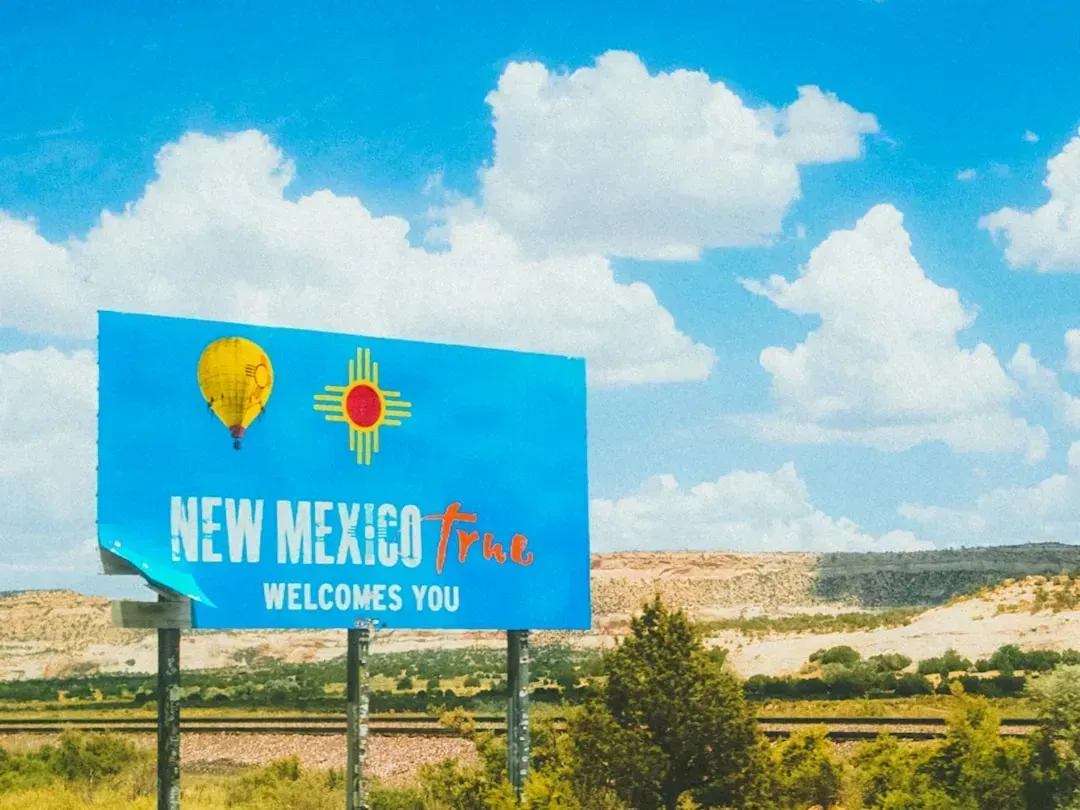
The Turquoise Trail stretches 50 miles between Albuquerque and Santa Fe, passing through historic mining towns, artistic enclaves, and dramatic landscapes. Among the best-kept secrets along this route is Madrid, a quirky town with eclectic shops, galleries, and the famous Mine Shaft Tavern. It’s the kind of place that surprises you – you expect dust and get color instead.
The nearby High Road to Taos connects Santa Fe to Taos through traditional Spanish and Pueblo cultures, beautiful churches, and stunning mountain scenery, making it perfect for travelers seeking a blend of cultural immersion and natural beauty. Chimayó is a historic pilgrimage site known for the Santuario de Chimayó; Truchas is a picture-perfect village with incredible views of the Truchas Peaks; and Picuris Pueblo is one of the oldest continuously inhabited communities in the U.S. The density of history along this short stretch is remarkable.
7. The Blues Highway – Nashville to New Orleans (Highway 61)
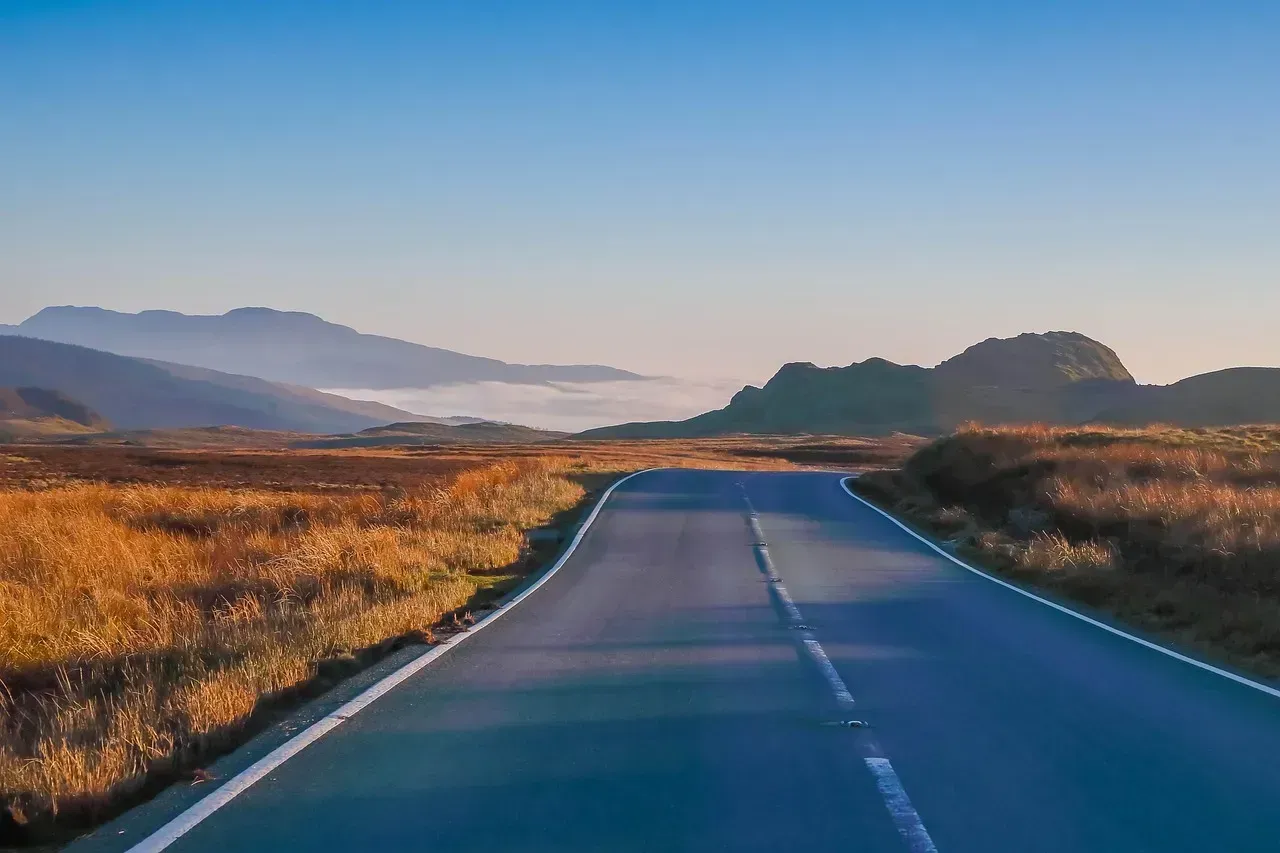
The Blues Highway – stretching from Nashville, Tennessee, to New Orleans, Louisiana – is a journey deeply rooted in the history of American music. The route, also known as Highway 61, explores Delta Blues landmarks where artists like Aretha Franklin and Elvis Presley recorded iconic songs, the vibrant French Quarter of New Orleans, and the groundbreaking jazz heritage of Preservation Hall.
The 33-block historic district along Cane River Lake in Natchitoches, Louisiana – a genuine UNESCO-worthy streetscape – draws only a fraction of New Orleans’ crowds, making it an ideal stopping point. The repetitive and rhythmic nature of driving – accelerating, steering, braking – can reduce anxiety levels and serves as an almost meditative activity that promotes relaxation, similar to physical activities like walking. A road trip with a soundtrack this deep makes that effect even more pronounced.
8. Beartooth Highway – Wyoming and Montana
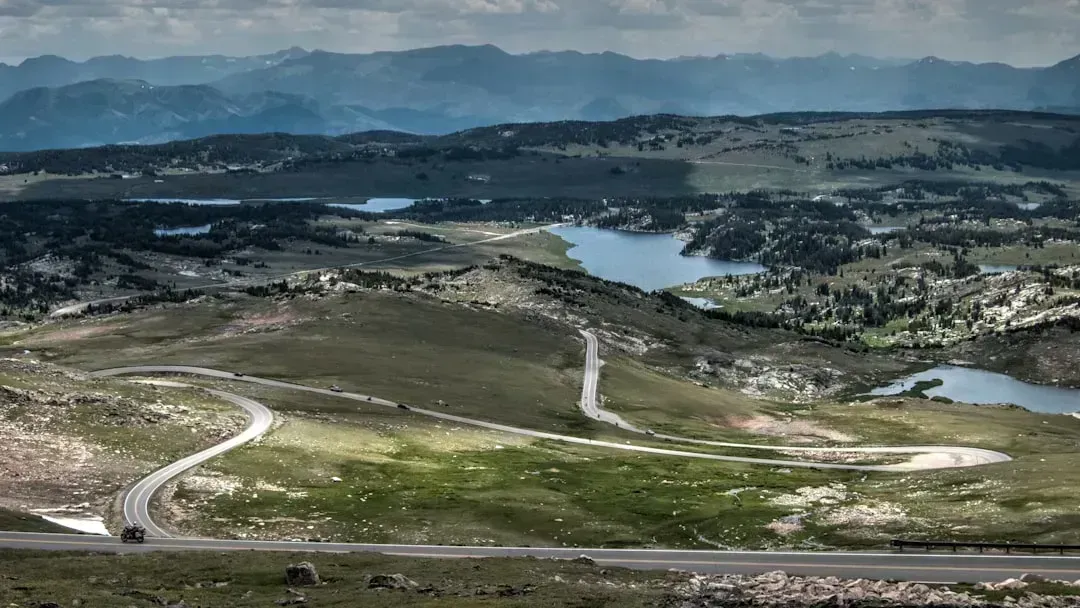
Climbing to nearly 11,000 feet at its peak, the Beartooth Highway feels more like a journey through the Arctic than a drive through Montana and Wyoming. The road escalates into a vast expanse with lakes and patches of snow that stick around even through summertime, and tight curves twist and turn up the mountain with each one revealing a gorgeous new view. Once you reach the top, the horizon feels enormous and the thin air gives the whole drive a visceral feeling, as if you’re driving through the sky.
Just two hours from the center of Yellowstone lies this stunner of a route – some say it could easily compete with the national park itself. The road starts at 5,000 feet and climbs to a maximum height of nearly 11,000 feet, and by the time you reach Beartooth Pass, you’re driving through a high-alpine plateau that is barren, humbling, and above all, awe-inspiring. Timing matters here – heavy snow means the road usually opens in late spring or early summer and closes again in autumn, but if you catch it while it’s open, it’s a stunning drive with plenty of places to pull over.
9. The Pioneer Mountains Scenic Byway – Southwestern Montana
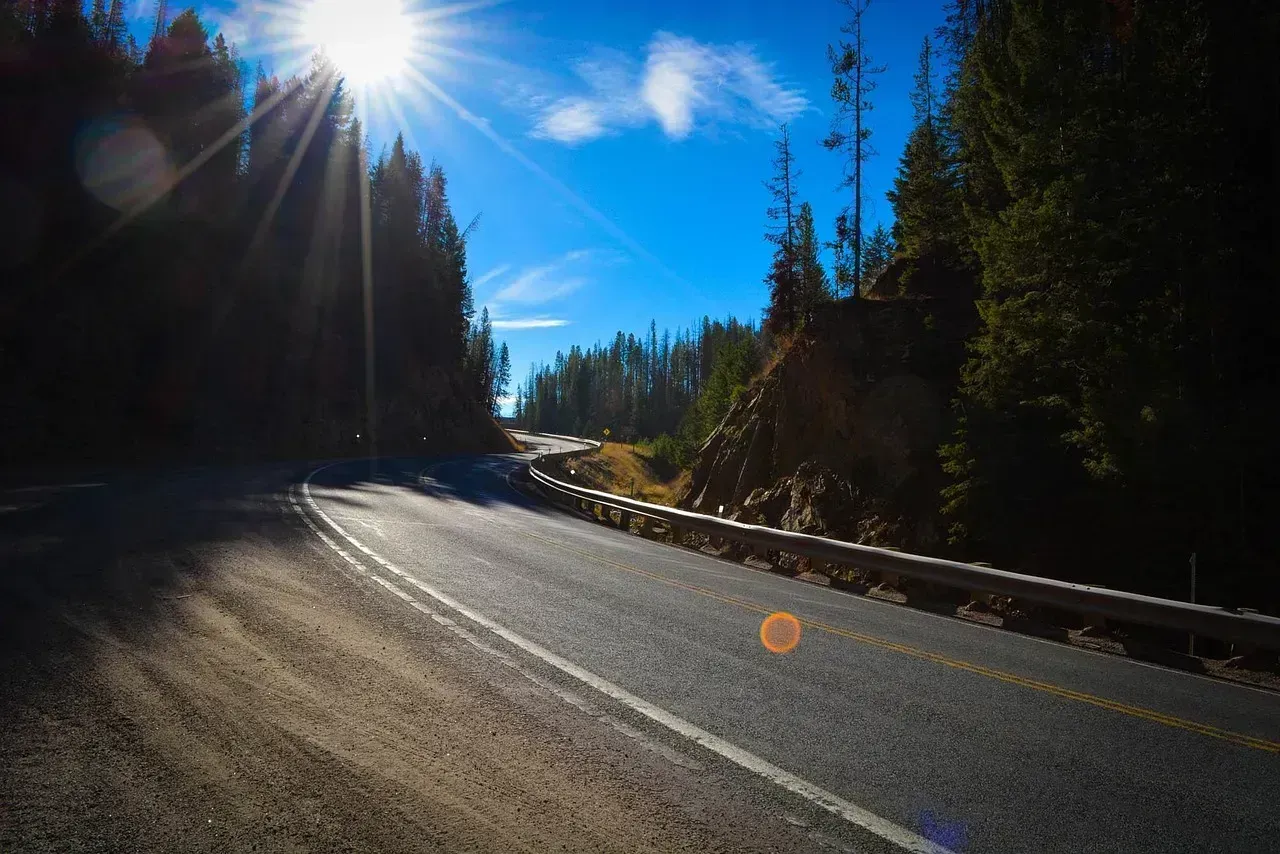
For a Montana scenic drive that escapes the crowds of Glacier or Yellowstone National Parks, the Pioneer Mountains Scenic Byway in the southwestern portion of the state covers 49 miles through the heart of the Pioneer Mountains in the Beaverhead-Deerlodge National Forest, from the town of Wise River to Dillon. To the east, 10,000-foot granite peaks stand guard, while the rolling terrain of a lodgepole pine forest stretches to the west.
Coolidge ghost town makes for a fun side trip, Crystal Park offers a chance to look for quartz, and soaking in the pool at Elkhorn Hot Springs is a good way to soothe road-weary bones. Nine campgrounds are scattered along the drive, or you can bunk for the night in the small ranching community of Polaris. With incredible hot springs, rugged mountain wilderness, and charming towns, drives like this one through Montana are perfect for those who want epic adventures without the crowds of many other western states.
Every one of these nine drives shares something that most popular routes have quietly lost – the sense that the road belongs to you. Road trips provide an escape from the daily grind, and whether you’re driving through bustling towns or serene countryside, the journey offers a break from routine and a chance to reflect – a time where life slows down a bit. Sometimes the best thing a road can do is simply give you room to think.