
Water covers the vast majority of our planet’s surface. The cruel irony, of course, is that almost none of it is drinkable. As freshwater reserves shrink under the combined pressure of climate change, population growth, and poor resource management, desalination has been held up as a near-miraculous fix. Strip the salt, get the water. Simple enough in concept.
The reality is considerably messier. Desalination has a shadow side that doesn’t get nearly enough attention in the headlines celebrating new mega-plants. Researchers and environmental scientists have spent years documenting costs, ecological damage, and systemic limitations that raise a serious question: is the world betting too heavily on a technology that may be more burden than breakthrough?
A Waste Problem Bigger Than Anyone Admitted
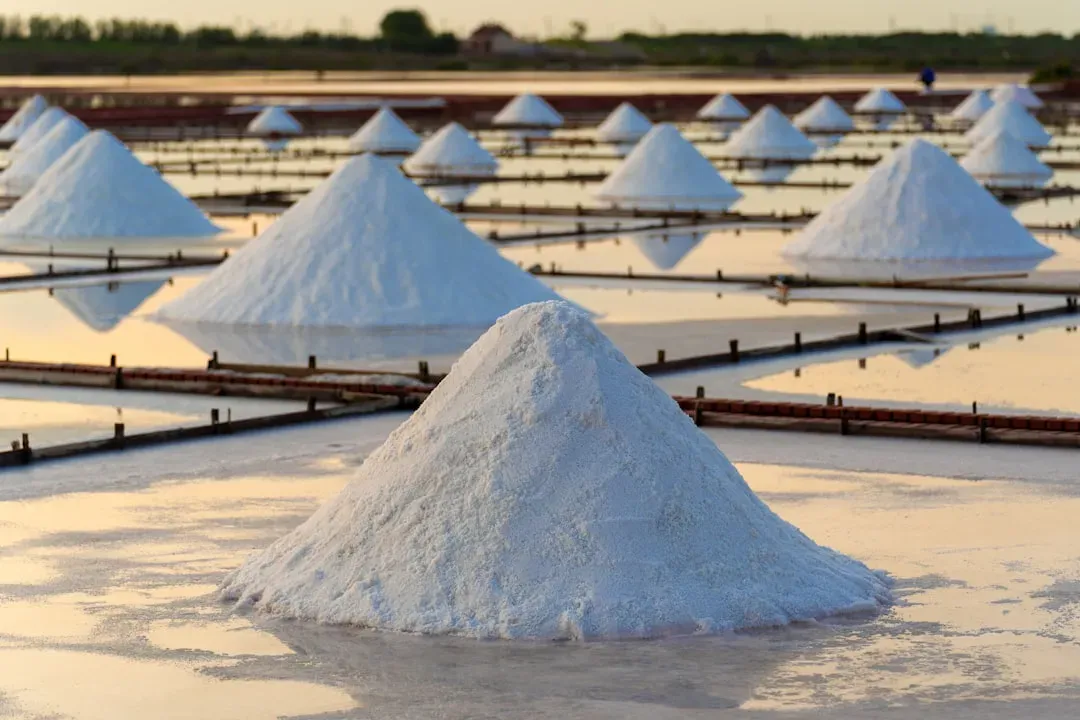
During the desalination process, roughly half of the collected water ends up as freshwater, while the remaining half becomes a highly concentrated brine containing a mixture of toxic chemicals. Research shows that desalination plants produce around 141.5 million cubic meters of brine each day, compared to just 95 million cubic meters of freshwater. That ratio alone should give pause. The industry has long been creating more waste than product.
Despite the ecological threats, there was no comprehensive assessment about how much brine was actually being produced until researchers calculated the figure and found it was roughly fifty percent greater than the desalination industry’s previous rough estimate. In fact, it is enough to cover Florida with thirty centimeters of brine every year. The scale of the problem had been quietly understated for decades.
What Brine Actually Does to the Ocean Floor
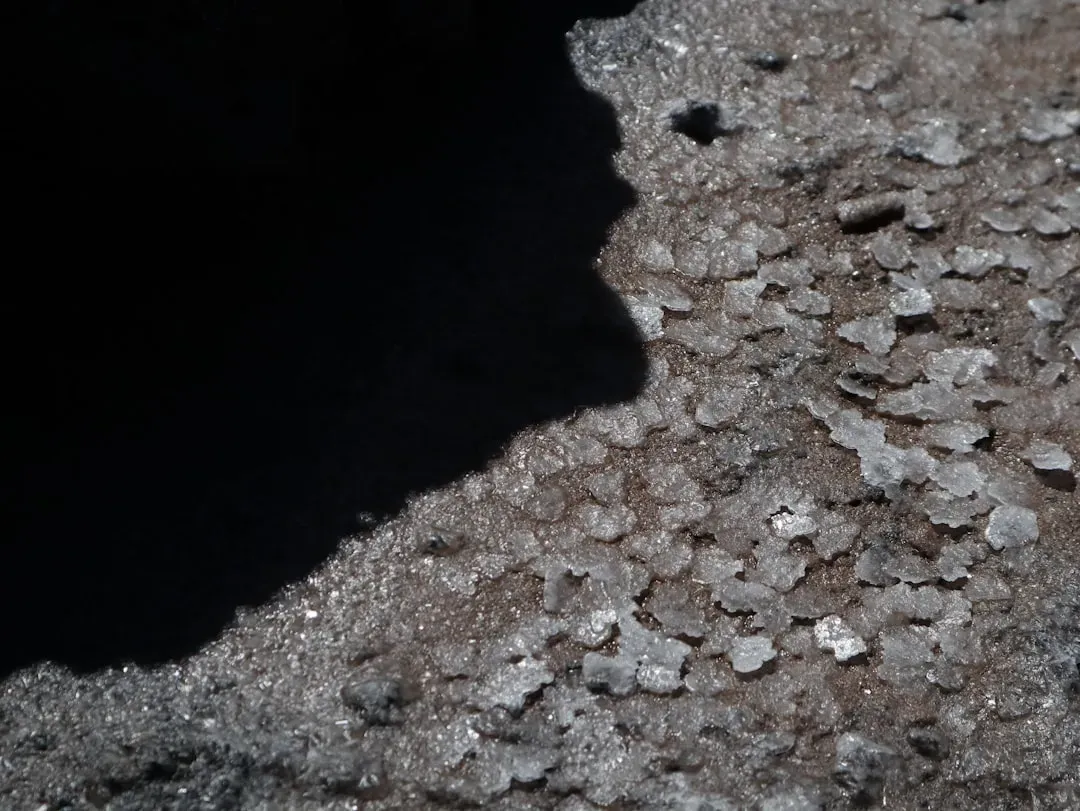
Seawater reverse osmosis facilities produce freshwater and simultaneously discharge hypersaline brine that often includes various chemical additives such as antiscalants and coagulants. This dense brine can sink to the sea bottom and creep over the seabed, reaching up to five kilometers from the discharge point. That is not a localized problem. It is a spreading one.
Research has indicated a suite of impacts by brine on benthic organisms, including bacteria, seagrasses, polychaetes, and corals. The effects within the discharge mixing zones range from impaired activities and morphological deformations to changes in community composition. The high salinity, temperature, and heavy metals can cause eutrophication, decreasing dissolved oxygen and even species extinction, especially in coral reefs.
The Shallow Seas Problem

In shallow seas like the Gulf in the Middle East, there are fewer waves and less sea circulation. This causes salt to build up in dangerous concentrations when brine is dumped, which worsens the harm to marine life over time. The regions that rely most heavily on desalination happen to be the same regions where the ocean is least able to absorb the damage.
The Arabian Gulf is shallow, lacks strong currents, and has seen incoming freshwater slow to a trickle due to upstream dams and diversion for drinking and irrigation. The Gulf also receives salty water from the oil and gas industry. As a result, the Gulf is now about twenty-five percent saltier than typical seawater, with hotspots double or triple its regular salinity. In addition to harming sea life, extreme salinity also makes desalinating the water more difficult and expensive.
The Energy Appetite Nobody Talks About Enough
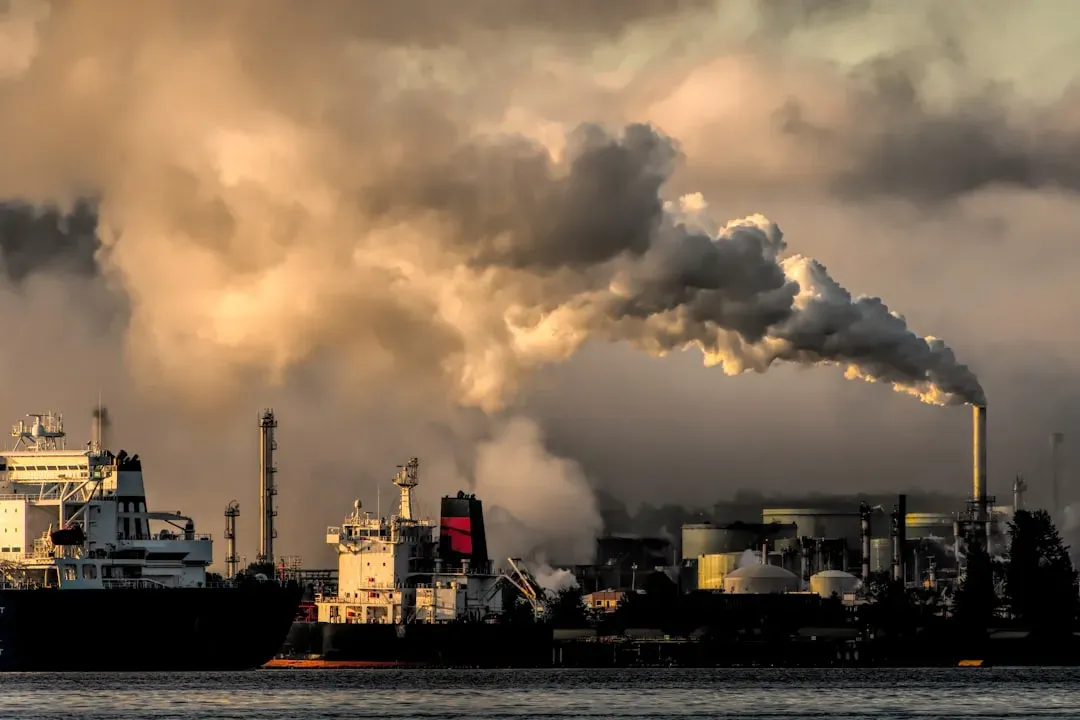
Desalination technologies are energy-intensive, and the energy required is currently produced largely using fossil fuels. The use of fossil fuels is associated with emissions of greenhouse gases and air pollutants. Desalination is so energy-hungry that it accounts for roughly one quarter of all energy used in the water sector globally.
Under three degrees of warming, addressing global water scarcity through desalination could require up to 1,669 terawatt-hours of electricity per year and result in annual emissions of one billion tons of carbon dioxide, accounting for roughly one percent of global energy use and two and a half percent of emissions. As salinity rises from brackish to fully saline water, energy demand increases by nearly three quarters, underscoring the central role of salinity in determining desalination’s viability.
A Vicious Climate Feedback Loop
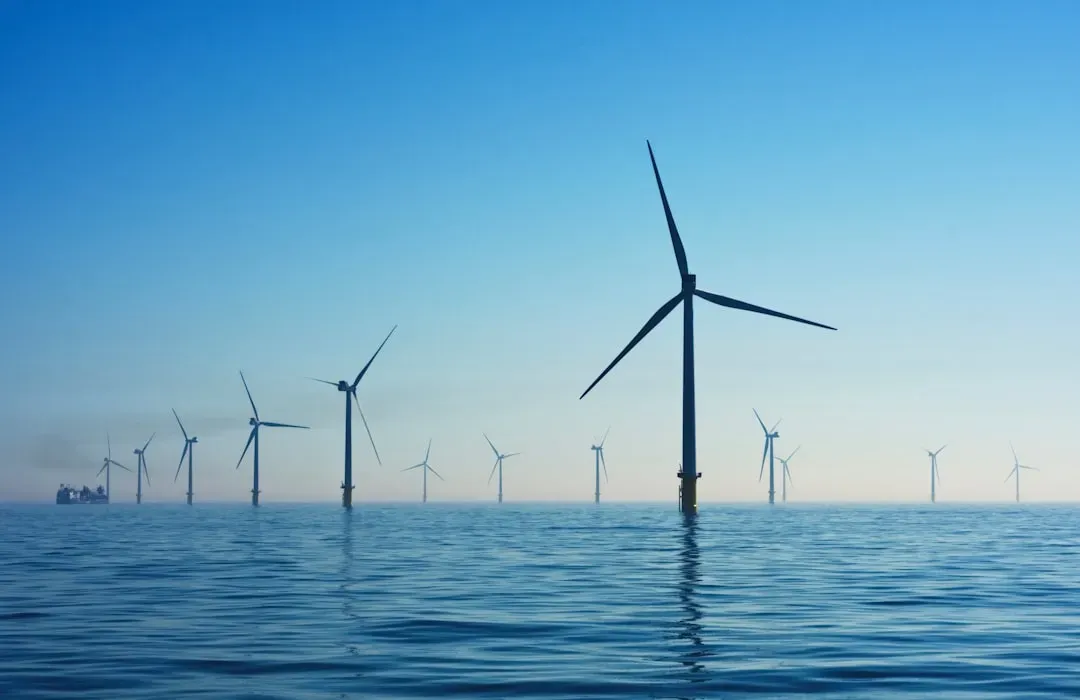
Without rapid grid decarbonization or dedicated renewable energy, desalination risks locking countries into a high-emissions water future. There is something deeply troubling about that framing. The technology meant to compensate for climate-driven water loss could itself accelerate the very warming that is making water scarcer.
According to research published in January 2026 by Elsevier, desalination plants generate between 493 to 850 million tons of carbon emissions each year globally. Currently, only around one percent of desalination plants are powered by low-carbon energy sources. That means the overwhelming majority of the world’s desalination infrastructure is running on the same fossil fuels driving the water crisis itself.
Marine Life Caught in the Intake
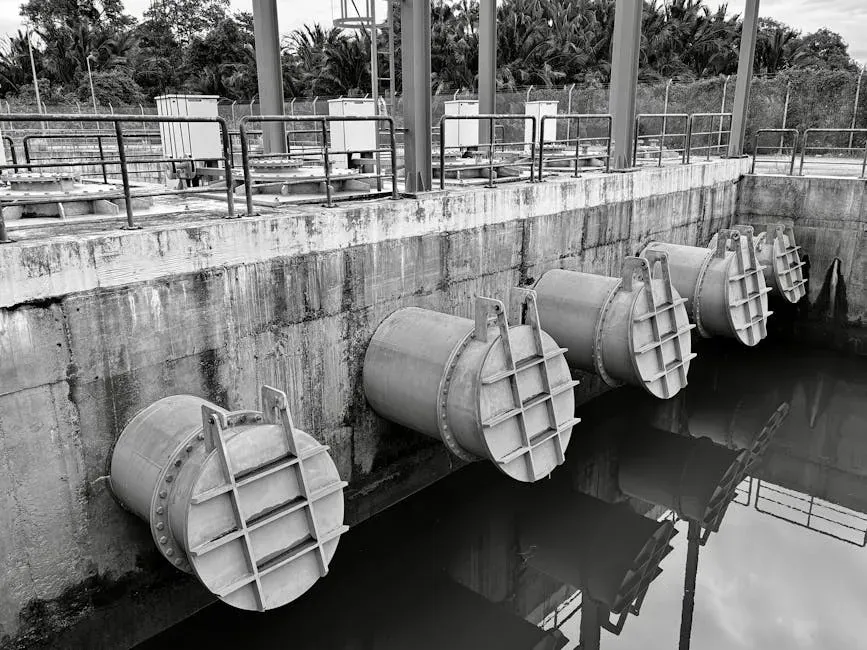
Large-scale seawater reverse osmosis facilities draw millions of gallons each day from source waters, potentially leading to the impingement, entrapment, and entrainment of massive numbers of aquatic organisms, with potential implications for community ecology. The harm begins before a single drop of freshwater is even produced.
Plankton, which forms the base of the marine food web, is particularly vulnerable to entrainment. The loss of plankton can have cascading effects, impacting the entire ecosystem. Fish eggs and larvae, essential for maintaining fish populations, also suffer from both entrainment and impingement. Benthic organisms, such as corals and seagrasses, can additionally be damaged by brine discharge, particularly when the dense brine plume sinks to the seafloor.
Who Can Actually Afford It
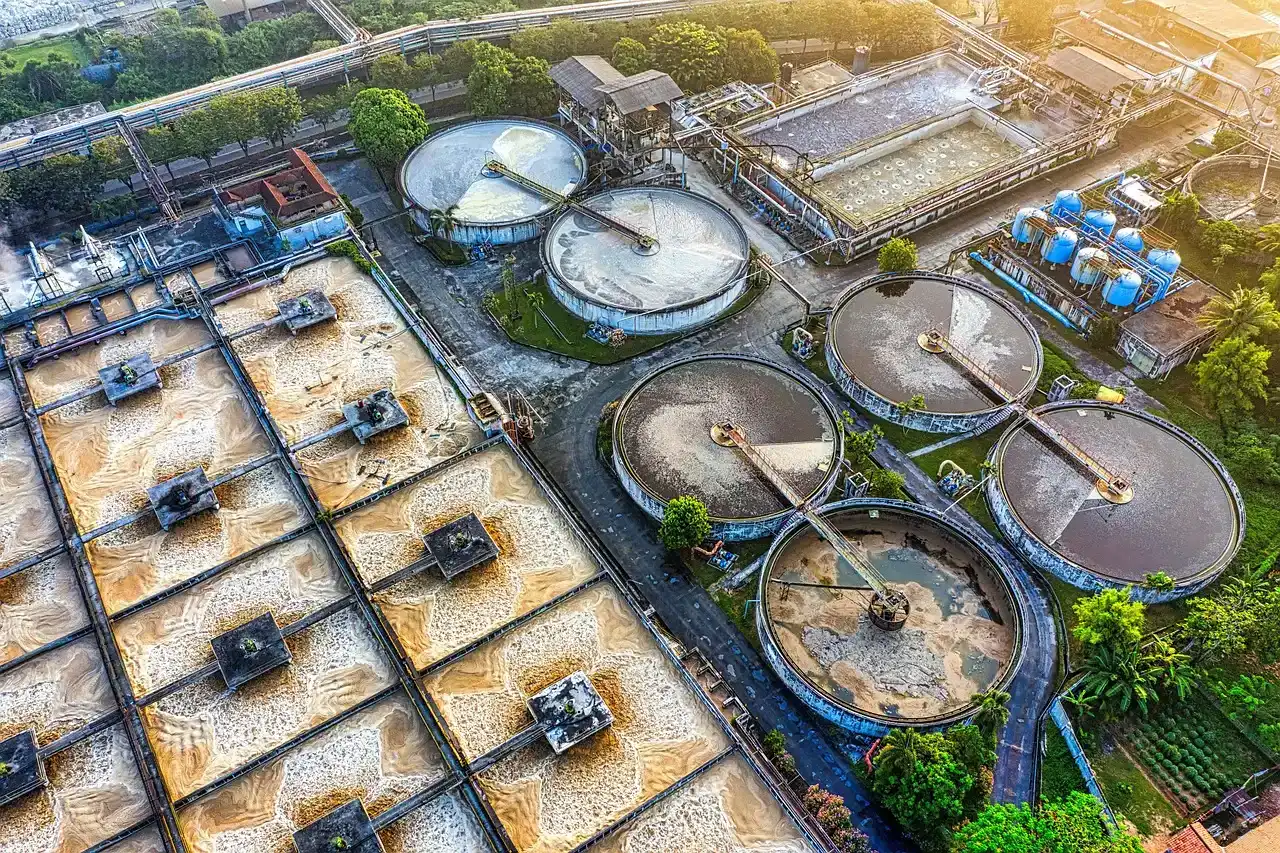
Large-scale desalination plants are expensive. Investments in large-scale plants typically run into the hundreds of millions of dollars. Unsurprisingly, the majority of recently built plants are located in prosperous countries such as the UAE and Israel or were designed to supply major cities in Australia or the United States. The countries with the most desperate water needs are almost never the ones building the biggest plants.
According to a peer-reviewed study, by 2050 two billion people in 44 countries will face water scarcity, with roughly ninety-five percent living in developing nations. Yet many of those countries lack the capital and energy infrastructure to deploy desalination at scale. In Morocco, for instance, desalinated water already costs more than four times as much as conventional water, making it out of reach for many small-scale farmers.
The Chemical Residue Nobody Fully Accounts For
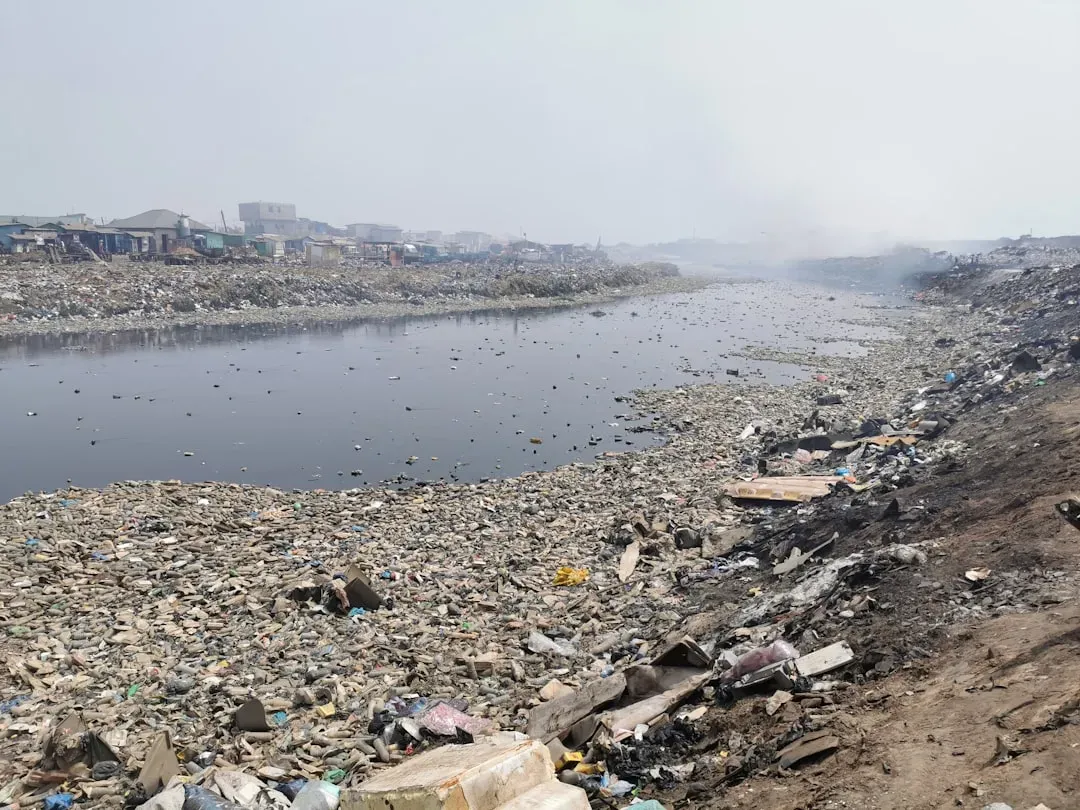
Beyond the salt itself, the brine produced is a hyper-saline solution that may contain chemicals such as iron chloride, sodium hypochlorite, aluminum chloride, and sulfuric acid from different operations within the desalination plant. These are not inert substances. They accumulate, and they persist.
Wastewater discharges emitted by desalination plants can concentrate heavy metals and chemicals. These discharges impact water quality, contribute to climate change, threaten human health, and lead to the death of marine organisms. Increased salinity can be lethal to species not adapted to such high salt concentrations, while elevated temperatures disrupt metabolic processes and reproductive cycles. The chemical pollutants present in brine can also be toxic, accumulating in the tissues of marine organisms and potentially moving up the food chain.
The Geographic Mismatch at the Heart of the Problem
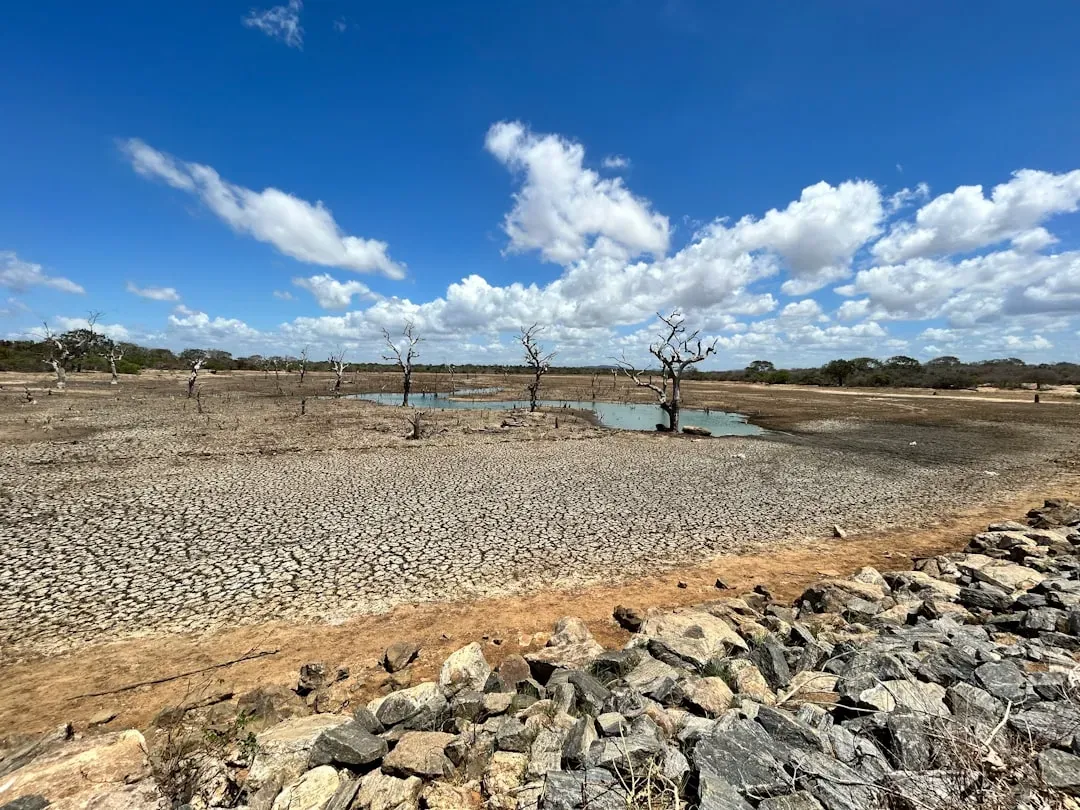
In terms of geographical distribution, low-income, water-stressed countries in North and East Africa, the Middle East, Central Asia, and South Asia face the greatest challenges, as limited financial and energy resources hinder the viability of widespread desalination. The countries most in need face the highest barriers to entry, whether measured in energy access, capital, or technical expertise.
Predictions based on World Bank population data and FAO freshwater availability data show that by 2050, two billion people in 44 countries will likely suffer from water scarcity. Among the countries most strongly hit will be Uganda, Burundi, Nigeria, Somalia, Malawi, Eritrea, Ethiopia, Haiti, Tanzania, Niger, Zimbabwe, Afghanistan, Sudan, and Pakistan. Currently, none of these countries have established desalination to meet their freshwater demand.
What Would Actually Need to Change
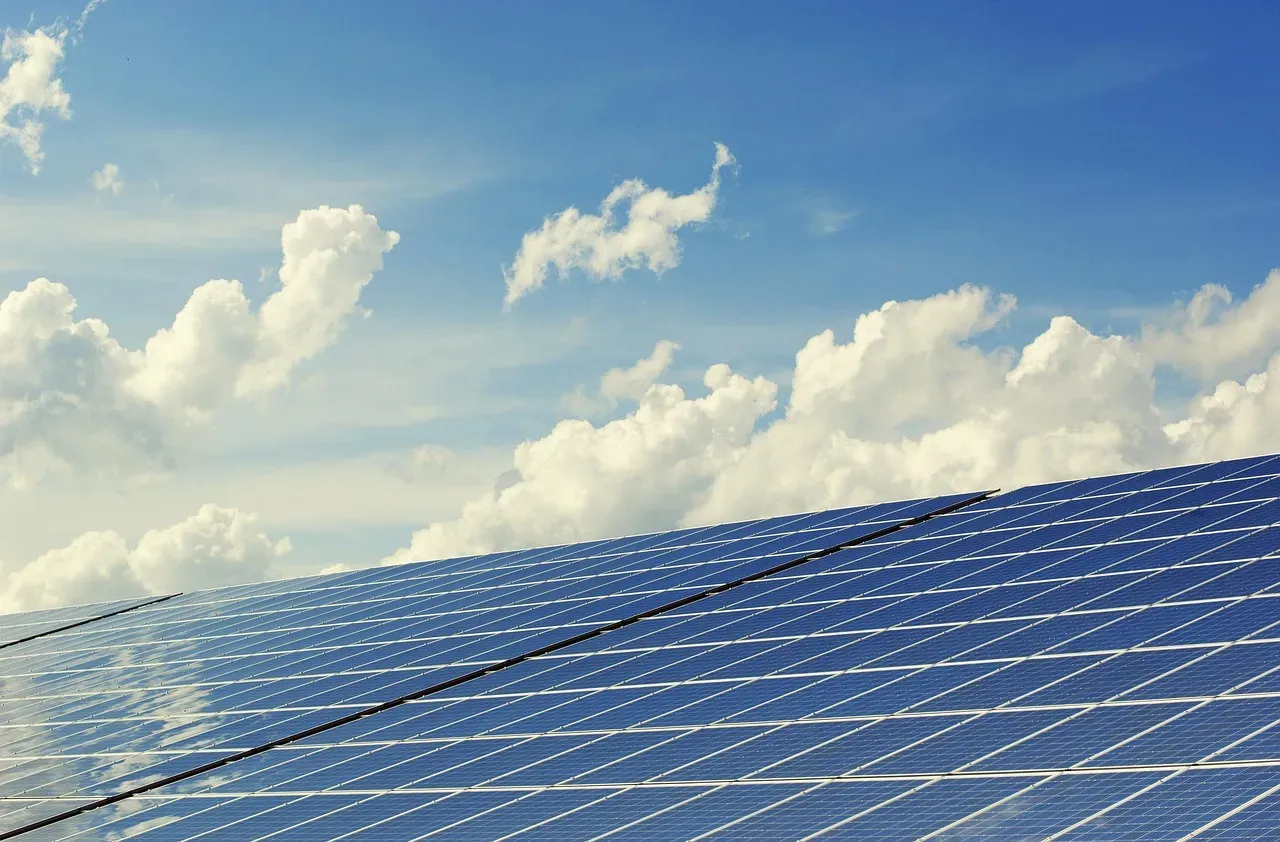
Research comparing solar energy to fossil fuels in desalination showed that transitioning to solar power could reduce carbon dioxide emissions by roughly seventy-eight percent. The technical pathway exists. The barrier is almost entirely economic and political. The sector is expanding, with annual capacity growth of between six and twelve percent, with more than 21,000 desalination plants operating worldwide by 2022. Growth is outpacing reform.
The ecological risks posed by the disposal of concentrated brine remain still largely unresolved. Ensuring desalination’s long-term sustainability will require low-carbon energy transitions and targeted economic support, especially for nations most vulnerable to energy insecurity. Until those conditions are in place, experts have every reason to stay anxious. Desalination may keep millions alive today while quietly making the problem worse for billions tomorrow.