
Most homeowners tackle renovations with the best intentions. A finished basement here, a new deck there, maybe some fresh electrical work to modernize the kitchen. It sounds harmless. But here’s the thing – a surprising number of common home improvements cross legal lines that homeowners don’t even know exist, and the fallout can be shockingly expensive.
We’re not talking about minor technicalities. We’re talking about stop-work orders, daily fines stacking up like interest on a bad loan, and in some cases, being told to demolish work you just paid tens of thousands of dollars to complete. Before you pick up that sledgehammer, you need to know what’s at stake. Let’s dive in.
1. Removing a Load-Bearing Wall Without a Permit
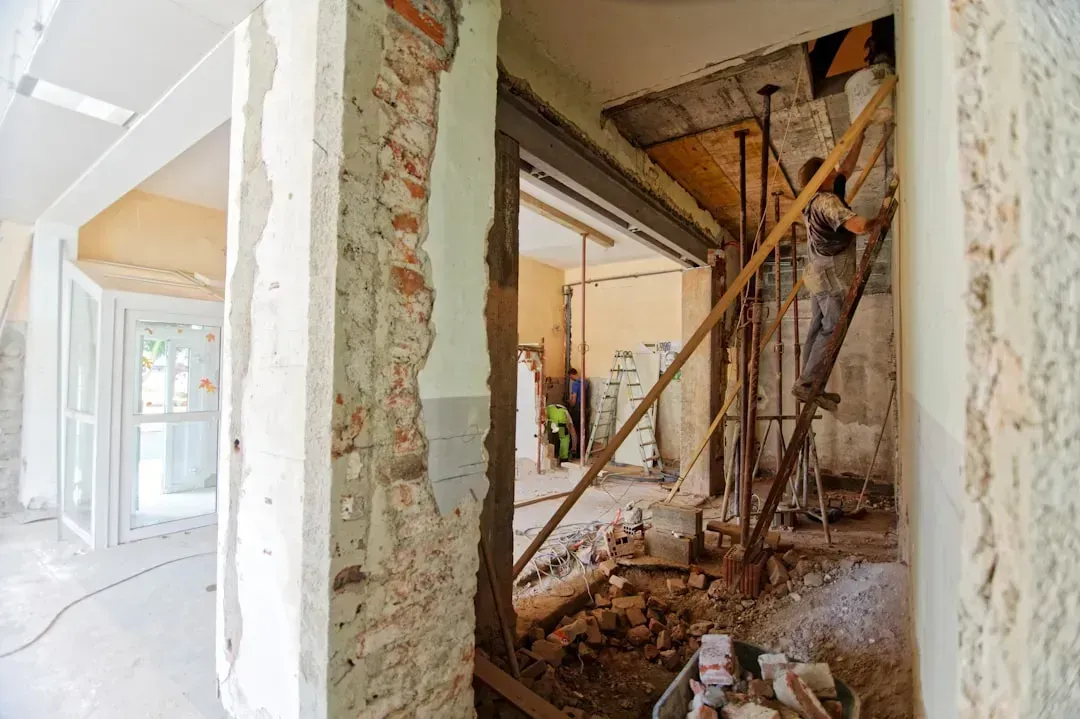
Open-concept living is everywhere right now, and the dream of knocking down a wall to connect the kitchen to the living room is one of the most popular renovation fantasies out there. The problem? That wall might be the only thing keeping your ceiling where it belongs. Removing a load-bearing wall might seem like a smart renovation, but doing it without a permit can lead to serious issues, as local building codes require permits for this type of work to ensure safety.
Permit requirements exist to ensure that your home renovations comply with safety codes and standards, and failure to obtain the necessary permits could lead to legal and financial consequences, such as fines or having to redo work that was not permitted. Honestly, that is the best-case scenario. Worst case? The structure becomes unstable and an inspector orders a full teardown. You may be charged $500 or more daily for violating building permit laws, and your county can also put a lien on your home if you don’t pay the fine.
2. Finishing Your Basement Without Approval
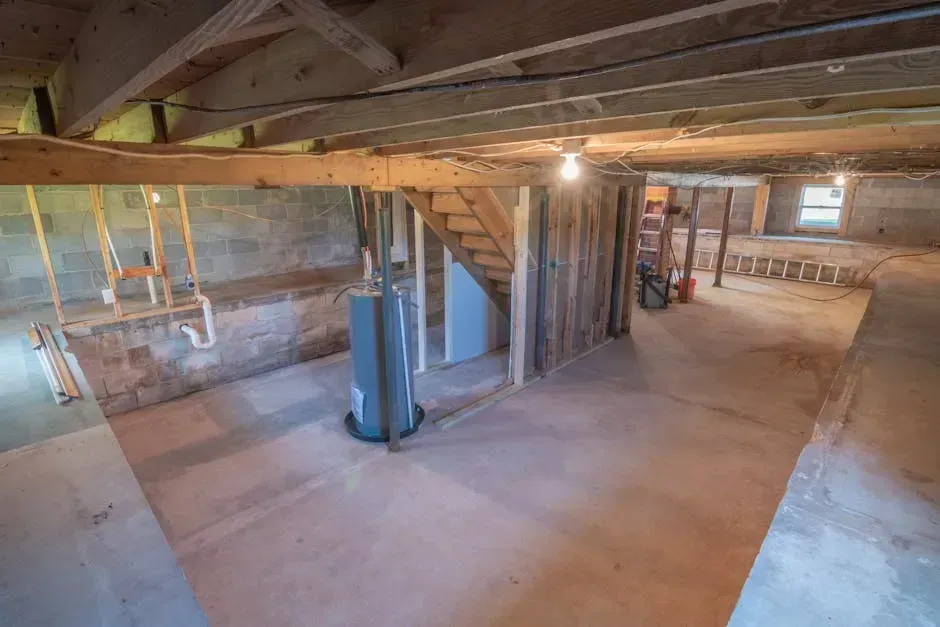
A finished basement feels like free square footage – and it basically is, if you do it right. But do it wrong, and it becomes one of the most expensive mistakes a homeowner can make. Converting your basement can be tempting for extra living space or rental income, but it almost always requires a permit, inspections, and compliance with egress window regulations, ventilation codes, and electrical standards.
If a finished basement or addition increases livable square footage, prepare for higher property taxes too. On top of that, in worst-case scenarios, cities require dismantling whole additions found lacking proper permits – and it’s an owner’s nightmare that could happen even years after purchase. In New York City specifically, adding an apartment in the basement, attic, or garage without obtaining approval or permits from the Department of Buildings is considered an illegal conversion and can trigger inspections and vacate orders.
3. DIY Electrical Work That Skips the Permit Process
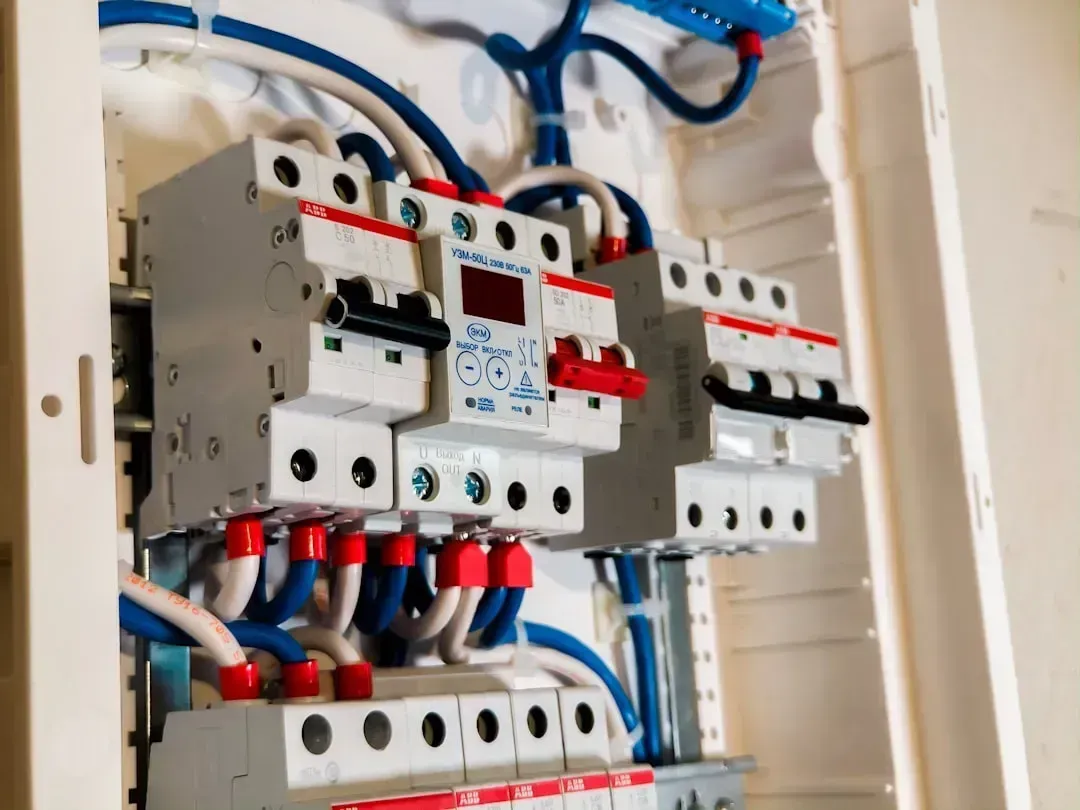
There’s a certain pride in wiring your own home. YouTube tutorials make it look manageable. But electrical work is one of the areas where skipping a permit can genuinely put lives at risk – not just your wallet. You risk safety issues when you complete work without a permit or hire someone willing to do the job without the proper licenses, as poorly executed electrical or plumbing work could be dangerous and expensive.
Homeowners insurance may deny claims related to unpermitted work, such as a fire caused by unapproved electrical wiring. Think about that for a second. You rewire a room without a permit, there’s a short circuit, a fire breaks out – and your insurance company walks away. In Massachusetts, you can be fined up to $1,000 a day for building without a permit, and similar strict enforcement exists in states across the country.
4. Adding a Deck or Outdoor Structure Without Checking Zoning

Decks feel like the ultimate backyard upgrade. A Saturday project, some lumber, maybe a cold drink when you’re done. But add a deck without proper permits, and that relaxing project can turn into a bureaucratic nightmare. If a project like the addition of a deck or privacy fence occurred without the required permits, those updates wouldn’t improve the home’s value.
Depending on the type of project, your county building department may ask you to demolish any work you’ve done. That’s right – an inspector could require you to tear down that brand-new deck entirely. Building permits cost an average of $1,600 for major renovations, which sounds steep until you compare it to the cost of rebuilding from scratch after a stop-work order. Do the math before you swing that first hammer.
5. Renovating a Pre-1978 Home Without Lead-Safe Certification

This one catches homeowners and landlords completely off guard. If your home was built before 1978, federal law gets involved the moment you start disturbing painted surfaces. Any renovation, repair, or painting project in a pre-1978 home or building can easily create dangerous lead dust, and the EPA requires that such projects be performed by lead-safe certified contractors.
In January 2025, the Environmental Protection Agency tightened its standards under the Renovation, Repair and Painting Rule to protect individuals from hazards posed by lead-based paint, with enforcement of penalties beginning January 12, 2026. The consequences of non-compliance are severe. Jobs covered by this rule include window replacements, sanding, scraping, and demolition, and violations can lead to penalties up to $44,792 per day, per violation under the Toxic Substances Control Act. That is not a typo.
6. Installing New Windows That Change the Opening Size
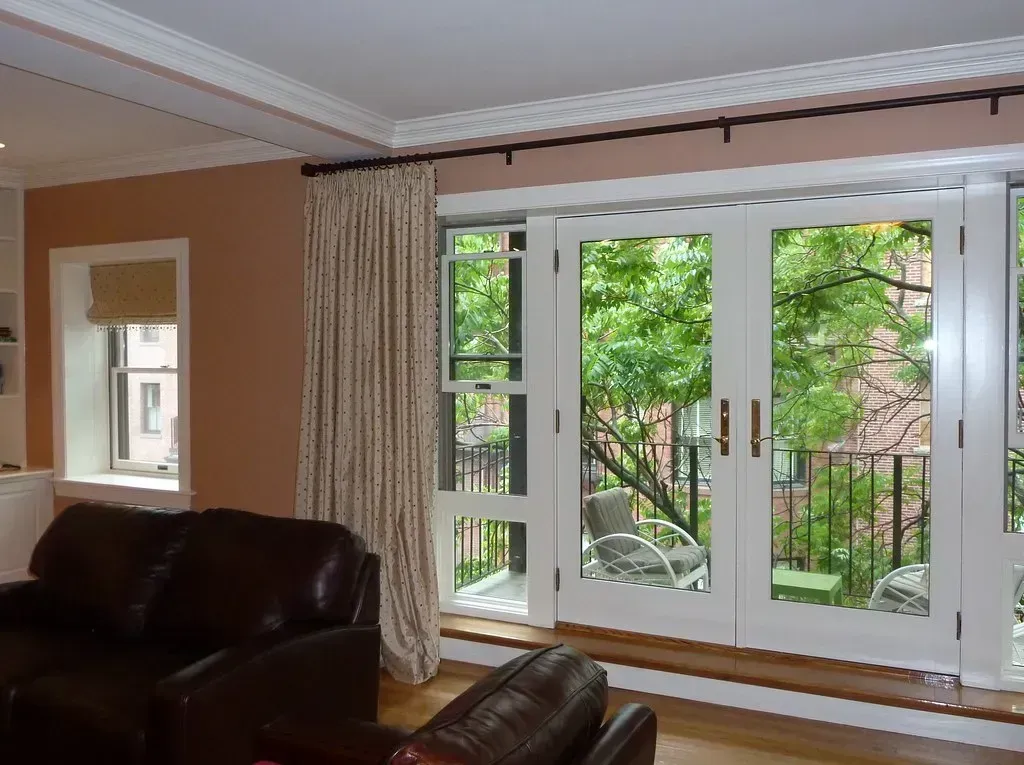
Replacing old, drafty windows sounds like a purely cosmetic improvement. Most people assume it’s a simple swap. It is – but only if you’re replacing a window with the same-sized window. The moment you alter the dimensions of an opening, you’ve entered permit territory. Installing new windows can improve your home’s appearance and energy efficiency, but doing it without the necessary permits can lead to complications, as you might not need a permit for simple replacements, but if you’re changing the size or adding new windows, permits are often required.
Skipping this step can result in fines or the need to reverse your work, and if the authorities catch you, it may also complicate the sale of your home later on. There’s also the lead paint angle to consider again. Window replacement is explicitly covered under EPA’s Renovation, Repair and Painting Rule when the home was built before 1978, meaning non-certified contractors working on those windows could face federal enforcement action.
7. Converting a Garage Into a Living Space

Garage conversions are increasingly popular, especially for homeowners trying to create rental income or add a home office. It seems straightforward – it’s your garage, after all. But converting it into a habitable space involves a cascade of permit requirements covering electrical, plumbing, insulation, egress, and zoning use changes. Changing the purpose of a room, such as a basement or a garage conversion, requires a permit.
While single-family homes have limited accessibility obligations, converting part of a house to a different use can invoke accessibility rules, and in those cases, a significant remodel might require features like accessible paths or bathrooms to meet building standards. Beyond that, the unpermitted structure may violate zoning laws, including setbacks, use restrictions, and lot coverage limits, which can prevent title insurance or certificates of occupancy. That’s a major headache when you try to sell.
8. Plumbing Changes That Go Unreported
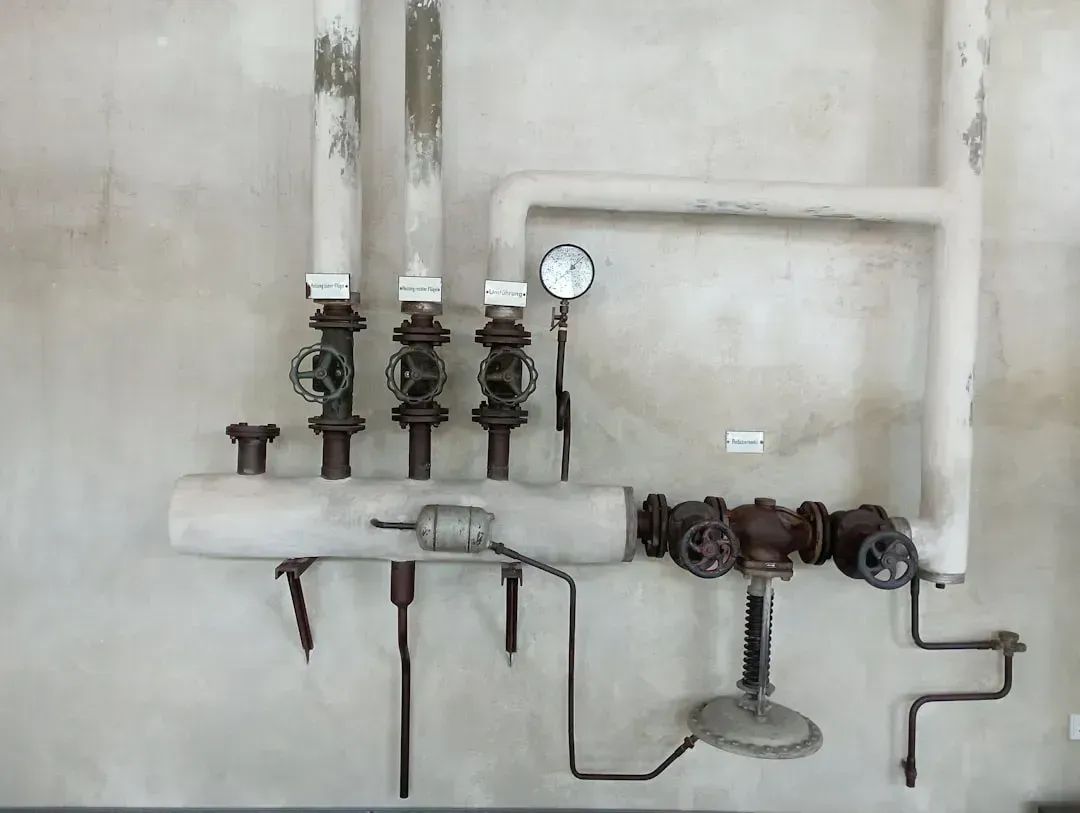
Moving a sink, adding a bathroom, relocating pipes – these are the kinds of plumbing changes homeowners sometimes attempt quietly, hoping no one notices. It’s a gamble that rarely pays off. Changes to the plumbing layout of the building require a permit in virtually every jurisdiction in the country, and failing to get one opens you up to a wide range of consequences.
Unpermitted remodeling can lead to complications in insurance coverage, and insurance companies may deny claims if an incident occurs related to the unpermitted work, leaving homeowners liable for damages. To put that in perspective, a burst pipe from poorly installed plumbing could cause tens of thousands of dollars in water damage – and if that plumbing was unpermitted, you could be footing the entire bill yourself. The average cost of legalizing a lack of permits is around $8,400 per project, which doesn’t include the cost of fixing the underlying work.
9. Roofing Work Done Without a Permit or Proper Disclosure

Roofing feels like maintenance, not construction. Swap out the shingles, maybe fix some flashing – done. But the legal reality is more complicated than most homeowners realize. Making changes to your roof without obtaining the proper permit can bring serious consequences, as local authorities view any unpermitted work as illegal, which might lead to fines or the requirement to reverse the modifications.
Insurance companies may refuse coverage for damages if the work wasn’t approved, which could mean hefty out-of-pocket expenses, and unpermitted roof modifications can lower your home’s appraisal value. It’s also worth noting that beyond smoke alarms now required on all remodels, a substantial renovation often triggers new sprinkler requirements, with local fire codes saying that large additions or alterations must add sprinklers or upgraded alarms. A roof replacement that crosses into substantial alteration territory can trigger exactly these kinds of additional requirements.
10. Unpermitted Renovations That You Try to Hide During a Sale
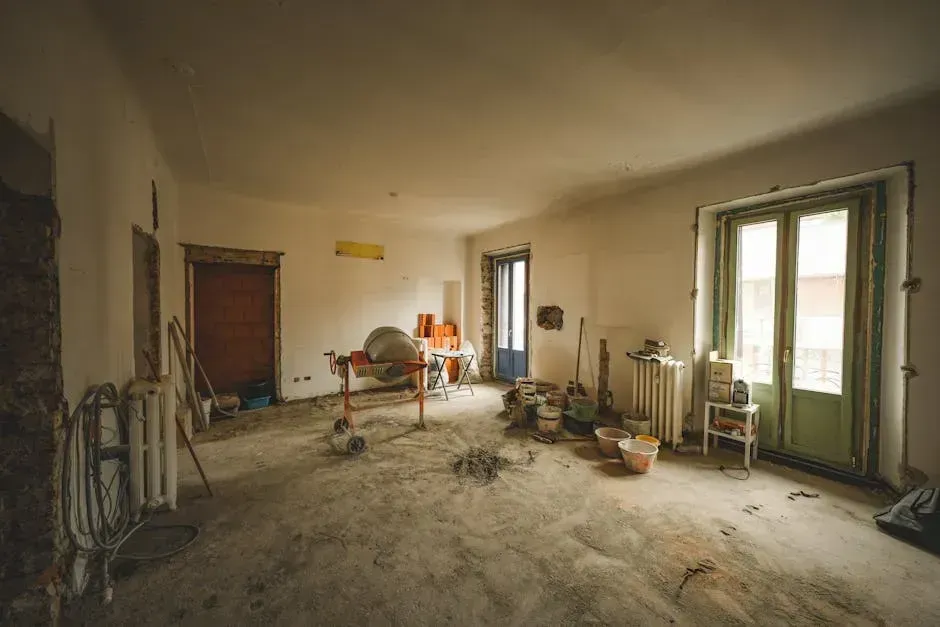
Here’s the scenario: You’ve made several improvements over the years, some with permits and some without. Now you’re selling. Surely the buyer won’t notice? Think again. You are required to disclose to buyers any known unpermitted work done on your house, even if it was done by previous owners. Withholding this information isn’t just bad form – it’s legally actionable.
The property owner – not the previous owner – is typically liable for violations and fines, which means the problem doesn’t disappear when you hand over the keys. In urban areas, roughly three out of every ten residential properties have some form of unpermitted work, so buyers and their agents are increasingly vigilant. Building without a permit may seem like a shortcut, but the potential consequences far outweigh any temporary savings in time or money, as the risks of unpermitted construction can have lasting impacts on your property and finances. The bottom line is simple: the cover-up is almost always more expensive than the original permit would have been.