
You push the mower back into the garage, wipe your hands on your jeans, and admire the freshly cut yard. Job done, right? Not quite. Honestly, what you do – or don’t do – in the hour after mowing can either make your lawn thrive or quietly destroy it over time. Most homeowners have no idea the real damage happens after the mowing stops.
The good news is that these mistakes are completely avoidable once you know what to look for. Some of them seem totally harmless, even logical. That’s exactly what makes them so sneaky. Let’s dive in.
1. Watering Immediately at the Wrong Time of Day
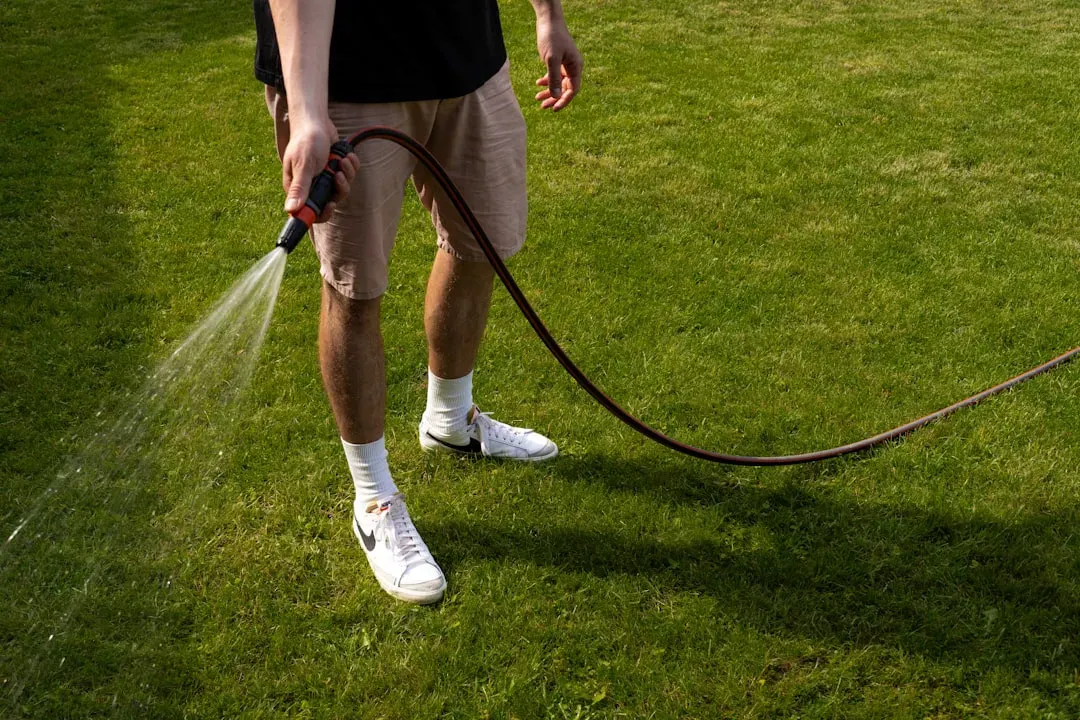
There’s a real science to watering after mowing, and most people get it wrong. Timing matters as much as the task itself when it comes to mowing and watering. It is not just about whether you water – it’s about when.
Watering grass after mowing at night leaves the turf damp overnight, which can lead to fungus growth. That’s a serious problem many homeowners unknowingly create every single week. Watering early in the morning, before 10 AM, reduces evaporation and allows grass to absorb moisture efficiently.
2. Fertilizing the Grass Right After Cutting
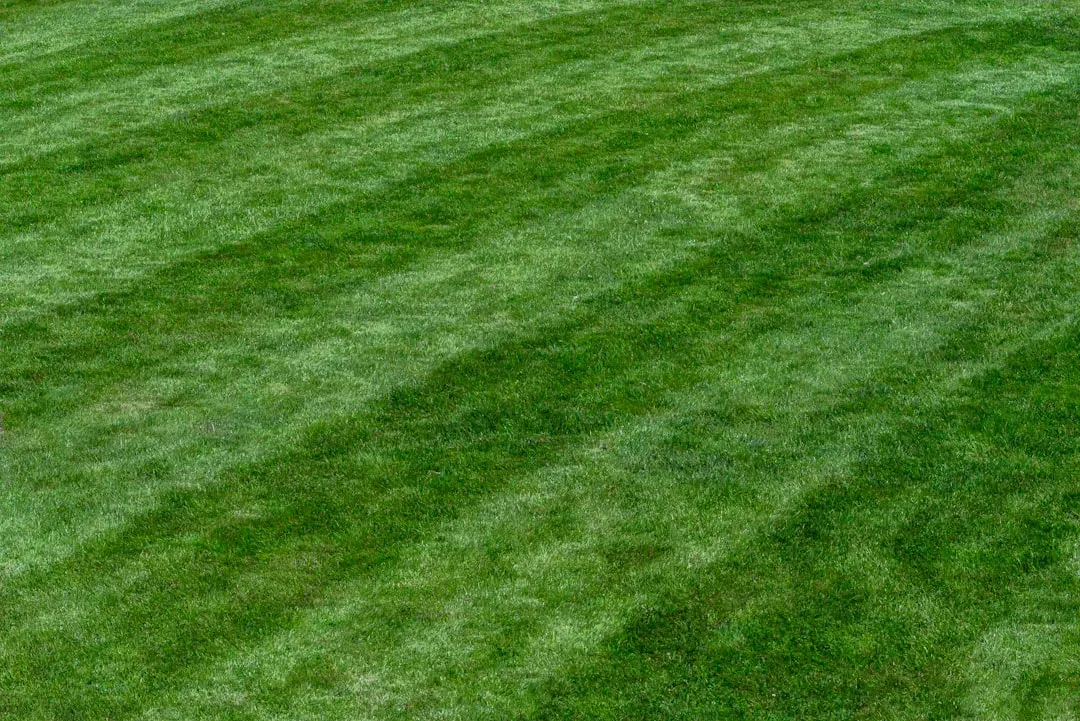
Here’s the thing – your grass has just been through genuine stress. Mowing cuts away leaf tissue and puts the plant into recovery mode. When you mow, you open up the grass blades slightly, making them more receptive to absorbing nutrients. However, fresh cuts can also make the grass more sensitive to chemical burn, especially with high-nitrogen fertilizers.
You shouldn’t fertilize your lawn straight after mowing it. Wait 24 to 48 hours after mowing before fertilizing your lawn. Mowing stresses out your grass, and you shouldn’t fertilize stressed grass. Think of it like feeding someone who just finished running a marathon – their body needs a minute first. While the stress caused by mowing is not as bad as stress induced by dormancy, stress makes grass more susceptible to damage. You might even cause fertilizer burn.
3. Bagging All Your Grass Clippings Every Single Time
Let’s be real – a lot of people bag clippings out of habit or because they think it looks tidier. But you’re throwing away something genuinely valuable. Many homeowners believe that removing grass clippings is necessary for a tidy lawn, but this practice deprives your turf of valuable nutrients. Instead of bagging clippings, consider using a mulching mower or removing the bag from your mower to allow the clippings to return to the soil.
Studies show that bagging your grass can take away up to a full pound of nitrogen per year from your lawn. That is free fertilizer you’re literally hauling to the curb. Grass clippings reintroduce nitrogen, moisture, and other nutrients to your lawn when you leave them on your grass after mowing. As they decompose, they are reabsorbed into the soil where they can provide another source of nutrients that would otherwise not exist.
4. Leaving Large Clumps of Clippings on the Lawn
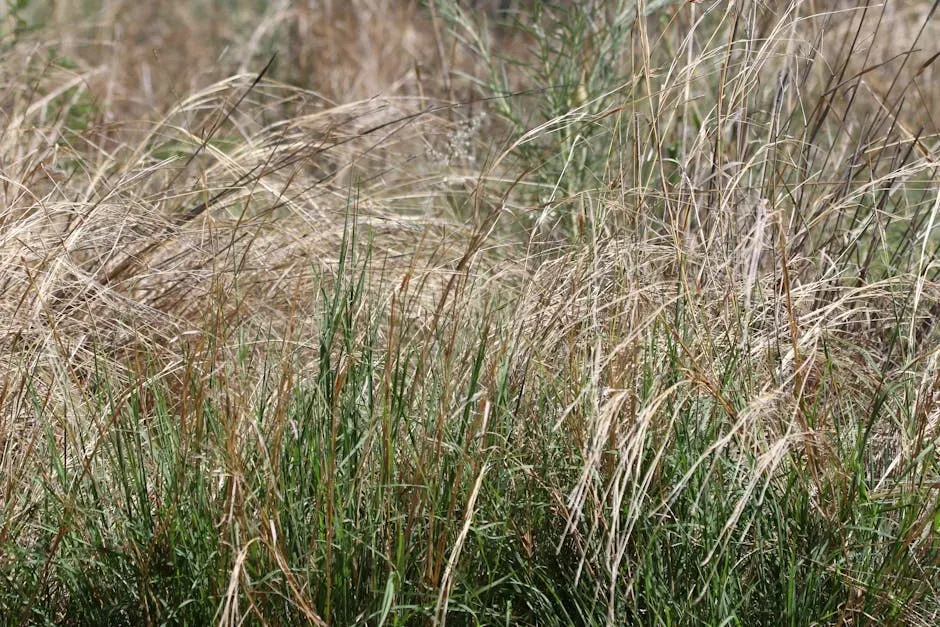
Here’s where things flip. While mulching clippings is generally great, leaving giant wet clumps sitting on your lawn after mowing is a whole different story. If your grass has gotten super long, those clippings will be thick, heavy, and way too much for your lawn to handle all at once. Instead of breaking down quickly, big clumps of clippings can smother your grass, block sunlight, and create a soggy mess that no one wants to deal with.
Clumps on wet or overgrown lawns can smother living turf beneath, causing yellowing or bare spots. Allow the turf to dry if possible and rake up and remove any clippings left behind. It’s a balancing act. Mulch the small stuff, remove the big stuff.
5. Ignoring the One-Third Rule Before Mowing Again
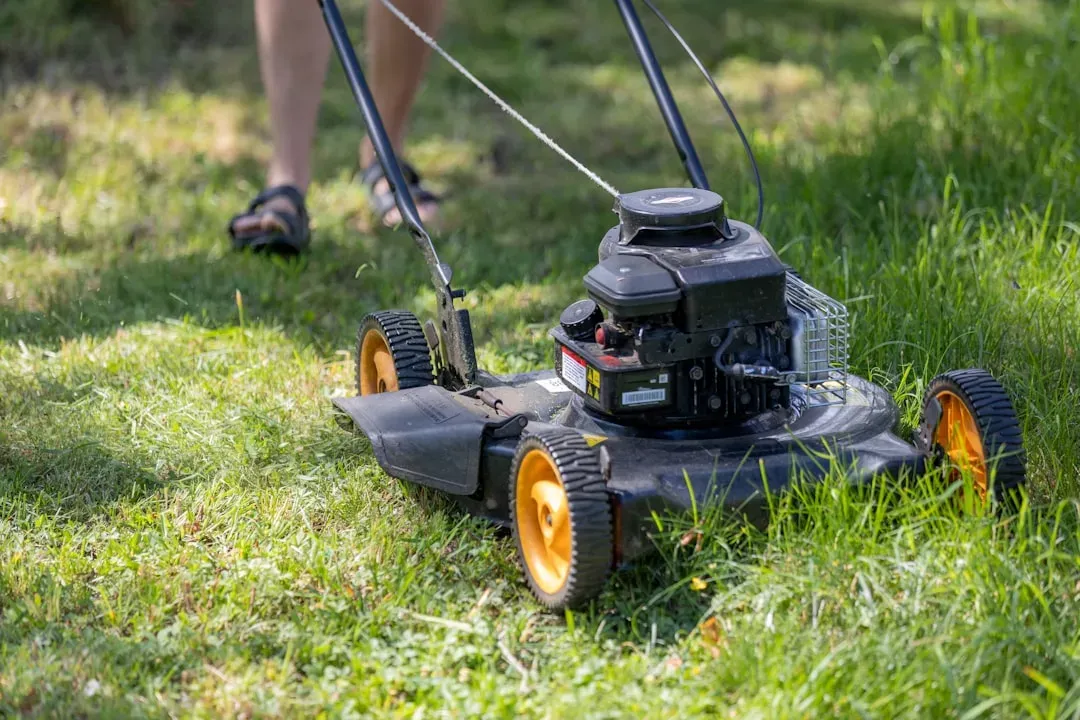
Many homeowners think about the one-third rule only while they’re mowing. But it applies just as much to how often you mow after a session. The taller the grass gets, the more you’ll cut off when you finally mow. The more you cut off, the more you’ll “shock” the grass. That weakens each individual plant and leads to other problems later on.
Grass plants grow root systems in proportion to their top growth, so when grass blades are too short, they can’t make enough sugars for the roots to grow deeply into the soil. Grass cut too short will immediately start pouring its energy into growing its blades – at the expense of root growth. I know it sounds crazy, but letting grass grow a bit between mows is actually doing it a favor.
6. Mowing in the Same Direction Every Time
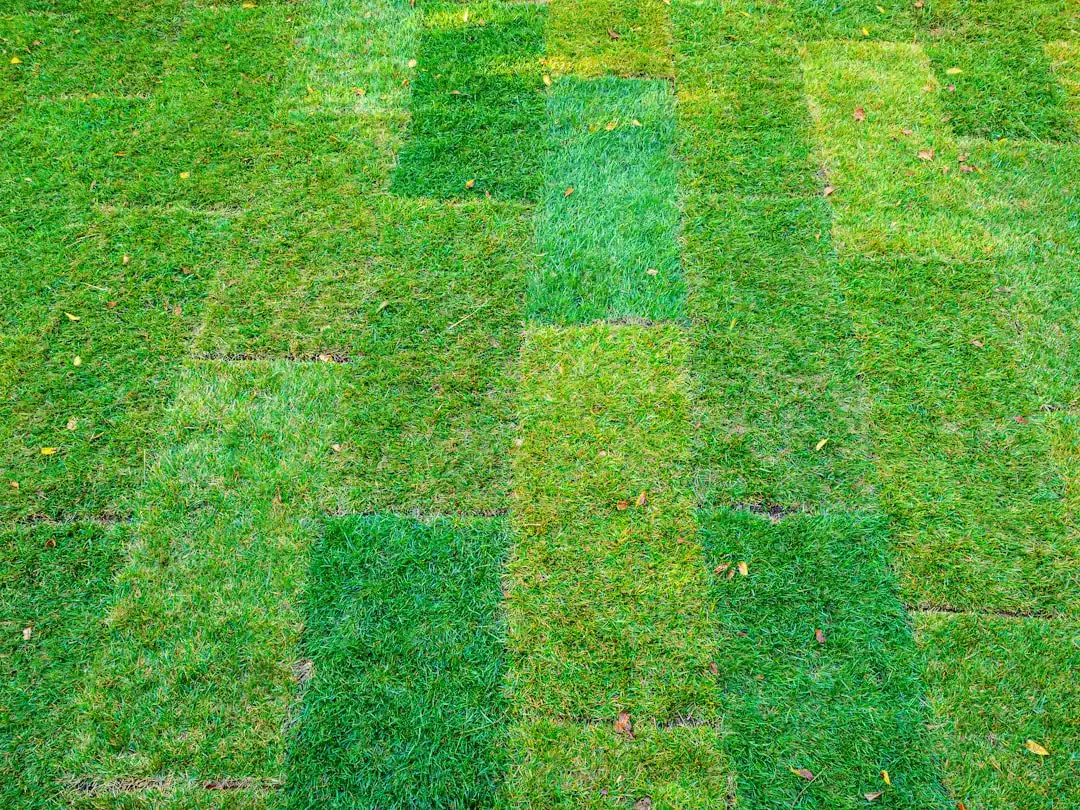
This is one of those mistakes no one talks about – and it quietly compounds over months and years. When you push the mower in the same direction each session, you’re essentially training the grass to lean one way and compressing the same soil strips repeatedly. Mowing in the same direction every time creates soil compaction and prevents upright grass growth.
Changing your mowing pattern each time prevents soil compaction and promotes even grass growth. It’s such a simple fix, yet most people haven’t done it once. Alternate between north-south, east-west, and diagonal passes throughout the season to keep the turf upright and the soil from compressing unevenly.
7. Walking Heavily Across the Lawn Right After Cutting

Freshly mowed grass is already under stress. The blades are open, the plant is in recovery, and the soil beneath may be more receptive to compaction than usual. Compacted soil makes it difficult for water, oxygen, and nutrients to reach the root zone, and that can lead to thinning grass, drainage problems, and stubborn bare patches that never seem to fill in despite reseeding efforts. Heavy clay soils and areas with frequent foot traffic are especially prone to compaction.
Adding heavy foot traffic, garden tools, or lawn furniture immediately after mowing is the equivalent of stomping on someone’s injury. Aerating soil, which involves perforating small sections of soil to allow for enhanced penetration of oxygen, water, and nutrients, helps improve soil structure and lawn health. This process relieves soil compaction from foot traffic and natural effects. Give the lawn a breather before setting up that patio furniture again.
8. Skipping Mower Blade Maintenance Entirely
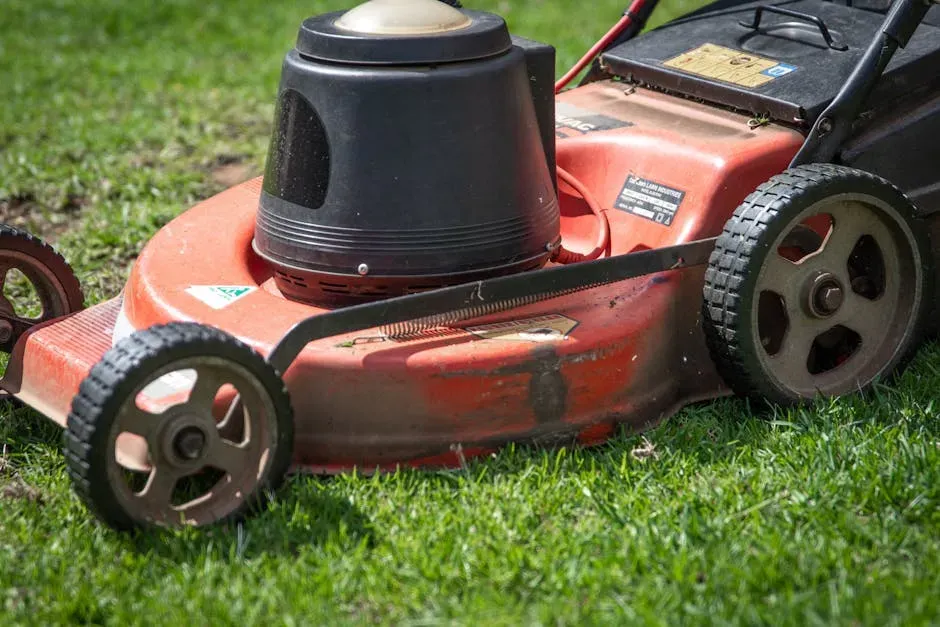
A dull blade doesn’t just give a rough cut – it actively harms your lawn in ways that take weeks to fully show up. Using a dull mower blade is a common mistake that can have serious consequences for your lawn’s health and appearance. When your mower blade isn’t sharp, it tears and bruises the grass instead of making clean cuts. This damage will leave your lawn ragged and increase its susceptibility to disease and pest infestations.
To maintain a healthy lawn, sharpen your mower blade at least twice per season, or more often if you mow multiple times a week or have a large lawn. Signs that your blade needs sharpening include uneven cuts, frayed grass tips, and a lawn that appears brown or gray shortly after mowing. If your lawn consistently looks a little brown shortly after cutting, the blade is probably the culprit. It’s a cheap fix with a big payoff.
9. Spraying Weed Killer Immediately After Mowing
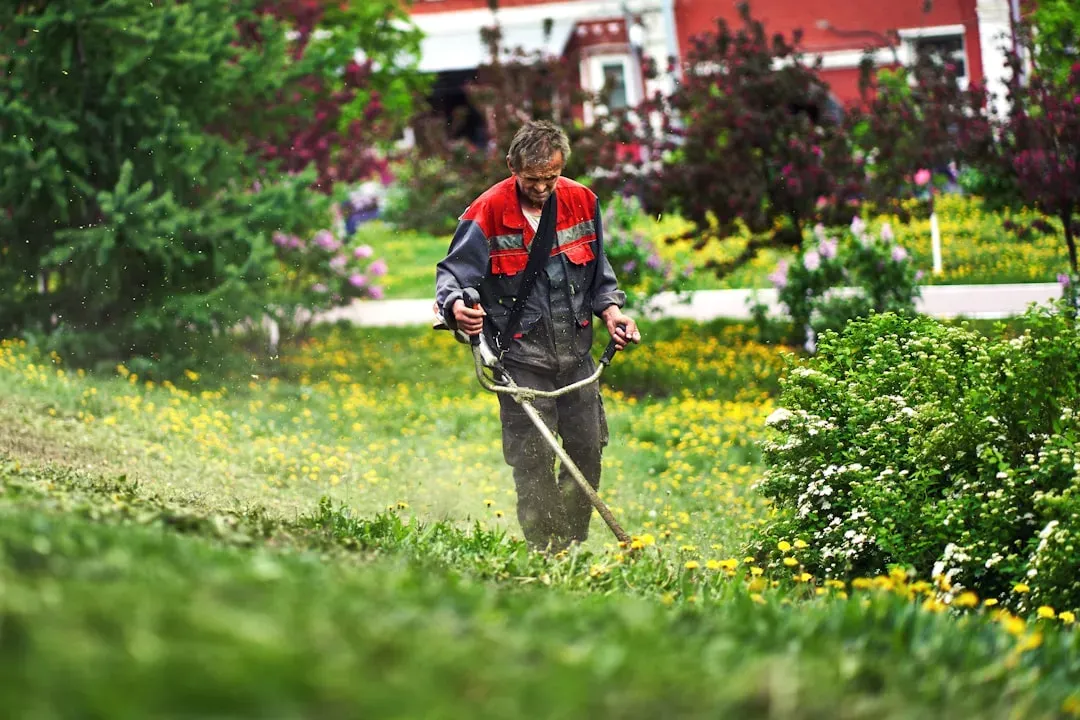
Timing herbicide application right after mowing seems convenient but it’s actually one of the least effective things you can do. You need to kill weeds when they’re growing. That’s because the herbicide is absorbed through the leaves and then sent throughout the rest of the plant. Freshly mowed weeds have far less leaf surface to absorb the chemical.
Best results from weed spraying come from mowing, then going back two or three days later and spraying the weeds. This gives them time to grow, and they always grow faster than the grass, meaning better leaf coverage. It’s hard to say for sure exactly how many days works best for every weed type, but waiting even 48 hours gives you dramatically more surface area to target.
10. Ignoring Soil Health Completely After Every Mow Session
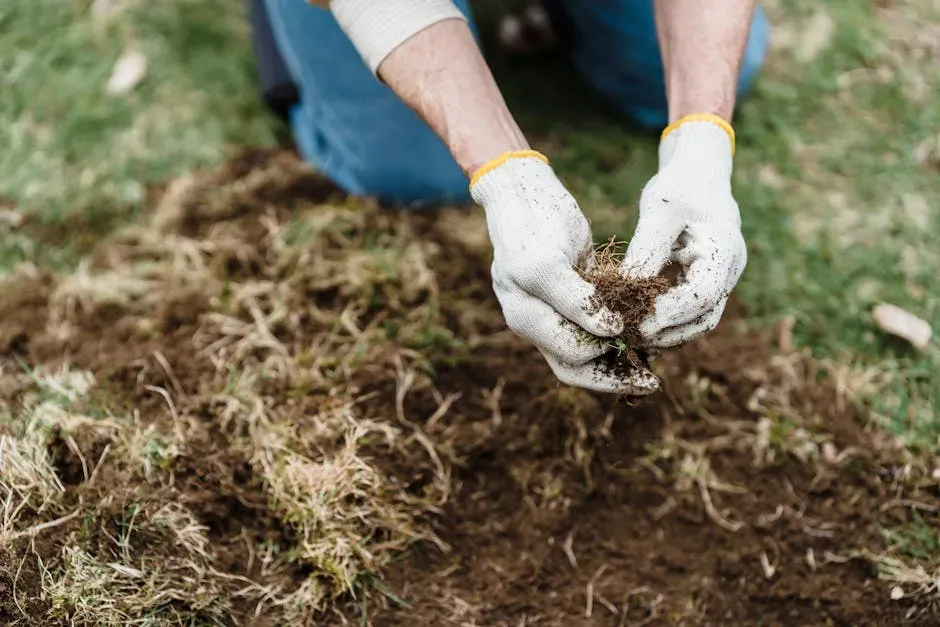
Mowing is the most visible part of lawn care. It’s also the part that fools most people into thinking everything else is fine. The soil beneath your grass is the actual foundation, and no amount of mowing fixes what’s wrong underground. Many homeowners focus solely on watering and mowing but overlook the health of their soil. Compacted, nutrient-deficient soil can lead to poor grass growth, excessive weeds, and water runoff.
Grasses like a pH level between 6 and 7.2. If the soil is too acidic or too alkaline, the grass won’t thrive even if you do everything else right. Getting a simple soil test every couple of years can completely transform your results. Aerate your lawn annually to improve airflow and allow nutrients to penetrate the soil. Regularly test your soil’s pH levels and supplement it with the right fertilizers or organic matter to keep it balanced and nutrient rich.