
Colombia: The Country That Rewrote Its Own Story
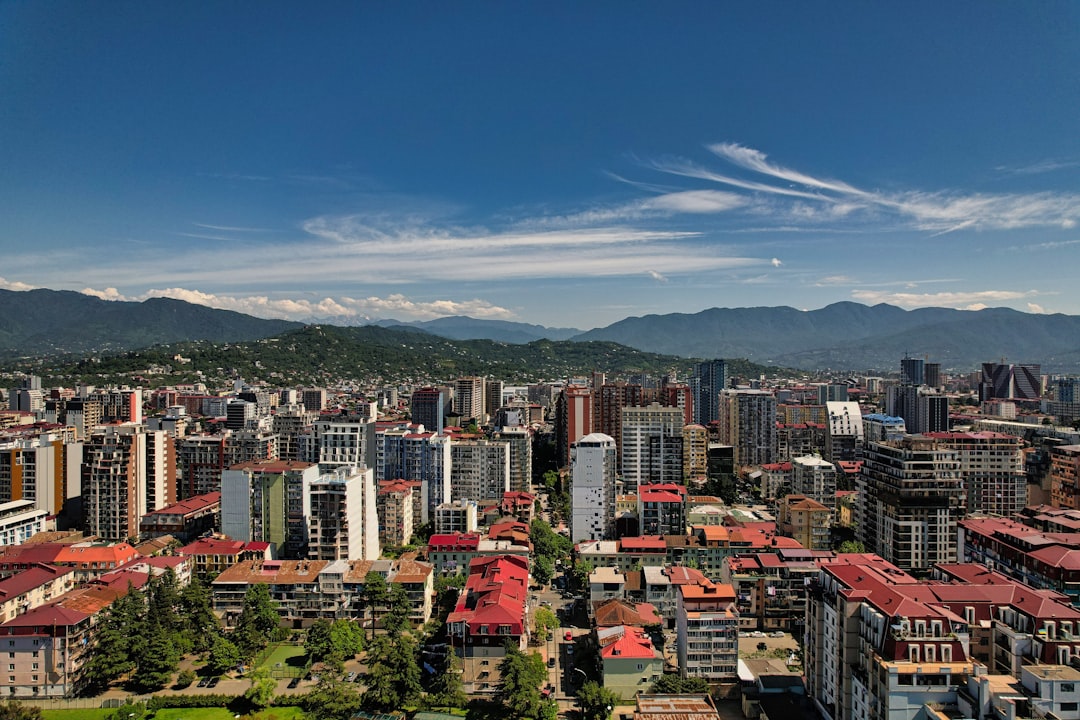
When most people hear “Colombia,” their minds immediately jump to Netflix’s Narcos and images of dangerous cartels lurking around every corner. But here’s what might surprise you: cities such as Bogotá, Medellín, and Cartagena – once fraught with violence – are now recognized as safer, more tourist-friendly hubs. The transformation has been remarkable, with Medellín’s homicide rates plummeting from a staggering peak in the 1990s to manageable levels today.
The National Police of Colombia reported a 10.9% decrease in total number of crimes from 2022 to 2023, while overall, crime in Colombia dropped by 10.9% in 2023, while many countries traditionally considered safe have seen increases in violent crime. The country welcomed a record-breaking 6.7 million visitors in 2024, showing that travelers are finally catching on to Colombia’s safer reality. The streets of Cartagena’s old town buzz with tourists, and Medellín’s Comuna 13, once a no-go zone, now attracts visitors eager to see its colorful street art and hear stories of transformation.
Vietnam: The Gentle Giant of Southeast Asia
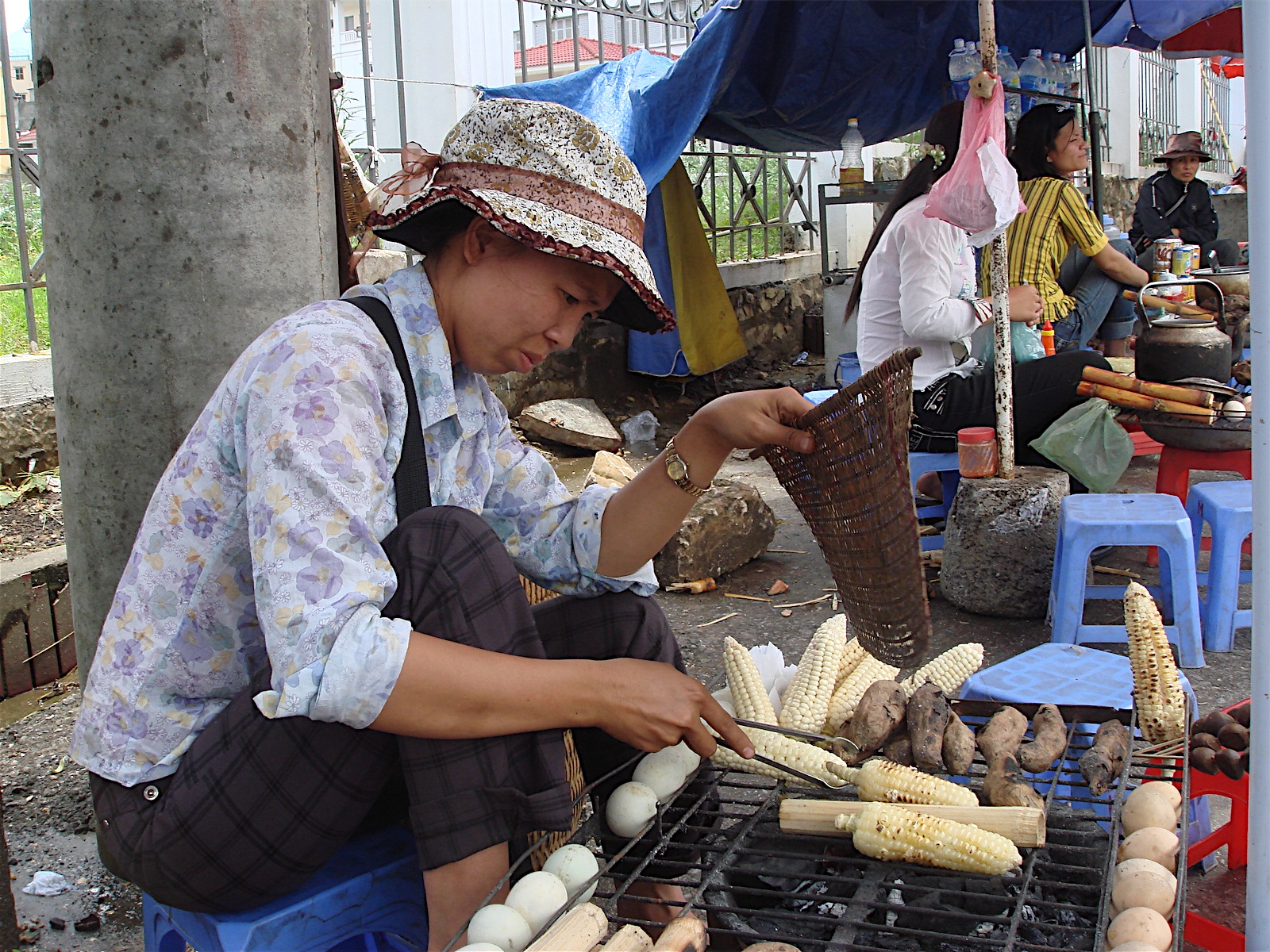
Vietnam carries lingering associations with war and conflict in many travelers’ minds, but this perception couldn’t be further from today’s reality. The country has evolved into one of Southeast Asia’s most welcoming and safe destinations for tourists. Vietnam is known as a travelling hotspot, with Statista reporting that the number of domestic tourists in the country reached approximately 108.2 million in 2023.
The Vietnamese people are renowned for their warmth and hospitality toward visitors, and violent crime against tourists is exceptionally rare. Street food vendors eagerly share their culinary traditions, motorbike taxis navigate chaotic traffic with surprising skill, and families often invite travelers into their homes for meals. The biggest safety concerns revolve around traffic navigation and occasional petty theft in tourist areas, but these pale in comparison to the genuine dangers faced in many Western cities. The country’s rapid development has brought modern infrastructure and reliable communication networks to most tourist areas.
Morocco: A Kingdom of Unexpected Safety
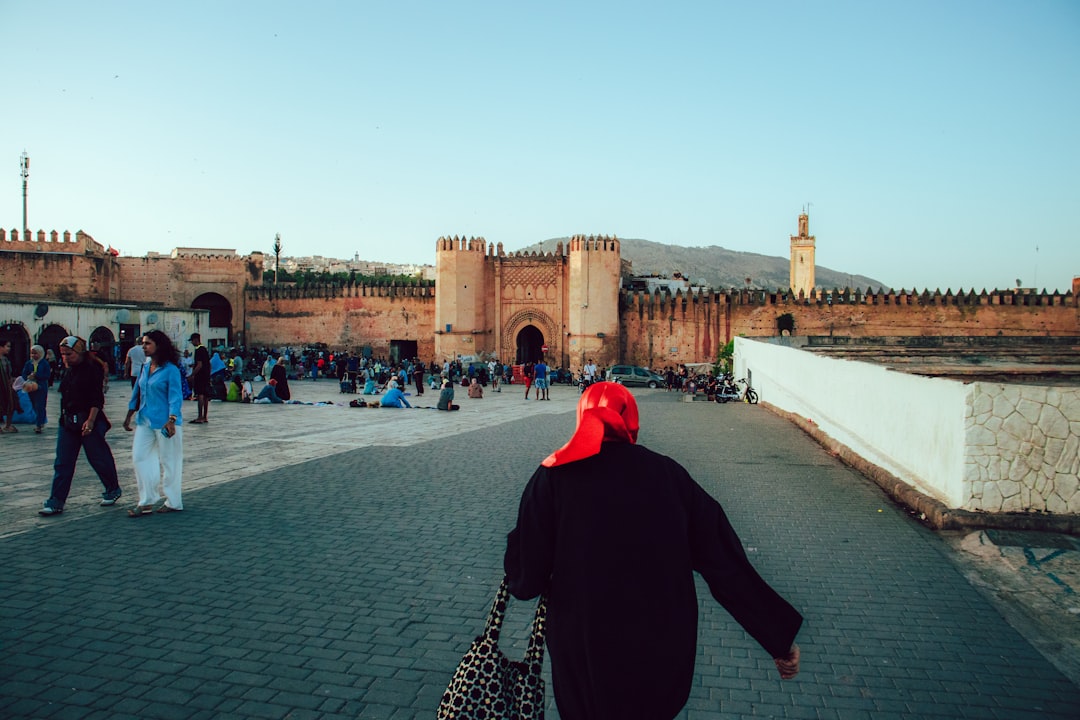
Morocco often gets unfairly lumped together with less stable North African countries, creating misconceptions about its safety profile. The reality is that Morocco maintains one of the region’s most stable governments and has invested heavily in tourism infrastructure and security. The country’s tourism industry is a crucial economic driver, making visitor safety a top priority for authorities.
In cities like Marrakech, Fez, and Casablanca, tourist police patrol major attractions and medinas specifically to assist visitors. The traditional Berber culture emphasizes hospitality and respect for guests, creating a naturally protective environment for travelers. While haggling in souks can be intense and occasional scams target unwary tourists, violent crime against visitors remains remarkably low. The country’s geography also provides natural barriers against regional instability, with the Atlas Mountains and Sahara Desert creating buffer zones from less secure neighboring regions.
India: Navigating Perception vs Ground Reality
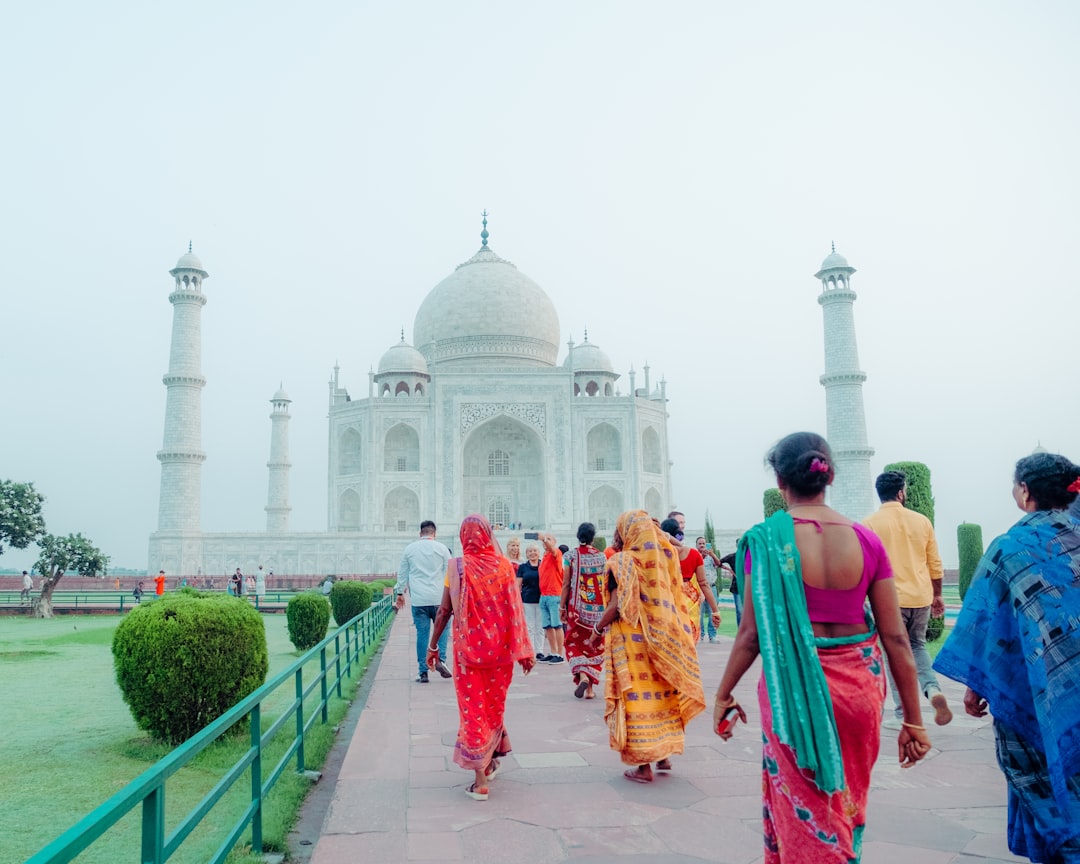
India’s massive size and complex social dynamics often create exaggerated safety concerns among potential visitors. Media coverage tends to focus on extreme incidents while ignoring the millions of tourists who visit annually without serious problems. The country’s tourism infrastructure has expanded dramatically, with specialized tourist police units, dedicated tourist helplines, and well-established travel circuits designed for international visitors.
The key lies in understanding India’s diversity rather than treating it as a monolith. States like Kerala, Goa, and Himachal Pradesh maintain excellent safety records for tourists, with local economies heavily dependent on visitor satisfaction. Major cities like Delhi, Mumbai, and Bangalore have modern infrastructure and security systems comparable to other international destinations. The famous Indian hospitality isn’t just cultural rhetoric – it’s a lived reality where guests are traditionally considered sacred, creating a natural protection system for respectful travelers.
Egypt: Ancient Wonders with Modern Security
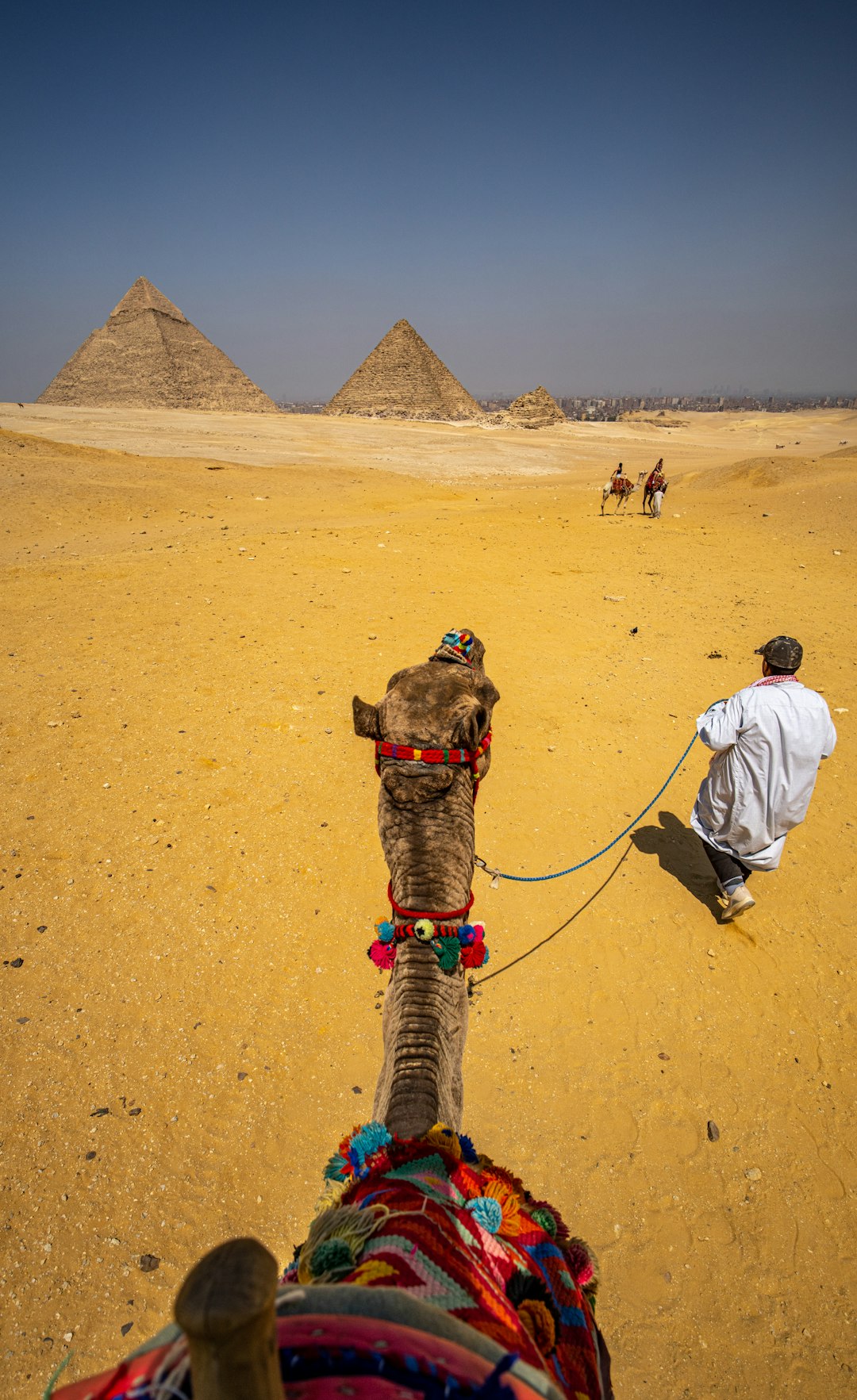
Egypt’s tourism industry has weathered various challenges over the past decade, leading many to perceive the country as unsafe for visitors. However, the government has invested heavily in tourism security, recognizing its crucial role in the national economy. Tourist areas like Luxor, Aswan, and the Red Sea resorts maintain heavy security presence and specialized tourist police units.
The reality for most visitors involves guided tours with professional security, resort compounds with controlled access, and well-protected archaeological sites. Popular destinations like the pyramids of Giza, the Valley of the Kings, and Red Sea diving sites operate under tight security protocols that most tourists never notice but benefit from enormously. The Egyptian people’s dependence on tourism revenue creates an environment where visitor safety is everyone’s business, from hotel staff to street vendors.
Turkey: Bridging Two Continents Safely
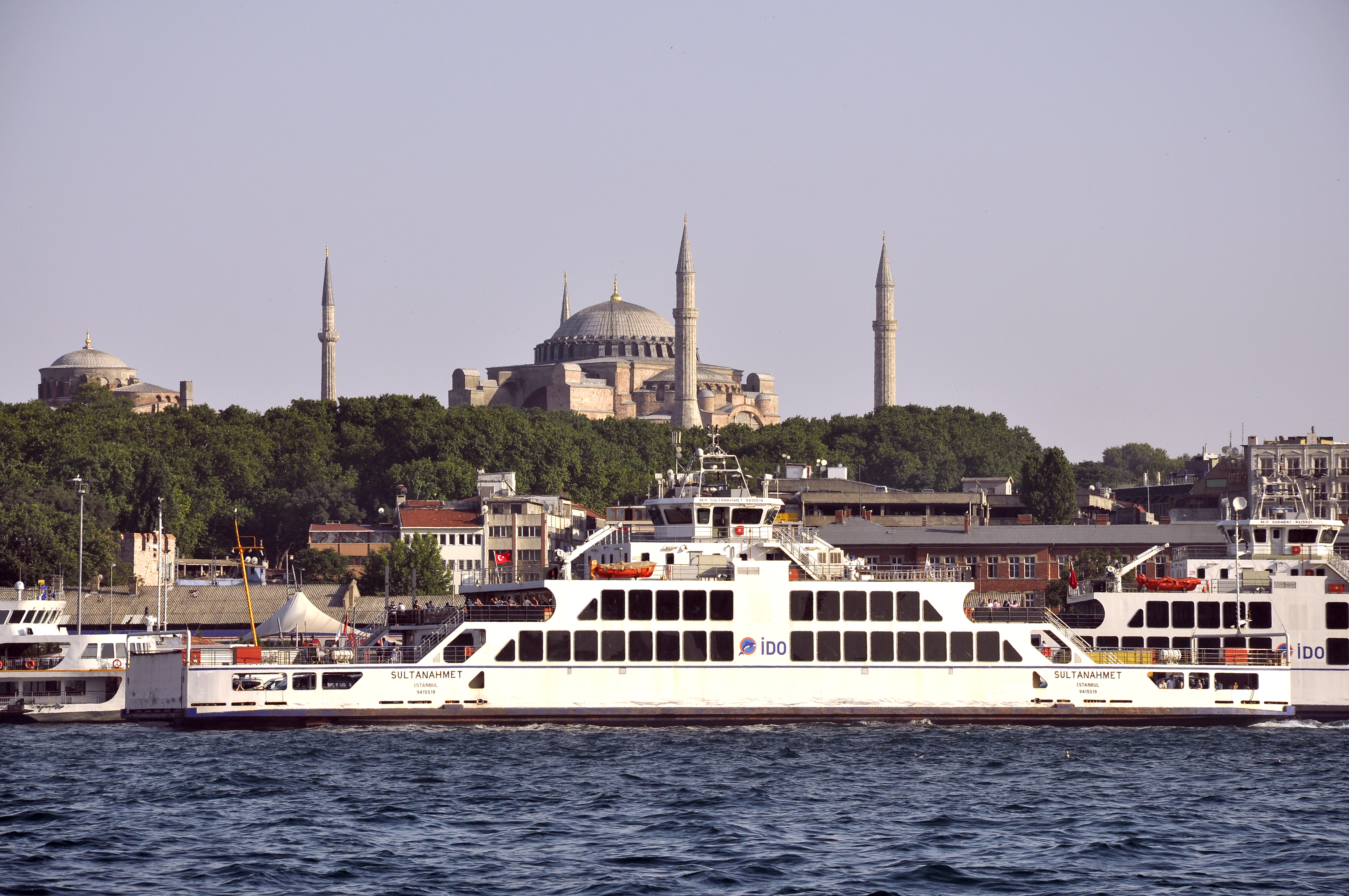
Turkey’s geographic position between Europe and Asia, combined with regional tensions, often creates exaggerated safety concerns among potential visitors. The reality is that Turkey maintains sophisticated security infrastructure and has extensive experience managing large numbers of international tourists. Istanbul alone welcomes millions of visitors annually, with most experiencing no safety issues beyond typical urban precautions.
The country’s tourism regions, particularly the Mediterranean and Aegean coasts, operate with high security standards and well-established emergency response systems. Turkish hospitality is legendary, with locals often going out of their way to help confused tourists navigate language barriers or transportation systems. The government’s significant investment in tourism infrastructure includes modern airports, reliable communication networks, and comprehensive tourist support services throughout major destinations.
South Africa: Beyond the Crime Statistics
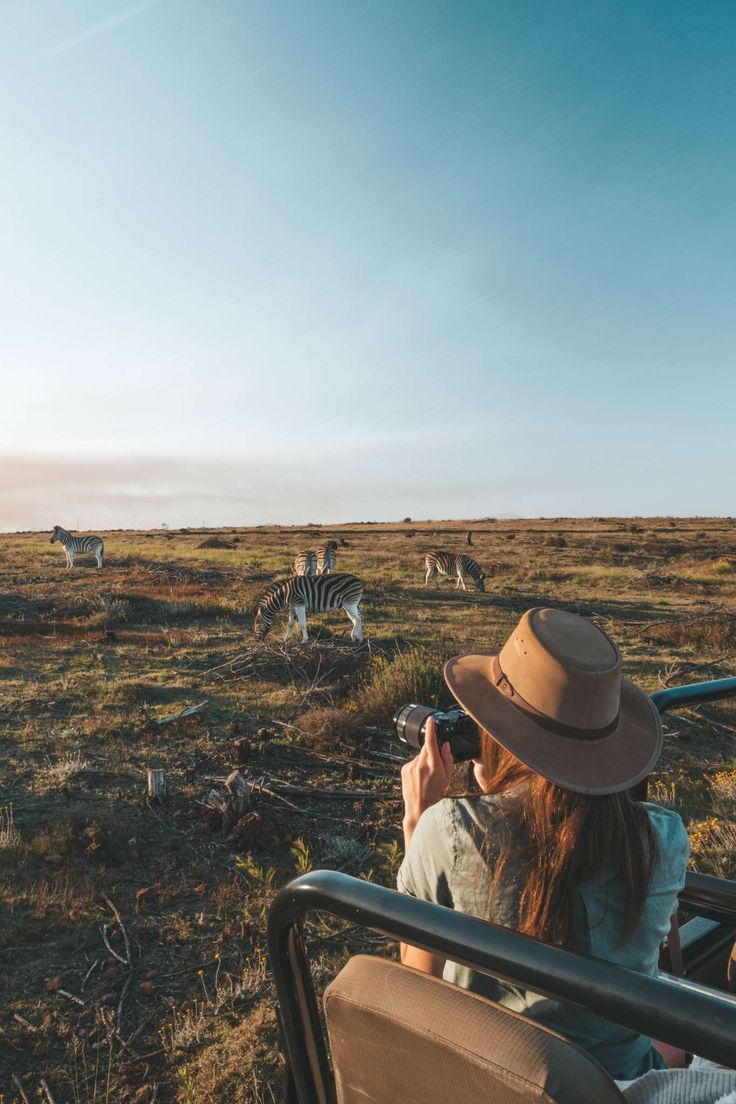
South Africa’s crime statistics often dominate discussions about travel safety, creating an impression that the entire country is uniformly dangerous. This perception ignores the sophisticated tourism industry that has developed around the country’s incredible natural attractions and cultural experiences. Cape Town’s Table Mountain, the Garden Route, and safari destinations operate with professional security standards that rival any international destination.
The key lies in understanding which areas to visit and how to navigate them safely. Tourist-focused regions like the Winelands, game reserves, and established city attractions maintain excellent safety records through professional guides, secure transportation, and comprehensive support systems. The country’s tourism industry has developed detailed protocols for visitor safety, from airport pickups to accommodation security, creating protected environments within the broader landscape.
Iran: Hospitality Behind the Headlines
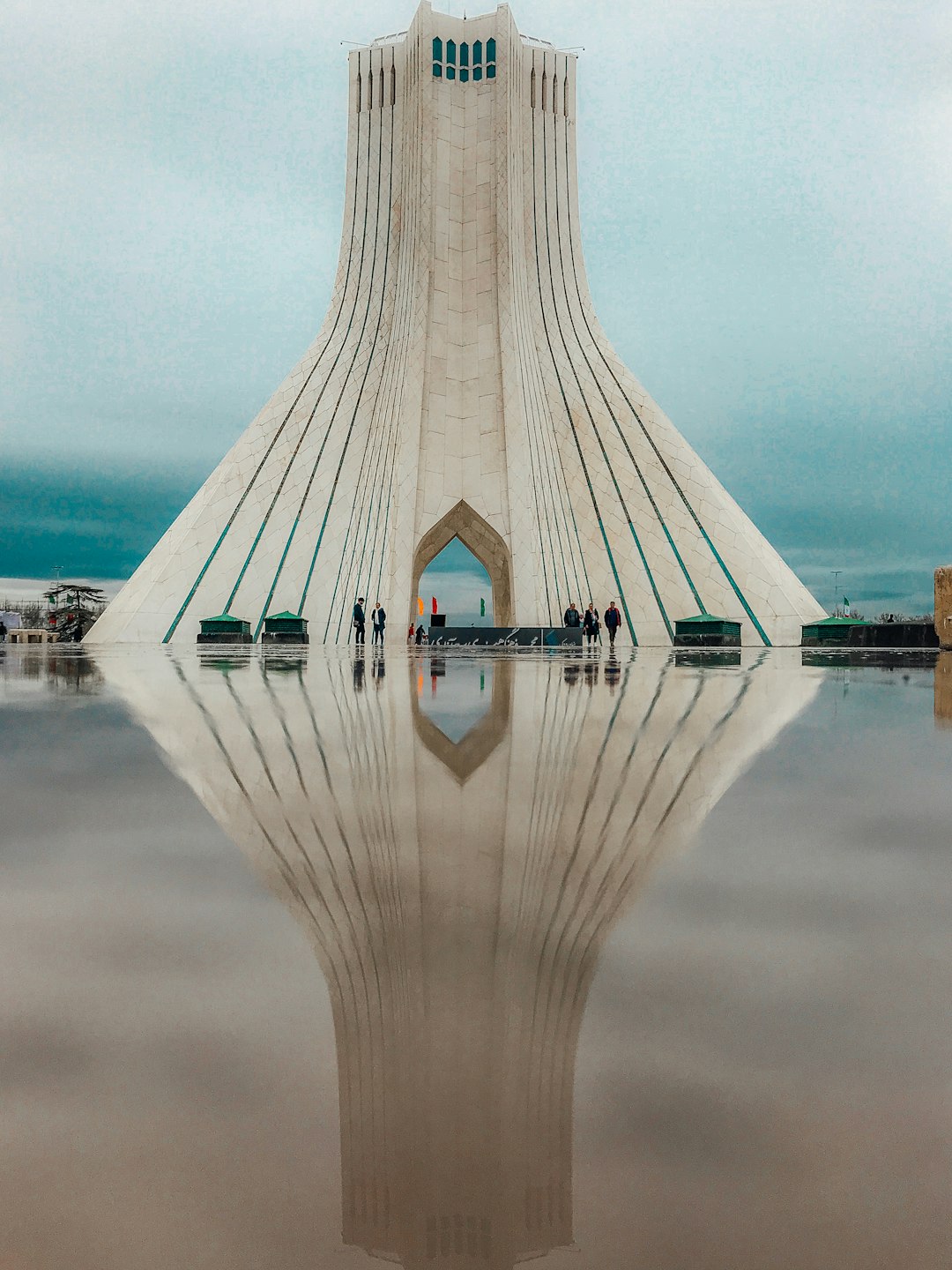
Iran ranks among the most misunderstood travel destinations globally, with political tensions creating perceptions of danger that don’t match the tourist experience. The reality is that Iran maintains extremely low crime rates, particularly violent crime against visitors, and Persian hospitality traditions create extraordinarily welcoming environments for respectful tourists. The country’s tourism infrastructure, while less developed than some neighbors, focuses heavily on visitor safety and cultural education.
Tourists consistently report feeling safer in Iran than in many Western cities, with locals often going to extraordinary lengths to help visitors navigate language barriers or cultural differences. The government’s strict laws actually create secure environments for tourists, while the education levels and cultural sophistication of urban populations make interactions surprisingly smooth for prepared visitors.
Jordan: A Middle Eastern Haven of Stability
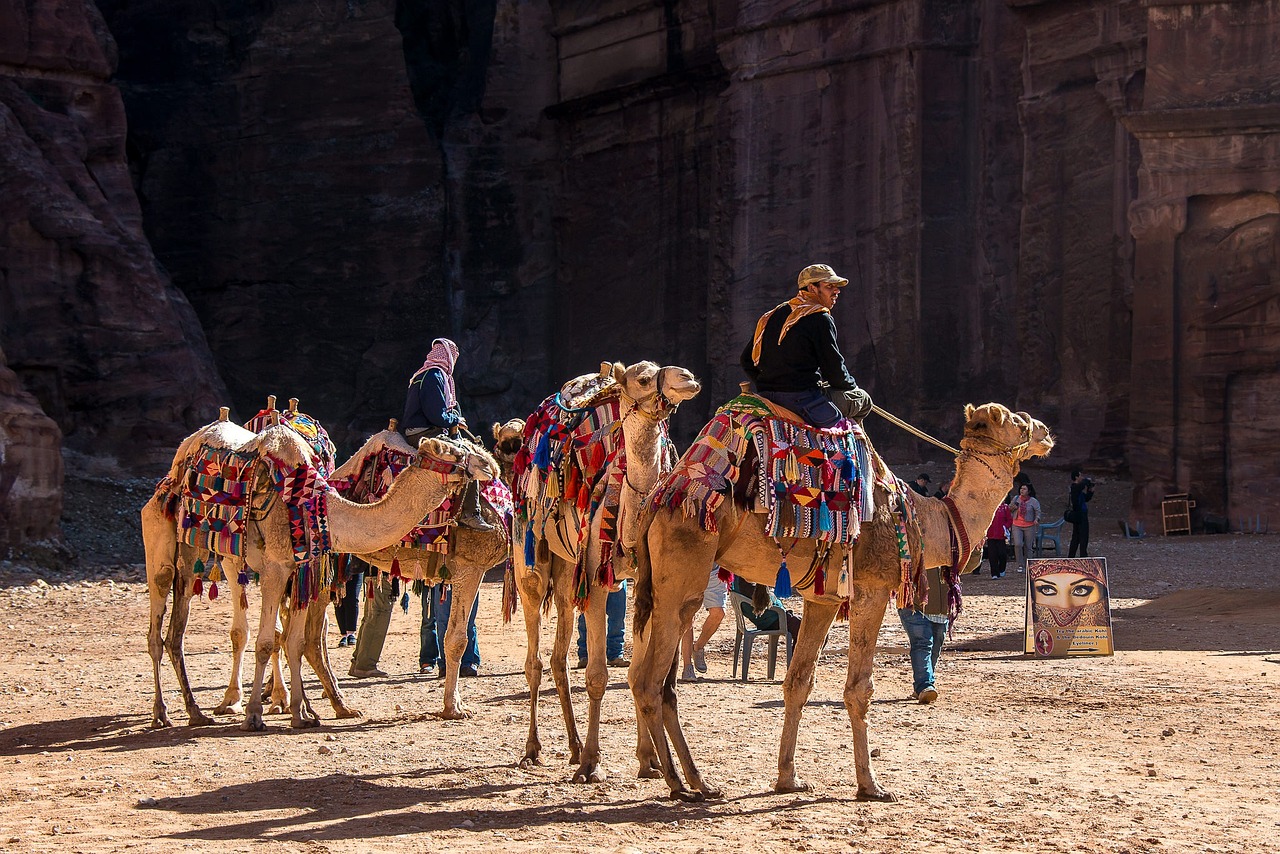
Jordan often gets overlooked or feared due to its location in a volatile region, but the kingdom has maintained remarkable stability and security for decades. The country’s economy depends heavily on tourism, making visitor safety a national priority with sophisticated infrastructure to match. Petra, the Dead Sea, and Wadi Rum operate with international-standard safety protocols and professional guide services.
The Jordanian people’s reputation for hospitality isn’t tourist marketing but a genuine cultural trait that creates naturally protective environments for visitors. The country’s small size and cohesive government allow for comprehensive security coverage of tourist areas, while its strategic position has taught authorities to manage complex regional challenges effectively. Modern communication systems, reliable transportation networks, and well-established emergency response capabilities support the tourism industry throughout the kingdom.
Eastern Europe: Shedding Cold War Shadows
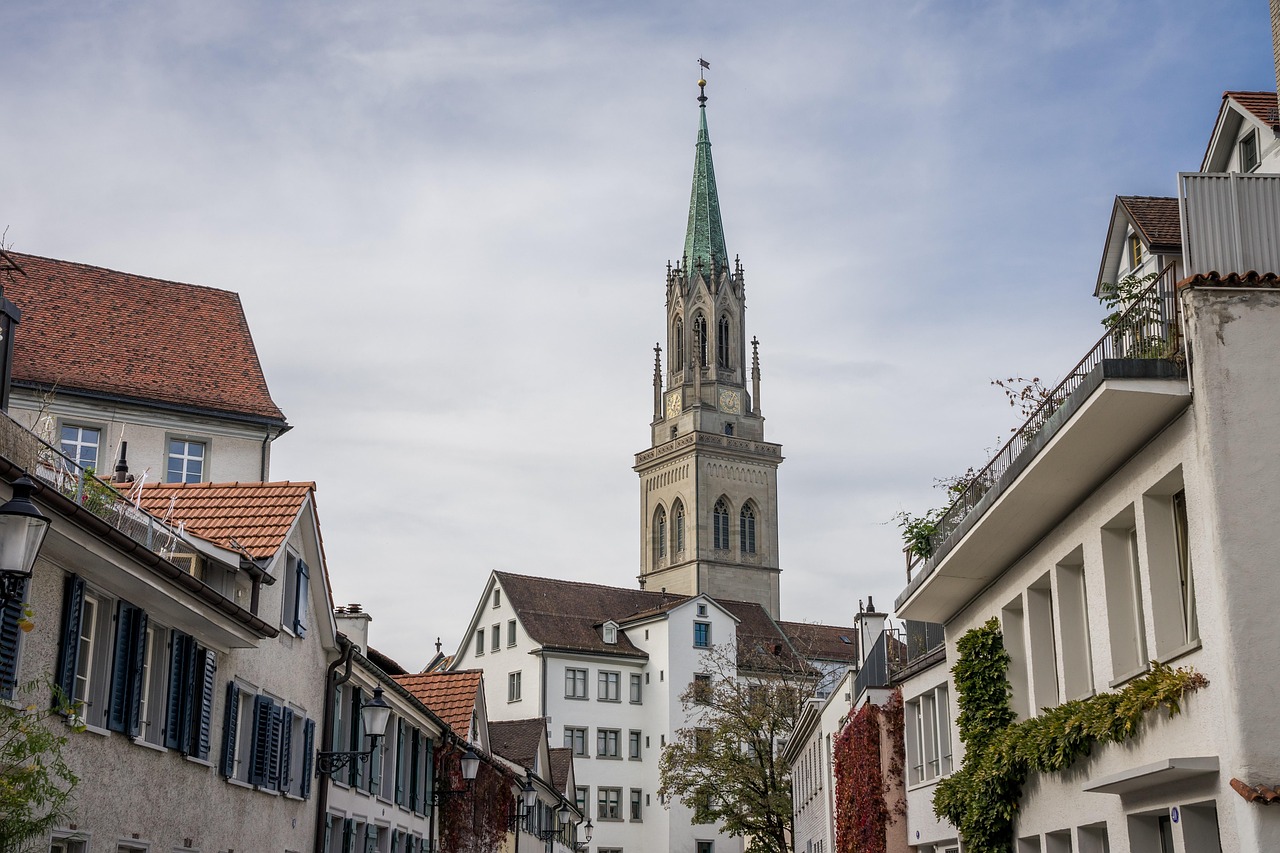
Countries like Poland, Czech Republic, and Hungary still carry Cold War-era perceptions of danger and instability that are decades out of date. These nations now boast some of Europe’s lowest crime rates, most efficient public services, and highest safety standards for tourists. Cities like Prague, Krakow, and Budapest welcome millions of visitors annually with crime rates significantly lower than major Western European capitals.
The transformation of Eastern Europe includes not just political and economic development but comprehensive modernization of tourism infrastructure and security systems. EU membership has brought international standards for everything from emergency services to consumer protection, while the region’s eagerness to shed negative stereotypes has created tourism industries focused on exceeding visitor expectations. Public transportation systems, accommodation standards, and tourist support services often surpass those found in more expensive Western destinations.
The world is full of incredible destinations that suffer from outdated perceptions or media-driven fears. These ten places represent just a fraction of the amazing locations where reality far exceeds fearful expectations, offering travelers the chance to experience authentic cultures, stunning landscapes, and genuine hospitality while maintaining reasonable safety standards. The key lies in research, preparation, and understanding the difference between perception and lived reality.