
There are roughly 70 million baby boomers in America, and a surprising number of them are holding firmly onto their large family homes long after the kids have moved out. It is one of the defining tensions of today’s housing market: an aging generation sitting in sprawling 4-bedroom houses while younger families scramble for space. The reasons are more layered than most people realize.
This is not just stubbornness or sentimentality. Honestly, it is something far more complex, a cocktail of emotional, financial, and deeply personal forces that make leaving feel almost impossible. Let’s dive in.
1. They Are Financially Locked Into Staying

Here is the thing: for a huge portion of boomers, staying put is simply the smarter financial decision. For those who own their home outright, the median monthly cost of owning a home, including insurance and property taxes, is just $612. Compare that to renting or buying something new in today’s market and the math gets brutal fast.
Broken down by generation, baby boomers are least likely to be able to afford their current home if they were to buy it today. Almost half, or roughly 45%, of baby boomers said they couldn’t afford a home in their neighborhood today. That is a staggering reality that freezes any motivation to move.
While about 54% of baby boomer homeowners own their homes free and clear, most of those who do have mortgages hold very low rates. So it simply doesn’t make much financial sense to take out a new mortgage with rates now around 7%. Leaving would mean actively choosing financial pain.
2. Their Home Is Their Single Biggest Source of Financial Security
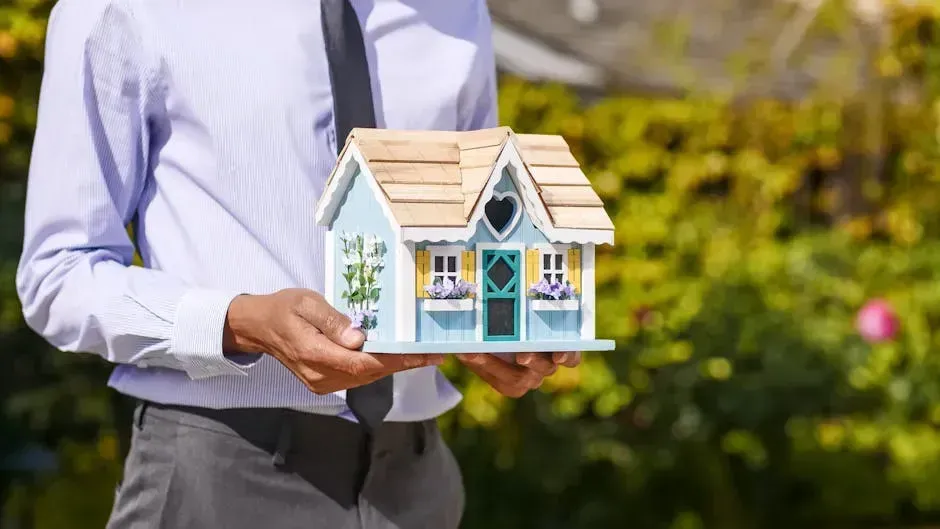
More than three-quarters of boomer homeowners, roughly 76%, primarily credit owning their homes for their financial security, while 86% say owning leads to a more stable home life. That is not a minor detail. For this generation, the house is not just walls and a roof; it is the cornerstone of everything they built.
More than 54% of homes are owned by seniors, up from 44% in 2008. About 79% of seniors own their homes, and three-fourths of them don’t have a mortgage, meaning they have an enormous amount of equity that can help cover rising homeownership costs such as insurance. Leaving that fortress of equity behind feels like financial recklessness to them.
Nearly nine in ten boomers believe buying a home is almost always a good decision, and 84% say it represents financial security. More than 40% consider not owning a home a sign of failure. Walking away from that feels like surrendering their entire identity as financially responsible adults.
3. The Emotional Weight of Decades of Memories

It is not easy to walk away from the home where your children grew up, where you celebrated milestones, or where you have lived for decades. Boomers often delay downsizing because the emotional cost feels too high. Think about it like trying to close a book you have been writing for 35 years. It is not just a house. It is every birthday party, every holiday, every quiet morning with coffee.
Downsizing often triggers grief similar to mourning. Seniors grieve not only the loss of space but the life chapters associated with it. Nostalgia surfaces as they recall past events tied to their homes. This emotional toll is rarely discussed openly, but it is one of the most powerful anchors keeping boomers in place.
Nearly 1 in 4 boomers, roughly 22%, say they won’t move because of their emotional attachment to their home, while 1 in 5, about 19%, don’t want to give up community ties and friendships. Those numbers feel low to me, honestly. The real pull of memory is probably much harder to quantify.
4. There Is Simply Nowhere Suitable to Go
This is one reason that gets overlooked constantly. Even if boomers decided to sell, where would they go? There is a real shortage of smaller homes in those neighborhoods. The supply of age-appropriate, smaller properties in familiar, established communities is woefully thin.
Many baby boomers struggle to find smaller homes in their desired locations that meet their lifestyle and budget needs. Smaller homes are also highly sought after by younger generations, leading to bidding wars that can complicate the downsizing process. So even if a boomer tries to do the right thing and downsize, they often run straight into a wall of competition.
The price of homes in downsizing areas has skyrocketed due to millennial demand, urban renewal, and inventory shortages. The median value of a smaller home in desirable metro areas increased by about 15% from 2023 to 2024. Boomers who hope to trade a 4-bedroom suburban house for a 2-bedroom condo often end up paying equally, and sometimes more. That is a deeply disorienting reality to face.
5. The Fear of Losing Independence and Identity

Seniors may worry that downsizing signals declining health or reduced autonomy. The transition can feel like a step toward dependency, even if practical benefits exist. Fear of losing independence intensifies emotional strain. For a generation that built its identity around self-sufficiency and achievement, this is not a minor anxiety. It cuts deep.
For many, possessions and homes represent who they once were: the career professional, the young parent, the hobbyist. Letting go feels like erasing that identity. Moving out of the house where you raised your family can feel like stepping off a stage mid-performance. Who are you once the backdrop is gone?
Homeownership remains central to this generation’s identity. That is not an overstatement. For boomers who came of age when the American Dream was literally defined by a home with a yard and a picket fence, surrendering that space triggers an existential crisis that no moving company can solve.
6. Their Strong Preference to Age in Place

About 55% of boomer owners say they prefer to age in place, 44% point to their paid-off mortgage, and 36% simply don’t want to start over at their older age. These are not people who are unaware of their options. They have made a conscious, deliberate choice to stay rooted.
According to a survey by Redfin, 78% of older American homeowners plan to stay in their homes as they age. Nearly four out of five boomers have made their decision. The aging-in-place preference has only grown stronger in recent years, not weakened.
The number of boomers aging in place has risen eight percentage points from the 47% who said so last year. This is a trend accelerating, not slowing down. The more the outside world pressures boomers to downsize, the more firmly many of them seem to dig in.
7. The Paralysis of Decluttering Decades of Possessions
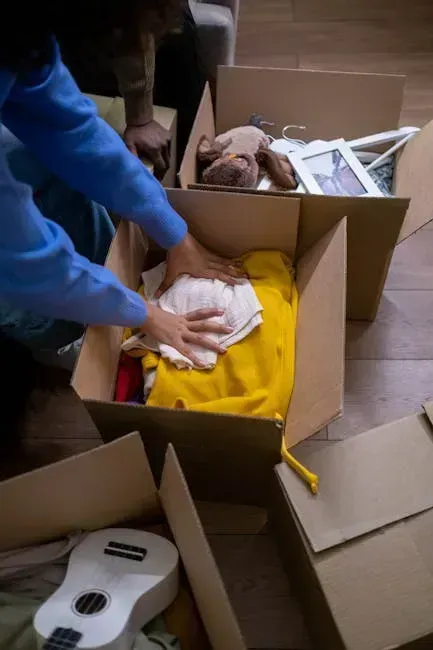
Let’s be real: the sheer volume of stuff accumulated over 30 or 40 years in one home is genuinely overwhelming. The longer seniors delay downsizing, the more difficult it becomes to start. Decades of belongings pile up, and the idea of sorting through it all becomes paralyzing. It is not laziness. It is a psychological mountain that grows taller with every passing year.
The truth is, downsizing is emotionally exhausting because every item represents a decision, and decisions create mental fatigue. That is why someone can spend three hours sorting through one closet and feel completely drained afterward. Imagine multiplying that across an entire 4-bedroom house. It is not a weekend project. It is a life event.
Often, what people are really afraid of letting go of is not the object itself but the identity attached to it. Baby boomers are especially prone to holding onto items with emotional ties, from unfinished quilts to jewelry tucked away for a grandchild, or letters to friends long gone. Every drawer is a small museum of a life fully lived.
8. The Real Fear of Skyrocketing Retirement and Assisted Living Costs

Many boomers understand, at some level, that a move could cascade into a much more expensive living arrangement. A quarter of boomers say they wouldn’t be able to afford a new home, and about 16% couldn’t pay the steep costs associated with an assisted living or retirement community. These are not abstract fears. Senior care costs have become genuinely alarming.
Boomers collectively hold an enormous amount of wealth. Yet that wealth is not distributed evenly, and estimates suggest that just one in ten seniors can afford assisted-living facilities. As one analyst put it, many seniors are effectively living paycheck to paycheck. The idea of triggering a chain of events that ends in financial fragility terrifies many of them.
Average out-of-pocket healthcare expenses for boomers reached roughly $6,000 annually in 2023, compared to $5,200 in 2020. When you factor in rising healthcare costs alongside housing, the financial risk of making any major move feels enormous. Staying put at least offers a known monthly cost, and that predictability matters.
9. Anxiety Over Property Taxes and Ongoing Home Costs

Almost all boomer homeowners, roughly 90%, have concerns about homeownership as they age. The cost of maintenance and upkeep tops the list at about 59%, while being able to physically take care of these tasks isn’t far behind at 55%. Staying comes with its own anxieties, to be fair. It is not a perfect solution. It is just the least frightening one.
About half of boomers, roughly 49%, worry about property tax increases, while about 42% are concerned about rising utility costs. Ironically, moving does not necessarily solve this problem. In hot markets, downsizing often means purchasing a home in a high-tax neighborhood or incurring the same or higher tax bills. New Jersey, Illinois, and California have notoriously high property taxes, and retirees often purchase smaller homes for higher prices with less square footage.
Property taxes rise while income falls. That simple sentence captures a genuinely frightening trap. You are holding a large asset but living on a fixed income, and every passing year tightens that squeeze. Staying put at least means not adding a fresh set of unknowns to an already stressful financial picture.
10. Deep Community Roots and Fear of Social Isolation
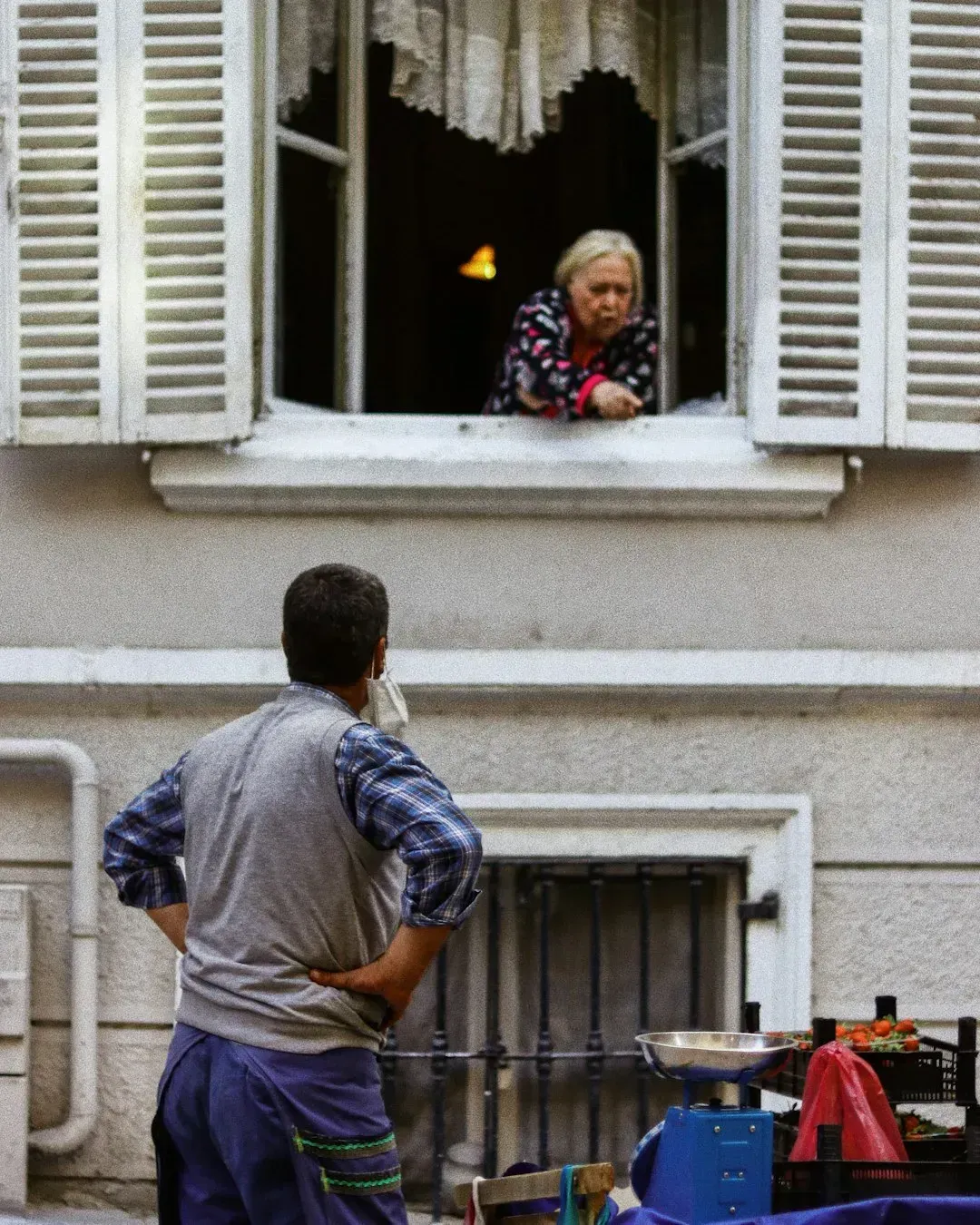
Older adults want to be able to age in their communities. That is where they already have friends and neighbors, doctors, and bus routes they know. That familiarity is what makes aging in their community possible. This goes way beyond convenience. For many boomers, their neighborhood is essentially their entire social infrastructure.
For some, downsizing means moving 10 minutes across town; for others, it can mean a cross-country move. Uprooting a community that was built over decades is no easy thing to do. Think about what it means to lose your neighbor of 20 years, your local coffee shop, the familiar church pew, the walking path you have used every single morning. That is not a small thing.
Loss of spouses, friends, or family members becomes more common with age, leading to increased loneliness. Reduced mobility or health issues can make maintaining social connections challenging, further exacerbating isolation. Moving away from an established community would accelerate exactly the social fragmentation that research consistently shows is harmful to older adults’ health and wellbeing.
The Bigger Picture
The anxiety boomers feel about leaving their homes is real, layered, and backed by data. By far, the most common answer among boomer homeowners is never, with about 61% saying they plan to live in their homes for the rest of their lives. That number was up seven percentage points from 2024. This is not a temporary hesitation. It is a structural shift with generational consequences.
Just 10% of boomers plan to sell within the next five years, down from 15% in 2024, meaning that roughly 90% of the homes owned by this generation won’t hit the market until at least the 2030s. For younger families who need that inventory, that timeline is crushing. Still, it is hard to look a 72-year-old in the eye and tell them their anxieties about leaving the home they have lived in for 30 years are unfounded.
The truth is that leaving a 4-bedroom home is never just about the square footage. It is about time, identity, community, safety, and the terrifying vulnerability of starting over late in life. What would you do if you were in their shoes?