
Iceland’s Glacial Parks Are Actually Gentle Giants
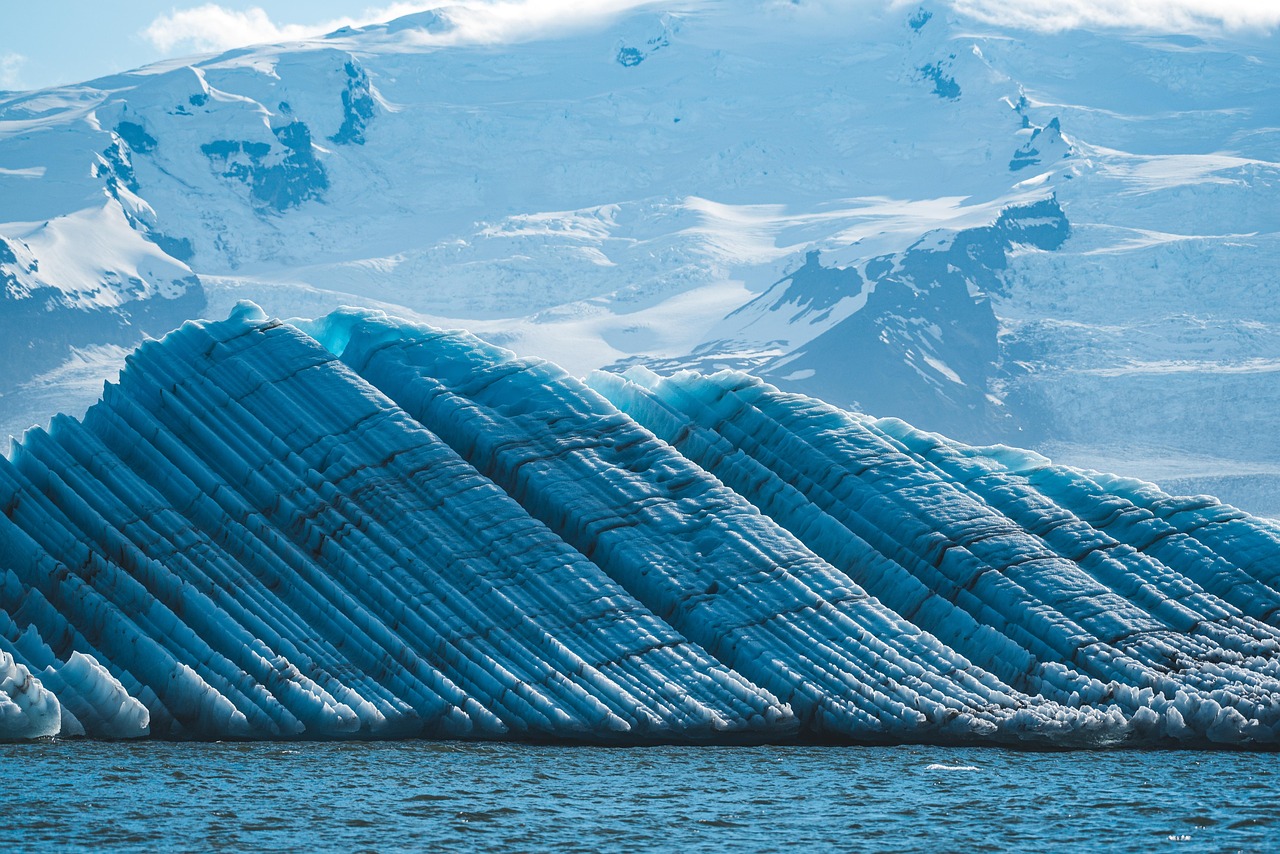
Despite what Hollywood movies might have you believe, Iceland has held the highest position in the Global Peace Index since 2008 and is recognized as one of the world’s happiest, safest countries with very low levels of crime. The country’s glacial national parks, including Vatnajökull, seem intimidating with their massive ice formations and remote locations.
However, these frozen landscapes are meticulously monitored by park services and equipped with well-marked trails and emergency shelters. Iceland has no military, and the police do not carry firearms, which speaks volumes about the peaceful nature of the country. The real danger isn’t lurking predators or unstable ice – it’s tourists who underestimate the weather and venture unprepared.
New Zealand’s Wilderness Has Zero Deadly Animals
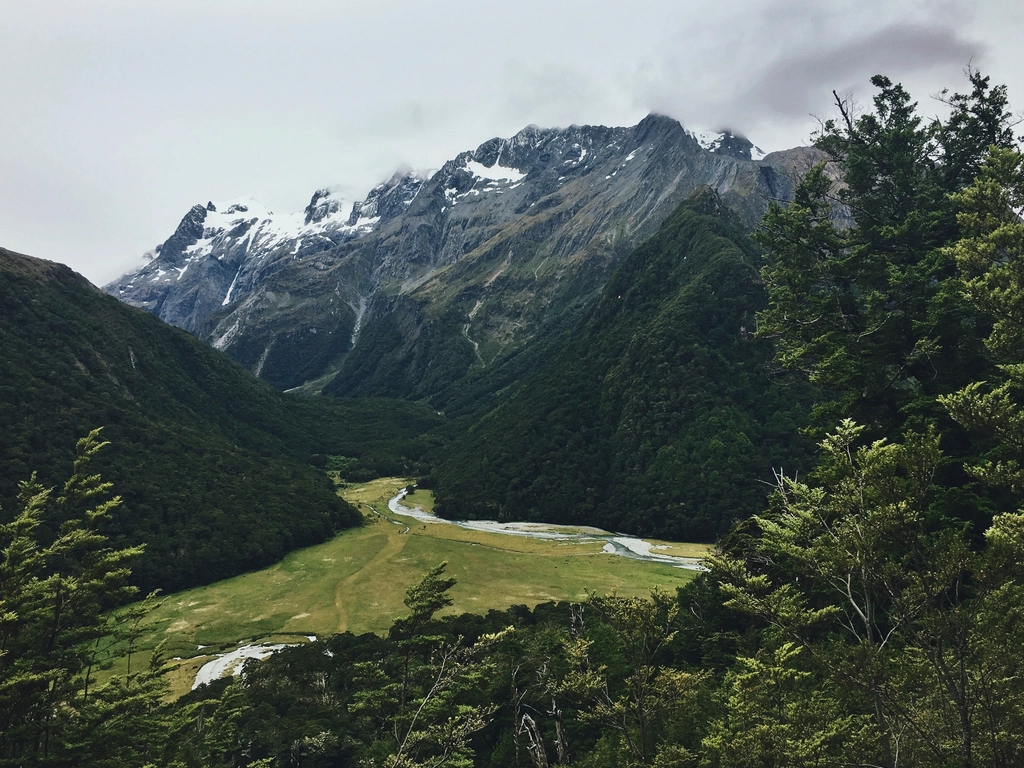
While Australia gets all the attention for its dangerous wildlife, New Zealand presents a fascinating paradox. New Zealand has a very low crime rate, and violent crime is especially rare, and unlike its neighbor Australia, New Zealand has no deadly animals. People often avoid New Zealand’s remote hiking trails and national parks, fearing dangerous encounters that simply don’t exist.
As in Iceland, police in New Zealand do not carry personal firearms, and the country maintains strict conservation policies that make their wilderness areas incredibly well-maintained. The biggest threat you’ll face is getting lost due to poor planning, not being attacked by venomous creatures.
The irony is palpable – tourists flock to places with actual dangerous animals while steering clear of one of the safest wilderness experiences on the planet. Many tramping tracks in New Zealand are safer than walking through most major cities.
Finland’s Forests Are Peaceful Sanctuaries
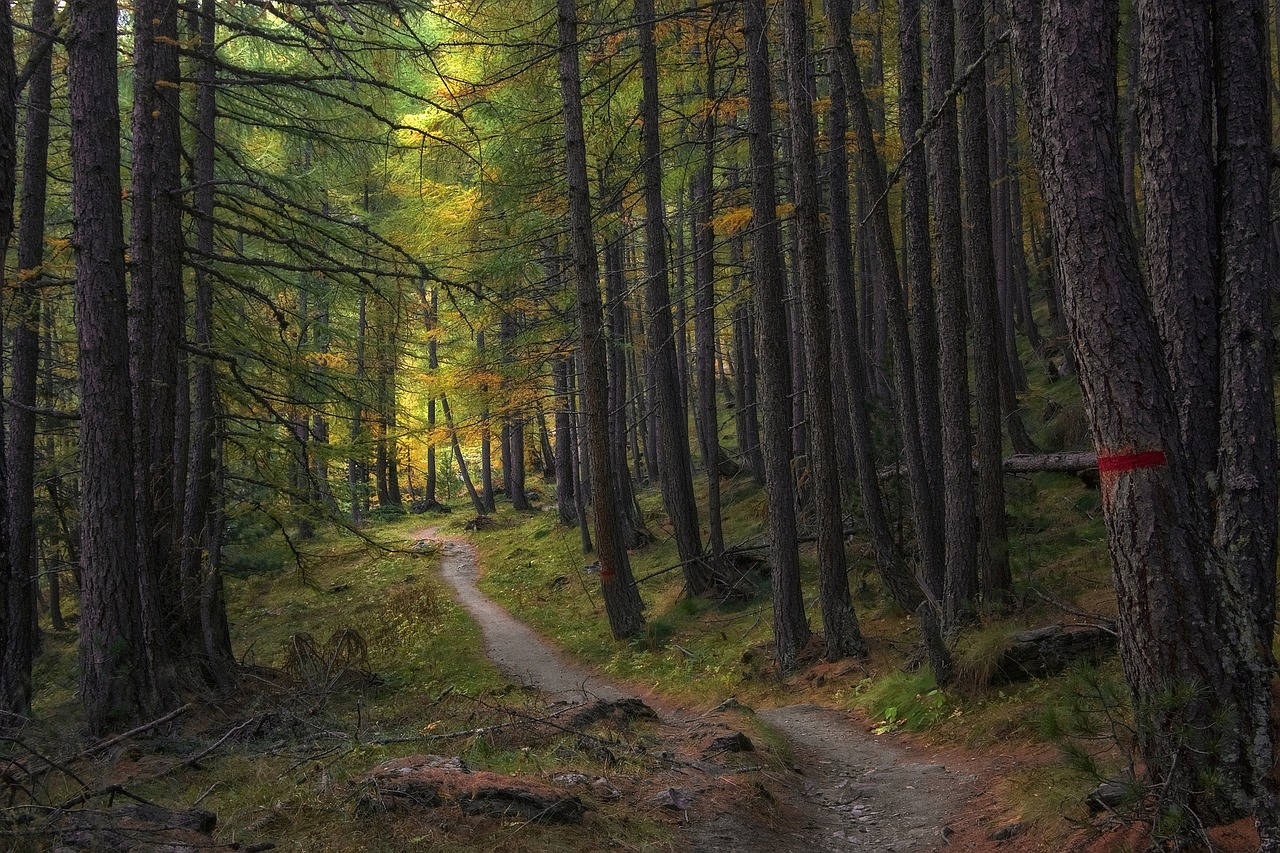
The safest places on Earth were named as Finland, Norway and Iceland, yet Finland’s vast boreal forests remain largely avoided by international visitors due to unfounded fears about wilderness dangers. These forests cover roughly seventy percent of the country and are home to well-maintained trail systems and emergency shelters.
Finland’s “right to roam” laws actually make their wilderness areas exceptionally safe because they’re regularly patrolled and maintained by local authorities. The country has one of the world’s most efficient search and rescue systems, with response times that would make urban emergency services jealous.
What people imagine as threatening wilderness is actually a network of carefully monitored natural spaces where the biggest danger is probably tripping over a root. Even encounters with brown bears are extremely rare and almost always non-confrontational, as the bears are more afraid of humans than vice versa.
Norway’s Mountain Plateaus Are Surprisingly Accessible
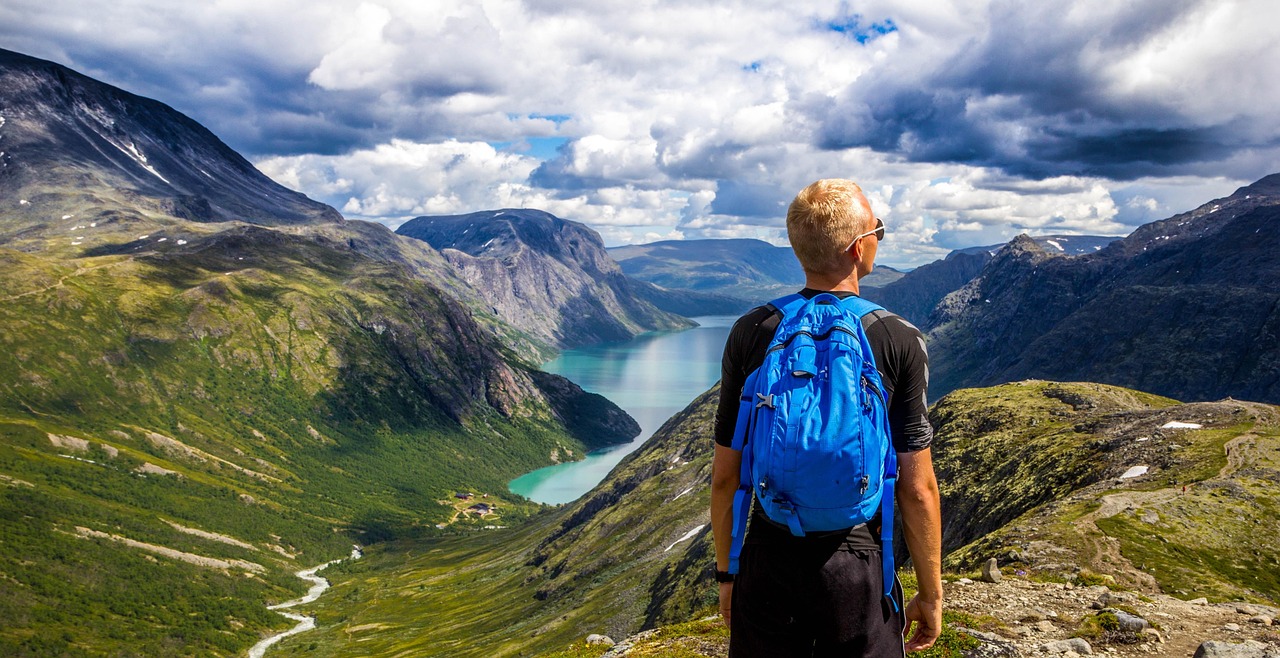
Norway’s dramatic mountain landscapes look intimidating in photographs, leading many to believe they’re only suitable for extreme adventurers. Oslo is perhaps Europe’s safest capital, and this safety extends throughout the country’s national parks and wilderness areas.
The Norwegian government has invested heavily in mountain safety infrastructure, including marked trails, emergency cabins, and comprehensive weather monitoring systems. Outside of Oslo the country is largely rural, and the northern part of the country has 225,000 reindeer and nowhere near that many people.
What appears to be untamed wilderness is actually a well-organized outdoor recreation system that’s been refined over centuries. The real challenge isn’t surviving the elements – it’s booking accommodations during peak season because these “dangerous” destinations are actually incredibly popular with those who know the truth.
Canadian National Parks Prioritize Visitor Safety
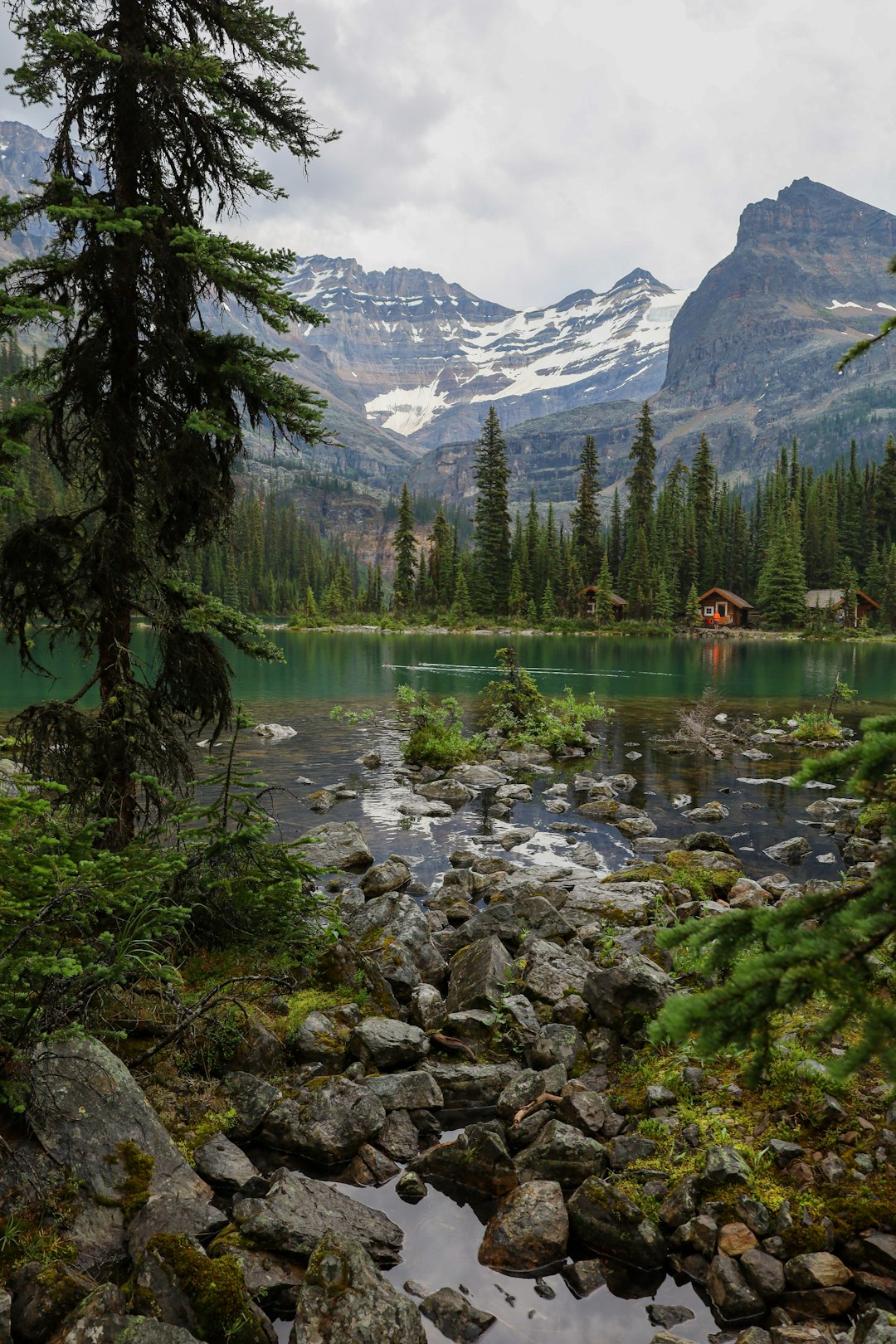
Respondents’ picks line up with the data – Norway and Canada are two of the world’s safest places statistically when it comes to violent crime. Canada’s national parks might seem imposing due to their sheer size and dramatic marketing images, but they’re actually among the world’s safest wilderness destinations.
Parks Canada operates one of the most sophisticated visitor safety programs globally, with rangers trained in advanced wilderness medicine and rescue operations. The parks system maintains detailed trail conditions, weather updates, and safety equipment at regular intervals throughout even the most remote locations.
The misconception stems from Canada’s reputation for extreme weather and dangerous wildlife, but park visitors are statistically safer than people driving to work in most major cities. Bear encounters, while possible, are rare and almost always preventable with basic food storage precautions that parks provide clear guidance on.
Australia’s Desert Parks Are Well-Managed Despite Reputation
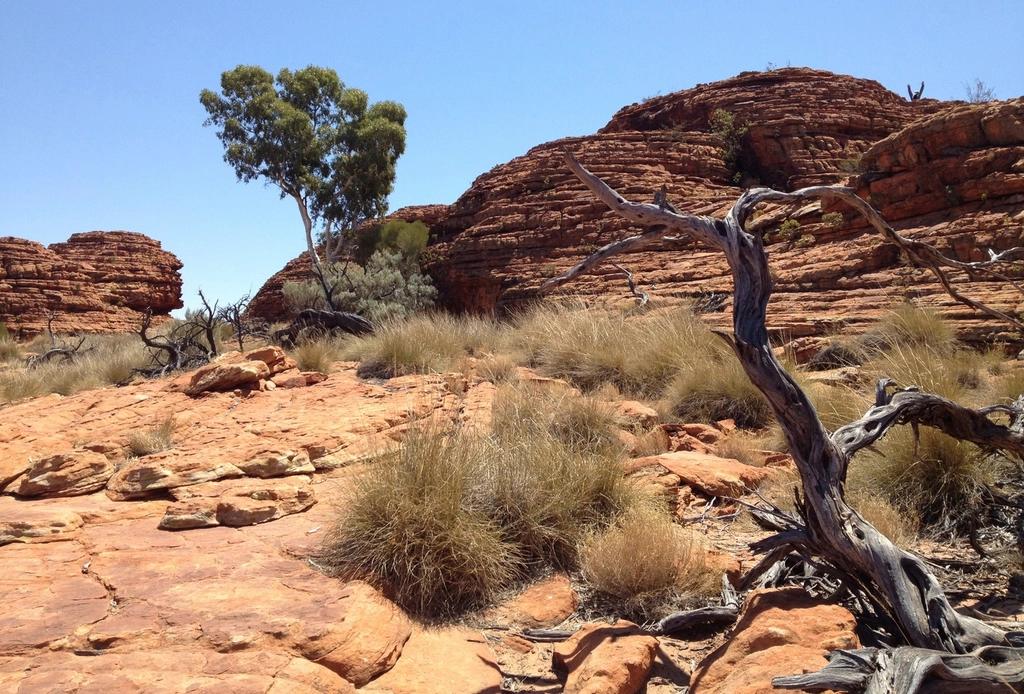
Australia’s Outback national parks suffer from an unfair reputation created by sensationalized media coverage. While it’s true that Australia has dangerous wildlife, the country’s national parks system is exceptionally well-organized with comprehensive safety measures and emergency protocols.
Countries that were deemed to have especially low security risks include Australia, and this extends to their wilderness areas. Parks Australia maintains detailed visitor guidelines, regular safety patrols, and emergency communication systems even in remote desert locations.
The reality is that most dangerous Australian wildlife actively avoids human contact, and park rangers are extensively trained in wildlife management. Desert parks like Uluru-Kata Tjuta have recorded decades of safe visitor experiences, with the vast majority of incidents being preventable through following basic safety guidelines.
Japanese Nature Reserves Blend Safety With Wilderness
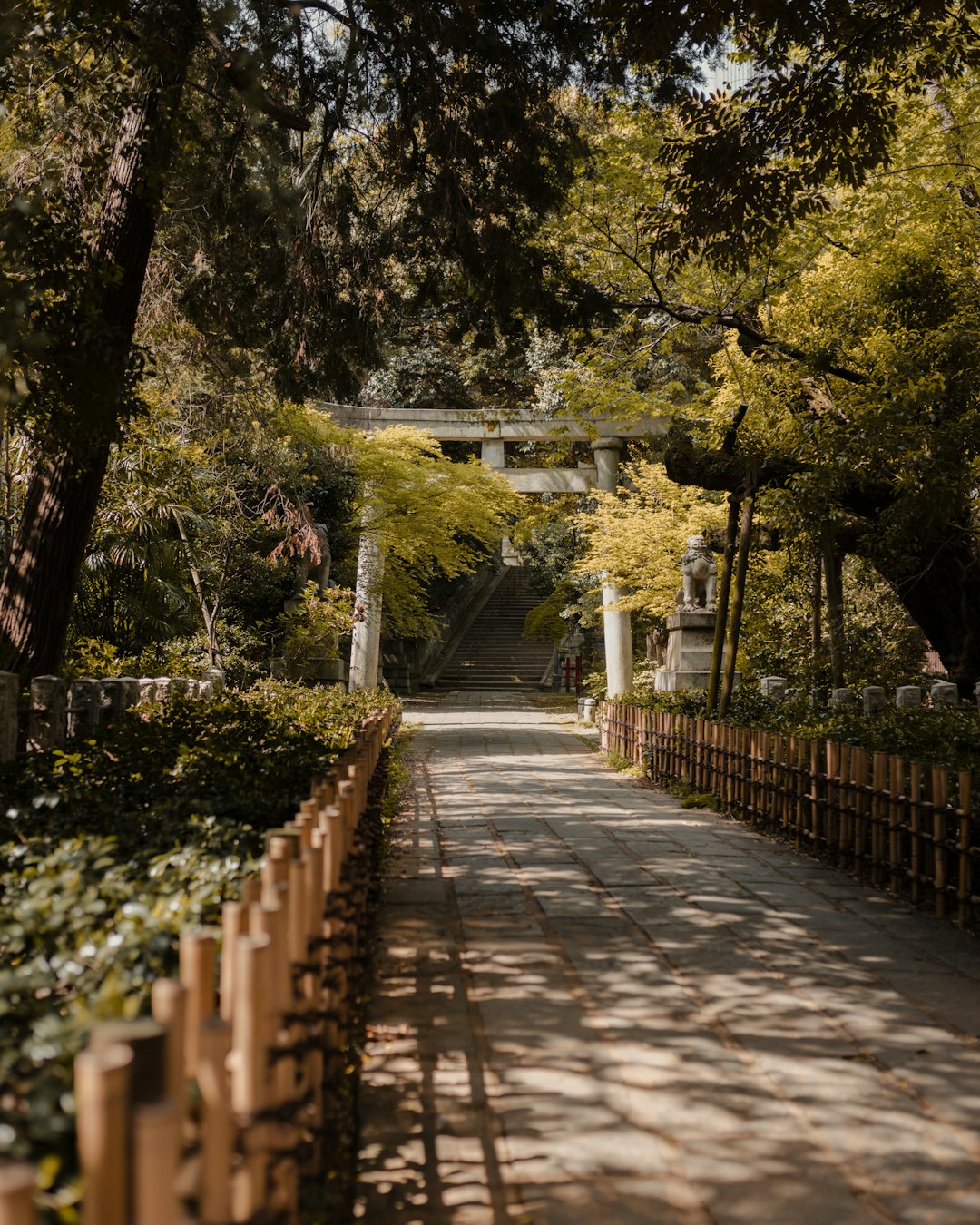
Countries that were deemed to have especially low security risks include Japan, and this safety culture extends deeply into their natural areas. Japan’s national parks and nature reserves represent a unique blend of wilderness preservation and visitor safety that makes them exceptionally accessible.
The country’s meticulous approach to infrastructure means that even remote mountain trails have emergency shelters, clear signage, and regular maintenance. Japanese search and rescue operations are world-renowned for their efficiency and preparedness.
Cultural factors also contribute to safety – Japan’s collective responsibility mindset means that fellow hikers regularly check on each other and report concerns to authorities. What might seem like intimidating mountain wilderness is actually supported by centuries of refined safety practices.
Switzerland’s Alpine Environment Is Highly Regulated
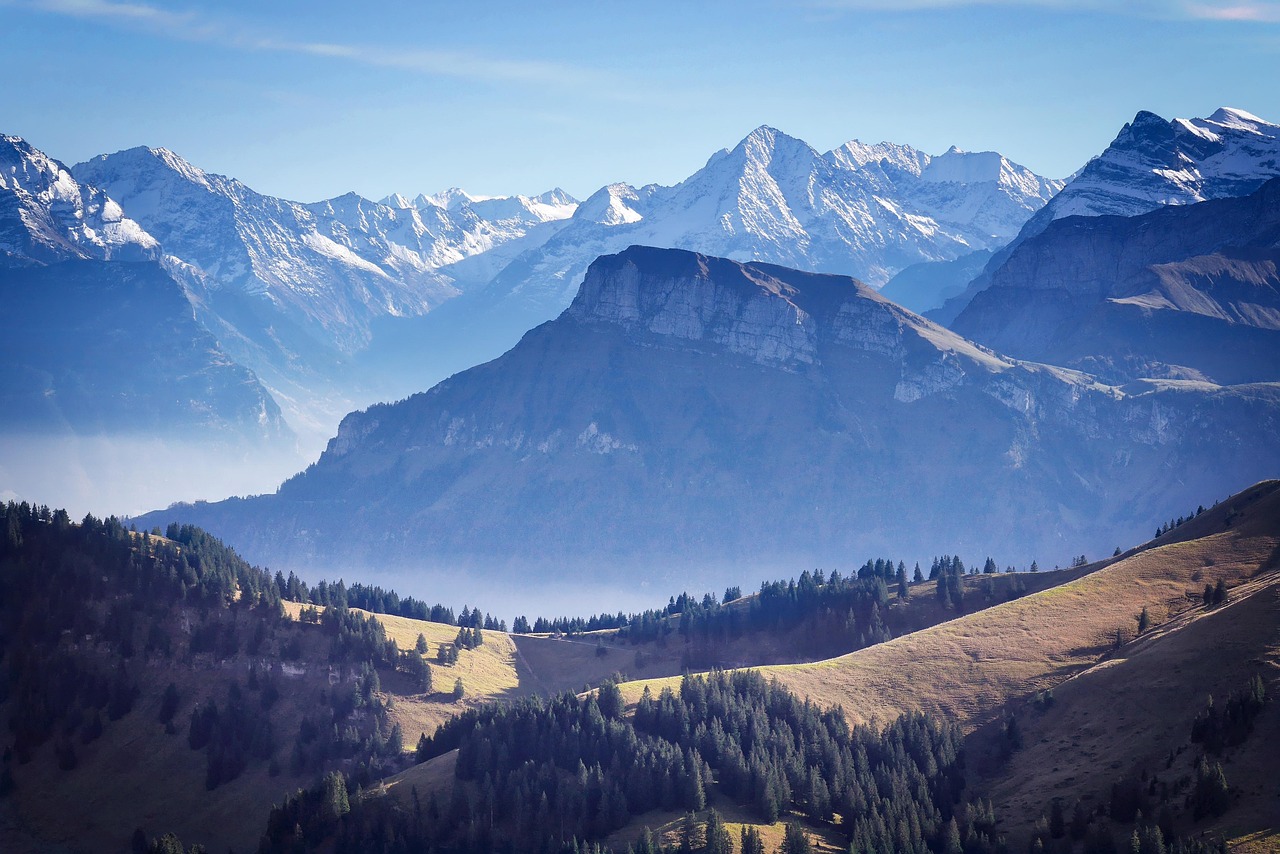
Countries like Switzerland rank highly due to strong natural disaster response systems and building codes, and were deemed to have especially low security risks. Switzerland’s reputation for precision extends to their wilderness management, making their Alpine environments far safer than their dramatic appearance suggests.
The Swiss Alpine Club maintains an extensive network of mountain huts, marked trails, and rescue services that operate year-round. Weather monitoring systems provide real-time updates, and trail conditions are assessed daily during peak seasons.
Swiss regulations require extensive safety training for anyone working in wilderness areas, and the country maintains some of the world’s most advanced avalanche prediction and prevention systems. The mountains that appear treacherous from afar are actually supported by decades of safety infrastructure development.
Scotland’s Highlands Have Excellent Emergency Coverage
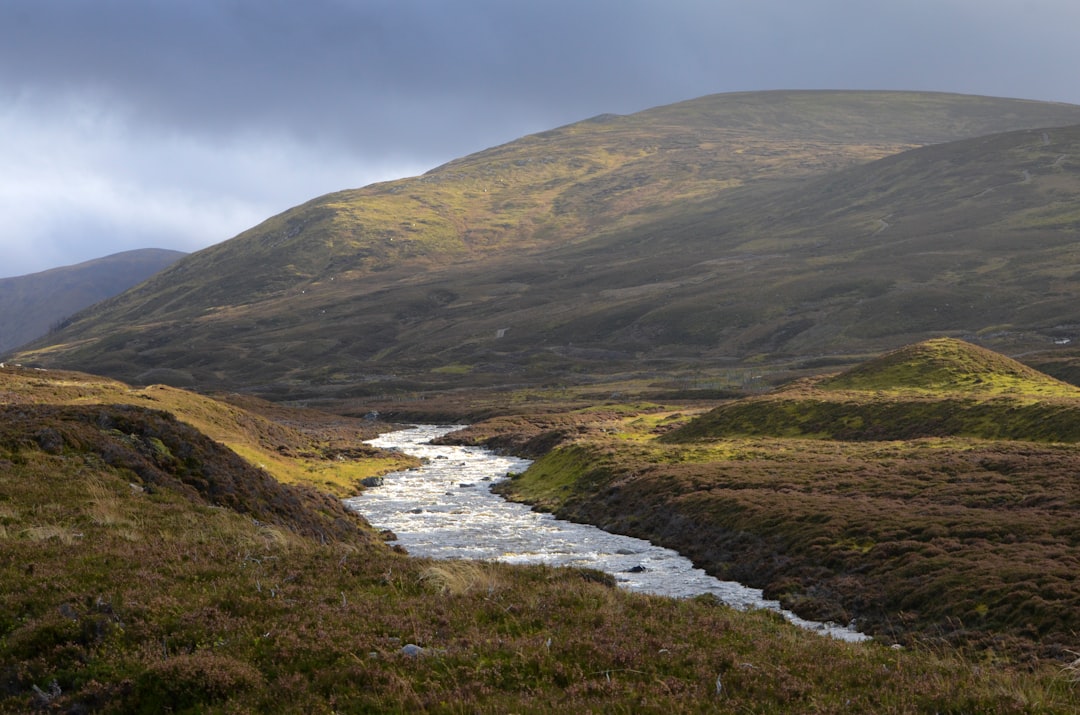
Scotland’s Highland regions often intimidate visitors with their rugged appearance and changeable weather, but the country maintains one of Europe’s most comprehensive mountain rescue services. The Scottish government has invested significantly in wilderness safety infrastructure over the past decades.
The right to roam laws in Scotland are paired with extensive safety education programs and well-maintained path networks. Mountain rescue teams are highly trained volunteers who know every trail system intimately and respond quickly to emergencies.
What appears to be isolated wilderness is actually well-connected to emergency services, with helicopter landing zones strategically placed throughout the Highlands. The weather might be unpredictable, but the safety response systems are remarkably consistent and reliable.
Denmark’s Coastal Parks Offer Gentle Nature Experiences
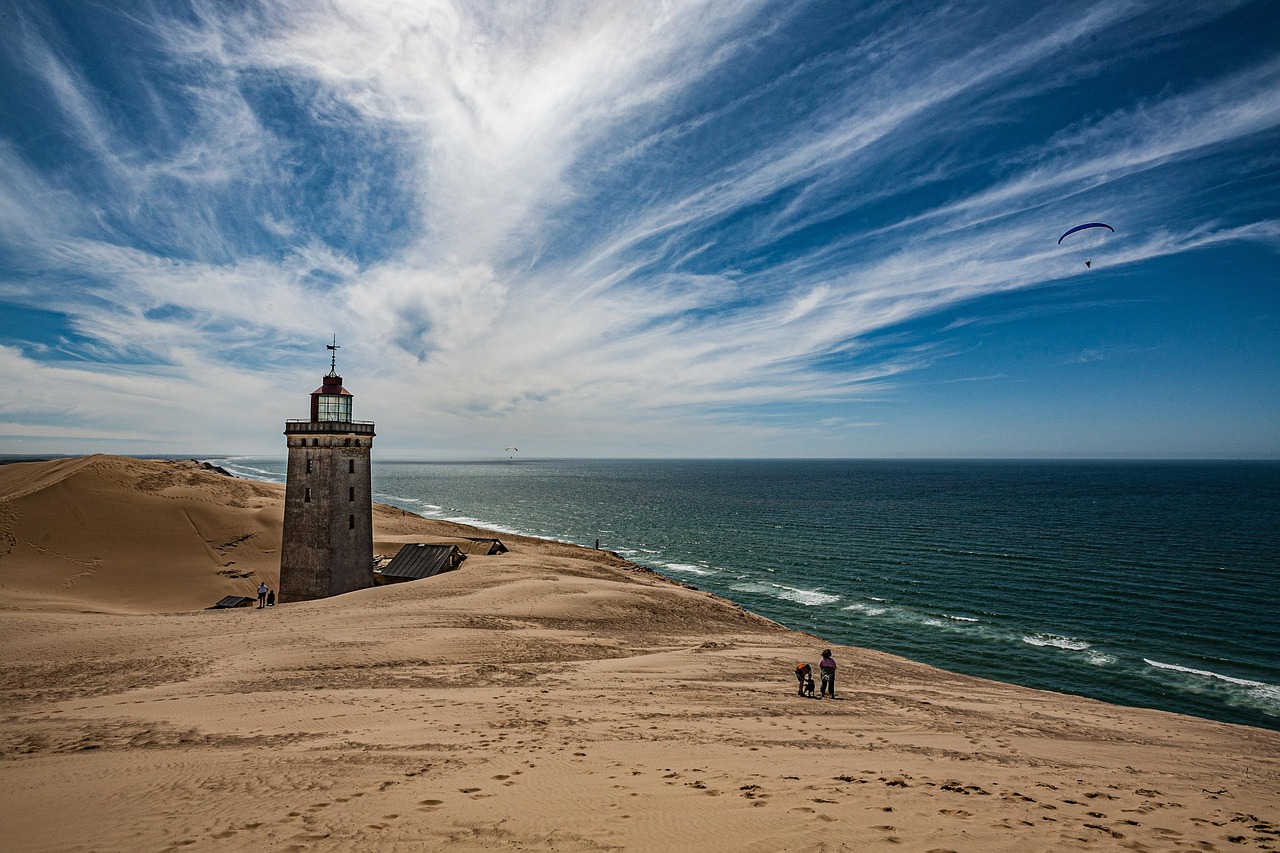
Denmark is one of the safest and happiest countries in the world, and is one of the few countries where people report feeling safe at any time of day or night, even children. This safety culture naturally extends to Denmark’s national parks and coastal wilderness areas.
Danish national parks are designed with families in mind, featuring well-maintained boardwalks, regular rest areas, and comprehensive visitor facilities. The country’s flat terrain and moderate climate eliminate many traditional wilderness risks that keep people away from nature.
The Danish spirit of hygge means taking time to be with the people you care about enjoying life’s simpler pleasures, and this concept drives much of Danish society and results in a warm, welcoming place for visitors. Even Denmark’s more remote coastal parks maintain this welcoming, safe atmosphere that encourages rather than discourages exploration.
The truth about nature’s safest spots reveals a fascinating pattern – our fears often have little correlation with actual danger. A fear can be healthy if it cautions a person to stay safe around something that could be dangerous, but sometimes a fear is unnecessary and causes more caution than the situation calls for. These ten destinations prove that with proper preparation and respect for local guidelines, some of the world’s most beautiful wilderness areas are actually incredibly safe experiences waiting to be discovered. What would you have guessed about these surprisingly safe natural havens?