
Most people think of their backyard as their own personal kingdom. What you do with your land is your business, right? Well, not quite. The truth is, what goes into the ground on your property can quietly travel far beyond your fence line, into neighboring water sources, community wells, and even the food you eat.
It seems harmless enough. An old tire here, a few used batteries there, maybe a container of motor oil you never got around to recycling. But the ground is not a trash can that makes things disappear. It is, honestly, more like a slow filter that eventually passes everything through. Let’s dig into what you should absolutely never bury in your yard.
1. Batteries of Any Kind
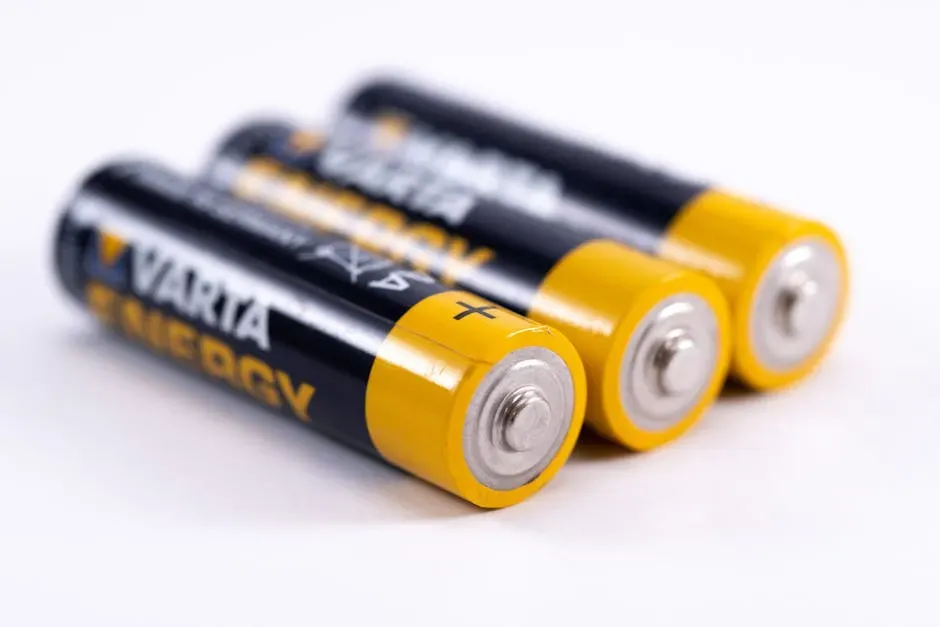
Batteries, especially older ones, are basically mini toxic waste capsules. When you bury them, they can leak cadmium, lithium, and lead into both your soil and the surrounding groundwater. That’s not a risk limited to car batteries. Even your household AA batteries carry this threat.
When the battery casing breaks down, these chemicals can leak out and contaminate the soil and water. Heavy metals are toxic and can persist in the environment for a long time. They can contaminate soil, which affects plant growth and can get into the food chain. If these chemicals leach into groundwater, they can pollute drinking water sources.
2. Used Motor Oil or Gasoline

According to the U.S. Environmental Protection Agency (EPA), just one gallon of used oil can contaminate up to one million gallons of freshwater – enough to supply drinking water to 50 people for a year. Used oil also contains toxic substances like lead, arsenic, and benzene, chemicals known to cause cancer and neurological disorders. One gallon. Think about that for a second.
Used motor oil and gasoline contain petroleum hydrocarbons that are regulated because of their flammability and toxicity. Burying them risks fire hazards and soil pollution. Most states require that these substances be taken to household hazardous waste collection sites rather than being disposed of in the ground. Ignoring these rules can expose you to serious legal and financial consequences.
3. Plastic Bags, Bottles, and Plastic Waste
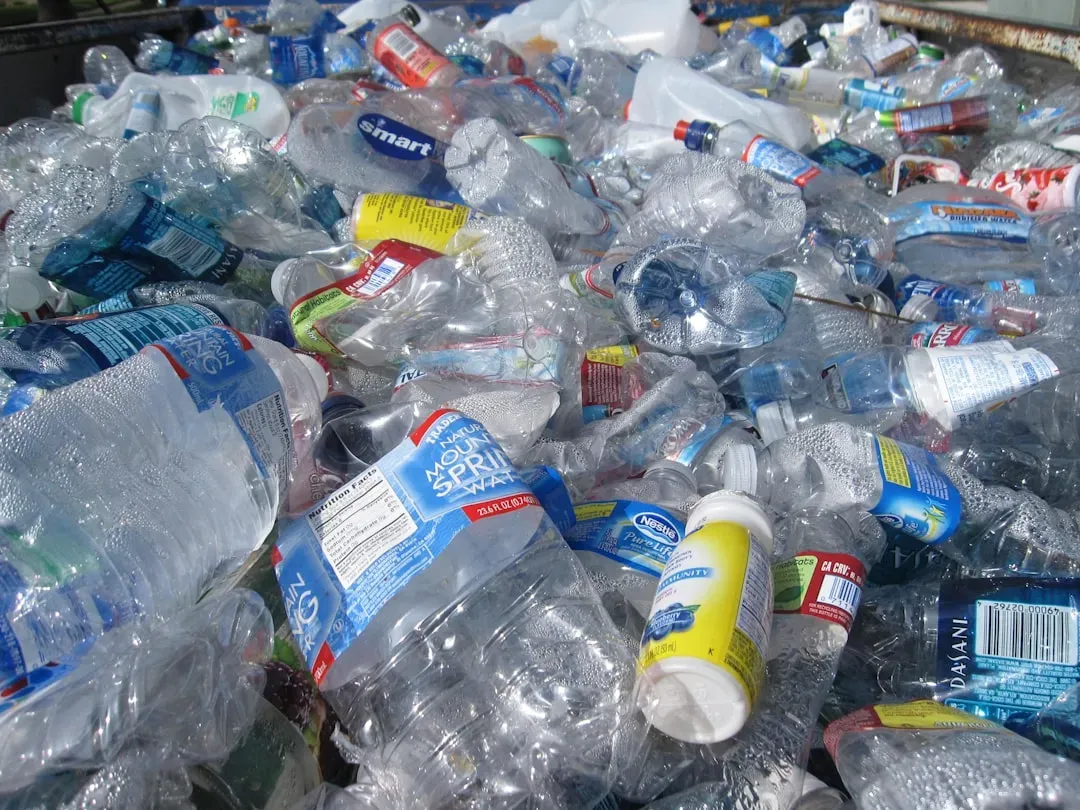
Common household trash items break down extremely slowly when buried: a plastic bag can take around 10 to 20 years to decompose, while a typical plastic bottle can linger in the ground for roughly 450 years, shedding polluting microplastics the entire time. In many places, it’s illegal to dispose of trash in this manner. Local laws require you to use proper waste management services or recycling programs to ensure safe disposal.
Underground plastics take a long time to decompose and frequently release microplastics back into the environment. They also present a choking danger to wildlife and disturb soil quality. Your garden, your neighbor’s well, even local streams can end up carrying these microplastics for generations to come.
4. Household Chemicals and Pesticides
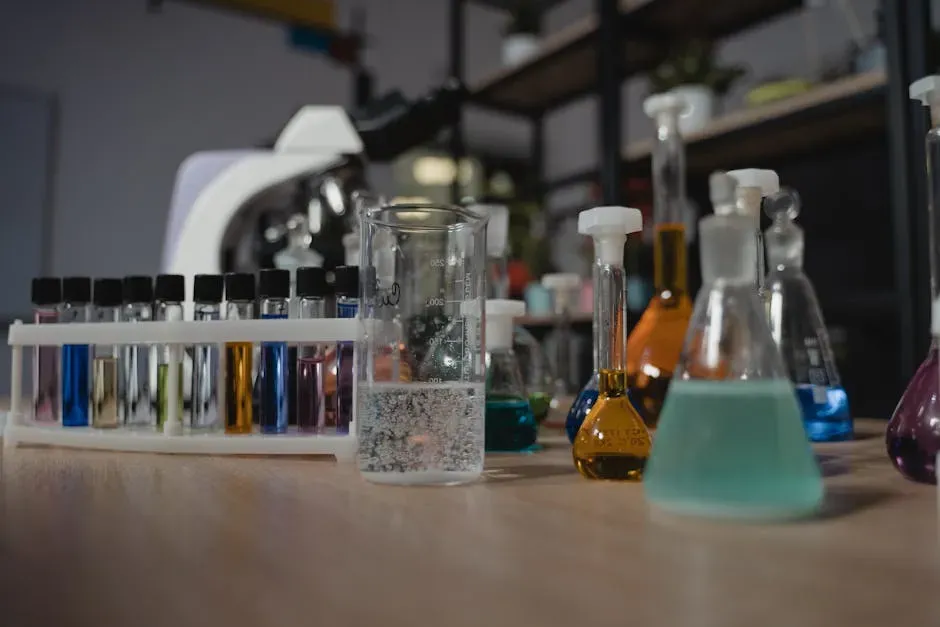
You cannot legally bury toxic home products like used paint thinner, motor oil, pesticides, or solvents in your backyard. Under environmental regulations, many common household chemicals are classified as hazardous waste and must be taken to proper disposal facilities. Burying them risks soil contamination and groundwater pollution, putting both your property and nearby water sources in danger.
The U.S. Environmental Protection Agency (EPA) warns that illegal dumping can introduce harmful contaminants into the environment. These include heavy metals, volatile organic compounds (VOCs), persistent organic pollutants (POPs), and pathogens. They can contaminate water supplies, making them unsafe and posing risks to public health and the environment. It is hard to say for sure just how far these chemicals can migrate in the soil, but the evidence is sobering.
5. Old Tires
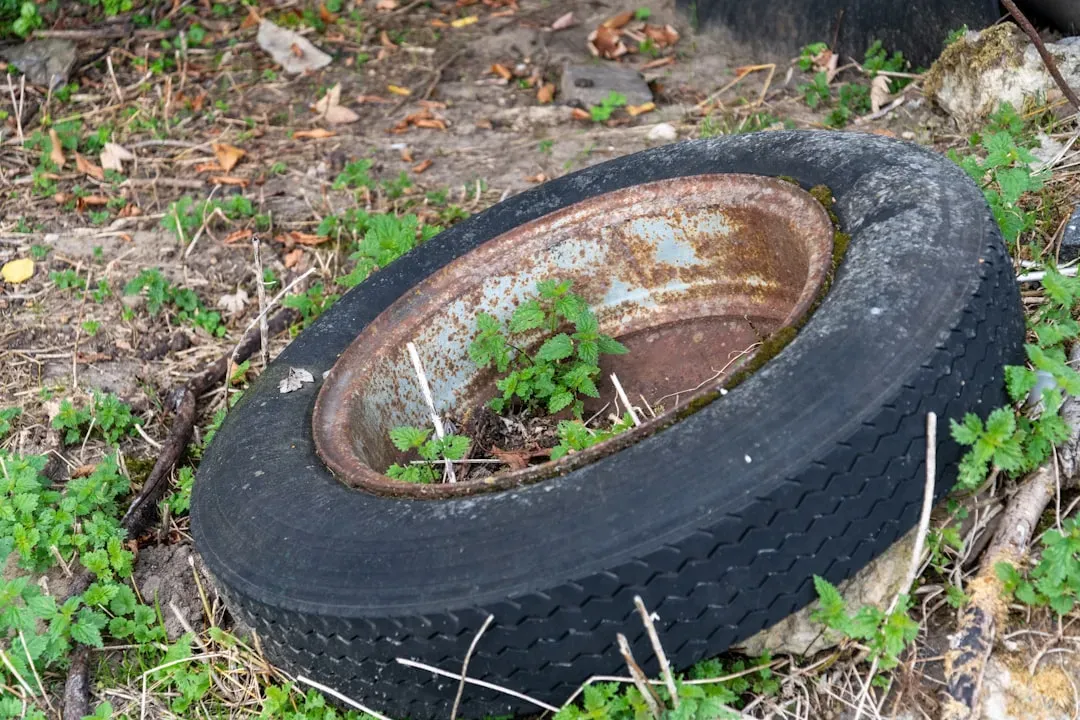
People used to bury old tires to get rid of them, but environmental rules now say that this is not allowed. Tires don’t break down in the environment and have a bothersome habit of “floating” back to the surface over time. This happens because tires hold methane gas and air, which makes them migrate up through the soil as the earth changes with the seasons. Honestly, few yard hazards are as sneaky or as stubborn as a buried tire.
Data from tire waste reports show that roughly 800 million to 1 billion tires reach end of life each year, and groundwater near dumped or buried tires can reach zinc and other metal levels many times above safe drinking standards. Additionally, buried tires can become breeding grounds for mosquitoes, increasing the risk of disease transmission. The legal risks are no small matter either, with realtors noting that buried tires might be seen as an unlawful landfill, which means local environmental regulators can charge significant daily fines.
6. Treated or Painted Wood
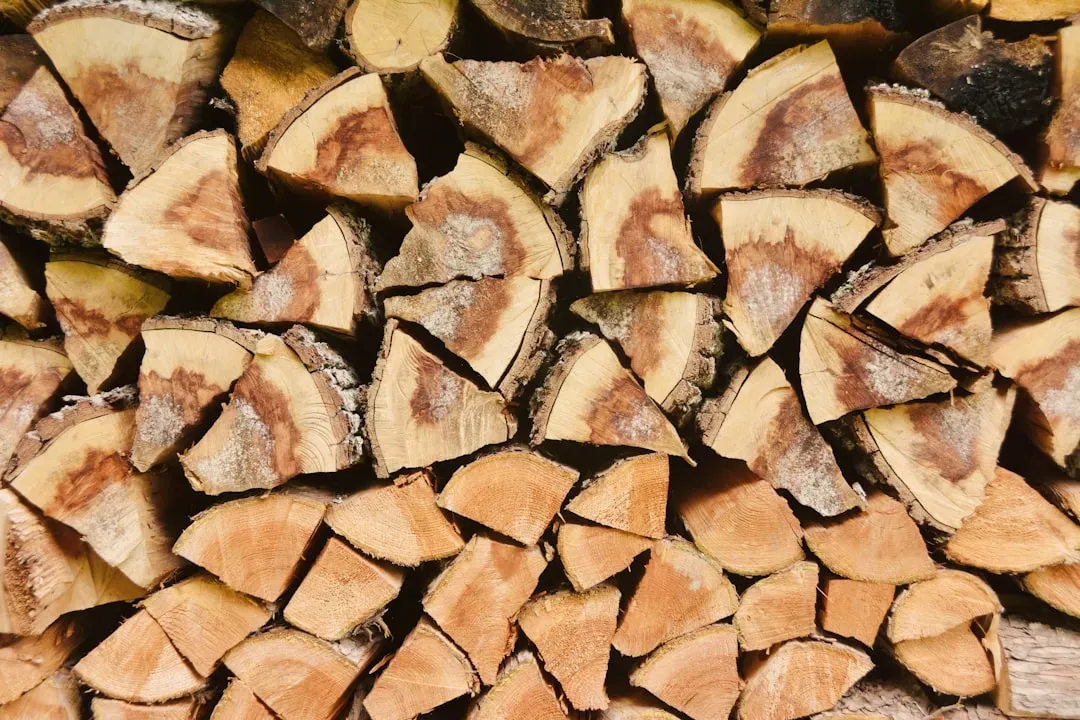
It may appear like wood is a natural material that belongs in the earth, but treated or painted wood is a different story. The chemicals used to protect wood for outdoor usage, including chromated copper arsenate, are meant to combat the insects and fungus that cause rot. When buried, these chemicals seep into the ground and destroy helpful bacteria and earthworms that are important for a healthy yard. Burying treated wood can make the soil sterile, making it hard for even the toughest weeds to grow.
Painted wood often has lead-based pigments in it, especially in older homes, which can make your soil a permanent lead danger. Because buried scrap wood might attract termites to a property’s foundation, professional flippers always look for it. The damage here is not just environmental. It can eat directly into the structural integrity of your home.
7. Old Appliances and Electronics
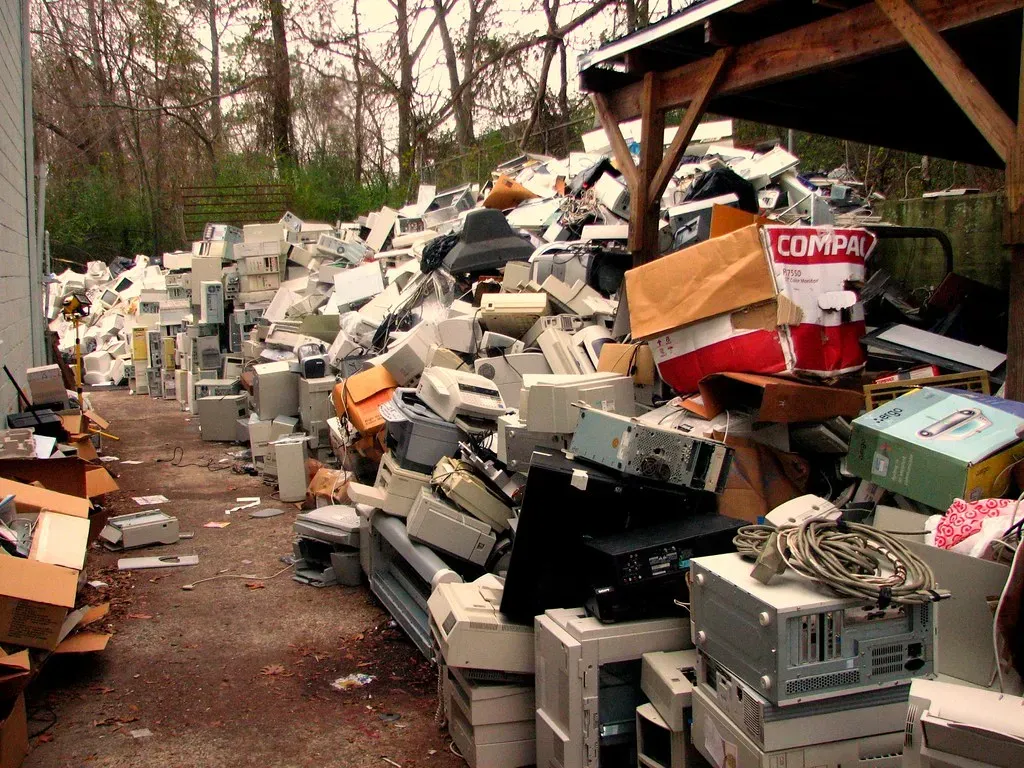
Refrigerants, mercury, and lead are just a few of the dangerous chemicals that may be found in old refrigerators, TVs, and microwaves. Experts claim that it is against both municipal and federal waste management laws to bury these things. Contractors say that the metal casings will ultimately rust through, letting pressurized gases and poisonous chemicals leak directly into the ground.
Cleaning up buried e-waste can take tens of thousands of dollars before the area can be sold or developed. Ground-penetrating radar or magnetic scans can find buried appliances during high-end property inspections. Landscapers say that the sharp edges of broken appliances can ultimately come to the surface, making it dangerous to work in the yard. So it is not just a pollution issue. It is a liability you could pass on to the next owner.
8. Pet Carcasses or Animal Remains
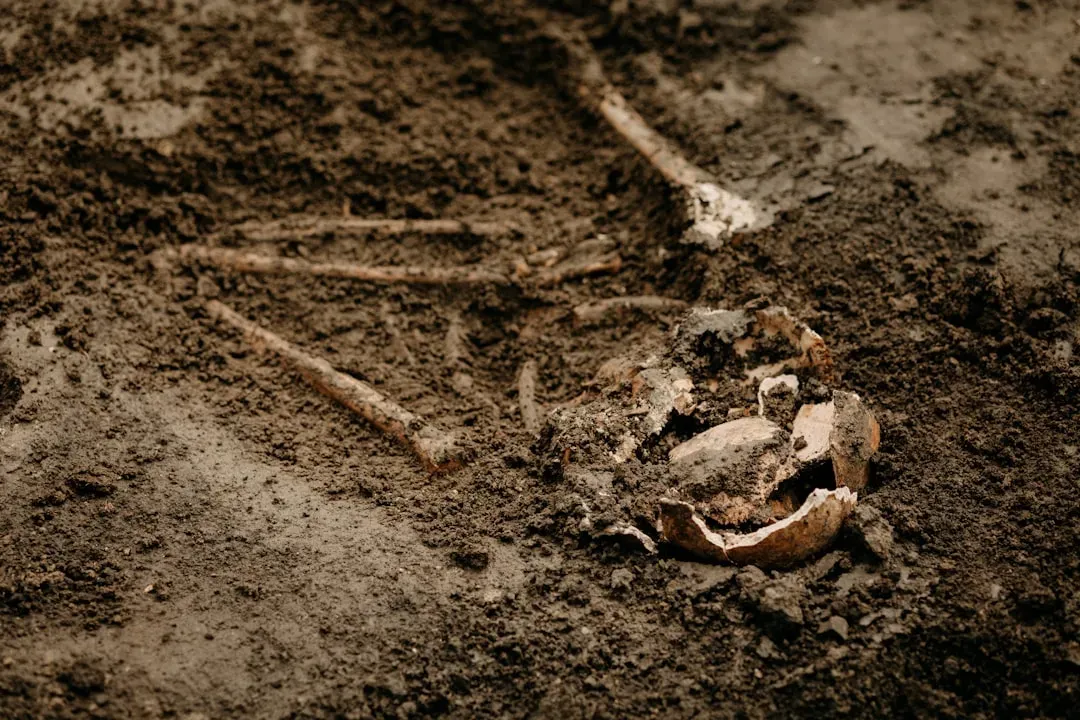
Data on carcass burial shows that poorly buried animals can raise nearby groundwater levels of ammonia, nitrate, chloride, and fecal bacteria, and shallow pits increase the chance that pathogens and odors escape to the surface or seep into wells and streams. Losing a pet is emotional, and the instinct to bury them in the garden feels natural. Still, the science tells a more complicated story.
If your pet was put down with barbiturates such as pentobarbital, burying their body may pose a poisoning risk. Veterinary experts warn that scavengers who dig up remains can be fatally exposed. Some local laws also prohibit burial too close to water sources or require graves to be a certain depth and distance from wells to limit contamination. This is one situation where intent and outcome can diverge sharply.
9. Medications and Pharmaceuticals
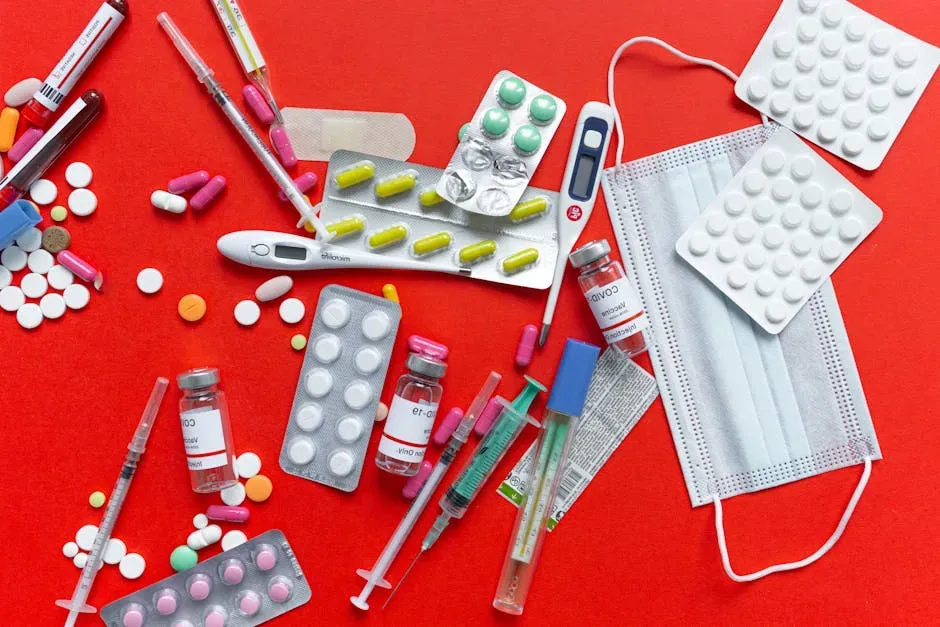
Although it feels like a natural thing to do, tucking pet waste or unused medications into the ground isn’t the eco-friendly solution it seems. Dog waste and medications contain persistent parasites and pathogens that pose risks to both humans and the environment. These include worms, parasites like Giardia, and bacteria such as E. coli and Salmonella.
Flushing is not a good choice, and burying it is even worse. When pills and liquids break down in the soil and groundwater, they can compromise wildlife and even groundwater intended for human consumption. According to the FDA, medicine should be disposed of at designated take-back programs. In fact, numerous pharmacies have now installed secure drop-off boxes. The infrastructure to handle this safely already exists. Use it.
10. Construction Debris and Rubble
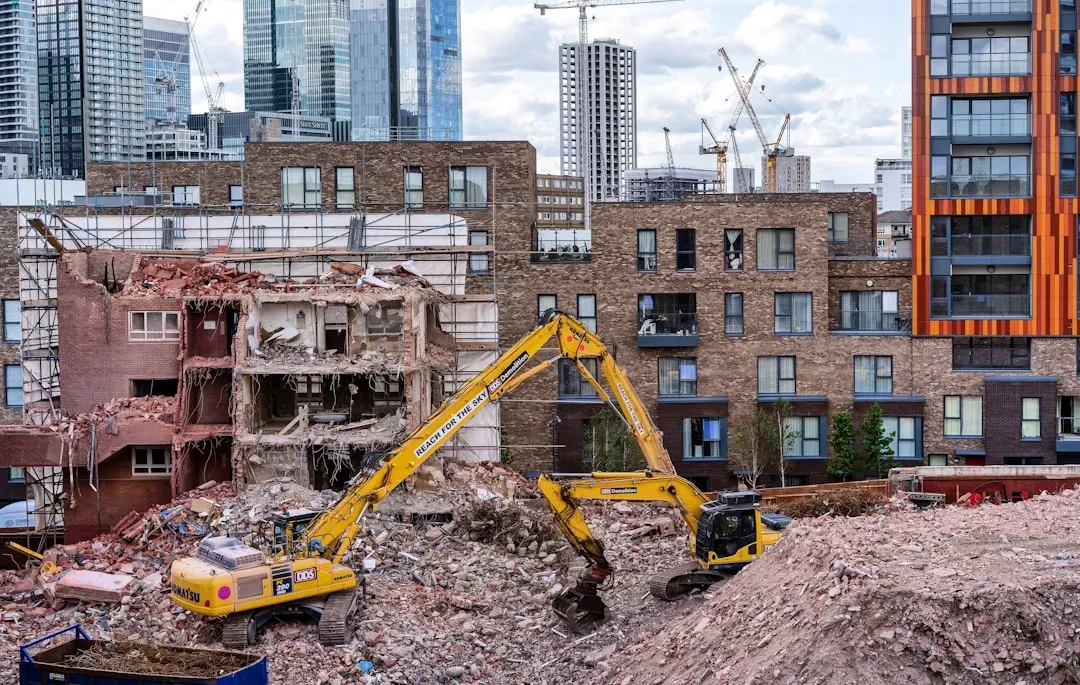
Construction and demolition activities generate roughly one third of the world’s total waste, which translates to 2 to 3 billion tons of debris every year, and when leftover materials like treated wood, concrete rubble, and insulation are buried on site, they can leach chemicals and microplastics into surrounding soil for decades. Many homeowners assume a bit of leftover drywall or gravel in the ground is no big deal. It very much is.
Testing of yards and gardens in multiple cities shows that soil near old, lead-painted walls can hold hundreds to several thousand milligrams of lead per kilogram of soil, far above common residential safety guidelines of around 200 to 400 milligrams per kilogram. To safely dispose of toxic construction materials, contact local hazardous waste disposal services that specialize in this type of waste. Improper disposal can lead to significant environmental damage and costly fines.