Social Phobia: When Every Conversation Becomes a Battlefield
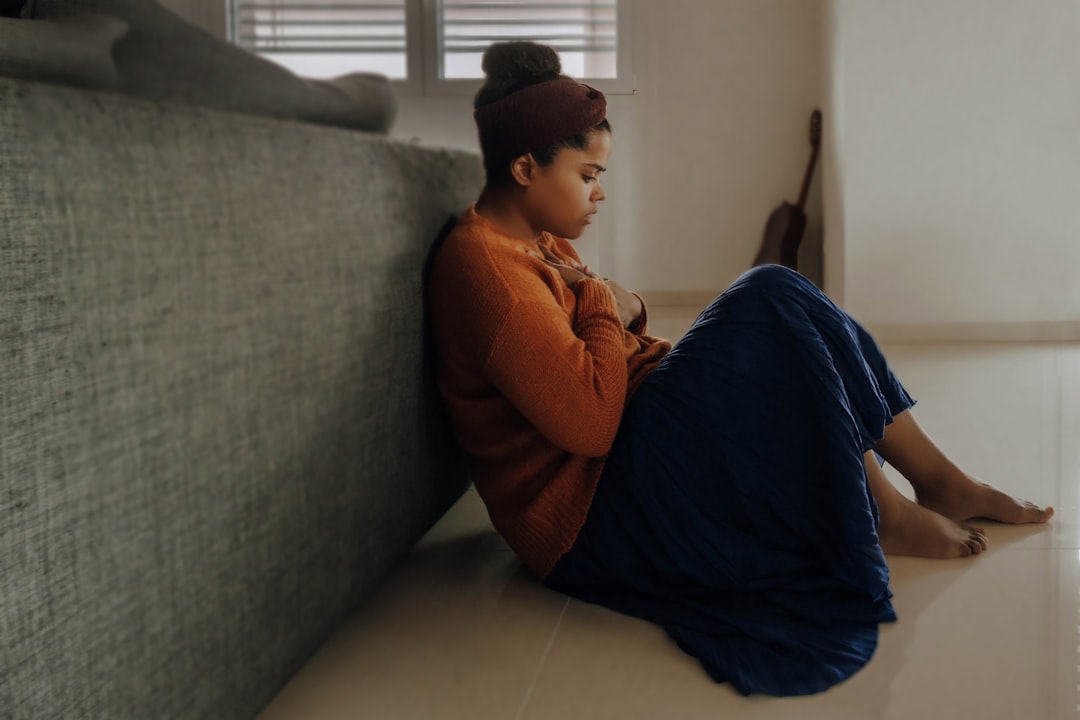
Picture this: you’re at a coffee shop, and the barista asks what you’d like to order. Your palms start sweating, your heart races, and suddenly that simple interaction feels like climbing Mount Everest. Social phobia, or social anxiety disorder, affects around 12.1% of adults in their lifetime according to the National Institute of Mental Health. Unlike regular shyness, this intense fear of being judged or rejected can completely reshape how someone navigates their world.
Most people with social phobia will try to avoid situations that cause distress, and when the fear significantly interferes with normal routines, it disrupts career and social relationships. Think about those colleagues who consistently skip office parties, decline presentations, or eat lunch alone not by choice, but because the thought of small talk triggers overwhelming anxiety. Research shows social phobia leads to a threefold higher rate of unemployment, significantly elevated work hours missed, and has a long-term negative impact on work performance and social relationships.
Agoraphobia: The Prison of Open Spaces
Agoraphobia involves the fear of having a panic attack in a place or situation from which escape may be hard or embarrassing, with anxiety so severe that panic attacks are not unusual. Contrary to popular belief, this isn’t just about avoiding crowded places. It’s about the paralyzing fear of being trapped without help when panic strikes.
People with the disorder often become so disabled that they literally feel they cannot leave their homes, while others go into potentially “phobic” situations only with great distress or when accompanied by a trusted friend or family member. Having agoraphobia can have a serious impact on the way you live your life, as many people find it hard to leave the place they live. Imagine planning your entire life around grocery delivery, remote work, and online everything because stepping outside feels impossible.
Claustrophobia: When Small Spaces Become Torture Chambers
The fear of being trapped in an enclosed space is called claustrophobia, and it’s more common than you might think. The fear can be triggered by riding in an elevator or by using a small restroom. About 4% of the global population has claustrophobia, which means millions of people structure their lives around avoiding tight spaces.
This phobia doesn’t just affect underground caves or tiny rooms. Modern life presents countless claustrophobic triggers: MRI machines, airplane seats, crowded subway cars, even walk-in closets. People with these phobias may need to alter their lives drastically, and in extreme cases, the phobia may dictate employment, job location, driving route, recreational and social activities, or home environment. Career opportunities vanish when someone can’t handle office elevators, and medical care becomes complicated when diagnostic tests require confined spaces.
Acrophobia: Heights That Hijack Your Brain
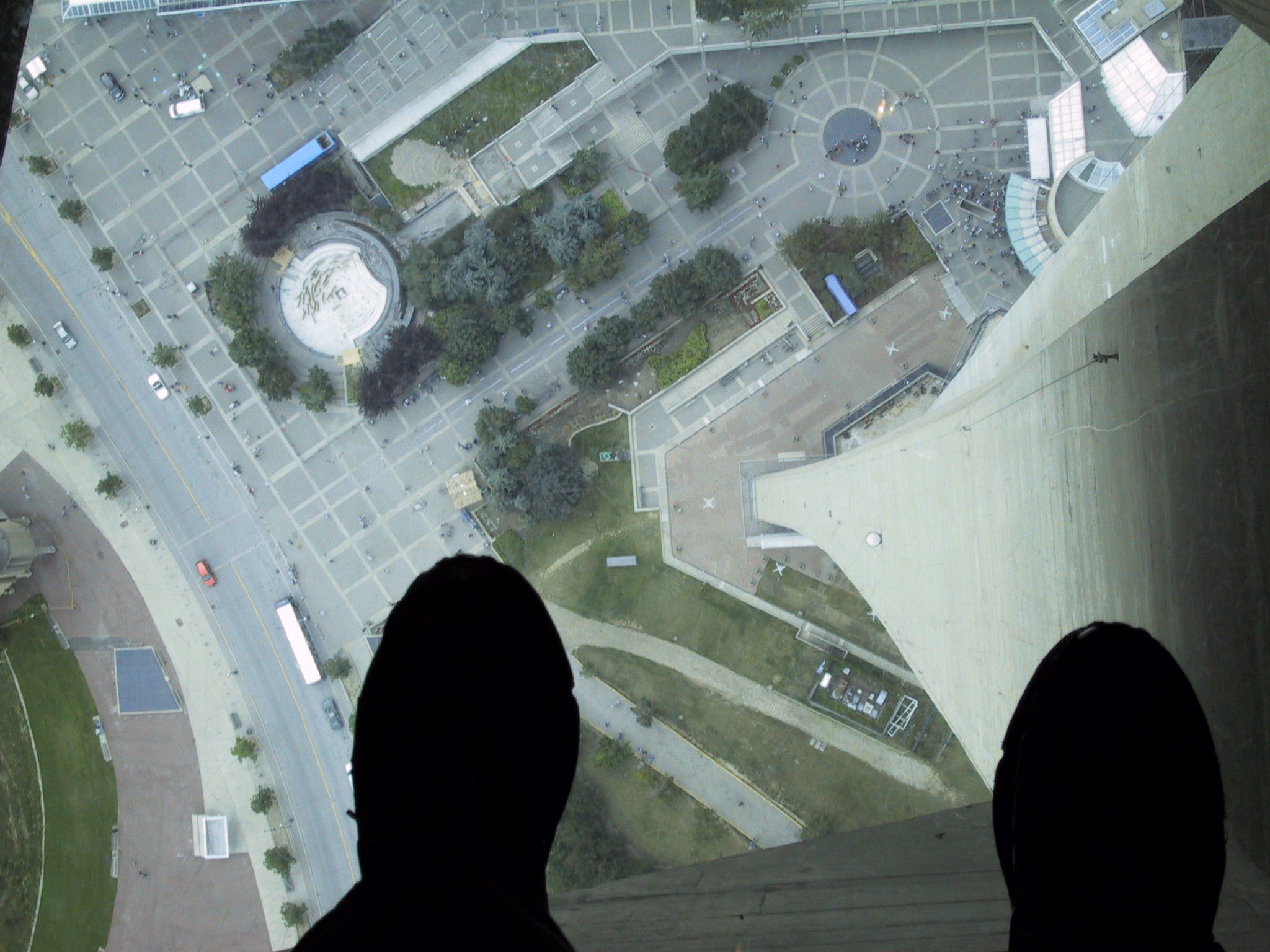
As a result of acrophobia, or the fear of heights, one may feel reluctant to fly in planes, ride roller coasters, stay in tall buildings, or even drive over bridges, affecting an estimated 3% to 6% of the US population. But here’s what’s fascinating: acrophobia affects about 5% of all people, yet the lifetime prevalence of visual height intolerance is 28.5%.
Symptoms of acrophobia can be triggered by looking out the window of an office building or by driving over a high bridge. This isn’t just about avoiding skydiving or rock climbing. People with severe acrophobia might struggle with apartment hunting, accepting job offers in high-rise buildings, or even walking across pedestrian bridges. Those who suffer from an actual phobia will experience unpleasant symptoms such as sweating and shaking, feeling paralyzed, crying uncontrollably, and panic attacks.
Arachnophobia: Eight Legs of Terror
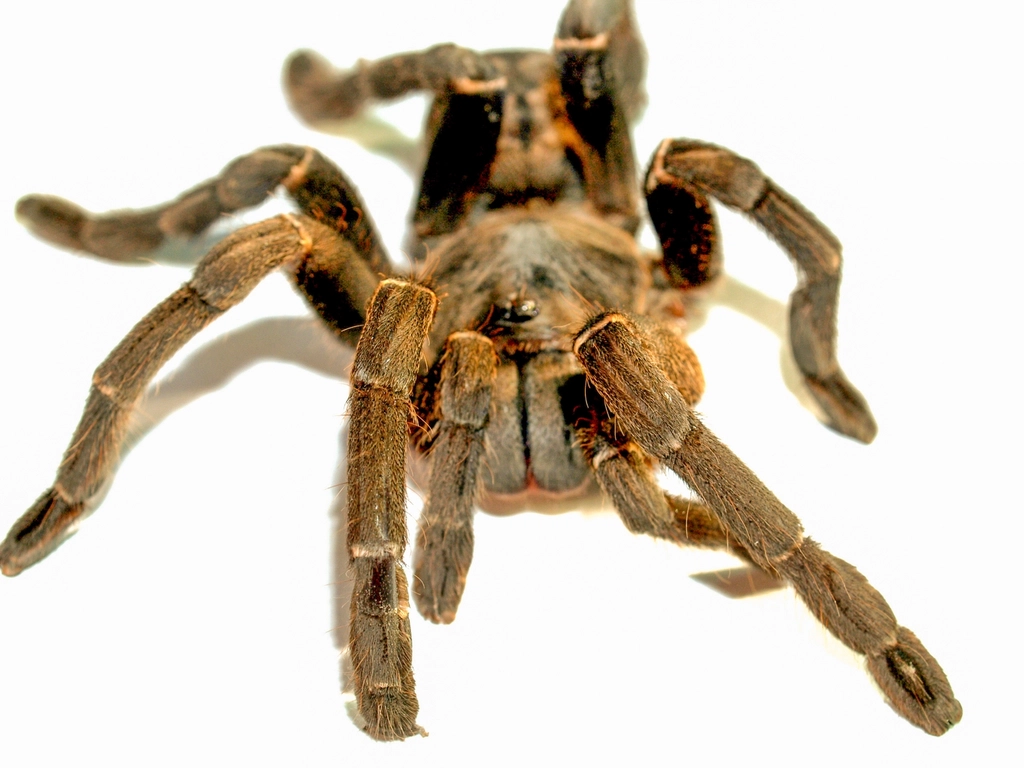
Fear of spiders affects somewhere between 3.5% and 6.1% of people worldwide, making it one of the most recognizable phobias. But here’s the thing that might surprise you: most spiders are completely harmless, yet this fear can completely derail someone’s day or even living situation. People have been known to abandon camping trips, refuse to enter basements, or call in sick to work because they spotted a spider in their office.
What makes arachnophobia particularly interesting is how it spreads through families and cultures. A child whose mother has arachnophobia is much more likely to develop the same phobia. This learned fear can shape entire households, influencing everything from home maintenance to vacation destinations. Some people even develop elaborate checking rituals before entering rooms or going to bed, turning everyday activities into exhausting safety protocols.
Trypanophobia: The Needle That Breaks Healthcare
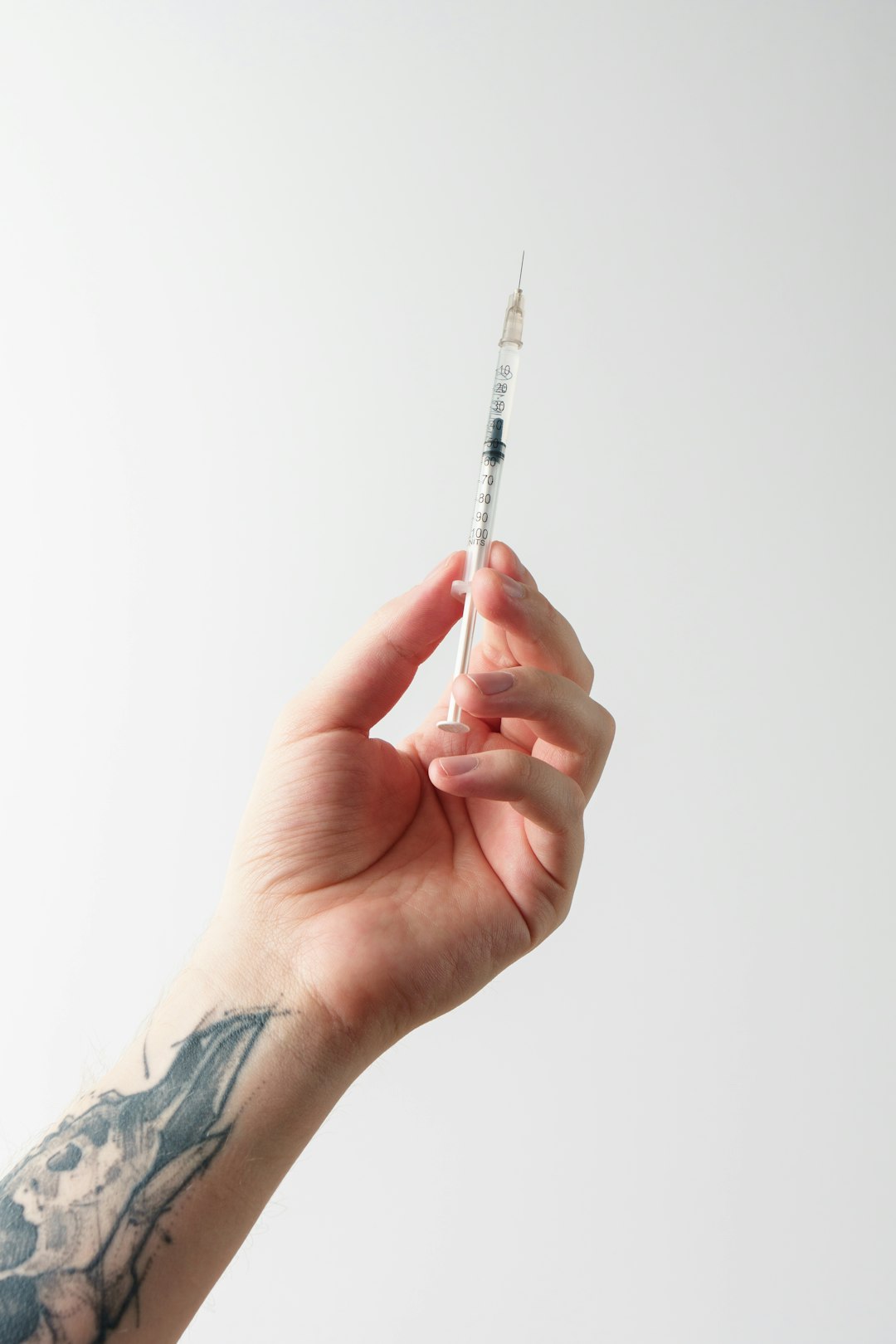
Trypanophobia is the fear of injecting or using hypodermic needles, with children being especially afraid since they aren’t used to the sensation, though in some cases, this fear persists into adulthood and can be extremely intense. This phobia doesn’t just make medical visits uncomfortable – it can be genuinely dangerous to someone’s health.
Think about all the routine medical care that involves needles: vaccinations, blood tests, IVs, dental procedures with local anesthesia. People with severe trypanophobia might delay or completely avoid preventive care, miss important health screenings, or even refuse life-saving treatments. About 3% of adults may avoid going to the dentist due to dentophobia, which is more common in females than males. The ripple effects extend beyond personal health to public health, especially when people avoid vaccinations due to needle fear.
Aerophobia: Grounded by Fear
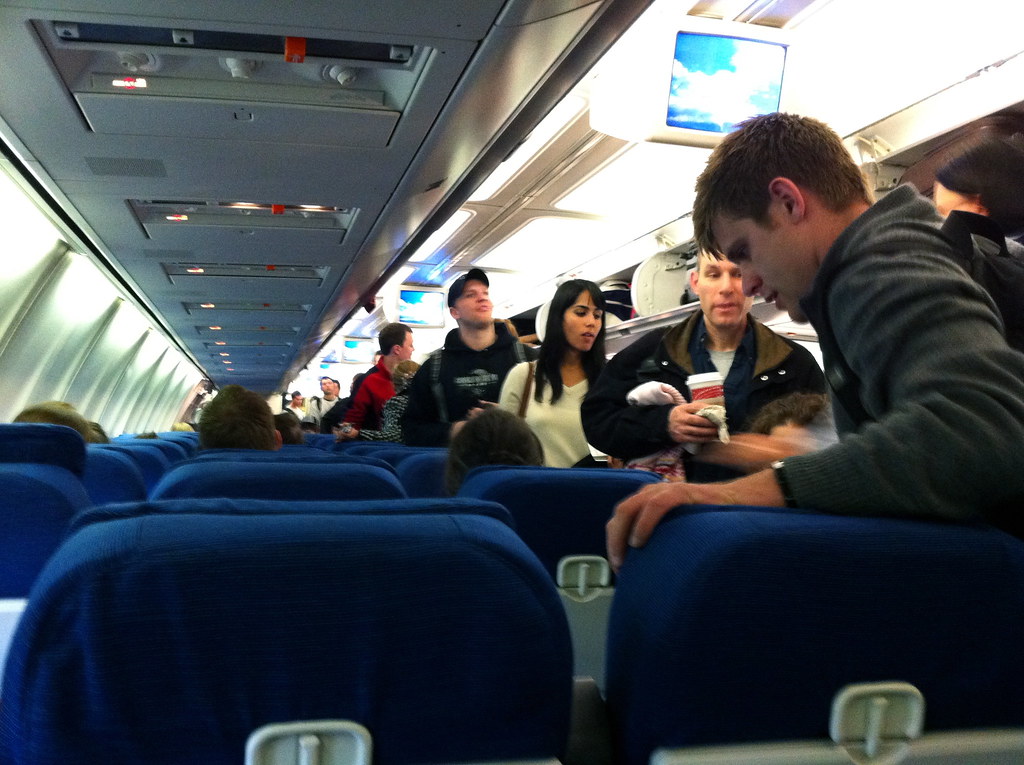
About 33% of people have aerophobia ranging from mild to drastic, while up to 5% of people have clinical aerophobia, which is a crippling fear of flying, with the average onset age around 27. In our globally connected world, this phobia can seriously limit career advancement, family connections, and life experiences.
When talking about the fear of flying, statistics may be very discouraging, as about 60% of people with this fear tend to become extremely anxious before and during the flight. This isn’t just about missing vacation opportunities. Remote workers might lose job prospects that require occasional travel, people might miss important family events, and some couples even struggle with long-distance relationships. The economic impact extends beyond personal costs to include missed business opportunities and reduced professional mobility.
Hemophobia: When Blood Becomes the Enemy
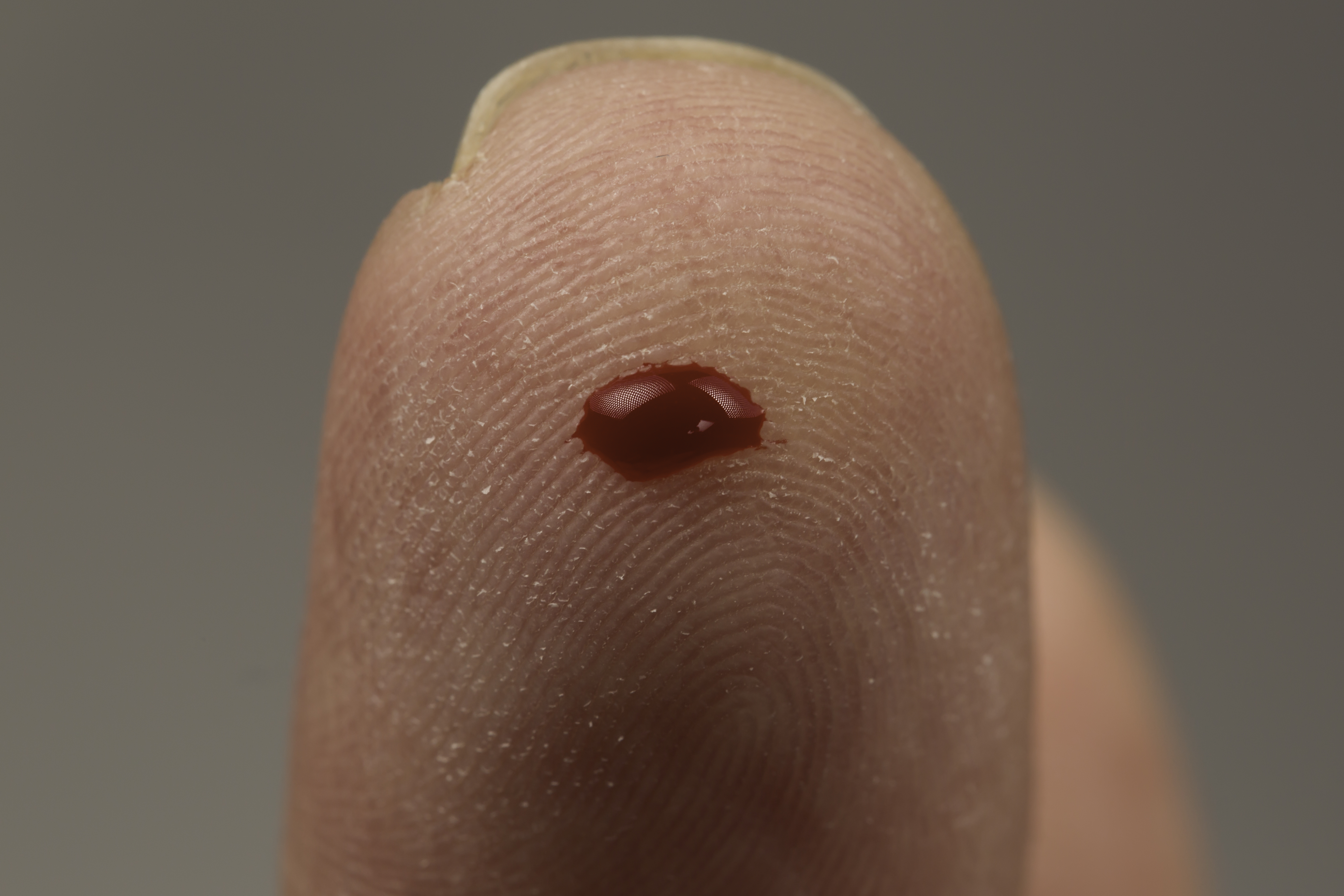
Hemophobia, the fear of blood, creates a particularly tricky situation because blood is something we encounter regularly throughout life. Unlike other phobias where avoidance is somewhat possible, blood shows up in unexpected places: cooking accidents, skinned knees, medical shows on TV, even donating blood for charity drives. What makes this phobia especially challenging is the fainting response that often accompanies it.
People with hemophobia don’t just feel queasy at the sight of blood – they often experience a unique physiological response called vasovagal syncope, where blood pressure drops rapidly and they faint. This creates additional safety concerns and can make medical emergencies even more complicated. Career choices become limited too, ruling out healthcare, veterinary work, or even some laboratory positions.
Dentophobia: The Fear That Ruins Smiles
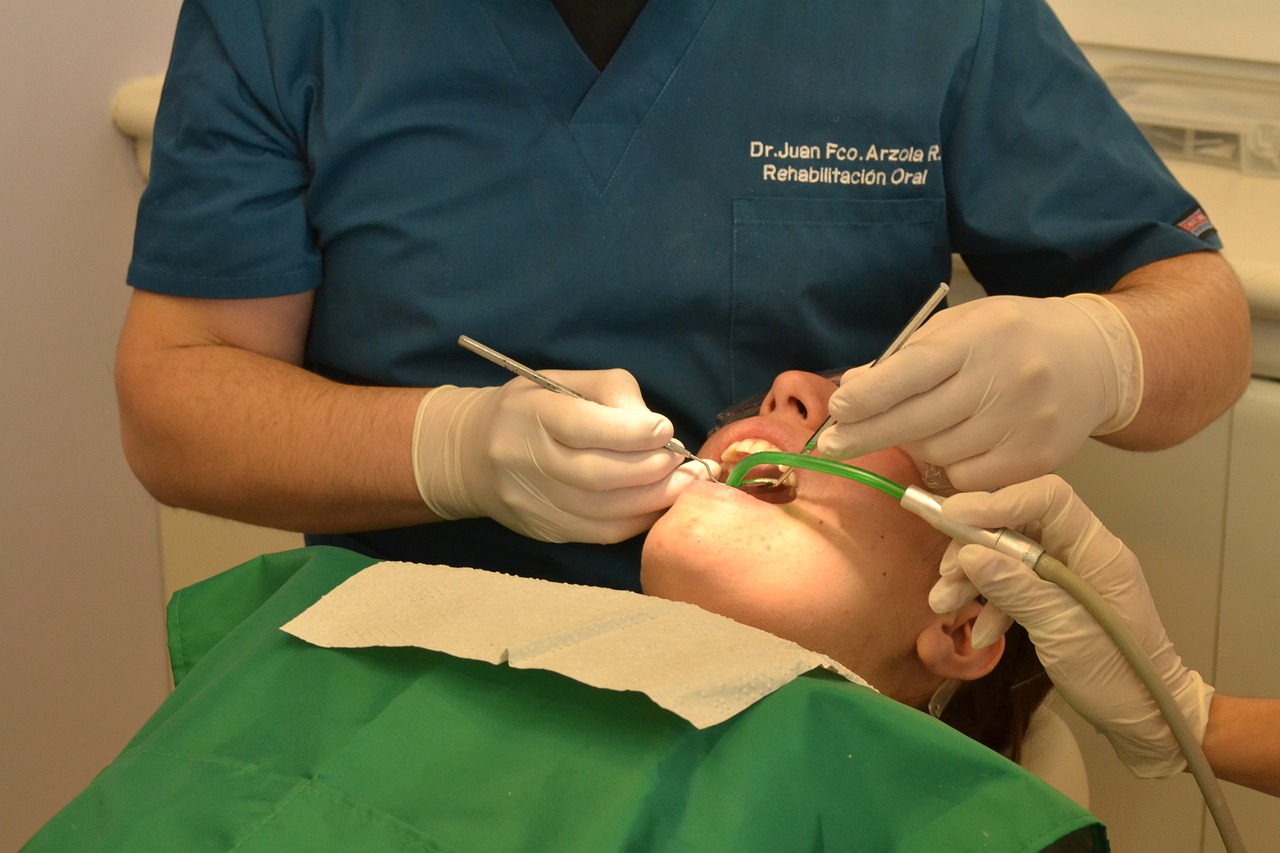
Dental phobia goes way beyond normal anxiety about tooth pain. About 3% of adults may avoid going to the dentist due to dentophobia, which is more common in females than males. This avoidance can spiral into serious oral health problems that affect everything from nutrition to self-confidence to job interviews.
The consequences of dentophobia extend far beyond cavities. Poor dental health has been linked to heart disease, diabetes complications, and even pregnancy issues. People with severe dental anxiety might endure excruciating pain rather than seek treatment, leading to emergency situations that are more traumatic and expensive than regular preventive care. The social impact is significant too – dental problems can affect speech, eating in public, and smiling confidently in professional or social situations.
Emetophobia: The Silent Struggle with Nausea
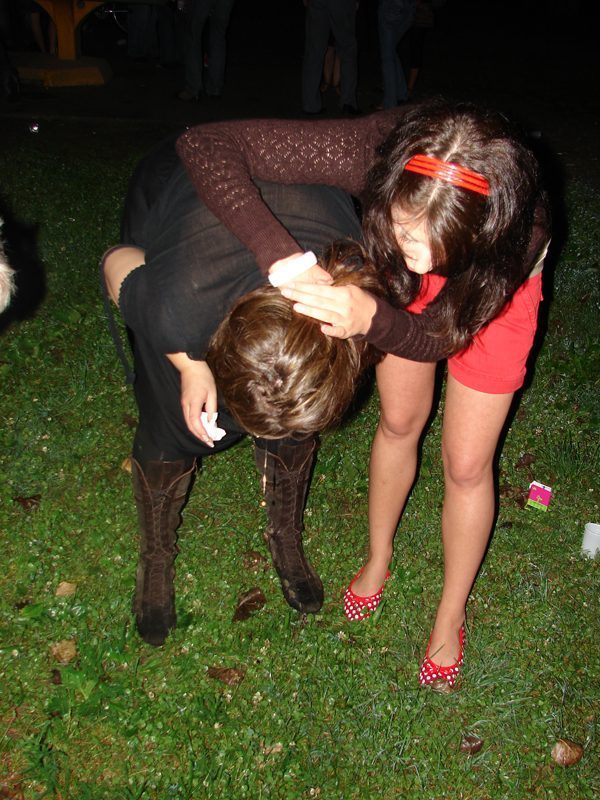
Emetophobia, the fear of vomiting, is surprisingly common yet rarely discussed openly. This phobia creates a complex web of avoidance behaviors that can severely impact nutrition, social life, and even career choices. People with emetophobia might avoid certain foods, restaurants, or social gatherings where they fear encountering illness.
What makes emetophobia particularly challenging is how it can spiral into obsessive behaviors around cleanliness and food safety. Some people develop elaborate rituals around food preparation, expiration dates, and avoiding anyone who might be ill. This can strain relationships when they constantly worry about family members’ health or refuse to eat at social gatherings. The fear also complicates medical situations, as nausea is a common side effect of many medications and treatments.
Nyctophobia: When Darkness Becomes Dangerous

Nyctophobia, an extreme fear of night or darkness, may be accompanied by symptoms of anxiety and depression and often affects children as a regular part of growing up, with studies showing humans often fear the dark because it lacks any visual stimuli. However, when this fear persists into adulthood, it can significantly impact quality of life and independence.
Adult nyctophobia isn’t just about being afraid of the dark – it can affect work schedules, living arrangements, and social activities. People might avoid night shifts, struggle with power outages, or feel unable to live alone. The practical implications include higher electricity bills from keeping lights on constantly, difficulty with activities like camping or evening entertainment, and potential sleep disruption from needing lights on all night. This phobia can also intersect with other fears, creating compound anxiety around nighttime safety and security.