
The Amazon is one of those places that feels mythological even when you’re standing right inside it. Stretching across nine countries and covering roughly half of all remaining tropical rainforest on Earth, it is a living, breathing, dripping cathedral of biodiversity. It is home to roughly 16,000 species of animals, many of which cannot be found anywhere else on the planet. That alone should give you pause.
Here’s the thing though – most people walk into the Amazon with the wrong fears. They’re watching out for jaguars or nervously scanning rivers for anacondas. Meanwhile, the real threats are often quieter, smaller, or flat-out deceptive in how harmless they appear at first glance. Some of the most dangerous creatures here look almost innocent. Almost. Let’s dive in.
1. The Poison Dart Frog
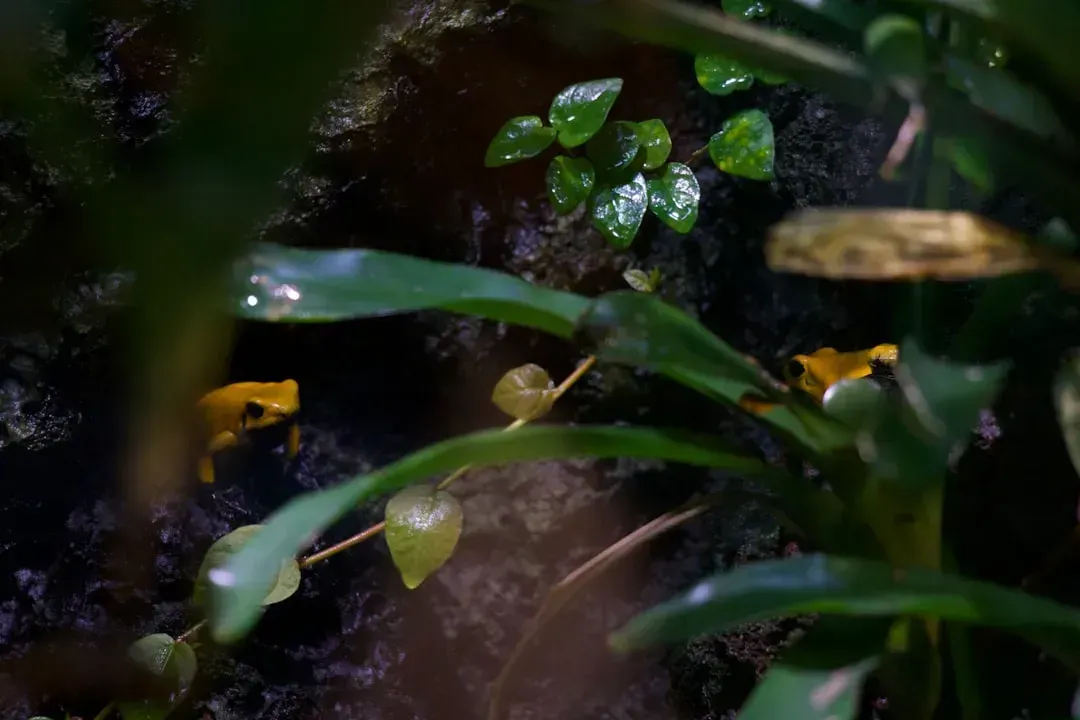
Nothing about a tiny, jewel-bright frog the size of your thumbnail screams “lethal.” Honestly, your first instinct is to pick one up. That would be a very bad idea. The golden poison dart frog secretes batrachotoxin, a substance so potent that just two micrograms of it can be lethal to humans, causing heart failure and paralysis. It sits there on a leaf looking like a tiny piece of tropical candy, doing absolutely nothing aggressive – it doesn’t need to.
The golden poison dart frog, one of the tiniest animals in the Amazon, carries highly toxic venom strong enough to kill ten adult humans, and indigenous tribes have historically used this frog’s potent toxins on blow darts to hunt. Fatal poisoning typically requires ingestion or entry through broken skin, so mere contact alone is unlikely to be immediately lethal – but with an animal this toxic, “unlikely” is a word you should probably avoid testing in person.
2. The Bullet Ant
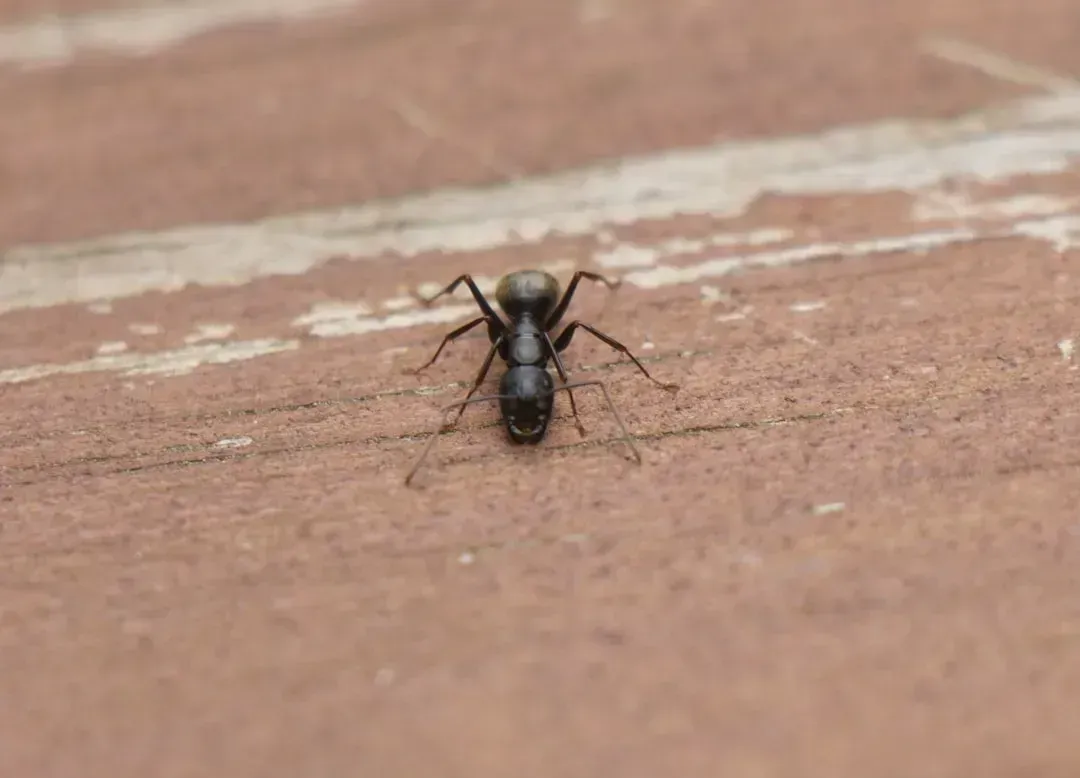
You’d be forgiven for walking past a bullet ant without a second thought. It’s an ant. Sure, it’s a slightly bigger ant, reaching about an inch long – but still, an ant. Then it stings you. These ants can deliver a sting measuring 4.0 on the Schmidt sting pain index, and victims often compare the sensation to being shot by a bullet. The pain can linger for up to 24 hours and causes temporary paralysis to the stung area.
The venom can cause muscle paralysis and hallucinations, although generally these insects are not considered aggressive unless their nest is under threat. That’s somewhat reassuring, until you realize their nests are built at the base of trees and inside rotting logs – exactly the places you’re most likely to lean against or step on without looking. The Brazilian Sateré-Mawé tribe famously uses bullet ant stings as part of their ancestral initiation rites to become warriors. Think about what it says when a creature’s sting is a rite of passage.
3. The Electric Eel
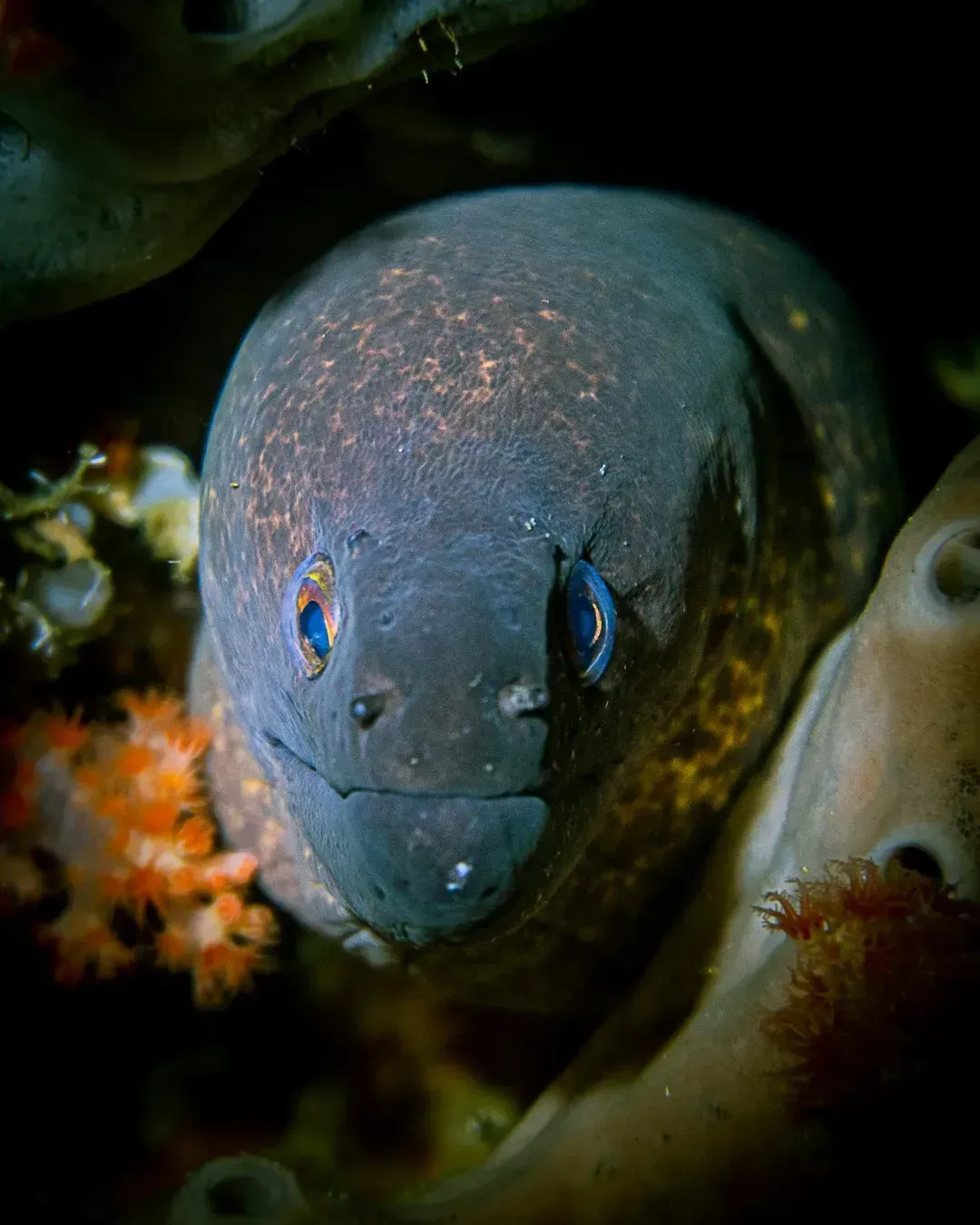
It looks like a thick, brownish, unremarkable snake drifting lazily through murky water. Boring, almost. The reality is anything but. These unique creatures are actually fish capable of releasing electric charges up to 860 volts, using those electric pulses to navigate, communicate, stun prey, and ward off predators. That’s not just a mild tingle – that’s enough to knock a horse off its feet.
A shock from an electric eel can knock you off your feet and even cause respiratory or heart failure. They can be found in slow-moving channels in the Amazon Basin as well as lakes, pools, and flooded areas, and they are nocturnal, preferring murky waters which make their brown or gray, snake-like bodies difficult to see amid the mud. Worse still, the electric eel can still shock up to eight hours after its death. Even dead, it can hurt you.
4. The Piranha
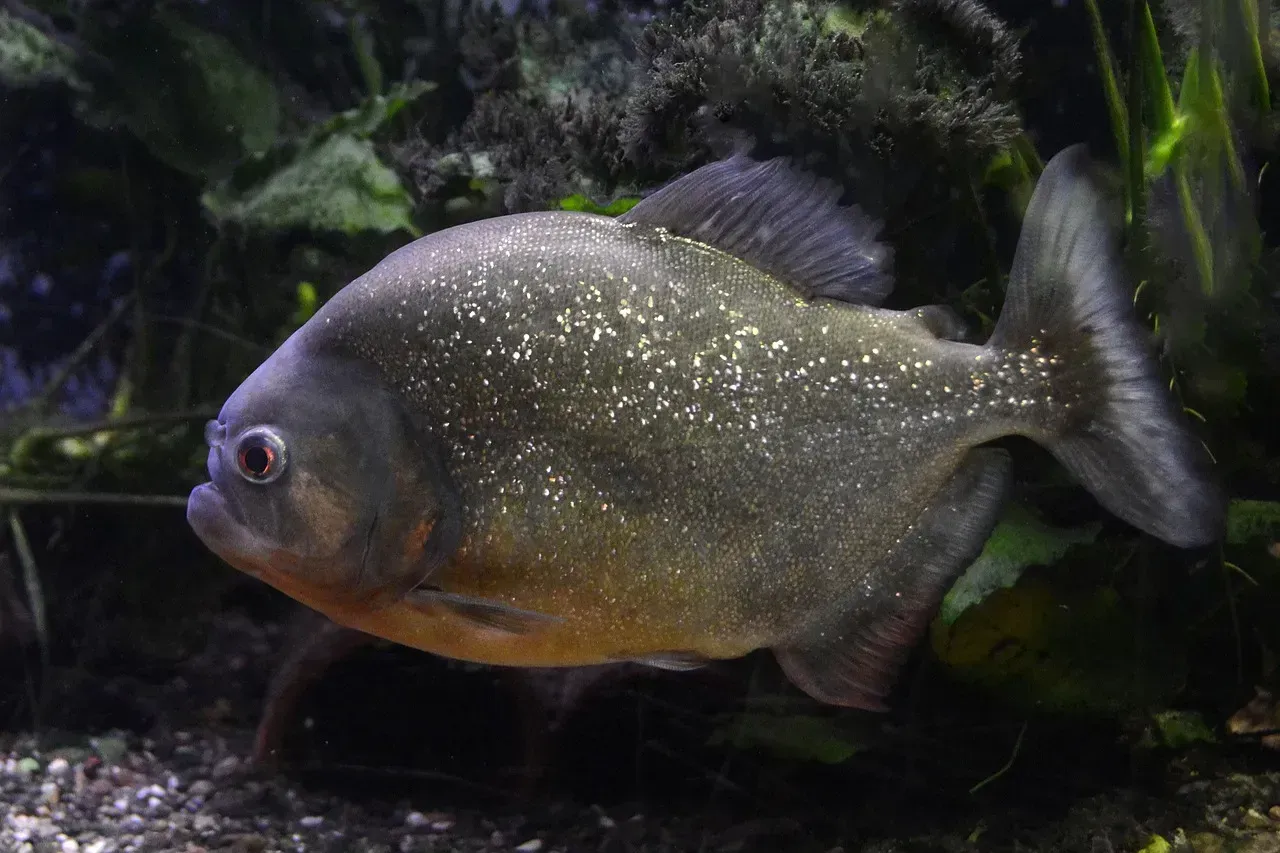
Hollywood has made the piranha into a monster. Swarms of flesh-shredding killers, skeletonizing cattle in seconds – that kind of thing. The reality is far more nuanced, and in some ways, that nuance makes them more insidious rather than less dangerous. Although often described as extremely dangerous in the media, piranhas typically do not represent a serious risk to humans – however, attacks have occurred, especially when the fish are in stressed situations.
The real threat surfaces under specific conditions you might not anticipate. Piranha attacks on humans usually occur when the fish feel threatened or when natural food sources are scarce, such as during the dry season when water levels drop. Relative to body mass, the black piranha produces one of the most forceful bites measured in all vertebrates, generated by large jaw muscles attached closely to the tip of the jaw. So no, they won’t eat you for a casual swim – but step into the wrong shallow pool during drought season, and the calculus changes fast.
5. The Brazilian Wandering Spider
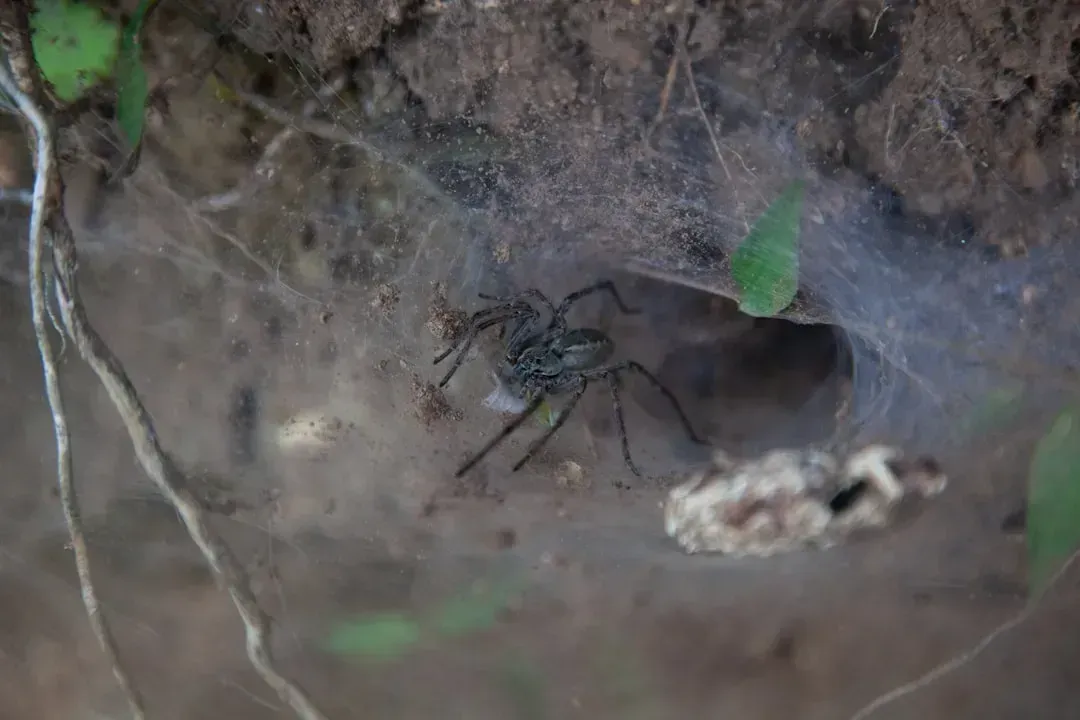
Spiders are generally easy to fear on sight. The Brazilian wandering spider, though, is a master of camouflage and surprise. Also known as the banana spider, this arachnid is one of the most venomous spiders in the world, and its bite can cause intense pain, muscle problems, and even breathing issues in extreme cases. It earns its name because it doesn’t sit peacefully in a web – it wanders.
This dangerous predator has a reputation for being one of the most dangerous animals in South America. The venom of the Brazilian wandering spider causes intense pain and can lead to symptoms like priapism, hypertension, and in rare cases, can be lethal. It tends to hide in dark, humid crevices – under piles of leaves, inside shoes left on the ground, or, true to its nickname, inside bunches of bananas. You might not see it until it’s far too late.
6. The Amazonian Giant Centipede
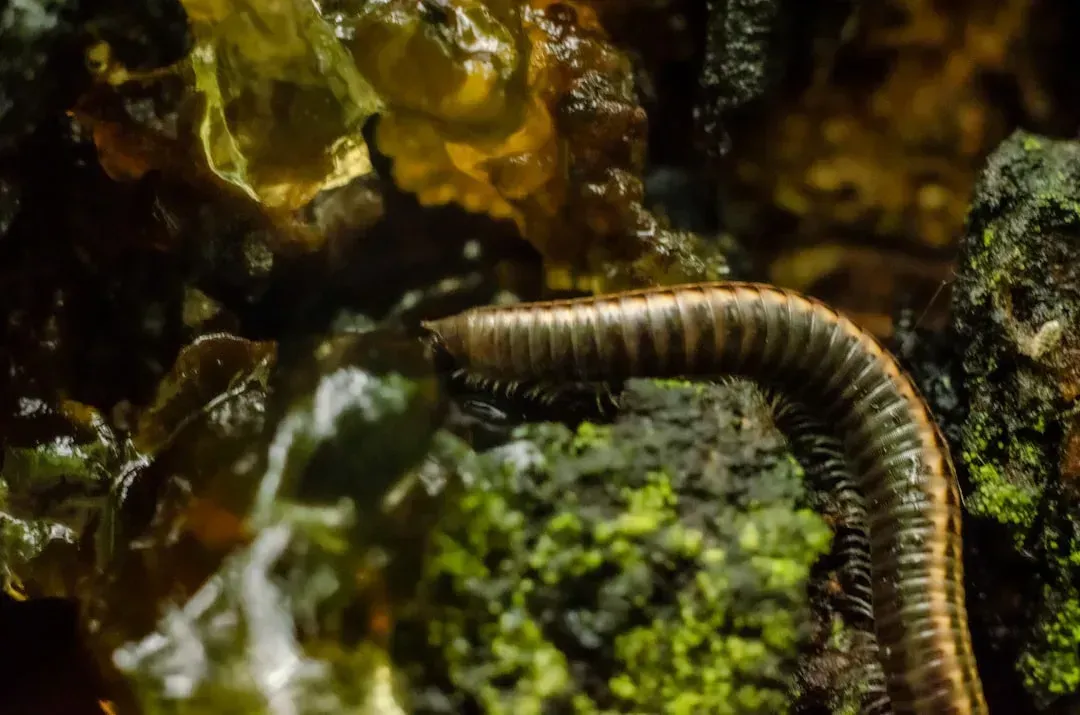
I’ll be honest – a foot-long centipede looks terrifying to almost anyone. So maybe this one doesn’t entirely sneak up on you visually. The shock comes from what it can actually do. This giant centipede can grow over 12 inches (30 centimeters) and uses pincers to inject poisonous saliva that stuns prey like small mammals, amphibians, and even bats.
These carnivorous creatures use their brute strength and potent venom to prey on animals like frogs, tarantulas, and mice, and some have even been known to scale cave walls to hunt bats. They like to hang out in dark, damp places like under leaves, in caves, and inside rotting wood. There has been one confirmed human fatality from a giant centipede – according to a 2014 report, a four-year-old boy in Venezuela died after being bitten by a giant centipede found inside a soda can, the first documented case scientists knew of where one had caused a human fatality.
7. The Fer-de-Lance Snake
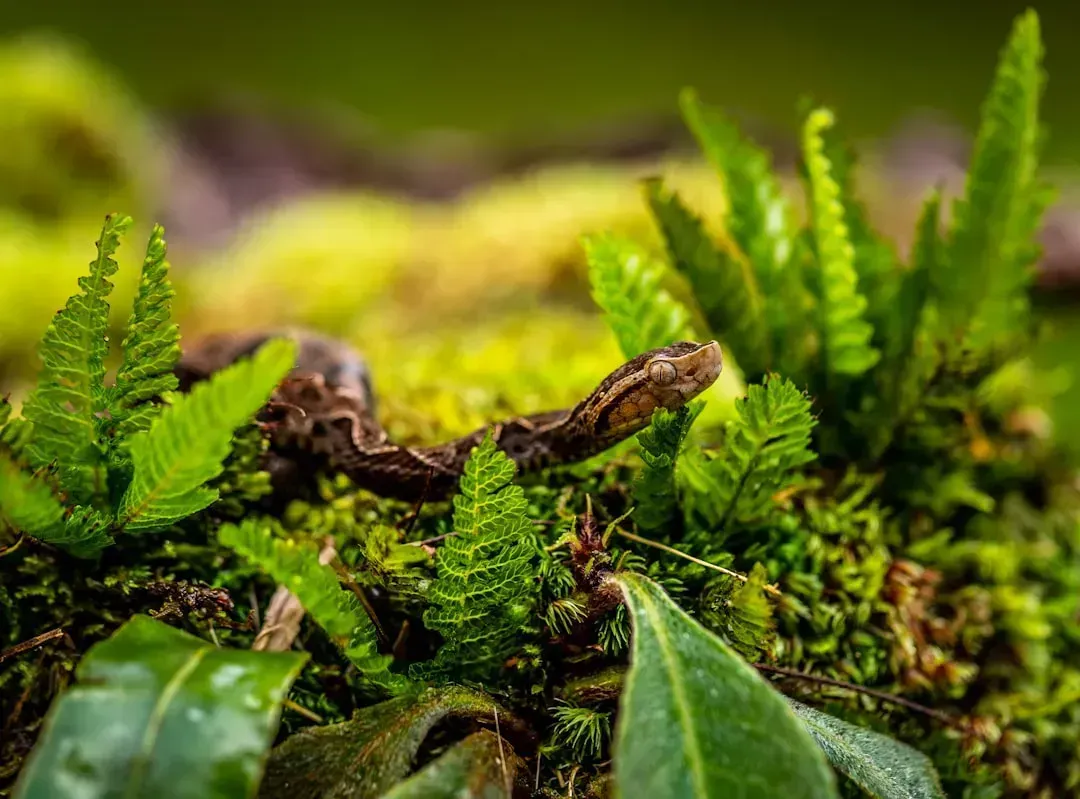
Leaf litter on the forest floor looks like, well, leaf litter. Brown, dry, scattered. The fer-de-lance has evolved specifically to be indistinguishable from it. This is a snake that has turned invisible in plain sight, and it is one of the most medically significant snakes in all of the Americas. This highly venomous pit viper delivers potent venom capable of killing tissue and causing organ failure, and it is an ambush predator that hides in leaf litter.
That venom can stop blood from clotting and can cause severe pain, bleeding, vomiting, loss of consciousness, respiratory difficulties, diarrhea, secondary infections, and even death. Most snakebite incidents in its range are attributed to this one species. The remote nature of the Amazon exacerbates how deadly one of these creatures can be because emergency medical aid might be hundreds of kilometers away. That single logistical fact turns what might be a treatable bite into something far more serious.
8. The Black Caiman
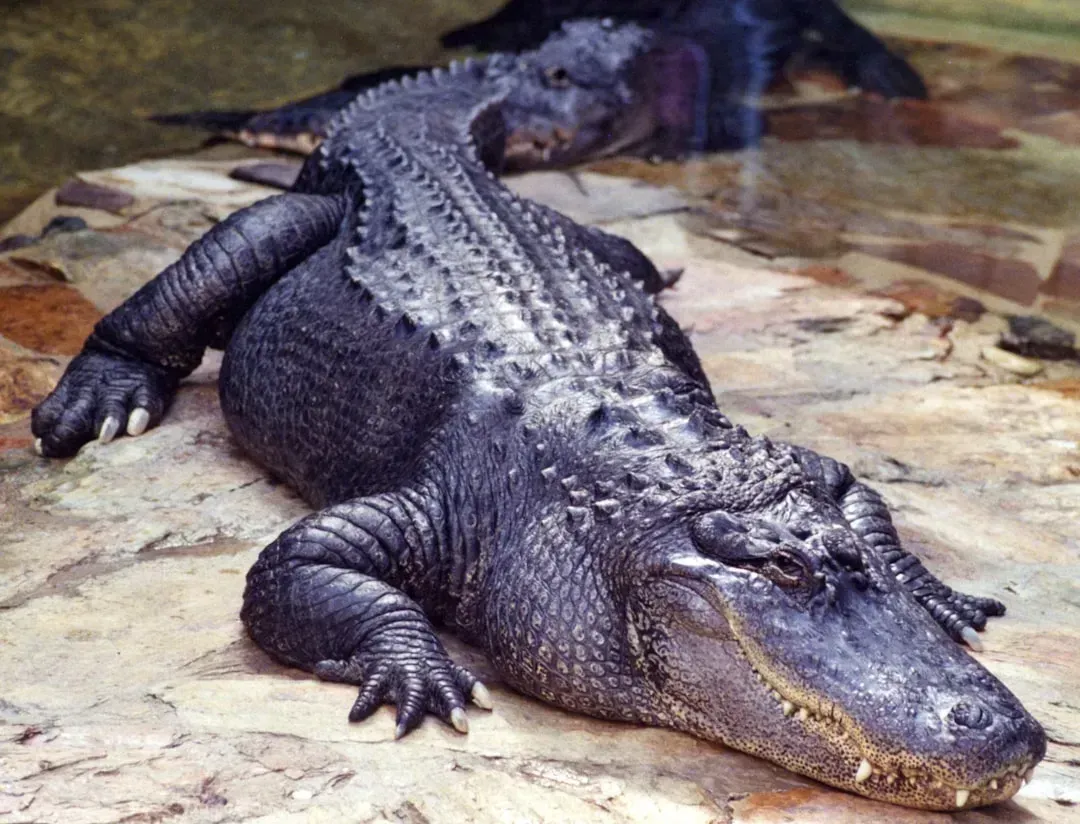
People see a large reptile sunbathing on a riverbank and assume it’s slow, docile, maybe even bored. Crocodilians are famously still for long periods. That stillness is a hunting strategy, not a personality trait. The black caiman is the largest reptile in the Americas and one of the top predators in the Amazon, reaching lengths of up to six meters. Its impressive size, combined with a powerful bite and nocturnal hunting habits, makes it a formidable predator.
Caimans are extremely territorial, especially if there are eggs in their nest, and will take any advance toward them as a threat. They tend to be most active at night, when they hunt, and can quickly make a meal out of horses, otters, snakes, armadillos, and even humans if they so feel inclined. The part people underestimate most is speed. In the water especially, something that looks immovable can cover distance in a fraction of a second.
9. The Harpy Eagle
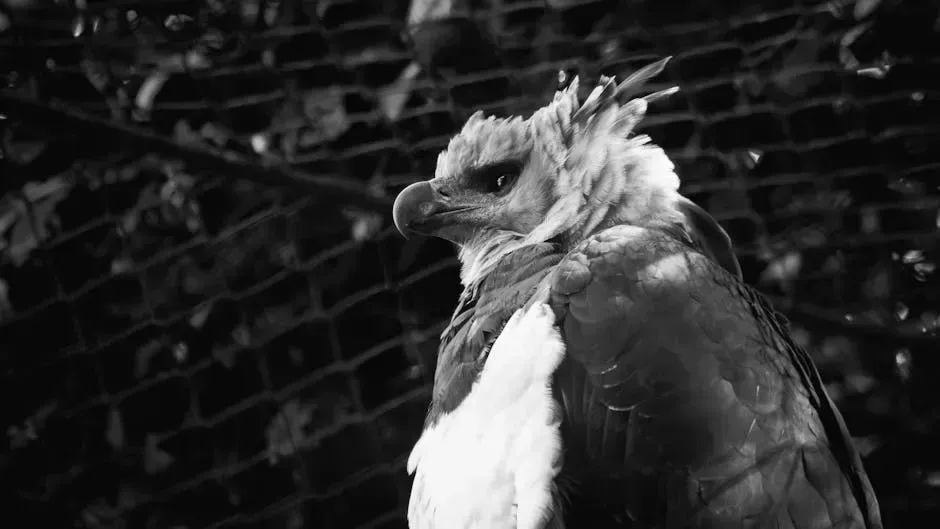
A bird. Big, undeniably beautiful, with that striking crown of grey feathers fanning out around its face. Dangerous to humans? Most visitors to the Amazon would laugh off the suggestion. They shouldn’t. These majestic animals have wingspans of up to six and a half feet, and their powerful legs and large talons can scoop up monkeys, iguanas, and sloths, which they tear apart with their hooked beaks.
A female harpy eagle in Venezuela viciously attacked several BBC filmmakers when they tried to set up cameras in the bird’s nest, with video footage showing the eagle swooping several times straight for a cameraman’s face. These fearsome creatures are monogamous, with bonded pairs sticking together for roughly three decades, and individuals live up to 45 years – meaning a territorial pair defends the same area for a very long time, and they remember intruders.
10. The Giant River Otter
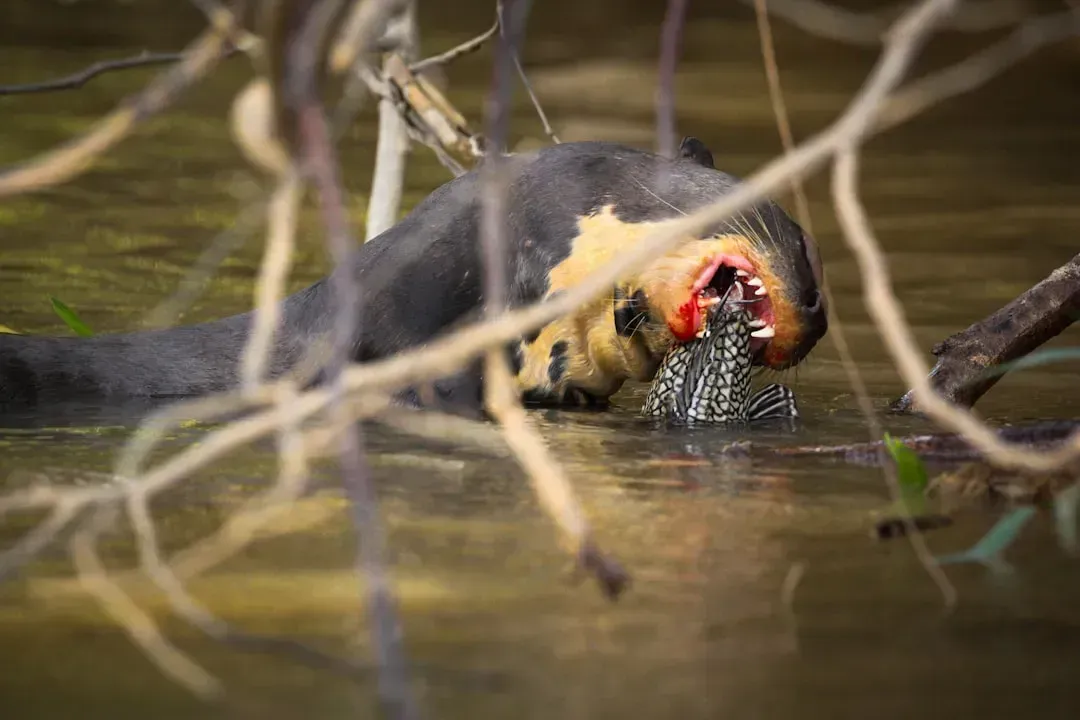
Is there anything more disarming than an otter? Playful, curious, whiskered, famously photogenic. The giant river otter of the Amazon is essentially the golden retriever of the waterways – right up until it decides you’re a threat. The giant otter is a South American carnivorous mammal and the longest member of the weasel family, reaching up to 1.8 meters in length. That’s nearly six feet of sharp-toothed, muscle-packed predator.
All group members may aggressively charge intruders, including boats with humans in them. Such encounters are often the consequence of human encroachment upon otter territory, and the resulting injuries may be quite severe, because river otters have sharp canines and carnassials. Giant otters are aggressive defenders of their young, and there are even accounts of them frightening off jaguars when their pups are in danger. A creature that will square up to a jaguar is not one to dismiss because it looks cute.
11. The Amazonian Scorpion
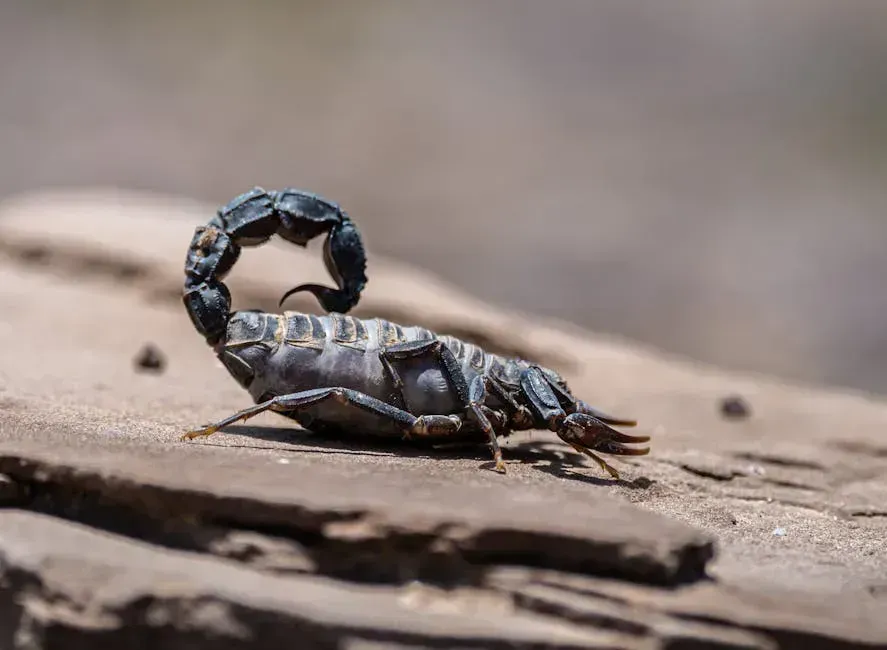
Scorpions tend to be overlooked in the Amazon because the other animals here get all the dramatic attention. A small scorpion tucked under a rock or piece of bark barely registers as a concern compared to anacondas or jaguars. That’s precisely where the danger lives. Scorpions of the Tityus genus are highly venomous and inhabit tropical forests of the Amazon, with the Amazonian black scorpion considered among the most dangerous animals in the region due to its lethal venom.
They are nocturnal and hide under rocks, bark, or leaf litter, and their venom is a powerful neurotoxin that can cause intense pain, vomiting, heart disturbances, and even death, especially in children and vulnerable adults. Stings from these species require urgent medical attention. Their activity increases during the rainy season, when they seek dry refuge, sometimes venturing even inside homes. It’s not the predator that stalks you across the forest floor you need to fear most. Sometimes it’s the thing sitting inside your boot in the morning.
The Amazon consistently rewards caution and punishes assumptions. The creatures that look the most dangerous – the sleek jaguar, the massive anaconda – are often the ones most invested in avoiding you. It’s the ones that look ordinary, even adorable, that tend to deliver the real surprises. What’s your instinct: which of these eleven would you have underestimated most before reading this? Share your thoughts in the comments.