Dining out is one of life’s genuine pleasures. The appeal of restaurants centers around atmosphere, socialization, and the chance to explore new cuisines. Americans are clearly leaning back into the experience too. The average American reported dining out about five times per month in 2024, up from three times per month in 2023, according to the most recent Diner Dispatch survey from US Foods.
Here’s the thing though. Behind every polished smile and carefully delivered plate, your server is doing a kind of invisible juggling act. Servers juggle multiple tables, timing from the kitchen, special requests, and customer expectations all at once. Some customers make that juggling act a whole lot harder, often without even realizing it. Sound familiar? Let’s dive in.
1. Calling the Server Over Before You’re Actually Ready to Order
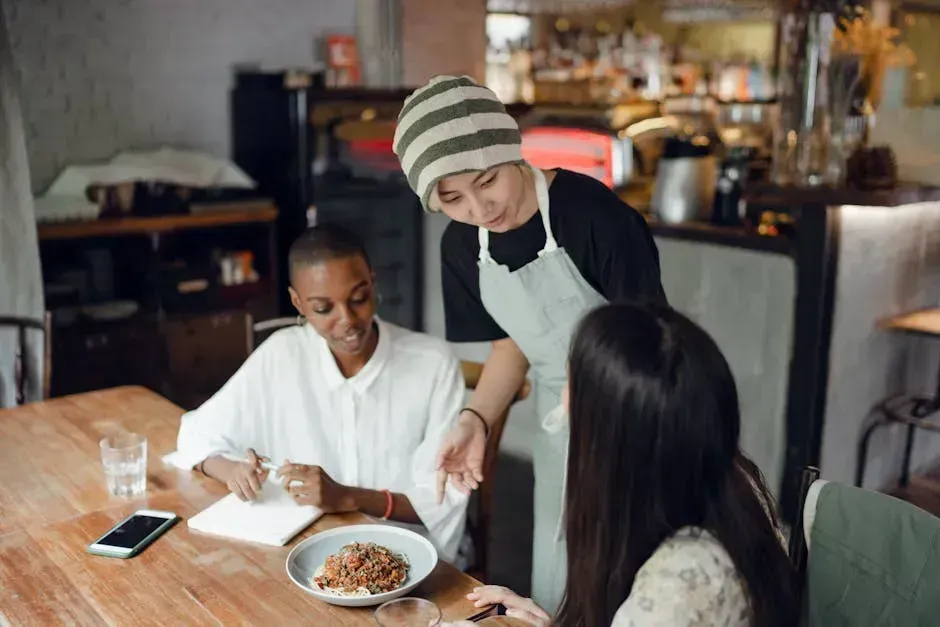
This one is almost an art form in its own right. You make eye contact, wave them down, and then the server rushes over, pen ready, only to hear “oh, we need just a few more minutes.” Calling a server over and then saying “we need a few more minutes” slows down their rhythm, and during busy hours, timing matters.
The mind of a server mid-rush is a terrifying place. They’re moving a mile a minute with an overwhelming list of backlogged tasks, all with a beaming smile on their faces, whether it’s a soda refill, dropping a check, grabbing extra ketchup, or greeting the latest two-top. They are constantly scanning, accessing, and prioritizing to balance the very delicate game of time management. Every fake-out summons is another interruption to that fragile chain.
Honestly, it takes all of about 30 extra seconds to glance at the menu before signaling for attention. Taking a few extra moments before signaling you’re ready helps servers move efficiently between tables and keeps service flowing for everyone. It’s a tiny thing that makes a genuinely big difference.
2. Stacking or Rearranging Your Dirty Dishes
You probably think you’re being helpful. It’s a kind impulse, honestly. But servers have a very specific system for clearing the table, and when you stack plates and silverware into a precarious tower, you are very much not helping. Servers routinely ask customers to please stop stacking their dirty dishes and silverware on top of one another, because they then have to use their fingers to fish out a dirty knife covered in used condiments. The customer thinks they’re helping, but they aren’t.
Servers also stress that customers should not take items off their tray, especially not drinks, because everything is carefully organized on the tray for balance, and it creates real spill risks. Think of a server’s tray like a carefully solved puzzle. The moment you start pulling pieces out, the whole thing can collapse.
3. Ordering One Thing at a Time, Every Single Trip
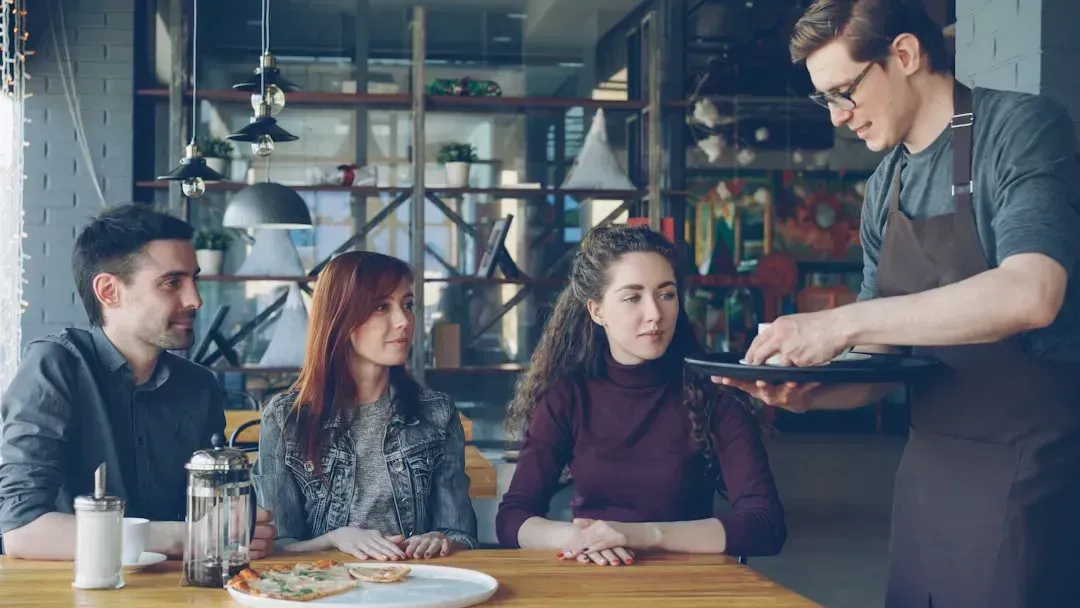
Your server drops off your drinks. You remember you want ketchup. They bring the ketchup. You decide you need extra napkins. They’re back. Now you’d love a side of ranch. This one stings. Requesting water, then napkins, then extra sauce requires repeated trips. When possible, mentioning everything you need at once helps servers manage their time better, and fewer back-and-forth trips mean smoother service overall.
There is nothing worse for a server than finally getting an order into the kitchen, only to be summoned back by diners who “just remembered” they want extra sauce or a side dish. It’s not just the extra walk; it’s the disruption it causes to the kitchen flow and timing. It’s the restaurant equivalent of someone asking you to pause a movie every five minutes to grab them something different from the fridge.
4. Extreme Menu Modifications and Last-Minute Changes
Dietary needs are real, and truly legitimate allergies are something every good server takes seriously without question. The problem is when modifications become a full creative writing exercise. Excessive meal modification is genuinely bad restaurant etiquette because it monopolizes the time of one busy server, breaks the flow of the kitchen staff, and creates a ripple effect throughout the restaurant. The server’s other tables are neglected, food is delivered late, and the perceived ineffectiveness of the server may affect their tips from those neglected tables.
What many customers never understand is that food in a restaurant isn’t prepared the way it is at home. A restaurant kitchen is an assembly line built for rapid and consistent food production, with most of the prep work done in advance so cooks can prepare and compose a variety of dishes as quickly and efficiently as possible. When you rearrange that assembly line mid-service, things fall apart fast. Asking for a dish without its fundamental components is a bit like ordering a car without wheels.
5. Snapping Your Fingers or Waving Dramatically
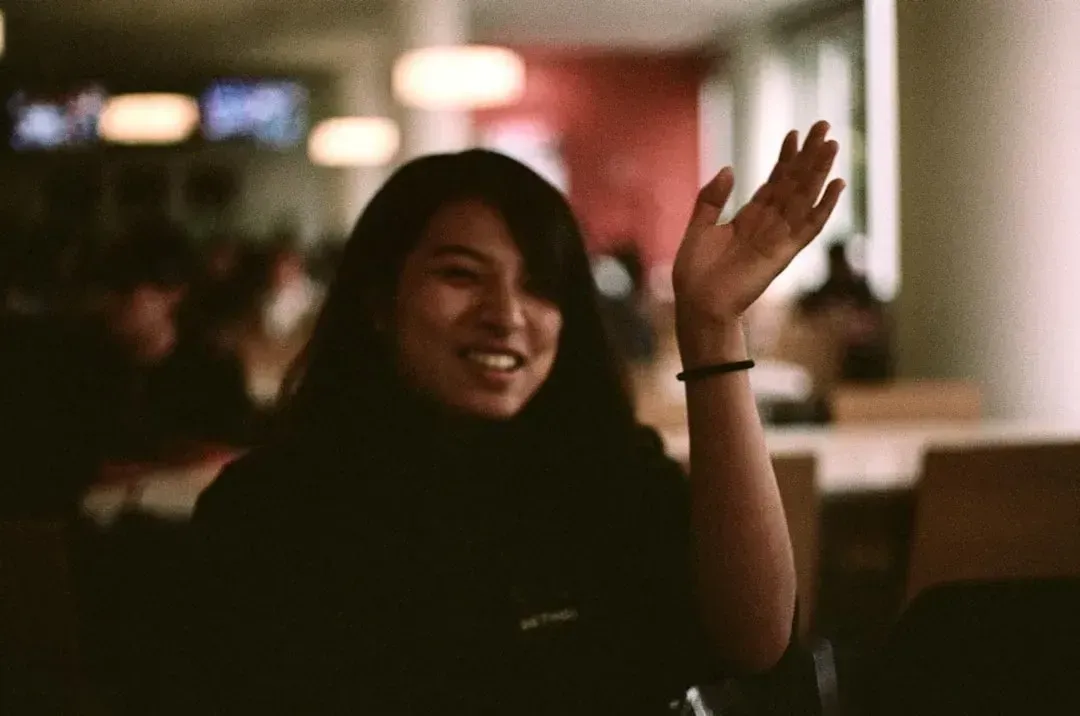
Let’s be real. There is no faster way to make a server silently furious than snapping your fingers at them like you’re summoning a dog. There’s a generation of people who think the best way to get a server’s attention in a loud restaurant is by snapping their fingers or flailing their arms in the air, giving off the energy that they are the most important person in the room. Sadly, it still happens.
Snapping, clapping, or dramatically waving can feel demeaning. Servers are managing multiple tables and will get to you as soon as possible, and making eye contact or offering a polite hand raise is far more respectful. A simple “excuse me” spoken to a passing server is still one of the most effective and dignified approaches in the book. Many servers report that impatience regarding wait times and disregard for basic respect are among their most common frustrations.
6. Arriving Just Before Closing Time
The sign says 10 PM. It’s 9:52 PM. You stroll in, settle in at a table, and browse the menu at leisure. From your perspective, the restaurant is technically open. From the kitchen’s perspective, pure dread. Walking in just minutes before closing often means staff must stay late to serve you. Even if the doors are technically open, the kitchen and servers may already be wrapping up, and calling ahead or arriving earlier shows awareness of their schedule.
If the restaurant closes at 11, the right time to order is not three minutes before closing. The staff are not people willing to work overtime every single day as if they had no lives of their own. They are people with loved ones and hobbies as well. That is a perspective worth keeping in mind next time you’re eyeing a late dinner.
7. Being on Your Phone During the Order
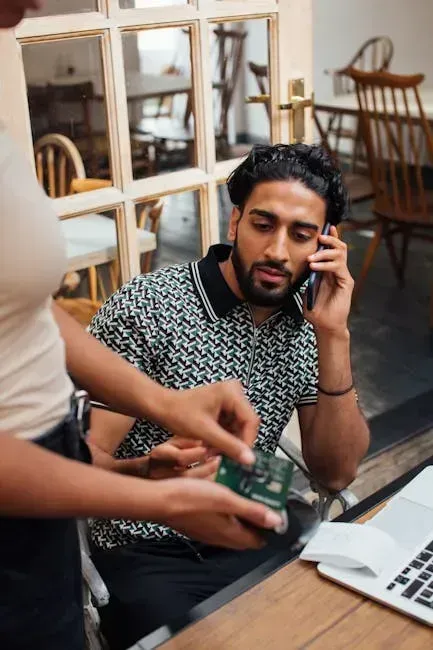
Smartphones have rewired all of us a little, no question. Still, there is a specific kind of frustration that builds when a server walks over to take an order and the customer holds up one finger while continuing their phone conversation. Multiple servers have noted how much they dislike when customers are chatting away on their cellphones when the server just wants to take the order and do their job, and what makes it worse is when customers act as though they have been rudely interrupted just because the server approached to take an order.
Phones are everywhere, sure, but when you have drinks, cutlery, plates, and side dishes to deliver, dodging smartphones becomes a delicate dance. Keeping your mobile off the table, especially when the food arrives, is a simple courtesy. It’s one of those things that costs nothing at all but means an enormous amount to the person serving you.
8. Treating the Bill Split Like a Math Olympiad
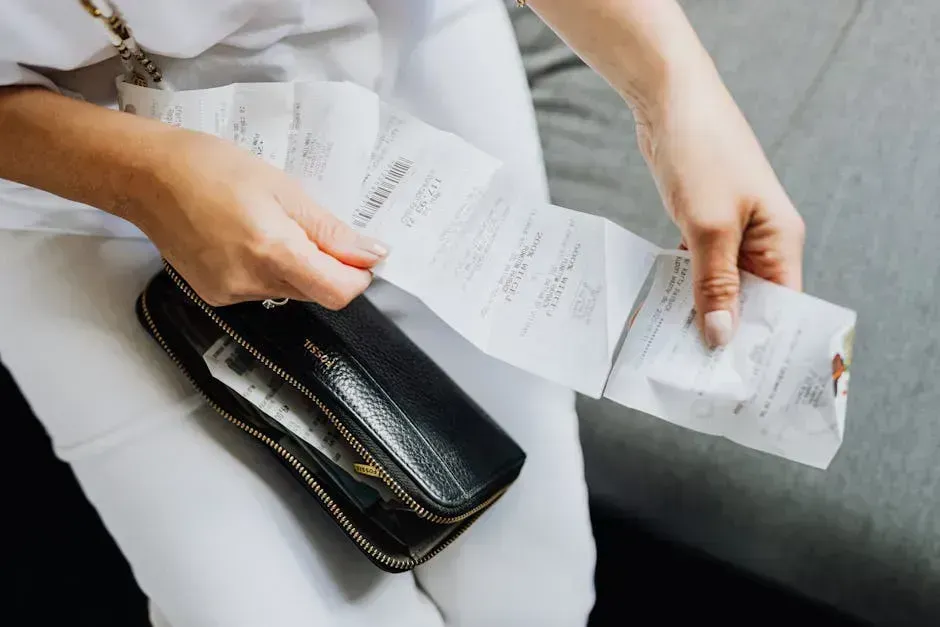
Four people, four cards, three different amounts, two people who are vegetarian so they shouldn’t pay for the steak, and someone who wants to pay in cash for exactly their portion but doesn’t have change. This scenario is a server’s version of a puzzle they never signed up to solve. Servers frequently say they hate when customers don’t communicate about splitting the bill or how they want it split, noting they’ve had to redo payments because they put in a payment “wrong” when the customer simply hadn’t communicated how they wanted it divided.
Splitting a bill among multiple people after the meal is finished can be complicated, and letting the server know upfront makes things easier, helps them organize orders accordingly, and prevents last-minute scrambling. Splitting the bill multiple ways with complex tipping calculations can also lead to errors and shortchanging the server, so if you split the bill, each person must understand the expectations.
9. Ordering a Well-Done Steak Right Before You’re in a Rush
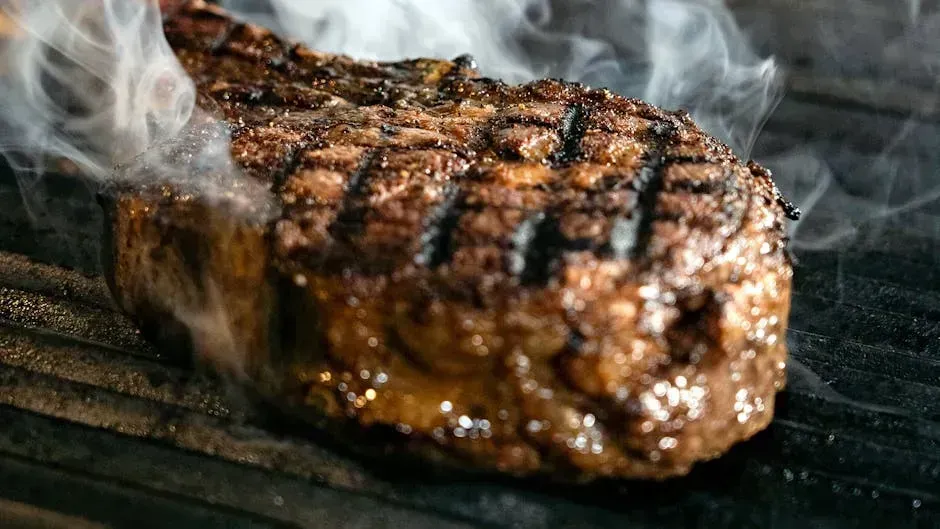
This one is a bit of a two-for-one frustration. The well-done steak request already ranks as one of the most divisive orders in any kitchen. Well-done requests often come with a side of cajoling from both dinner companions and the server. Wait staff will sometimes try to redirect diners to another item altogether. Some restaurants, especially those well-known for their steak, may not even ask how you want it prepared, and when a request for well-done is received, the chef could take personal offense. It’s one of the oldest battles in the culinary world, and it’s still very much alive.
Layer on top of that a customer who mentions their movie starts in 20 minutes, and you have a situation that is genuinely impossible to resolve to everyone’s satisfaction. A well-done steak needs significant time. A rushed kitchen is a stressed kitchen. Going out to eat is a luxury and patience is a virtue. If you’re tight on time, it might not be the smartest choice to sit down at a busy restaurant for a “quick” meal.
10. Demanding Extras Because You’re a Regular or “Know the Manager”
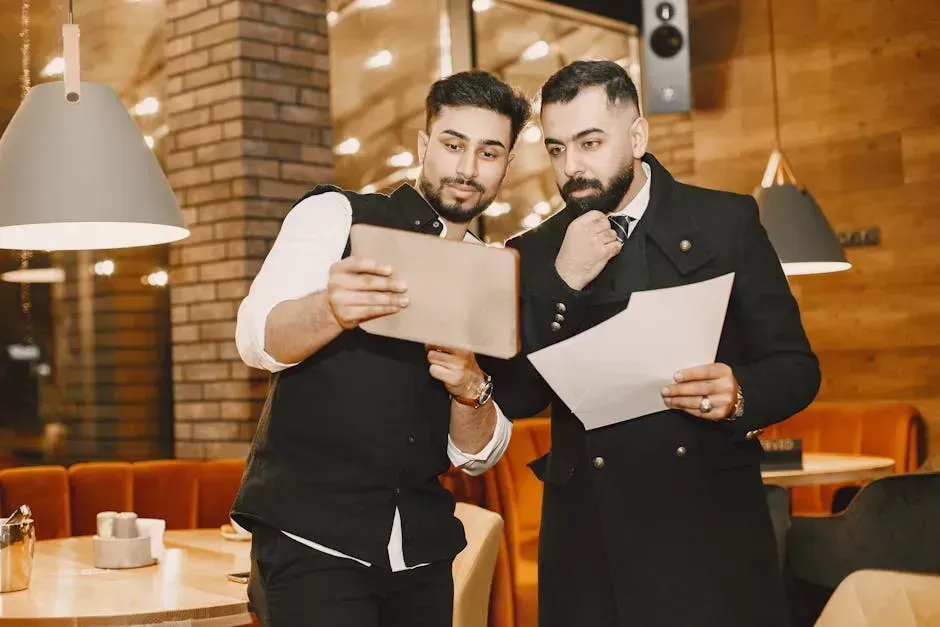
There is a particular flavor of customer entitlement that servers find truly exhausting: the person who believes their frequent visits entitle them to free food, deep discounts, or special treatment that nobody else receives. Servers consistently point to the behavior of expecting “extras” of any kind, whether extra service, extra discounts, or extra food, simply because a customer is a regular or knows the manager, as one of their biggest frustrations.
Customer entitlement at restaurants is reported to be extremely high, and restaurant workers are at their limit. The 2020 pandemic worsened customer behavior, often making staff feel unsafe and unvalued, with many servers reporting impatience, name-calling, and disregard for the basic functioning of the restaurant. Being a loyal regular is genuinely appreciated. Wielding it as leverage, not so much.
11. Tipping Poorly After Demanding Excellent Service
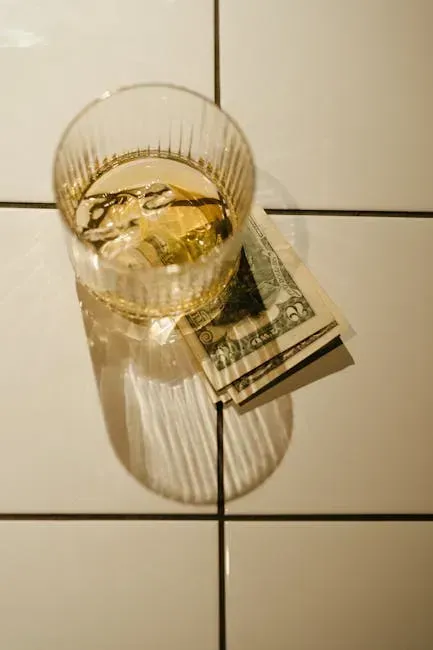
This is the one that hurts most. Tips make up about 69 percent of a server’s earnings on average. That is not pocket change. That is rent, groceries, and utilities. According to May 2024 data from the U.S. Bureau of Labor Statistics, servers earn a median of just $16.23 per hour including tips, while the national minimum wage for tipped workers sits as low as $2.13 per hour.
The numbers are shifting in uncomfortable directions too. The national average tip has declined to 14.9 percent in Q2 of 2025, down from 15.5 percent in 2023, marking the lowest level in recent years. Penalizing servers for issues beyond their control, such as kitchen errors or slow service due to a busy night, can feel deeply unfair. Servers work hard to provide a good experience and prefer constructive feedback over financial punishment. When a customer demands five-star treatment and then leaves a single-digit percentage at the end, the math simply doesn’t add up.
Here’s the thing that almost nobody says out loud at the table: being a difficult customer doesn’t just affect the server emotionally. Excessive demands break the flow of the kitchen staff and create a ripple effect throughout the restaurant, with other tables being neglected and food delivered late. Your ordering habits genuinely shape the entire experience for everyone else in the room.
Most of us never intend to be that table. Dining out should feel relaxed and enjoyable, and most customers aren’t trying to make anyone’s job harder, but small habits can add stress to an already busy shift. A little awareness, a bit of patience, and a genuine tip at the end go further than you might ever realize. What do you think, do any of these habits hit a little close to home? Drop your thoughts in the comments.