
San Francisco – Living on the Edge of the San Andreas
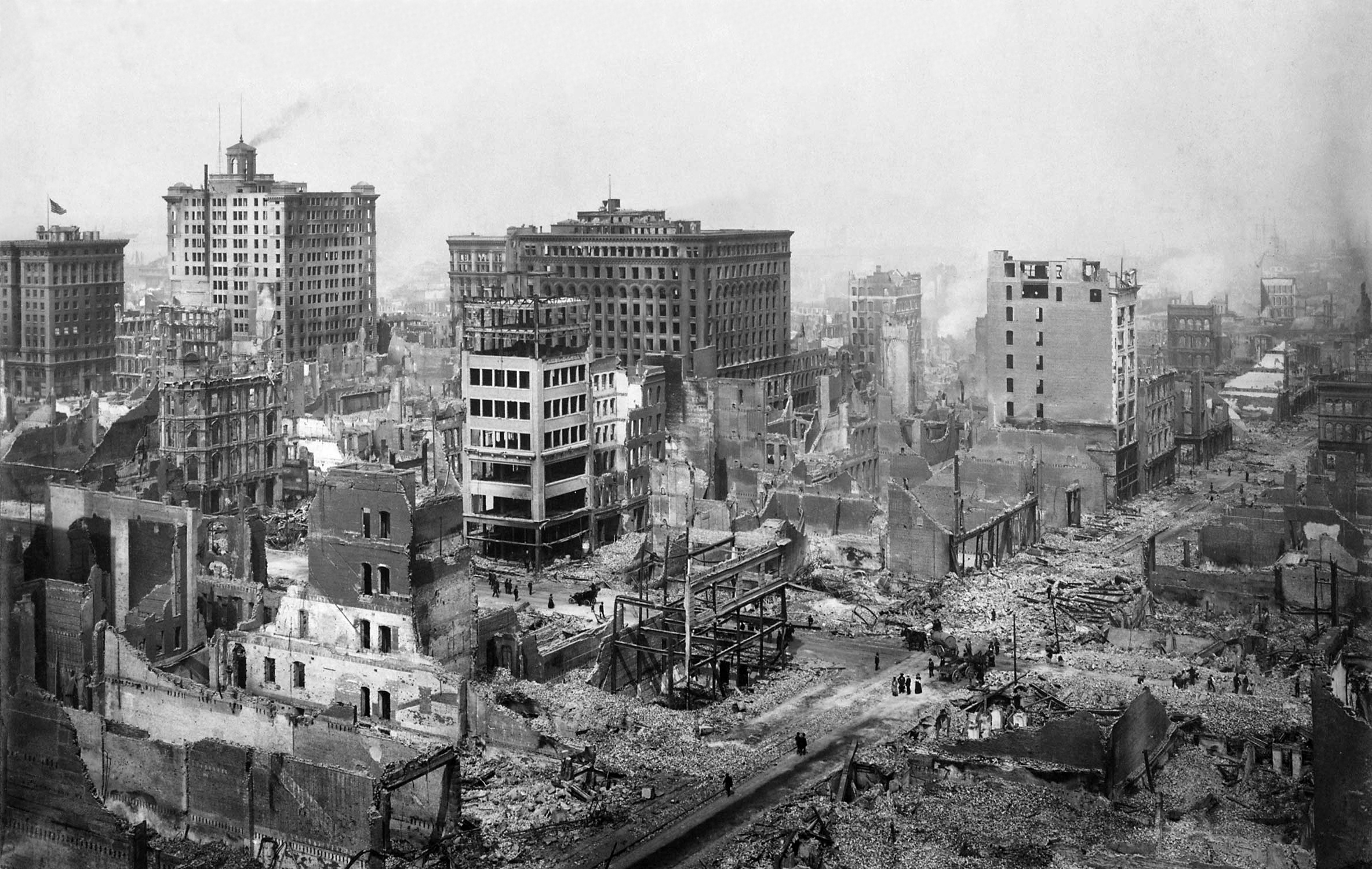
San Francisco County ranks number one in vulnerability according to a 2023 USGS report, home to a major city that bears the same name. The city’s residents wake up each morning knowing they’re sitting directly on one of the world’s most active fault systems. Recent official reports show the Bay Area has at least a 95% chance of damaging earthquake shaking in the next 100 years, creating a constant undercurrent of anxiety among locals.
Because the risk of a major earthquake is imminent and the potential damage significant, the City is constantly working to protect its residents, workers, and buildings from seismic risks through San Francisco’s Earthquake Safety Implementation Program. This ongoing effort itself serves as a daily reminder to residents of what they’re living with. Many locals describe the feeling as living with a ticking time bomb that could go off at any moment.
Los Angeles – The Big One Anxiety
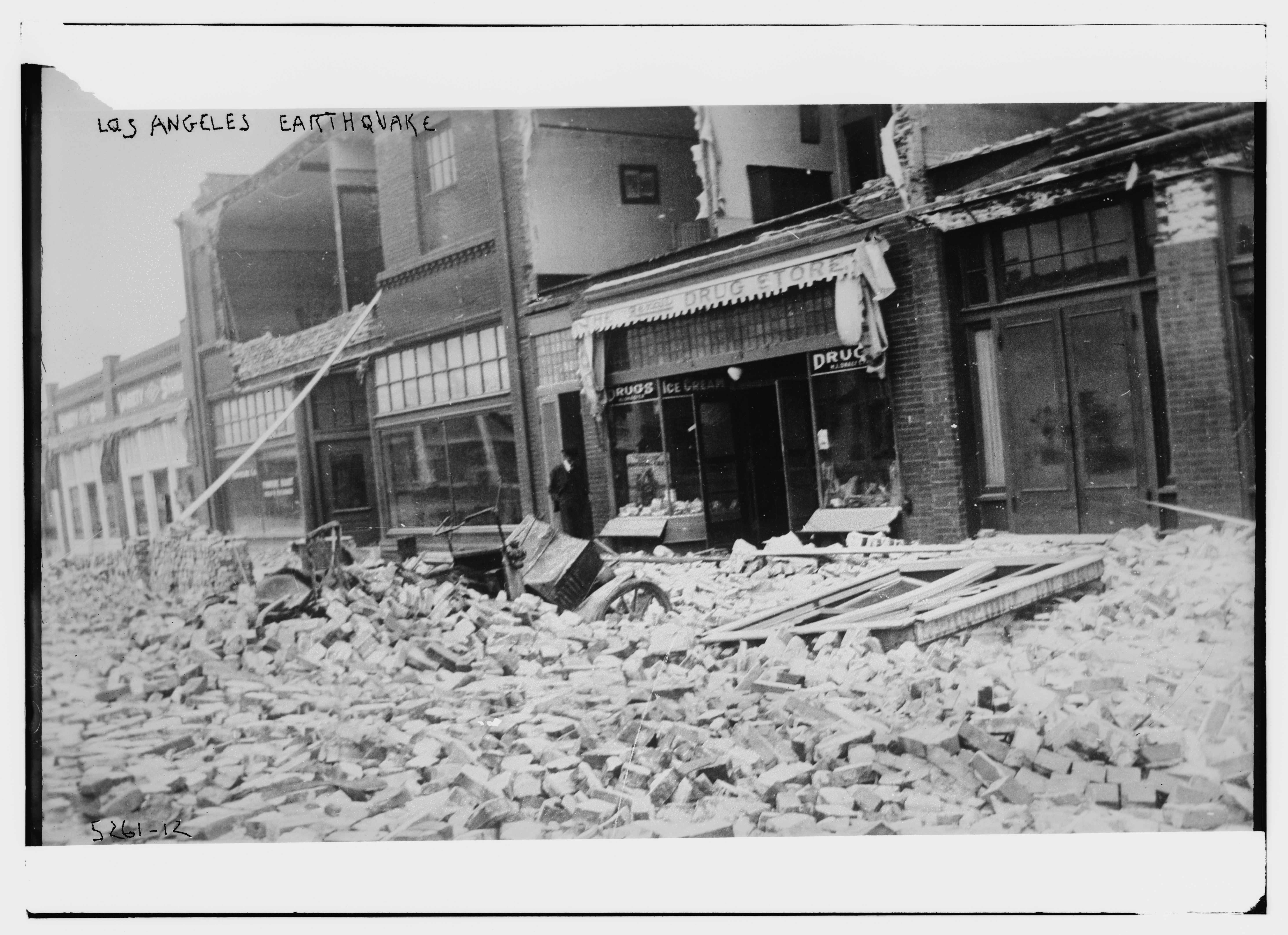
Los Angeles County ranks second in earthquake vulnerability according to the USGS report. Southern California residents frequently discuss “The Big One” – that inevitable massive earthquake scientists say is overdue. Within the next 30 years, there’s a 60% probability of a magnitude 6.7 earthquake, 46% chance of magnitude 7, and 31% chance of magnitude 7.5 occurring in the Los Angeles region.
The anxiety is palpable in daily conversations, from casual mentions of emergency kits to serious discussions about retrofitting homes. Local news regularly covers earthquake preparedness, keeping the threat fresh in everyone’s minds. Social media groups dedicated to earthquake preparation have thousands of active members sharing stories, tips, and their latest worries about when the next major quake might strike.
Seattle – Cascadia’s Shadow
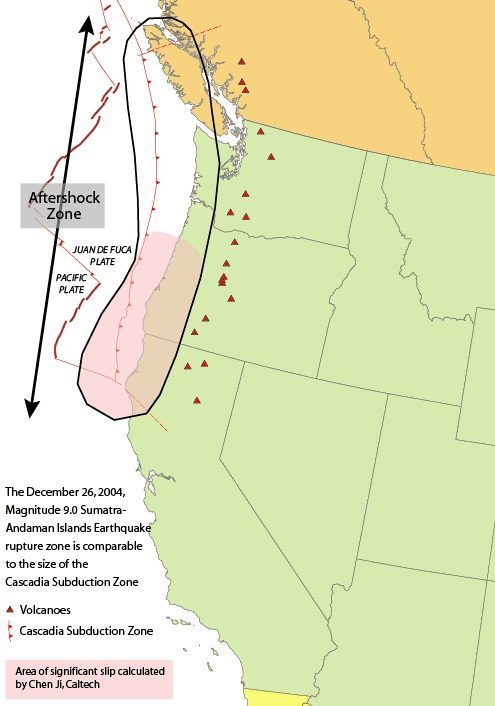
A poll of Washington and Oregon residents by PEMCO Mutual found that 82% of Pacific Northwesters believe they will likely experience a historic earthquake at some point in their lifetimes. Seattle sits above the Seattle Fault, but it’s the massive Cascadia Subduction Zone offshore that really keeps residents up at night. The Cascadia Subduction Zone has a 37% chance of producing a M7.0 or greater earthquake in the next 50 years.
What makes Seattle residents particularly anxious is the unpredictability. The last earthquake that occurred in this fault was on Jan. 26, 1700, with an estimated 9.0 magnitude. That was over 300 years ago, and scientists say the region is overdue. The city’s older buildings, many not designed for major seismic events, add another layer of worry for those who work or live in them.
Oakland – Bay Area’s Vulnerable Neighbor
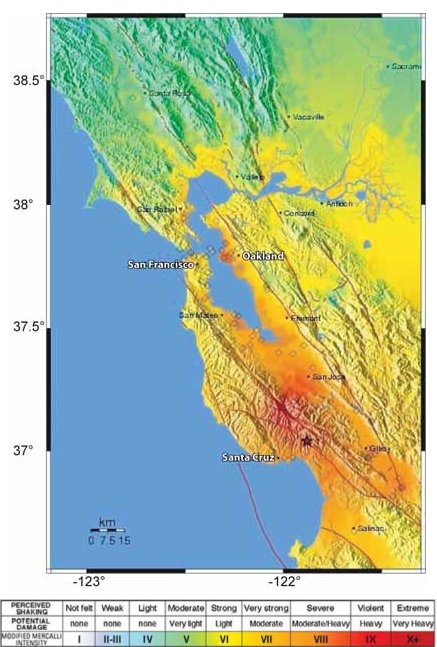
Alameda County, home to Oakland, is featured in the top 10 most vulnerable counties at fifth place. Oakland residents live with the daily reality of multiple active fault lines running through their area. In northern California, creep occurs on the central section of the San Andreas Fault, along the Hayward and Calaveras faults through the San Francisco Bay Area.
The Hayward Fault runs directly under parts of Oakland, making it impossible for residents to ignore their seismic situation. Local community groups regularly organize earthquake preparedness meetings, and many residents have invested heavily in seismic retrofitting. The anxiety is heightened by being in San Francisco’s shadow – many worry they’ll face similar devastation but with fewer resources for recovery.
Portland – Pacific Northwest Unease

Portland residents share the same regional anxiety as their Seattle neighbors, with good reason. 76% believe the earthquake will have major impacts on our infrastructure, and 58% believe they’ll be without power, water, and electricity for at least one week as a result of the quake. The city’s location in the Cascadia Subduction Zone means residents are preparing for a disaster that could cut them off from the outside world for weeks.
However, only 19% say they’re “very prepared” for a disaster, while over one-third (39%) say they’re not prepared at all. This gap between awareness and preparation creates additional anxiety. Many residents know what’s coming but feel overwhelmed by the scope of preparation needed, leading to a constant low-level stress about their readiness.
Memphis – New Madrid’s Modern Worry
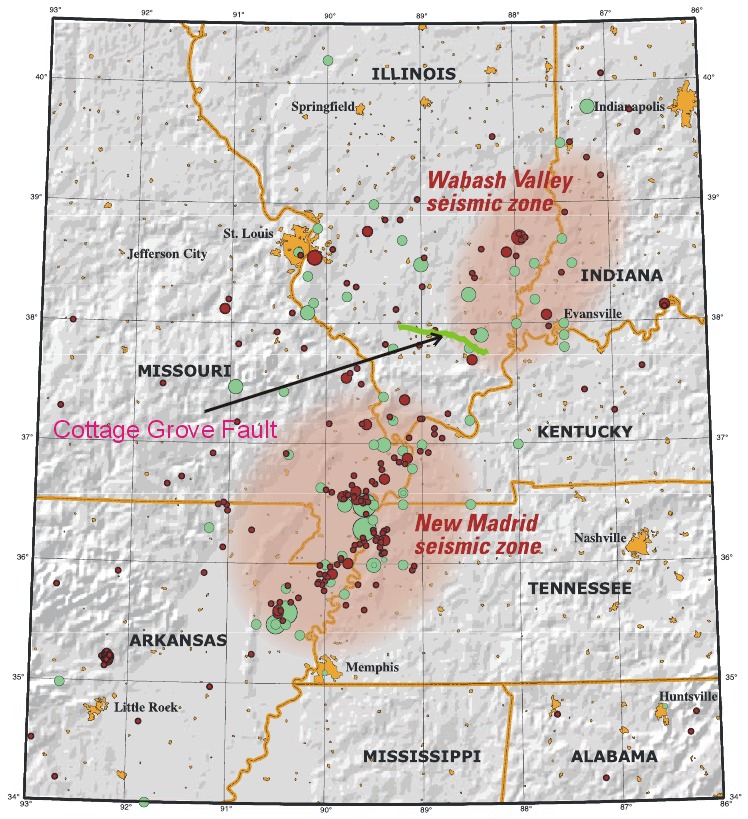
Caught in this seismic splash zone are millions of people living across five states, including Memphis as one of two major cities in the New Madrid region. Memphis residents live with a unique form of earthquake anxiety because they’re far from typical earthquake country. The USGS estimates that the region has a 25 to 40 percent chance of a magnitude 6.0 or higher earthquake in the next 50 years.
What makes Memphis residents particularly anxious is their buildings and infrastructure weren’t designed with earthquakes in mind. When it comes to earthquake resistance, the New Madrid region suffers from inadequate building codes and infrastructure. Unlike California cities, Memphis doesn’t have the earthquake preparedness culture, making residents feel more vulnerable and unprepared when they learn about their seismic risks.
Anchorage – Alaska’s Constant Trembler
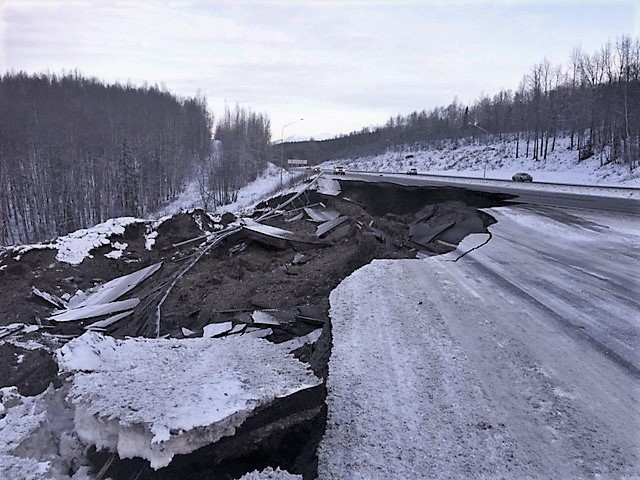
As expected on the hazard map, deep red risk lines run through California and Alaska. Anchorage residents experience regular seismic activity that keeps earthquake anxiety at the forefront of daily life. Unlike other cities where earthquakes are rare events that people worry about, Anchorage residents feel smaller quakes frequently enough to maintain constant awareness.
The 1964 Good Friday earthquake still haunts the collective memory of longtime residents and their families. Modern Anchorage residents describe living in a state of perpetual readiness – earthquake kits are standard household items, not emergency preparations. The frequency of smaller quakes means residents never really get to forget about the possibility of a major one.
San Bernadino – Desert Fault Anxiety
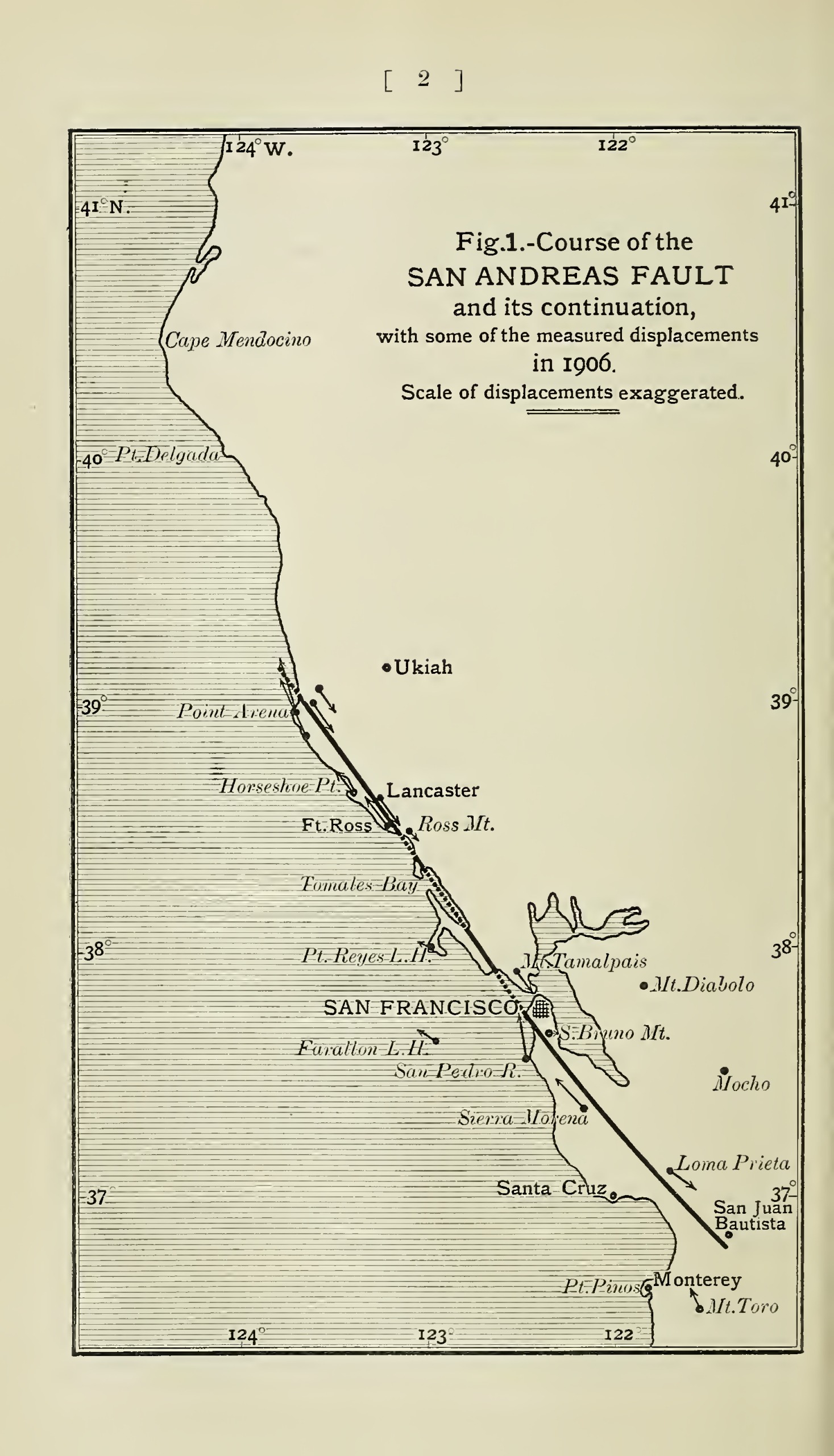
San Bernardino County is featured in the top 10 most vulnerable counties at ninth place, with San Bernadino as its largest city. Residents here deal with anxiety about multiple fault systems converging in their region. The San Andreas Fault system runs directly through the area, and residents are acutely aware they’re living in one of California’s most seismically active regions.
Recent years have brought increased seismic activity that has residents on edge. Many describe feeling like they’re sitting at the intersection of several geological time bombs. The desert location means that when earthquakes do hit, emergency response and recovery could take longer than in more urban coastal areas, adding to residents’ concerns about being prepared for extended isolation.
Salt Lake City – Wasatch Fault Worries
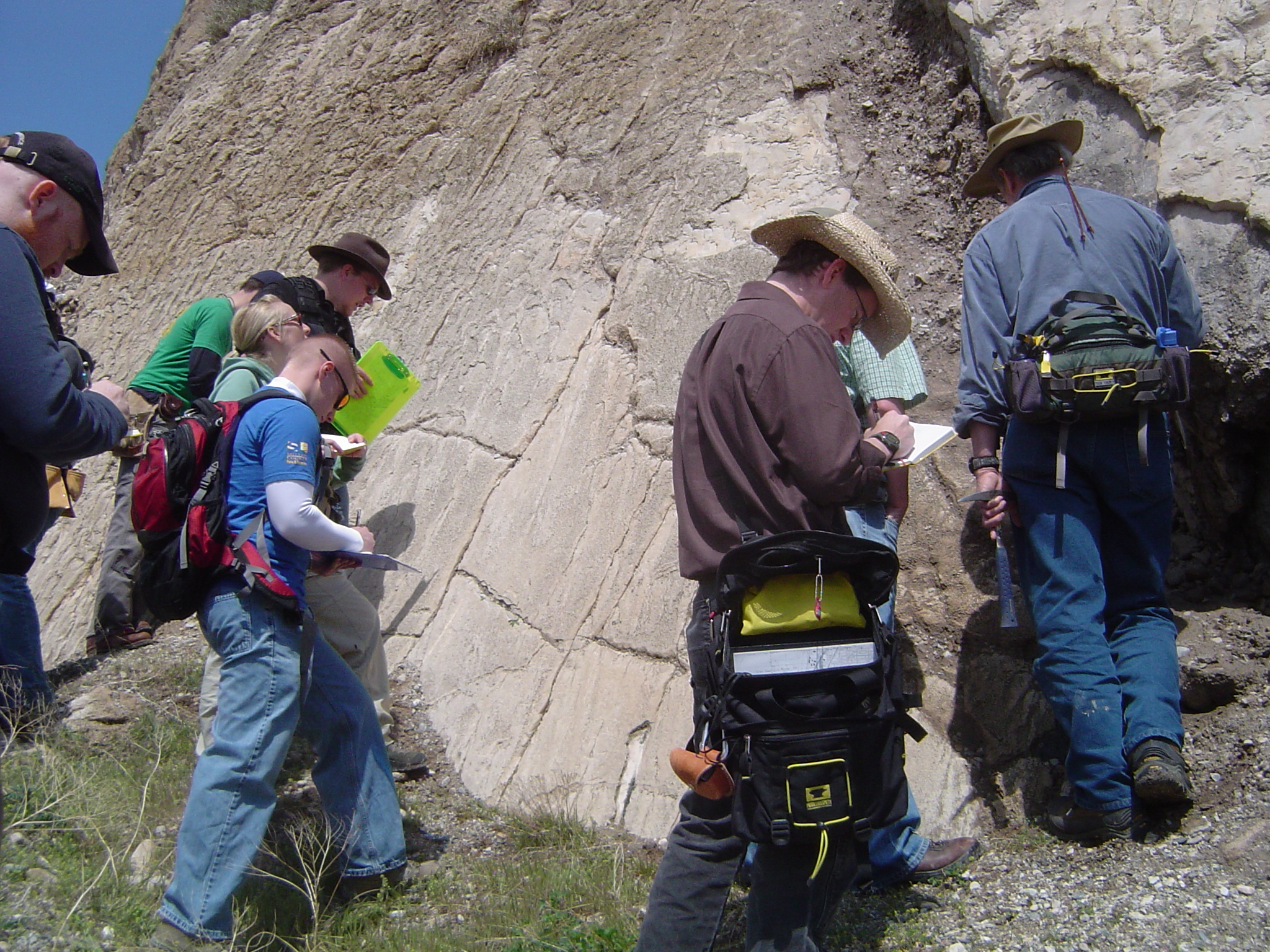
Salt Lake City sits directly on the Wasatch Fault Zone, creating ongoing anxiety among residents who might not expect earthquake risks in Utah. The fault system runs along the base of the Wasatch Mountains, creating a scenario where residents can literally see the fault escarpment from their homes. Local geological surveys regularly remind residents of their earthquake risk, keeping the anxiety fresh.
Many residents express frustration that Utah’s earthquake risks aren’t as well-known nationally as California’s, leading to less federal attention and resources. This perceived neglect adds to their anxiety about being adequately prepared. The combination of high risk and low national awareness creates a unique form of seismic stress among Salt Lake residents.
Charleston – East Coast Surprise
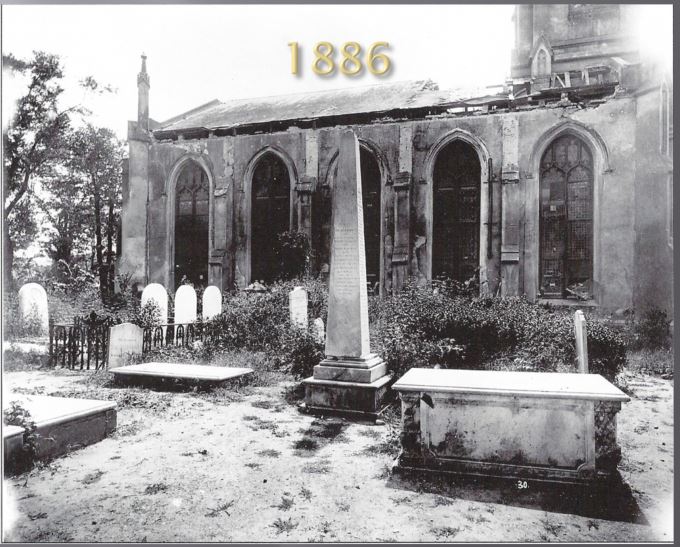
Charleston residents live with an unusual form of earthquake anxiety because the East Coast isn’t supposed to have major seismic risks. The 1886 Charleston earthquake, which devastated the city, serves as a constant reminder that major quakes can happen anywhere. Modern residents often express surprise when they learn about their city’s seismic history and ongoing risk.
The anxiety is compounded by the fact that most East Coast construction and emergency planning doesn’t account for earthquakes. Charleston residents who become aware of their seismic risk often feel isolated in their concerns, as earthquake preparedness isn’t part of regional culture like it is in California or Alaska.
Reno – Nevada’s Geological Tension
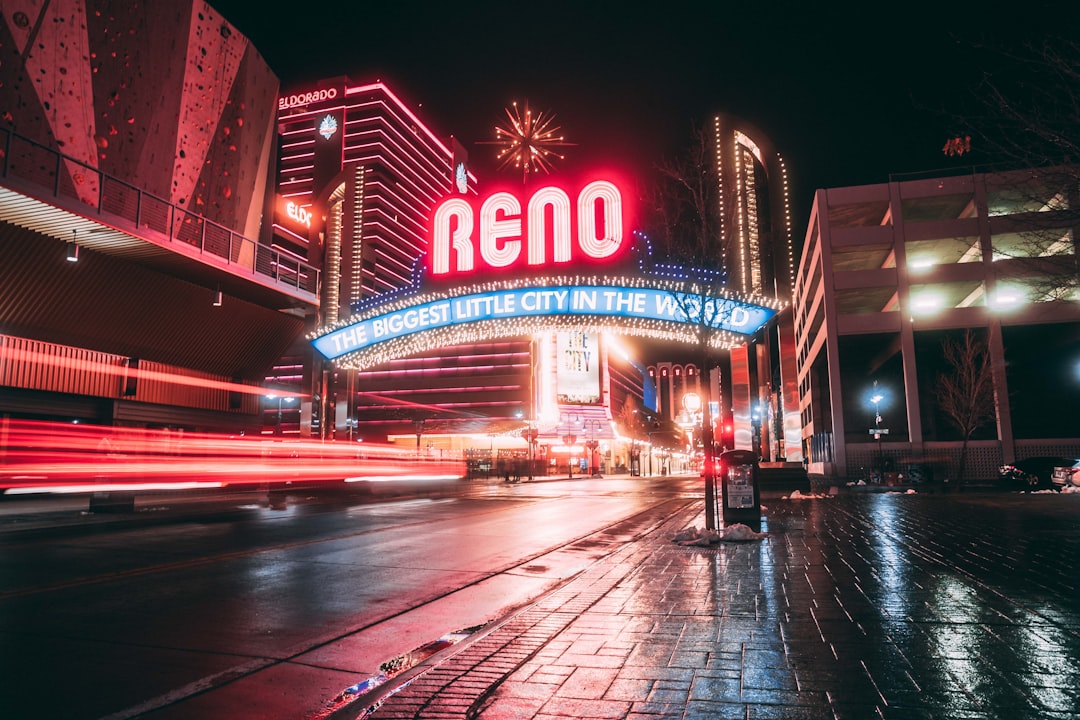
Reno sits in one of the most seismically active regions of Nevada, creating ongoing anxiety among residents about when the next significant earthquake might strike. The city experiences frequent smaller earthquakes that serve as constant reminders of larger possibilities. Recent seismic swarms have heightened concerns among locals who track each tremor with increasing worry.
Residents often describe feeling caught between California’s well-known earthquake risks and their own lesser-known but very real seismic dangers. The proximity to California means many residents are aware of earthquake risks, but Nevada’s lower profile in earthquake discussions leaves them feeling less prepared and more anxious about adequate emergency response.
Tokyo Expat Communities – International Anxiety
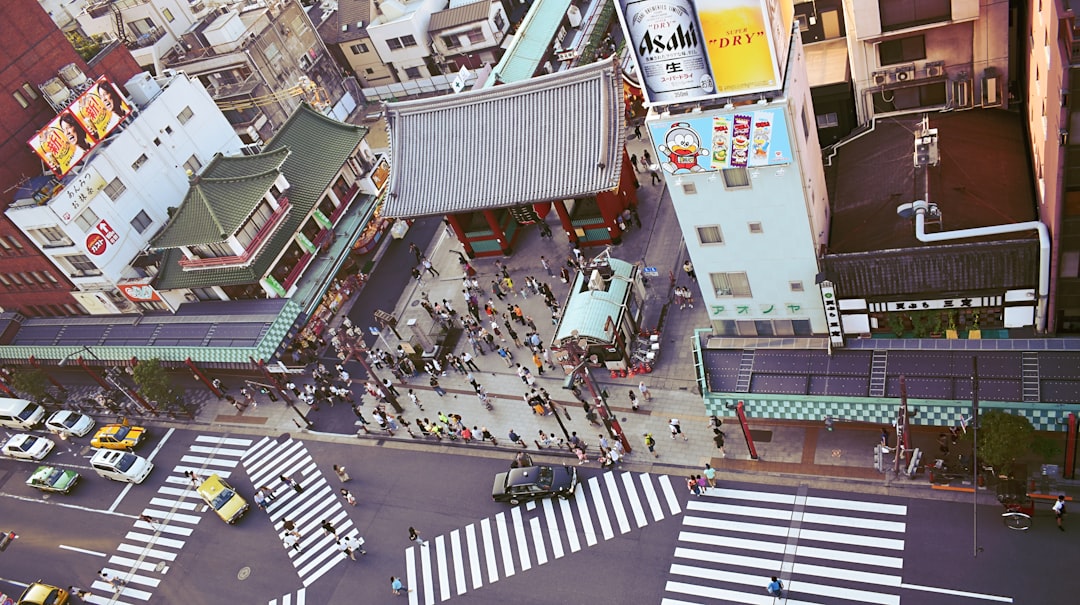
While not a US city, American expat communities in Tokyo experience intense earthquake anxiety that’s worth noting for comparison. Living on the Pacific Ring of Fire, these residents face constant seismic activity and the memory of devastating earthquakes like the 2011 Tōhoku disaster. American families describe living in a state of perpetual preparedness that exceeds anything they experienced in earthquake-prone US cities.
The cultural differences in earthquake response and the language barriers during emergencies create additional layers of anxiety for American residents. Many describe feeling more vulnerable than they would in US earthquake zones because of their unfamiliarity with Japanese emergency systems and procedures.