
Claustrophobia: When City Spaces Feel Like Cages
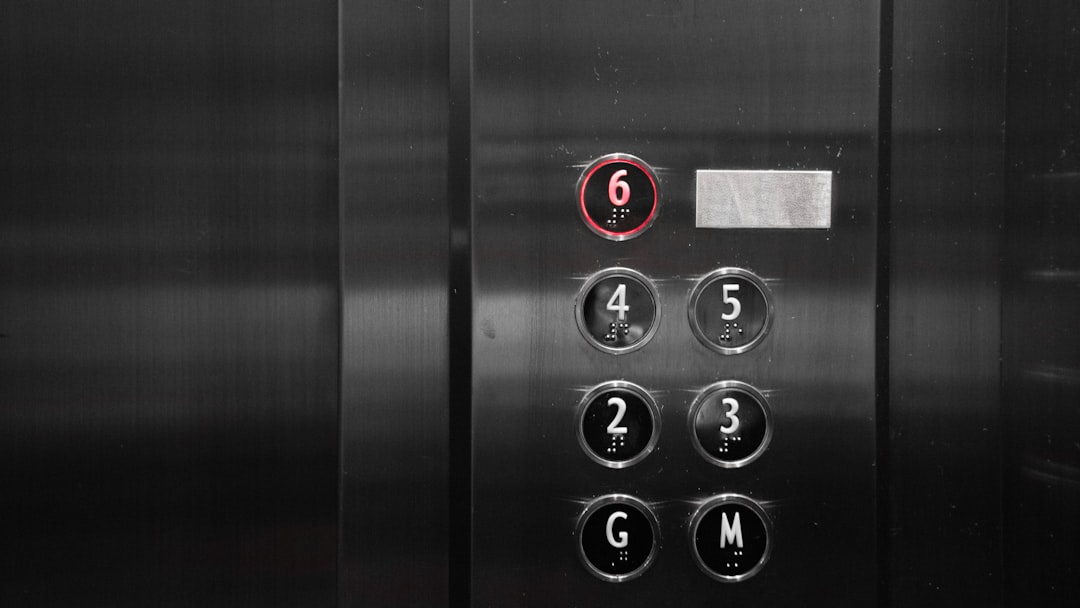
Something disturbing is happening in our cities, and it starts in the smallest places. About one in eight people now experience claustrophobia, with this number particularly high among women. The fear of enclosed spaces has transformed from a rare condition into something that affects millions of urban dwellers daily. Modern city living, with its cramped apartments, packed elevators, and endless underground tunnels, creates perfect breeding grounds for this anxiety disorder.
People experience claustrophobic reactions in engine rooms, small rooms, cellars, tunnels, elevators, MRI machines, subway trains, and crowded places. What’s particularly alarming is that thirteen percent of patients experience panic attacks during medical procedures like MRI scans. The urban environment doesn’t just trigger existing fears – it’s creating new ones in people who never had these issues before.
Biophobias: Nature Fear in an Unnatural World

Here’s something that might shock you: living in cities is making us afraid of the very nature we’ve disconnected from. Recent research found that seventeen out of twenty-five biophobias are increasing their prevalence worldwide. These aren’t just random fears – they’re specific anxieties about spiders, snakes, and other natural elements that urban dwellers rarely encounter in their daily lives.
Scientists believe some biophobias have evolutionary origins that once helped people avoid harmful organisms, but information about their current prevalence has been scarce. The University of Turku research team discovered that people suffering from these fears increasingly turn to the internet for help, indicating a growing problem that wasn’t as prominent in previous generations.
Agoraphobia: The Fear of Open Spaces and Crowds
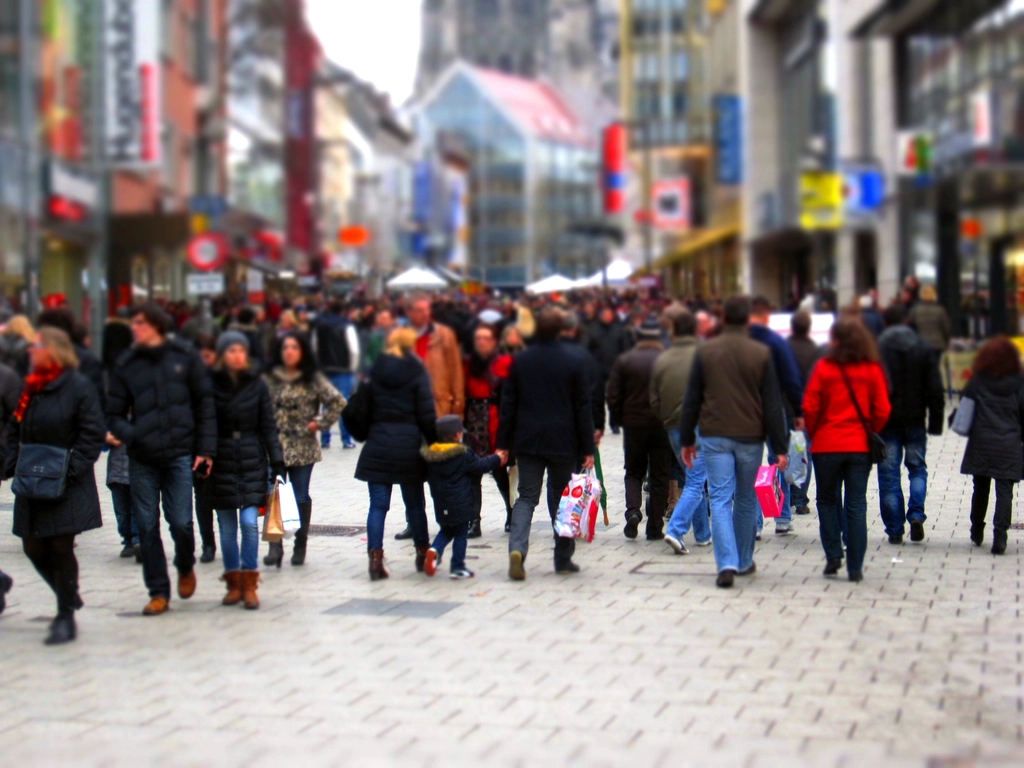
Agoraphobia involves intense anxiety in situations where escape might be difficult, including public transit, shopping centers, crowds, queues, or simply being outside alone. What makes this particularly relevant to urban living is how city environments constantly place people in exactly these triggering situations. The morning commute, weekend shopping trips, and basic city navigation all become potential sources of panic.
In severe cases, people become completely unable to leave their homes and dependent on others, significantly increasing their risk of depression. The irony is striking: cities promise connection and opportunity, yet they’re creating conditions where people become prisoners in their own apartments. Most people develop agoraphobia after experiencing panic disorder, creating an avoidance cycle of situations where panic attacks might occur.
Social Anxiety: Invisible Among Millions
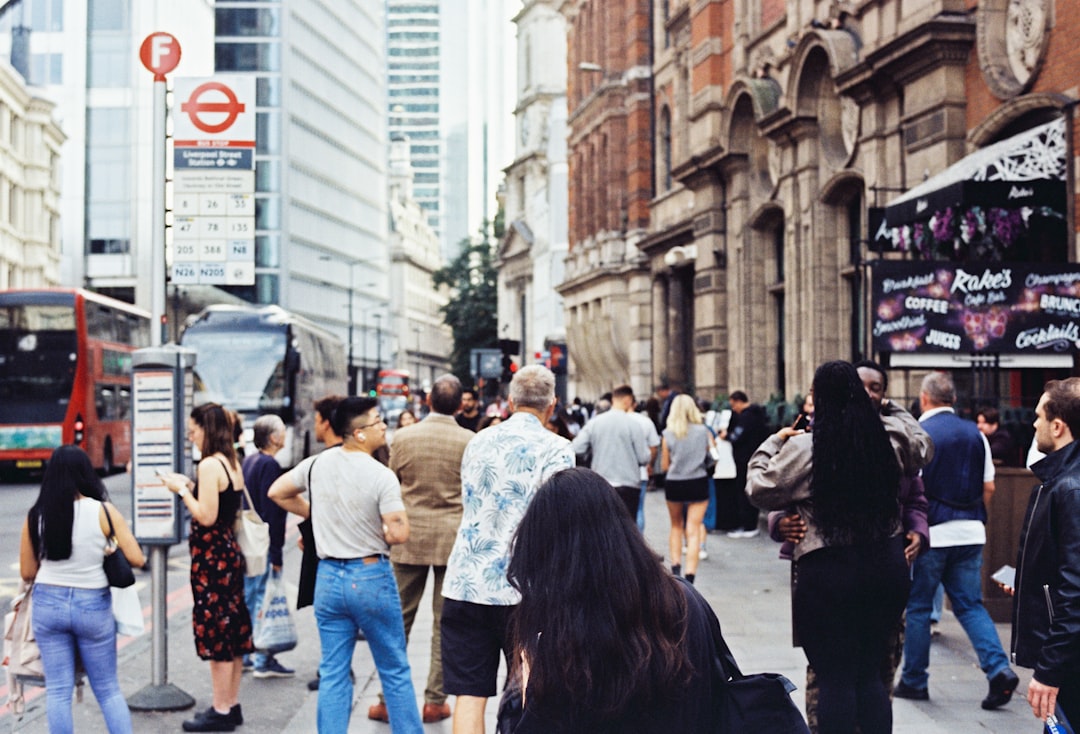
Cities pack millions of strangers together, creating a paradox where you can feel utterly alone while surrounded by more people than ever before in human history. Anxiety disorders consistently affect women more than men, with specific phobias being the most common anxiety disorder, affecting eight to twelve percent of U.S. adults. The urban environment amplifies social anxiety through constant exposure to judgment, comparison, and social performance.
Social anxiety involves fear of being negatively judged in public situations rather than fear of the situations themselves. City life provides endless opportunities for these feared interactions – from crowded sidewalks and packed restaurants to networking events and public transportation. Recent surveys show that current events, gun violence, stress, and poor sleep are major anxiety contributors among American adults.
Technophobia: Digital Overwhelm in Smart Cities

Smart cities promise efficiency and connectivity, but they’re also creating new categories of fear for people who can’t keep up with rapid technological change. Every interaction now requires digital literacy – from parking meters and restaurant ordering to apartment entry systems and public transportation apps. This constant pressure to adapt creates anxiety that previous generations never had to face.
The fear isn’t just about using technology; it’s about being left behind in a world that increasingly assumes digital competency. Older adults particularly struggle with this transition, finding themselves isolated not just physically but digitally in their own neighborhoods. The pace of change means that skills become obsolete faster than people can learn them, creating chronic stress about technological inadequacy.
Commuter Anxiety: Transportation Terror
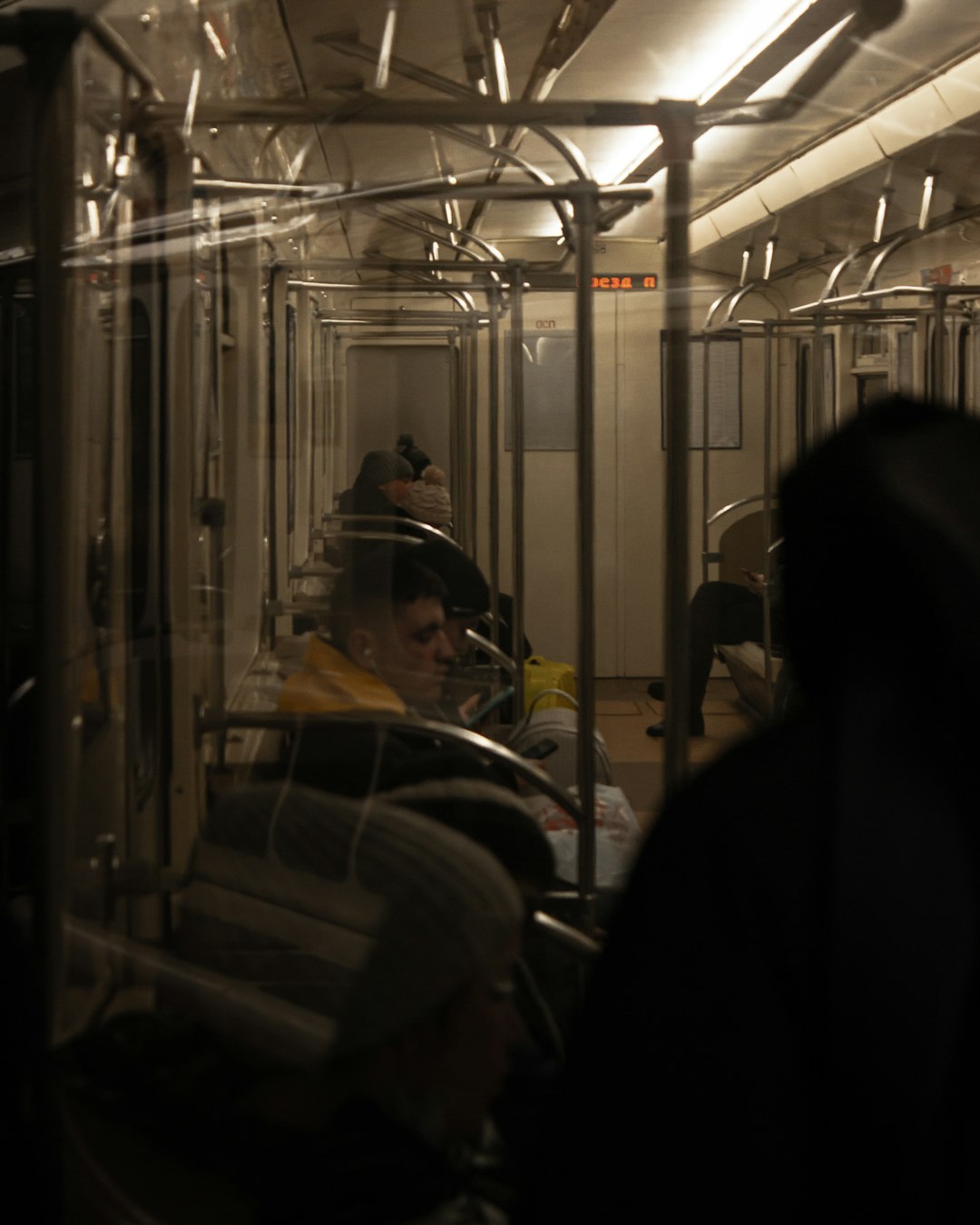
Daily commuting in modern cities has become a source of multiple overlapping phobias. Agoraphobic triggers include traveling in cars, buses, or airplanes, along with being in crowded areas. Urban commuters face a perfect storm of anxiety triggers: enclosed spaces (trains and buses), crowds (rush hour), unpredictability (delays and breakdowns), and loss of control (dependent on transit systems).
The psychological impact goes beyond simple transportation. Commuter anxiety creates anticipatory stress that begins before leaving home and extends long after arriving at destinations. People start planning their entire lives around avoiding peak hours, specific routes, or certain types of transportation. This avoidance behavior gradually shrinks their world, limiting job opportunities, social connections, and daily experiences.
Noise Phobia: The Constant Urban Soundtrack
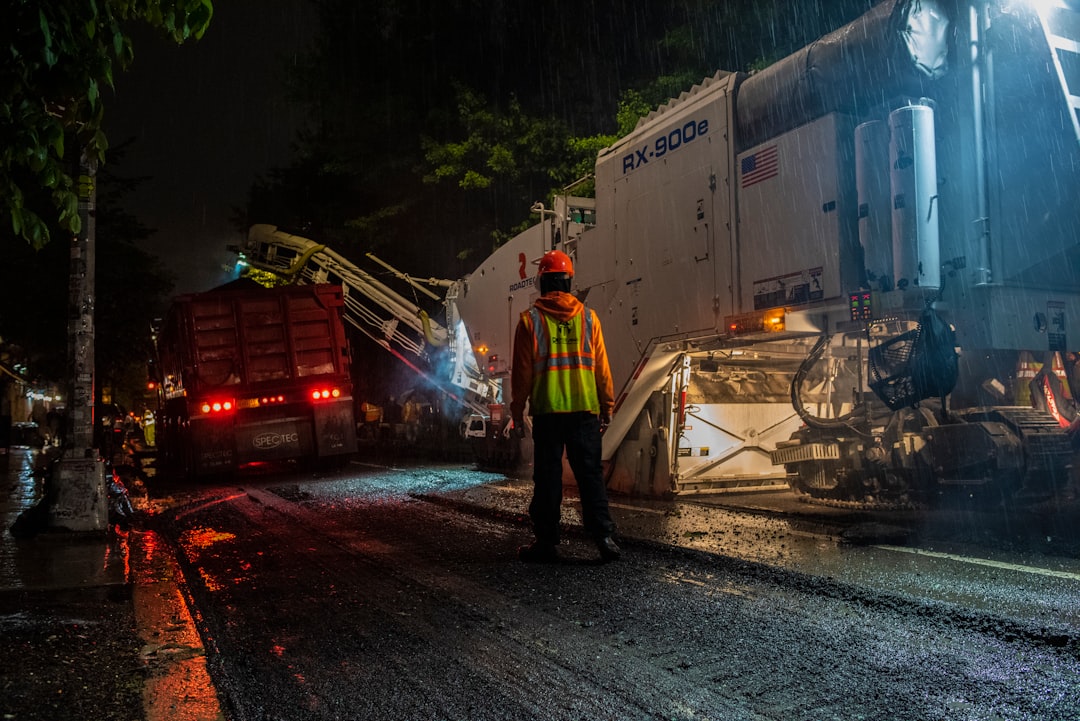
Cities never sleep, and neither do their sounds. Urban noise pollution has reached levels that trigger fight-or-flight responses in increasing numbers of residents. Construction noise, traffic, sirens, and the constant hum of human activity create an environment where sensitive individuals experience chronic stress and anxiety. Unlike rural environments where noise has meaning and source, city sounds often feel chaotic and unpredictable.
The psychological impact of constant noise exposure accumulates over time, leading to hypersensitivity where normal urban sounds become overwhelming triggers. People develop anxiety about leaving quiet spaces, knowing they’ll be assaulted by unpredictable noise levels. This creates another layer of urban avoidance behavior, where individuals limit their movement and activities to minimize exposure to triggering sound environments.
Vertical Anxiety: High-Rise Horror
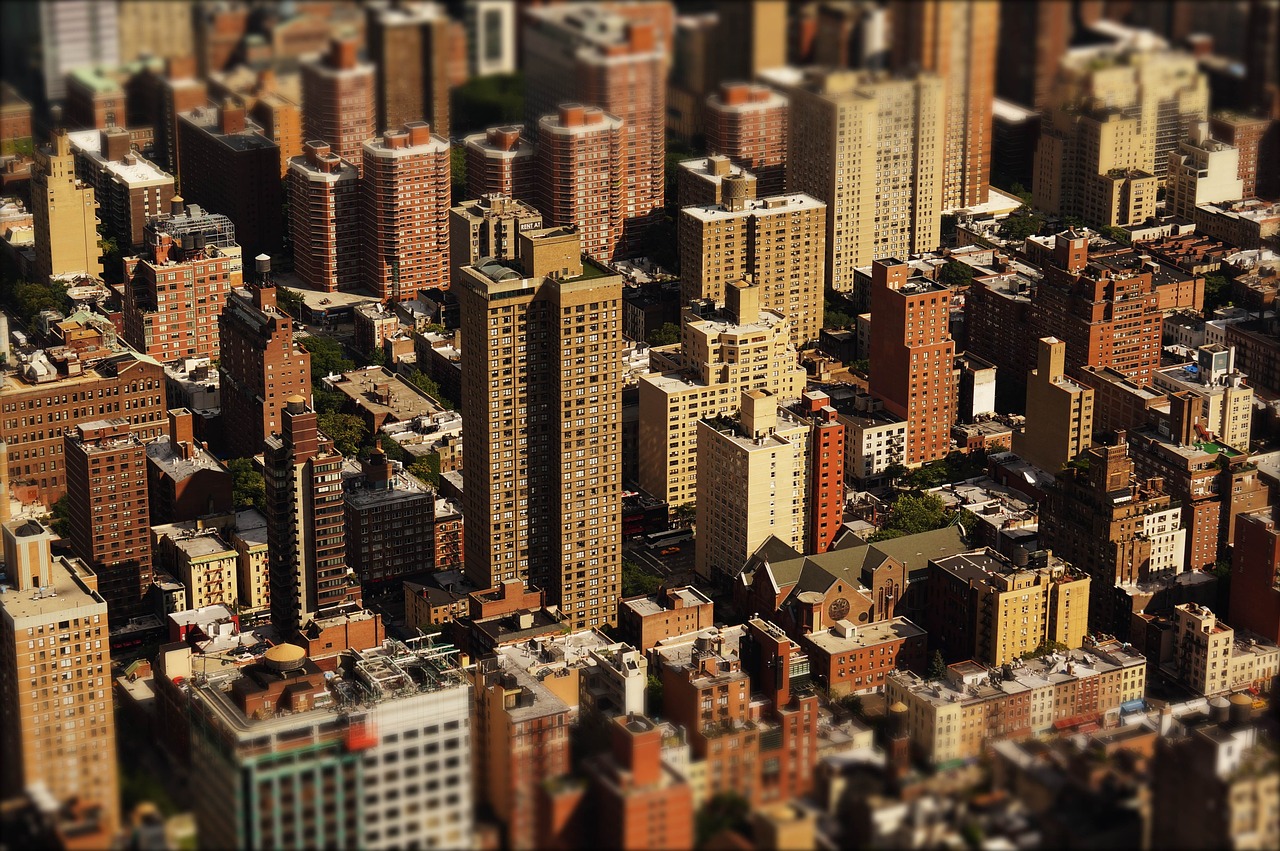
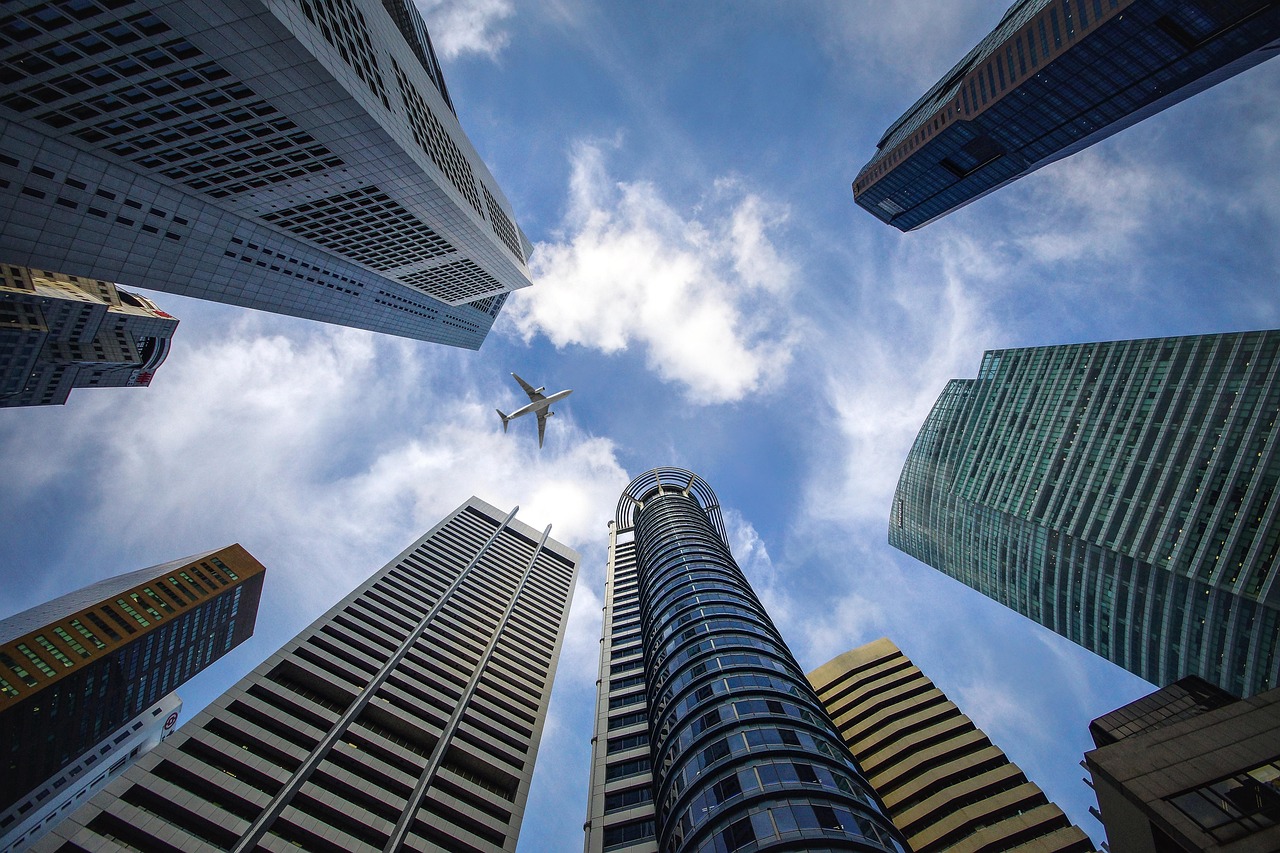
Modern cities grow upward, and so do the associated fears. Living and working in high-rise buildings creates unique anxiety challenges that humans weren’t evolutionarily prepared to handle. The combination of height, enclosed spaces, dependency on elevators, and emergency escape concerns creates a complex web of interconnected phobias that affect millions of urban high-rise dwellers.
This isn’t just about fear of heights – it’s about the psychological impact of being disconnected from ground level for extended periods. People report feeling trapped, disoriented, and anxious about emergency situations. The elevator dependency becomes particularly problematic, as mechanical failures can leave people stranded between floors, reinforcing claustrophobic fears and creating new anxiety patterns around vertical transportation.
Criminophobia: Hypervigilance in Urban Environments

Urban crime statistics create a psychological atmosphere where constant vigilance becomes the norm, but for some people, this heightened awareness transforms into debilitating fear. Gun violence has been identified as one of the major anxiety contributors among American adults. The 24/7 news cycle and social media constantly reinforce urban danger narratives, making statistical risks feel like imminent personal threats.
This fear affects behavior in profound ways: choosing routes, timing activities, avoiding certain neighborhoods, and constantly assessing potential threats. The mental energy required for this constant risk assessment becomes exhausting, leading to chronic stress and anxiety. People develop elaborate avoidance strategies that gradually limit their urban mobility and experiences, creating self-imposed geographic restrictions within their own cities.
Medical Access Anxiety: Healthcare Fear in Complex Systems
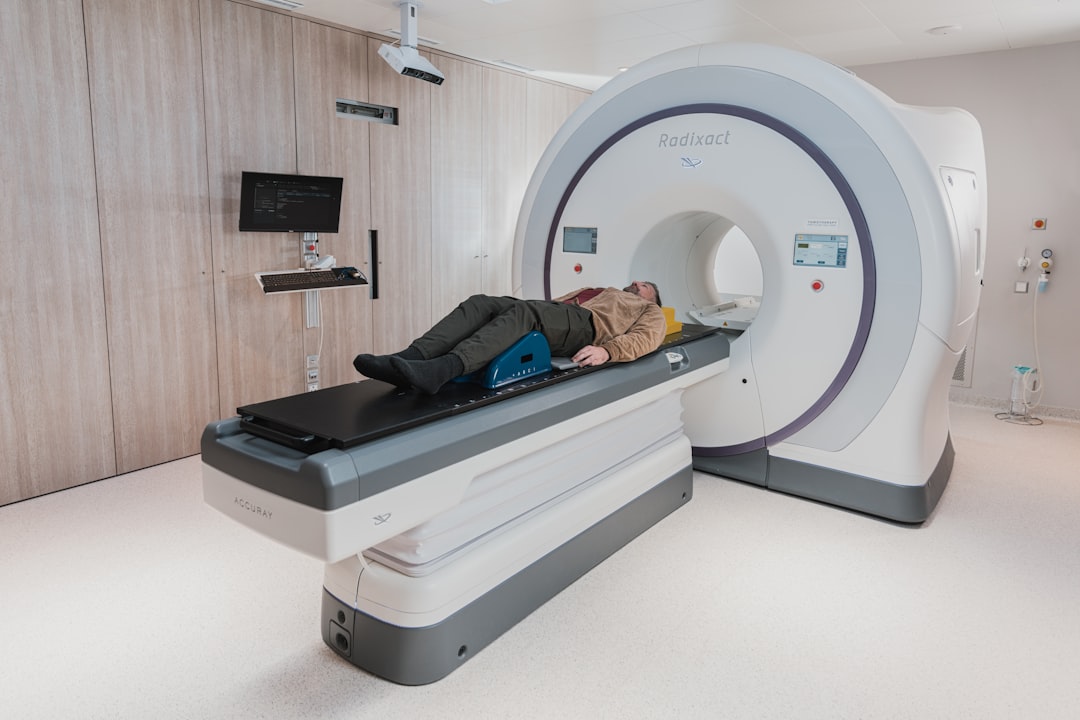
Medical procedures trigger claustrophobic reactions in many patients, with thirteen percent experiencing panic attacks during MRI scans, and some developing the condition for the first time during medical procedures. Urban healthcare systems compound these fears through complexity, wait times, insurance navigation, and impersonal treatment environments. The anxiety isn’t just about medical procedures – it’s about navigating complex healthcare bureaucracies.
This creates a dangerous cycle where people avoid medical care due to anxiety about the healthcare system itself. Urban medical facilities often feel institutional and overwhelming, with complex layouts, multiple departments, and high-stress environments. The combination of health anxiety and system navigation anxiety can prevent people from seeking necessary care, turning manageable health issues into serious problems.
Information Overload Anxiety: Digital Sensory Assault
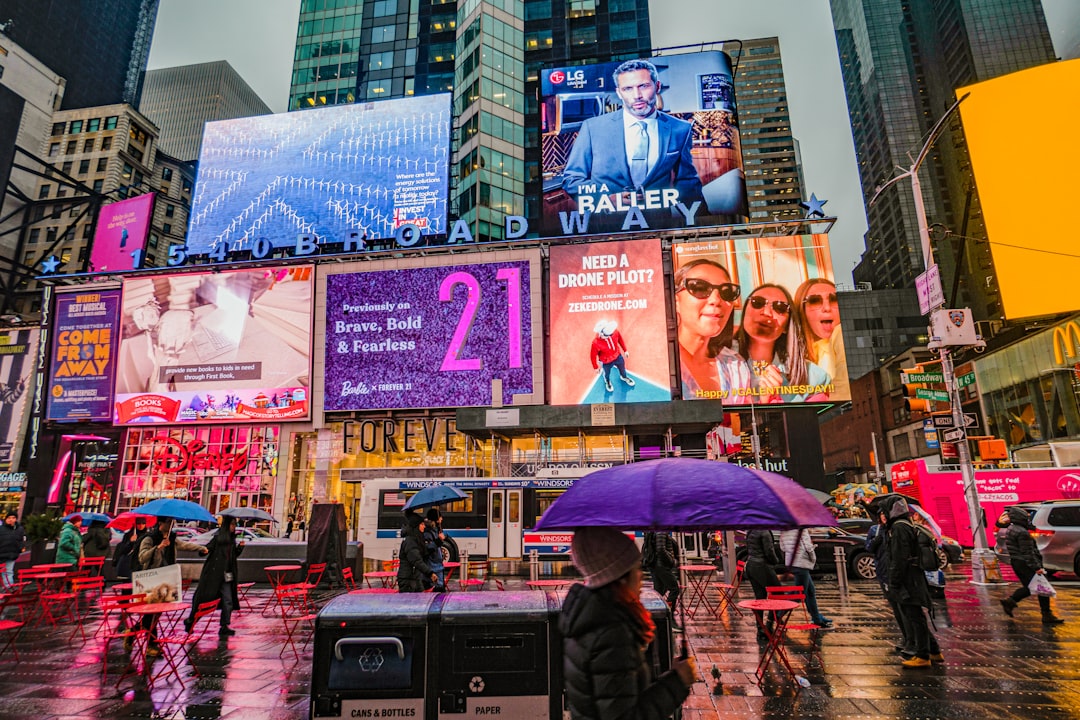
Cities bombard residents with constant information: digital billboards, smartphone notifications, news updates, social media feeds, and endless choices for every decision. This information density has reached levels that overwhelm cognitive processing abilities, creating a new category of urban anxiety related to decision fatigue and sensory overload. The human brain wasn’t designed to process the information volume that modern urban living demands.
The anxiety manifests as difficulty making decisions, feeling overwhelmed by choices, and experiencing stress from constant connectivity demands. People report feeling like they can never truly “turn off” or escape the information flow. This creates chronic low-level stress that accumulates over time, leading to more serious anxiety disorders and avoidance behaviors around technology and information consumption.
Economic Displacement Fear: Financial Insecurity in Expensive Cities
Urban housing costs and living expenses create chronic anxiety about economic displacement – the fear of being priced out of your own neighborhood or city. This isn’t just about money; it’s about the psychological terror of losing community, identity, and stability in an environment where economic forces feel completely beyond individual control. Rising rents, gentrification, and job market competition create perfect conditions for chronic economic anxiety.
The fear affects daily decision-making: avoiding spending on anything non-essential, constantly calculating costs, and living with persistent worry about financial catastrophe. This economic anxiety often combines with other urban phobias, as people avoid activities, transportation, or areas that might require spending money. The result is a gradual shrinking of urban experience driven by financial fear rather than actual financial limitations.