You check in after a long journey, drop your bags, and fall onto the bed with a relieved sigh. The room looks clean enough. The sheets are crisp. The bathroom smells like lemon. Everything seems fine – but is it really?
Here’s the uncomfortable truth: what you see in a hotel room and what’s actually lurking there are two very different things. Research has repeatedly shown that surfaces that look clean can host alarming levels of bacteria, while perfectly polished rooms can hide everything from pest infestations to hidden surveillance devices. The hospitality industry processes millions of guests every year, and not every room gets the attention it deserves.
These are eight red flags you should never ignore when you walk into a hotel room. Some of them are obvious. Others will genuinely surprise you. Let’s dive in.
1. The Room Smells Musty or Stale the Moment You Enter
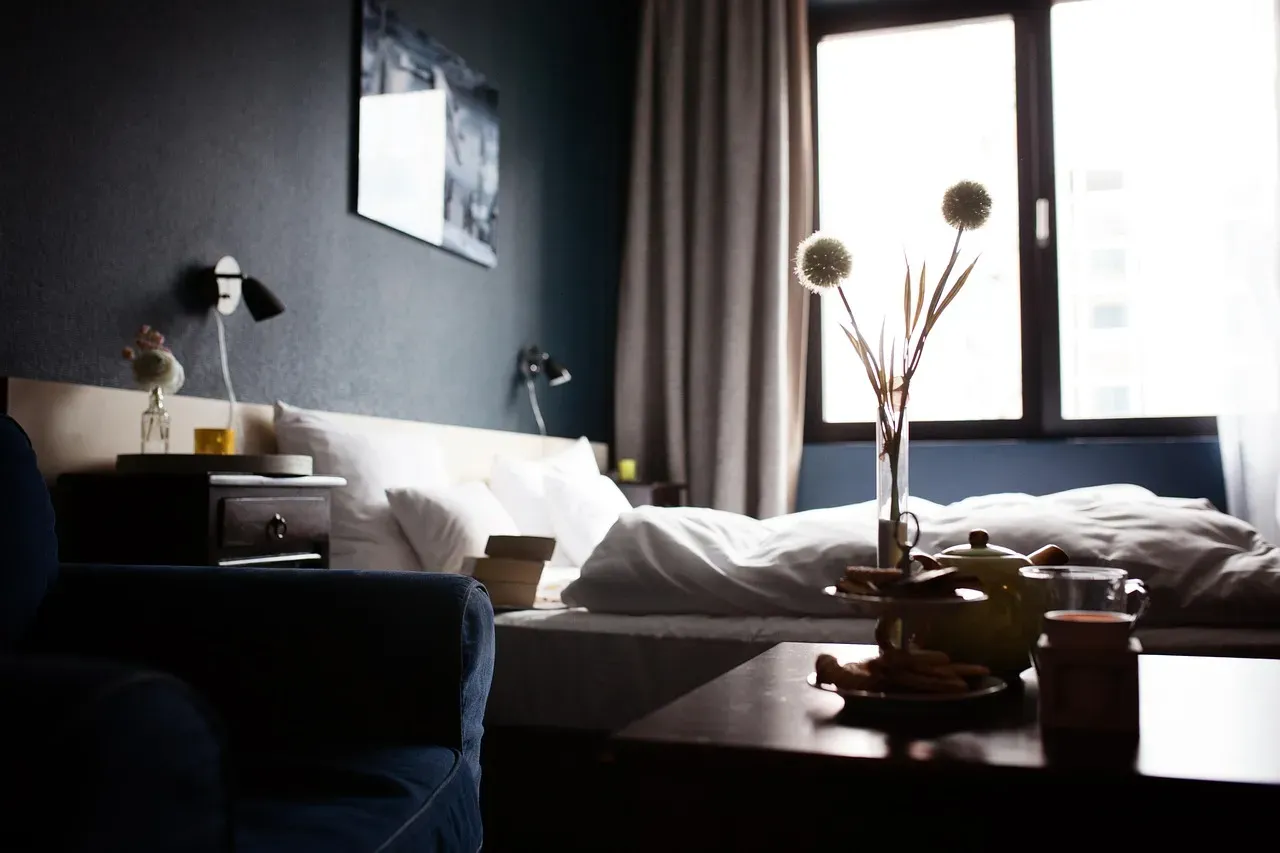
Your nose is one of the most reliable tools you have when evaluating a hotel room. If the room smells unusually musty or unpleasant, it could indicate a bed bug infestation – the bugs’ scent glands release this odor, and it tends to grow stronger as the infestation worsens. That sweet, sickly damp smell is not just unpleasant. It’s a warning sign.
You might also smell a strong, damp odor from mold. So even though smell alone can be a hint, it’s best to check for other signs before you call hotel reception. Either way, a musty smell on entry means something is wrong, and it is one of those situations where trusting your instincts matters.
Honestly, I think most travelers brush off a funky smell and just crack a window. That’s a mistake. A bad odor in a hotel room is rarely a coincidence. These days, you can’t always assume that when you check in, your room will be clean and secure – beneath a seemingly clean surface could lurk some unpleasant surprises.
2. Visible Stains on Bedding, Mattresses, or Upholstery
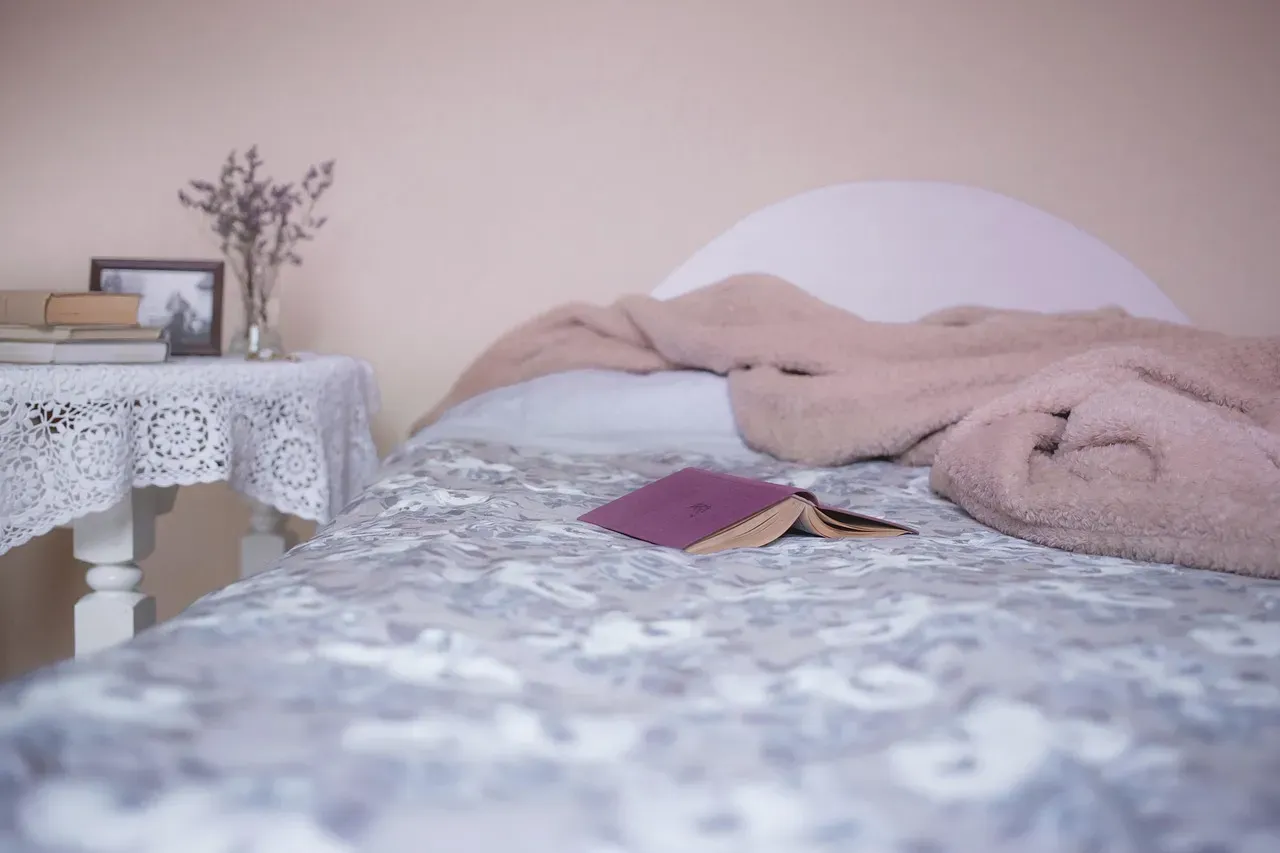
Let’s be real: a stain on hotel bedding is never a good sign. When you enter the room, look for stains and whether the carpet has been vacuumed. The bathroom is key. Check the shower curtain or the glass shower panel, which should be spotless. If either fails the test, it’s time to request a room change.
Even a single stray hair on the bed can undermine the entire guest experience. Guest reviews consistently show that small lapses in visible cleanliness can make guests question the overall hygiene standards of the hotel. This isn’t about being fussy. It’s about what those visible signs tell you about what you cannot see.
A housekeeper now typically cleans 13 to 16 rooms a day, spending an average of 20 to 40 minutes per room. Think about that for a second. That is barely enough time to change the sheets, let alone deep clean a room. Stains that survived that process have often been there for a while.
3. The TV Remote and Bedside Lamp Switch Look Untouched by Cleaning

Here’s something that genuinely catches most travelers off guard. While some of the most contaminated samples, including the toilet and the bathroom sink, were to be expected, researchers also found high levels of bacterial contamination on the TV remote and the bedside lamp switch. These are surfaces that almost no one thinks to clean.
Both tests showed that bacteria levels in hotel rooms were between 2 to 10 times higher than the levels accepted in hospitals. That comparison puts things in perspective fast. Hospitals have strict hygiene standards for very good reasons, and hotel rooms routinely exceed their contamination thresholds.
About 81 percent of hotel room surfaces sampled held at least some fecal bacteria. Television remotes are, in fact, among the most bacteria-laden surfaces, ranking up there with toilets and bathroom sinks. Think about that before you grab the remote to flip channels. If the remote looks grimy or sticky, that is your cue to wipe it down before touching it – or to ask yourself whether the rest of the room got any better treatment.
4. Signs of Bed Bugs on or Around the Mattress
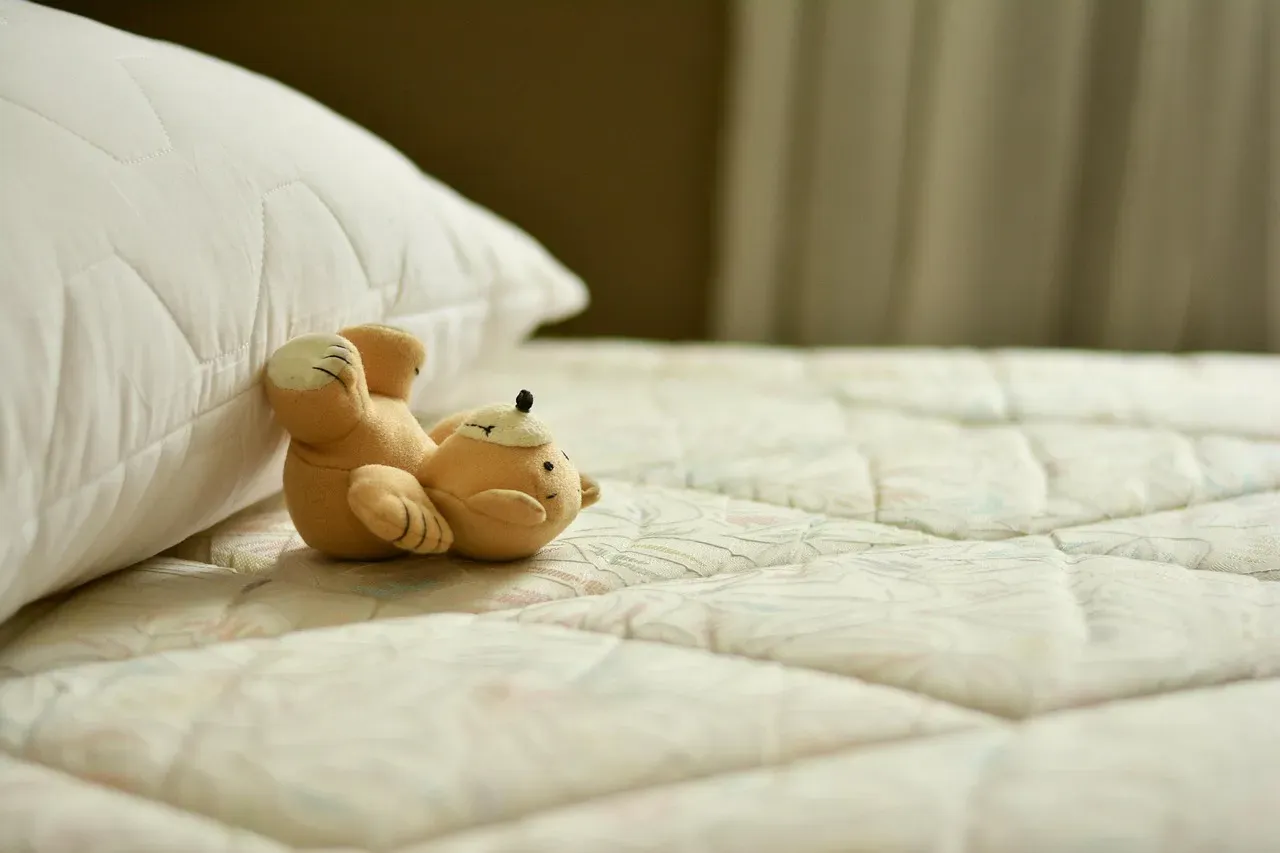
Few words strike more dread into a traveler’s heart than “bed bugs.” According to the National Pest Management Association, 75 percent of pest control companies treated bed bugs in hotels and motels during 2024. That is not a fringe problem. It is industry-wide.
In 2024, The Sleep Doctor released a worrying survey showing just how common these critters really are. According to the data, 14 percent of U.S. travelers had a bed bug experience while traveling – and 20 percent of reported encounters came from five-star hotels. So don’t assume that a higher nightly rate protects you. It doesn’t.
Bed bugs are reddish-brown and grow to between 5 and 7 mm long, with two antennae and six legs. You can find them in the seams of mattresses, in cracks of beds, and in dirty laundry. The moment you enter your room, pull back the sheets and inspect the mattress seams before you place a single bag on the bed. It takes two minutes and could save you weeks of grief.
5. The Door Lock Feels Loose, Broken, or Easy to Force
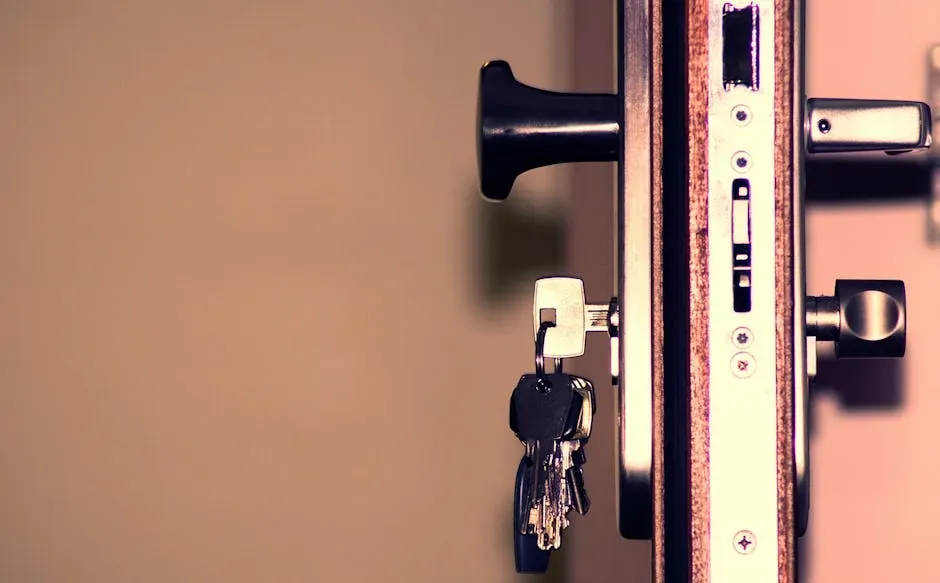
A hotel room door that doesn’t lock properly is not a minor inconvenience. It is a genuine safety hazard. Ensuring the safety of guests is nonnegotiable for any hotel, and this detail isn’t simply limited to double locks on doors and key card entries, although the significance of these features cannot be overstated. Test the lock, the deadbolt, and the chain or swing bar the moment you step in.
Ask the front desk to write down your room number instead of telling you out loud. Some criminals will listen to your room number, wait in the lobby for you to leave, and then break into your room. If the lock on your door already feels flimsy, that combination becomes even more dangerous.
Still, a lot of travelers just accept a wobbly lock and assume it’s fine. It’s hard to say for sure whether every dodgy lock leads to a break-in, but why take the risk? Ask for a room change immediately. A hotel that refuses is one that doesn’t take guest safety seriously.
6. Suspicious Objects That Seem Out of Place
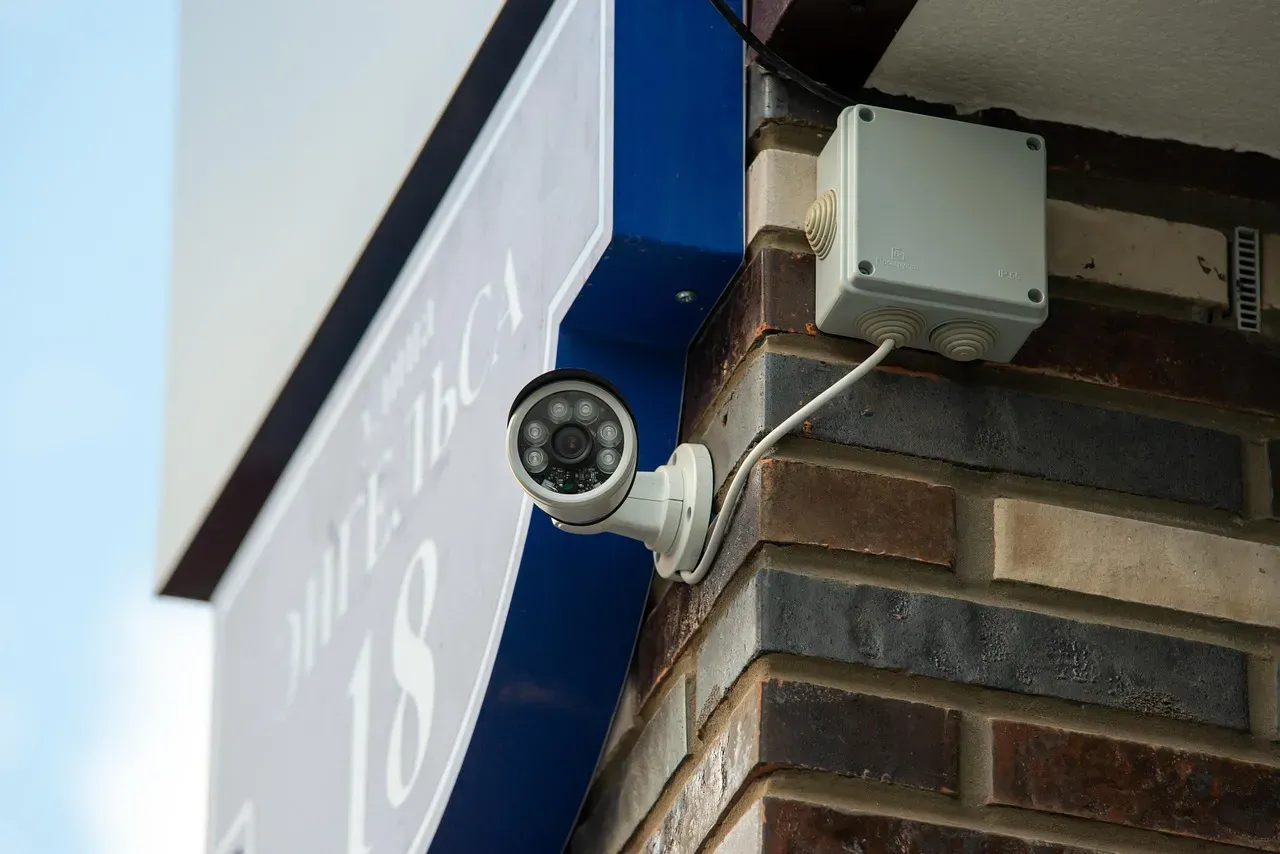
This one sounds like something from a thriller, but it is very real. About 60 percent of travelers are wary of hidden cameras in hotels and rental properties, and worse, 10 percent have actually discovered one. With the rise of nanny camming, surveillance cameras have simply gotten cheaper and easier to install.
When searching for hidden cameras, some everyday objects are more likely to be culprits than others. Cameras need line of sight, reliable power, and either a network connection or internal storage. Typical spots to hide cameras include lamps, power adapters, smoke detectors, thermostats, alarm clocks, and mirrors. If any of these objects seem oddly positioned, especially facing the bed or bathroom, pay close attention.
Small, powerful cameras can be hidden in hotels and rentals to spy on guests for sexually explicit visuals or to extort money. If you find something suspicious, do not touch it. Document it with your phone, contact hotel management, and call local authorities. Hotel ownership and management face the highest liability exposure, as they control property access and have a duty to protect guest privacy.
7. Poor Lighting in Hallways and Common Areas
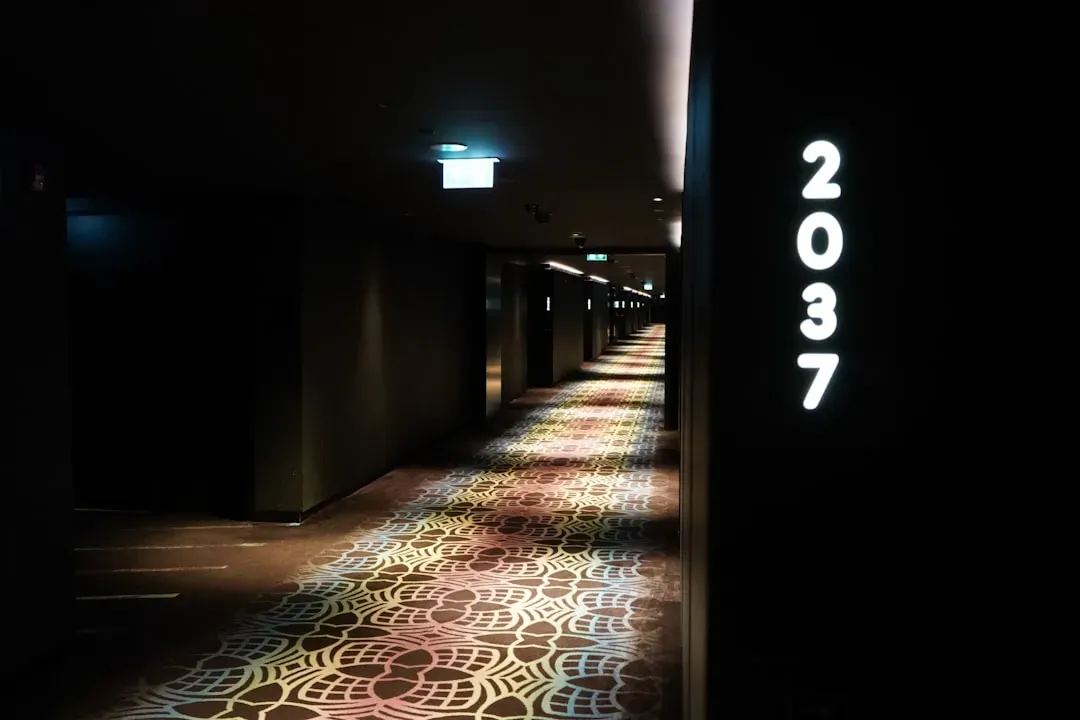
You might not think dim hallways are a hotel red flag, but they absolutely are. Providing adequate lighting in common areas like the lobby, hallways, and corridors at all hours is key to ensuring guest safety and convenience. Imagine returning to your hotel late at night and fumbling in the dark. Whether intentional or not, poor lighting can effectively hide stains and shoddy furnishing that would likely put you off if exposed to proper light.
Poor lighting is like a cheat code for bad hotels. It disguises peeling paint, dirty carpets, and general neglect behind an almost aesthetic dimness. Assessing the hotel lobby and checking for dirt, stains, and discolorations when you enter can reveal real red flags. If you can’t see clearly in the lobby or hallways, that’s not ambiance. That’s a warning.
Think of it like buying a car at night. Everything looks decent in low light. Harsh daylight tells a very different story. If the corridor to your room feels like a scene from a horror film, trust that feeling and escalate your concerns to the front desk before settling in.
8. Staff Who Announce Your Room Number Loudly or Handle Your Information Carelessly
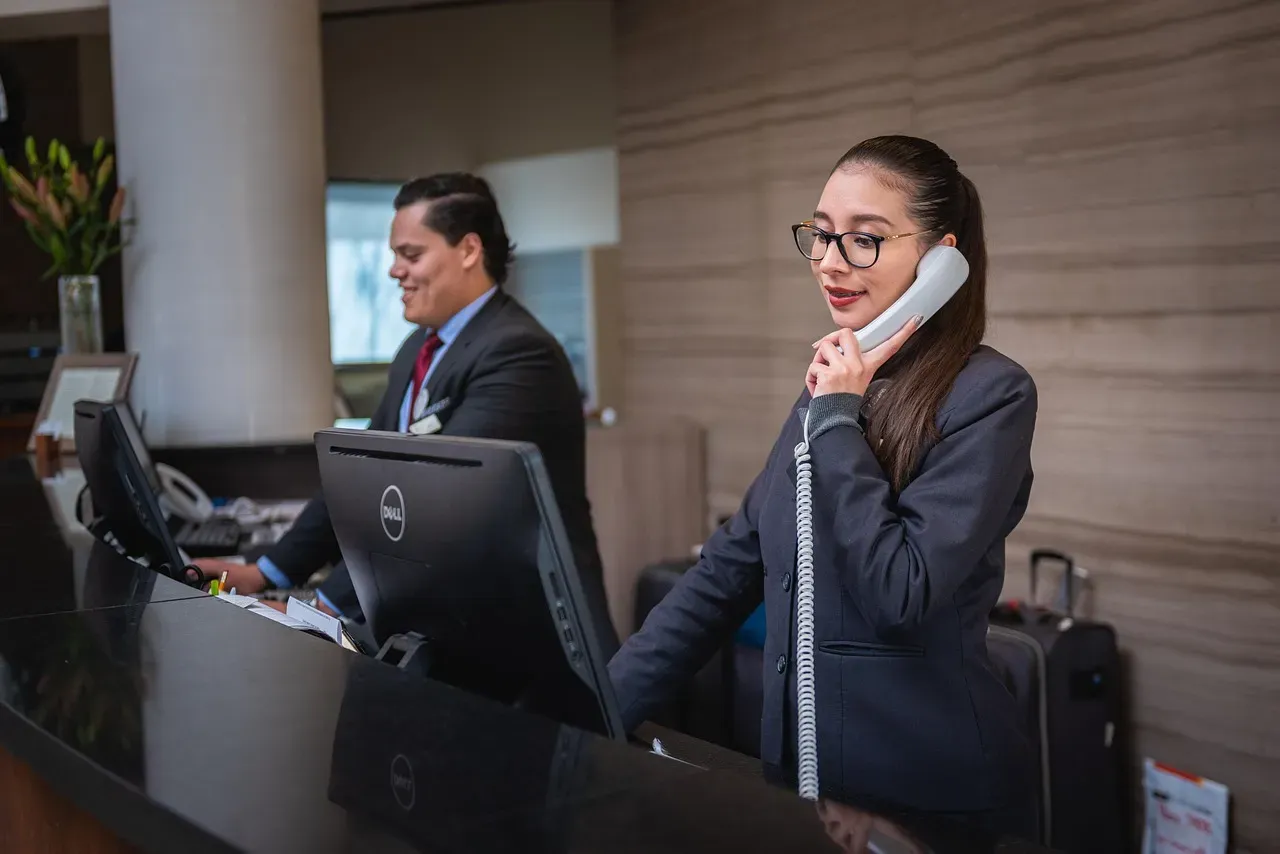
When hotel staff shout out your room number for anyone within earshot to hear, it’s a big problem. Your room number should be kept confidential for your safety – anyone overhearing it could potentially cause trouble. It might seem like a small slip-up, but it speaks volumes about the hotel’s attention to guest privacy.
Whether or not a hotel cares about your safety becomes evident long before you get to your room. The answer is in the little things, such as the staff’s discretion while handling your personal details during check-in. You don’t want your phone number or room number made public in a hotel lobby. That kind of carelessness signals a broader culture of poor training and low standards.
Only 44 percent of frontline workers say they receive workplace health and safety training, yet hotel safety training plays an essential role in creating a safe environment where everyone can feel secure and protected. When staff handle your details sloppily, it’s often a symptom of exactly this problem – they simply weren’t trained to think about it. Request that your room number be written down and kept private, and watch how the front desk reacts. Their response will tell you a great deal.