
The battle for public transportation safety isn’t just about actual crime statistics anymore. It’s increasingly about perception, fear, and the delicate balance between reality and rider confidence. While some cities show encouraging decreases in transit-related crime, others continue to struggle with public safety concerns that keep potential passengers away from buses, trains, and subway systems. The psychology of fear combined with highly publicized incidents creates a complex challenge for transit agencies nationwide.
Recent data reveals a troubling pattern where fear of public transportation safety significantly outweighs the actual statistical risks. Even as some major transit systems report dramatic crime reductions, many people fear transit and are reluctant to use it or support its expansion in their community, and many people use transit less and give it less support than optimal due to the common misconception that it is dangerous.
Los Angeles – Rising Violent Incidents Despite System Improvements
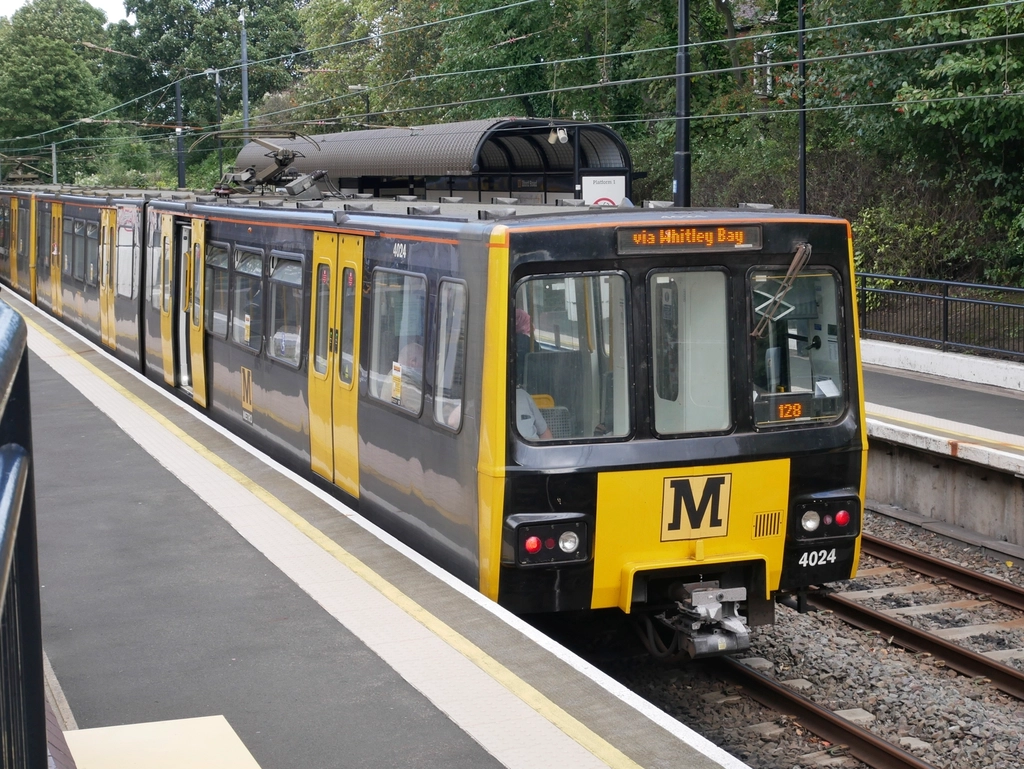
Los Angeles Metro continues to face significant safety challenges that have intensified public fears about transit use. In 2024, the Los Angeles Metro system experienced four shooting incidents, all of which resulted in fatalities. These violent events occurred on both LA Metro buses and trains, with two shootings occurring on Metro buses and two on Metro trains. The deadly nature of these attacks has created widespread concern among commuters throughout the region.
The statistics paint a complex picture of LA Metro’s safety landscape. Data from the Metro Board showed an 18.9% decrease in reported crimes overall in 2024, but a 15.6% increase in crimes against people on both buses and rails. This contradiction between overall crime reduction and increased violence against individuals has particularly alarmed regular riders and potential users.
There were 8 reported incidents of passenger stabbings on LA Metro public transit, with one resulting in death, and in 2024, there were 25 reported incidents on Los Angeles public transit, with 16 incidents involving violent crime while the others involved motor vehicle accidents. The frequency of weapon-related incidents continues to drive fear among the ridership base.
Chicago – Criminal Activity Amid Transit Recovery Efforts
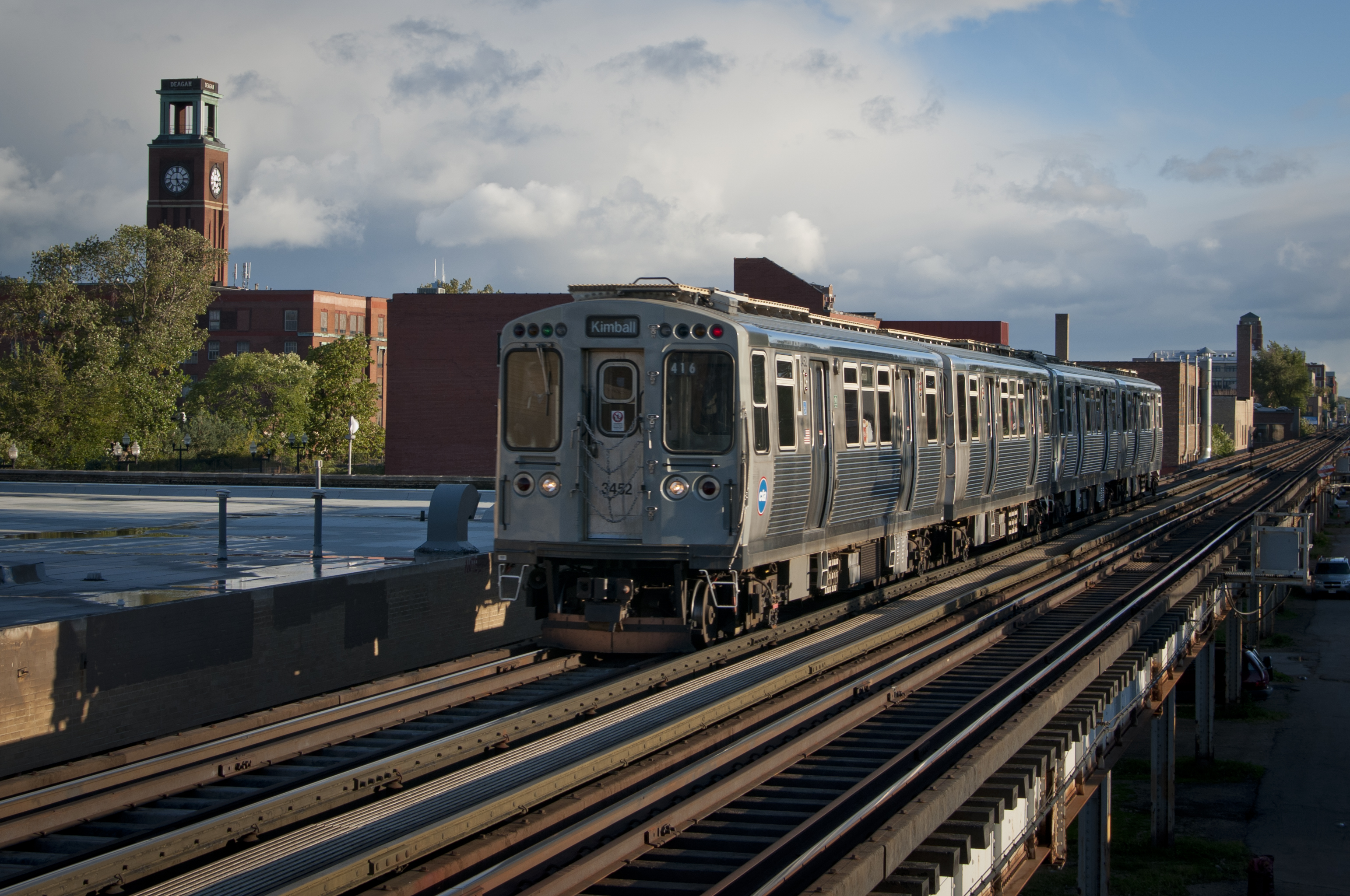
Chicago’s transit system faces persistent safety challenges despite some positive trends in overall city crime statistics. Crime has been a significant deterrent for potential riders for years. Over 1 in every 100,000 CTA rides resulted in a crime, according to a study by the Illinois Policy Institute. That’s about one crime every three hours. These numbers represent a substantial concern for daily commuters and occasional users alike.
The impact of violence on ridership recovery remains substantial. Violent incidents, including four people shot and killed on the Blue Line and a string of forceful robberies on the Red Line, make residents hesitant to use public transit. Such high-profile incidents create lasting impressions that extend far beyond their immediate victims.
However, there have been some improvements in specific areas. Crimes along CTA lines decreased 16% from February 2023 to February 2024, and crimes along CTA lines decreased 16% from February 2023 to February 2024. Despite these positive changes, public perception continues to lag behind the statistical improvements.
New York City – High-Profile Incidents Drive Fear Despite Crime Reductions

New York’s subway system exemplifies how public perception can diverge dramatically from crime statistics. Overall, transit crime was down in 2024 by 5.4% when compared to 2023, according to data, and overall, transit crime was down in 2024 by 5.4% when compared to 2023. Yet highly publicized incidents continue to fuel public anxiety about subway safety.
A woman was burned alive at the Coney Island subway station, and riders note there is a rise in tension and fear on the subway. Such extreme incidents, though statistically rare, create disproportionate fear that affects ridership patterns across the entire system.
The contrast between statistics and rider experience remains stark. When comparing last year’s transit crime numbers to the pre-pandemic year of 2019, overall crime was also down by 12.4%, however, four of the six major categories had significant increases. The categories include murder, burglary, rape and felony assault. This increase in serious violent crimes, even amid overall reductions, contributes significantly to passenger fears.
Philadelphia – Struggling With Property and Violent Crimes
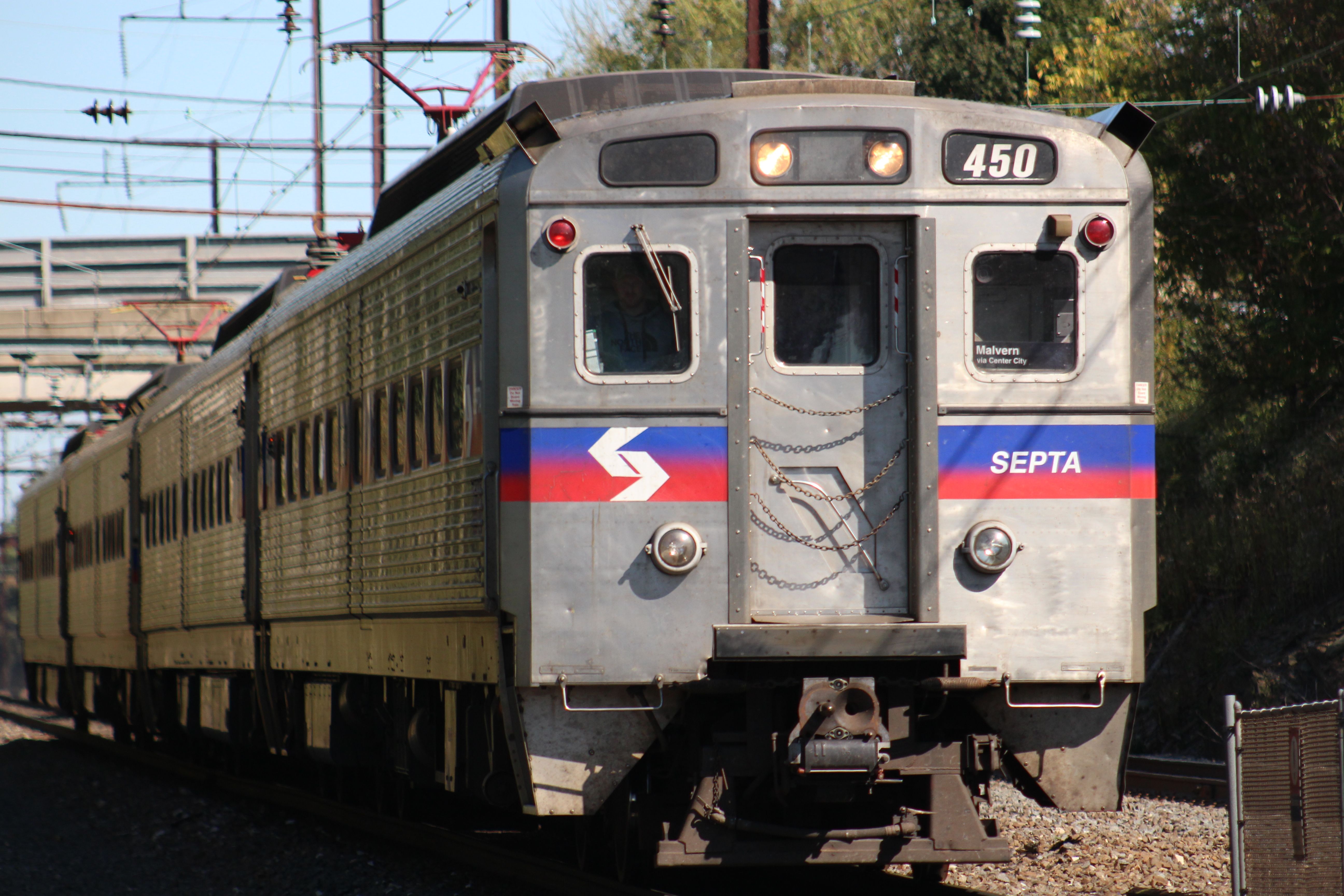
Philadelphia’s SEPTA system has made notable progress in addressing safety concerns, though challenges persist in certain areas. SEPTA Transit Police Department data showed a 34 percent decrease in serious crimes on the system during the first three quarters of 2024 compared to the same period in 2023, and SEPTA’s Transit Police reported a 34 percent decrease in serious crimes on the system during the first three quarters of 2024 compared to the same period in 2023. This represents significant improvement in the system’s safety profile.
The transit authority has implemented innovative security measures to address rider concerns. For the Southeastern Pennsylvania Transportation Authority (SEPTA), adding contracted non-armed security officers at the end of line services has helped decrease the amount of people taking shelter at transit facilities. The officers also help with patrolling the system when it’s shut down, deterring unwanted behavior. While installing operator barriers is not new, SEPTA is taking the unique approach of designing a ballistic panel for the newly retrofitted operator cabs.
Despite improvements, certain neighborhoods continue to struggle with safety perceptions. Its location near major transit routes has made it a hub for drug activity, and the crime map regularly highlights Frankford as a danger zone. The crime index shows a violent crime rate well above the national average. These geographic disparities in safety create uneven rider confidence across the system.
Denver – Addressing Drug Activity and Security Concerns

Denver’s Regional Transit District has made remarkable progress in addressing one of the most visible safety concerns affecting rider confidence. Since 2022, Denver RTD notes it has implemented dozens of tactics to reinforce its safety and security measures for customers and employees, which have not only resulted in a 30% reduction in security-related calls, but also a 65% drop in drug activity reports on average per month through late 2024. This dramatic reduction addresses a primary concern for many potential riders.
The scope of the drug activity problem had been substantial before these interventions. According to the agency, in 2023, customer reports of illicit drug activity accounted for nearly 60% of all Transit Watch app reports received by the agency. In 2023, Denver RTD says it averaged 247 customer reports of illicit drug activity per month, with 350 incidents reported in January of that year. Such high volumes of drug-related incidents significantly impacted rider comfort and system perception.
June 2024 marked the first time in more than three years that illicit drug activity was not the most frequently reported customer incident type. This milestone represents a turning point in addressing visible criminal activity that had dominated rider safety concerns.
San Francisco Bay Area – BART Safety Improvements Show Promise
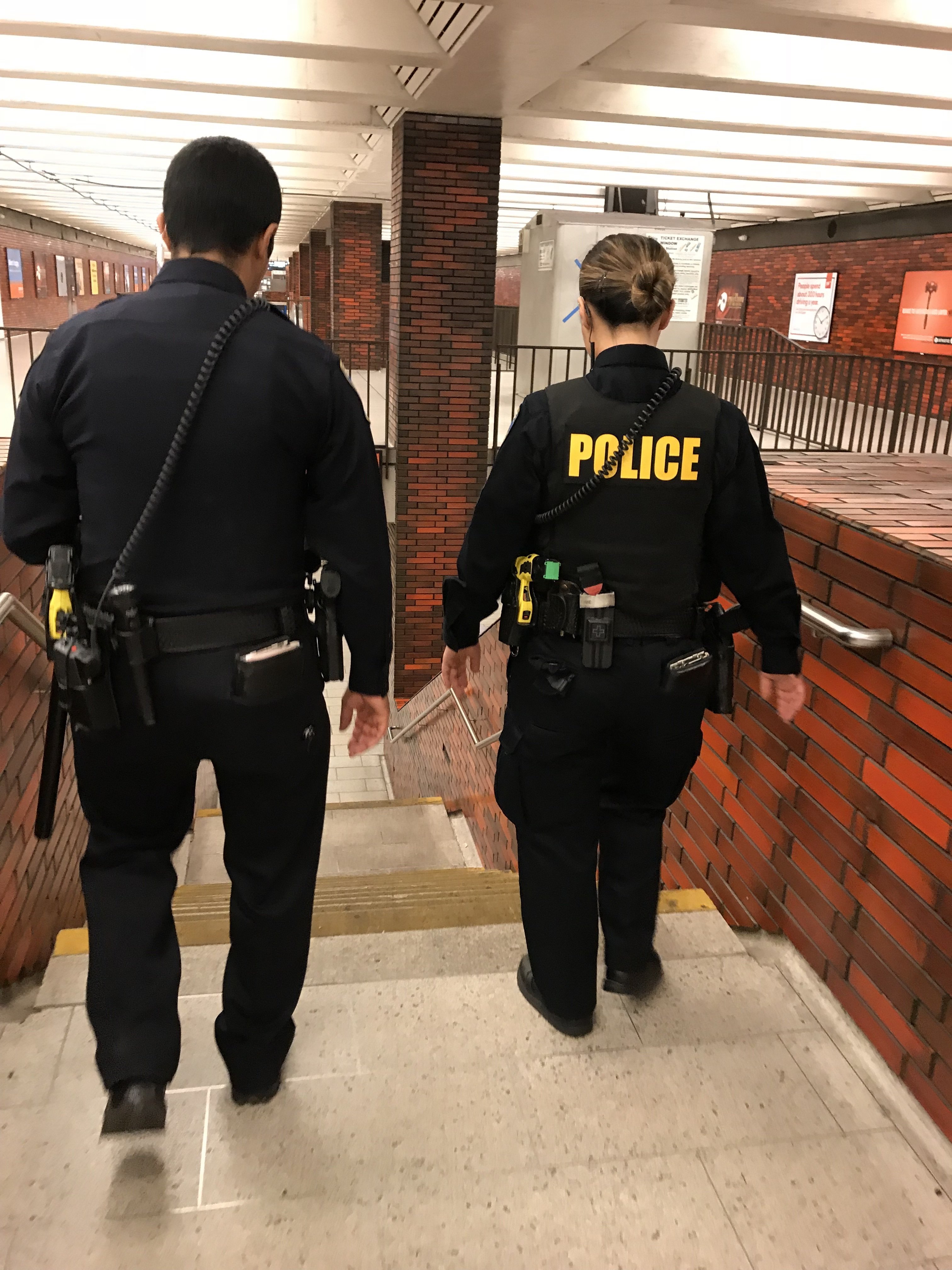
The Bay Area Rapid Transit system has demonstrated how focused safety initiatives can effectively reduce both crime and rider fears. In year-end data for 2024, made available Feb. 4, the transit agency reported the overall rate of crime incidents on BART fell 17% from 2023, with violent crimes down 11% and property crimes down 18%. These substantial reductions represent meaningful progress in addressing longstanding safety concerns.
The improvements stem from a comprehensive safety strategy implemented in response to rider concerns. In response to depressed post-pandemic ridership and surveys showing riders overwhelmingly concerned about crime and cleanliness on the trains and in stations, BART started a “Safe & Clean Plan” in the fall of 2023, doubling officer presence systemwide and shortening trains to increase police visibility. This multifaceted approach addressed both actual safety issues and perception problems.
In 2024, BART ridership reached 50.7 million, a 6.5% increase from 47.6 million in 2023. BART had 117 million riders in 2019 before the COVID-19 pandemic. While ridership recovery continues, the safety improvements have created a foundation for further growth.
Washington DC – Significant Crime Rate Reductions
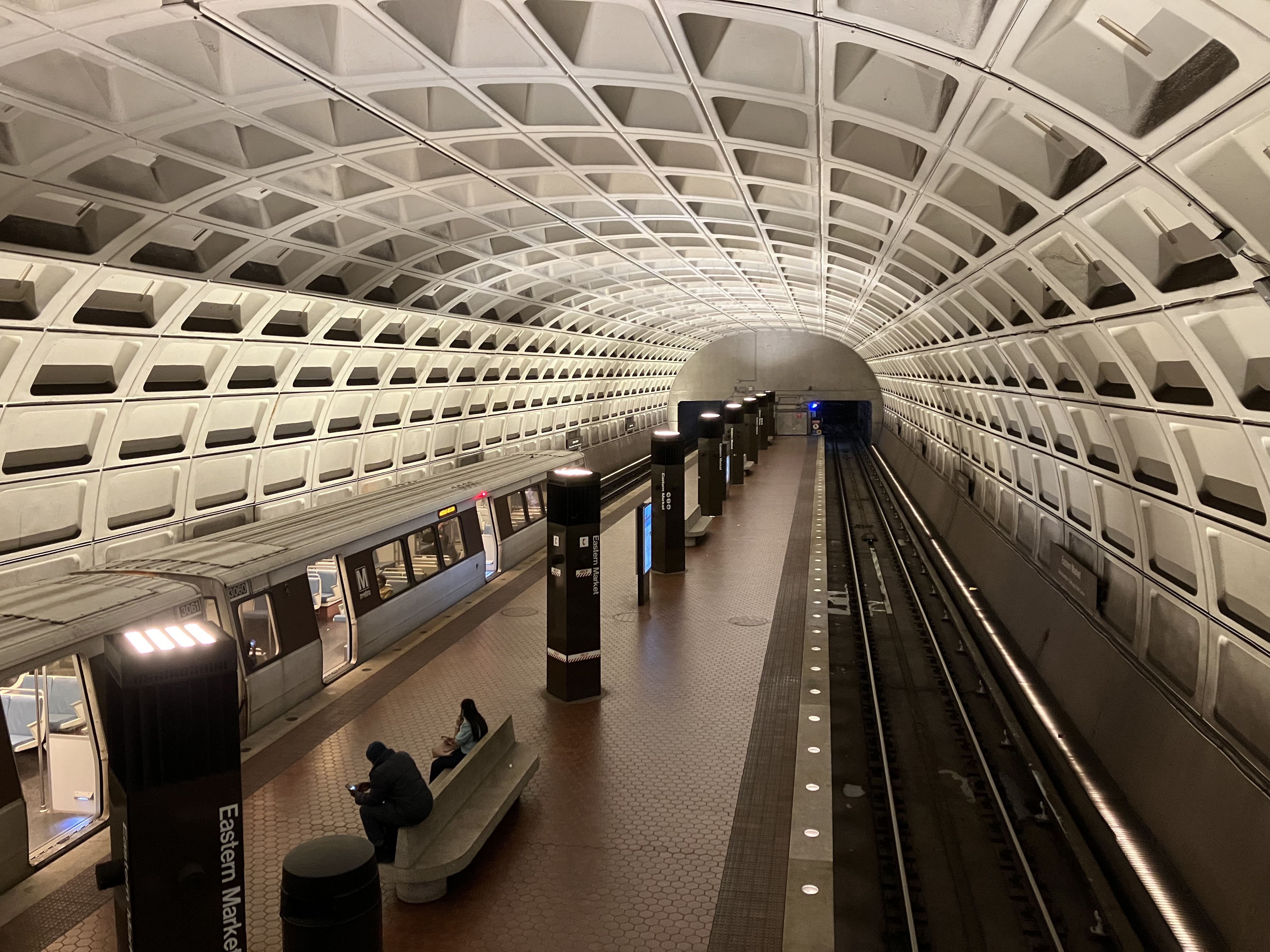
The Washington Metropolitan Area Transit Authority has achieved some of the most dramatic crime reductions among major transit systems. WMATA reports its initiative to improve safety and security contributed to a nearly 40 percent decline in the crime rate across the system in 2024. This substantial decrease represents one of the most successful safety turnarounds in recent transit history.
The system’s comprehensive approach to safety has produced measurable results in multiple areas. Additionally, increased enforcement and the use of camera surveillance by the Metro Transit Police Department (MTPD) helped achieve a case closure rate above the national average. High case closure rates help deter future criminal activity while building rider confidence in system security.
Ridership growth has accompanied the safety improvements. WMATA also reported its streak of consecutive months of ridership growth now stands at 45 months. The agency says that the nearly four years of month-over-month growth positions WMATA as the national leader in ridership recovery. This sustained growth demonstrates how effective safety measures can restore rider confidence.
Minneapolis – Balancing Crime Reduction with Ongoing Challenges
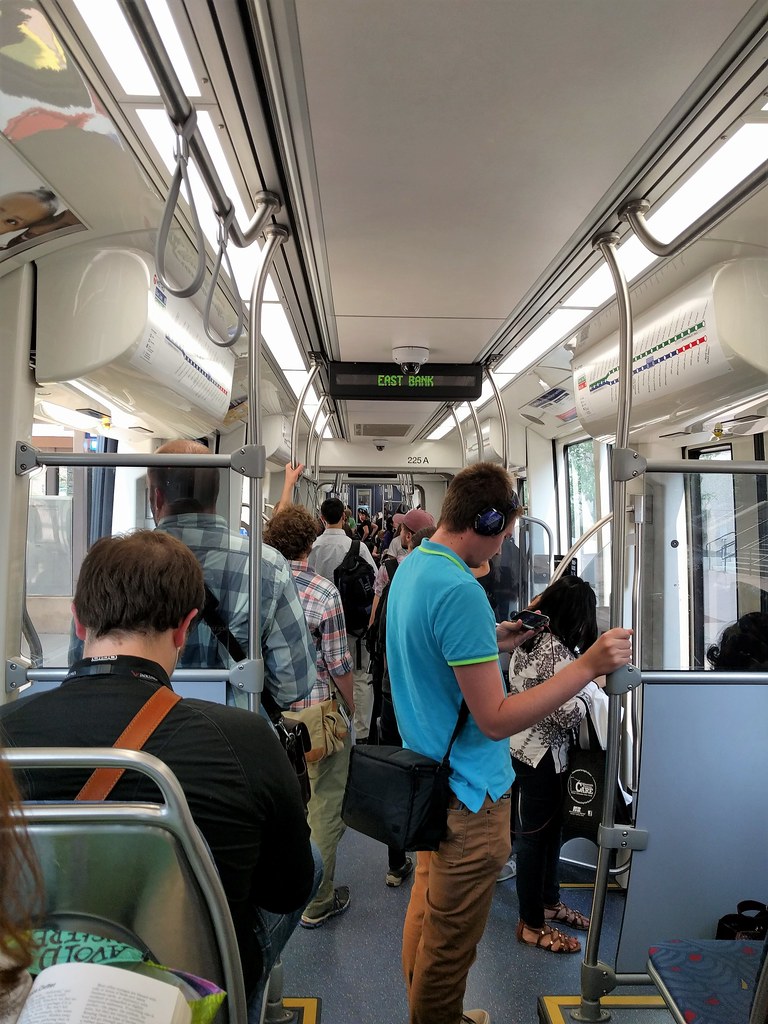
Minneapolis Metro Transit has achieved notable success in reducing crime while maintaining ridership growth. Metro Transit in Minneapolis, Minn., saw a 17.5 percent decrease in reported crime in the second quarter of 2024 compared to Q2 of 2023, while ridership increased nine percent when comparing the first half of 2024 to that in 2023. This combination of safety improvements and ridership growth represents an ideal outcome for transit systems.
The improvements extend to the most serious categories of crime. Metro Transit says the most-serious crimes, including assault and robbery, declined by 16.4 percent. Reductions in violent crime particularly impact rider perceptions since these incidents receive disproportionate attention and create lasting fears.
The year-over-year decline in reported crime comes despite the fact the Metro Transit Police Department is well short of its budgeted strength. The department currently has106 full-time officers out of a budgeted strength of 171. This success despite staffing challenges demonstrates the effectiveness of strategic deployment and community engagement approaches.
Las Vegas – Innovative Technology Solutions for Safety

Las Vegas has emerged as a leader in implementing cutting-edge technology to address transit safety concerns. Both agencies partnered with ZeroEyes, which uses artificial intelligence-based gun detection technology layered onto existing digital security cameras to monitor and alert security officials to firearms. What started as a pilot has become a full program. This innovative approach demonstrates how technology can enhance traditional security measures.
The practical effectiveness of these technological solutions has been demonstrated through real incidents. Our security team got an alert [from ZeroEyes] that there was somebody at our downtown transit terminal with a gun in their hand. It turned out it was a young man with a water pistol that looked very much like a real gun. Such systems help security teams respond appropriately to potential threats while avoiding overreaction to false alarms.
The success of technology-based security measures illustrates how transit agencies can leverage innovation to address safety fears. While traditional policing remains important, advanced detection systems provide an additional layer of protection that can reassure riders while deterring potential criminal activity.