
You sit down at a restaurant, open the menu, and everything sounds incredible. “Savory,” “succulent,” “artisan,” “house-inspired.” But here’s the thing – people who actually work in those kitchens know how to read between the lines. Line cooks, the frontline workers of every restaurant service, have seen enough prep stations to know when a menu is telling the truth and when it’s wearing a costume.
The words restaurants use to describe food aren’t just marketing. They’re clues. Some phrases are honest signals of craft and care. Others are polished smoke screens hiding shortcuts, frozen proteins, and bags of pre-made sauces. Let’s get into it.
1. “Homestyle” – The Universal Cover-Up

The word “homestyle” sounds warm, nostalgic, and comforting. It’s designed to make you picture a grandmother stirring a pot for hours. In reality, though, line cooks will tell you that this term almost never signals anything special happening back in the kitchen.
“Homestyle” is one of those phrases that essentially means nothing verifiable. It doesn’t point to a specific technique, a particular ingredient, or a regional culinary tradition. The focus of the menu matters enormously, and if it shows no real point of view or tries to please every type of diner, the food will likely be average at best. “Homestyle” is often the menu’s way of saying exactly that – we made something generic, and we’d like you to feel cozy about it.
2. “Fresh” With Zero Specifics
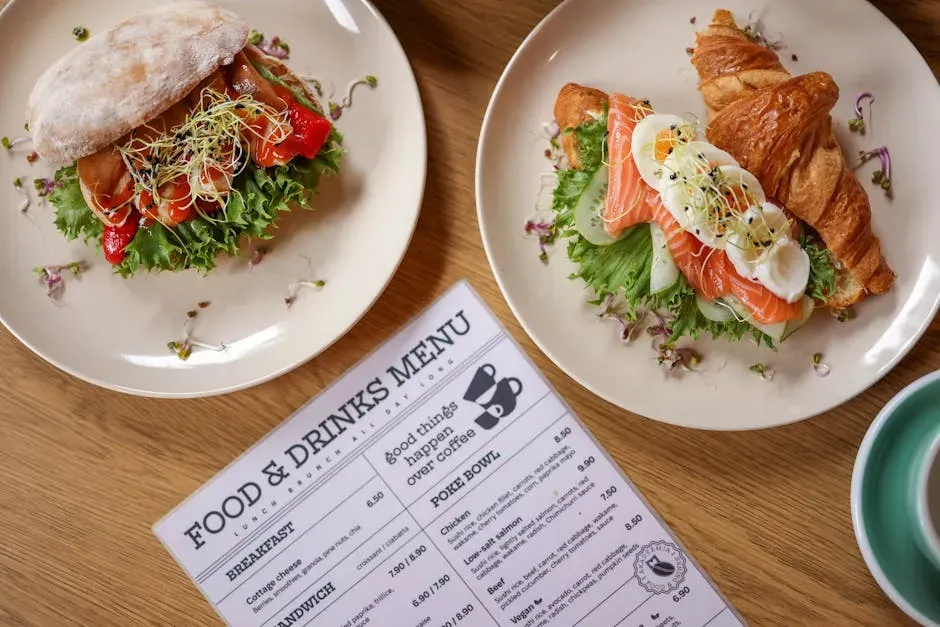
Here’s a phrase that used to mean something and has since been stretched so thin it’s practically transparent. “Fresh” appears on menus everywhere, from fast food counters to mid-range sit-down spots. It sounds reassuring, but experienced kitchen workers know it’s often placed there precisely because the kitchen has nothing more specific to say.
“Fresh” doesn’t cut it anymore. Diners want to know where their food comes from, and they want specifics. Saying “tomatoes from Pine Island” hits harder than “fresh tomatoes” and signals better value. When a menu just says “fresh” and stops there, it’s a soft warning. Restaurants with real quality sourcing don’t just say fresh – they say from where, from whom, and often at what time of year.
3. “Market Price” on More Than Just Seafood
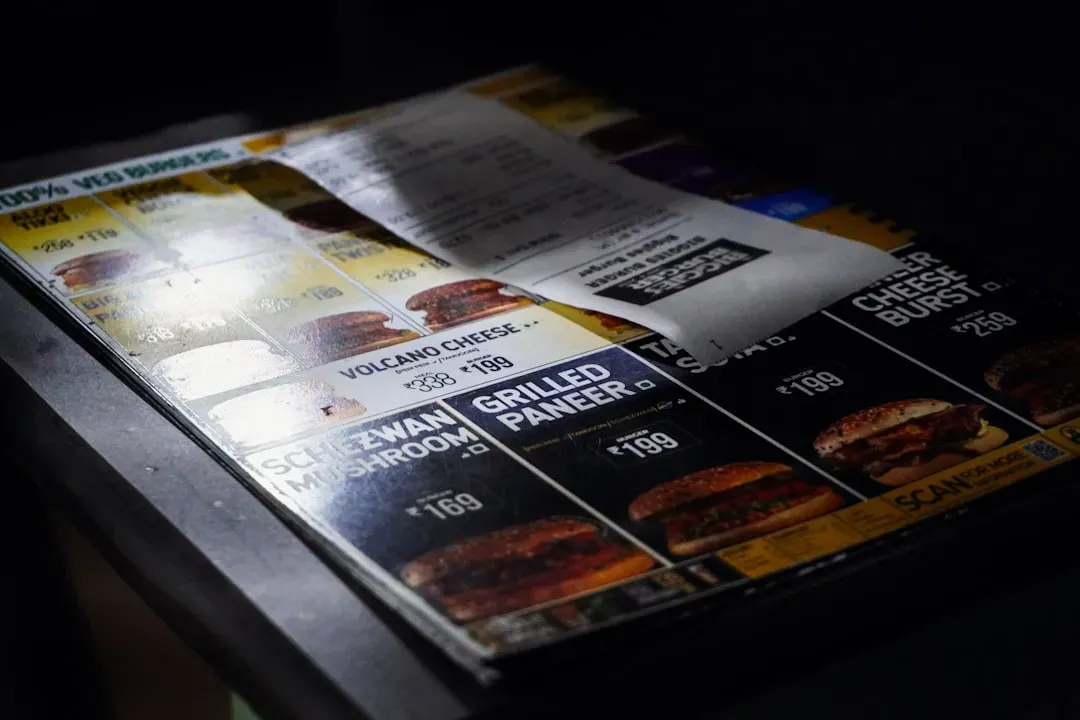
Seeing “market price” next to a lobster tail? Totally understandable. Seeing it next to chicken, steak, or a vegetable-based dish? That’s a different story. Line cooks tend to raise an eyebrow when this phrase wanders beyond the seafood section, because it often signals unstable supply chains or food that the kitchen isn’t fully committed to sourcing consistently.
Restaurants that really know their ingredients lock in supplier relationships and price their menus accordingly. When “market price” shows up too liberally, nearly half of diners reconsider their order when menu prices feel unclear or unjustified. When pricing is not supported by context, imagery, or clear descriptions, guests hesitate. That hesitation, honestly, is probably the right instinct.
4. “Cooked to Perfection” – A Promise Nobody Can Keep
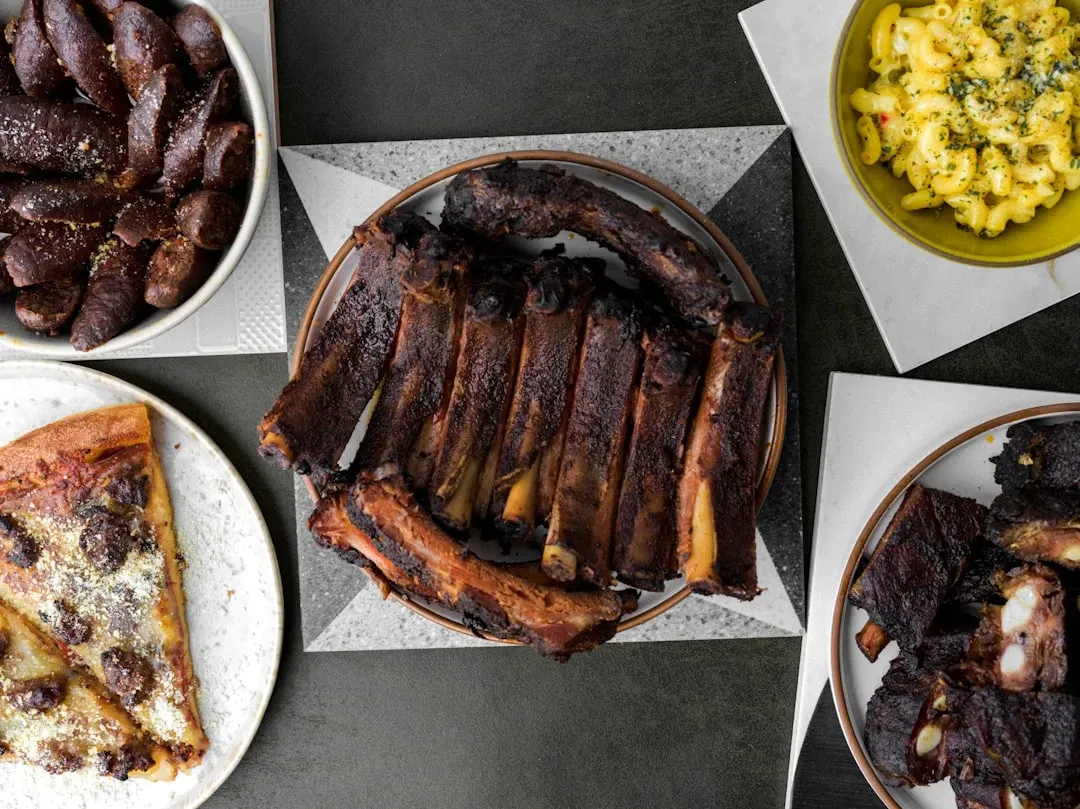
This phrase is practically a culinary cliché at this point. Think of it like a movie trailer calling every film “the most thrilling ride of the year.” It sounds good, it promises a lot, and it tells you almost nothing. Line cooks tend to cringe at this one because real quality doesn’t need to announce itself this way.
An analysis of customer reviews throughout 2025 found that customers were increasingly questioning the value of restaurant menu items due to poor food quality, with numerous complaints about items looking very different from how they were advertised, poor assembly, or overcooked and undercooked ingredients. “Cooked to perfection” is the menu version of overpromising. Kitchens with actual standards let the plate speak.
5. A Menu That Tries to Do Everything
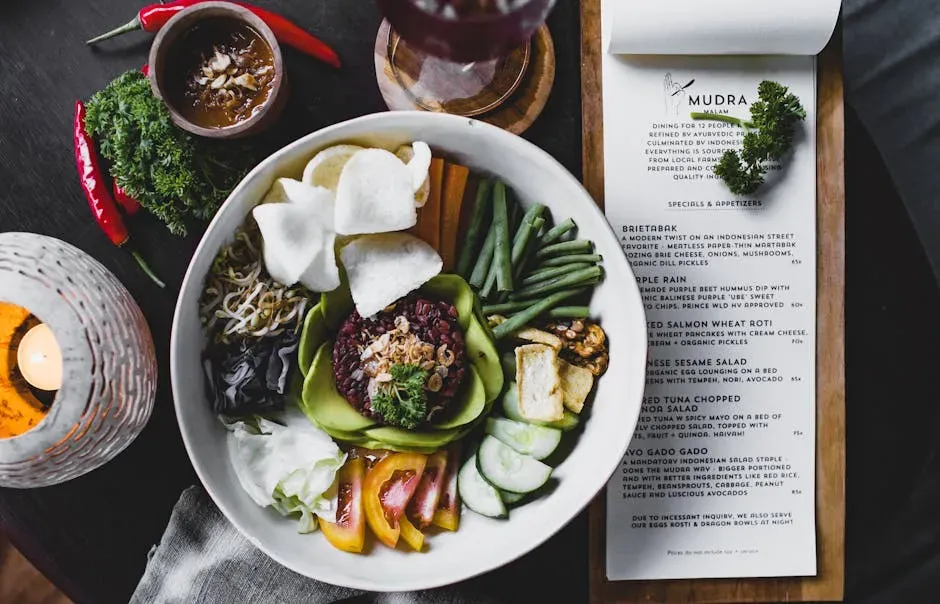
This isn’t a single phrase so much as a pattern of phrases – burgers next to sushi next to pasta next to “authentic” Indian curry next to a full steakhouse section. When a menu reads like the entire world of food crammed into one laminated page, experienced cooks see it as a red flag almost immediately. No kitchen can do all of those things well at the same time.
Dishes that don’t seem like they belong together can be a red flag. If you go to an Italian restaurant and see that they also serve Indian dishes, you might wonder how authentic either cuisine really is. This overreach usually means relying on pre-made or frozen components to manage such a wide variety. Smaller, more focused restaurant concepts are scaling faster than bloated legacy brands, and there’s a reason for that.
6. “Chef-Inspired” Instead of “Chef-Made”
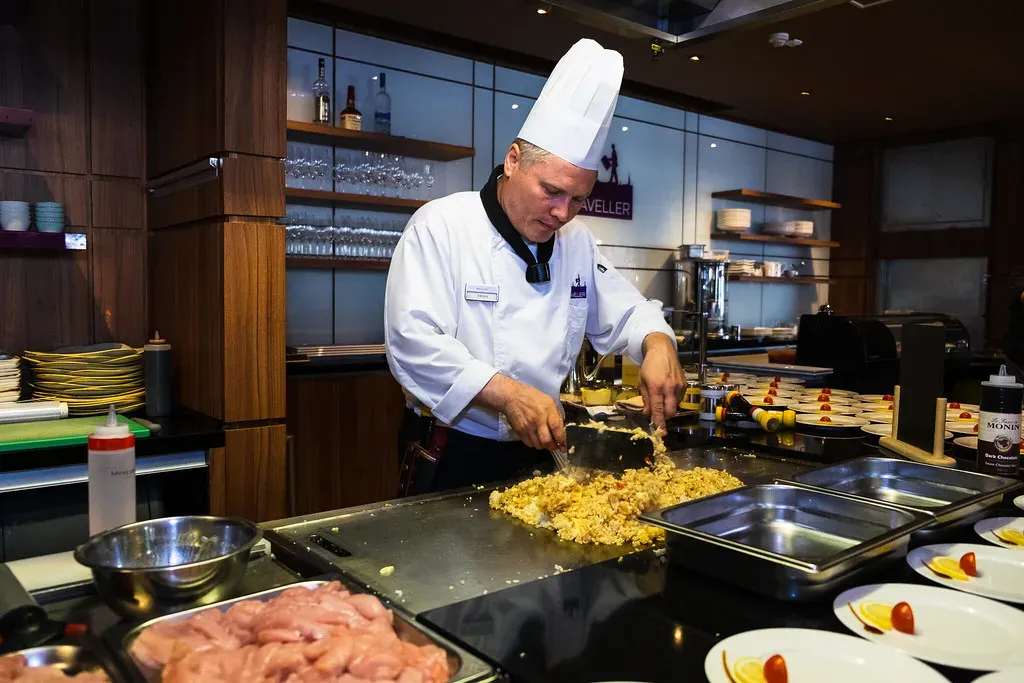
This one is subtle. Genuinely subtle. “Chef-inspired” sounds almost like a compliment to the kitchen team, but look closer. It’s not saying a chef made this dish. It’s saying something inspired by a chef’s idea was produced – possibly by a commissary kitchen miles away, possibly from a manufacturer’s recipe packet, possibly reheated. Line cooks who’ve worked in chains know the difference.
Inspiration is a creative concept, not a cooking process. Guests want to know what is in their meal, where it came from, and they want genuine value, not just discounted prices. A menu that uses “chef-inspired” rather than specific chef credits or kitchen-made claims is making a deliberately softer statement. Read it for what it is.
7. “Slow-Roasted” or “Slow-Cooked” Without Context
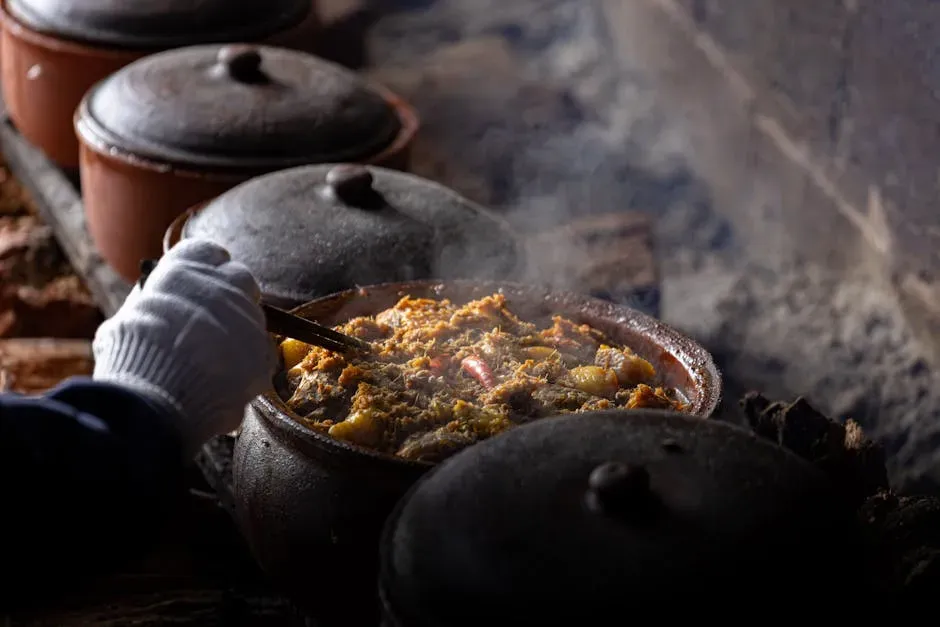
Slow cooking is a legitimately beautiful method. Done right, it transforms tough cuts into something extraordinary. The problem is that “slow-roasted” has become a phrase plastered on menus so broadly that it no longer reliably means anything. In some kitchens, it means hours of careful preparation. In others, it means a machine did it overnight and nobody touched it this morning.
Line cooks in fast-casual or mid-level casual-dining environments will tell you that “slow-cooked” proteins are sometimes batch-cooked on Sundays and then reheated throughout the week. In the restaurant business, “dying” is a term that refers to food and drinks that have sat around for too long and lost their quality, usually due to heat or water. The back of house includes the kitchen, storage areas, and other workspaces where chefs, cooks, prep staff, and dishwashers primarily operate. When slow-cooked food has been sitting in that back of house since Sunday, the menu phrase starts to feel like a stretch.
8. “Signature” Slapped on Too Many Items
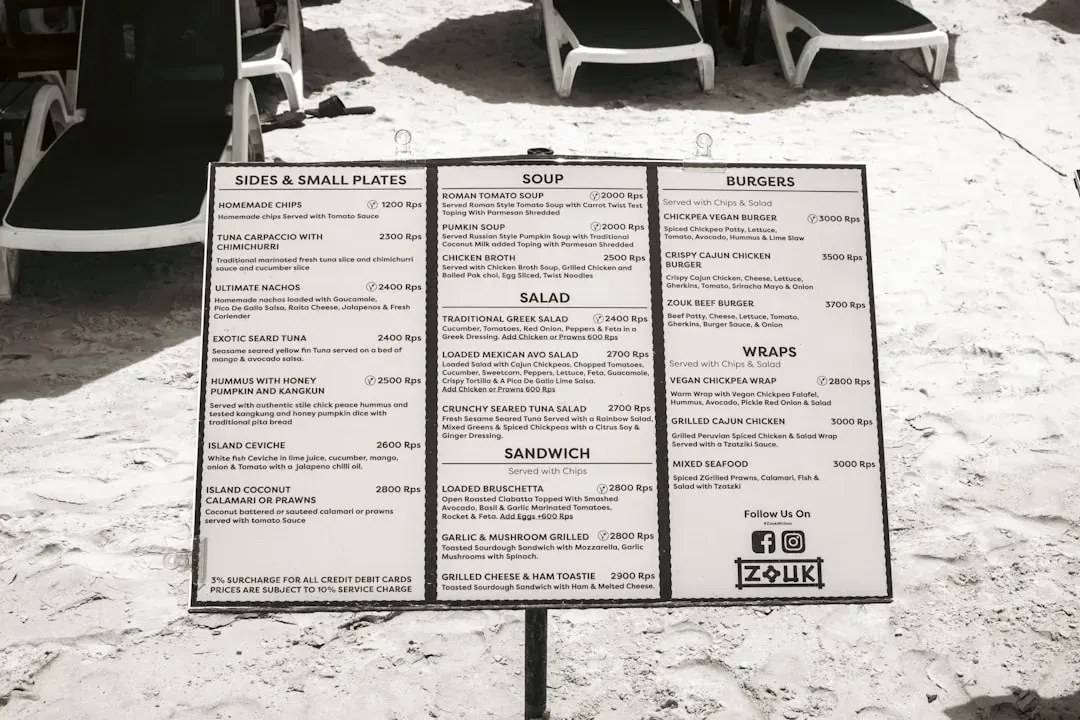
Every restaurant has a signature dish or two – those are the things they genuinely do better than anyone else. When you scan a menu and notice that roughly a third of the items are labeled “signature,” something has gone wrong. Line cooks know that having fifteen “signature” items basically means having none.
Ever scan a menu and feel like the portions shrink as the adjectives grow? Restaurants love stylish language, and sometimes those words quietly signal a tinier plate with a prettier presentation. “Signature” is part of that language trick – it inflates perceived value without necessarily changing what’s in the pot. According to Menu Matters’ survey of consumers, the overriding need state for consumers in recent years has been genuinely new and distinctive offerings, not recycled adjectives rebranded as exclusive.
9. “Award-Winning” With No Award in Sight

You’ve seen it. “Award-winning chili.” “Award-winning ribs.” Sometimes there’s a tiny trophy icon next to it. But which award? From whom? In what year? Line cooks who’ve worked in enough kitchens will tell you that “award-winning” claims rarely come with context, and the more obscure the supposed accolade, the more skeptical you should be.
A restaurant prioritizing some silly gimmick over the quality of food and dining experience isn’t a new phenomenon. An “award-winning” label without any verifiable citation is essentially the menu’s version of dressing up in a costume. Ultimately, consumers want food that feels worth it, and in 2026, we’ll see restaurants strive to deliver quality that actually matches the hype created by advertising. If the food is genuinely great, it doesn’t need a mystery trophy on the menu to remind you.