There is a whole world happening on the other side of that kitchen door that most diners never see. The sizzle of the pans, the shouted tickets, the heat. We sit at our tables and casually place an order without a second thought, while back there, a small crew of people is already trying to keep fifteen things moving at once. Some orders glide through the kitchen like a breeze. Others? They quietly bring everything to a crawl.
It turns out, there are specific things customers order or request that knock the entire rhythm of a kitchen sideways. Some of them are completely innocent. Some are genuinely baffling. All of them, according to restaurant staff, carry a secret weight that you’d never guess from your seat at the table. Let’s dive in.
1. The Well-Done Steak
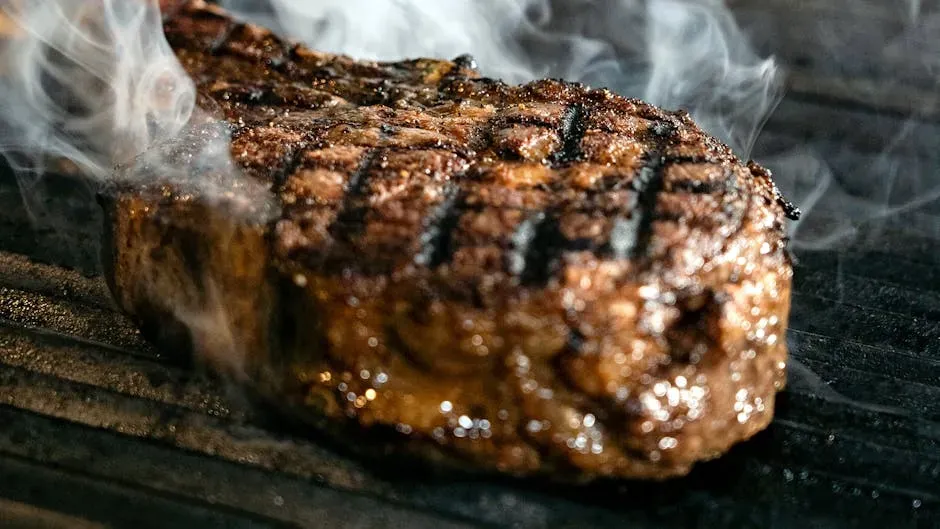
Here’s the thing about a well-done steak – it is not simply a steak cooked a little longer. It is a fundamentally different challenge. A well-done steak is cooked to 165 degrees Fahrenheit, with no pink center whatsoever, and as it gets hotter, the muscle fibers harden and the juice leaches out, causing the meat to turn tough and dry. Getting that balance right, where the steak is fully cooked but still edible, demands real skill from the cook on the line.
Boston-based chef Paul Booras of Tavern in the Square told Eater that cooking a well-done steak without drying it out is the ultimate test of a chef’s skill. That sounds like a compliment to well-done enthusiasts, but in a busy kitchen juggling dozens of other tickets, that kind of extra focus is genuinely disruptive. According to Longhorn Steakhouse data, roughly one in eight customers orders their steak cooked well done. Not a rare request at all, which means it lands on the line regularly.
2. Off-Menu Custom Creations
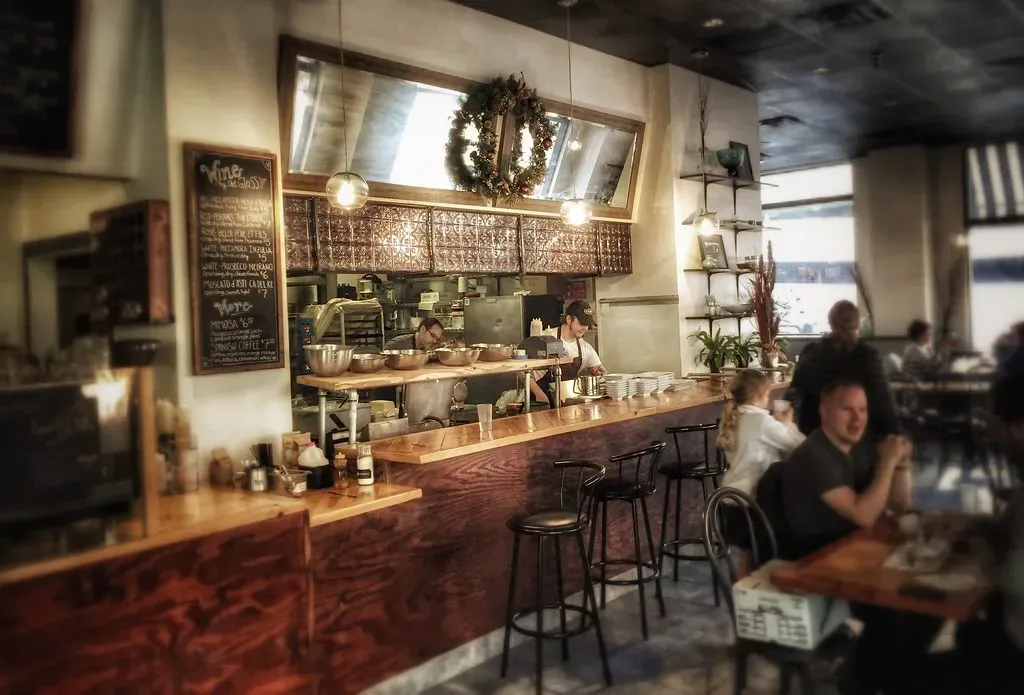
Some customers see a menu as more of a suggestion. They’ll scan the items, identify ingredients they like across five different dishes, and then ask the server to relay a custom order that doesn’t technically exist. It sounds harmless from the customer’s side. From the kitchen’s perspective, it is a disruption with no clear playbook.
Restaurant workers have recalled how local regulars who ordered off-menu always did it for show – a power move designed to let others know how important they thought they were. One steakhouse on a busy Friday night would receive requests for something like an omelet. It wasn’t impossible, but rather deeply inconvenient. A ticket with six modifications, three substitutions, and two allergy cross-contamination protocols demands a level of individual focus that, in a kitchen processing dozens of simultaneous orders, can bring the whole flow to a grinding halt.
3. Allergy Requests That Arrive at the Table, Not Before
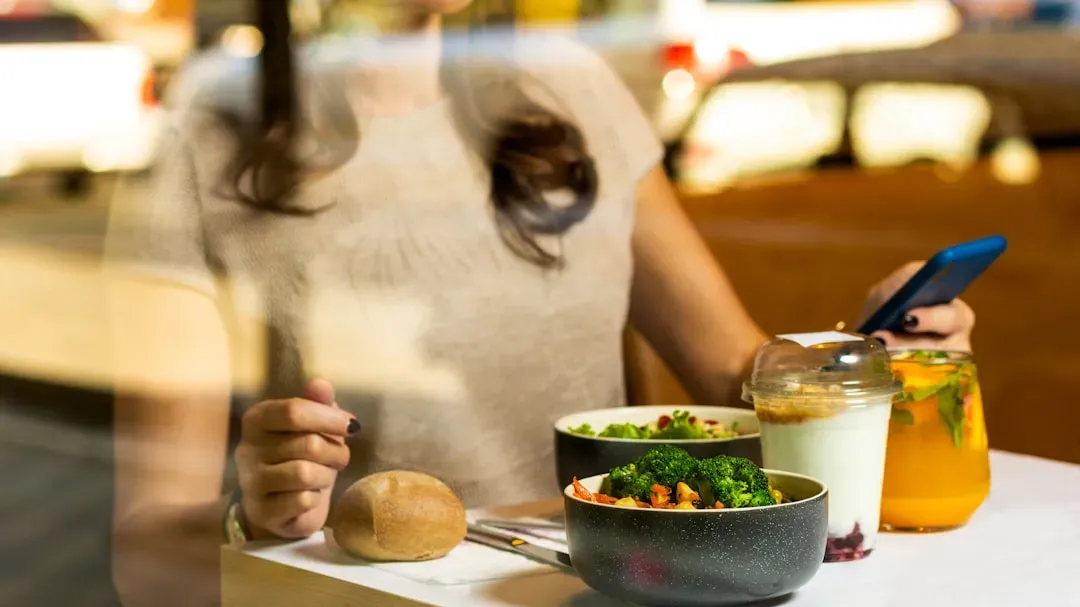
Let’s be real: genuine food allergies are serious business and kitchens want to get them right. Food allergies affect an estimated 15 million people in the United States and are responsible for approximately 30,000 emergency department visits each year. That number demands respect, and most kitchen staff take it seriously. The problem is when the allergy gets mentioned after the order has already been placed, or worse, after the food has already been prepared.
When a food allergy is flagged properly, chefs prepare the dish in a separate area of the kitchen using separate knives and chopping boards to reduce cross-contamination, then clearly mark the dish before it goes out. That entire process takes time, space, and deliberate attention. Dining during busy times makes things significantly harder because it’s more difficult to speak to the manager or chef, and kitchen staff is simply more likely to make a mistake when things are hectic. A last-minute allergy flag during peak service is genuinely stressful.
4. Heavily Modified Salads
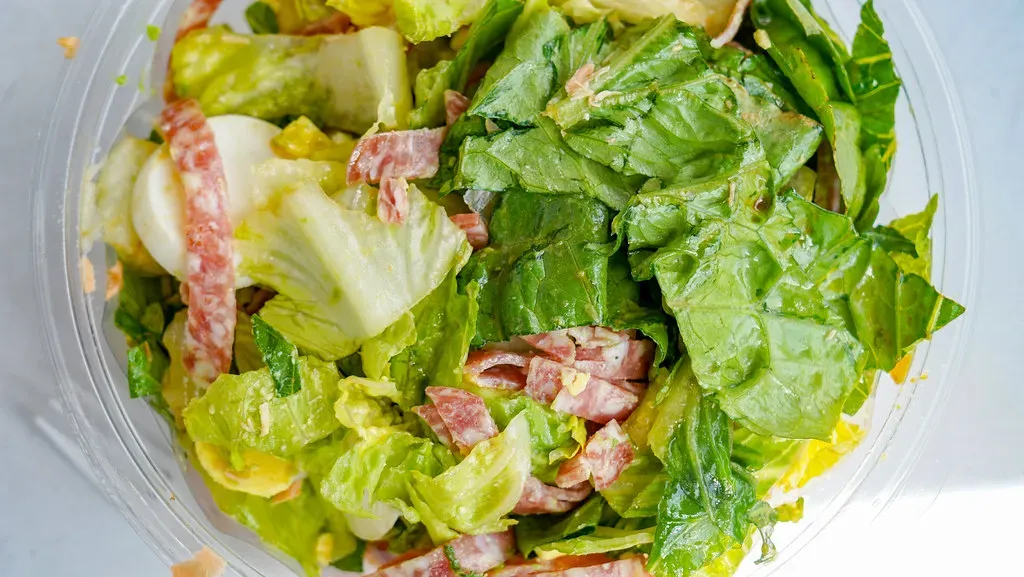
Salads look effortless. They’re cold, they’re fresh, and nobody is standing over a flame making them. Honestly, this makes most people assume they’re the “easy” order. That assumption is wrong. On the line during busy nights, making salads is particularly taxing because customers often modify them in ways that are easy to get wrong if your focus slips for even a split second.
Think about it like trying to build a sandwich for someone who wants the bread, but not that bread, the lettuce but not that lettuce, no croutons but can they get extra nuts, and actually, can you just hold the dressing until the side. Every substitution is a chance for the ticket to go sideways. In a fast-paced environment, small miscommunications result in incorrect orders, which wastes time and resources, leading to bottlenecks, errors, frustration, and longer wait times for everyone.
5. The Soufflé
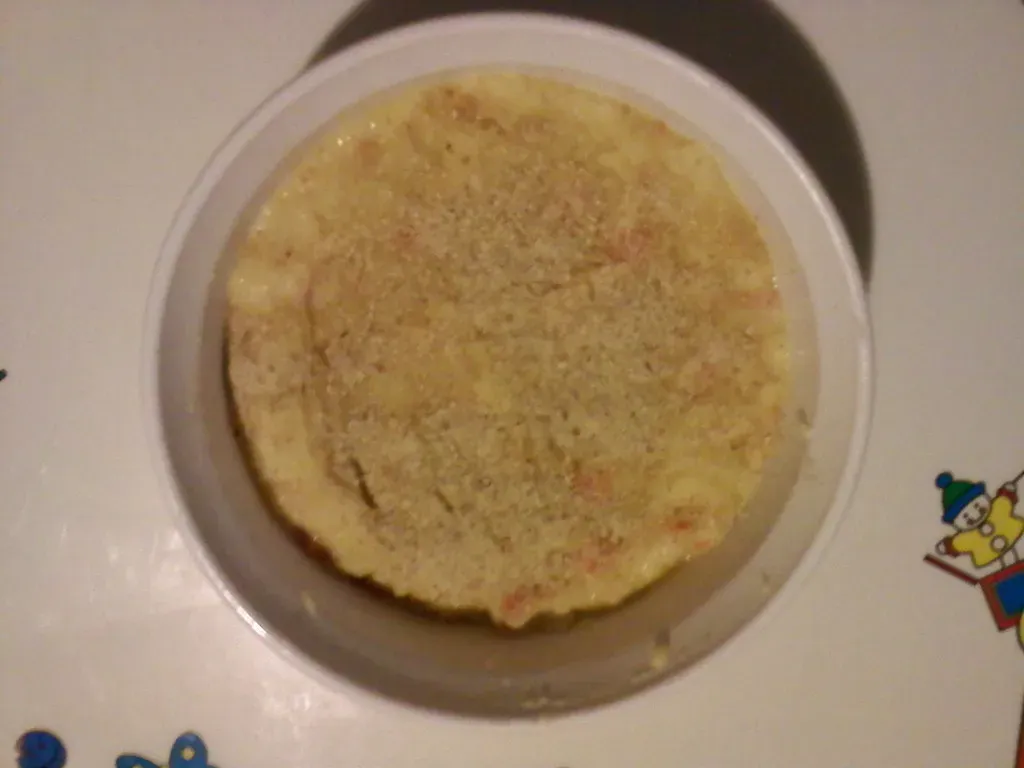
There are a handful of dishes in the culinary world that are simply unforgiving by nature, and the soufflé sits right at the top of that list. The process alone is extraordinary: the crème pâte has to warm over a double boiler while a fresh meringue is hand-whipped simultaneously. Once the crème is warm, there are roughly three minutes to fold in the whites, fill the molds without touching the edges, then bake for three minutes, rotate, and cook for two more. One wrong move and the whole thing collapses.
It is the culinary equivalent of defusing a bomb while someone is tapping on your shoulder. Soufflés are consistently flagged by chefs as among the most dreaded items to produce, always tricky no matter the skill level of the cook. Orders for them during a busy dinner service require the kitchen to essentially stop and give one dish its own dedicated timeline, while every other ticket keeps piling up.
6. Oysters on the Half Shell
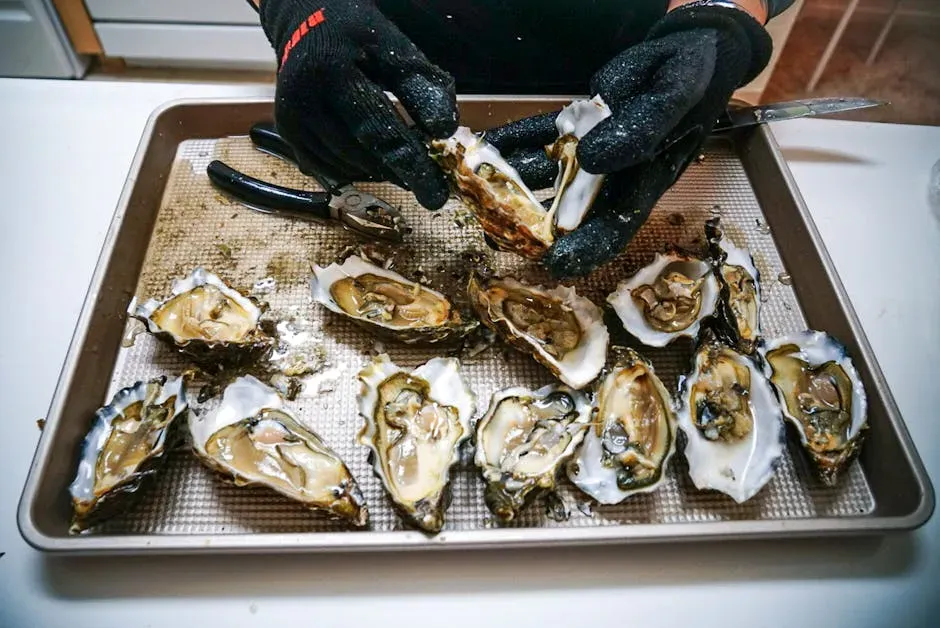
Oysters are elegant, simple, and very much a staple on upscale menus. What diners rarely consider is how they actually get to the table. Shucking oysters is repetitive, difficult, and dangerous. They cannot be done in advance, which makes it remarkable they’re on the menu at all. Every single oyster has to be pried open fresh, right before it hits the table, during the exact same window when the kitchen is drowning in other tickets.
Picture a line cook attempting to muscle open a dozen oysters with a shucking knife while simultaneously keeping an eye on three other dishes. It is genuinely one of those orders where the customer’s experience at the table and the chaos in the kitchen could not be further apart. Experienced chefs themselves avoid raw shellfish at restaurants that look half-empty, especially early in the week, because they understand how freshness and turnover intersect with quality.
7. Last-Minute Closing Orders
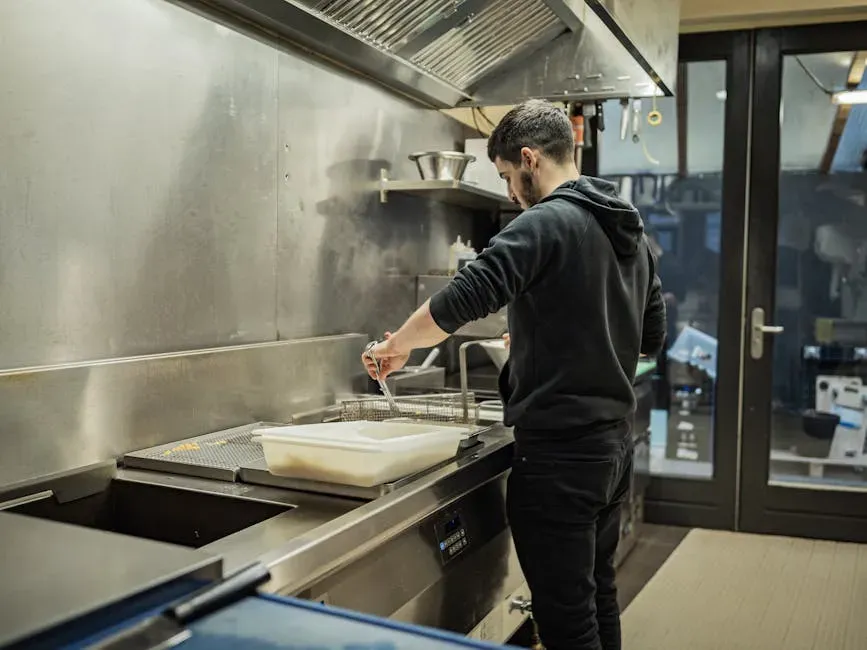
Restaurants run on efficiency, timing, and the fragile hope that no one orders a well-done steak five minutes before closing – and that last part is only half a joke. When a table walks in right as the kitchen is winding down, stations are being broken down, prepped ingredients are being stored, and the crew is already mentally clocking out. It is the restaurant equivalent of someone asking you to redo three hours of work right as you’re shutting down your computer.
A complicated order at closing time requires someone to literally reassemble parts of the kitchen setup, while servers are already pushing through sidework like restocking stations, sweeping, and shutting down the till. Burnout is a growing concern in the restaurant industry, and long shifts with high-pressure environments and minimal recovery time easily drain staff members. That late-night table at closing hits especially hard in that context.
8. The Repeated Send-Back
Sending a dish back for repeated reheating creates what kitchens call a “dead ticket” – an order that is alive but not moving, eating up time and attention when there are fifteen other tables waiting. It is one of those invisible costs that guests never see. The table that sends the soup back twice doesn’t realize they’ve just pulled a cook’s attention away from five other dishes.
Restaurant diners grow impatient after about fifteen minutes of waiting to be served, and every re-fired dish chips away at that window for everyone else in the dining room. The math is simple. One dissatisfied send-back becomes a cascading delay for the whole kitchen. It is worth mentioning that legitimate complaints should always be raised – but repeated reheating of the same dish without a clear reason is something kitchen staff consistently name as one of their biggest stressors during service.
9. Fake or Exaggerated Allergy Claims
This one is particularly frustrating for kitchen staff, and honestly, it has real consequences beyond simple inconvenience. Fake allergy claims are frustrating to all kitchen staff, and in the end, they are hurting the people who have valid allergies. Fake allergies make it impossible for the chef to tell who is legitimately at risk. Every false flag forces the kitchen to dedicate serious resources to a precaution that didn’t need to happen, while eroding trust in future genuine claims.
Research across multiple studies found that only roughly a quarter of surveyed restaurant personnel indicated their kitchens had fully implemented secure protocols to meet special dietary needs. That means kitchens are already stretched thin when it comes to properly handling real allergy situations. A 2024 survey of chefs found that roughly four in ten reported seeing an increase in customer-specific dietary requirements, continuing a long-term trend that shows no sign of slowing. When those claims are legitimate, the kitchen rises to the challenge. When they’re not, it drains an already overburdened team.