
There is something almost magical about the words of a grandparent. They land softly, without pressure, without agenda. You might be eight years old, half-listening over a bowl of soup, and yet decades later those exact words rise to the surface in a moment of crisis, a crossroads, or even just a quiet Tuesday afternoon.
Grandparents are not just babysitters or holiday companions. They are, in ways science is only now beginning to fully understand, architects of who we become. And the things they say, the small, unremarkable phrases woven into ordinary days, turn out to be some of the most powerful forces in a person’s life. Let’s dive in.
1. “We Come From Strong People”
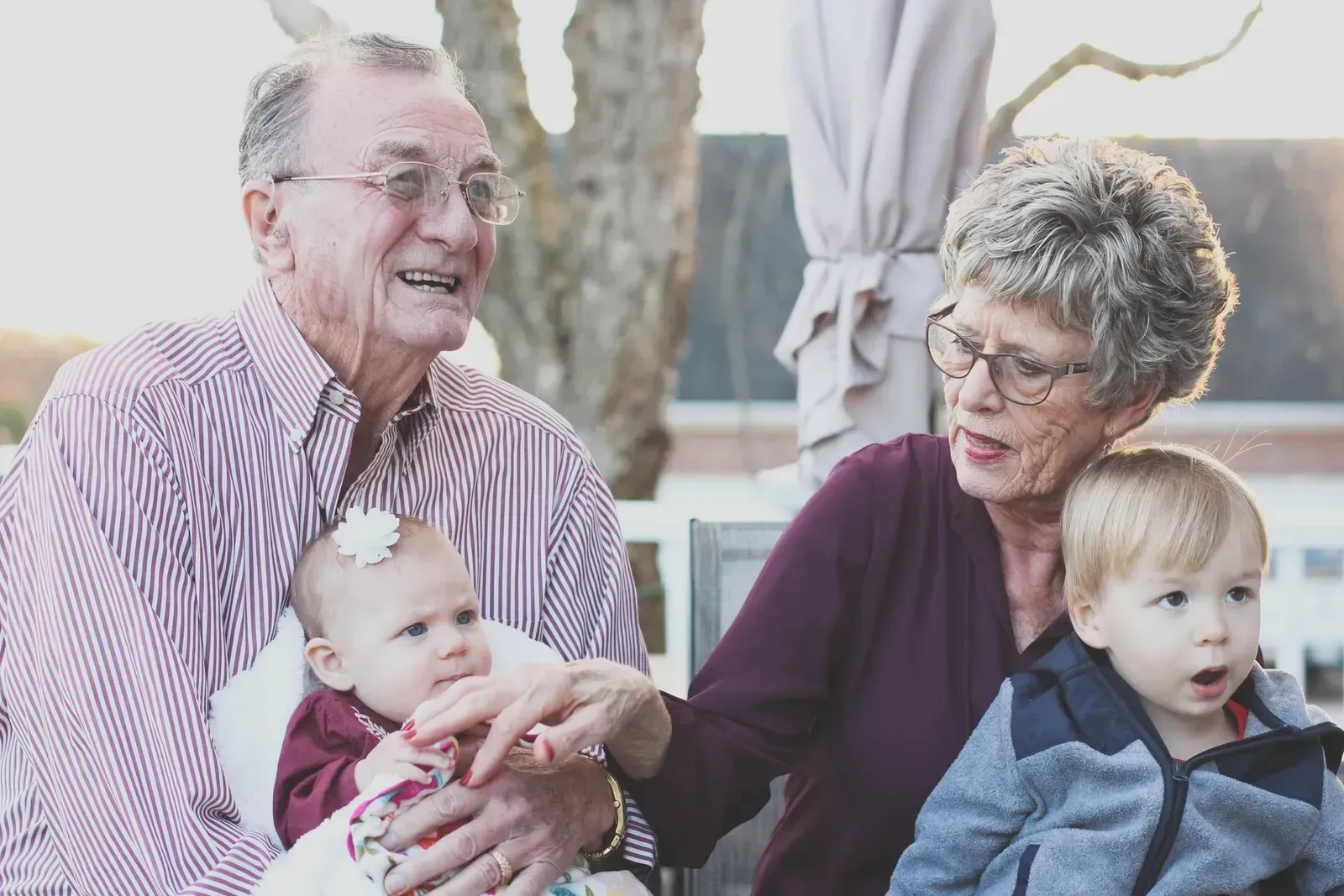
This might sound like a throwaway comment, something muttered at the kitchen table while flipping through an old photo album. Honestly, most kids probably roll their eyes at it. Still, it plants something deep and durable.
Grandparents help teach family culture, tradition, and history. They play a pivotal role in passing down cultural values, rituals, and customs, enriching their grandchildren’s sense of identity and belonging. That sense of a lineage, of being connected to a chain of people who survived hard things, becomes a quiet source of courage when life gets difficult.
Studies show that children who understand their family history and community roots cope better with stress and social challenges, because they know where they come from and who stands beside them. It is a remarkably simple gift. A few words about ancestors can act like emotional armor for the next generation.
2. “You Don’t Have to Be the Best. You Just Have to Try”
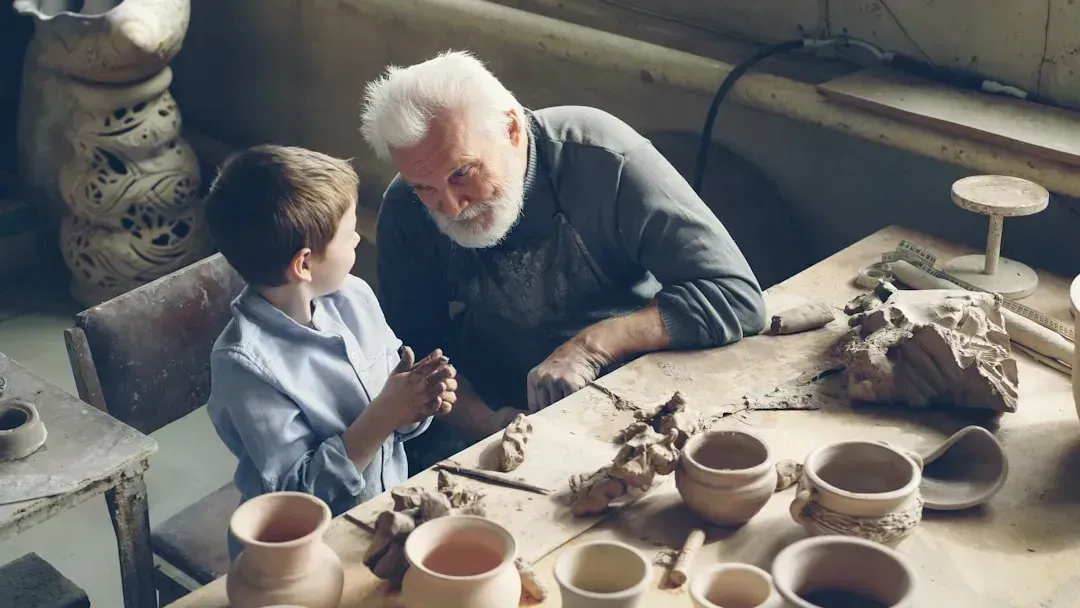
Parents, bless them, are often too close to the pressure. They want their kids to succeed. Grandparents have that beautiful distance. They’ve already watched decades of life unfold, and they know that effort outlasts talent almost every time.
When grandparents work hard, even if retired, they demonstrate a strong work ethic. By showing love for one another and encouraging, helping, and learning together, grandparents exemplify how to build a happy and enduring marriage. The message does not always arrive in a lecture. Sometimes it arrives through observation, watching a grandparent persist quietly through a garden or a woodworking project without making a big deal out of it.
One review found that self-perception, self-control, social skills, resilience, and coping in childhood were predictive of fewer symptoms of mental distress and greater life satisfaction in adulthood. These are not abstract concepts. A grandparent saying “just try” is literally nudging a child toward better mental health outcomes decades down the line.
3. “Sit Down. Let Me Tell You About When I Was Young”
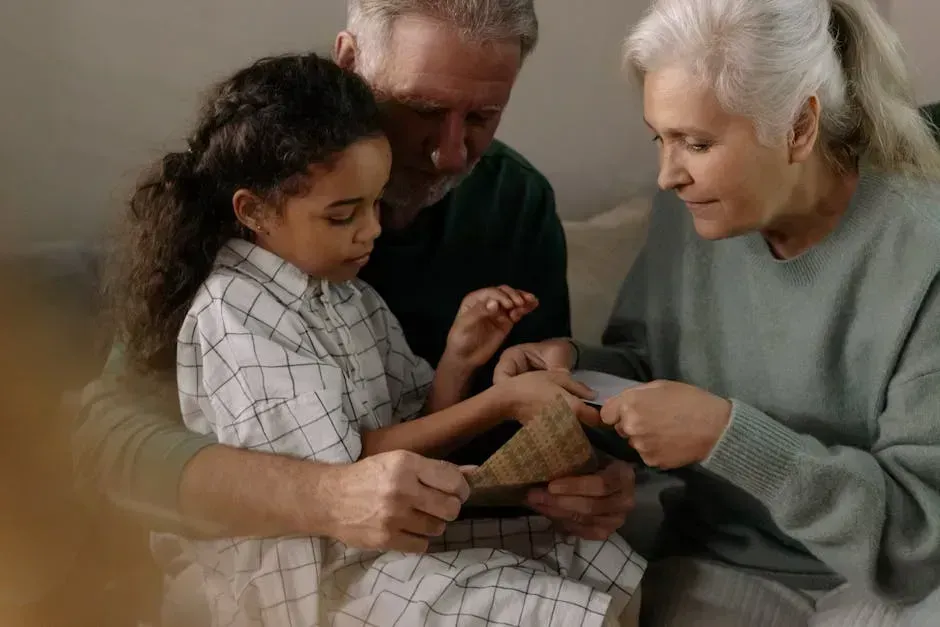
Here’s the thing about grandparent storytelling. It is wildly underrated as a developmental tool. Children are wired to absorb narrative. When a grandparent sits down and describes what life looked like sixty years ago, something extraordinary happens in the brain.
Grandparents are generally the main storytellers for children. It is observed that grandparents have a larger effect than parents on children’s vocabulary skills. Listening to such stories broadens children’s horizons. This is not just charming. It is genuinely educational in a way no screen can replicate.
Grandparents often have the opportunity to share their knowledge, wisdom, and family traditions with their grandchildren. Such early experiences strengthen a grandchild’s self-esteem and reinforce beliefs, norms, and values while creating opportunities to explore identity in the context of one’s family. And those stories, often told casually without fanfare, become a child’s internal compass for understanding what kind of person they want to be.
4. “You Are Loved No Matter What”
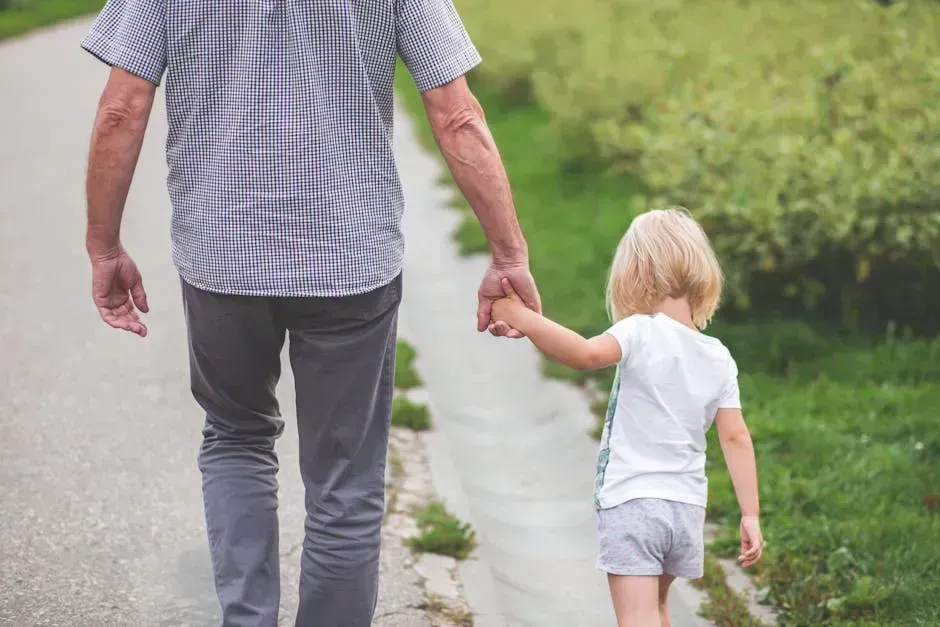
This is the one that hits hardest when you are an adult looking back. Think about it. Parents love unconditionally too, of course, but their love is often tied up in worry, boundaries, and daily discipline. A grandparent’s love tends to arrive without those strings attached.
Research tells us that the bond between grandparent and grandchild is second only to the bond between parent and child. Kornhaber calls this bond “clear love,” love with no strings attached. That clarity, that sense of being loved without needing to earn it, is foundational for a child’s developing sense of self-worth.
Studies show that children who are close to their grandparents exhibit fewer emotional issues and lower levels of depressive symptoms. Grandparents offer something unique: unconditional love without the burden of day-to-day discipline. Children internalize this. Long after the grandparent is gone, that internal voice of unconditional acceptance tends to stay with them. I think that is one of the most profound things a human being can give another.
5. “Be Kind. That Is All That Matters at the End”
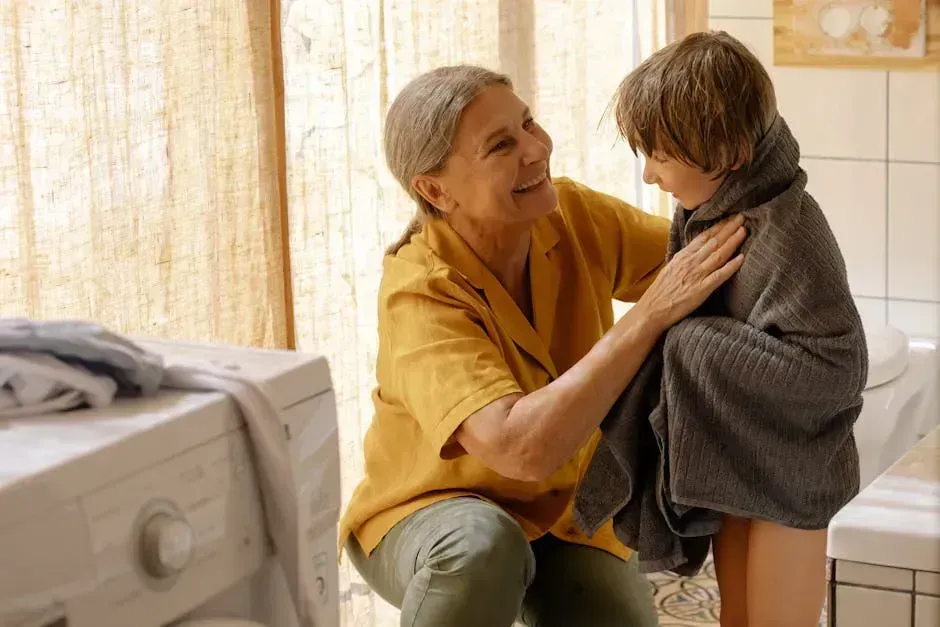
Grandparents have usually outlived enough people and outlasted enough conflicts to know what truly matters. So when they say something about kindness, it carries the weight of genuine experience. It is not idealism. It is evidence-based wisdom from someone who has seen what the world rewards and what it does not.
Modeling kindness and compassion in everyday life teaches children how to treat others. Whether it’s showing respect to a store clerk, helping a neighbor, or talking about others with empathy, these moments shape a grandchild’s understanding of how to move through the world. The beauty of this is that grandparents model it, not just say it. Children notice.
Most children are very observant and will imitate what they see adults do. Grandchildren can learn good morals and values by observing what grandparents say and how they act. It is like learning a language by immersion. The lesson absorbs into the child’s instinct before they even realize it has happened.
6. “Hard Times Don’t Last”
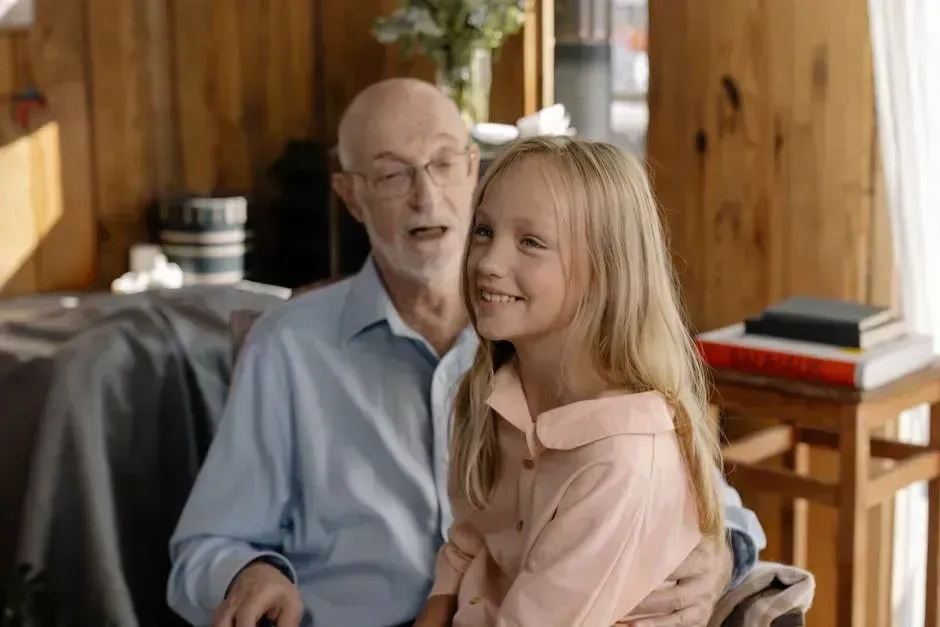
When a grandparent says something like this, the child may not fully grasp it in the moment. Let’s be real, a nine-year-old who is upset about something does not immediately find comfort in historical perspective. However, that phrase has a way of surfacing later, at exactly the right moment.
Due to longer life expectancies and age-related socioemotional strengths, grandparents are well-positioned to play roles that contribute positively to their grandchildren’s emotional development. Prior research shows that strong emotion regulation and social skills, as well as familial social support, serves individuals well during emerging adulthood, a time when emotional wellbeing is challenged. Grandparents are essentially living proof that hard things can be survived. Their very presence communicates that message more powerfully than any pep talk.
Findings highlight the importance of supportive grandparent relationships for grandchildren, pointing to the possibility that support during the developmental period when children are learning to regulate emotion and navigate social situations is especially protective of emotional wellbeing in emerging adulthood. That protective effect is real and measurable. It is not just sentiment.
7. “I Am Proud of You Just for Being You”
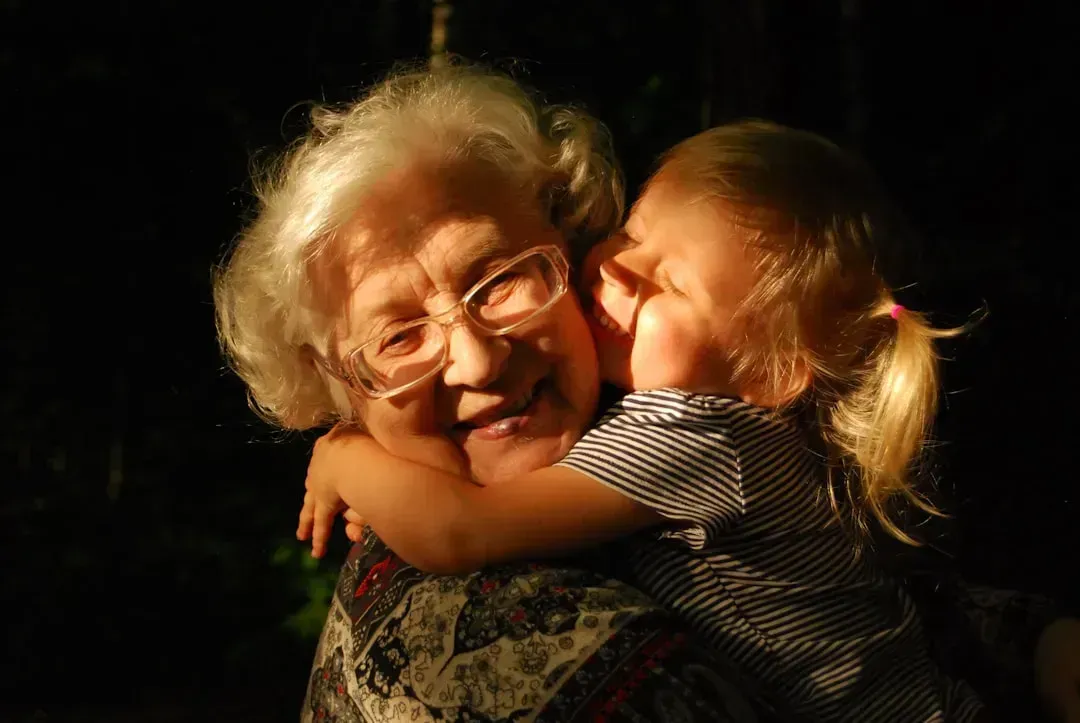
This one sounds almost too simple. Yet it is perhaps the most quietly radical thing anyone can say to a child growing up in a world that measures worth by performance, followers, and test scores. A grandparent’s specific, personal pride, pride in the child’s character rather than their achievements, can reshape how a young person sees themselves.
Studies have shown that kids with a high level of grandparent involvement tend to have less emotional problems, reduced behavioral issues, and fewer challenges with peers. In fact, healthy grandparent relationships lead to less depression in both grandparents and children. That is not a small thing. Depression in children is a serious, growing challenge, and the warmth of a grandparent’s esteem functions as a genuine buffer.
Studies have shown that having actively-involved grandparents can help children grow confidence, cope with stress, and have fewer behavioral issues as they get older. Confidence is not something children are born with in fixed amounts. It is something that grows in response to how the people around them reflect them back to themselves. Grandparents, with their proud eyes and patient approval, do this exceptionally well.
8. “Family Is the Only Thing You Can Count On”
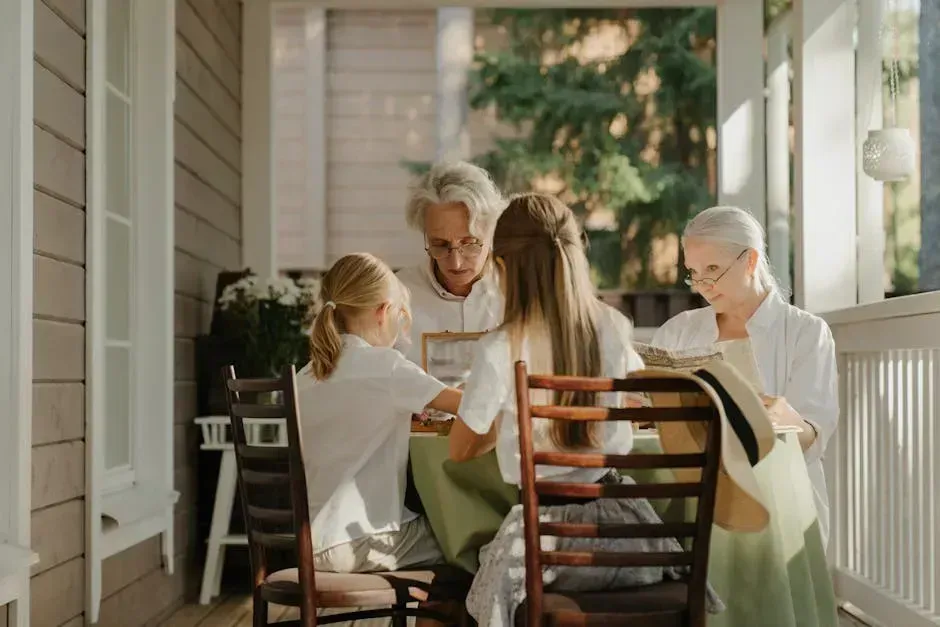
It sounds old-fashioned. Maybe it even sounds a little intense. Still, there is a truth buried inside it that takes years to properly appreciate. What this phrase actually teaches a child, beneath the surface, is that belonging to something larger than yourself is a source of strength, not weakness.
When grandparents share family stories, traditions, and cultural practices, they help children develop a stronger sense of identity and belonging. They serve as living links to family heritage and history, as well as a source of entertainment for the grandchildren. That living link quality is hard to overstate. A grandparent is not a history book. They are a breathing, laughing, cooking embodiment of where you come from.
Longitudinal research further indicated that the influence of intergenerational co-parenting extended into adulthood, with downstream effects on later marital quality of the grandchildren. This means that how grandparents talked about loyalty, commitment, and family actually shows up decades later in how grandchildren navigate their own adult relationships. The reach of this is astonishing when you sit with it.
9. “You Will Figure It Out”
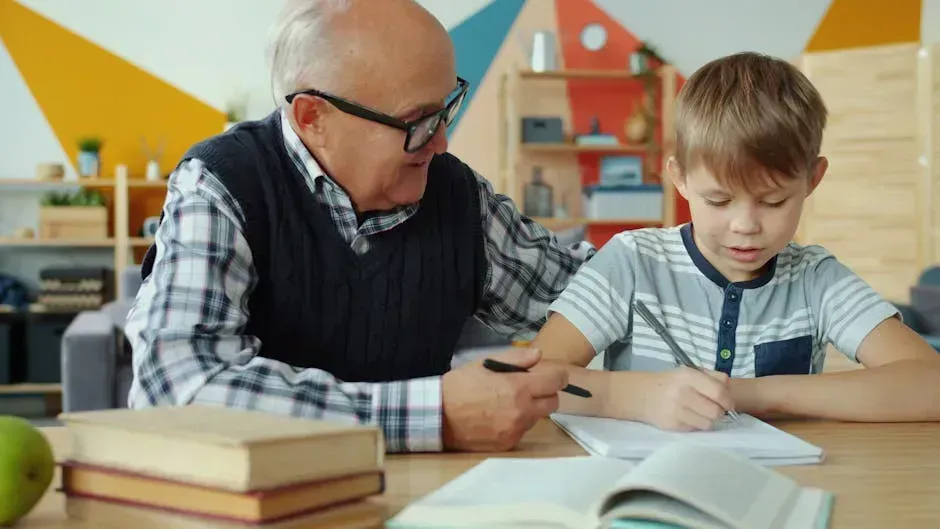
Out of all the things grandparents say, this humble little phrase might be the one that travels furthest. It does not solve the problem. It does not pretend the problem is small. It simply expresses an absolute, calm belief in the child’s capacity to handle whatever is in front of them.
Grandparents’ emotional support and guidance can significantly impact their grandchildren’s emotional well-being. Grandparents can provide stability, comfort, and wisdom, helping their grandchildren navigate life’s challenges and develop essential skills and traits for emotional resilience. A grandparent who says “you will figure it out” is not being dismissive. They are handing over a tool, the belief that the child is capable, and that tool gets used over and over again throughout life.
A 2025 study found that support from grandparents during childhood was independently associated with better emotional well-being in emerging adulthood, even when primary caregiver relationships were accounted for. That is the key detail. Even when controlling for the parent-child relationship, the grandparent connection still independently protected wellbeing. The words matter. The presence matters. The quiet belief matters enormously.