
Understanding Why Solo Travel Feels Scary
Your anxiety about solo travel isn’t weird or uncommon – it’s actually completely normal. When examining solo travel constraints, four major factors emerge: safety concerns (38.8%), budget limitations (36.4%), anxiety about potential mishaps (32.8%) and fear of loneliness (31.2%). What might surprise you is that concerns over personal safety (65%) deter female travelers from traveling alone, while men worry more about costs. These fears aren’t just in your head – they reflect genuine concerns that millions of potential travelers share.
But here’s something encouraging: 85% of those who reported severe pre-trip anxiety later described their solo journey as the most empowering experience of their lives. That initial nervousness you’re feeling might actually be preparing your mind for something transformative. Fear is disproportionate to the potential of the problem. Fear can be unnecessarily paralyzing, but recognizing this pattern is the first step to overcoming it.
Start Small Before Going Big
Begin with short, manageable solo outings. Explore a nearby town, visit a museum, or take yourself out for a meal. This allows you to get comfortable being on your own while navigating new experiences. Small victories like these can boost your confidence and prepare you for bigger adventures. Think of it as training wheels for your independence – you wouldn’t expect to run a marathon without building up your endurance first.
Try spending an entire Saturday doing activities alone in your own city. Go to a coffee shop with a book, browse a museum, or catch a movie by yourself. Each time you do something solo and enjoy it, you’re building evidence that contradicts your fears. Starting small with short trips and choosing safe, well-travelled destinations are key tips for beginners.
Research Like Your Confidence Depends on It
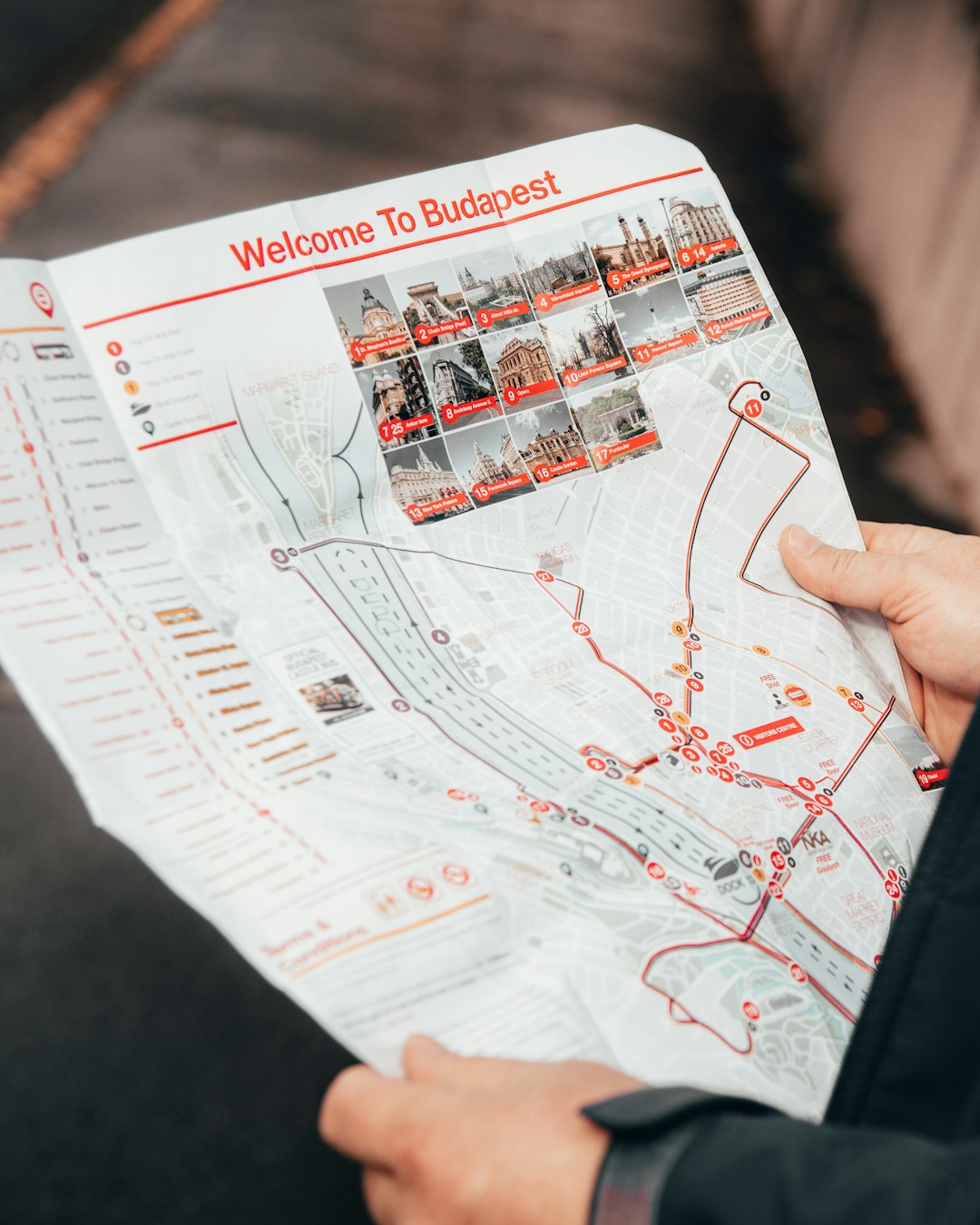
Do your research. The more you know about where you’re going, the more confident you’ll feel. Knowledge truly is power when it comes to solo travel. Knowledge is power, and preparation is key to feeling secure. Research your destination, including transportation options, safety tips, cultural norms, and must-visit spots. Download maps, travel apps, and emergency contact information. Knowing what to expect can ease your nerves and help you focus on the fun aspects of travel.
Create a comprehensive research folder that includes local transport systems, emergency numbers, hospital locations, and cultural norms. Study a map of your destination so that you have an idea of how your destination is laid out. Find out about local transit and the cost of taxis so that you know how you’ll get around. Understand the currency and exchange rate so that you’ll be able to quickly do the math in your head to know what something costs in your own currency. Get a few phrases down so that you can communicate. This preparation transforms the unknown into the manageable.
Choose Your First Destination Wisely
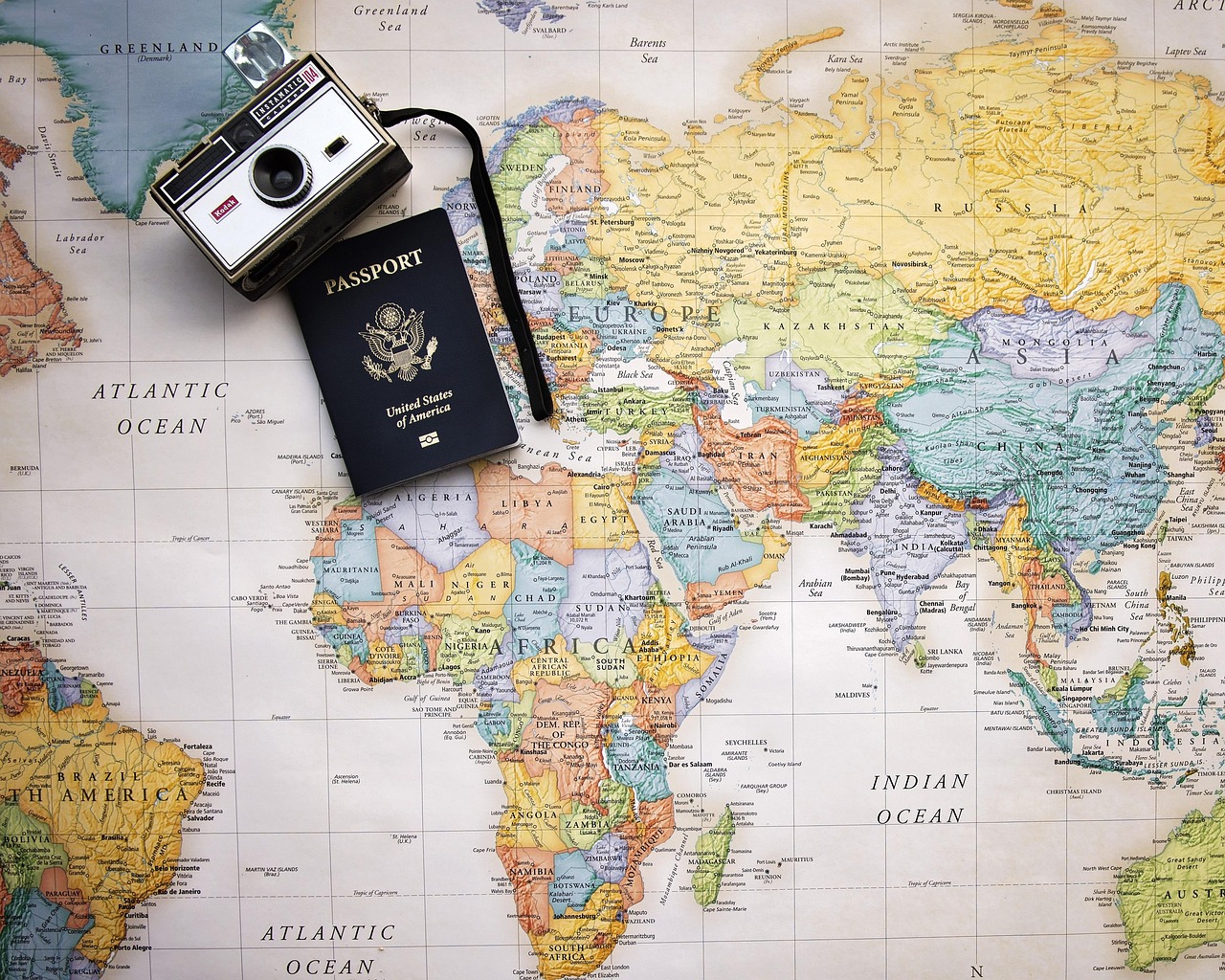
When it comes to solo travel, choosing the right destination makes all the difference. You want to go somewhere that’s already known for being safe and welcoming to solo travelers, no need to reinvent the wheel here! Some cities or countries just aren’t ideal due to higher crime rates or political instability, so doing a little research upfront is key. Look into where other solo travelers are going, read their reviews, and see what spots have the best vibes and safety track records.
With an index score of 7.45, Spain is considered the safest country for female solo travelers. survey respondents said destinations like Japan, Portugal, Iceland and New Zealand were increasingly favored by solo travelers for their safety, transparency and traveler-friendly infrastructure. Consider starting with English-speaking countries or places with excellent tourist infrastructure where language barriers won’t add to your stress.
Build Your Confidence Through Practice
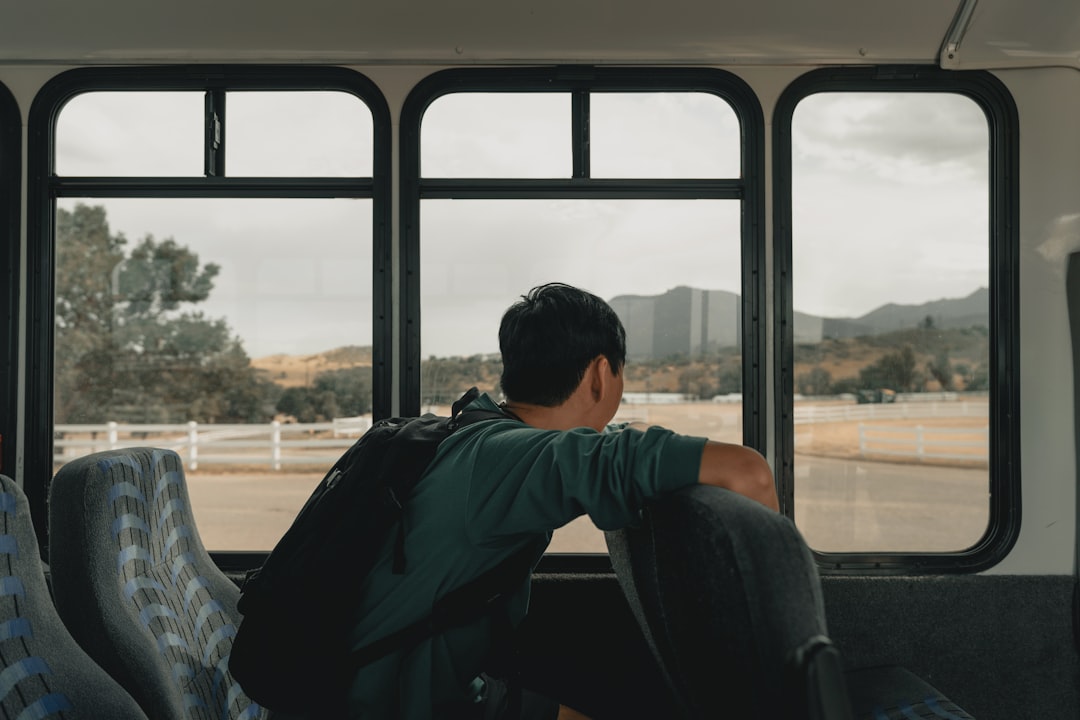
Confidence isn’t something you either have or don’t have – it’s a muscle you can strengthen. The key to a successful solo trip lies in building your confidence step by step. Whether you’re dreaming of a quiet escape to the countryside, an urban adventure in a vibrant city, or a beach getaway, feeling self-assured is the foundation for an enjoyable and safe journey. Start by doing things that make you slightly uncomfortable but are still manageable.
Practice navigating your own city using public transport you’ve never used before. Try eating alone at restaurants with progressively busier atmospheres. Find your cheerleader. When you’re getting nervous, talk to friends who are thrilled about your upcoming trip and stay away from those who are only lukewarm or even negative. Those enthusiasts will bolster you and contribute to developing your solo travel confidence. Each small success builds your internal database of “I can handle this” moments.
Master Your Safety Fundamentals
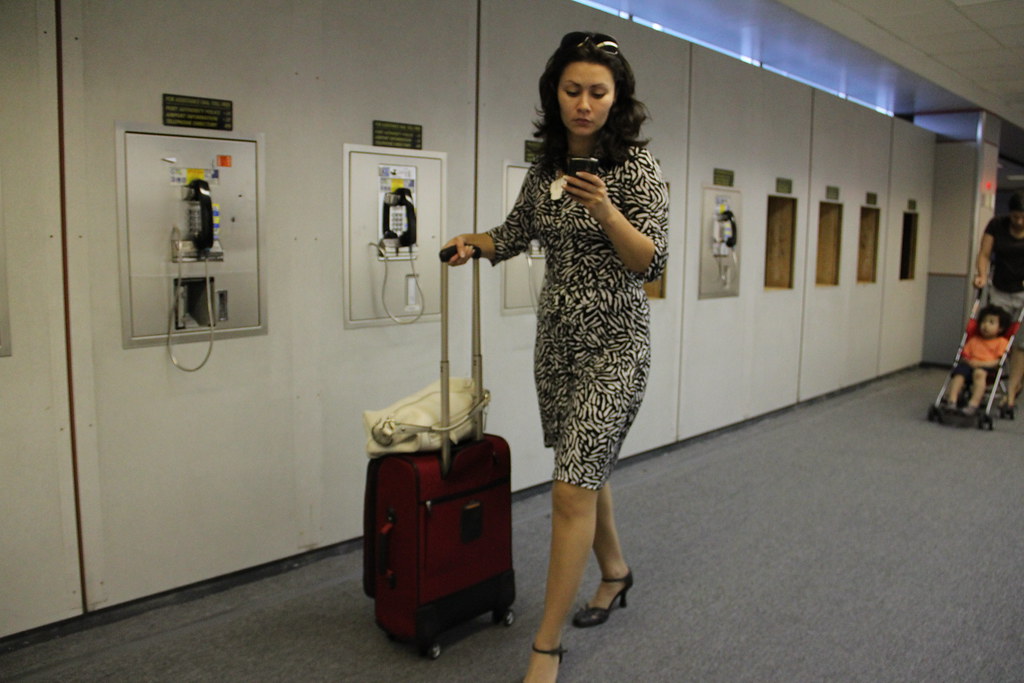
Safety concerns top the list of solo travel fears, but safety is a big issue when you travel solo. And while there are many specific and ingenious tips to follow it’s most important to understand the fundamentals of solo travel safety. Make these fundamental principles your modus operandi and, with the exception of the occasional recoverable mishap, all should be well. The goal isn’t to eliminate all risk but to manage it intelligently.
Your intuition is one of your strongest safety tools when traveling solo. If something doesn’t feel right or raises a ‘red flag’, that’s all the reason you need to seek a safer place or change your plans. Trust that gut feeling – your best travel safety tool is your gut. If something feels off even just a little bit it probably is. Your subconscious picks up on danger signals before your rational mind does.
Create a Rock-Solid Safety Plan
The foundation of any solo trip starts well before you pack your bags. Think of this preparation stage as designing your personal safety strategy and a safety net. The stronger you make them now, the better you’ll be protected later. Here are the essential pre-trip steps that experienced solo trippers swear by. Your safety plan should be comprehensive but not overwhelming.
Always share your itinerary with someone you trust. Keep a contact informed of your whereabouts. Set up regular check-in times that work for both you and your emergency contact. A solid communications plan is your lifeline when traveling solo. Of course, you didn’t want a solo trip only to check in with people every minute, right? The key is finding the right balance. Staying connected enough for safety while enjoying your independence. Here’s how to create a practical system that works for you and your loved ones: Choose your communication method: group text, daily photo share, or brief voice message.
Handle the Loneliness Before It Happens
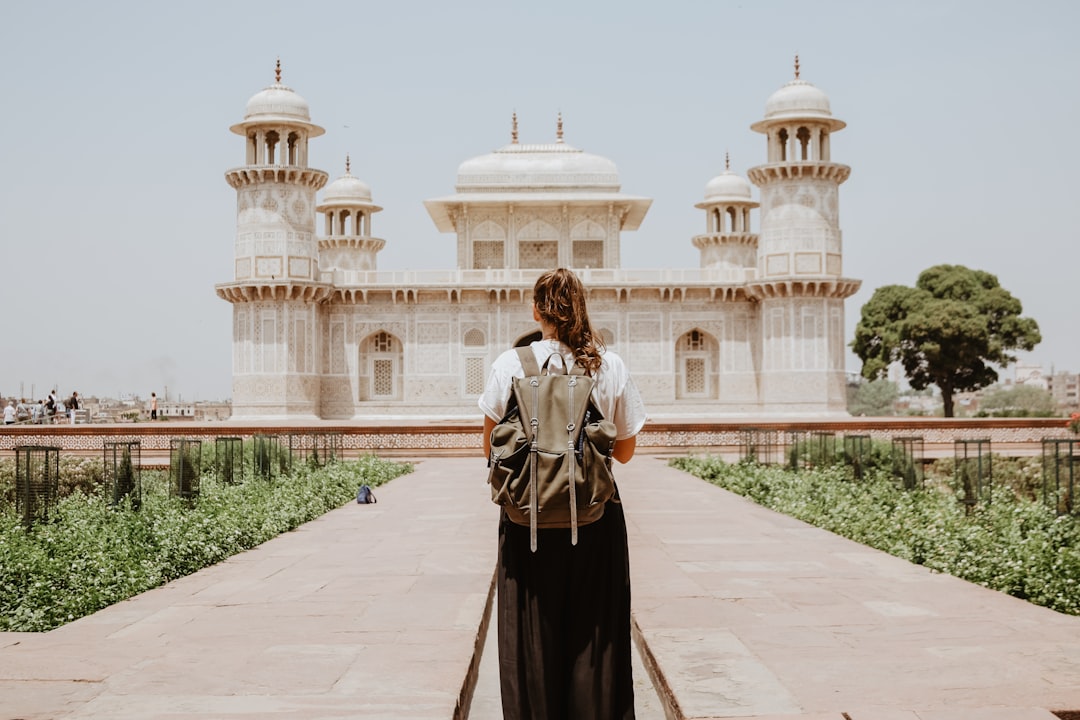
Fear of loneliness ranks among the top concerns for potential solo travelers, but here’s a reality check: 82% of solo travelers also go on trips with others. Solo travel doesn’t mean you’ll be isolated – it means you have the freedom to be social when you want and enjoy solitude when you need it. Now that you know you’ll likely feel homesick or even lonely during travel at some point, how do you work with these feelings and not let them turn into full-fledged vacation anxiety? Easy (well, Easy-ish): Be kind to your feelings, and to yourself. If (or when) loneliness and homesickness show up, accept them as simply a feeling you’re feeling — and not the end of the world.
Plan for connection opportunities without over-scheduling yourself. Stay in social accommodations like hostels where meeting people happens naturally. Connecting with others who have traveled solo can be incredibly reassuring. Join Facebook groups, follow solo travel forums, or engage with travelers on platforms like Instagram. Many solo travelers share tips, stories, and encouragement that can inspire you. Remember, loneliness is temporary – homesickness means you have something wonderful to return to.
Deal with What Others Think
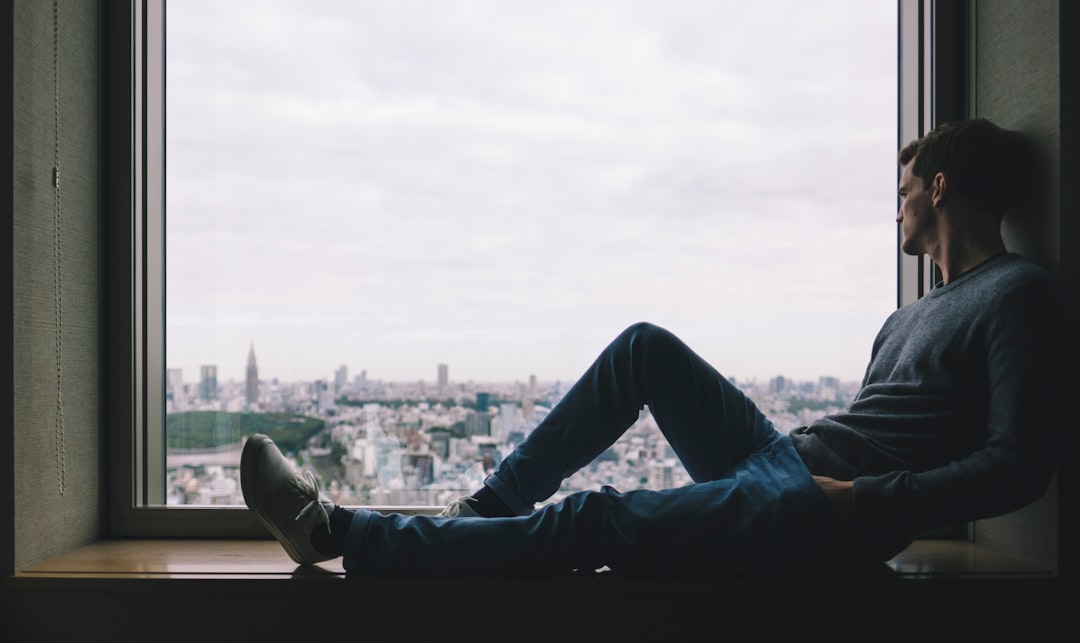
One major barrier to solo travel isn’t internal fear but external pressure from family and friends. 30% of travellers revealed their families weren’t keen on them travelling solo. People who haven’t traveled solo often project their own fears onto your plans, questioning your safety or suggesting you wait for a companion. This well-meaning concern can amplify your own doubts.
Set boundaries with worried loved ones by sharing your research and safety plans without asking for permission. Explain that The #1 reason to travel solo is the desire to see the world without waiting for others at 74%. You might discover that some friends are actually envious of your courage. Traveling solo isn’t about what others see in you, it’s about what you see in you. And what you see will build your confidence.
Transform Your Mindset About Solo Activities
Many people feel self-conscious about dining alone or going to attractions solo, but this fear often disappears quickly in practice. 36% of unaccompanied travellers would feel comfortable walking into a bar by themselves. 45% wouldn’t mind eating in a restaurant on their own. The reality is that most people are too busy with their own lives to judge strangers eating alone.
Research in this area suggests that we often underestimate how much other people like us and enjoy conversations with us. It is important to remember this! Most of the time we will enjoy conversations, especially when others are polite to us or take an interest in what we have to say. Solo travelers often find themselves having more genuine interactions with locals because they appear more approachable than groups.
Learn From Solo Travel Success Stories
Connect with the thriving solo travel community to normalize your experience. Global Google searches for “solo travel” have risen by 74% in the past two years, and Solo travel continues to grow, with 24% of Brits planning trips alone in 2025. You’re joining a massive movement of independent travelers, not doing something unusual or risky.
As someone who’s guided over 500 first-time solo travelers, I’ve seen how anxiety can become your greatest teacher—if you know how to channel it. Dr. Sarah Mackenzie’s groundbreaking research on travel psychology revealed something unexpected: the more intense your pre-trip anxiety, the greater your potential for transformation. Your nervous energy is actually preparing you for growth you can’t yet imagine. Reading success stories from other solo travelers can help you visualize your own positive outcomes.
Make Your First Solo Trip Bulletproof
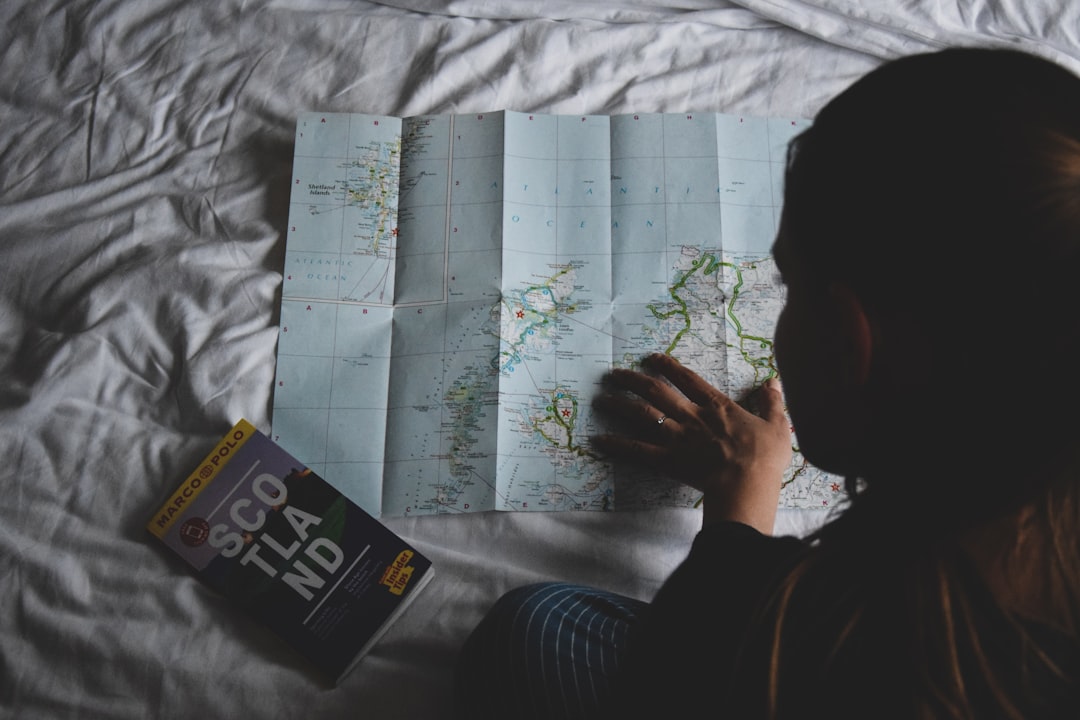
Your inaugural solo journey should be designed for success, not challenge. Book your first few nights’ accommodation. Your accommodation is your safe haven. Whether it’s a hotel, hostel, B&B, or apartment, book a place with great reviews before you leave so that you know you’ll have a soft landing when you get there. Pro tip: arrive in the afternoon so that if it doesn’t meet your expectations, you have time to make a change.
Choose a destination where basic needs are easy to meet – reliable internet, familiar food options, good healthcare, and English signage if needed. First-time solo travelers usually choose trips lasting 7–10 days. This length gives you enough time to settle in and gain confidence without becoming overwhelming. Plan a loose itinerary but leave room for spontaneity once you feel more comfortable.