
Most people, if asked which animals they should fear most, would probably say sharks, bears, or maybe venomous snakes. It’s a reasonable answer. These are the creatures that dominate horror movies and wildlife documentaries alike. Yet the data tells a completely different story, one that is frankly surprising, occasionally embarrassing, and more than a little humbling.
The animals responsible for the greatest number of human injuries are often the ones we see every single day, in our backyards, on our farms, sitting on our sofas. The gap between what we fear and what actually hurts us is enormous. So let’s dive in and meet the real culprits.
Cows: The Unlikely Heavyweights of Human Harm
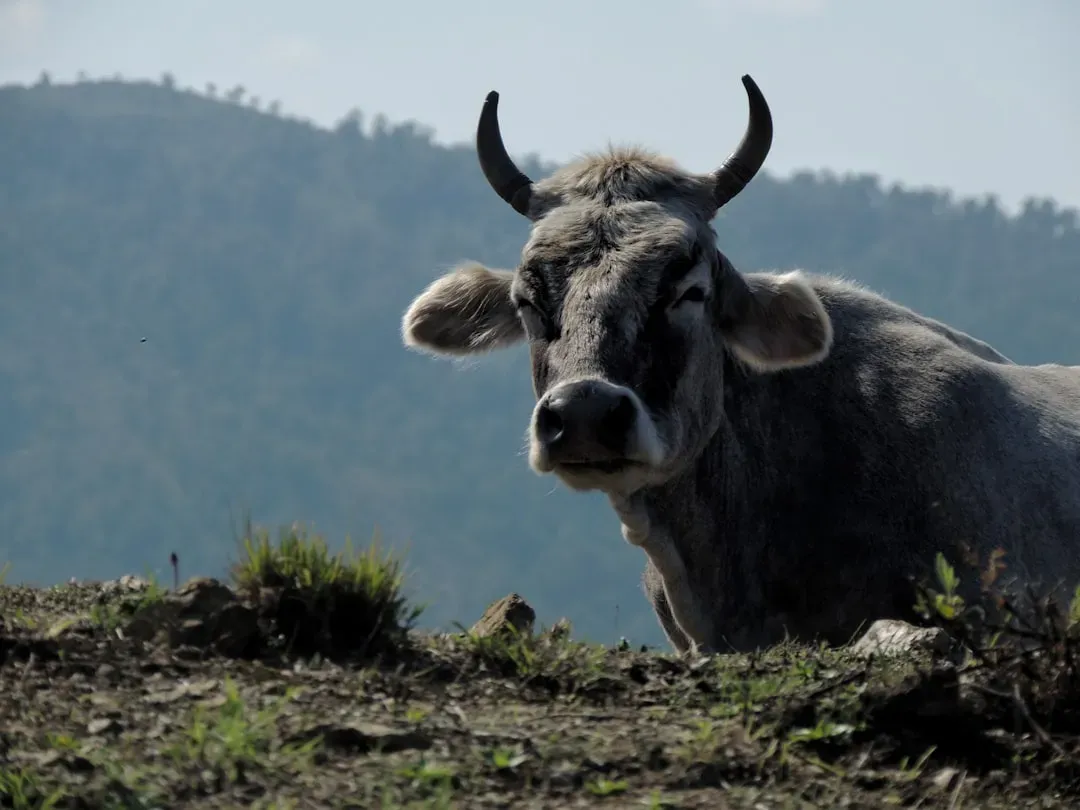
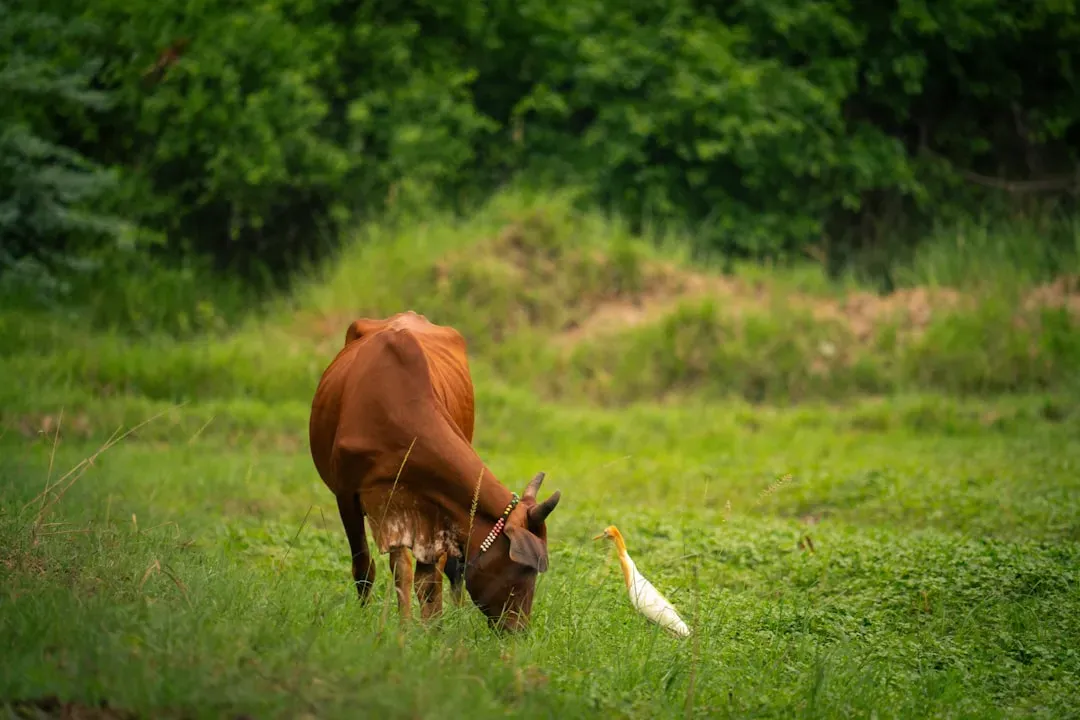
At first glance, cows appear to be slow, gentle giants, more associated with dairy and steaks than danger. Yet these roughly 1,000-pound animals are responsible for far more injuries and deaths each year than sharks. That comparison alone should make you pause. We treat cows as passive background characters in the countryside while fearing the ocean, which is, statistically speaking, backwards.
Territorial mothers protecting calves can become violently aggressive, and there have been documented cases of people being trampled to death. Even when attacks are not fatal, victims often end up with broken ribs and lasting injuries. Farm workers, walkers crossing fields, and rural residents are particularly at risk. Honestly, the lesson here is simple: never turn your back on a cow near her calf.
Horses: The Most Injury-Prone Animal You Can Own

In clinical emergency department studies, the animals causing the most injuries were horses, followed by dogs and cats. Animal-related injuries from horses more often caused fractures and contusions rather than simple wounds. Think about that for a moment. The animal most associated with grace and beauty tops emergency room admission lists in multiple countries.
Millions of individuals are in contact with horses through occupational or recreational activities, and injuries from horses are responsible for over 100,000 emergency room visits each year in the United States alone. The rate of serious injury per number of riding hours is estimated to be higher for horseback riders than for motorcyclists and automobile racers. That stat almost never gets mentioned when someone talks about taking riding lessons.
Deer: Gentle Woodland Creatures That Wreck Cars and Bodies
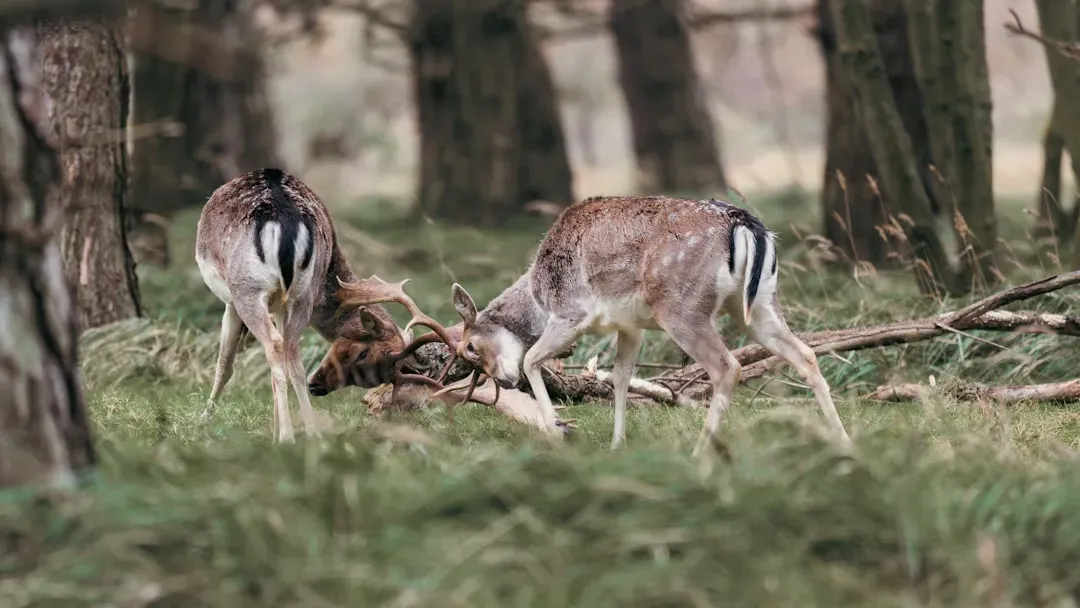
Deer look like living greeting cards. Soft eyes, delicate legs, bounding through meadows at dusk. Yet here is the reality: every year in the United States, approximately 1.5 to 2.1 million deer-vehicle collisions occur, resulting in hundreds of human fatalities, tens of thousands of human injuries, and greater than $10 billion in property damage. Not exactly the Bambi narrative we grew up with.
Deer account for roughly two thirds of all animal collision insurance claims filed in the US. Collision data confirms that the vast majority of all deer-vehicle collisions occur at night, making nighttime driving particularly dangerous during fall and winter months. Research on moose collisions in New England has shown that car accidents involving a moose are 13 times more likely to lead to serious injury or death than those involving deer, meaning that if you live in moose country, the stakes go up dramatically.
Dogs: Man’s Best Friend, and Surprisingly Dangerous One

Nobody wants to hear this about their beloved pet, but the numbers are impossible to ignore. In the United States, a person is more likely to be killed by a domesticated dog than to die from being hit by lightning, according to the National Safety Council. The costs associated with dog bites in the United States are estimated at over $1 billion annually. That is a staggering figure for animals we choose to share our homes with.
Children aged ten and younger suffer roughly two thirds of all reported bite injuries. Dog bites are commonplace, with children the most frequently bitten and the face and scalp the most common targets. Perhaps surprisingly, dogs are the third deadliest animal to humans worldwide, responsible for around 30,000 human deaths per year, with the vast majority of these deaths resulting from rabies transmitted via the bite. The danger is real, even if it often feels distant.
Cats: The Bite You Dismiss That Can Put You in Hospital
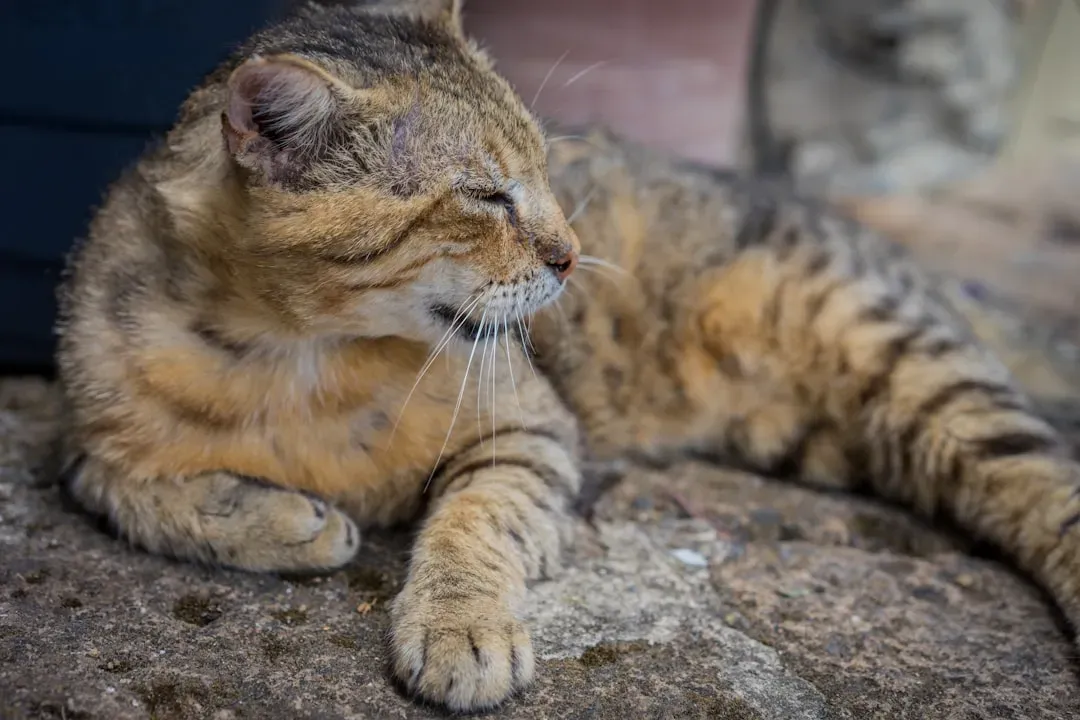
Cat bites are routinely dismissed as minor. People laugh them off. “Oh, my cat got me.” The thing is, medical professionals are far less amused. The estimated annual count of animal bites in the US includes roughly 400,000 cat bites every year. Cat teeth are needle-sharp and designed to puncture deeply, and that seemingly small wound can quickly become a serious medical issue requiring intravenous antibiotics.
Animal bites carry an increased risk of infection due to exposure to rabies and the different bacteria that animals carry in their oral cavity. Cat bites in particular are notorious for introducing bacteria deep into joints and tendons, especially when the bite occurs on the hand. In Australia, statistics show that more people are injured by dogs and cats than from the country’s famous “deadly creatures.” That fact manages to simultaneously vindicate and embarrass every person who has ever feared Australian wildlife.
Bees, Wasps, and Hornets: The Smallest Animals With the Deadliest Sting
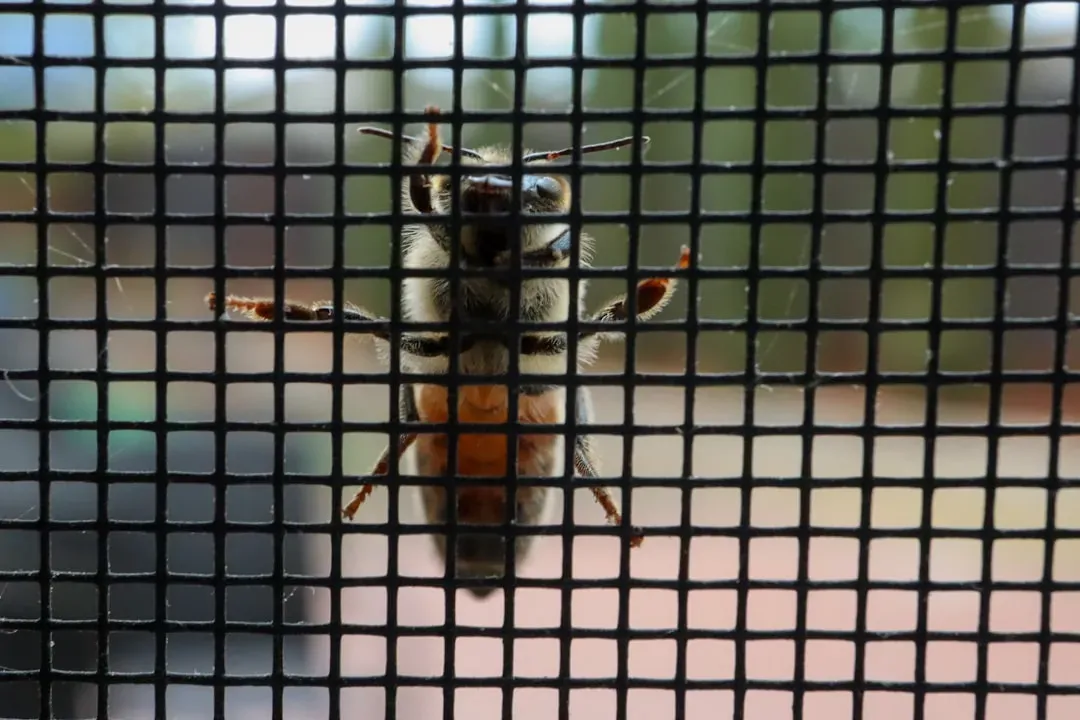
You almost certainly swat at them without a second thought. But consider this: hornets, wasps, and bees were found to be the most common venomous species responsible for human deaths in the US, accounting for an average of 83 deaths per year from 2018 to 2023. That number exceeds deaths from sharks, wolves, and mountain lions combined. It is not even close.
The most lethal venomous animal encounter in the US remains stings and the subsequent anaphylaxis from bees, wasps, and hornets, despite the availability of life-saving treatment for anaphylaxis. Venomous animal deaths have steadily increased over recent decades, rising from an average of 69 per year in the 1990s to over 100 per year in the most recent study period. The tragedy here is that most of these deaths are preventable for those who carry an epinephrine auto-injector.
The Hippopotamus: Africa’s Most Deceptively Deadly Animal
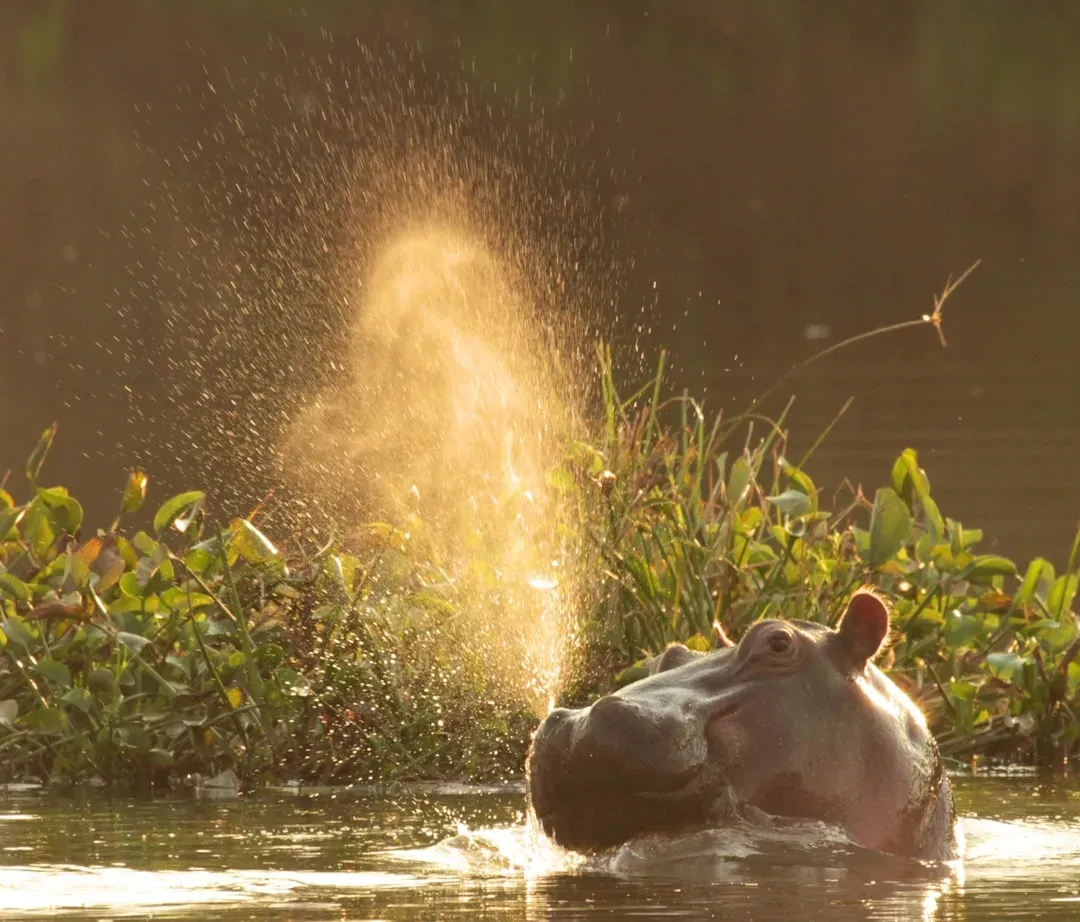
The hippo might be the most extreme example on this list of the gap between public perception and actual danger. They look rotund, slow, and almost comical. They are none of those things. Despite their seemingly cute appearance, hippos kill hundreds to potentially thousands of people annually, making them one of Africa’s deadliest animals. They are extremely territorial and aggressive, with powerful jaws and surprising speed on land, and are responsible for more human deaths in Africa than lions or crocodiles.
A hippopotamus bite comes with a force of roughly 1,800 psi, nearly three times that of a lion. In a highly publicized 2024 incident, a British tourist on a guided safari tour was severely injured by a hippo that attacked his canoe. In February 2025, a New Jersey woman was killed by a hippo she encountered while on a guided walk in Zambia. These were not reckless thrill-seekers. They were ordinary tourists on organized tours. It is genuinely sobering.
Freshwater Snails: The Killer Nobody Sees Coming
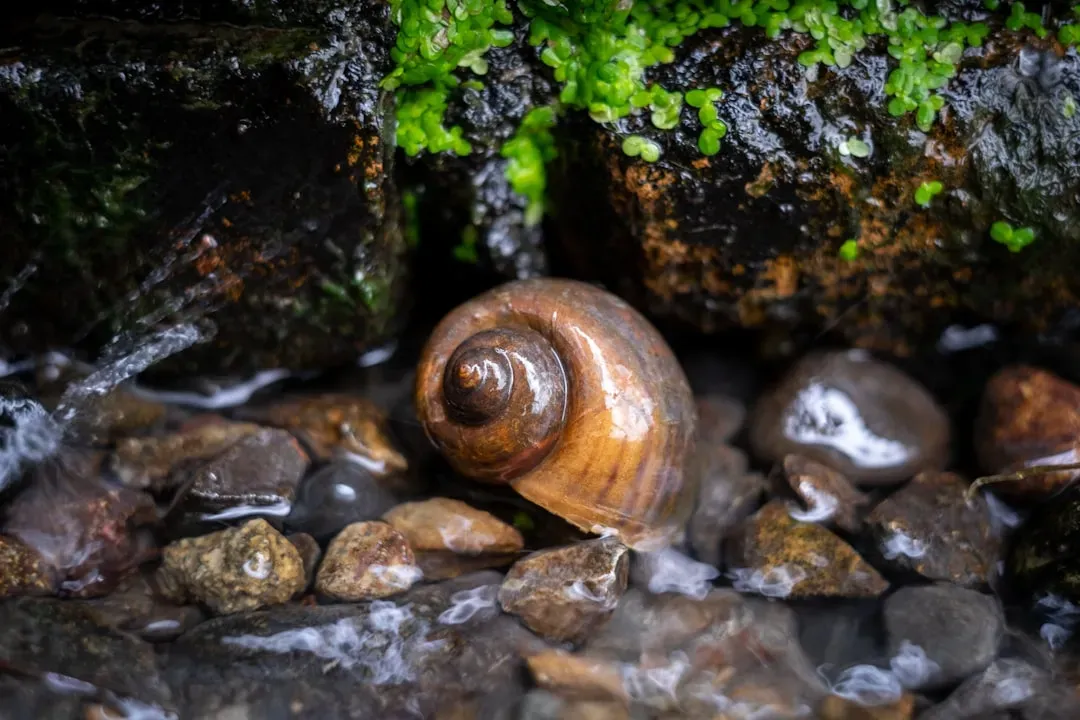
This one stops almost everyone in their tracks. A snail. On a list of dangerous animals. It sounds like the setup to a very poor joke. Yet the science is unambiguous. More than 200,000 deaths per year can be attributed to freshwater snails, because they are hosts to deadly parasites, in particular parasitic flatworms known as flukes. The snails themselves are harmless. The passengers they carry are not.
Humans get infected from contaminated freshwater as the flukes penetrate the skin, which is responsible for a deadly human disease called schistosomiasis, also known as snail fever. After malaria, this is considered the second most socioeconomically devastating parasitic disease. The parasites they carry can damage internal organs, particularly the liver and intestines, leading to chronic illness and death. Millions of people wade, swim, and bathe in affected water daily without any awareness of the risk.
Kangaroos: Not the Cuddly Mascots They Appear to Be
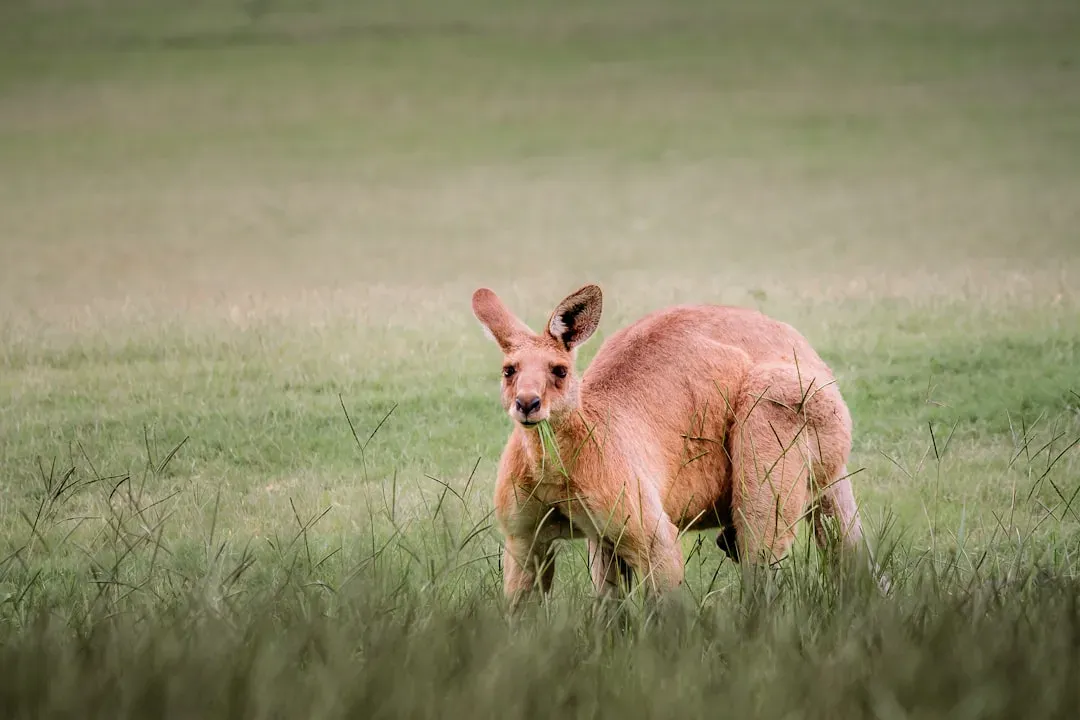
Outside Australia, kangaroos enjoy an almost universally positive reputation. They appear on currency and as sporting mascots. Australians know better. Although kangaroos live in semi-urban areas and largely tolerate human presence when not provoked, they are easily capable of injuring a human if they feel the need to defend themselves, and kangaroo-inflicted fatalities are not unheard of in Australia.
Male red kangaroos, the largest species, can stand well over six feet tall and weigh up to roughly 200 pounds. They have powerful hind legs and tails, muscular chests, and a unique hopping gait that allows them to cover long distances at high speed. Their signature move in a fight is to brace on their tail and deliver a powerful two-footed kick to the torso, capable of causing severe lacerations and internal injury. It is the kind of thing that genuinely changes your perception of a species you thought you understood.
Mosquitoes: The Tiny Insect Behind the World’s Largest Injury Toll
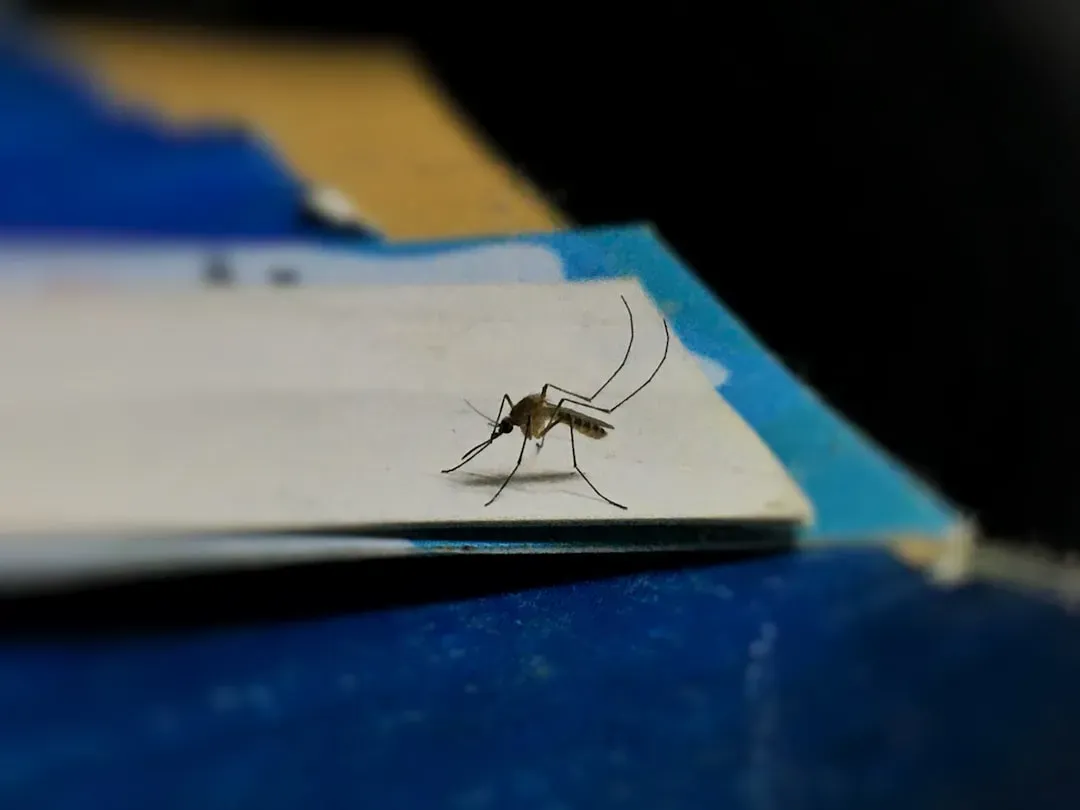
I saved the most important one for last. The ultimate example of a very small animal with a very big impact: in terms of the number of humans killed every year, mosquitoes by far hold the record, being responsible for between roughly 725,000 and 1,000,000 deaths annually. For perspective, sharks are responsible for fewer than a hundred. The scale of difference is almost incomprehensible.
Mosquitoes spread devastating diseases including malaria, dengue fever, Zika virus, yellow fever, and West Nile virus. Malaria alone kills over 600,000 people each year, mostly children in sub-Saharan Africa. Experts estimate that approximately 60 percent of human infectious diseases originate from animals, resulting in more than 1 billion cases of illness and over 2.5 million deaths annually. The mosquito sits at the center of that crisis. It is not a dramatic predator. It does not have teeth or claws. It weighs almost nothing. Yet it has shaped the course of human history more than any lion, shark, or bear ever has.
Conclusion: The Animals We Fear Versus the Animals We Should
There is a clear and fascinating pattern running through all of this. Surprisingly, the most dangerous animals are not always the fiercest looking ones. In many cases, they are the animals humans encounter most often, making frequent contact the biggest risk factor of all. We are wired to fear the dramatic, the toothy, the visibly threatening. Our instincts are simply not calibrated for parasitic flatworms or a herd of protective cows.
The most dangerous animals are not always the ones we expect. Cows, deer, and even swans injure or kill more people each year than sharks or bears. Creatures we think of as harmless pets, such as cats and guinea pigs, can inflict shocking injuries when provoked. The animals on this list do not care about our assumptions or our misconceptions. Respect is not just for the creatures we fear. It belongs equally to the ones that bring us milk, carry us on trails, graze in fields, and buzz around our summer picnics. What would you have guessed before reading this?