
Most of us picture danger as something lurking outside our front door. A stranger in a parking lot. A news headline screaming about crime rates. Honestly, we’re wired to scan the horizon for threats, not to look down at the floor we’re standing on. The uncomfortable truth, though, is that the place we feel safest – home – is also where the numbers tell a very different story.
Researchers, safety experts, and public health officials have spent years pointing to hazards that most households quietly ignore. Some are invisible. Some are embarrassingly ordinary. All of them deserve more attention than they get. So let’s get into it.
The Fear Gap: What We Worry About vs. What Actually Hurts Us

Here’s a striking thing to consider. While many of the nation’s top fears reflect legitimate concerns, researchers note that perception often outweighs reality – fear of crime, for example, has actually increased despite a long-term decline in crime rates. We obsess over dramatic threats while mundane ones pile up quietly around us.
There can often be a disconnect between the things we fear and reality. Fear of crime has steadily increased despite the crime rate going down. Think about that for a second. We’ve built an entire mental landscape of danger that doesn’t match the data, and in doing so, we’ve left real risks completely unguarded.
Falls at Home: The Danger Nobody Takes Seriously

Falls might sound like a problem for the very old or the very clumsy. I know it sounds crazy, but this is one of the deadliest and most overlooked household threats across all age groups. Over half of the deaths occurring in the home are poisonings, totaling 58,300 deaths in 2024, while the second leading cause was falls, resulting in 32,500 deaths – or about one third of all home deaths.
In 2023, falls were responsible for nearly three quarters of injury-related emergency room visits, with older people at the highest risk. Roughly one in three adults over 65 falls yearly, leading to severe injuries like head trauma or hip fractures. A loose rug. A dark hallway. A slippery bathroom floor. These are the real culprits – not dramatic accidents, but everyday oversights.
Home Fires: Cooking Is the Villain You Weren’t Suspecting

Most people imagine house fires starting from faulty wiring or a forgotten candle. The actual leading culprit is far more routine. Cooking is responsible for roughly 44% of all reported home fires each year, meaning nearly half of all home fires start in the kitchen. That’s more than heating issues, electrical failures, and open flames combined.
In 2024 alone, an estimated 329,500 home structure fires were reported in the United States, causing approximately 2,920 civilian deaths, injuring an estimated 8,920 people, and causing about $11.4 billion in property damage. Meanwhile, in 41% of home fire deaths, no smoke detector was present, and in 16% of deaths the smoke detector failed to operate. Having a detector is only half the job.
Radon: The Silent Gas Hiding in Millions of Homes

This one genuinely surprises people. You can’t see it, smell it, or taste it, and yet it may be sitting in your basement right now. Radon is a naturally occurring radioactive gas that can enter homes through cracks in the foundation and gaps around joints and pipes. The danger is in long-term exposure, which can increase the risk for lung cancer. Radon is the second most common cause of lung cancer after smoking, per the CDC, and it’s responsible for an estimated 20,000 deaths annually.
Elevated radon levels are present in as many as one in 15 homes, according to the EPA. That is an enormous number of households sitting in unnecessary danger. Radon is completely invisible, odorless, and tasteless – the only way to detect it is through specialized testing. Testing kits are inexpensive and widely available. There is simply no excuse for not checking.
Carbon Monoxide: The Invisible Killer People Still Underestimate

Carbon monoxide gets talked about just enough to feel familiar, but not enough for people to actually take action. Carbon monoxide, an odorless, colorless gas dubbed the “invisible killer,” is generated by burning wood in fireplaces and fossil fuels in vehicles, cooking and heating devices, and other appliances. As the gas builds up in enclosed spaces, it can cause flu-like symptoms including headache, dizziness, vomiting, and confusion, and can poison people and animals.
Low-level carbon monoxide exposure causes fatigue, headaches, and flu-like symptoms. Higher concentrations can cause brain damage, organ failure, and death. Even non-fatal exposure can cause permanent neurological damage. The terrifying part is that many people mistake early CO symptoms for a cold or the flu. Carbon monoxide resulting from the improper use of portable generators is one of the most significant threats following a power outage, and at elevated levels, CO can quickly cause significant harm and even death.
Poisoning at Home: Far More Common Than People Realize

When most people hear “household poisoning,” they picture a child swallowing bleach. The reality is far broader and affects every age group. Over half of the deaths occurring in the home are poisonings, totaling 58,300 deaths in 2024. These aren’t all dramatic accidents. Many involve medications, household chemicals, and drug overdoses in ordinary homes.
Poisoning is the leading cause of home deaths among those aged 25 to 44, often due to drug overdoses or improper handling of household chemicals, accounting for about half of all accidental home deaths. Poisoning affects people of all ages: younger children are susceptible because they get into cleaning supplies and other toxic household products and overdose on vitamins and medicines. Teens and adults are also at risk from appetite suppressants, antidepressants, motor vehicle exhaust gas, and even caffeine and alcohol.
Burglary Fears vs. Burglary Facts: You’re Probably Worrying Wrong
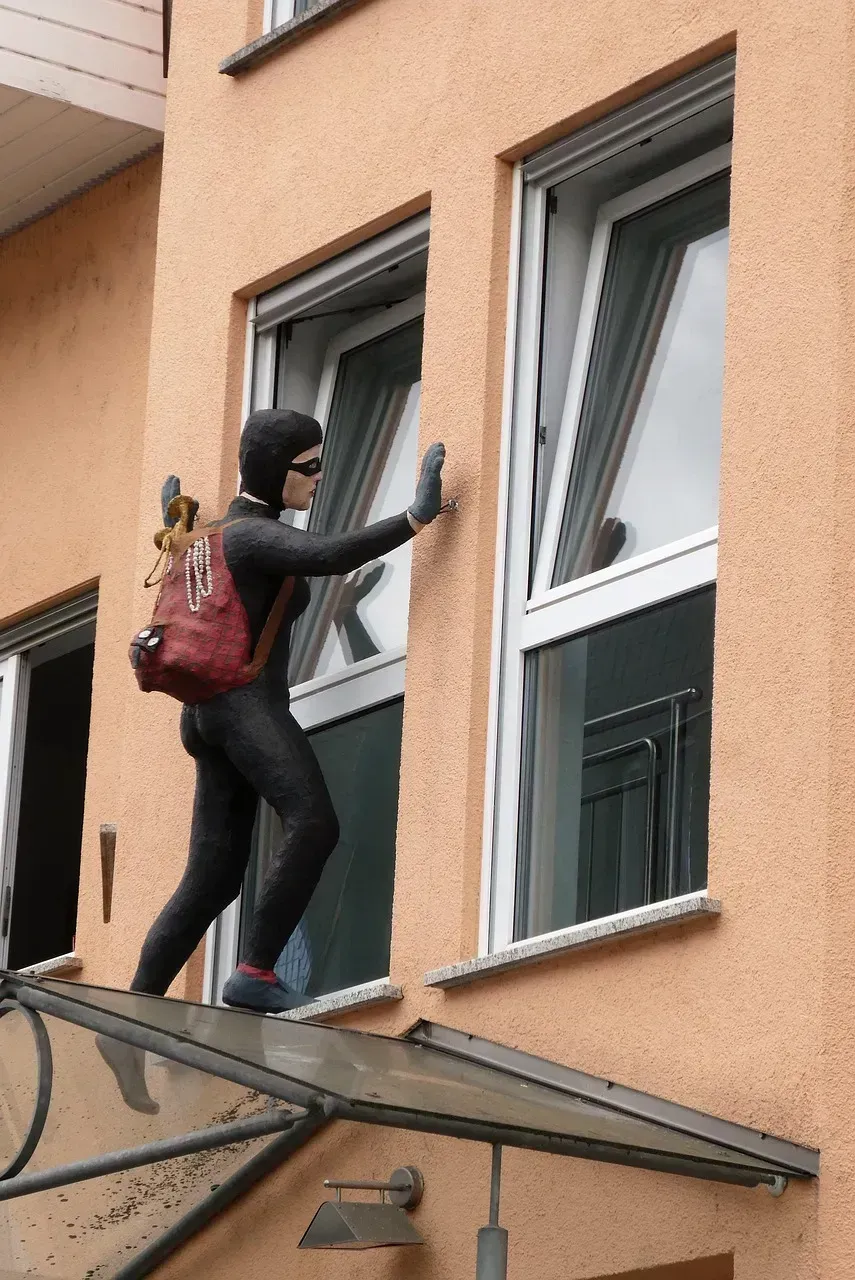
Let’s be real – burglary is a genuine fear for most homeowners. The fear isn’t unfounded, but it’s often misdirected. In 2024, the average burglary cost victims more than $5,500, and about 80% of all burglaries reported in 2024 were on residential property. The rate of household burglaries tends to be highest in summer and lowest in winter or spring.
Here’s something most people don’t expect: in 2024, 55% of all residential burglaries in which a time was reported occurred during the daytime. Not at night, while you sleep – but while you’re at work or running errands. Statistics also reveal that 82% of violent crime offenders know their victims, which means the alarm system protecting you from a stranger may be solving the wrong problem entirely.
Indoor Air Quality: The Hazard That Lives in Your Walls

This is one that barely registers for most households, and yet experts have been raising red flags for years. Indoor air is often between two and five times as polluted as outdoor air and can sometimes be as much as 100 times worse. That’s not a typo. The air inside your home – the air you breathe for hours on end – is frequently more hazardous than the outdoor air most people associate with pollution.
Combustion sources in indoor settings, including tobacco, wood and coal heating and cooking appliances, and fireplaces, can release harmful combustion byproducts such as carbon monoxide and particulate matter directly into the indoor environment. Cleaning supplies, paints, insecticides, and other commonly used products introduce many different chemicals, including volatile organic compounds, directly into indoor air. Standard home inspections don’t typically include comprehensive air quality testing – inspectors may check for obvious issues, but they don’t test for the full spectrum of indoor air pollutants.
Children and Home Hazards: The Risks Parents Underestimate Most
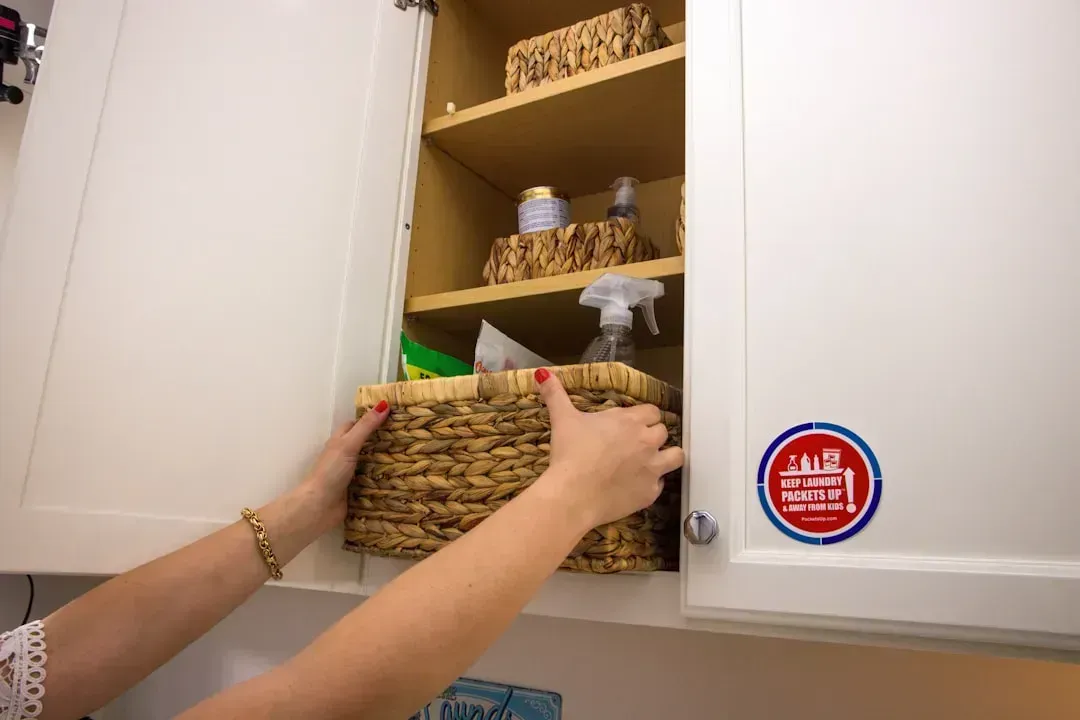
Parents fear all kinds of threats to their children – online dangers, traffic, strangers. Yet the data consistently points back to the home as a primary risk environment. Among children under age 15, the leading causes of preventable death at home are mechanical suffocation followed by drowning. These are preventable with proper precautions, and yet they keep happening.
Young children are quick, curious, and unable to recognize danger, and many parents underestimate these factors. There is a misperception that if we just watch our kids carefully, they will be safe. Combined, children aged 0 to 9 account for more than 2.1 million home injuries, suggesting a need for stronger childproofing of everyday items, better general product safety, and more focus on parental supervision.
Fear Itself: Why Anxiety About the Wrong Things Leaves Us Vulnerable

There’s a deeper issue underneath all of this, and it’s worth sitting with. Concerns about many dangers tend to mirror the tone of political and media discourse rather than statistical data. People have greater access to information than ever before, but they’re also more exposed to commentary and imagery designed to evoke emotion. That emotional exposure shapes what we fear, not necessarily what threatens us.
Fear, like anxiety, often feeds on isolation, so the stronger your community, the better. Experts recommend a grounded approach: research your actual risks, reduce media saturation, and build practical safety habits into your home. Even with recent improvements in some areas, the rate of preventable injury-related deaths occurring in or around the home has increased 190% since 1999 – a sobering reminder that real safety starts right where we live, not in the headlines we scroll through each night.
What would you change in your home first after reading this? Tell us in the comments.