
Flying is one of the most statistically safe things you can do. Rationally, most of us know this. Yet the moment that cabin door seals shut and the engines start roaring, a surprising number of people feel their pulse climb and their palms go damp. You are definitely not alone in that.
A 2025 YouGov survey found that nearly half of American air travelers reported some degree of nervousness about flying, with close to one in five describing themselves as outright “afraid.” Those numbers have been climbing, too. In the wake of high-profile crashes in the early months of 2025, online searches for “fear of flying” and “flight anxiety” exponentially increased. The good news? The people who spend the most time in the air – flight attendants – have seen it all, and they have real, practical tricks that actually work. Let’s dive in.
1. Tell the Flight Attendant Before Takeoff
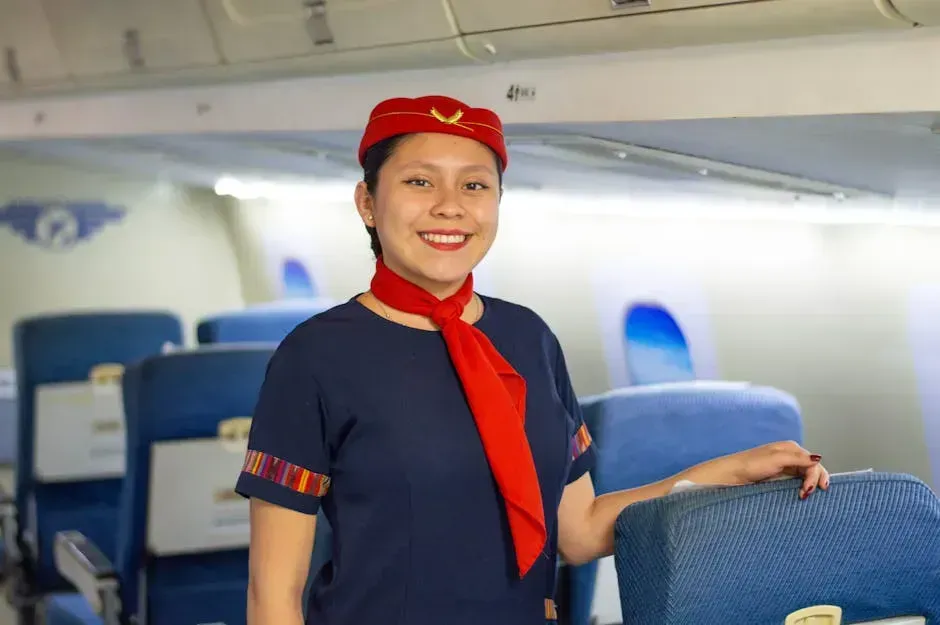
This is probably the single most underrated move an anxious flyer can make, and yet so many people skip it out of embarrassment. Flight attendant Kim Howard of Avelo Airlines puts it simply: “Let your flight attendant know if you get anxious, so we can support you throughout your journey.” She adds that she will ask for a passenger’s seat number and check on them throughout the flight. That kind of personalized attention can be the difference between a miserable two hours and a manageable one.
It is perfectly fine to let a flight attendant know that you are a nervous passenger. They will do everything they can to help you feel more comfortable, and they are actually trained to give reassurance and support. Think of it this way: you wouldn’t stay silent if something hurt. Why stay silent when something frightens you?
2. Choose Your Seat Strategically
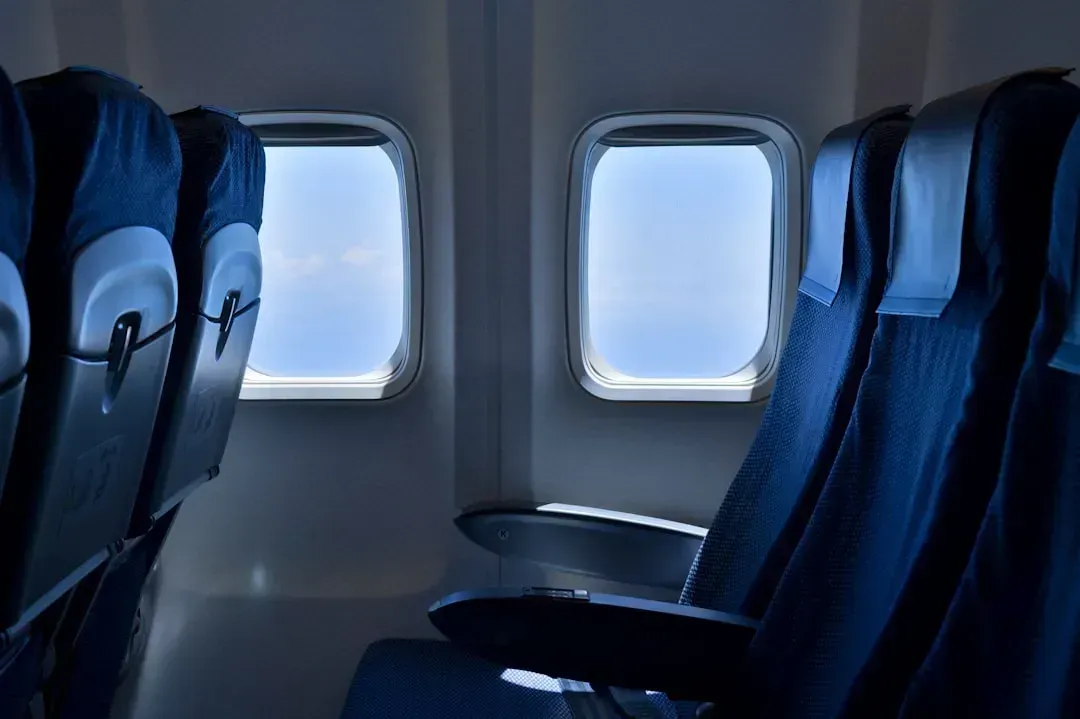
Where you sit on a plane matters far more than most people realize. Sitting close to the center of gravity, like over the wing, is the best place to sit on a plane to feel less turbulence. It’s a bit like sitting in the middle of a seesaw rather than at the very end. Airplanes pivot around their center of gravity, which is typically near the wings, so sitting there means you’ll feel less of the plane’s up-and-down motion.
For nervous flyers, a seat over or just behind the wings is often a good choice because passengers seated here feel less motion when the plane makes turns. Some nervous travelers prefer a seat near the window where they can decide whether or not to look out, while others with claustrophobia need to opt for an aisle seat in order to feel less confined. Honestly, paying a little extra to pick the right seat is one of the best pre-flight investments you can make.
3. Practice Box Breathing or 4-7-8 Breathing
Here’s the thing: your breath is one of the few things you actually control on a plane. By engaging in deep breathing, you activate the body’s relaxation response, reducing the production of stress hormones and promoting a sense of calm. Flight attendants routinely suggest breathing techniques to panicking passengers, and the science backs them up completely. Controlled breathing effectively promotes calm and relaxation because it directly influences your body’s physiological responses to stress, shifting control from the sympathetic nervous system to the parasympathetic nervous system, which promotes relaxation and recovery.
Box breathing involves imagining you’re breathing slowly and steadily in a box-like formation: inhale for a count of 4, hold your breath for a count of 4, exhale for a count of 4, and hold again for a count of 4. Alternatively, the 4-7-8 breathing technique involves inhaling through your nose for a count of four, holding your breath for a count of seven, and exhaling slowly through your mouth for a count of eight – a pattern that helps calm your nervous system, making it ideal for in-flight use.
4. Put on Noise-Canceling Headphones
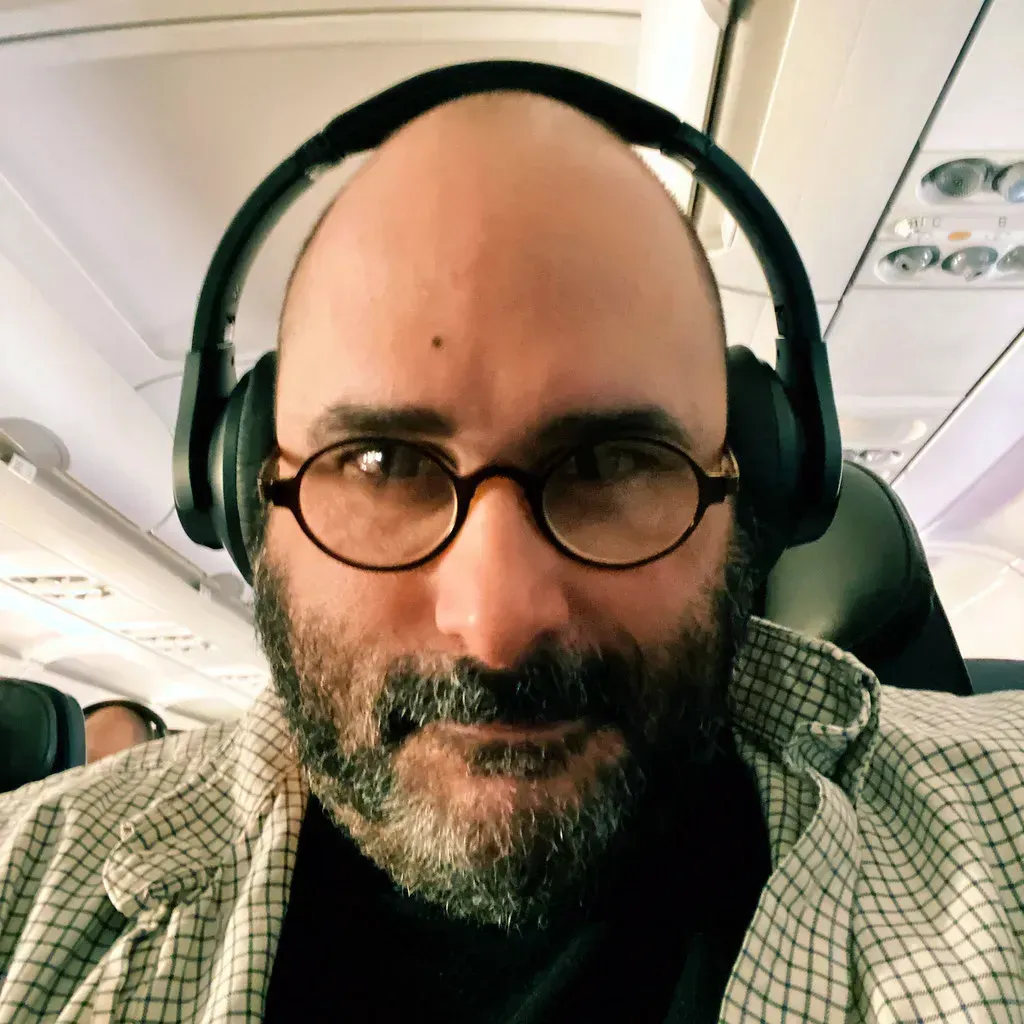
One thing that sends anxious flyers into a spiral? The sounds. Clicks, clunks, engine whines, and the odd groan of the fuselage – none of these are dangerous, but they feel absolutely terrifying when your brain is already on high alert. One of the things that makes people the most nervous on an airplane are all the unusual noises. These are normal noises for flight but they aren’t something people are used to hearing in their everyday life. It can be very helpful to use noise-canceling headphones to shut out some of the normal creaks and bumps associated with flying in an airplane.
Wearing noise-canceling headphones or listening to calming music can help reduce anxiety and keep you calm during bumpy moments. I think of it as building a little bubble of peace around yourself, a personal force field against sensory overwhelm. Reducing external noise helps create an internal sense of calm – and that is something you can literally pack in your carry-on bag.
5. Reframe What Turbulence Actually Is
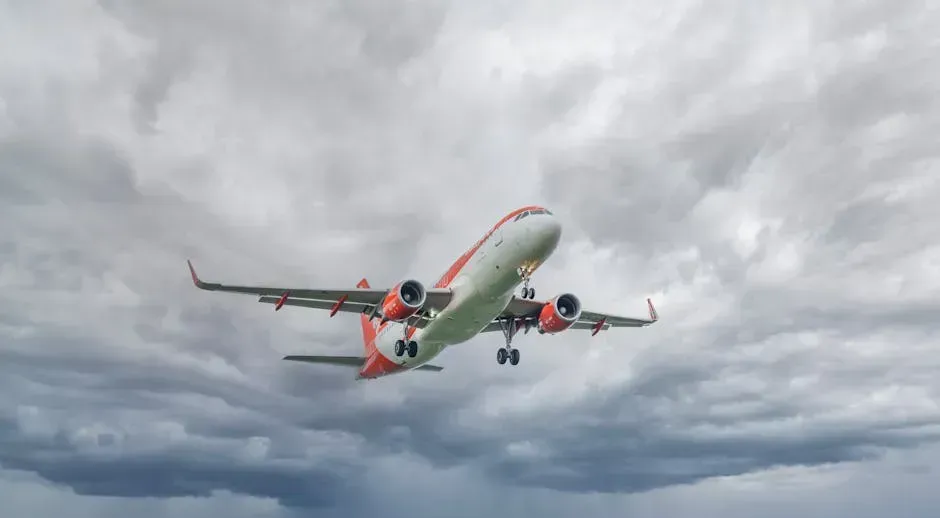
Turbulence is the single biggest trigger for anxious flyers. But flight attendants who deal with it multiple times per week have a fundamentally different relationship with it. According to Delta Air Lines flight attendant Laura Nottingham, “the airplane is designed to fly through turbulence. Nothing is wrong with the aircraft. Pilots are highly trained professionals and know how to expertly handle turbulence.” That’s not just a platitude – it’s engineering fact.
As one flight attendant explains, “Turbulence is so difficult for folks because they don’t have control of the wheel and most don’t understand the extreme conditions a plane can withstand.” Simply knowing the wings can and have been tested to flex nearly 25 feet up and down on a 737 without hurting the structure of the plane can help. Typically, turbulence lasts 10 to 20 minutes, making it a short experience if you do run into it on your flight. Short, manageable, and normal. That reframe alone can take the edge off.
6. Keep Your Mind Actively Engaged
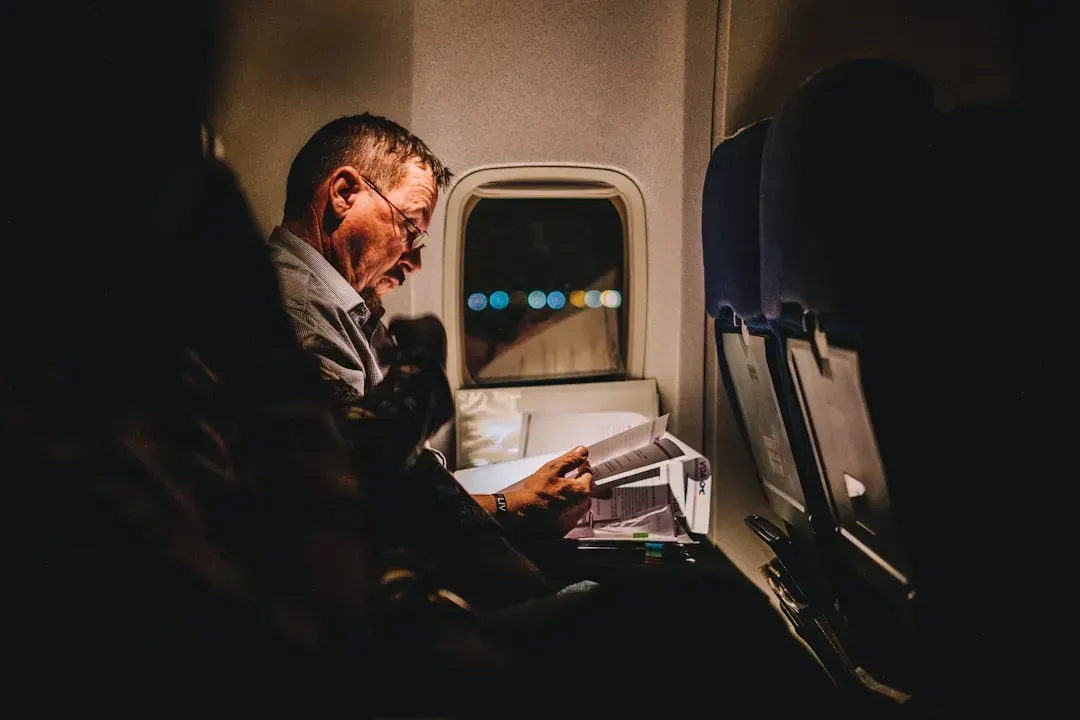
An idle, anxious mind is a dangerous thing at 35,000 feet. Flight attendants know this intuitively. By being busy, there is no time to be afraid – mentally occupying yourself helps redirect anxiety which in turn helps you relax. It’s strikingly similar to how a child stops crying the moment you hand them something interesting to play with. The brain can only focus on so many things at once.
While on a flight, use healthy distraction to avoid negative thoughts. This could be a movie, a game on your phone, a book, or any activity that keeps your mind busy. Engaging in puzzles like crosswords, Sudoku, or digital games can be another excellent way to stay busy and distracted. Expressing your thoughts through writing or drawing in a journal can also be quite therapeutic. Pack a variety of options – you never know what will click for you mid-flight.
7. Avoid Caffeine and Alcohol Before and During the Flight

It sounds counterintuitive, but that pre-flight glass of wine or morning coffee could be making your anxiety worse. Coffee, tea, and other caffeinated drinks can oftentimes heighten anxiety and cause dehydration, which can then lead to physical ailments like headaches as well. Staying hydrated with water before and during your flight is a much better option. Dehydration at altitude already amplifies physical discomfort, so layering caffeine on top is a recipe for a rough flight.
Hitting the airport bar a bit hard before the flight is not the answer. While you might think it will help calm your nerves, people still tend to feel anxious while drinking, and sometimes it can even make your anxiety worse. The same goes for caffeine, which can make you jittery and hyperaware. Stick to water or herbal tea. It’s not glamorous advice, but it genuinely helps.
8. Use the 5-4-3-2-1 Grounding Technique
When anxiety spikes and breathing alone isn’t cutting it, grounding techniques pull you back into the present moment with remarkable speed. The 5-4-3-2-1 method works by engaging all five senses in sequence: name five things you can see, four you can physically feel, three you can hear, two you can smell, and one you can taste. One of the most accessible ways to achieve a calmer state is through the senses. Interpreting sensory input is a baseline ability – senses even sharpen in anxious states. The act of attuning to the environment both occupies the brain and helps assess the lack of immediate threat.
When turbulence begins, shifting attention to breathing exercises helps. Trying the 5-4-3-2-1 technique can help you remain calm, along with grounding techniques like feeling your feet on the floor, gripping the armrests, or focusing on other physical sensations to stay present. It sounds almost too simple. But it works because it forces your brain out of the future-catastrophizing loop and into what is actually happening right now, which is almost always fine.
9. Ask for a Seat Move If Needed
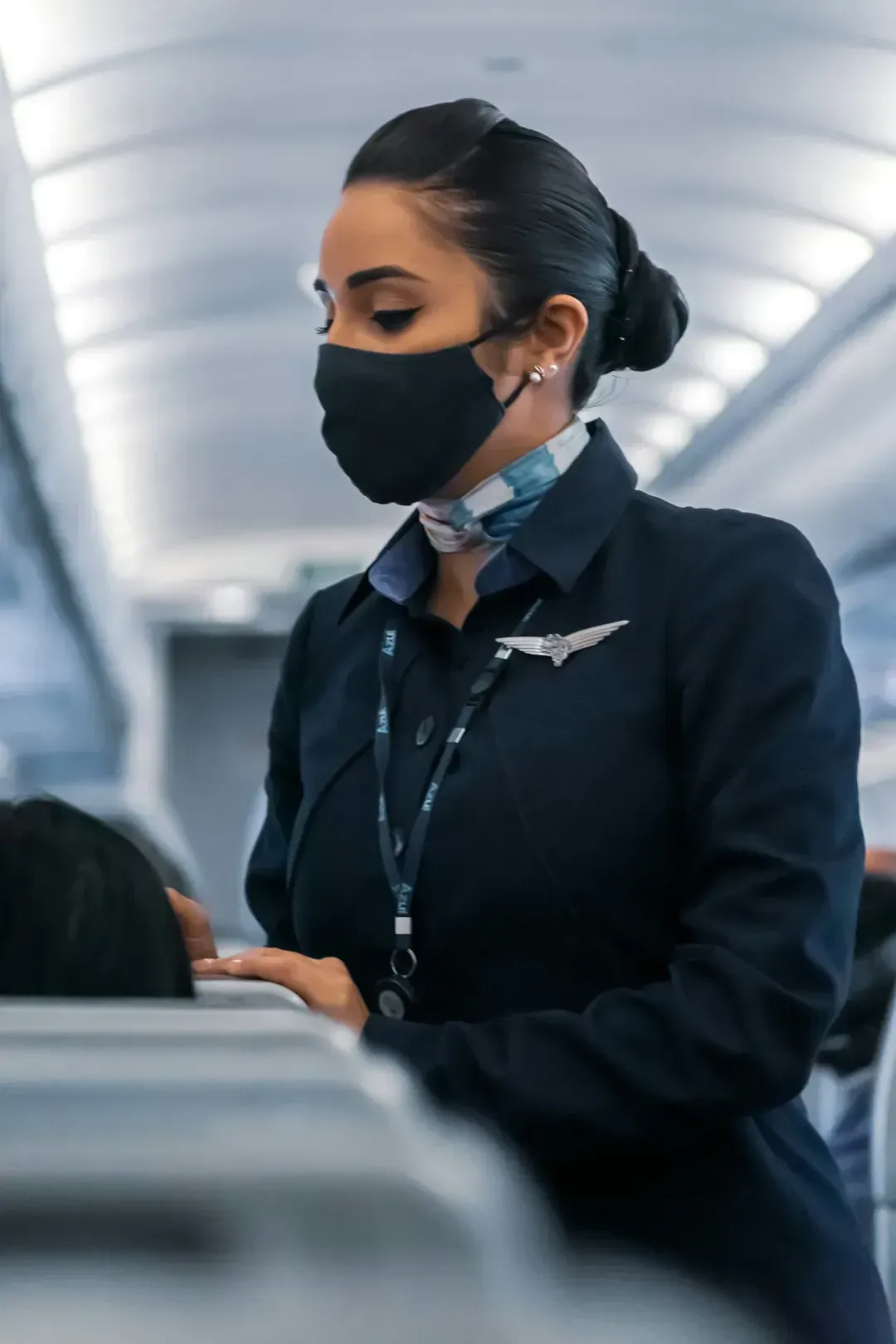
This tip is one that most passengers never think to use, yet flight attendants say it is completely normal to request. As one flight attendant at Eastern Airlines explains: “If we notice a passenger is really nervous about their journey in the skies, and they’re seated toward the back, we offer to re-accommodate them to another part of the aircraft where the turbulence may feel lighter, like the front of the aircraft or near the wings.” You don’t have to suffer in a bad seat for an entire flight.
Flight attendants can check in on you during the flight, especially during turbulence, offer calming reassurance or explain what’s happening, help you relocate to a quieter seat if one is available, and provide a distraction or even just a grounding chat. If turbulence is particularly severe or if you feel more comfortable in a different part of the aircraft, you can ask a flight attendant if a seat change is possible. If the plane is not full, they may be able to accommodate your request.
10. Remind Yourself of the Actual Safety Statistics
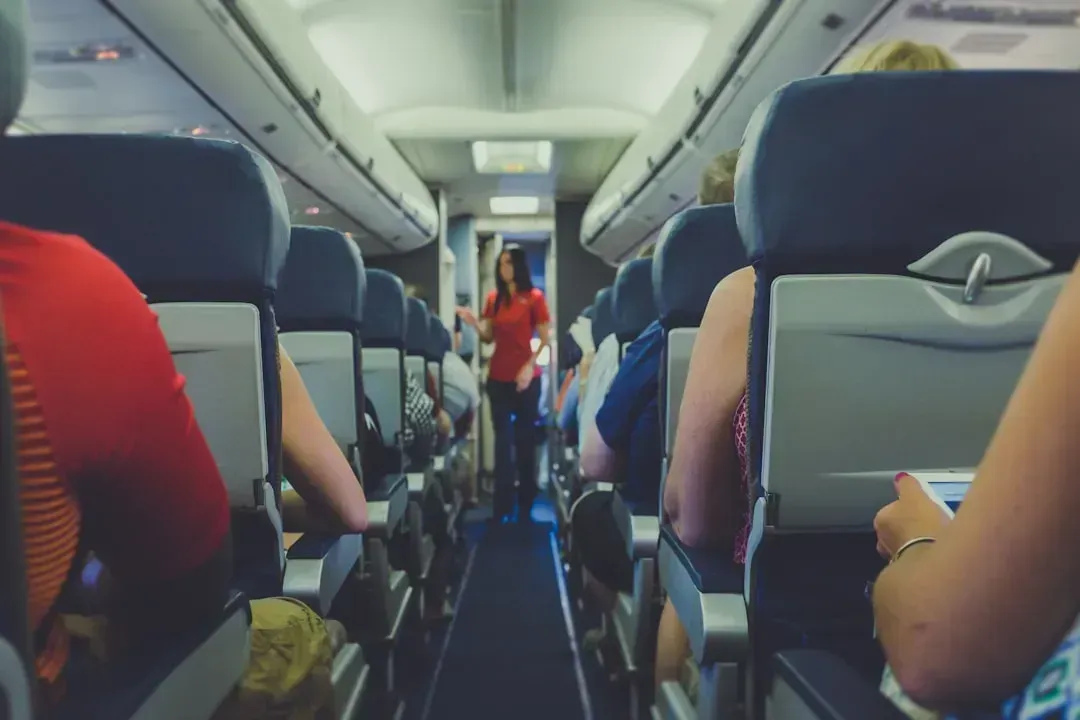
Your anxious brain is not a reliable narrator when it comes to flying. The news coverage of aviation incidents feels overwhelming, but the actual numbers tell a very different story. According to research done by the Massachusetts Institute of Technology, your odds of being in a fatal plane crash are about one in 13.7 million, much lower than the chance of being in a car accident. That is a staggeringly small risk – smaller than most things we do every single day without thinking twice.
In its 2024 safety report released in February 2025, IATA calculated that last year saw one accident for every 880,000 flights – or just seven fatal accidents out of 40.6 million flights in 2024. A 2024 study from MIT found it’s roughly 40 times safer to fly now than compared to the 1960s. Flight attendants who understand these numbers board every single flight with calm confidence. With a little knowledge, you can borrow some of that confidence for yourself.