
When most people imagine a deadly animal, they picture something large, fast, and ferocious. A shark cutting through the water. A lion on the savannah. Maybe a grizzly bear defending its territory. Rarely does anyone picture a tiny, buzzing insect hovering near a standing puddle of water. Yet that instinct, while understandable, is spectacularly wrong.
The truth is that some of the smallest creatures on this planet are also the most lethal. Not because of teeth or claws, but because of biology, behavior, and an almost terrifyingly efficient ability to spread disease. The numbers, once you actually look at them, are genuinely staggering. So let’s get into why some insects leave apex predators in the dust when it comes to killing humans.
The Numbers Don’t Lie: Insects vs. Apex Predators
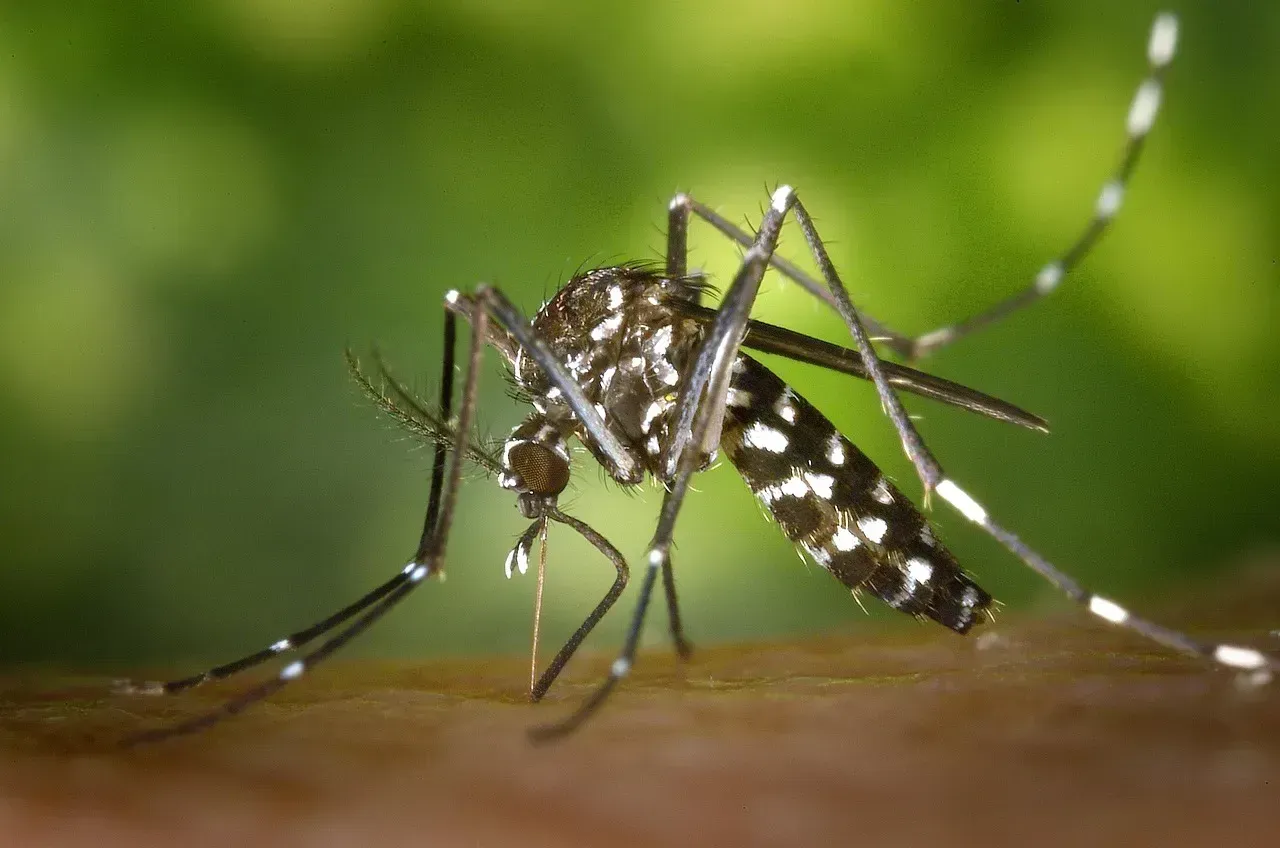
Let’s be real about what the data shows. Mosquitoes are responsible for up to one million human deaths per year, whereas snakes kill an estimated one hundred thousand and sharks a mere ten. That is not a small gap. That is an almost incomprehensible difference in lethality, especially when you consider that sharks have inspired a multi-billion-dollar fear industry in film and culture.
Causing roughly seven hundred thousand deaths each year, mosquitoes are much deadlier than snakes, crocodiles, lions and sharks combined. Think about that for a moment. All those large, terrifying predators put together still cannot match the killing power of an insect that weighs less than a grain of rice. Size, it turns out, is one of the biggest red herrings in the natural world.
The Secret Weapon: Insects as Disease Vectors
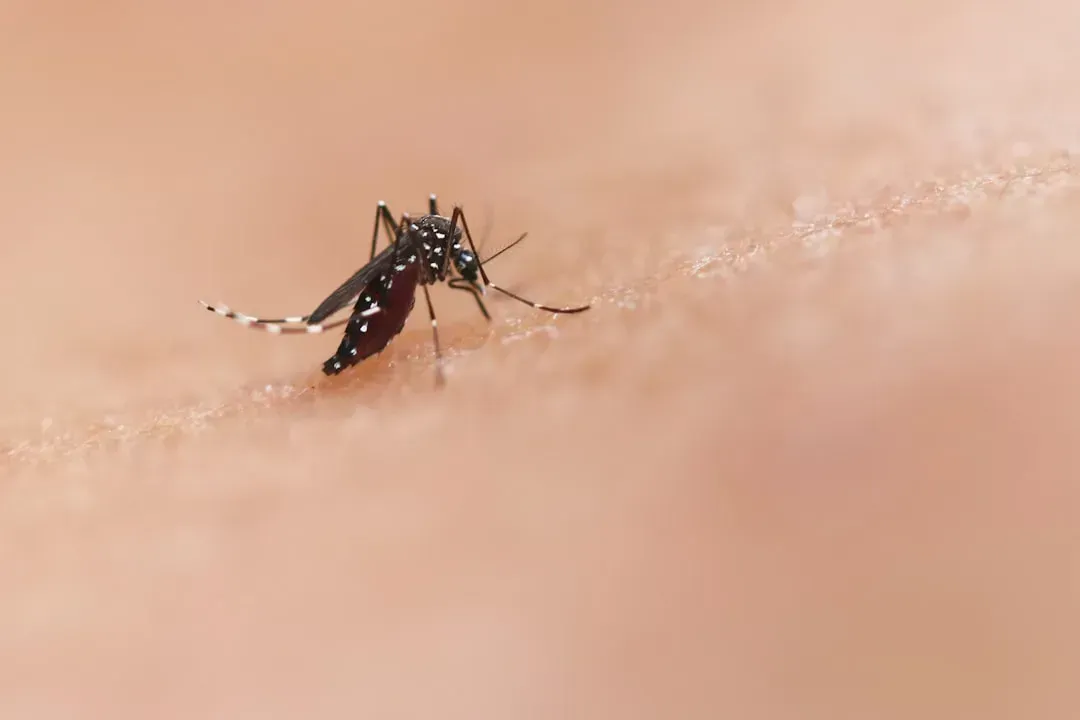
Insects are extraordinarily dangerous in large part due to their proficiency at carrying and spreading deadly diseases, from malaria to the black death. Many species of insect feed on vertebrate blood, putting them in a prime position to carry nasty bacteria, viruses, and parasites from victim to victim, and often from animal to human. A lion kills one person at a time. A mosquito can infect hundreds in a single season.
When insects and ticks feed on blood, the pathogen enters the bloodstream of the host. These pathogens replicate within the vector, and the vector is often a carrier for the rest of its life. The pathogen is spread to new hosts from the vector during subsequent blood meals. Think of it like a flying hypodermic needle that refills with a new patient’s blood each time it feeds and then injects it into the next one. Honestly, it is a horrifying but elegant system.
The Mosquito: The Deadliest Animal on Earth
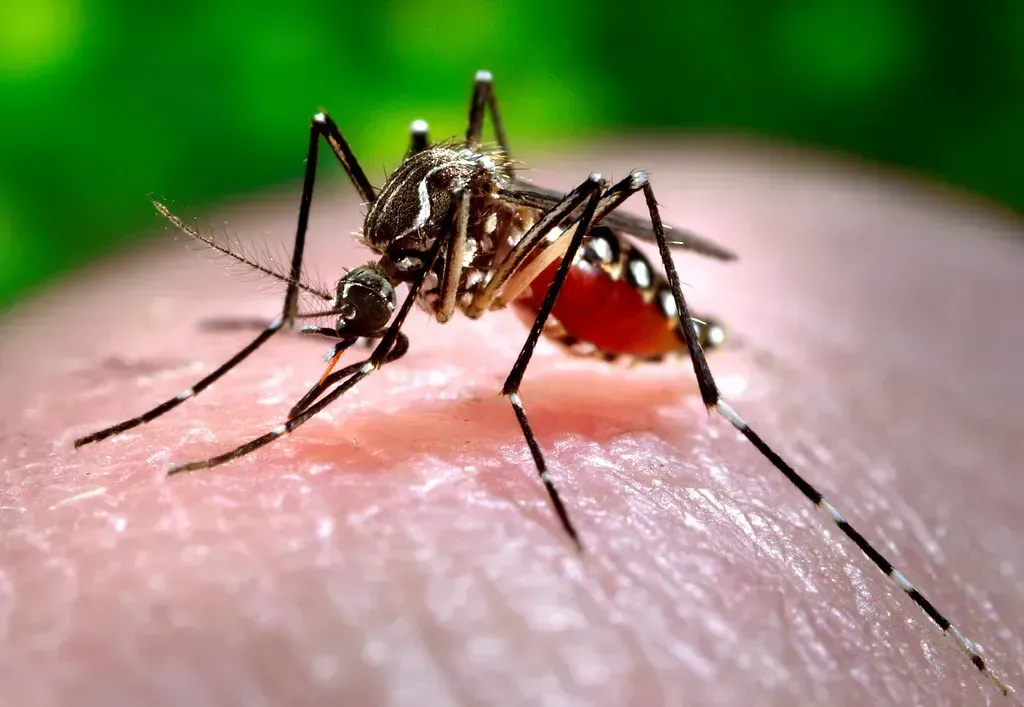
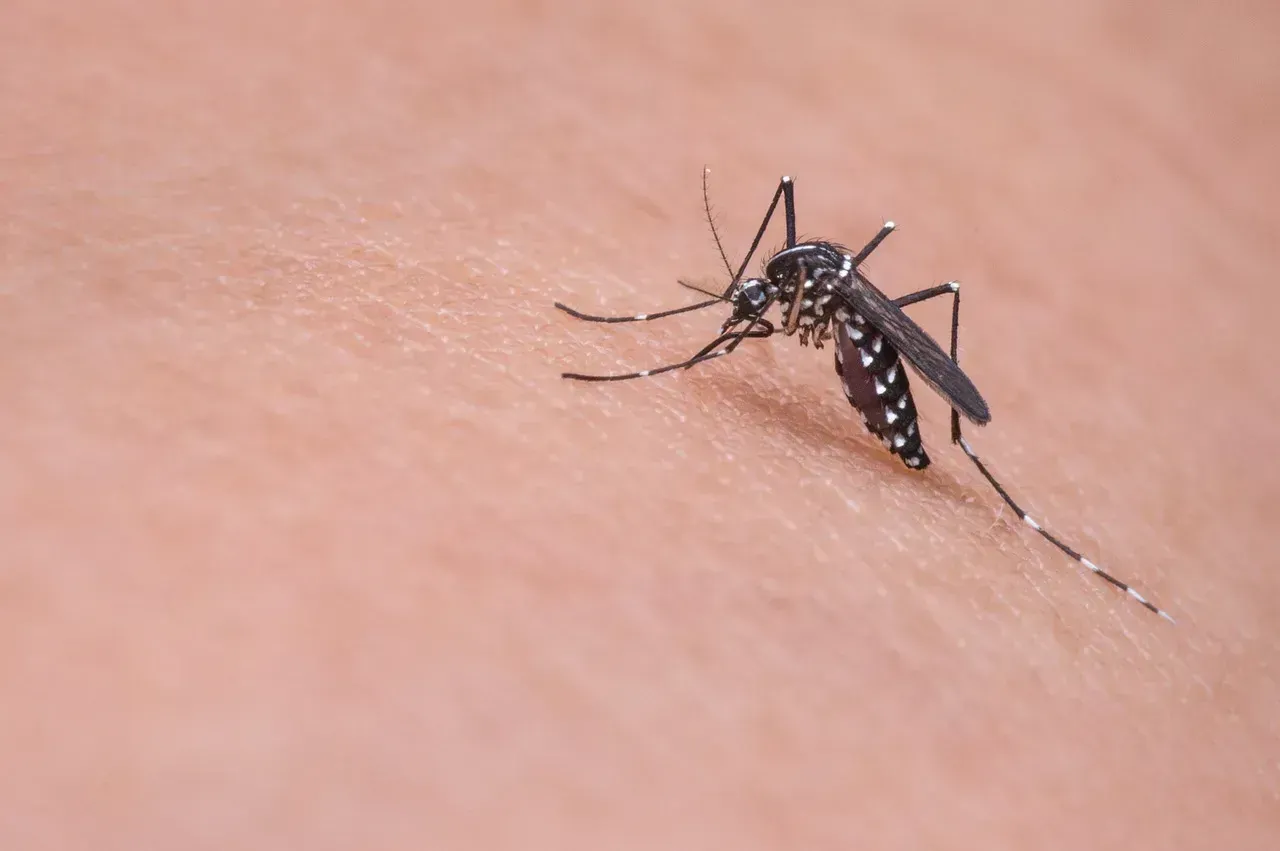
The mosquito is the world’s deadliest animal. Spreading diseases like dengue, West Nile, Zika, chikungunya, malaria, and lymphatic filariasis, the mosquito kills more people than any other creature in the world. This is not a fringe scientific opinion. The CDC, the WHO, and virtually every major global health institution have arrived at the same conclusion.
Research highlights that mosquitoes are vectors for over thirty diseases, including dengue fever, Zika virus, and chikungunya, contributing to more than seven hundred million infections annually. Malaria alone continues to be a leading cause of preventable illness and death in the world, resulting in nearly two hundred sixty-three million cases and five hundred ninety-seven thousand deaths across eighty-three countries in 2023. The scope of this single insect’s impact on human civilization is almost impossible to fully grasp.
Why Small Size Actually Makes Insects More Dangerous
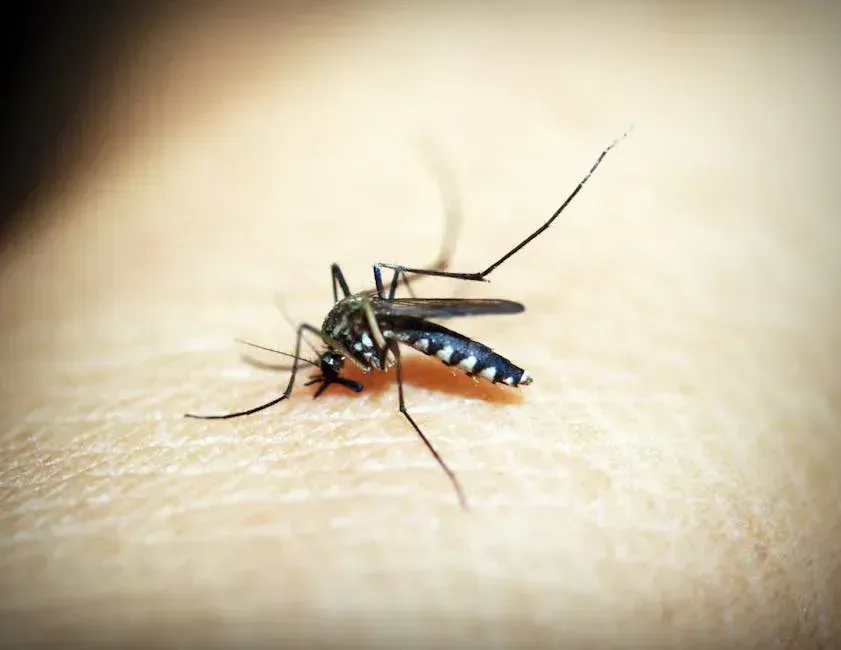
Here is the thing: being small is not a disadvantage when your weapon is a pathogen rather than brute force. When it comes to spreading illnesses and diseases, even life-threatening ones, insects are nearly the perfect vectors. They are small in size, and many have piercing or chewing mouthparts that can easily inject pathogens into the bloodstream. They do not need to overpower you physically. They need only to land on your skin for a few seconds.
Insect vectors are often very efficient at infection. With an insect vector you do not need to meet the person or animal that infects you, which may be over long distances or extended time. A lion in Africa cannot reach someone in Southeast Asia. A mosquito species, given enough time and human movement, absolutely can. Since 2000, dengue cases have skyrocketed, with an eightfold increase. It is now rapidly expanding in Europe, the United States, and in new parts of Africa.
The Tsetse Fly and the Horror of Sleeping Sickness
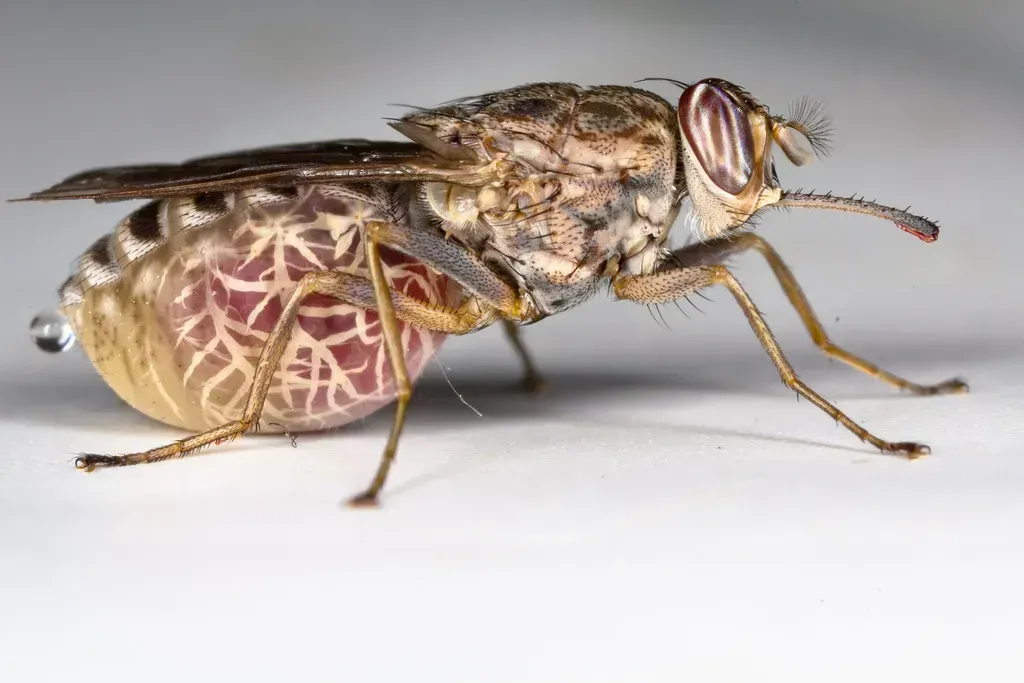
Human African trypanosomiasis is caused by protozoan parasites transmitted by infected tsetse flies. It is endemic in sub-Saharan Africa. Without treatment, it is generally fatal. The tsetse fly looks unremarkable. It is slightly larger than a housefly. Yet the disease it carries is one of the most gruesome conditions a human being can experience.
The infection causes a swelling of the lymph nodes at the back of the neck. Once the pathogen crosses the blood-brain barrier and infects the central nervous system, the patient becomes lethargic or insane, then goes into a coma, and finally dies. Historically, the scale of damage caused by this small fly is staggering. In 1901, a devastating epidemic erupted in Uganda, killing more than two hundred and fifty thousand people, including about two-thirds of the population in the affected lakeshore areas.
Fleas and the Black Death: When Insects Changed History
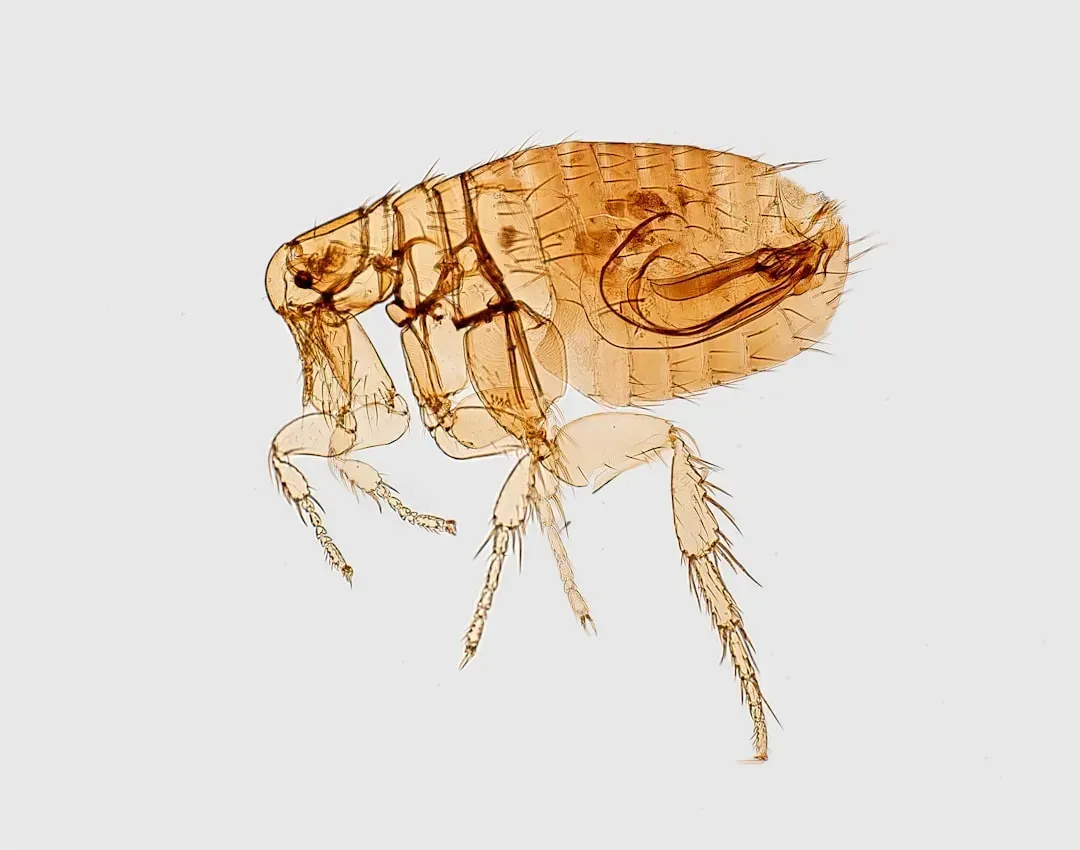
Fleas may seem like a minor nuisance, but they are actually responsible for one of the deadliest pandemics in human history: the Black Death. Fleas transmit bubonic plague by biting infected rodents and then biting humans, transferring the bacteria into their bloodstream. The flea, a creature barely visible to the naked eye, triggered an event that killed roughly a third of Europe’s population in the fourteenth century.
Like many other blood-sucking insects, fleas are involved in the transmission of vector-borne pathogens. Current data suggest that fleas transmit pathogens through their feces and not through their bite. The microorganisms later enter the vertebrate skin through scratch lesions. It is a grotesque mechanism, and yet it was enough to reshape the entire geopolitical landscape of medieval civilization. No lion or bear has ever come close to doing anything like that.
Bees, Wasps, and the Danger of Venom
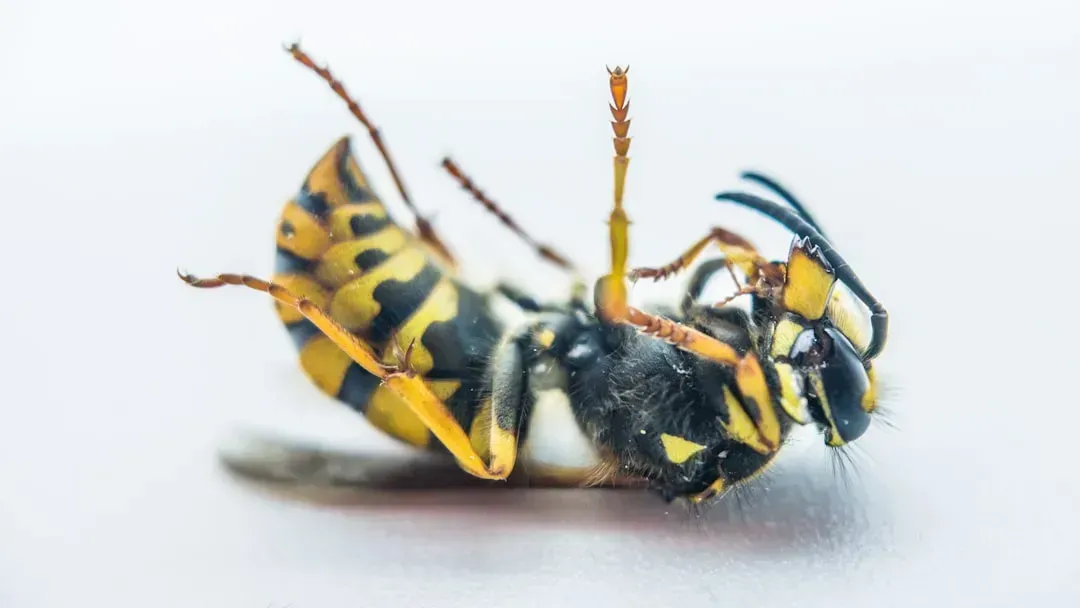
Not every dangerous insect relies on spreading disease. Some kill through a more direct route. Insects from the Hymenoptera order, including bees and wasps, cause numerous fatalities due to allergic reactions. About ten deaths are reported each year from bee or wasp stings in the UK alone, often due to anaphylaxis. Research indicates that severe allergic reactions can develop in between one and three percent of the population, leading to life-threatening situations.
The specific venom Asian giant hornets use is mandaratoxin, which is a neurotoxin that can eat through human tissue and destroy red blood cells. Even if a human were to survive a swarm of Asian giant hornets, they may still find themselves with ongoing kidney problems and may require dialysis to rid their kidneys of the toxins. Perhaps even more frightening, if stung, the puncture can widen and become necrotic, which can lead to organ failure and death. I think most people hear “bee sting” and think of mild pain, not kidney failure. That assumption can be deadly.
Climate Change Is Making Insect Threats Worse
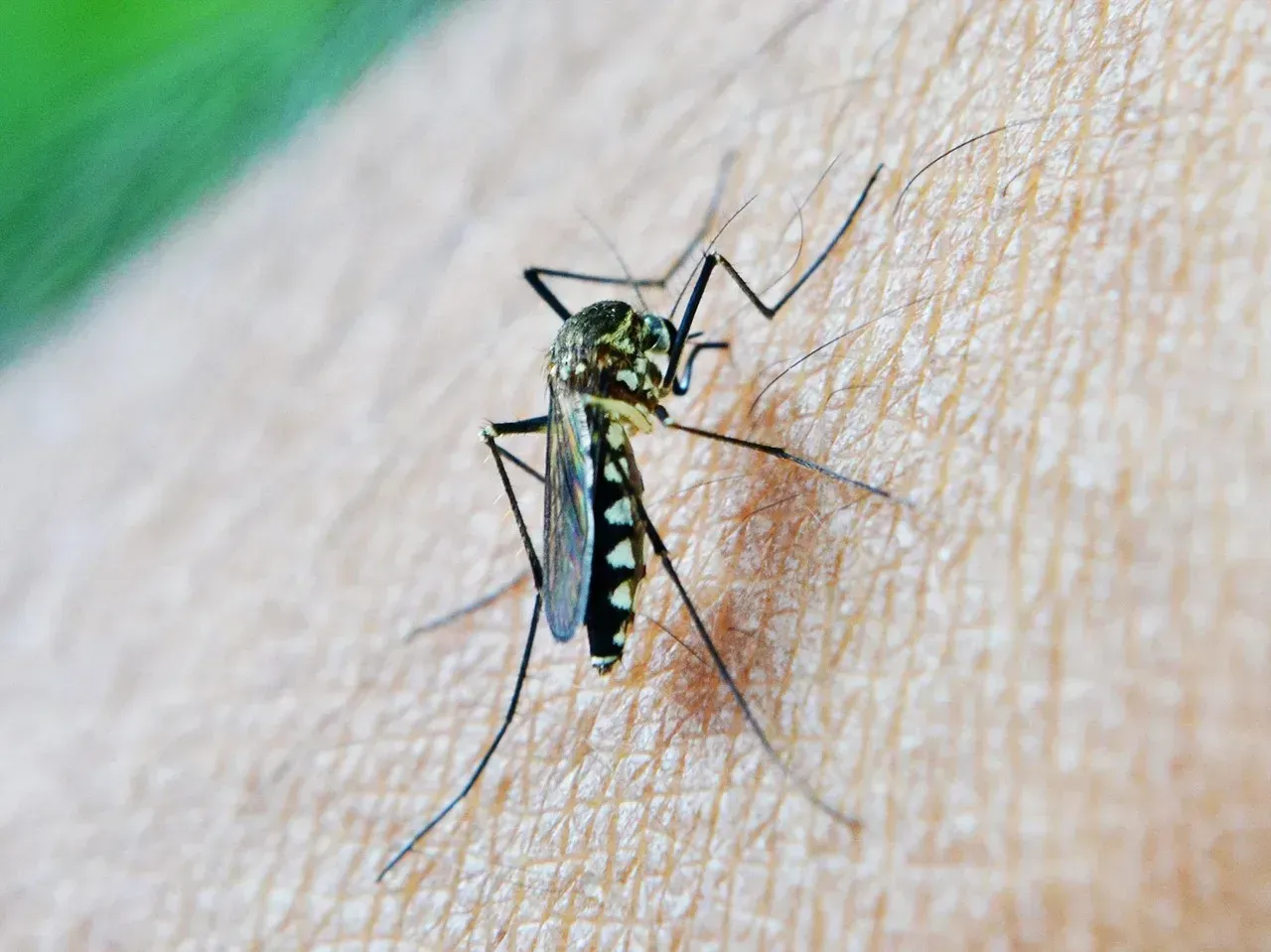
Climate change affects vector-borne disease transmission through multiple ecological and biological pathways. Increased temperatures can accelerate vector development, biting rates, and pathogen replication within vectors, shortening transmission cycles. Changes in precipitation influence the availability of breeding habitats for vectors such as mosquitoes, while extreme weather events can disrupt ecosystems and increase human exposure to vectors. In other words, a warming world is quite literally a more dangerous world when it comes to insects.
Like all insects, mosquitoes are cold-blooded creatures whose internal temperature depends on the external temperature. There is a direct correlation between climate change and the activity and density of mosquitoes: they are developing more quickly, and the virus incubation period is also becoming shorter. The higher the temperature, the greater the risk associated with vector-borne diseases. It’s hard to say for sure exactly how bad this will get, but the trajectory is not encouraging. Species that were once geographically contained are steadily moving into new territories, bringing their diseases with them.
Insects Have Shaped Human History More Than Any Predator
Insects have been implicated in major history-defining events, from devastating plagues to colonial expansions, and their effects have shaped our own human evolution. A grizzly bear might kill one unfortunate hiker. An insect-borne disease can topple empires and determine the outcomes of wars. The Roman Empire’s collapse has been partly linked by historians to malaria. Napoleon’s forces were devastated by typhus, carried by body lice, during his Russian campaign.
According to the World Health Organization, vector-borne diseases account for more than seventeen percent of all infectious diseases, lead to more than seven hundred thousand deaths annually, and contribute to a large overall global burden of debilitating disease. The cumulative weight of insect-driven illness on human civilization throughout history is something no other animal even approaches. It is not a competition.
The Kissing Bug and the Silent Spread of Chagas Disease
Note: Not all PHIL images are public domain; be sure to check copyright status and credit authors and content providers.
العربية | Deutsch | English | македонски | slovenščina | +/−, Public domain)
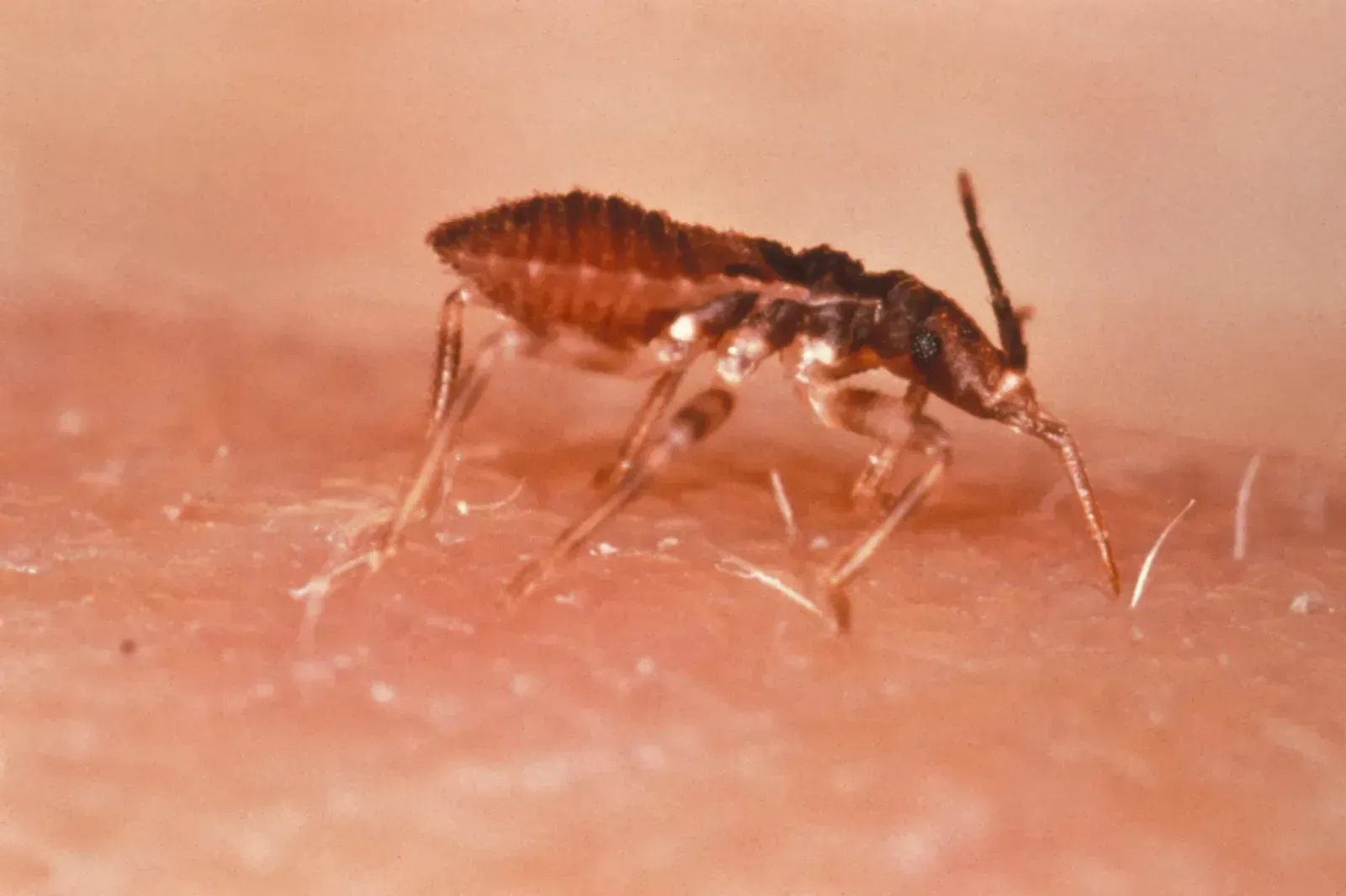
Triatomine bugs are considered a killer insect because they carry the Trypanosoma cruzi parasite, which is responsible for causing Chagas disease. When the triatomine bug bites, it defecates in the wound, leaving the parasite behind. Once Chagas disease is transmitted to a human, it presents itself in two phases: phase one introduces flu-like symptoms that go away in a few weeks or months. Phase two is especially troublesome and can cause serious health issues and death, including intestinal problems, blood clots, heart failure and sudden cardiac arrest.
What makes this particularly unsettling is how the kissing bug operates. These blood-sucking arthropods get their nickname from their tendency to bite people around the mouth and other areas of their face. They are members of a group known as assassin bugs and are predominantly found in the Southern U.S., Mexico, Central America and South America. Chagas disease is responsible for thousands of deaths annually. The bug is quiet, nearly invisible, and strikes while people sleep. That is a different kind of terror than any large predator offers.