
There’s a particular kind of nostalgia that comes with remembering childhood in the 1970s and 1980s: long summer days with no check-ins, bikes without helmets, car rides without much thought given to restraints. For many people, these memories carry a warm, almost carefree feeling. Yet when you look at them through the lens of what we now know about child safety, the picture gets more complicated fast.
Parenting norms have changed dramatically, driven by decades of injury research, public health campaigns, and evolving laws. What once passed as completely ordinary has, in many cases, been reclassified as dangerous, irresponsible, or outright illegal. Here are 19 things our parents did routinely that would raise real safety concerns – and genuine parental anxiety – today.
1. Letting Kids Ride Without Car Seats or Seatbelts
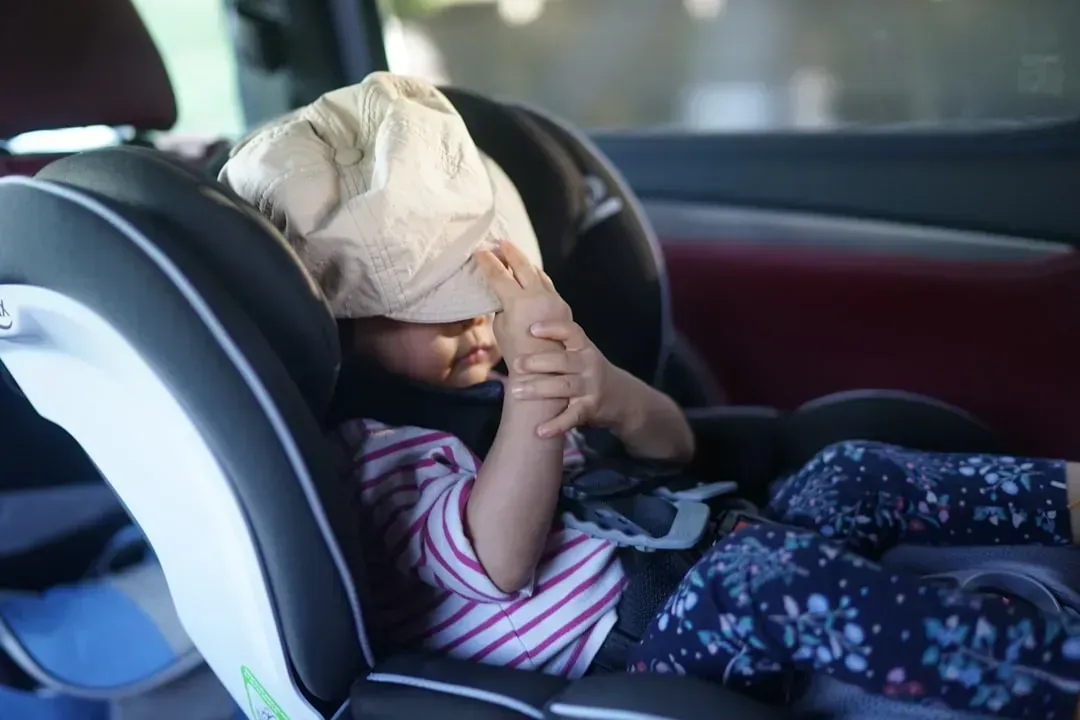
During the 1970s, many children rode in cars without seatbelts or proper restraints. Some stood on seats or sat on laps. Seatbelt laws were limited and poorly enforced. It was a world where the biggest “safety device” was, as one parent famously recalled, a parent’s arm thrown across the chest during a hard stop.
NHTSA estimates that correctly used child restraints reduce fatalities by 71% for infants younger than one year old and by 54% for children one to four years old in passenger cars. New York enacted the first statewide seatbelt use law in 1984, and from 1978 to 1985, every state and the District of Columbia passed laws requiring child restraints for young passengers. The contrast with that era of casual, unrestrained travel could not be sharper.
2. Riding in the Back of a Pickup Truck

Riding in the open bed of pickup trucks was widely accepted in the 1970s, especially in rural areas. Children often stood or sat without restraints, and few people considered the risks of sudden stops or collisions. It felt adventurous and completely normal, particularly on summer drives through the countryside.
Modern injury data made that habit indefensible. Ejection risk, rollover fatalities, and impact trauma are dramatically higher when passengers are unrestrained or riding in cargo areas. Safety campaigns and state laws have increasingly restricted minors riding in pickup beds, though the exact rules still vary. Today, allowing a child to ride in a truck bed would likely draw immediate attention from other drivers or law enforcement.
3. Smoking Inside the Car With Kids Present

Throughout the 1980s, smoking around children was widely normalized, even inside homes, cars, schools, and hospitals. Many adults believed that cracking a window or smoking in another room reduced harm, as public awareness of secondhand smoke risks was limited. Anti-smoking regulations were minimal, and tobacco advertising rarely mentioned health consequences for children.
Secondhand smoke can cause sudden infant death syndrome, respiratory infections, ear infections, and asthma attacks in infants and children. In children under 18 months old, secondhand smoke causes up to 15,000 hospitalizations per year in the United States. The idea of lighting a cigarette in a sealed car with a child in the back seat is now not only culturally unacceptable but in many jurisdictions illegal.
4. Putting Babies to Sleep on Their Stomachs

For decades, placing infants face-down to sleep was standard advice, promoted by pediatricians who believed it reduced the risk of choking on spit-up. Parents followed this guidance without question, and it was considered the responsible thing to do.
Babies younger than one year old should be placed on their backs to sleep – never on their stomachs or on their sides. Sleeping on the stomach or side increases the risk for SIDS. The “Back to Sleep” campaign of the early 1990s recommended placing sleeping babies in a supine position, and the campaign led to a substantial decrease in SIDS cases. It remains one of the most significant reversals in mainstream pediatric advice.
5. Leaving Children Alone in a Parked Car
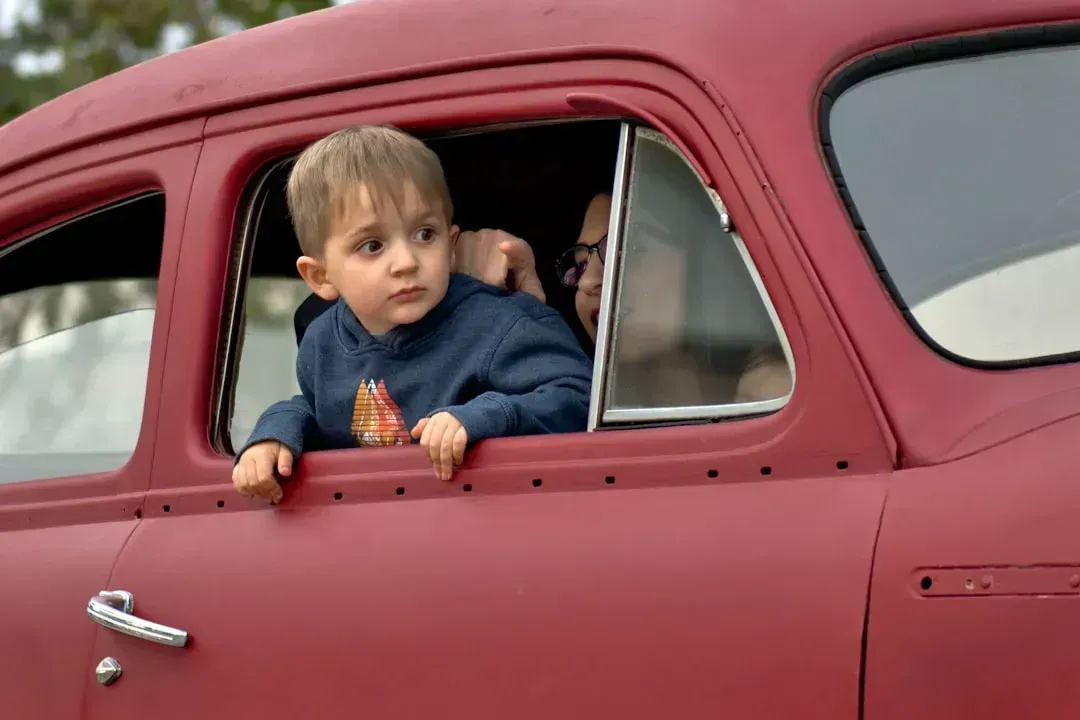
In the 1980s, many parents thought nothing of leaving a child in the car for “just a minute” while they ran into the bank, pharmacy, or convenience store. The logic was simple: the errand was quick, the doors were locked, and the child could sit tight. In many suburbs, this was treated as routine rather than reckless.
That attitude has changed dramatically because modern research on heatstroke, abduction risk, and accidental injury is impossible to ignore. According to pediatric safety experts, the temperature inside a parked car can rise fast enough to become deadly even on mild days. Children are also more vulnerable because their bodies heat up more quickly than adults. What once seemed like a quick, harmless errand has become one of the most scrutinized parenting decisions possible.
6. Letting Kids Roam the Neighborhood Unsupervised for Hours

Remember when parents would simply tell children to “be home before the streetlights come on”? That was the extent of childcare planning for an entire summer day. Children would leave after breakfast, and parents had absolutely no idea where they were for the next ten to twelve hours. No GPS tracking, no check-in calls, just the neighborhood as a playground.
Today’s legal and social climate views unsupervised young children through a very different lens. What was once seen as resilience may now be interpreted as neglect, particularly if a child is very young, crossing busy roads, or wandering near commercial areas. Several modern cases have drawn national attention after parents were investigated simply for allowing children to walk alone. The shift reflects denser traffic, weaker community familiarity, and much stronger expectations around supervision.
7. Sending Young Kids to School or Friends’ Houses Alone on Foot

Many children in the 1970s walked to school alone or with siblings at a young age. This independence was seen as normal and character-building. Today, parents worry about traffic, personal safety, and liability. School policies often encourage supervised transportation.
Children as young as five or six walking alone several blocks was unremarkable in that era. In recent years, there has been a decline in the number of children who walk or bike to school. This is partly due to safety concerns, as parents are more cautious about allowing their children to travel alone. Today, the sight of a very young child walking alone along a main road will often prompt a call to authorities from concerned passersby.
8. Riding Bikes Without Helmets

Children commonly rode bicycles without helmets or protective gear of any kind in the 1970s. Helmets were rarely sold and not promoted by schools or parents. Falls were expected, and injuries were considered part of growing up. The prevailing wisdom was simple: you fall, you get back up.
Today, parents understand that head injuries can cause permanent damage. Medical studies show helmets significantly reduce the risk of serious brain trauma. Many areas now require helmet use by law. Parents who allow children to ride without protection may face criticism or legal consequences. The helmet-free bike ride, once universal, has become a marker of parental negligence in many communities.
9. Playing With Lawn Darts (Jarts)

In the 1970s and much of the 1980s, kids throwing deadly projectiles around the backyard was considered good, clean fun. Lawn darts, or Jarts, were a sort of cross between traditional pub darts and horseshoes that involved players tossing large, weighted metal darts with plastic fins up in the air to hit targets placed across the yard. They were a standard backyard fixture at family gatherings and summer cookouts.
The Consumer Product Safety Commission conducted research that uncovered more than 6,100 lawn dart-related injuries in less than a decade; more than 80 percent of those injuries happened to children ages 15 or younger, and many caused permanent damage to their head, eyes, or face. Emergency room visits became so frequent that the Consumer Product Safety Commission banned them in 1988 after thousands of injuries and multiple deaths. The ban came far later than it should have.
10. Allowing Kids to Play on Old Metal Playground Equipment
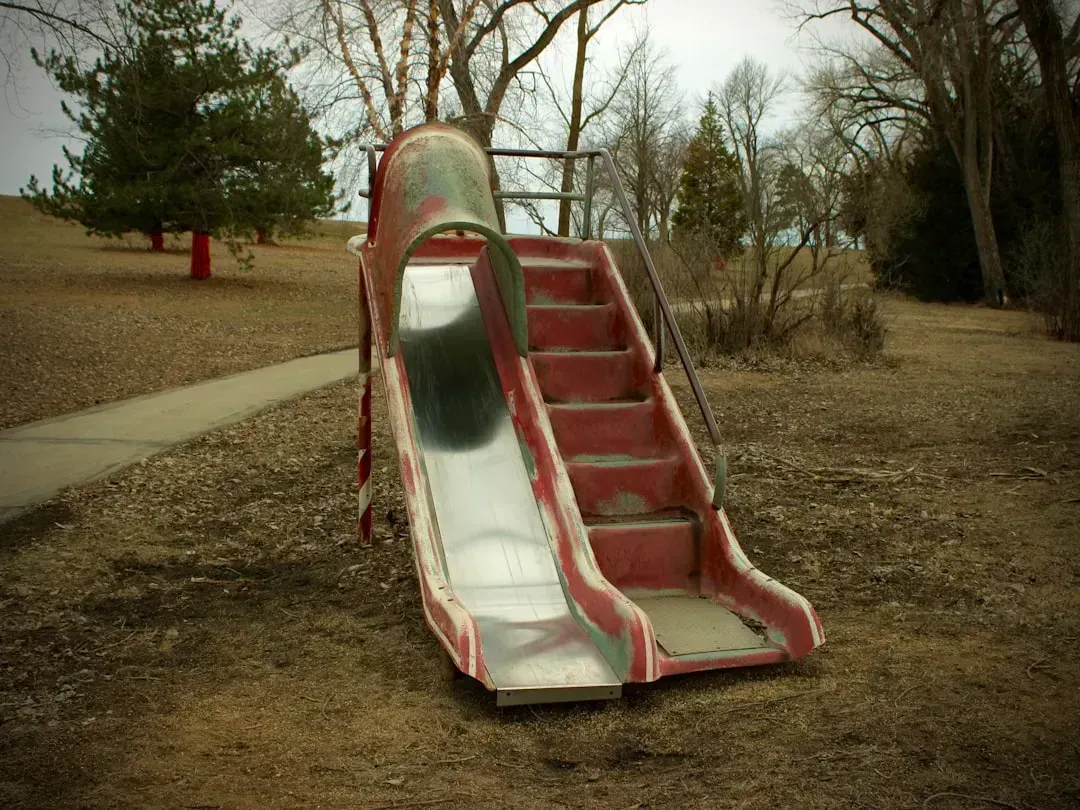
Every playground from the 1960s to the 1980s was, by today’s standards, a danger zone. Tall metal slides got scorching hot in the sun, and jungle gyms sat over hard asphalt. It’s a miracle more children didn’t end up with broken bones. Parents watched from benches as their children risked life and limb on teeter-totters and merry-go-rounds spinning at alarming speeds.
These sets were often made of rigid steel with minimal padding, sharp edges, and little consideration for impact safety. Unlike modern playground equipment, they lacked features such as shock-absorbing surfaces, rounded edges, and structural reinforcements. Falls from even modest heights could result in serious injuries, especially when combined with hard ground surfaces like concrete or packed dirt. Today’s safety-certified playgrounds look almost unrecognizable by comparison.
11. Giving Kids Toys That Contained Lead Paint

Lead was banned in a number of products in the U.S. in 1978, including house paints, cookware, and children’s products. Before that, lead-based paint was used routinely in toy manufacturing, and children mouthed, chewed, and handled those painted surfaces constantly without anyone raising an alarm.
Excessive amounts of lead in the paint and manufacturing of toys and other children’s products presents a high risk of toxic lead poisoning in children, which may result in adverse and severe health conditions, as well as neurological or behavioral disorders. Lead poisoning can even result in death. In 2007, Mattel’s Fisher-Price recalled 1.5 million toys after the Consumer Product Safety Commission alleged the company had imported and sold toys that tested for high levels of lead, in some cases 180 times higher than the legal limit.
12. Letting Very Young Children Stay Home Alone (Latchkey Kids)

During the 1980s, it was common for children as young as six or seven to be left home alone for hours after school. This practice grew from economic shifts that increased dual-income households and from cultural beliefs that independence built resilience. Formal after-school care options were limited, and latchkey parenting was socially accepted.
Fire-related incidents, household injuries, and anxiety disorders were more frequent among unsupervised children. Developmental experts now stress that children lack the cognitive maturity to handle emergencies alone. Modern guidelines emphasize age-appropriate supervision, structured after-school programs, and adult presence to ensure both physical safety and emotional reassurance during critical developmental years. Leaving a seven-year-old alone for an afternoon now carries real legal risk in many states.
13. Using Physical Discipline in Public Without a Second Thought

Spanking and physical punishment were widely accepted disciplinary tools in the 1980s, often recommended by parenting books and reinforced by school policies. The approach was rooted in obedience-based models that prioritized immediate compliance over emotional understanding. At the time, limited research examined long-term psychological effects.
Later studies consistently linked corporal punishment to increased aggression, fear-based behavior, and weakened parent-child trust. Public tolerance has collapsed. A bystander who sees a parent strike a child may record the incident, call police, and describe it as assault rather than discipline. The shift in social norms here has been striking, even if the legal landscape remains variable by state.
14. Letting Toddlers Drink From Garden Hoses

Drinking water directly from garden hoses was common for children playing outdoors in the 1970s. Few questioned those materials or the water quality. Today, parents are aware that some hoses contain harmful chemicals and bacteria. On a hot summer afternoon, a quick sip from the hose was simply what you did.
Research has shown potential health risks from contaminated water sources like garden hoses. As a result, parents encourage safe drinking sources. What was once convenient is now discouraged. Increased attention to environmental safety has changed everyday habits. Standard garden hoses can leach lead, BPA, and other chemicals, particularly when left sitting in the sun.
15. Ignoring Safe Sleep Guidelines for Infants

Before the early 1990s, cribs were often loaded with soft bumper pads, loose blankets, plush toys, and pillows. Parents were advised, or at least not warned against, creating a cozy, well-padded sleep environment for their babies. It looked reassuring, and that seemed to be enough.
Sudden infant death syndrome is the sudden and unexplained death of a baby younger than one year old, and most SIDS deaths are associated with sleep, which is why it’s sometimes still called “crib death.” Babies younger than one year old should be placed on their backs to sleep, never on their stomachs or on their sides. Sleeping on the stomach or side increases the risk for SIDS. The modern guidance is also clear that a baby’s sleep space should be firm, flat, and free of soft objects entirely.
16. Letting Kids Sit in the Front Seat at a Very Young Age
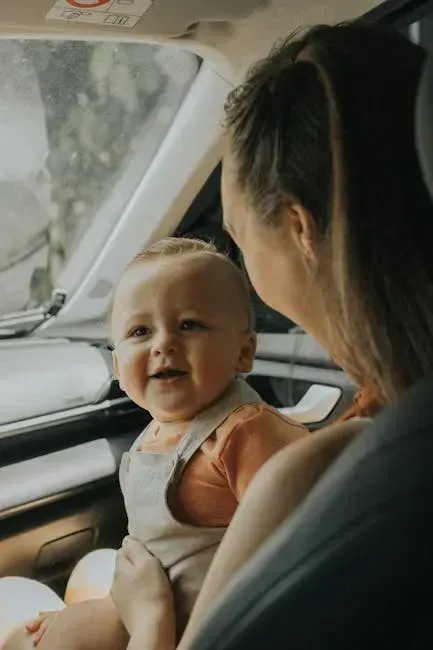
It was a coveted spot back in the day: the front passenger seat, right beside dad on a long drive. Children moved to the front seat as soon as they were tall enough to see over the dashboard, often well before any modern safety standard would consider it appropriate.
NHTSA recommends keeping children in the back seat at least through age 12. Front passenger air bags can injure or kill young children in a crash. The danger isn’t just about not wearing a seatbelt. Modern airbags deploy with enough force to cause serious injury to a child’s smaller, still-developing body, making the back seat the only truly safe option for years longer than previous generations ever imagined.
17. Leaving a Teenage Babysitter Completely in Charge With No Way to Reach Parents

Parents would sometimes leave town for a weekend, and the only way to reach them was a hotel phone number scribbled on a notepad. They’d check in maybe once to make sure the house hadn’t burned down, but otherwise, they were completely disconnected and unbothered. The teenage babysitter was given full authority with zero supervision.
Today’s parents set up nanny cams, check in hourly, and provide exhaustive lists of instructions and emergency contacts. The shift isn’t just technological. It reflects a fundamentally different view of what adequate caregiving looks like, and what a reasonable parent can be expected to have arranged for their children’s safety during their absence.
18. Using Cribs With Wide Slat Spacing or Drop-Side Mechanisms

The vintage cribs that passed through multiple generations of families were often heirlooms, cherished for their craftsmanship. They looked solid and safe. What they lacked were the structural standards developed after decades of injury documentation and design analysis.
Drop-side cribs, which were sold widely through the 1990s and into the 2000s, were eventually banned by the U.S. Consumer Product Safety Commission in 2011 after being linked to dozens of infant deaths due to entrapment and suffocation. Crib slat spacing, mattress firmness, and paint composition are all now tightly regulated. Handing down a beloved old crib is no longer considered a sweet family tradition – it’s a recognized safety risk.
19. Dismissing Children’s Mental and Emotional Distress as Normal Growing Pains

Children raised without emotional validation often struggle with communication, empathy, and mental health later in life. Today’s parenting guidance emphasizes emotional literacy, teaching children to name, process, and manage feelings safely. Validating emotions while guiding behavior helps children build resilience without emotional suppression, leading to improved self-awareness and psychological well-being.
The decline in independent mobility and free play since the 1970s correlates with rising youth mental health issues, though over-supervision itself deprives children of opportunities to build self-reliance. The picture is genuinely complex: the old approach of dismissing anxiety or sadness as phase behavior caused real, documented harm, while the overcorrection toward constant intervention has created its own set of challenges. What’s clear is that a child’s emotional state is now understood as a legitimate health concern, not something to push through silently.
Looking back at these practices doesn’t require harsh judgment of the parents who used them. Most were doing exactly what their own parents had done, following the standards and information available at the time. As science, medicine, and public awareness advanced, many everyday childhood activities were reevaluated. Laws were introduced, products were redesigned, and parenting philosophies shifted toward prevention rather than reaction.
The anxiety that modern parents feel isn’t entirely irrational. It’s partly the product of knowing more. The real challenge now is using that knowledge well, without letting the weight of every possible risk crowd out the childhood experiences that still genuinely matter.