
Every year, millions of Americans plan road trips, city breaks, and weekend getaways across a country that’s genuinely enormous and endlessly varied. Most of those trips go smoothly. A few don’t. And some destinations have accumulated enough negative firsthand accounts, FBI crime data, and cautionary word-of-mouth that a growing number of travelers are quietly placing them on a personal no-go list.
This isn’t about unfairly tarnishing places that are trying to improve. FBI data released in 2024 shows national crime rates continuing to cool, with violent crime falling around 4.5 percent and property crime dropping about 8.1 percent compared to 2023. Progress is real in many of these cities. Still, the gap between national averages and conditions in specific cities can remain strikingly wide, and that gap shapes travel decisions. Here are 11 destinations that travelers consistently flag as safety concerns or simply not worth the hassle.
Memphis, Tennessee: The Numbers Are Hard to Ignore

Memphis has one of the highest crime rates in the country. According to FBI 2024 data, Memphis recorded 2,501 violent crimes per 100,000 residents, nearly six times the national average of 359.1. Aggravated assault accounts for roughly three-quarters of all violent offenses, with gun involvement in assaults rising to nearly three-quarters of cases.
Memphis ranks first on U.S. News and World Report’s most dangerous cities list, with a violent crime rate approximately 6.5 times the national average and a murder rate of 40.6 per 100,000 residents. The city saw a notable improvement in 2025, with the Memphis Police Department reporting a 27 percent drop in overall Part I crimes and a 26 percent decrease in murders compared to 2024. Progress noted, though the city’s absolute numbers still place it firmly at the top of every danger ranking.
St. Louis, Missouri: A Reputation That Lingers

St. Louis has long been shorthand for “America’s murder capital,” and for years the city posted one of the highest homicide rates per capita in the nation, often more than 60 per 100,000 residents, dwarfing national averages. According to Neighborhood Scout data, residents and visitors face a one in 70 chance of falling victim to a violent crime in St. Louis, compared to a one in 218 chance throughout the rest of Missouri.
Among medium-sized cities, St. Louis had the highest murder rate in 2024. More recent reporting shows signs of hope, however: homicide rates have fallen approximately 22 percent in the first half of 2025, the lowest mid-year murder numbers in more than a decade. The trajectory is encouraging, but for many first-time travelers weighing the risk against the reward, St. Louis remains a difficult sell.
Baltimore, Maryland: A City of Two Realities

Baltimore is a paradox: still infamous for violent crime, yet showing some of the sharpest year-over-year improvements of any major U.S. city. The crime index sits high at 74.67, with a safety index of just 25.33, but those raw numbers don’t capture the double-digit drops in homicides and shootings since 2023. Baltimore ranked second in murders while maintaining its position as the nation’s leader in robbery rates.
According to the Baltimore Police Department’s mid-year report, as of June 2025, 68 homicides had been recorded, marking a further 22 percent decrease compared to the same period the previous year. Baltimore’s crime challenges trace back to decades of economic disinvestment and the opioid crisis, but the city has made measurable progress: by mid-2025, robberies and auto thefts were down year-over-year, and the homicide clearance rate improved significantly from 40.3 percent in 2020 to 68.2 percent in 2024. The numbers are moving in the right direction, but cautious travelers take note of where they currently stand.
Detroit, Michigan: High Numbers, Real Improvement

Detroit has one of the highest violent crime rates in the nation and consistently ranks among the most dangerous cities. The high rate of violent crimes per capita, including assaults and robberies, has contributed to urban decay and a significant population decline over decades. A 2023 city report gives a violent crime rate of 1,284 incidents per 100,000 residents, down 31 percent from 2012, but still roughly four times the national median.
In 2025, Detroit recorded 165 homicides, the lowest since 1965, marking an 18.7 percent decrease from 2024. The city also saw a 10.2 percent drop in overall violent crime and a 46 percent plunge in carjackings, from 142 in 2024 to just 77 in 2025. The trend is real and worth acknowledging, though visitors should still research specific neighborhoods before booking.
Oakland, California: Property Crime Capital

Oakland holds one of the highest violent crime rates among all U.S. cities. According to FBI data, Oakland recorded a violent crime rate of approximately 1,925 per 100,000 residents, five times the national average. Oakland ranked second nationally in violent crime among the largest cities in 2024 and first in property crime rate, with 7,230 property crimes per 100,000 residents, the highest property crime rate among all large U.S. cities.
Even Oakland’s official tourism website advises visitors to maintain awareness of their surroundings, travel in groups, and, if walking alone at night, stick to busy, well-lit streets. Visitors are also advised to park in a secure garage rather than on the street and not to leave valuables in their vehicle. That kind of advisory from a city’s own tourism office speaks volumes about the challenge of positioning Oakland as a relaxed leisure destination.
San Francisco, California: The “Doom Loop” That Won’t Quite Die

San Francisco faces a persistent homelessness and behavioral health crisis despite government spending billions over decades. Roughly two people die every day from overdose in the city, and more than 8,000 people experience homelessness on any given night, according to the 2024 Homelessness Point in Time Count. Several speakers at industry events noted that the perception of San Francisco’s safety issues has tarnished the city’s reputation since the pandemic.
In early September 2025, the office of San Francisco mayor Daniel Lurie reported that crime in San Francisco was down nearly 30 percent year to date. Despite some recovery efforts, San Francisco still ranked dead last among all U.S. markets for hotel rate recovery from 2019, a major reversal for a destination that once commanded some of the highest room rates in the nation. In 2019, the average daily rate was about $247, while current rates hover around $220, well below even 2016 levels. The city is trying hard to turn things around, but perception and reality remain tangled.
New Orleans, Louisiana: Still Rebuilding Its Safety Story
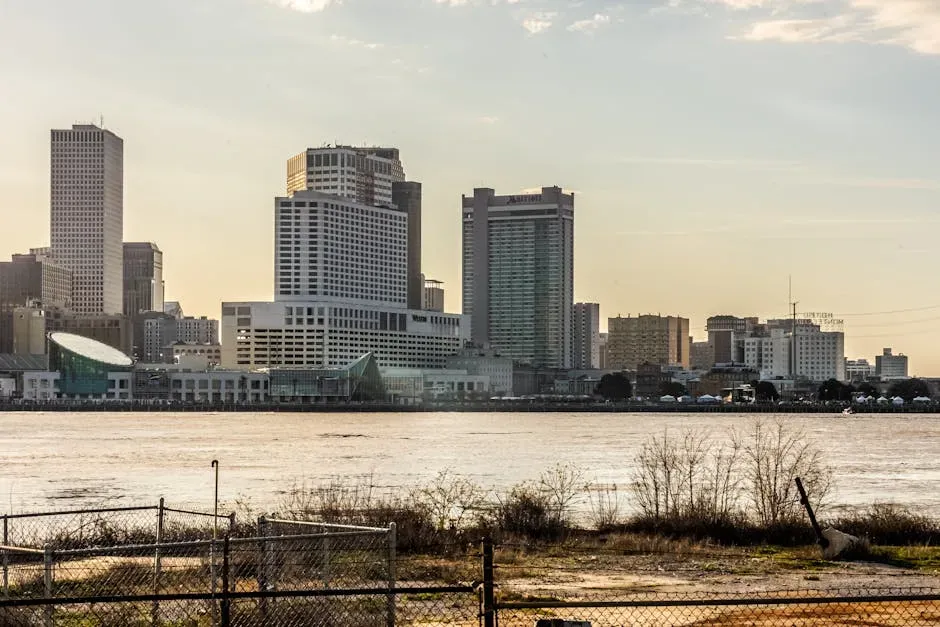
Once labeled the “murder capital” of America in 2022 with 266 homicides, New Orleans has experienced a dramatic turnaround in public safety. By 2025, the city recorded only 107 murders, a 55 percent reduction from 2022 and a historic low not seen in 50 years. Armed robberies plummeted 70 percent from 765 in 2022 to 226 in 2025.
By the end of 2025, the city had reached its lowest homicide levels since the 1970s, reflecting meaningful progress in public safety. The New Orleans Police Department continues to work on overall violent crime reduction, with those efforts bringing the homicide rate to its lowest since that decade. Police departments in New Orleans continue to report significant staffing shortages, which means response capacity remains stretched even as crime totals fall. The turnaround is real, but the city still carries enough of its old reputation that hesitant travelers often choose to skip it.
Myrtle Beach, South Carolina: Not Just a Family Beach Town
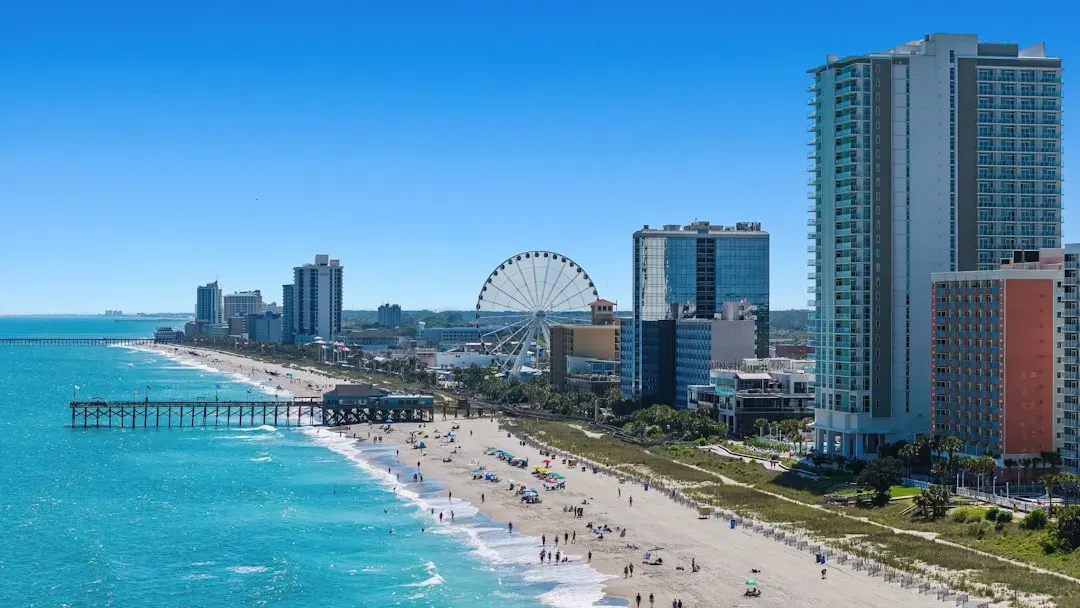
According to crime data, the violent crime rate for Myrtle Beach in 2025 was estimated at approximately 49.31 per 1,000 residents, with a robbery rate around 262 per 100,000 people in 2024. The rate of violent crime surpasses both the South Carolina state average and the national average, indicating greater exposure to acts of violence for residents and visitors alike.
Property crime is especially prevalent in Myrtle Beach, with property crimes forming the bulk of incidents and representing the principal exposure for both residents and tourists. Myrtle Beach draws enormous summer crowds with its miles of coastline and beachfront attractions, and many visitors have perfectly fine trips. However, the city’s crime numbers consistently surprise people who arrive expecting nothing more than sunscreen and buffets.
Little Rock, Arkansas: Small City, Outsized Crime Rates

Little Rock’s landscape is heavily marked by crime, particularly assault, which significantly influences community safety. Despite its modest population size, the city rivals much larger cities in terms of violent offenses, with property crimes and homicides both ranking among the highest rates for cities of its size.
Smaller and extra-small cities like Birmingham, and others including Little Rock, have rates far above the national average, proving that crime is not just a “big city” problem. Little Rock often flies below the radar in national discussions about dangerous destinations, precisely because it isn’t a major metro with a famous skyline. That anonymity doesn’t soften its numbers, and travelers who underestimate smaller cities can find themselves caught off guard.
Birmingham, Alabama: Progress That’s Uneven

Birmingham has long struggled with violence tied to poverty, gun access, and concentrated disadvantage. Homicides have declined since 2024, but violent crime overall has increased, mainly because aggravated assault rose nearly 10 percent in the first half of 2025. Birmingham stands out for its high rates, particularly for assault, and the city faces significant economic disparities that contribute to elevated figures.
To address the high rates of violent crime, particularly those involving firearms, Mayor Randall Woodfin put together a blueprint at the start of 2025 for deterrence and intervention. Birmingham has genuine cultural assets, including a significant civil rights history and a growing food scene. The issue is that uneven safety conditions, concentrated in specific neighborhoods, make planning a visit more complicated than it should be for a casual traveler.
Anchorage, Alaska: A Different Kind of Risk

Anchorage and Alaska more broadly have long exceeded national averages for reported rape. Some of this may relate to higher reporting or greater willingness to report, but also to challenges including remote geography, limitations in law enforcement coverage, and delays in legal processing. A recent investigation found that many felony cases take five to ten years to resolve in Anchorage, despite state laws mandating quicker trials.
The concern with Anchorage isn’t the same high-volume street crime that drives fear in cities like Memphis or Oakland. It’s the combination of isolation, constrained emergency response, and a justice system that moves slowly for serious crimes. Police departments in cities with staffing shortages of 20 to 30 percent mean that businesses and travelers cannot rely solely on police response in high-risk situations. For solo travelers or those unfamiliar with the city’s layout, that structural reality warrants genuine caution before booking.