Most homeowners never think twice about what disappears after the handle goes down. It’s gone, right? The truth is that your pipes have a long memory, and certain everyday items have a quiet talent for turning a routine flush into a very expensive phone call to a plumber.
Flushing may seem like a simple, everyday action, but it can lead to significant plumbing issues if not done correctly. Many homeowners underestimate the potential damage caused by flushing inappropriate items down the toilet. The nine items below are among the most commonly flushed, and each one carries more risk than most people realize.
1. “Flushable” Wipes
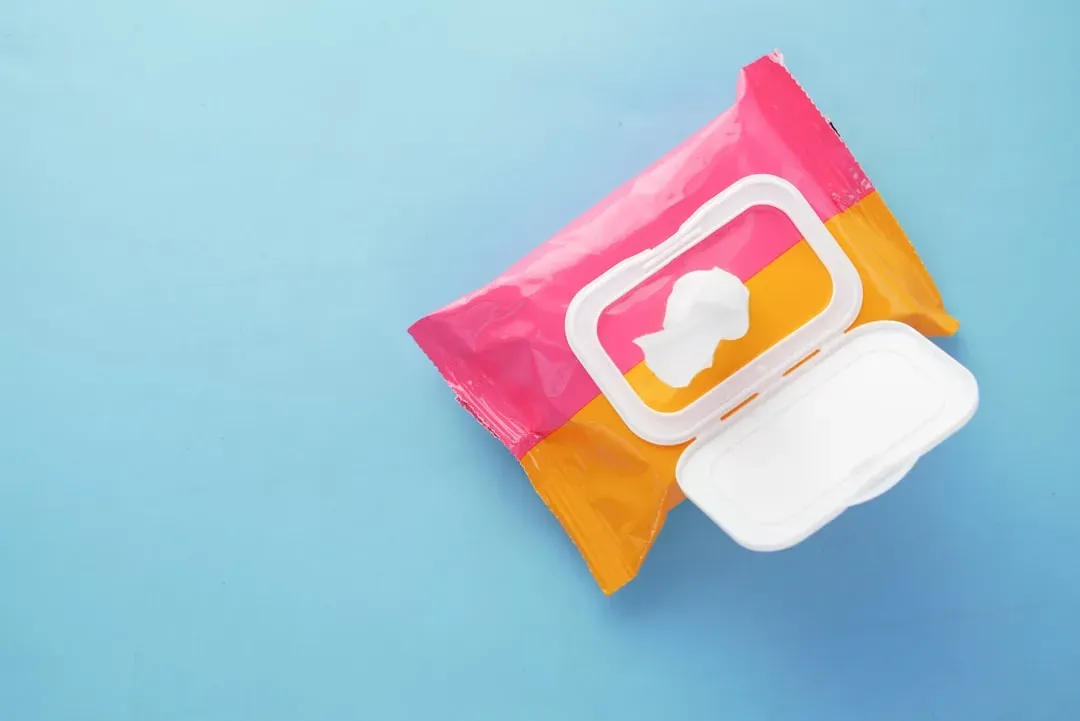
The term “flushable” is essentially a marketing label. Wipes may go down the toilet, but they don’t break down like toilet paper. While toilet paper dissolves in seconds, wipes are designed to stay strong when wet, so they can easily get stuck in your pipes or join forces with grease and debris in the sewer system. Researchers at Ryerson University in Ontario tested 23 flushable wipes and found a striking result: only two of the 23 tested actually dissolved, and only partially. None of the samples completely disintegrated, which means almost any flushable wipe you flush could stay intact all the way to your local water treatment plant.
Non-dissolvable wipes build up in the part of the septic tank where solids collect, leading to the need for more frequent septic pumping. This increases your plumbing costs and creates a possible clogging hazard for your septic system. The problem costs U.S. utilities up to one billion dollars annually, according to the National Association of Clean Water Agencies. That figure alone should make anyone reconsider the bathroom wipe habit.
2. Feminine Hygiene Products
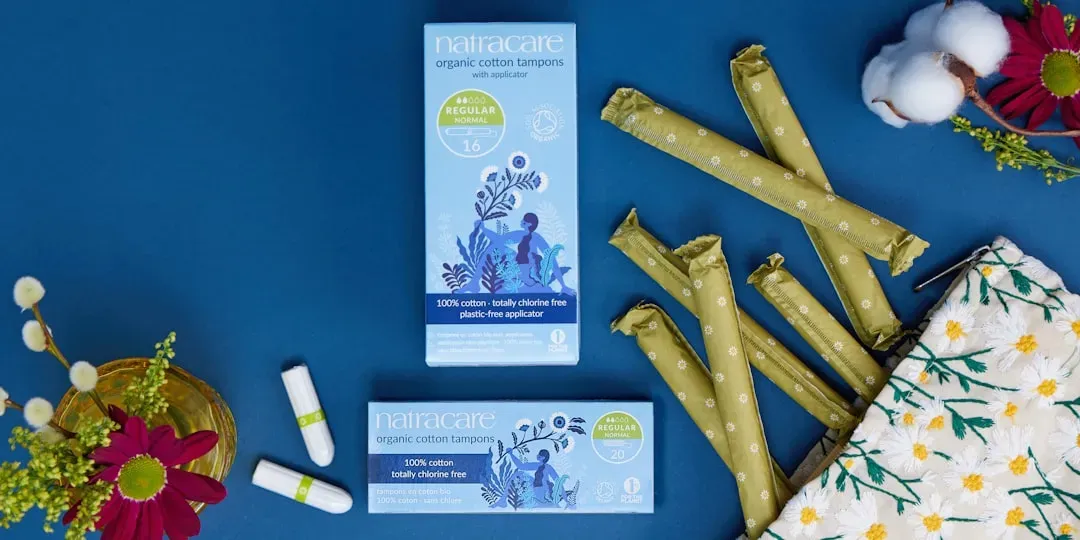
Feminine hygiene products such as sanitary napkins and tampons are made of fibers like cotton and rayon that are non-degradable. They are designed to absorb liquids instead of breaking down like toilet paper. Tampons, on average, absorb about ten times their size in fluid. This makes them hard to dissolve and can cause serious plumbing problems, especially in older plumbing systems where grease buildup or root intrusion already exists.
Feminine products are designed to absorb water and will actually expand when immersed in it. The last thing you want are items expanding inside your pipes, making it difficult for toilet paper and human waste to pass. The pipes connecting to your toilet are often only three to four inches wide. These items can catch on pipe joints or rough spots and build up over time, creating recurring problems that are difficult to diagnose.
3. Paper Towels and Facial Tissues
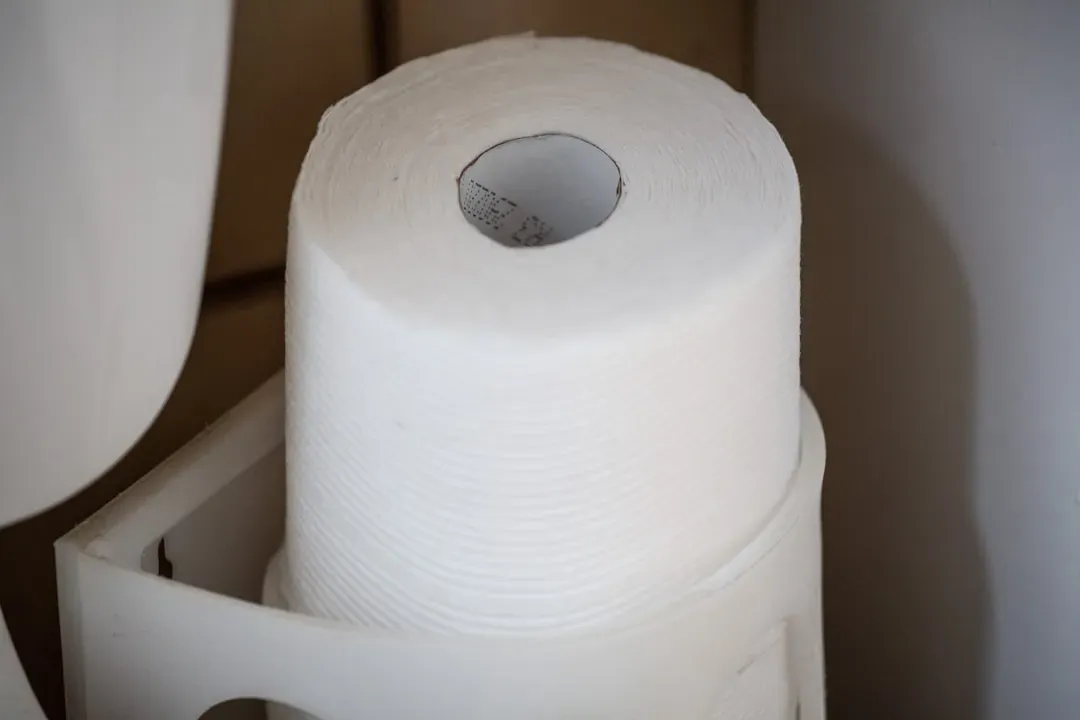
Paper towels are designed to be strong and absorbent, even when wet. That’s great for cleaning up spills but terrible for your plumbing. Unlike toilet paper, which is specifically designed to break down quickly in water, paper towels retain their strength and structure. When flushed, they can catch on the slightest obstruction in your pipes and start a clog that builds over time.
They’re particularly problematic in older homes with cast iron pipes that may have rough interior surfaces or small obstructions. Facial tissues and napkins are also designed specifically to be absorbent and not break down in water, which means they can easily lead to a clog if flushed. The distinction from toilet paper might seem minor, but inside a pipe, it’s a significant one.
4. Cotton Balls and Cotton Swabs
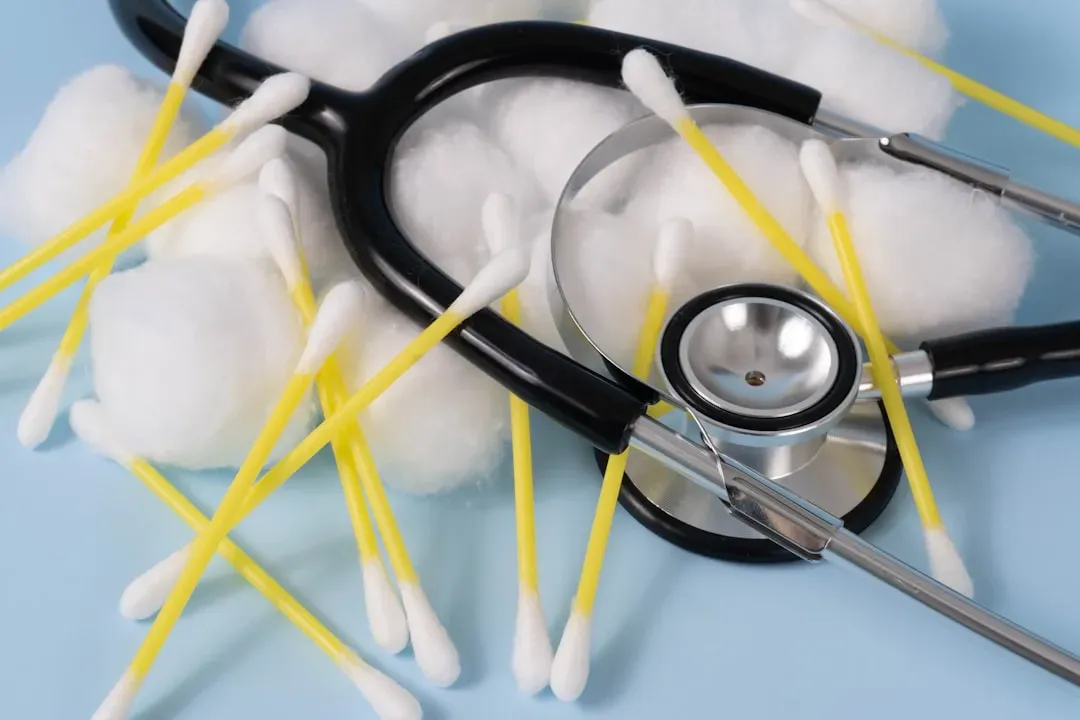
Cotton balls, makeup pads, and cotton swabs don’t break down in water the way toilet paper does. They stay in clumps, soak up water, and then sit inside pipes like sponges. Cotton balls may seem fine to flush since they are light and fluffy, but they actually clump together and cause blockages in the bends of pipes. That clumping tendency is precisely what makes them such an effective pipe blocker.
Flushing cotton swabs and cotton balls down the toilet may seem harmless, but the consequences can be surprising. These small items may not break down easily in water, causing them to build up in your plumbing system over time. Eventually, this can lead to clogged pipes that require expensive repairs. Cotton swabs in particular are rigid enough to lodge sideways in a pipe bend and act as an anchor for everything else that passes through.
5. Dental Floss
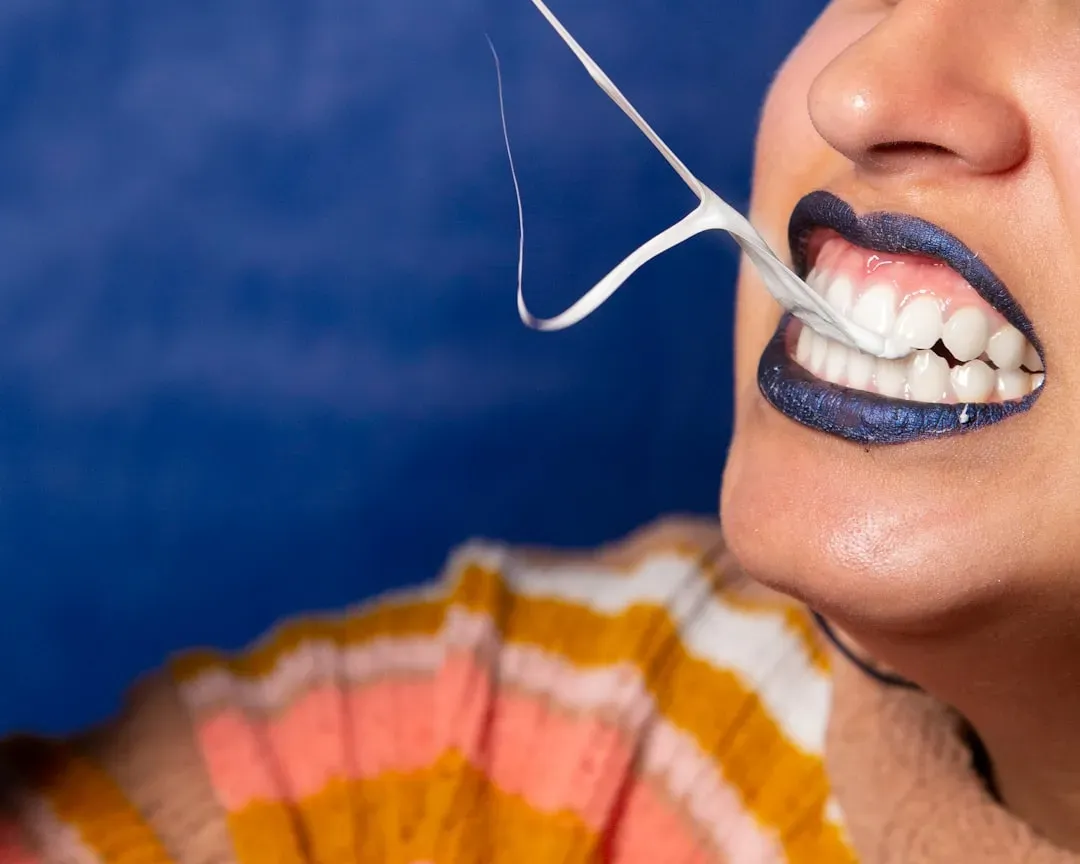
Most dental floss is made of strong, durable materials like nylon or Teflon. When flushed, the floss can easily get stuck or wrapped around other materials to create a big ball of debris that will clog your pipes. Waxed or unwaxed, dental floss becomes a veritable net that catches all sorts of debris, clogging toilets and sewer pipes. When septic systems are involved, dental floss winds around moving parts and burns out motors.
While flushing dental floss may not clog your toilet directly, as it moves through the wastewater system it tangles and combines with other items that were improperly flushed. The debris clumps and builds like a snowball moving through the pipes, capable of either completely clogging a sewer main or damaging the pumps that keep wastewater moving. It’s one of those items that seems too thin to matter, right up until it causes a serious problem.
6. Hair
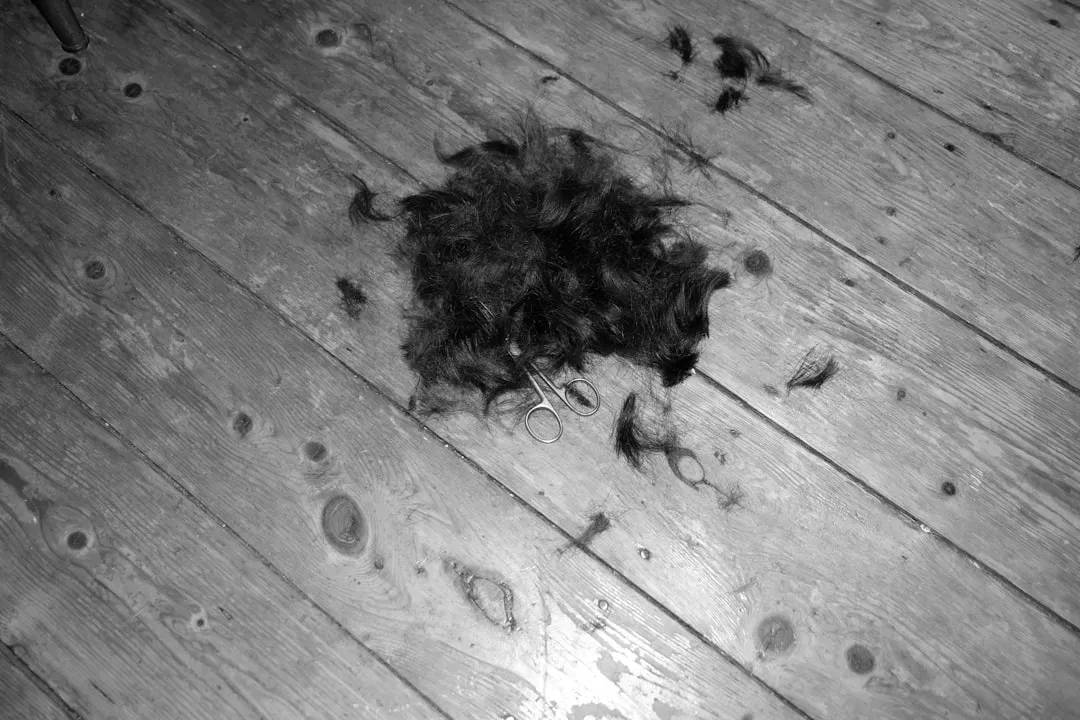
Hair will never dissolve in water. Whether it’s long hair from a brush or short shaving stubble, hair never dissolves in your plumbing system. Instead, it tangles with itself, with soap scum, and with wipes and cotton. It turns into a net that grabs everything passing by. This compounding effect is what makes hair such a reliable clog-starter in bathroom plumbing.
Hair in the larger sewer system also causes problems because it doesn’t break down and gets tangled with all the rest of the items that shouldn’t be down there, like wipes and tampons. These items tangle together and become a single, large mass that can clog main sewer lines or damage pumps at wastewater facilities. A simple drain catcher in your shower and a trash bin near the toilet are genuinely effective countermeasures.
7. Kitty Litter
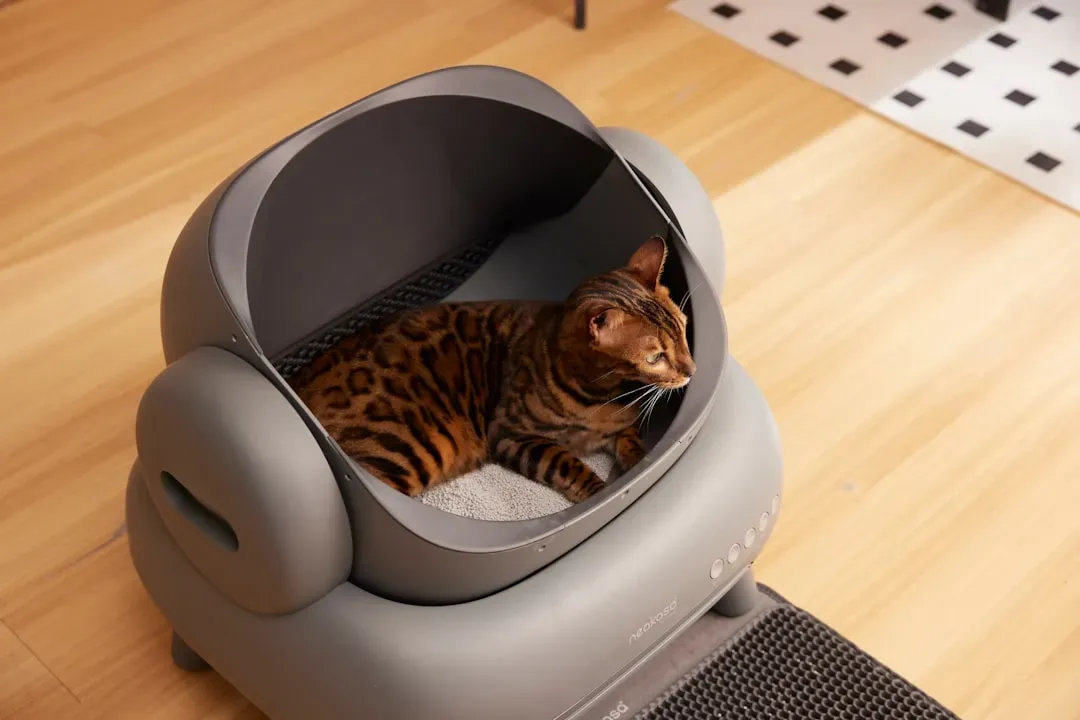
Kitty litter is made of materials like clay, silica, or gel, and is designed to clump together when wet, allowing easier disposal of liquid waste. Its clumping properties make it unsuitable for flushing, as it will congeal and cause blockages in your septic system. Modern water-saving toilets use only 1.6 gallons of water per flush. That’s not enough water to keep kitty litter moving through the pipes.
Clay-based litters expand when wet and can create concrete-like blockages in pipes, while even biodegradable versions cause problems in septic systems. Cat waste also contains Toxoplasma gondii, a parasite that survives water treatment processes and poses risks to marine life when it reaches waterways. Even litters that claim to be flushable carry real risk, both to your home plumbing and to local water ecosystems.
8. Cooking Grease and Oils
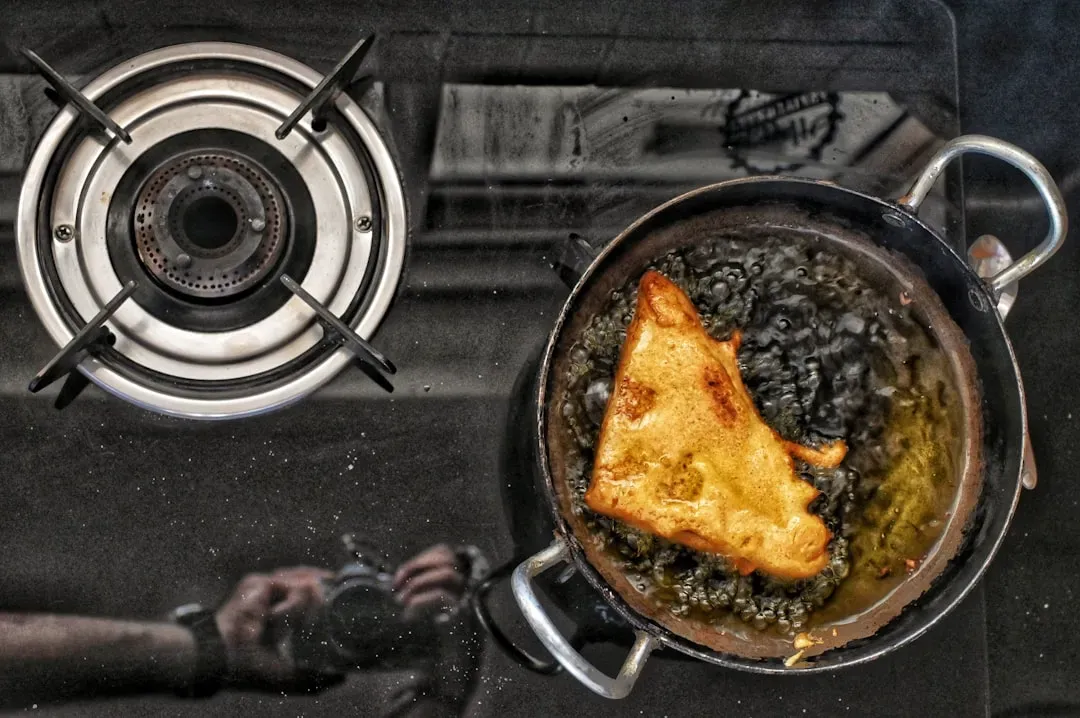
Grease might be liquid when it enters the pipes, but as soon as it cools, it solidifies and creates one powerful clog. It often takes a professional to remove this kind of blockage. Once that hot grease cools inside your pipes, it sticks to pipe walls. Over time, this greasy buildup catches other debris passing through, creating stubborn blockages. Even a thin film of grease on the inner walls of a pipe gradually narrows the passage available for everything else.
Even liquid oils like olive oil and vegetable oil should never go down drains. They might not solidify as quickly as animal fats, but they still contribute to pipe buildup and eventual clogs. When grease cools down in pipes, it solidifies and creates massive clogs that can cost homeowners between one hundred fifty and five hundred dollars to fix. Water treatment facilities spend over twenty-five million dollars annually removing grease from municipal systems, costs that ultimately get passed down to residents through higher utility bills.
9. Medications
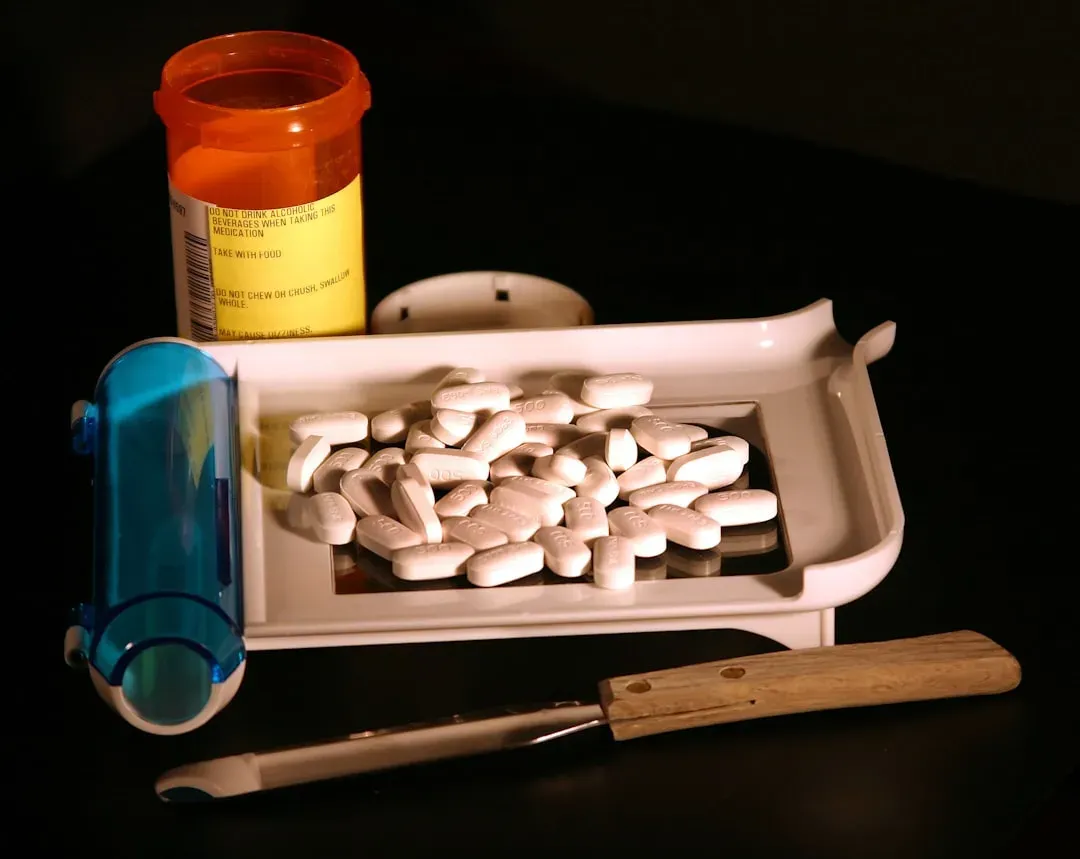
If you have old pills that you need to get rid of, don’t flush them. Toilet water doesn’t break them down properly, meaning the medication gets into the water and can cause toxic environmental effects. Wastewater treatment plants remove bacteria and human waste, but they are not designed to remove chemicals found in medications, paint, or motor oil. These items pass through the treatment system and into local rivers and waterways.
Most communities now offer medication take-back programs, often located at pharmacies or local police stations, precisely because flushing pharmaceuticals has become a measurable water quality issue. Wastewater treatment facilities are simply not designed to remove medications or chemical substances from water. Returning unused medication to a proper disposal point takes about two minutes and protects both your pipes and the broader water supply at the same time.
The common thread across all nine of these items is the same: they either don’t dissolve, actively expand in water, or accumulate in ways that quietly tighten around your plumbing system over months and years. The only items that should ever be flushed are human waste and toilet paper. Everything else belongs in the trash, and knowing that distinction is the most straightforward form of home maintenance there is.