
There’s a particular kind of loss that doesn’t announce itself. It doesn’t come with a funeral or a headline. It just quietly becomes impossible, and by the time anyone notices, an entire way of experiencing the world has already slipped away. That’s what happened to a huge swath of ordinary life in the 1990s – ordinary for the people who lived it, completely unattainable for the generation that followed.
Gen Z differs from other cohorts in that they are coming of age in an environment where their defining moments often occur at a crossroads between technological advancements and the reiterated collective highlights of former generations. The gap is more than nostalgia. It speaks to something real about how childhood, boredom, community, and even privacy once worked – and why the disappearance of those things carries weight that’s hard to fully articulate.
The Sacred Ritual of Saturday Morning Cartoons
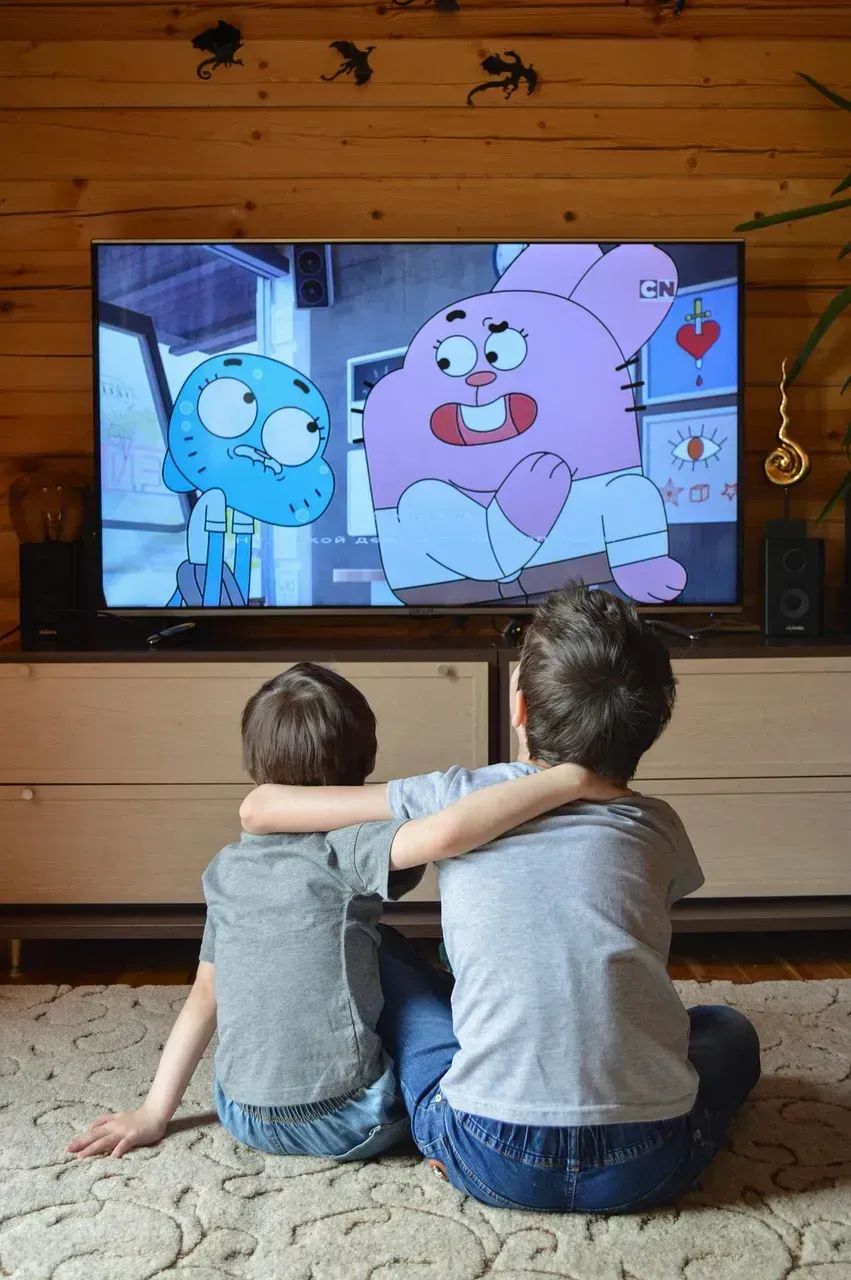
Saturday morning cartoons were blocks of animated television shows that aired on major broadcast networks – primarily ABC, CBS, and NBC – on Saturday mornings, typically between 7 a.m. and noon. For kids in the 1980s and 1990s, this wasn’t background TV. It was appointment viewing. You woke up before your parents, poured yourself a bowl of cereal, and the world belonged to you for a few sacred hours.
Saturday morning cartoons belonged to a media era built on limits rather than personalization – a time before everything was curated. The schedule was shared, the choices were finite, and the experience was collective. By the late 1990s, traditional Saturday morning cartoon blocks began to disappear as networks shifted toward educational programming and cable channels took over kids’ content. What replaced it was infinite, on-demand, and entirely alone.
Wandering Without a GPS – Or an Audience

Kids in the 1990s and early 2000s spent hours playing outdoors. Whether it was hide-and-seek, hopscotch, or cycling with friends, the outdoors was an essential part of their daily lives. Parks, empty streets, and backyards were transformed into cricket fields or soccer arenas. Nobody was documenting this for social media. Nobody was filming it to go viral. It just happened, in real time, with real dirt on your knees.
That kind of unsupervised freedom carried its own psychology. Kids negotiated their own rules, resolved their own arguments, and learned the particular lesson of genuinely being unreachable for an afternoon. That whole experience of “delaying the inevitable” – knowing your parents were probably already mad because you were late, but staying out anyway because they couldn’t say anything until you got home – is entirely gone. The mobile phone ended that particular form of childhood consequence management forever.
Going to Blockbuster as an Event

Choosing a movie on a Friday night used to require physical commitment. You drove to the store, walked the aisles, debated in front of the New Releases wall, and occasionally settled for something you’d never heard of because the one you wanted was already checked out. The limitation was the point. Social media has splintered pop-culture trends so much that unlimited choices have made it harder for younger generations to find unifying cultural touchstones. The video store, paradoxically, created them.
There’s a reason people remember the smell of those places, the particular frustration of a missing VHS tape, the small thrill of finding something unexpected in the foreign film section. Nostalgia also tends to frame the past as simpler – before the rise of electronics, life was supposedly slower and simpler. In the case of the video store, that framing is actually accurate. The absence of algorithmic recommendations meant your taste developed through accident and curiosity, not optimization.
Living in a World Where Boredom Was Still Legal

For Gen Z, the ’90s represent a slower, less filtered world. Before smartphones dominated attention spans and algorithms dictated taste, the ’90s offered spontaneity and analog charm. What sounds like marketing copy is actually a description of something neurologically significant. Boredom is where imagination lives. It’s the quiet gap that the brain fills with its own ideas.
Unstructured, imaginative play, as seen in the 1990s, helps in the cognitive and emotional development of children. Today, that gap gets filled before it can open. Every waiting room, every car ride, every ten-second lull has a screen in it. In a world where it is nearly impossible to socialize, work, and get an education without technology, Gen Z individuals are “always on,” and this is associated with higher rates of depression, attention deficit disorder, and technology addiction. Compared with other generations, Gen Z individuals spend more time alone or on digital communication platforms than engaging in in-person interactions.
Sharing a Cultural Moment in Real Time, Without Recording It
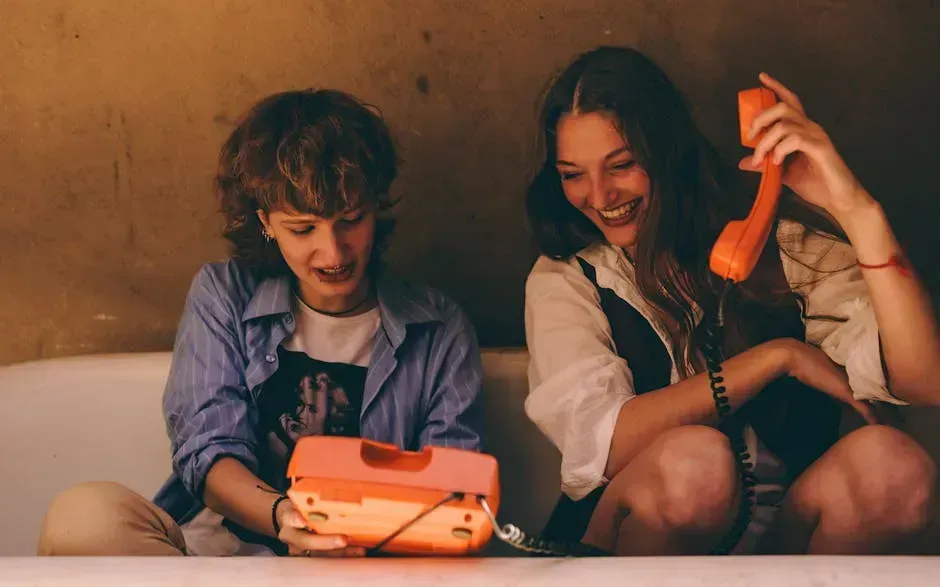
You might watch an old rom-com ostensibly for the romance, but part of it is also for the day-to-day life people had back then. A time when if you wanted to connect with your friends, you phoned them or saw them in person. A time when a group dinner would never be interrupted by any mood-killing notification. The 1990s were perhaps the last decade when shared cultural moments – a season finale, a chart-topping song, a movie opening weekend – were experienced by millions of people at the same time, without anyone immediately filming their reaction to post online.
There were no second screens to dilute the experience, no real-time commentary feeds running alongside the actual event. You watched, you felt something, and you talked about it at school on Monday morning. The ’90s were the last decade without these technologies, and so even if many people don’t remember them, they still long for them. That collective, unmediated attention is genuinely irreplaceable.
Research Projects That Required Actual Searching

Nineties kids experienced a unique blend of traditional education and the beginning of tech-based learning. They spent hours in libraries using encyclopedias for research, yet they were also the first to use computers for education in schools. That combination produced something specific: the experience of not knowing something, and having to work to find out. The answer wasn’t one tap away. Sometimes it wasn’t findable at all, and you had to accept the uncertainty.
That friction built a different relationship with knowledge. When you located a fact in a physical encyclopedia, cross-referenced it in a second source, and then wrote it by hand, you remembered it differently than something you Googled while half-watching something else. There’s a particular kind of satisfaction that came from the computer era of the early 1990s – it was genuinely fun to figure stuff out without having the internet help you out all the time, and people found creative ways to solve problems on their own.
Dial-Up Internet and the Strange Joy of Scarcity

The dial-up internet really tested patience with speeds of 56 to 128 kilobits per second. The high-pitched screech of the modem was a common noise in all households, and everyone was comparing their internet speeds. It sounds like a complaint, and at the time it often was. Looking back, though, that scarcity gave online time a different weight. You went online with intention, did what you needed to do, and then went back to the physical world.
The excitement of exploring the internet, chatting with friends in online forums, and downloading the latest software was undeniable. The internet felt like a destination rather than a permanent ambient layer over all of reality. Research reports that roughly nineteen out of twenty Gen Z individuals now have access to a smartphone, and in a study of 1,000 Gen Z individuals aged 13 to 25, more than half spent four or more hours online daily, compared with just over a quarter of all US adults. The internet stopped being a place you visited and became a place you never leave.
A Pop Culture With Shared Reference Points
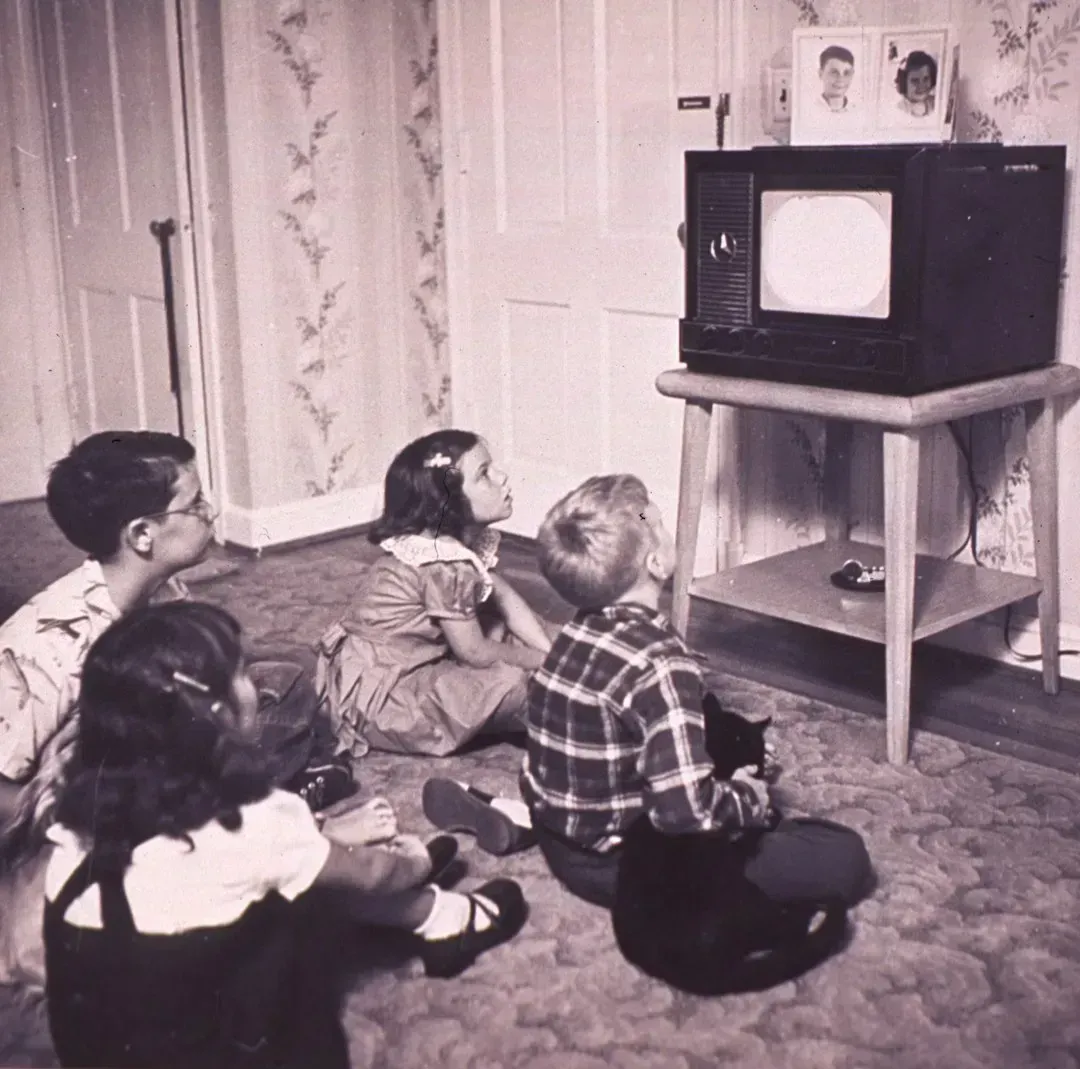
Social media has splintered pop-culture trends so much that unlimited choices have made it harder for younger generations to find unifying cultural touchstones. There are no strict rules on what to wear, what music to listen to, or which celebrities to idolize. Rather than turning to current trends, Gen Z turns to the past when every teen tuned in on school nights to watch the same shows. In the 1990s, there was a genuine shared vocabulary. If a show aired Thursday night, nearly every kid in school had seen it by Friday morning.
While decades in the 20th century were defined by specific fashion, music, and entertainment trends, the 21st century has experienced a different form of cultural development due to the rise of the internet. More specifically, the use of social media as an advertising tool facilitates the remixing and sharing of product and service concepts within incredibly short periods of time. The result is a culture that moves so fast that shared moments dissolve almost immediately, leaving each generation more atomized and individually curated than the one before.
Growing Up Without a Performance Metric on Everything
Social media can lead to issues like anxiety, depression, and low self-esteem among kids who face constant pressure to present a perfect image online. Contrast this with the carefree childhood of the 1990s, where kids didn’t worry about Instagram likes or online criticism. In the 1990s, a bad haircut was between you, your school, and eventually the mercy of time. It didn’t live in a searchable archive, tagged and timestamped.
After remaining stable during the early 2000s, the prevalence of mental health issues among US adolescents and young adults began to rise in the early 2010s. These trends included sharp increases in depression, anxiety, loneliness, self-harm, and suicidal ideation, with increases more pronounced among girls and young women. There is a growing consensus that these trends may be connected to the rise in technology use. Increased digital media and smartphone use may influence mental health via several mechanisms, including displacement of time spent in in-person social interactions and interference with sleep time and quality. The 1990s childhood wasn’t perfect, but it didn’t come with a permanent performance review attached to every social interaction.
The Quiet Dignity of Being Unreachable
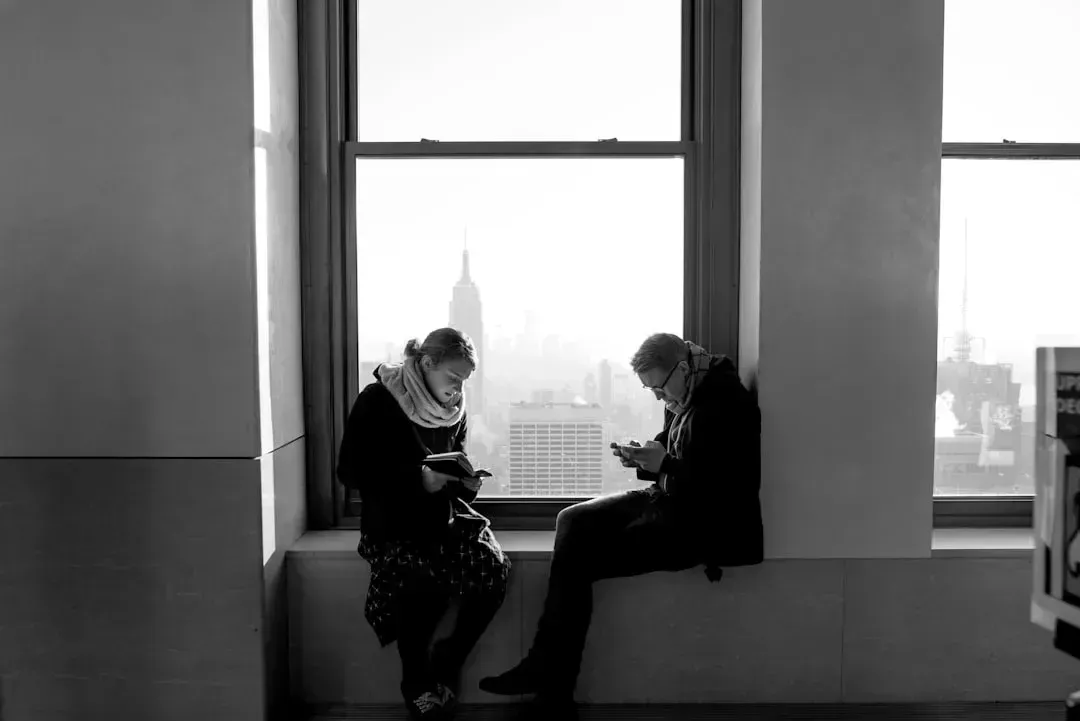
At first, it seems strange to long for a life without social media, whilst spending the majority of waking hours on a phone. Perhaps that merely shows how deeply these technologies have been pushed into everyday life – and how, for Gen Z, there has never really been an alternative. In the 1990s, being away from home meant being genuinely unreachable. Not on silent. Not on airplane mode. Simply gone, in the best possible sense of the word.
People can feel nostalgic for a past that predates them, a phenomenon known as “historical nostalgia.” Gen Z, specifically, appears captivated by what life was like in the analog past, and seems to be mining it to enrich their present lives, particularly by fostering a greater appreciation for offline living. That appreciation is genuine and telling. When a generation raised entirely online starts longing for the experience of being offline, something has shifted in a way that goes well beyond trend cycles and fashion revivals. It points to something that was quietly essential about ordinary life – and how much has quietly gone missing.