
Most people feel reasonably confident about their home hiding spots. They stash cash in a sock, tuck a ring behind frozen peas, or slide an envelope under the mattress – and genuinely believe these choices are clever. The uncomfortable truth is that experienced burglars have seen every one of these moves. They know your house better, in some ways, than you do.
Most burglaries last under 10 minutes, and criminals often know exactly what they’re looking for and how to get it. In 2024 alone, there were nearly 780,000 home burglary cases in the United States. With odds like that, where you hide your valuables matters far more than most homeowners realize. This ranking moves from the smartest of the bad ideas all the way down to the spots that practically hand a thief exactly what they came for.
#10 – The Fake Wall Outlet (Best of the Bad Bunch)
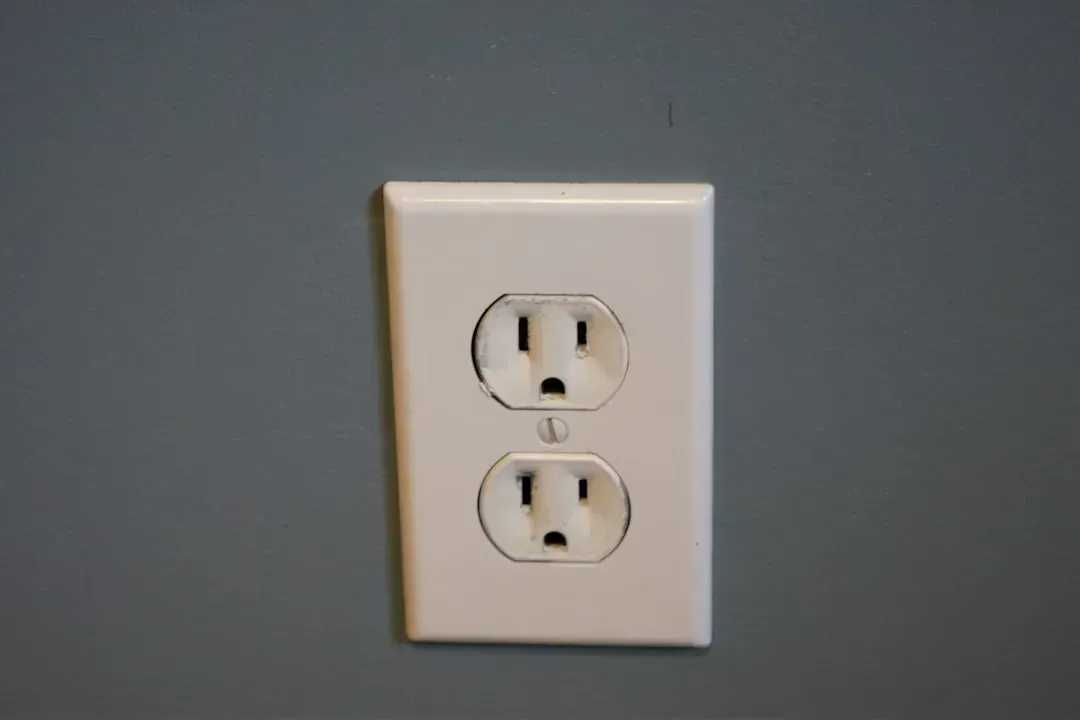
Fake wall outlet products look like a traditional wall outlet from the outside but pull out to function as a small storage area. As long as it’s installed in a safe area and not in the way of any electrical wiring, this can be a reasonable way to trick a burglar. It’s genuinely one of the more creative low-cost options, especially when placed in an unremarkable part of the house where no one would linger.
The risk, though, is growing. Burglars often know about these decoy outlets and might use tools to check them out. If a thief thinks something’s hidden behind a fake outlet, they’ll probably dig a little deeper, making this hiding spot less secure than you might hope. Crucially, you should avoid using an existing outlet wired to your electrical system, as sticking flammable objects like cash or paper documents near an active electrical outlet is a recipe for disaster.
#9 – The Hollowed-Out Book on a Bookshelf

Chances are good that burglars are not avid readers. Since used books don’t make a lot of money in resale, they are not likely targets. Hiding money or small jewelry items in hollowed-out books can be a safe bet – but this only works in a library large enough to be inconvenient. A single suspicious-looking thick volume on an otherwise bare shelf is practically a neon sign.
Book safes, which look like regular books with hidden compartments, might seem like a clever hiding spot. Burglars know all about this trick. They often scan bookshelves for any unusual or fake books that might be hiding valuables, and if they spot a suspicious book, they’re likely to pull it out and check it thoroughly. The strategy works best when it has to compete with dozens of real, unremarkable books surrounding it.
#8 – Inside Household Cleaning Product Containers

Food containers in your cupboard, cleaning product containers in your kitchen and bathroom, and personal hygiene product boxes are popular places to store cash or valuables. Online stores even sell fake product containers for this purpose – but beware, because some fake containers really look fake. A bottle of dish soap that’s never been used, suspiciously pristine in the cabinet, defeats the whole point.
This approach taps into the “hiding in plain sight” concept. Most burglars are focused on speed, and the potential reward of searching through random household items seems low. The key is authenticity. A genuine-looking, partially used container placed among other real products is far less likely to attract attention than something that looks staged or is clearly out of place in the room.
#7 – Inside a Child’s Room or Toy Box
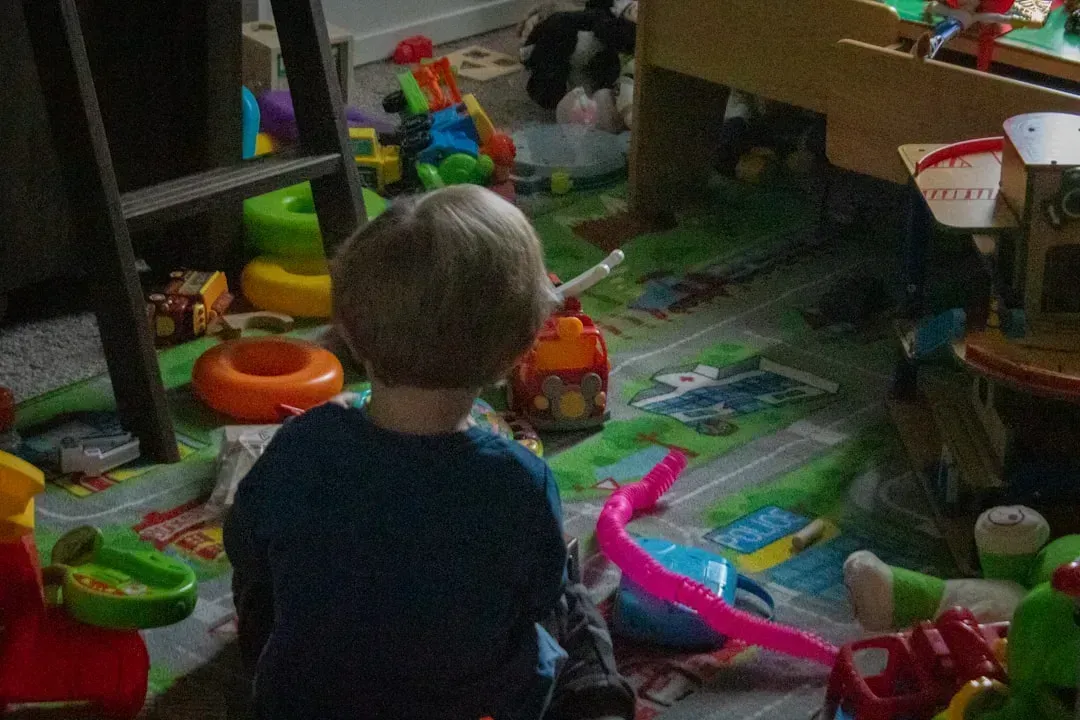
Burglars who make their way into a house search for prized possessions to sell. It makes sense that burglars won’t think to ransack a kid’s bedroom filled with toys and clutter. Hiding a valuable item there, kept high up on a shelf out of reach, can work. The logic is sound – a thief on a tight clock tends to prioritize predictable zones first.
However, this approach has been losing ground. Although hiding valuables in a child’s room may once have been a great idea, it is no longer reliably so. Today, children have a host of expensive gadgets which are left out in the open in their rooms, which means burglars now routinely sweep through kids’ spaces when hunting for electronics. That extra foot traffic means your hidden envelope is at greater risk than it used to be.
#6 – An Unbolted Portable Safe
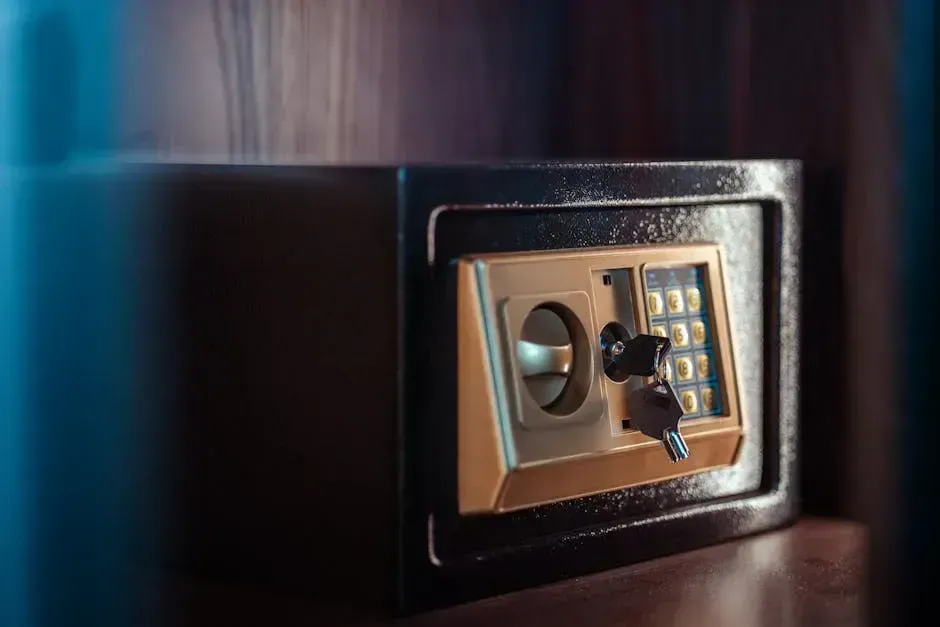
A safe is a secure space to store money, records, valuables, and confidential documents. But if it’s not attached to the floor or a wall and is portable, it’s easy for a burglar to walk off with the entire unit and everything inside it. If something is locked, it signals to a thief that there are valuable items inside, making it more tempting for the taking.
Unless a wall safe is high-end and professionally installed, it can be dislodged by cutting the drywall seam around it. Wall safes are typically small and light enough to easily transport off site to be opened later, so a floor safe is a better option. Storing valuables in a safe can be effective, but take care to purchase a large, heavy safe that is secured to a wall or floor rather than a portable one that a burglar could easily carry out.
#5 – The Toilet Tank
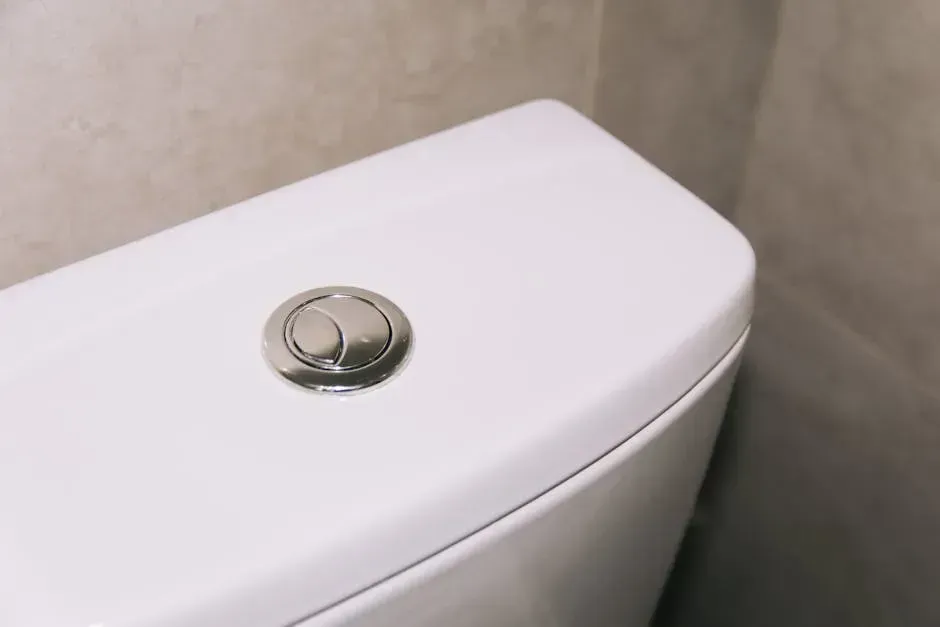
The first person who decided to hide valuables in a toilet tank was probably a genius. Who on earth would think to look in a toilet tank for cash or jewelry? Unfortunately, movies have popularized the use of toilet tanks as a hiding spot, and if you’ve seen a movie where someone hid goods there, chances are a burglar has too.
Beyond the discovery risk, there’s a practical problem. Areas that can damage your valuables with water or invasive matter – such as the water tank of a toilet – can destroy what you’re trying to protect. If you do use this method, you’d need to place your belongings in a waterproof plastic bag and check on it at least once a month to make sure the inside of the bag isn’t getting wet. That maintenance overhead, combined with the pop-culture fame of the spot, makes it a middling choice at best.
#4 – The Freezer
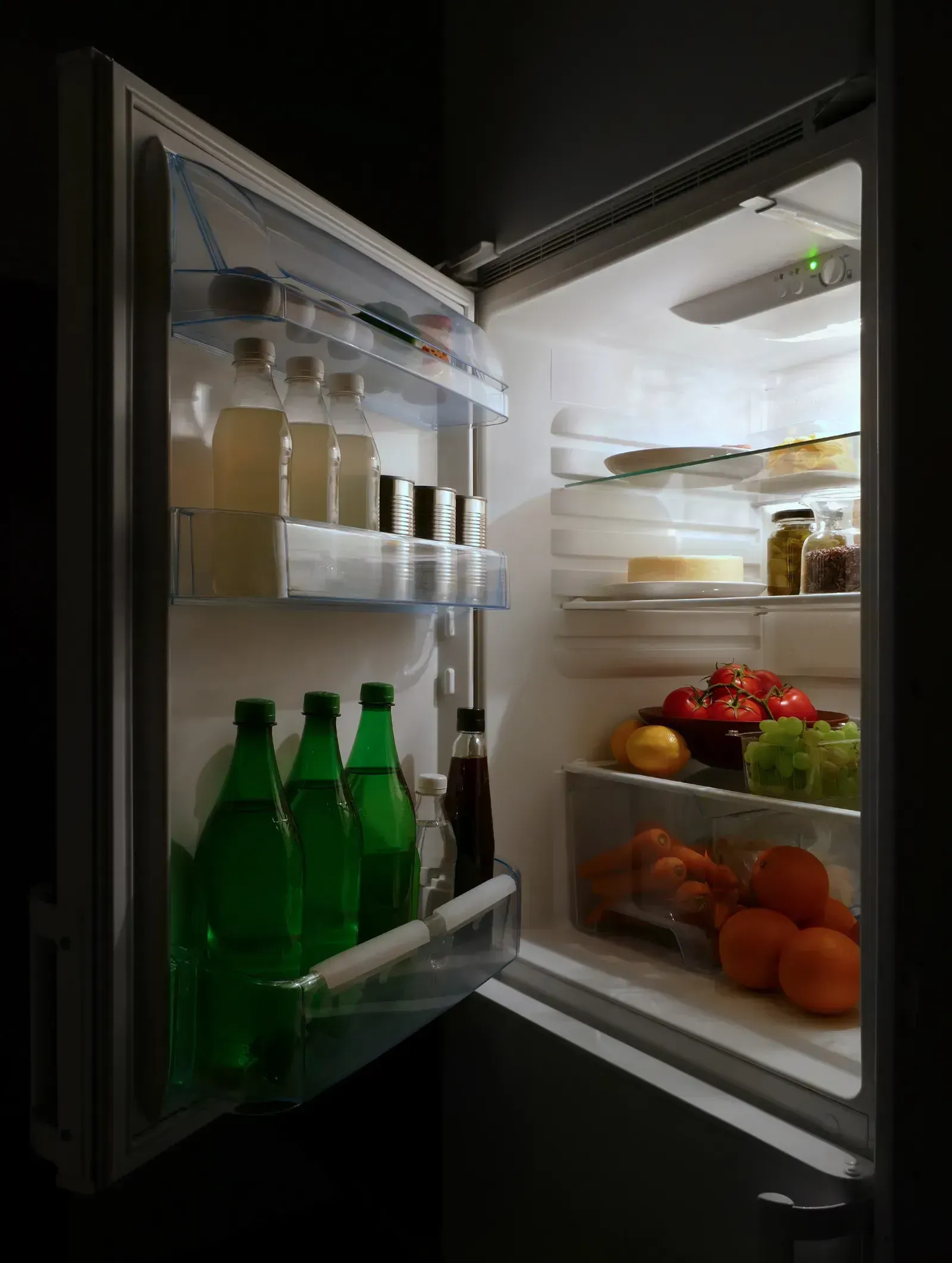
Your freezer is a surprisingly common target for burglars, particularly for cash. Hiding valuables in the freezer is a ploy that has been showcased in a number of movies, so the chances of a burglar checking your freezer are actually quite high. The spot gets far too much cultural attention to be trusted as a serious hiding place for anything irreplaceable.
A burglar won’t rummage through your entire stack of frozen peas and fish sticks, but if you leave valuables in something out of place, such as a sock, the thief will be onto you. The smarter approach, if you’re committed to the freezer, is to wrap items in something that looks completely legitimate, like a bag that used to hold blueberries. Even then, the freezer, the toilet tank, and desk drawers are all on a burglar’s greatest-hits list. They know you think these places are clever, and they check the most obvious “secret” spots first.
#3 – Office Drawers and Desk Compartments
Burglars tend to check office drawers for valuables. They’re looking for watches, envelopes of cash, or bank account information. Many burglars move on to a study, library, or office where electronics are located, so any home office is already on their mental checklist before they even step through the door.
Avoid putting cash and valuables in desk drawers, bedside drawers, and dresser drawers. These are some of the first places that burglars look. They will ransack the drawers, dumping their contents to the floor for easy sorting. The office also tends to contain a concentration of personal documents – tax returns, passports, account statements – that are worth more to a careful thief than many physical valuables.
#2 – Dresser Drawers and the Clothes Closet
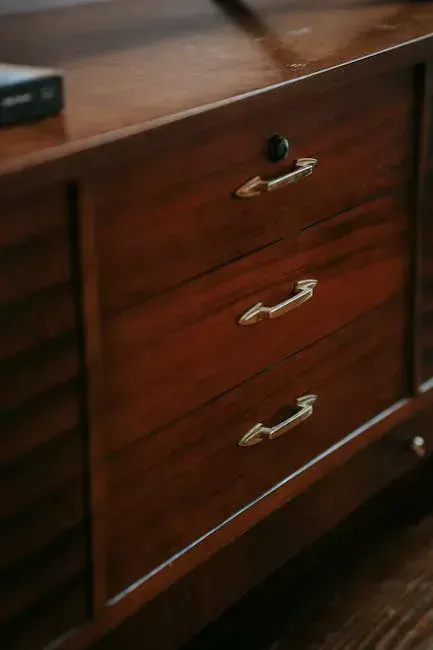
When breaking into a home, burglars head first to the bedrooms and bathrooms, then the drawers, closets, and dressers in each of those rooms. The first place most burglars look is the master bedroom. The main bedroom is known as the most common place for valuables to be kept, which is why it’s often the first port of call for the burglar on the lookout for cash. They’ll look for cash in cupboards, drawers, under the mattress, and also in places you thought they’d never look, like shoe boxes or vases.
Wardrobes are the first place a thief will look if they suspect their victim has a penchant for designer goods. They’ll also rifle through drawers and nightstands for smaller items. Many people assume burglars won’t rummage through their belongings. This idea is mistaken, as thieves don’t care about taking everything out of drawers and turning a house upside down. It’s the fastest, most expected search pattern in any residential burglary.
#1 – Under the Mattress (The Riskiest of All)
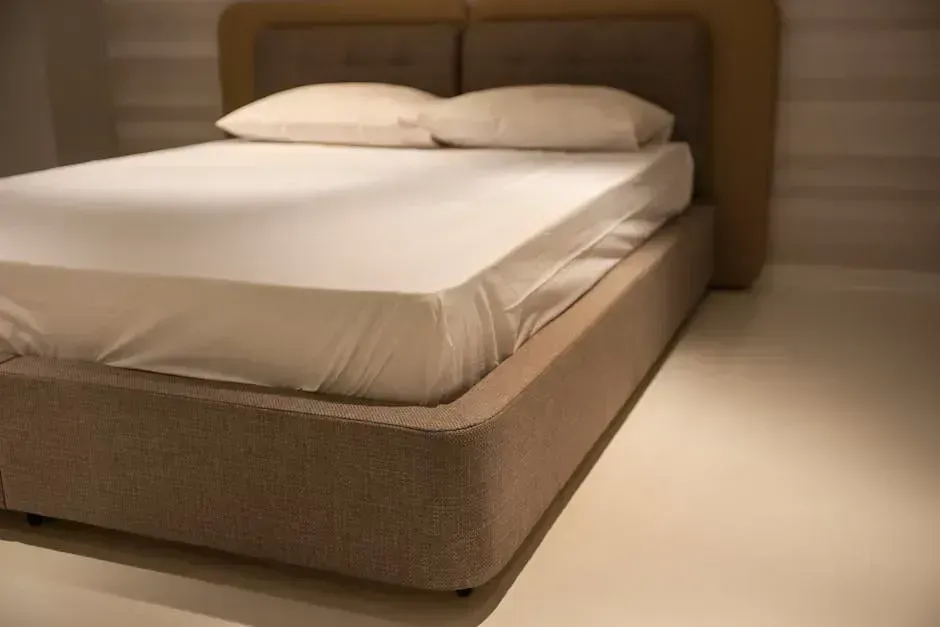
Hiding valuables under the mattress is one of the oldest tricks in the book, so a burglar will check for anything of value there, including jewelry, firearms, prescriptions, and extra cash. The mattress in the master bedroom is particularly vulnerable because that room is where they expect to find the most items of value. There is almost no hiding place in a home that carries less surprise value than this one.
Another common misconception is that burglars won’t bother to go through the bedroom. That’s actually one of the first places they go, checking drawers and looking under the bed and mattress. Usually, all the items hidden under a bed are kept in a box, which makes it even more convenient for thieves to steal them. Surveys of convicted burglars show that roughly three quarters will head straight for the bedroom first. Hiding valuables under a mattress is, in effect, placing them in the most predictable location in the entire house.