Scoring a complimentary upgrade to first class has always been a coveted travel win, but in 2025 and 2026, the path to the front of the plane is narrower than ever. Airlines have radically overhauled their loyalty programs, seats are being sold rather than given away, and gate agents are operating under more scrutiny than at any prior point in commercial aviation history. What surprises many passengers is that their own behavior at the gate, often without realizing it, can quietly eliminate any slim chance they had of moving forward. A gate agent’s job is relentlessly demanding, and the way you interact with them during those final pre-boarding minutes carries more weight than most travelers assume.
1. Being Rude or Demanding at the Podium
Agents can and do make comments on a traveler’s record. Nasty behavior or comments in the past can haunt you when you travel, and you could even be more likely to get bumped from future flights if you have been really disruptive. This isn’t a myth or an urban legend. It’s a documented reality that the airline industry has quietly maintained for years, and modern digital record-keeping has only made it more reliable.
Etiquette experts note that the rise in demanding behavior comes from a combination of expectations and emotional fatigue, with passengers used to immediacy, instant responses, fast delivery, and quick fixes. But an airplane is not built for that rhythm. It runs on safety, structure, and shared space. When passengers forget they are in a shared environment, it creates unnecessary tension. A gate agent who is being yelled at or talked down to is simply not going to go out of their way to help that passenger get a better seat, regardless of what their screen says is technically possible.
2. Crowding the Boarding Area Before Your Zone Is Called
One of the most persistent frustrations at the gate has its own nickname in aviation circles. In 2024, American Airlines spent millions of dollars developing software that will block people from boarding before their zone has been called. People who do this are sometimes called by the pejorative term “gate lice.” The behavior is not just an annoyance; it signals to gate agents that this passenger is not following the rules and has little regard for the overall boarding process.
American Airlines is testing new technology to alert passengers and gate agents when someone tries to board before their seating group is called. The system produces an audible signal when a passenger tries to board the plane before their seating group is announced, at which point an alerted gate agent would send the passenger back to their appropriate group. The problem is that crowding doesn’t help anyone board faster. It creates congestion at the jet bridge, slows down the entire process, and adds stress to a team already managing dozens of tasks simultaneously. Gate agents notice exactly who is causing that congestion, and it leaves a lasting impression before boarding even begins.
3. Expecting an Upgrade Without Elite Status
Studies have shown that elite status holders are up to three times more likely to receive complimentary upgrades compared to non-elite passengers, highlighting the significant advantage of reaching higher tiers in airline loyalty programs. This isn’t a soft preference; it’s a rigid system. Gate agents follow a formal priority list and deviating from it, especially now that passengers can view that list on airline apps, can get them in serious trouble with their supervisors.
These days, airlines have become quite strict in this regard, which makes it much harder for an agent to give a comped upgrade. They certainly can on occasion, but it could also raise a red flag with a supervisor requiring an explanation if not justified. Walking up to the gate and demanding an upgrade with no status, no elite credential, and an attitude of entitlement is one of the fastest ways to ensure that gate agent remembers you for all the wrong reasons. Upgrades are determined by factors such as elite status, fare class, and availability rather than personal requests.
4. Booking Basic Economy and Still Asking for a Premium Seat
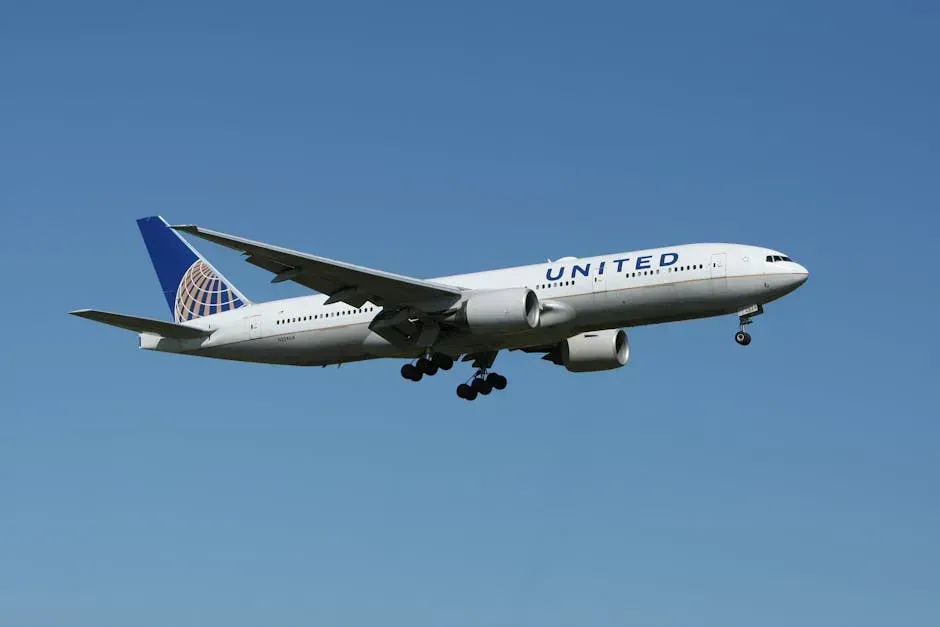
Some basic economy or heavily restricted fares are ineligible for upgrades. This is a firm structural barrier, not a suggestion, and yet passengers frequently approach gate agents expecting exceptions to be made. The frustration this causes, from the perspective of an agent who has already heard this argument ten times that day, is substantial. It also signals a lack of basic knowledge about the ticket that was purchased.
American Airlines announced that passengers purchasing basic economy tickets were no longer earn AAdvantage miles or Loyalty Points beginning December 17, 2025. These changes highlight a key trend across the airline industry: the lower the fare, the fewer the perks. Approaching the gate with a basic economy ticket and making a case for a first-class seat doesn’t just fall flat; it can actually create a negative impression that affects how the agent interacts with you for the rest of the boarding process. Understanding your fare class before arriving is simply table stakes.
5. Misreading the Upgrade Landscape Entirely
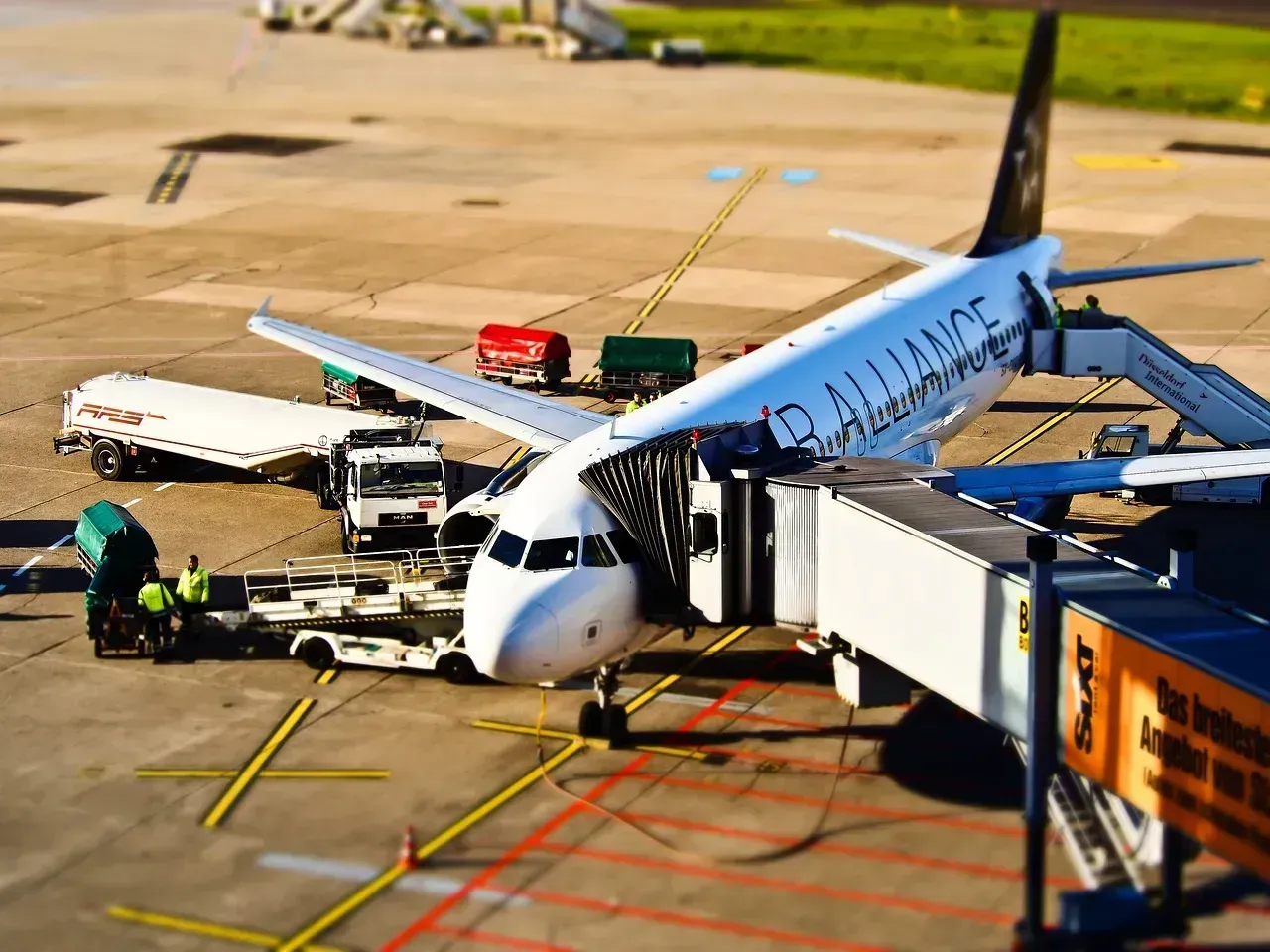
Delta Air Lines’ President Glen Hauenstein made clear during the airline’s 2024 Investor Day that the days of routinely handing out premium seats were over. Speaking at the airline’s 2024 Investor Day, he called premium cabins the airline’s “biggest loss leader” in earlier years. The complimentary upgrade era that frequent flyers built their travel strategies around has quietly ended across most major U.S. carriers. Premium-class sales now account for roughly 43% of Delta’s passenger revenue, up from about a third before the 2020pandemic.
Free upgrades, which used to be a core benefit of being very loyal to one airline, have either gone away or become much harder to come by. Some airlines have been upfront about eliminating first-class upgrades. The ranks of frequent flyers with elite status are swelling all the way from the airport lounge to the packed first boarding group, meaning more competition for those seats. Passengers who walk up to the gate assuming the system still works the way it did five years ago not only embarrass themselves, they waste precious time that an already overwhelmed gate agent could be using to solve real operational problems. Misplaced assumptions breed bad conversations, and bad conversations at the gate never end well for the passenger.
The Bigger Picture: Why Gate Agent Interactions Still Matter
The upgrade game has changed dramatically in recent years. Algorithms now drive a huge portion of decisions, and airlines have tightened their loyalty programs significantly. American, United, and Delta have all recently overhauled their loyalty programs to reward big spenders, with passengers earning more points and elite status based on how much they spend, not how far they fly. The margin for human discretion has narrowed, but it hasn’t vanished entirely. Gate agents still have small windows of judgment during oversell situations, last-minute seat reassignments, and irregular operations.
Human behavior at the gate still matters more than most travelers realize. Flexibility is a currency. The more of it you show, the more valuable you become to an overwhelmed gate agent trying to solve a seating puzzle under time pressure. International premium class travel, business and first class, grew by 11.8% in 2024, outpacing growth in global economy travel of 11.5%. The total number of international premium-class travelers in 2024 was 116.9 million, representing roughly 6% of total international passengers. That front cabin is more coveted, and more competitive, than at any point in recent memory, which is exactly why the behaviors passengers bring to the gate matter so much.