Every seasoned traveler has a story from airport security. A forgotten water bottle, shoes that set off the alarm, a laptop still buried at the bottom of a bag. Those are minor headaches. What most people don’t realize is that a single wrong sentence, said out loud at the wrong moment, can bring an entire checkpoint to a standstill and land you in serious legal trouble.
The TSA is not just screening your bags. They are listening. Trained officers process millions of travelers every day, and they are acutely alert to specific words and behaviors that trigger an immediate and often dramatic response. What you say at that checkpoint matters more than most people think. Here’s what you absolutely need to know before your next flight.
1. “I Have a Bomb” (Even as a Joke)
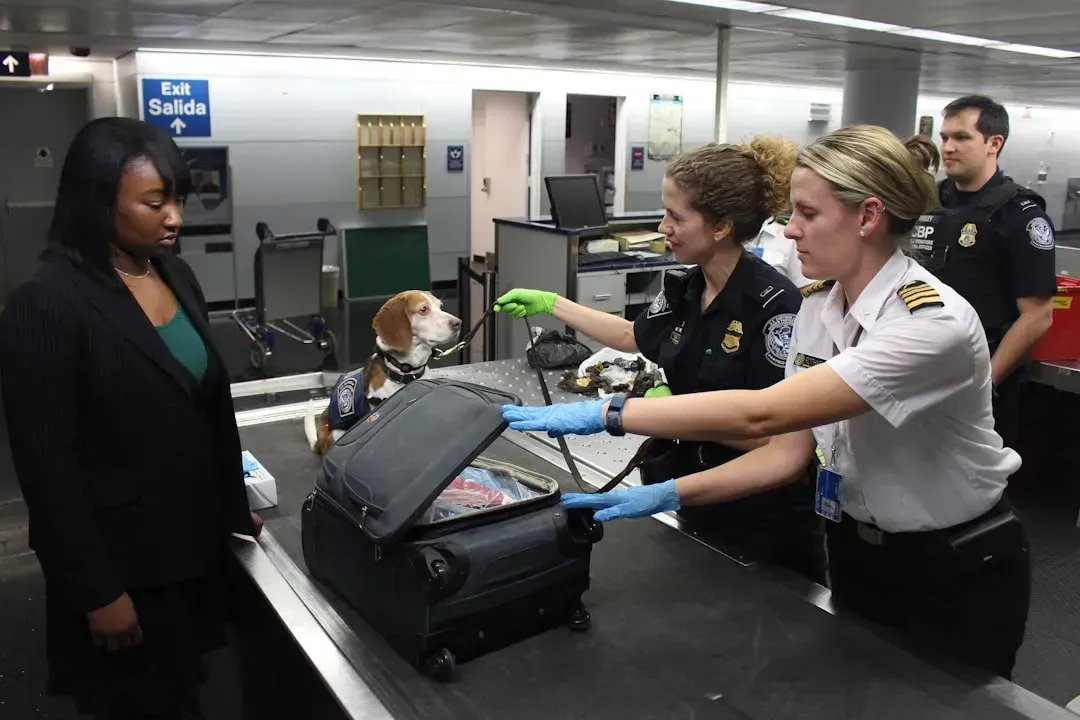
Let’s be real. No sentence in the English language will get you in more trouble at an airport faster than this one. Uttering the word “bomb” or similar threats in an airport or on an airplane can lead to immediate arrest, interrogation, and criminal charges. Authorities treat all threats as real until proven otherwise, and there is simply no version of that joke that ends well for you.
A passenger at Anchorage once stated that he had a bomb in his checked bag. Because the claim had to be investigated by law enforcement, the bag was pulled and the airport was closed for two hours and 20 minutes. The claim turned out to be false, and the passengers on the flight were delayed. The ripple effects are enormous. One careless comment, hundreds of disrupted travelers.
The TSA may impose civil penalties of up to $17,062 per violation per person. That is an expensive joke. And that figure doesn’t even account for potential criminal prosecution or the cost of missing your flight entirely. Think twice. Actually, don’t think at all. Just don’t say it.
2. “I’m Just Kidding” After a Security Threat
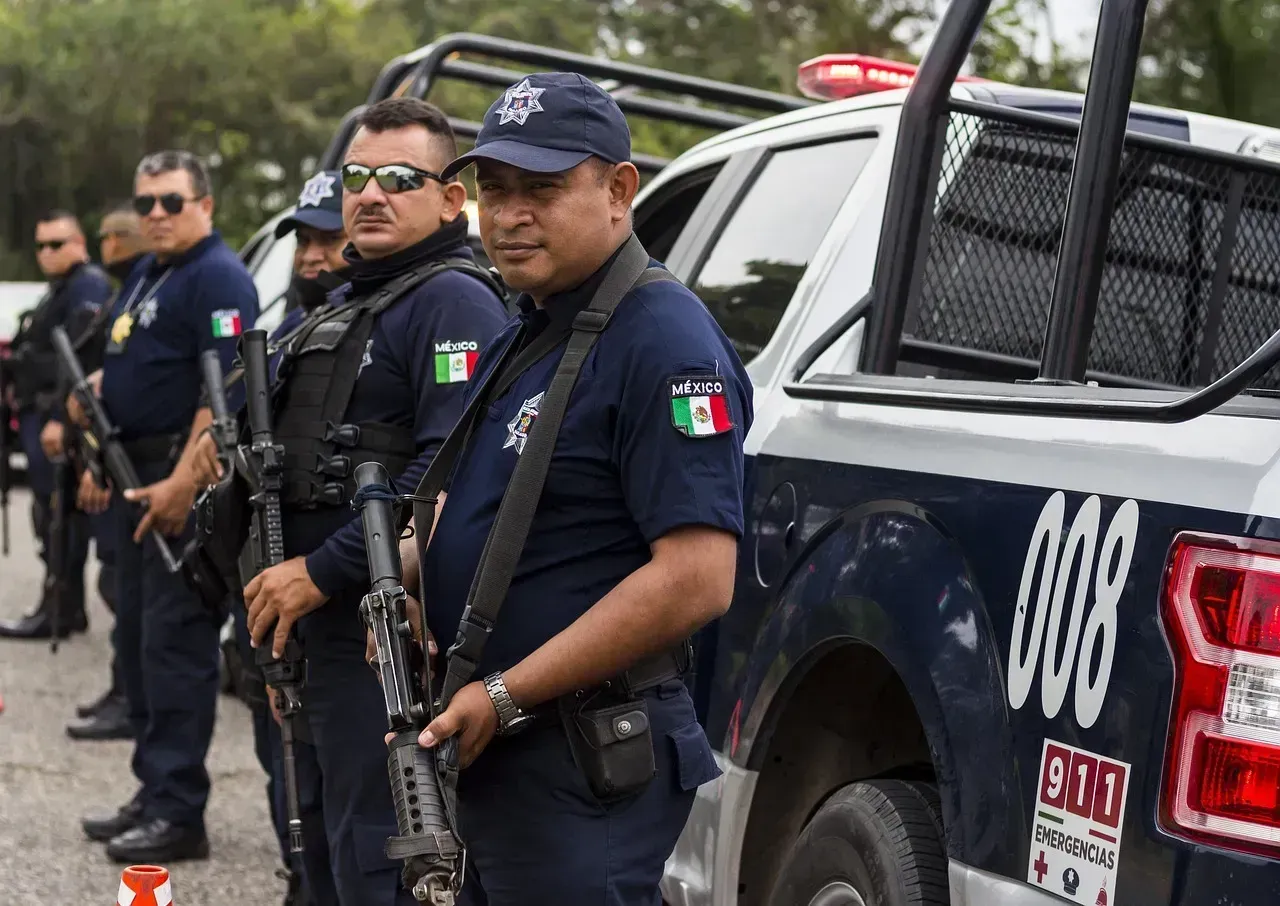
Here’s the thing: walking back a threat immediately after saying it does absolutely nothing to help you. Even when a passenger insists they were just joking about having explosives, the Federal Police still proceed to arrest and charge. According to the law, false allegations and alleged jokes can be punishable as they are considered to have the criminal intent of disturbing public peace.
One passenger at Frankfurt Airport was not the first to make the humorless joke about carrying explosives. Nearly a decade back, a female passenger flying from Frankfurt to Vienna kept making repeated jokes about having a bomb in her carry-on baggage during the security checks. The result? She was denied boarding, arrested, and charged. The “I was joking” defense holds essentially zero weight once the words leave your mouth in that environment.
3. “My Bag Might Explode”
As a gate agent was approaching an unattended bag at El Paso, the owner of the bag stated “I better get it before it explodes.” What sounds like a casual, throwaway comment to you sounds like a credible threat to every trained officer within earshot. Context means nothing to security professionals in the moment. Their job is to respond, not to evaluate your sense of humor.
You don’t have to say anything elaborate to cause a security panic. Unusual or aggressive behavior in an airport, especially involving unattended baggage, can lead to evacuation procedures, police intervention, and serious legal consequences. Even vague, offhand comments about your luggage can trigger a full-scale response. Be deliberate with every single word you use near a checkpoint.
4. “I’m a Terrorist”
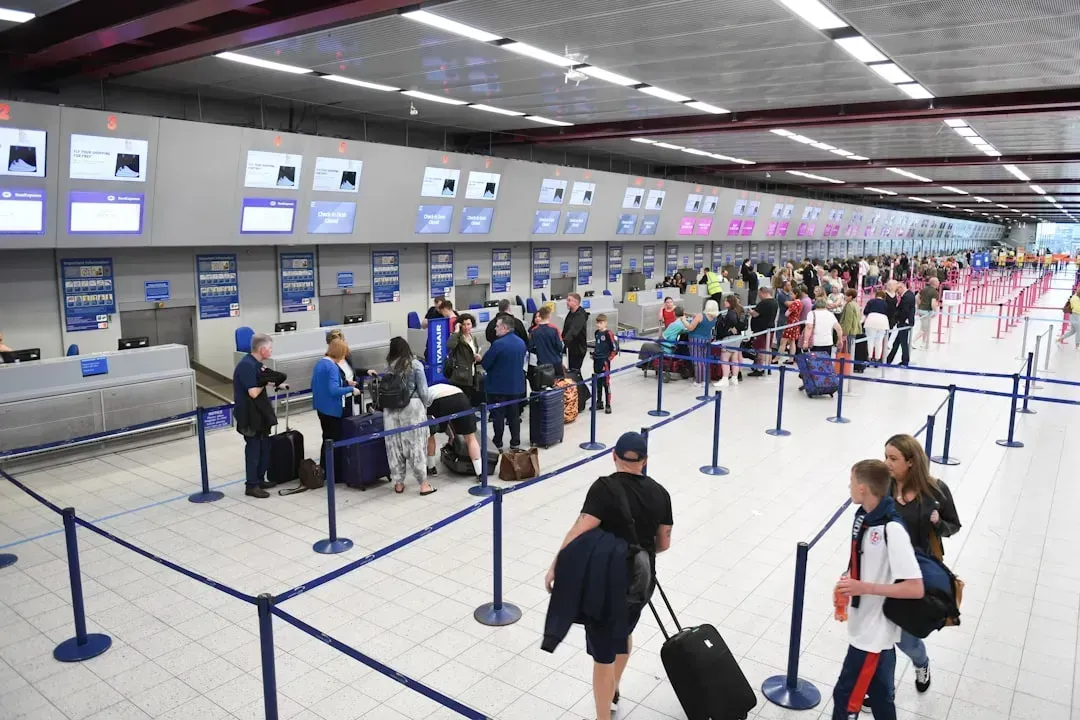
Hard to believe anyone would actually say this, but it happens. During a bag search at Dallas, a passenger stated: “I’m a terrorist.” No further details needed to understand how badly that went. Officers are trained to take that statement at face value, and the legal machine starts turning the moment those words are spoken.
Mentioning terrorism, even in jest or frustration, will trigger an emergency response. You may be removed from your flight, questioned by law enforcement, and potentially banned from future air travel. A travel ban. For a word spoken in frustration. The stakes are genuinely that high, and honestly, they should be.
5. “What If I Had Put a Bomb in It?”
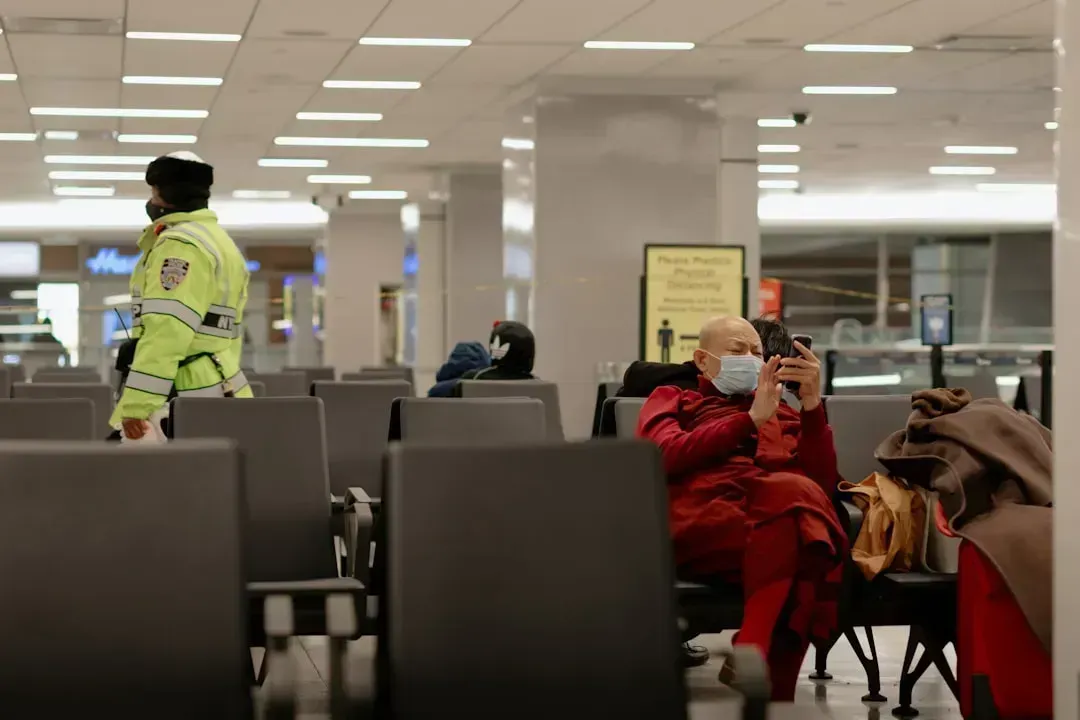
This one is a hypothetical, which makes some people think it’s somehow safer to say. It is not. After a gate agent at Orlando informed a passenger she could not get her checked luggage out of the plane, the passenger stated: “Well what if I had put a bomb in it? Can I get it back then?” After being denied boarding due to intoxication, a Columbus passenger told the gate agent that she had a bomb in her bag. Both were treated identically to real threats.
Violations such as assault, threat, intimidation, interference with flight crew, interference with security operations, access control violations, providing false or fraudulent documents, and making a bomb threat can result in being denied expedited screening for a period of time. That means losing TSA PreCheck, potentially permanently. Hypothetical phrasing provides zero legal protection. None.
6. “I Have a Gun in My Bag”
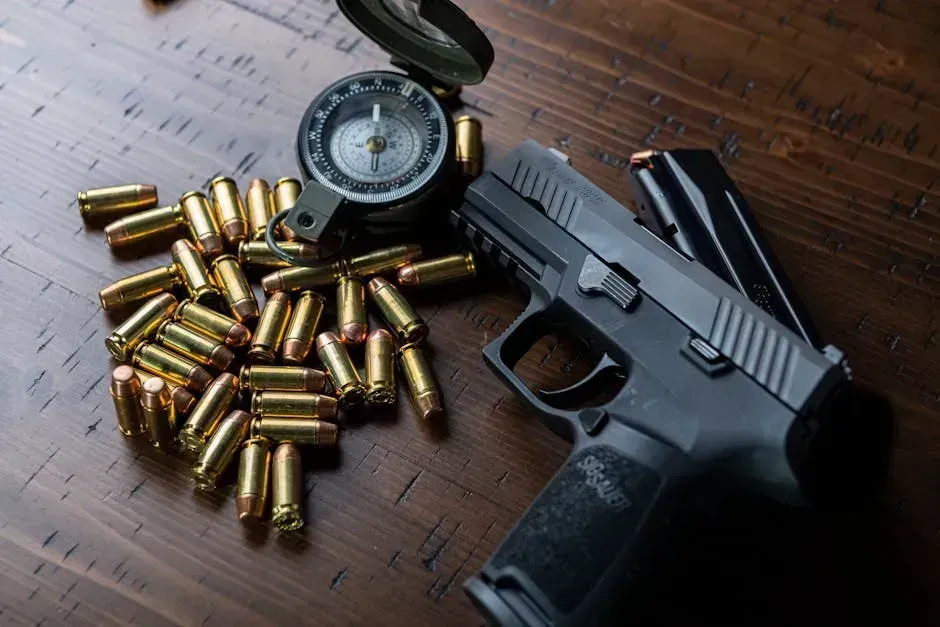
Claiming to have a weapon at a security checkpoint, even as a bad joke, is treated identically to actually having one. During screening at Rochester, a passenger told officers that he had a firearm in his carry-on bag. No gun was discovered. Bad joke. That two-word assessment from the TSA’s own blog should tell you everything about how they view that kind of statement.
The numbers on actual firearms at checkpoints are staggering. During 2024, the TSA intercepted a total of 6,678 firearms at airport security checkpoints. Approximately 94 percent of these firearms were loaded. Individuals who bring a firearm to a TSA checkpoint face a maximum civil penalty of $14,950, will have their TSA PreCheck eligibility revoked for at least five years, and will undergo enhanced screening. Officers are primed to take any firearm claim with the utmost seriousness.
7. “I Didn’t Pack My Own Bag”
This one surprises people. It sounds perfectly innocent. The problem is that it raises an immediate red flag about the chain of custody of your luggage, which is one of the most sensitive issues in aviation security. If someone else packed your bag, who knows what’s in it? That is exactly what security officers are trained to think the moment you say it.
TSA’s screening procedures are intended to prevent prohibited items and other threats to transportation security from entering the sterile area of the airport and are developed in response to information on threats to transportation security. A bag packed by an unknown person is, by definition, a security variable. If someone helped you pack, keep that information to yourself and simply confirm that you know the contents of your bag.
8. “I Don’t Know What’s in There”
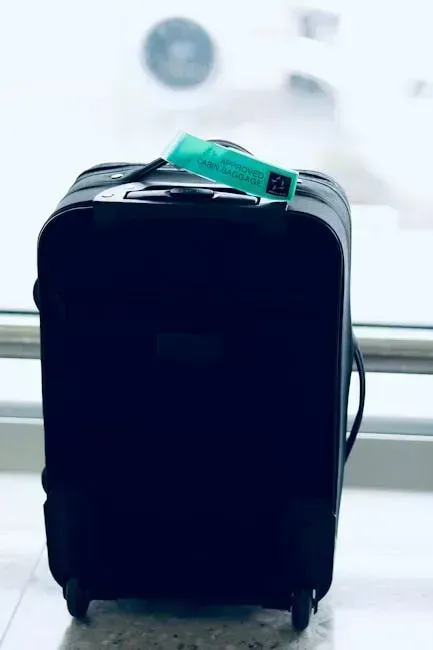
Similar to the above, telling an officer that you have no idea what is inside your own luggage is basically an invitation for an extended, thorough, and deeply inconvenient secondary screening. Even if an item is generally permitted, it may be subject to additional screening or not allowed through the checkpoint if it triggers an alarm during the screening process, appears to have been tampered with, or poses other security concerns.
Think about it this way: every traveler is presumed to be responsible for the contents of their own luggage. Announcing ignorance of those contents undermines that assumption entirely. TSA officers encounter prohibited items daily at the security checkpoint and each discovery slows down the security screening process for all travelers. You will slow down the line considerably, and you will likely miss your flight. Know your bag. Always.
9. “Can You Hurry Up? I Have a Plane to Catch”
This is one of the most common mistakes travelers make, and it’s a subtle but real red flag. Pressuring TSA officers to rush through their screening is not just rude. It can actually cause them to slow down and be more thorough, not less. More importantly, expressing unusual urgency or agitation is itself a behavioral indicator that officers are trained to notice.
If you get into some trouble, it’s fine to stand up for yourself, but do it calmly and respectfully. Escalating things with TSA agents will never work in your favor. Security measures begin long before you arrive at the airport, and TSA works closely with the intelligence and law enforcement communities to share information. Their behavioral observation protocols are sophisticated. Agitation and impatience register. Arrive early and stay calm. It really is that simple.
10. “You Can’t Search That” or “That’s Illegal”
Challenging an officer’s legal authority mid-checkpoint is a fascinating way to guarantee yourself a much longer morning. Once the screening process at the airport has begun, you are required by law and by the TSA to go through the screening. TSA screeners do not have law enforcement authority, so they can’t arrest you, but they can call airport police, who can arrest you. That distinction is important.
TSA’s screening procedures are intended to prevent prohibited items and other threats to transportation security from entering the sterile area of the airport. Refusing to cooperate or loudly asserting your rights in the middle of a checkpoint will not end well. Carrying prohibited items may cause delays for you and other travelers, but they may also lead to fines and sometimes even arrest. If you have a genuine concern about proper procedures, the time to raise it is calmly, after the screening, not aggressively during it.
A Final Word Before You Fly
Airport security is one of those environments where words carry extraordinary weight. Security officers cannot tell if you’re joking. Their job is to treat all potential threats as real. They have no way of knowing your intent until it’s too late. That is not a flaw in the system. That is the system working exactly as designed.
TSA screens approximately 3.3 million carry-on bags for explosives and other dangerous items daily. At that scale, there is no room for ambiguity. The best strategy is always the simplest one: be cooperative, be prepared, and above all, be quiet about anything that could be interpreted as threatening.
So next time you’re in that checkpoint line, irritated and tired and running late, remember this: the officers standing between you and your gate have heard every possible variation of every comment on this list. They are not amused. They are not going to laugh it off. What do you think? Could you add another phrase to this list from your own travel experience? Drop it in the comments.