
Every traveler has that gut feeling the moment something feels off. A neighborhood that looks different from the brochure. A street that empties out too fast after dark. A city that smells and sounds nothing like the Instagram posts you bookmarked.
The United States is vast, genuinely beautiful, and full of experiences you can’t find anywhere else. But let’s be honest, not every destination delivers what it promises. According to the 2024 Global Peace Index, the U.S. ranked 132 out of 163 countries analyzed for safety. That’s a sobering number for a country that so many dream of visiting. Some cities on this list surprise people. Others, not so much. Let’s dive in.
1. Memphis, Tennessee – Blues, BBQ, and a Crime Rate That Hits Hard
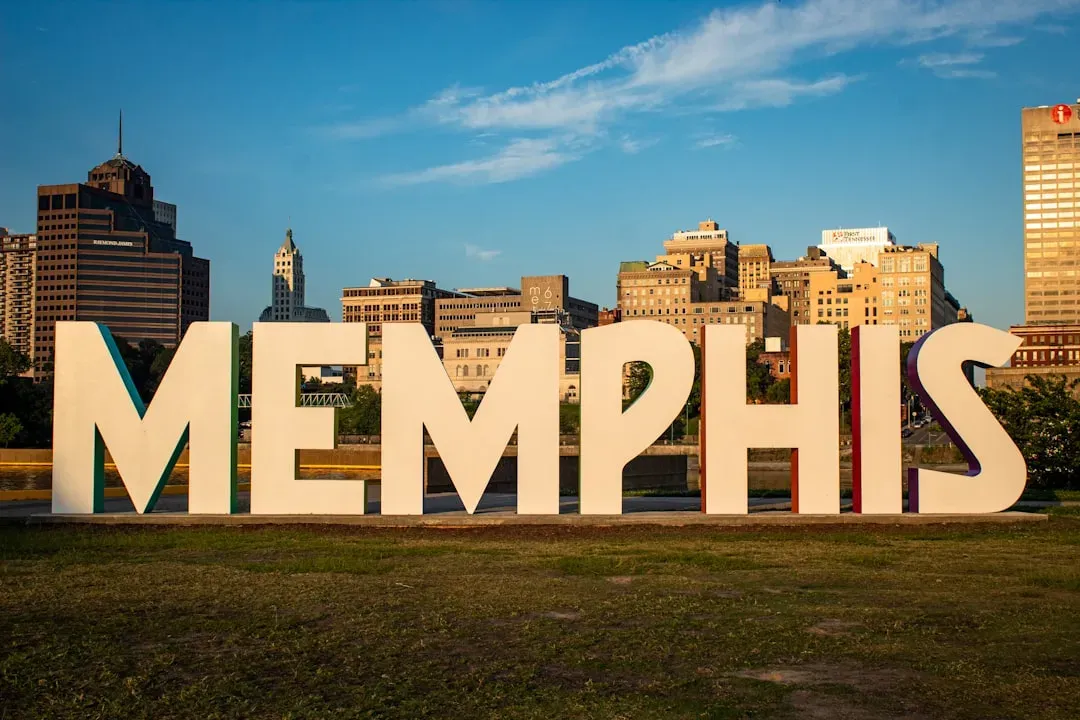
Memphis is one of those places that genuinely has so much going for it. The music history is undeniable. The food is exceptional. The culture runs deep. Yet the numbers are hard to ignore.
Memphis stands out with a total crime rate more than three times the U.S. national average, and its violent crime rate sits nearly six times the national figure. Think about that for a moment. Six times. That’s not a rounding error. That’s a pattern.
The city’s 2024 violent crime rate clocked in at 2,420 per 100,000, among the highest in the nation, with neighborhoods like Frayser and South Memphis seeing frequent incidents after dark. There is some improvement happening, though. Through the first eight months of 2025, overall crime is reported at a 25-year low, with every major category down, including robbery, burglary, and larceny at historic lows, and weaponized assaults and murders at a six-year low.
Homicides were four percent lower in the first half of 2025 than in 2024, but still 58 percent higher than 2019, with a rate of 20.6 per 100,000 residents. Progress is real. The anxiety is also real.
2. Baltimore, Maryland – Charm City With a Complicated Reputation

Baltimore has a genuine split personality as a destination. The Inner Harbor is photogenic, the crab cakes are extraordinary, and yes, there are legitimate cultural draws here. Still, the safety picture is hard to sugarcoat.
In 2024, Baltimore was named the deadliest city in the country based on a study analyzing FBI crime reports. Baltimore is often referred to as “Charm City” but due to the high rate of violent crimes it has been given the unflattering nickname “Bodymore.” That nickname does real damage to tourism confidence.
Baltimore consistently ranks among U.S. cities with high crime, with 15.55 violent crimes per 1,000 residents, and the 22.4 percent poverty rate correlates with geographic crime concentration. There is some hope on the horizon. Improvements have continued into 2025, with the city having seen a 24.3 percent decrease in homicides and an 18.3 percent decline in nonfatal shootings, and so far in 2025, Baltimore has had the fewest homicides in over 50 years.
Baltimore’s Inner Harbor is a top tourist draw, yet the city’s violent crime rate is among the highest in the U.S., and straying far from tourist-heavy zones increases risk, as the city also struggles with property crimes like break-ins and theft from parked cars.
3. Detroit, Michigan – A City Rising, But Still Cautious
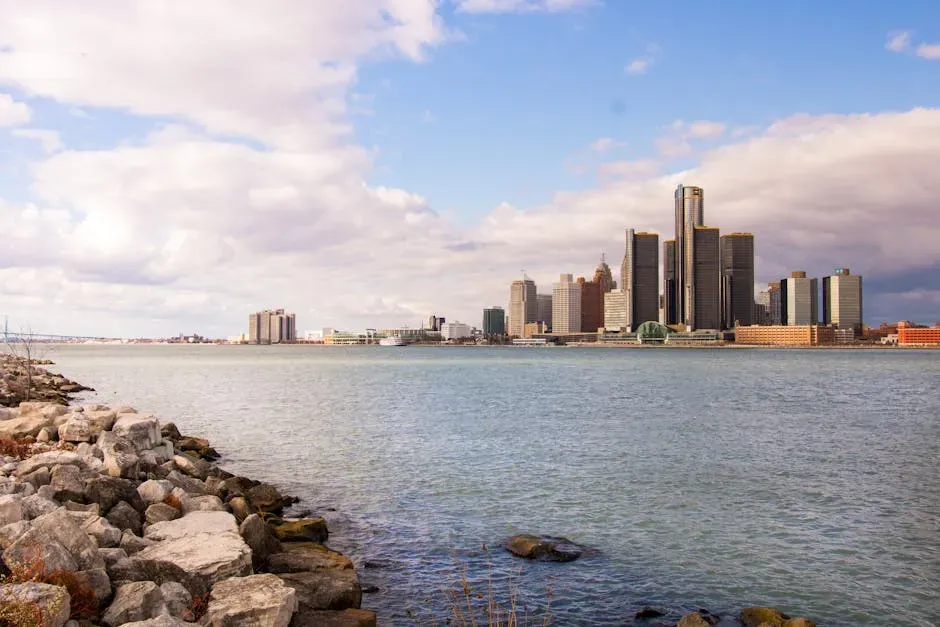
Detroit is, honestly, one of the most fascinating turnaround stories in American urban history. The cultural revival is real. The food scene has exploded. The neighborhoods around Midtown and downtown have genuinely transformed. Yet the overall picture still gives many travelers pause.
Detroit maintains violent crime rates triple the national average at 1,556 per 100,000 people. It’s the kind of number that lands differently when you’re planning a weekend trip with your family. Overall, the Detroit crime rate is 180 percent higher than the national average, however the city’s downtown and midtown areas have become increasingly safe for residents and visitors alike, creating a tale of two cities where location makes all the difference in how safe someone feels walking at night.
In 2024, Detroit had its lowest number of homicides in over 50 years, and it is becoming a popular vacation spot known for culture, with fascinating museums, gorgeous hotels, and some of the best food in Michigan. The story here is genuinely nuanced. Once a thriving American city, some parts of Detroit are described as dilapidated, violent, and even downright abandoned. Sticking to the tourist corridors makes an enormous difference.
4. St. Louis, Missouri – Gateway Arch, High Stakes Streets

The Gateway Arch is one of the most iconic structures in America, and downtown St. Louis has real character. Here’s the thing, though: the gap between the tourist experience and the broader city reality is stark.
St. Louis follows Memphis with crime rates 234 percent above the national average at 7,847 crimes per 100,000 residents, recording 264 murders and 1,246 robberies in 2023, and residents face a 1 in 50 chance of becoming violent crime victims.
According to Neighborhood Scout data, you have a one in 70 chance of falling victim to a violent crime in St. Louis compared to a one in 218 throughout the rest of the state. That’s a massive gap. To be fair, things are improving. According to the St. Louis Metropolitan Police, 2024 saw the lowest number of homicides in 11 years. While many attractions are safe during the day, venturing into less-populated areas at night can increase risk, and visitors are advised to use trusted transportation and stick to well-lit, populated areas.
5. Albuquerque, New Mexico – High Desert, Higher Anxiety

Albuquerque draws visitors for its stunning desert scenery, rich Native American and Spanish heritage, and its connection to one very famous fictional meth cook. But the real-life crime picture here is troubling enough that it regularly lands on national danger lists.
St. Louis, Memphis, and Albuquerque dominate the top of crime lists with violent crime rates over 8,000 per 100,000 residents, more than four times the national average. Overall, the Albuquerque crime rate is 166 percent higher than the national average, which translates into roughly 94.85 crimes per day, about 21.2 violent crimes and 73.65 property crimes.
Based on survey responses, 85 percent of people felt that Albuquerque was not a safe place to live and did not feel safe walking alone at night, representing one of the most dramatic examples of nighttime safety concerns in American cities. Albuquerque’s location at the crossroads of Interstate 25 and Interstate 40, near the southern border, has made it a hub for drug trafficking, and the presence of narcotics has contributed to the rise in severe offenses.
6. San Francisco, California – Beautiful City, Bruised Reputation

Few cities in America inspire more conflicted feelings than San Francisco. The scenery is breathtaking, the food culture is world-class, and the history is genuinely compelling. Yet it spent years on nearly every traveler’s “proceed with caution” list, largely due to visible homelessness and property crime that shocked first-time visitors.
Certain areas, including The Tenderloin and parts of The Mission District, may present more challenges due to homelessness and drug use. In January of 2024, 8,323 people were homeless in San Francisco, representing a 7 percent increase since the 2022 count. Those numbers hit differently when you’re walking through a neighborhood expecting vacation energy.
To its credit, San Francisco has made real strides. The San Francisco Police Department reported that in 2024, homicides fell by 31.4 percent, rapes fell by 2 percent and robbery fell by 21.8 percent compared to 2023, while assaults fell by 6.3 percent and larceny-theft fell by 35 percent. Car break-ins were down 69 percent in 2024 from the previous year, and overall San Francisco’s crime rate in 2024 was the lowest since 2001. It’s a city actively fighting its own reputation, and the progress is real.
7. New Orleans, Louisiana – The Party That Never Stops, The Crime That Doesn’t Either
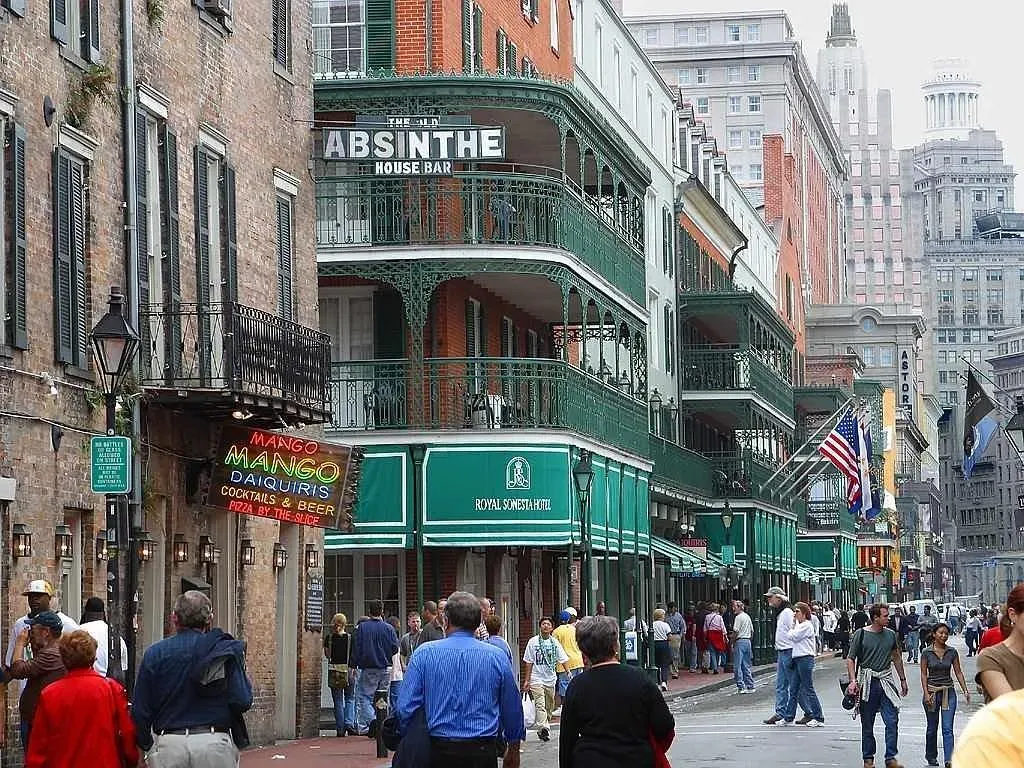
New Orleans is electric. There is genuinely no other city in America that sounds, smells, and feels like this one. The food alone could justify a trip. But the city has long carried a dual identity as both a bucket-list destination and a place where travelers need to keep their wits about them.
The 2024 violent crime rate in New Orleans is 1,444 per 100,000, with Central City and parts of the 7th Ward being riskier areas. Petty crimes like pickpocketing are common in crowded tourist zones, and visitors should be mindful after dark as alcohol-related incidents and theft spike during festival seasons.
The city was also shaken by a terrorist attack on January 1, 2025. A tragic terror attack hit New Orleans on that day, and in response, the city has taken significant steps to prioritize the safety of both residents and visitors, including designating Mardi Gras as a SEAR-1 event, the highest level of security classification in the United States. There is good news for the statistics-minded traveler. The New Orleans Police Department reported an overall decrease of 20 to 27 percent across various crime categories when comparing 2024 to 2023, with overall crime decreasing by 26 percent.
8. Chicago’s South Side, Illinois – A City of Contrasts You Can’t Ignore

Chicago is one of America’s great cities. The architecture is stunning. The lakefront is magnificent. The restaurant scene punches above its weight globally. Tourists who stick to the main corridors largely have a wonderful time. The problem is when the full citywide picture gets flattened into a single reputation.
In 2024, Chicago reported 573 homicides, marking the first time since 2019 that the number fell below 600. Despite this improvement, Chicago maintained the highest total number of homicides among major U.S. cities for the 13th consecutive year. That last statistic is the one that sticks.
The South Side of Chicago is a particular concern: while Chicago’s tourist spots are safe to visit, the South Side is rife with gang violence, crime, and drug use. The 2024 violent crime rate is 1,099 per 100,000, with Englewood and Garfield Park standing out as trouble spots, and some South Side spots feel especially tense after dark. The good news is clear too. In 2024, violent crime loomed large with 28,443 incidents and aggravated assaults peaking at a two-decade high, but by 2025 the tone shifted, with assaults down 16 percent, gun attacks down 27 percent, and robberies off by more than a third.