
Every year, millions of people save up, pack their bags, and fly halfway around the world chasing a dream they saw on Instagram. The sunsets. The ancient ruins. The sparkling water. The promise of something life-changing. Sometimes, that dream delivers. Often, it really, really doesn’t.
The gap between travel expectation and reality has become one of the most honest conversations happening in the travel world right now. Travelers are speaking up, leaving brutal reviews, and warning each other in Reddit threads at 2 a.m. These are twelve destinations that, according to real research, real reviews, and increasingly real regret, left a lot of people wondering why they even bothered. Let’s get into it.
1. Bangkok, Thailand – The Most Overrated City Two Years Running
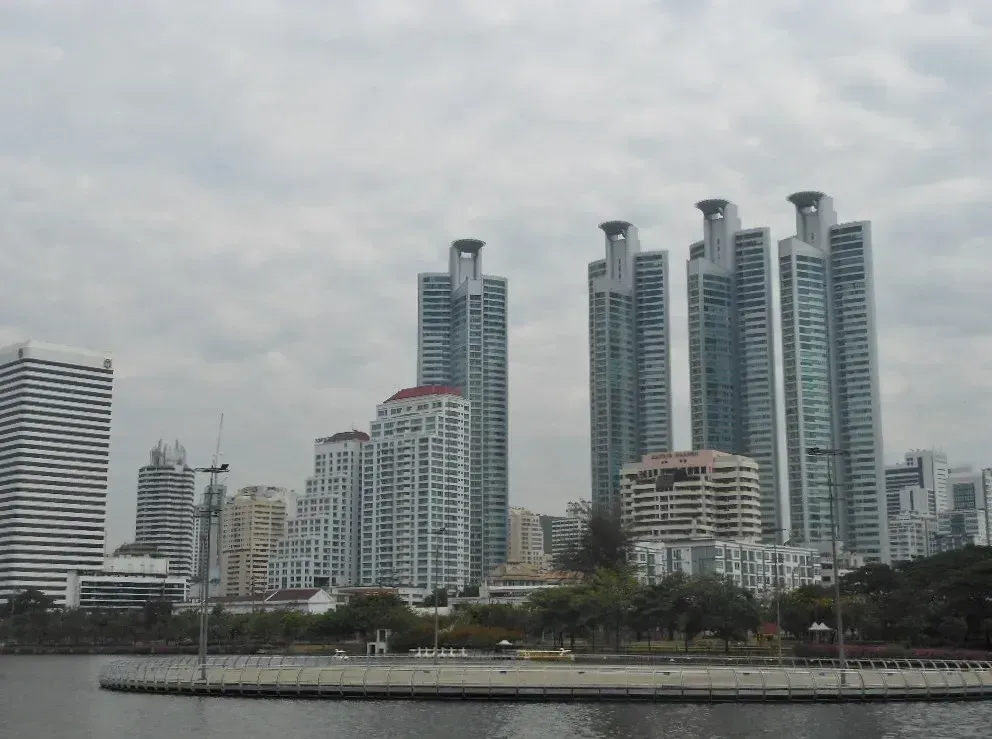
Here’s a number that should give any Bangkok-bound traveler pause. For the second consecutive year, the Thai capital has retained its position as the top overrated city, with the percentage of dissatisfied tourists rising from 16.6% in 2023 to 18.4% in 2024. That’s not a rounding error. That’s a trend.
According to online reviews, Bangkok is synonymous with overcrowding and murky river waters. Even the renowned street food fails to impress many reviewers, with dishes like Boat Noodles and Pad Thai, though affordable, sometimes lacking in quality for non-locals. For a city so famous for its food scene, that’s a stinging verdict.
2. Venice, Italy – You Pay to Get In and Still Feel Robbed
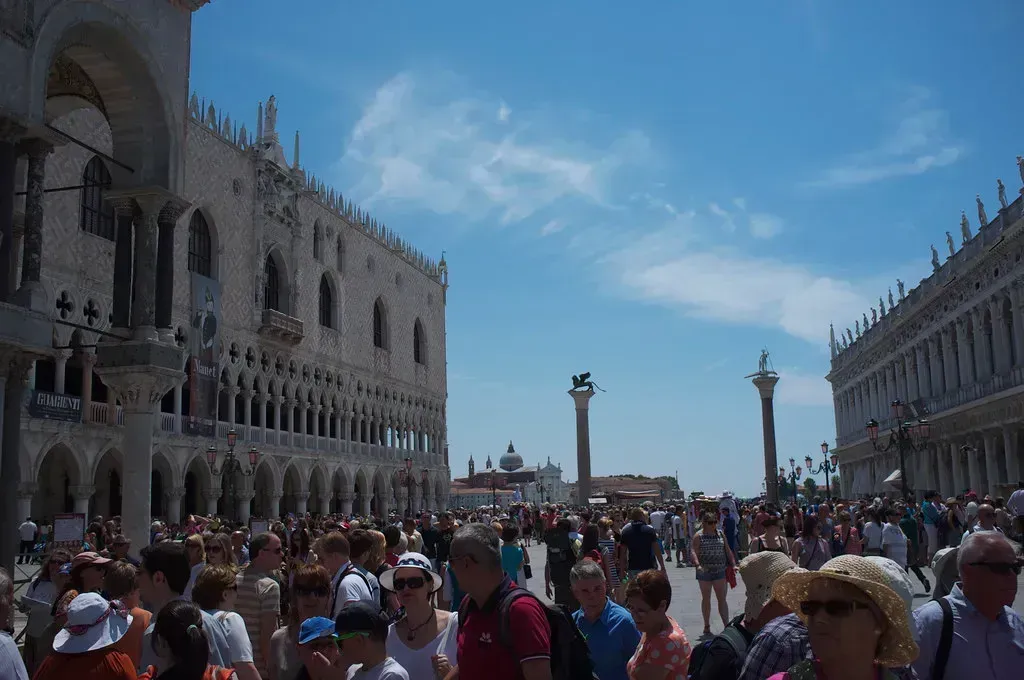
Venice is genuinely one of the most beautiful places on the planet. Nobody is arguing that. But the experience of actually visiting it in 2026? That’s a different conversation entirely. The Venice Access Fee, aimed at day-trippers, is part of an ongoing battle against overtourism. For the fragile lagoon city, it’s an existential crisis, as the relentless influx of tourists places serious strain on both infrastructure and local character.
In its first full year, 2025, the fee generated over €5 million for Venice but only slightly reduced the number of visitors on the busiest days. As the city continues the program in 2026 with more covered dates, travelers planning a Venice trip need a clear understanding of how the system works. Honestly, paying a fee to wade through shoulder-to-shoulder crowds is not the romantic gondola fantasy most people had in mind.
3. Amsterdam, Netherlands – A City That’s Literally Telling You Not to Come
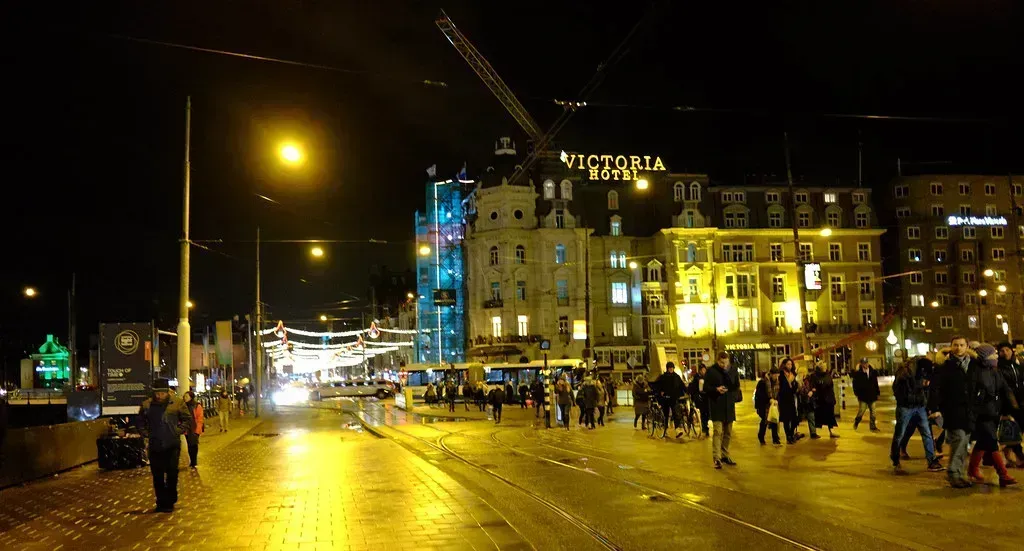
Imagine a city launching an official campaign called “Stay Away.” That’s not a travel blog’s snarky take. That’s real. Amsterdam is actively telling certain travelers not to visit via what city officials are dubbing a blunt “discouragement campaign.” As overtourism threatens to overwhelm the city, the campaign specifically targets British men aged between 18 and 35 who plan to travel to the city to drink and take drugs.
The campaign group says that the City of Amsterdam has failed to limit overnight stays for leisure to 20 million per year, and is therefore in breach of a 2021 bylaw. This bylaw declared that should 18 million overnight visitors book a trip, it was the council’s job to step in. Despite measures to curb overnight stays, including banning the construction of new hotels, local sources reported that more than 22.9 million overnight stays were made in a recent year. Locals are now suing the city over it. That tells you everything.
4. Cancún, Mexico – High Prices, Pushy Vendors, Zero Authenticity
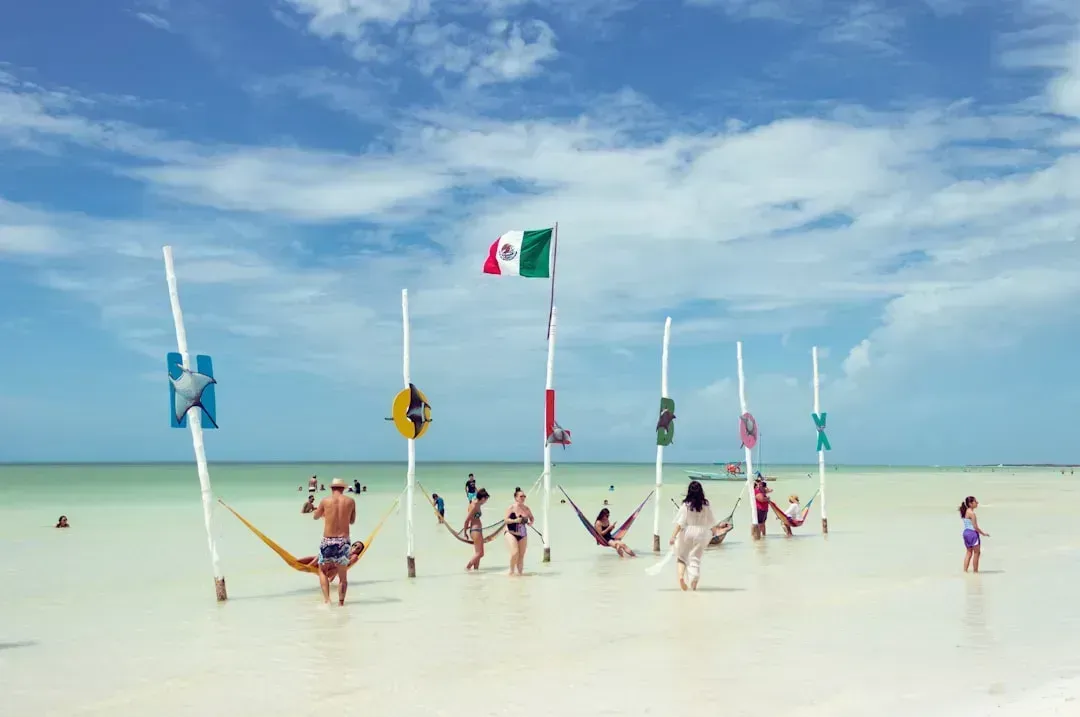
Cancún has long been the go-to sun-and-sand destination for travelers from North America. The hotels are enormous. The pools are stunning. The tequila flows freely. Yet look past the all-inclusive bubble and the picture changes fast. Cancún nabbed the top spot on a list of the most disappointing cities, based on an analysis of more than 97,000 Google visitor reviews of the world’s most visited cities, earning the highest negative review percentage. Travelers were peeved about high prices, pushy vendors, and a lack of authenticity.
It’s one of the most visited international cities in the Caribbean, known for its beautiful all-inclusive resorts and crystal clear waters, but it’s equally known as a “one-time visit” with travelers leaving with the impression that their experience was generic, forgettable, and repetitive. Generic is probably the most damning word in travel. And it keeps coming up here.
5. Dubai, UAE – Artificial Opulence That Feels Soulless
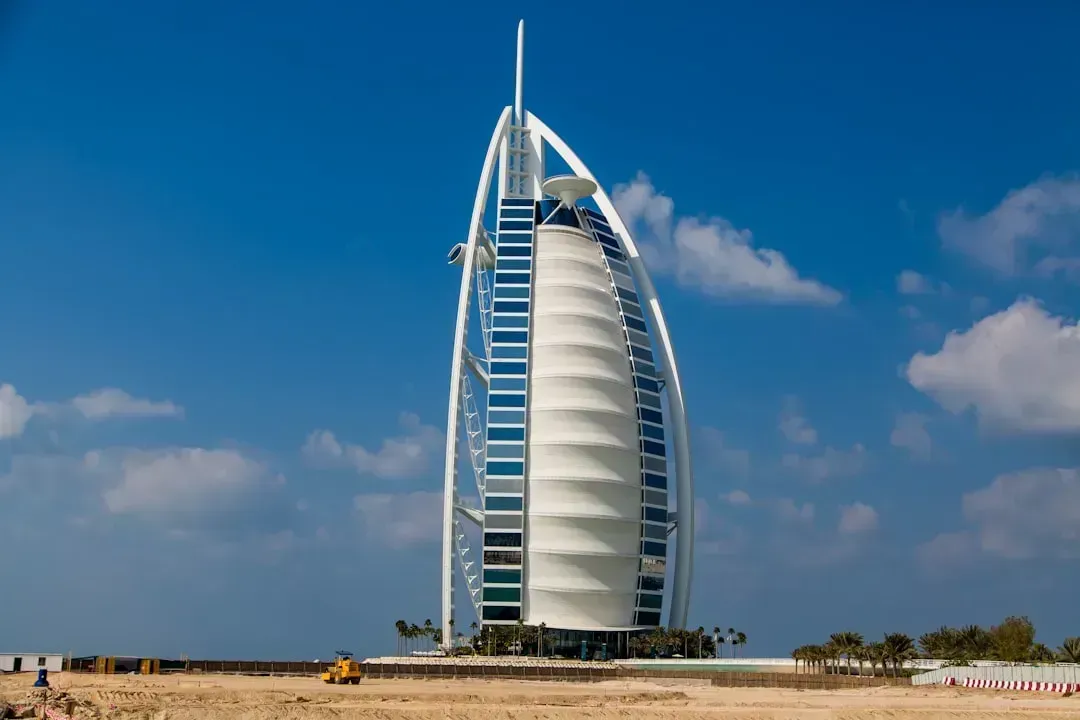
Dubai is one of those places that looks incredible on paper. Tallest building. Biggest mall. Most of everything. The problem is that “most of everything” starts to feel hollow after about two days. Dubai’s artificial opulence and over-the-top luxury earned it over 950 votes from disappointed travelers who found the city soulless. This gleaming metropolis, built seemingly overnight from desert sands, creates experiences that many find as artificial as the city itself. The city’s relentless focus on superlatives creates tourist experiences that feel more like checking boxes than creating memories.
You can only visit certain times of the year without melting, and when you’re forced indoors, you’ll definitely splurge through your vacation budget as shopping is never-ending here. Materialism reigns supreme in this ritzy desert megacity where shiny buildings far overshadow the very few cultural attractions. Let’s be real, a city with no real culture is a city where most travelers eventually feel empty.
6. Santorini, Greece – Instagram’s Greatest Lie
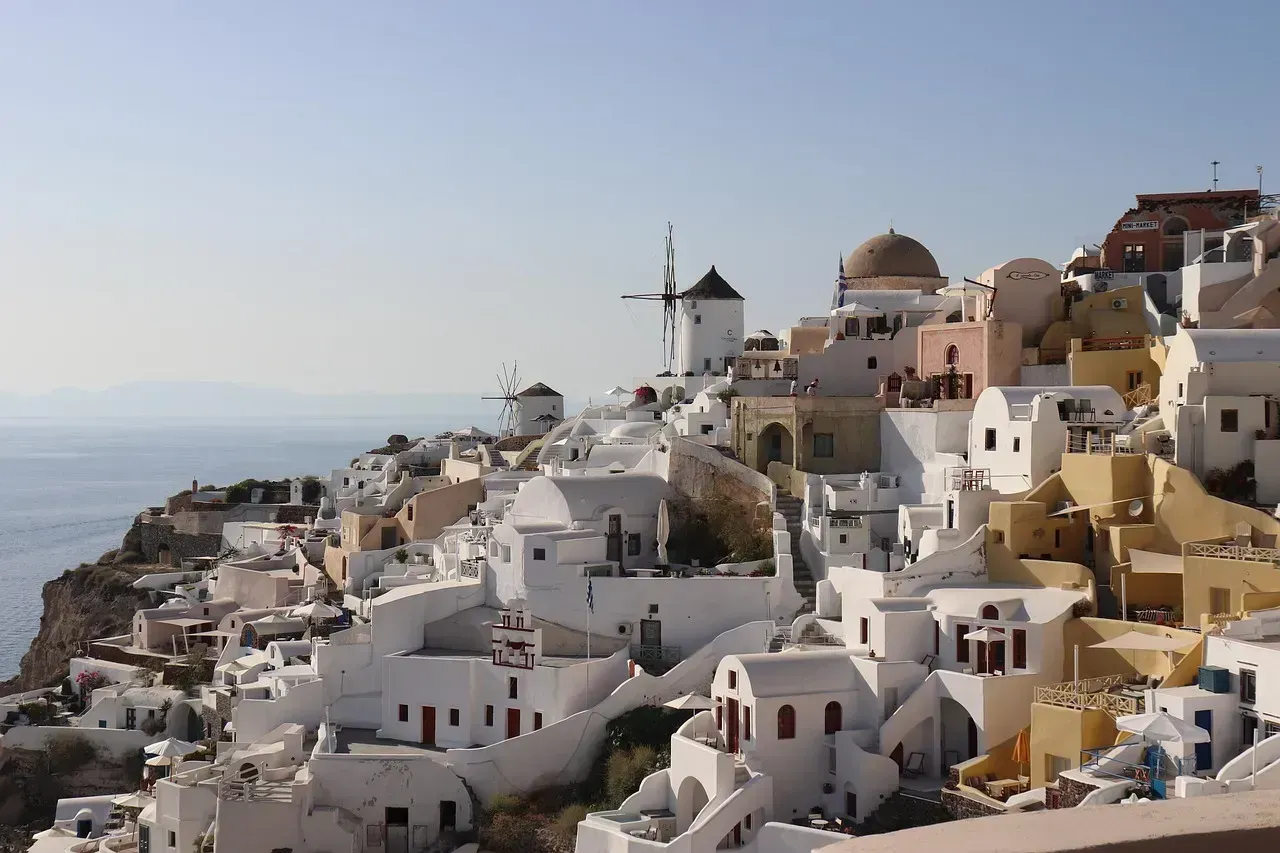
Those blue-domed churches. Those white walls against the sea. That sunset over Oia that fills your entire screen with peachy perfection. We’ve all seen it. Here’s what the filter hides. Greece sells you on whitewashed buildings tumbling down cliffsides and endless blue seas, but the reality hits different when you’re shoulder-to-shoulder with cruise ship passengers fighting for that perfect Oia sunset photo. What travel bloggers don’t show you is that Santorini has become so overcrowded that locals are literally begging their government to limit visitors.
One traveler noted that Santorini was pretty disappointing, stating that the photos online must have been photoshopped. They expected beautiful views but ended up having to crop graffiti and dirty buildings from the backgrounds of their pictures. It was also expensive. The cheapest lunch option was a small wrap for 11 euros, and it really felt like a tourist trap. For most people’s holiday budgets, that sting is very, very real.
7. Times Square, New York – Loud, Crowded, and Genuinely Mediocre
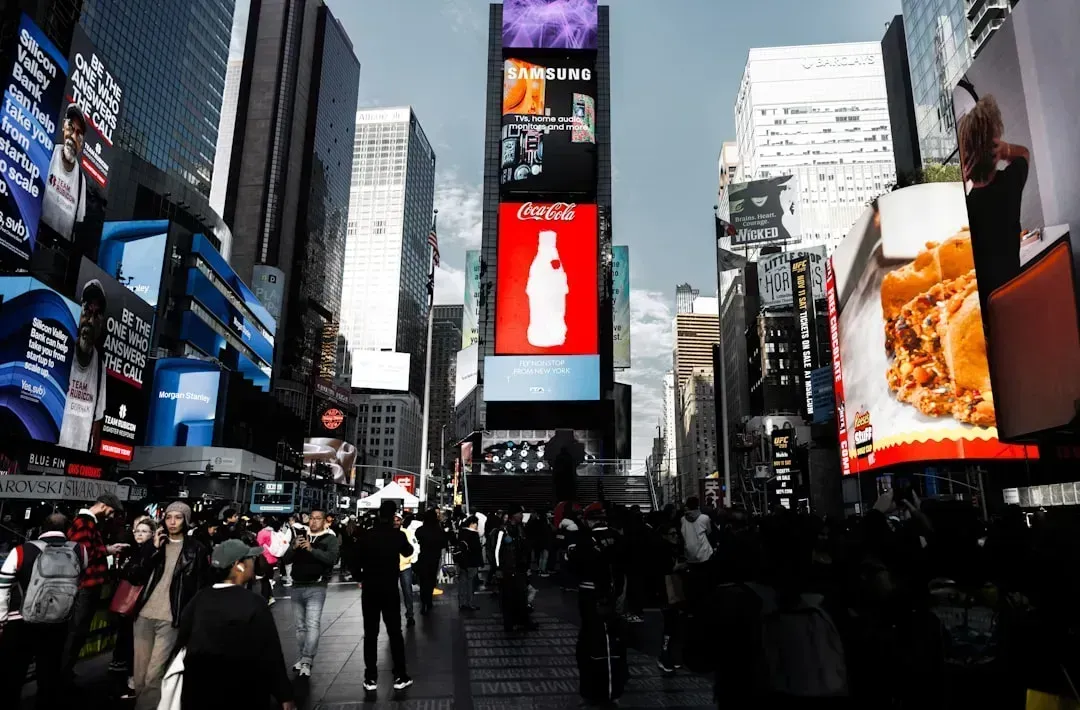
New York City is extraordinary. Times Square? That’s a different matter. Nearly half the tourists surveyed in 2024 said their visit didn’t live up to expectations. In a recent 2025 survey, roughly forty percent of tourists admitted that their visit left them more disappointed than delighted. Times Square represents one of those places where the gap between expectation and reality creates genuine frustration.
Times Square is just bright lights, crowds, and overpriced everything. It’s a corporate advertisement district where actual New Yorkers actively avoid going. The restaurants are chain restaurants you can find anywhere. The stores are stores you can find anywhere. The only thing unique about it is how aggressively mediocre it manages to be despite all those lights. Spend your New York energy somewhere else. Truly.
8. Hollywood Walk of Fame, Los Angeles – Dirty Stars, Broken Dreams

You’ve watched movies your whole life. You’ve seen those golden stars on the sidewalk. The magic of Hollywood feels like something you need to experience in person. It’s not. The Hollywood Walk of Fame in Los Angeles is topping a list of the “worst” tourist destinations in a new travel report, with visitors calling it “run down” and “dirty.” When you imagine Hollywood glamour, you probably picture something magical. The reality feels more like a neglected sidewalk with faded celebrity names, surrounded by people dressed in questionable costumes demanding money for photos.
The Walk of Fame is literally just names on a dirty sidewalk. That sidewalk is filled with tourists taking photos while stepping over homeless people and dodging aggressive tour operators. The area is run-down, grimy, and sad. The magic of Hollywood exists in studios and on screens, not on this particular street. I know it sounds harsh, but almost every traveler who has been there will quietly agree.
9. Punta Cana, Dominican Republic – Beautiful Resort, Forgettable Everything Else
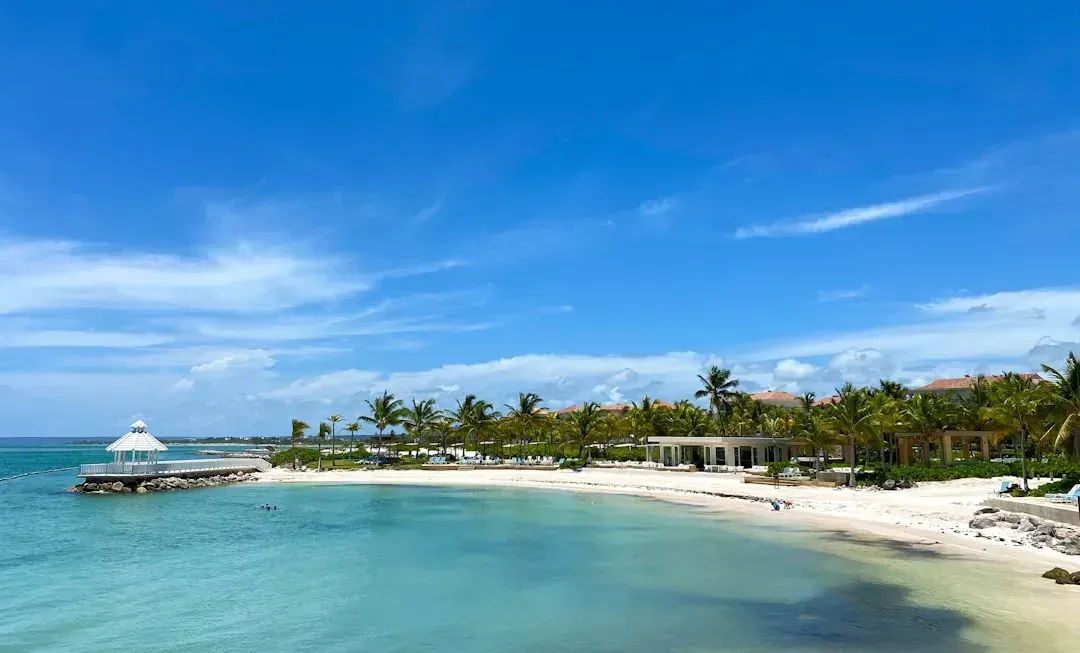
Punta Cana sells a very specific dream, one of crystal water, unlimited cocktails, and powder-soft sand. Within the resort gates, it more or less delivers. Step outside, though, and things fall apart fast. Punta Cana rounded out the top three most disappointing destinations, with a high negative review percentage. While the location is known for its all-inclusive resort, travelers said anything outside the hotel property was not worth visiting, and complained that vendors were constantly trying to sell them items during their vacation.
It’s one of the most visited international cities in the Caribbean and is equally known as a “one-time visit” destination, with travelers leaving with the impression that their experience was generic, forgettable, and repetitive. It’s a bit like paying for a five-star meal that turns out to be very expensive buffet food. Fine in the moment, but you feel oddly empty afterward.
10. The Northern Lights Chase – Nature Refuses to Perform on Demand

Chasing the Aurora Borealis is on millions of bucket lists. The idea of standing under dancing ribbons of green and violet light in a frozen landscape feels almost spiritual. The uncomfortable truth is that it doesn’t always look like the photos. Not even close. The Northern Lights don’t really look anything like they look in photos. The camera is infinitely more sensitive than the human eye and enjoys a much wider and deeper color spectrum. More often than not, those divine hues of misty green magic swirls actually resemble morose grey little clouds to human onlookers.
They refuse to follow a set performance timetable and don’t always turn up when you want them to. As such, you may not get to see them at all. Many light-spotting trips return thoroughly disappointed when cloud coverage or low solar-particle activity renders the Aurora Borealis effectively “out of order” for the evening. That’s a very expensive gamble for something that might just look like a smear of grey in the sky.
11. Kyoto, Japan – Stunning in Theory, Suffocating in Practice
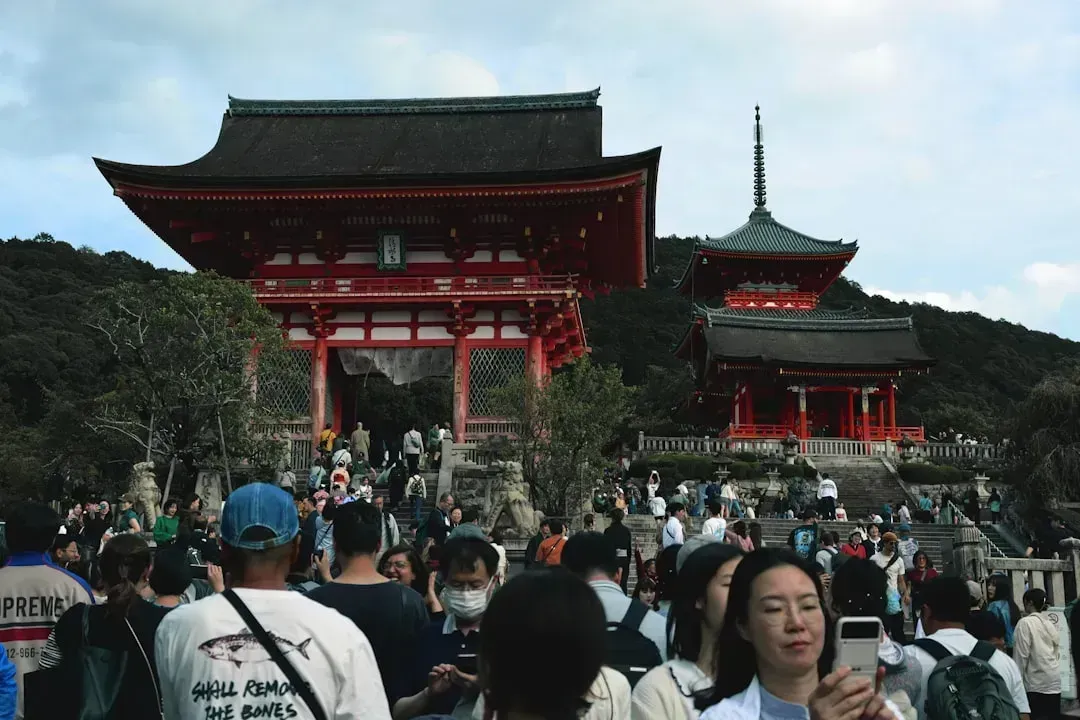
It’s hard to say anything negative about Kyoto without people looking at you like you’ve committed a crime against beauty. The temples are genuinely extraordinary. The history is deep and real. But the experience of visiting it now? That’s where things get complicated. The biggest frustration for travelers to Kyoto is the immense popularity. The idealistic temples and stunning shrines are overwhelmingly crowded, with tourists busting at the seams of the entrances.
Kyoto was described by reviewers as being overcrowded and unfriendly. It’s the victim of its own perfection, really. The more beautiful a place, the more people pile in, until the beauty itself gets buried under selfie sticks and tour group banners. If you do go, the smart move is visiting during off-peak hours or heading to the neighborhoods that don’t make it onto every travel guide’s first page.
12. Dubrovnik, Croatia – Game of Thrones Tourism Gone Wrong
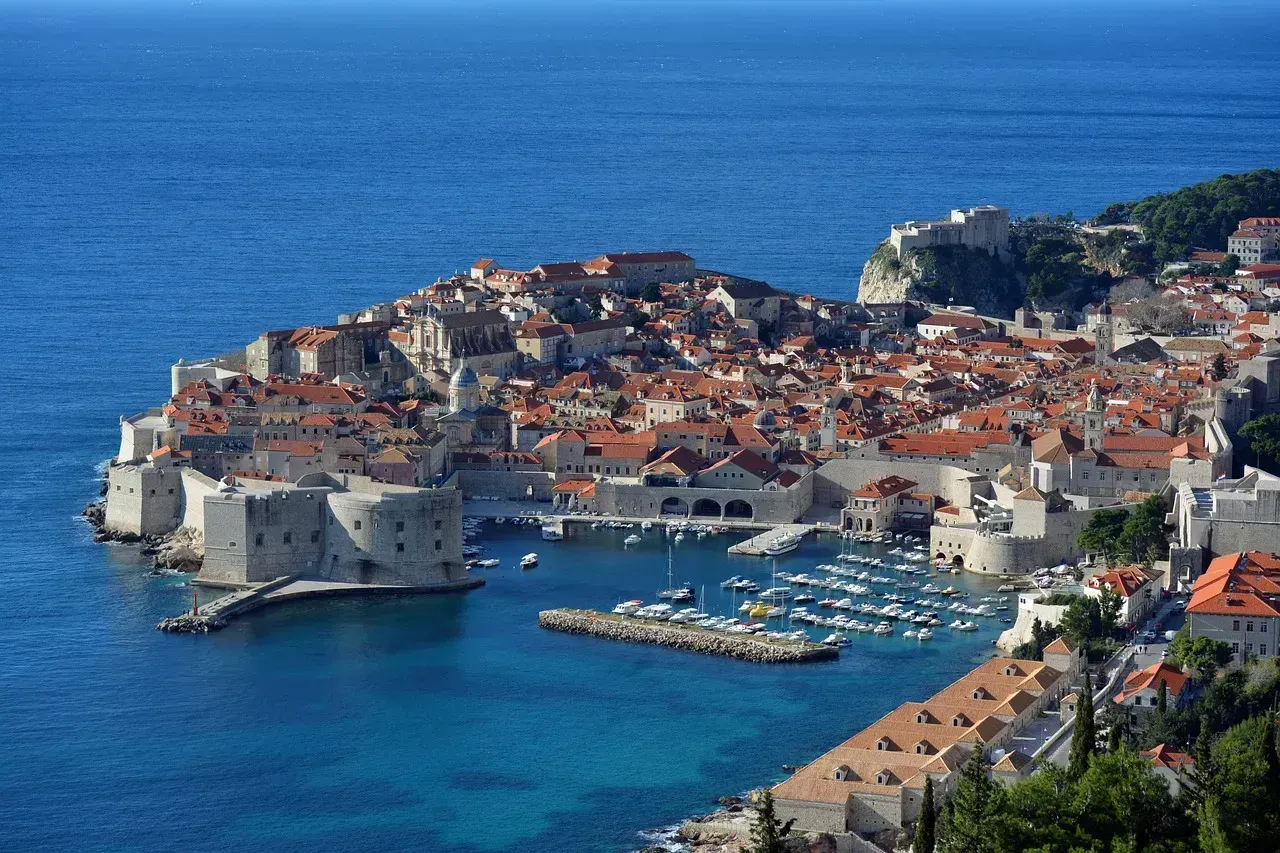
Dubrovnik is genuinely gorgeous. The old city walls, the terracotta rooftops, the Adriatic shimmering in the background. It’s the kind of place that looks like it was designed specifically to be photographed. The trouble is that everyone else figured that out too. One traveler described Dubrovnik as the most touristy place they visited on a two-week trip through Croatia. Having previously stayed in small towns and rural, less-populated places, ending the trip in a place saturated with tour agencies and souvenir shops on every single street was a bit sad. It was still a beautiful place, but a disappointment from the unspoiled city they had been envisioning from the scenes of Game of Thrones.
European cities such as Dubrovnik have already capped cruise ship numbers in an attempt to control the flood of visitors, but the damage to the visitor experience has already set in for many. When a city feels more like a theme park replica of itself than an actual living place, the magic fades fast.