
Travel is supposed to open your mind, fill your camera roll, and give you stories worth telling at dinner parties for years. But sometimes, it delivers something else entirely: gut-dropping fear, crushing disappointment, or that sick feeling of wishing you’d just stayed home. Some destinations look breathtaking on Instagram and read well in glossy travel magazines. The reality? It can be a very different story.
This is not a list designed to scare anyone off adventuring. It is, however, a collection of honest, research-backed accounts of places that have left a significant number of travelers feeling anxious, unsafe, or deeply regretful. From active war zones to tourist traps drowning in their own hype, these are the destinations that show up again and again in advisories, negative reviews, and very real crime statistics. Let’s dive in.
1. Haiti: Where Even Diplomats Fear to Tread
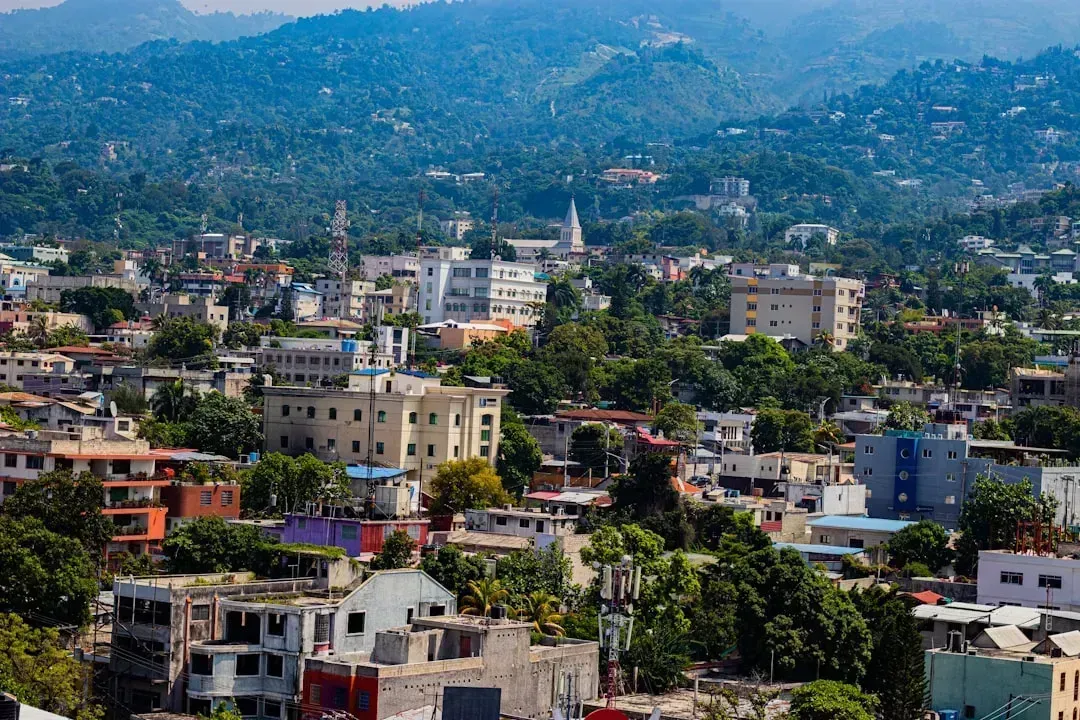
There is no gentle way to say this. The U.S. State Department’s travel advisory is as direct as it gets: “Do not travel to Haiti due to kidnapping, crime, terrorist activity, civil unrest, and limited health care.” That is a Level 4 warning, the absolute maximum, shared by only a small handful of countries in the world. When your own government tells you not to go for any reason, that is worth listening to.
Haiti’s security situation has sharply worsened due to rampant gang violence, political instability, and the collapse of state authority. Since 2022, more than 16,000 people have been killed and at least 7,000 injured, with over 200 gangs controlling much of the country’s infrastructure. Honestly, those numbers are staggering. To put it in perspective: that is not a crime wave, that is a collapse.
By 2024, the violence had become so widespread that the government declared a state of emergency. That year, only about 380,000 people visited Haiti, most of them aid workers or cruise passengers briefly disembarking in Labadee, a walled-off port managed by Royal Caribbean. For comparison, the Dominican Republic next door welcomed over 11 million visitors.
The escalation of clashes between armed groups has led to a rise in sporadic gunfire incidents. There is a substantial risk of being struck by stray bullets, even for individuals not directly involved in the violence. That detail alone, the random stray bullet risk, is the kind of thing that makes experienced travelers reconsider every assumption they had about “adventure travel.”
2. Afghanistan: The World’s Most Dangerous Visitor Experience

Afghanistan has been identified as potentially the most dangerous country in the world to visit in 2025, according to the recently published Risk Map 2025. Some destination labels are just euphemisms, but this one is not. Afghanistan is a place where the concept of “tourism” is almost entirely theoretical at this point.
Afghanistan is one of the most dangerous tourist destinations, chosen only by the most adventurous globe-trotters. Still considering it? In this South Asian country, which has been torn apart by war for many years, abductions, terrorist attacks, and violations of human rights are an everyday occurrence.
It ranks 160th on the Global Peace Index 2024, placing it among the most dangerous countries to visit and a destination that should be avoided at all costs. The Global Peace Index is compiled annually by the Institute for Economics and Peace in Sydney, making this one of the most widely cited global benchmarks for travel risk. Afghanistan has barely shifted from the bottom in years.
3. Venezuela: Kidnappings, Corruption, and Caracas After Dark
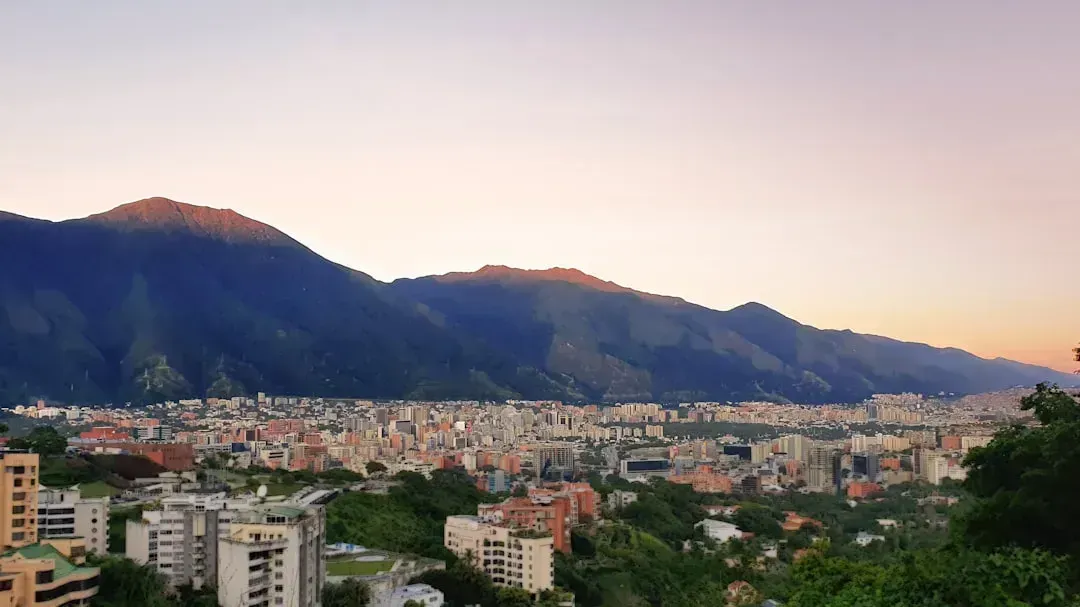
Let’s be real: Venezuela once had some of the most spectacular landscapes in South America. The Angel Falls, the Llanos plains, the colorful Caribbean coast. But that version of Venezuela feels like a distant memory now. Venezuela is not just risky by the standards of Latin America. It has one of the highest rates of violent crime, corruption, and unrest in the world. The capital city of Caracas is a focal point for violent demonstrations, organized crime, robbery, kidnapping, and homicide.
Most kidnappings are “express” and last less than 48 hours, frequently targeting people leaving hotels, traveling in taxis, or walking in wealthier areas. Tourists are often targeted for robbery or theft. The phrase “express kidnapping” has become so normalized in discussions about Caracas that it almost sounds casual. It is not.
With looming Western sanctions on the Maduro government for its handling of the 2024 elections, Western travelers, especially Americans, also face the threat of arbitrary detention. So on top of the physical dangers, you potentially face a political one as well. The combination makes Venezuela one of the most reliably anxiety-inducing destinations on earth right now.
4. Ecuador: A Paradise That Turned Violent Almost Overnight
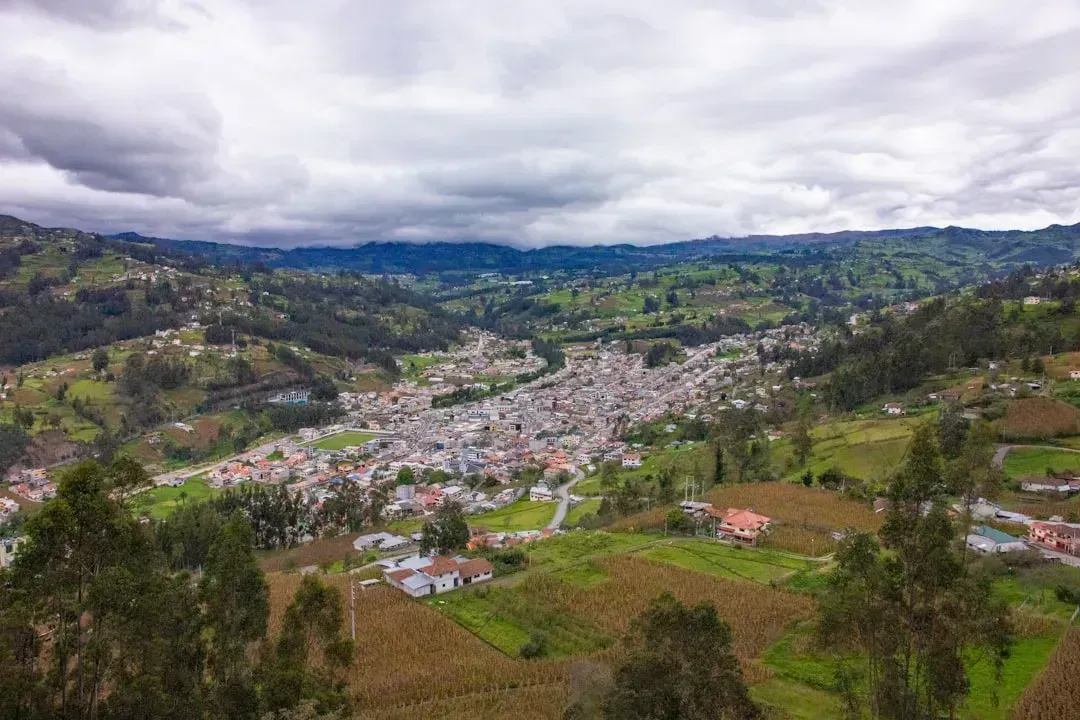
Ecuador used to be regarded as one of South America’s safest destinations. Travelers loved it for its accessibility, biodiversity, and relative stability. Then things changed, and they changed fast. Between 2021 and 2025, homicide rates surged from 14 to more than 45 per 100,000 people, placing it among the fastest deteriorating environments globally. This represents more than a tripling of murders in just four years, driven primarily by drug cartel violence.
In early 2024, armed masked men took an entire TV station hostage. The incident shocked the world and revealed just how emboldened criminal organizations have become. That event, broadcast live on national television, was a watershed moment. It was the kind of thing travelers watch from their sofas and quietly delete from their bucket lists.
American tourists who ventured to Ecuador expecting the relatively safe destination it once was have found themselves navigating a country where gang violence erupts without warning and where certain cities have become genuine no-go zones even for locals. The city of Guayaquil, in particular, has become one of the most dangerous urban environments on the continent. It is hard to say for sure when things will stabilize, but 2026 still carries significant uncertainty.
5. North Korea: The Country You Enter but Might Not Leave
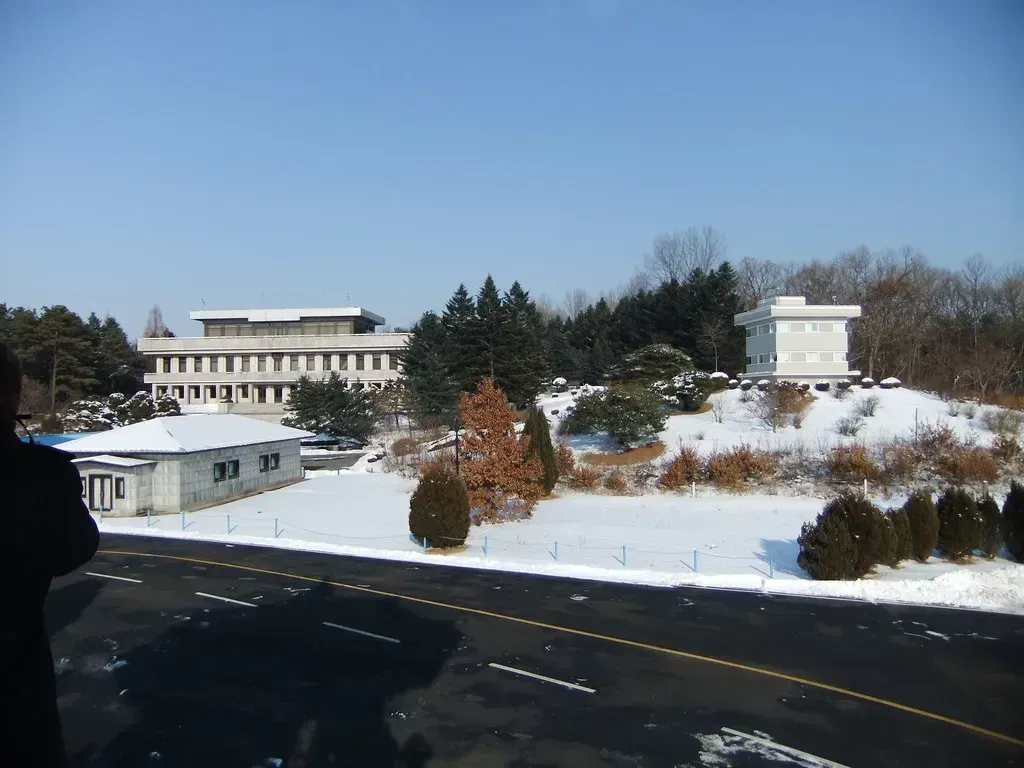
There is something that draws certain travelers toward North Korea, that forbidden-fruit quality of the world’s most isolated state. Honestly, I understand the curiosity. The problem is that curiosity can cost you your freedom, or worse. The lives of people in North Korea are very tightly controlled and policed, and once a tourist enters the country, there is no guarantee they will be allowed to leave again. U.S. citizens are currently banned from traveling to North Korea.
The U.S. government instituted the ban in 2017, after an American student named Otto Warmbier, who had been detained in North Korea and imprisoned for 17 months, was returned to the United States in a coma, passing one week later. That case alone should be enough to end any romantic notion about visiting Pyongyang for the architecture and local culture.
Some countries have a known elevated risk for the wrongful and arbitrary detention of U.S. nationals, even when the same action would not be considered a crime in the United States. North Korea sits firmly at the top of that category. When embassies cannot help you and your government has banned travel entirely, the risk calculation is not ambiguous.
6. Mexico’s Cartel Zones: Paradise and Peril in the Same Postcode
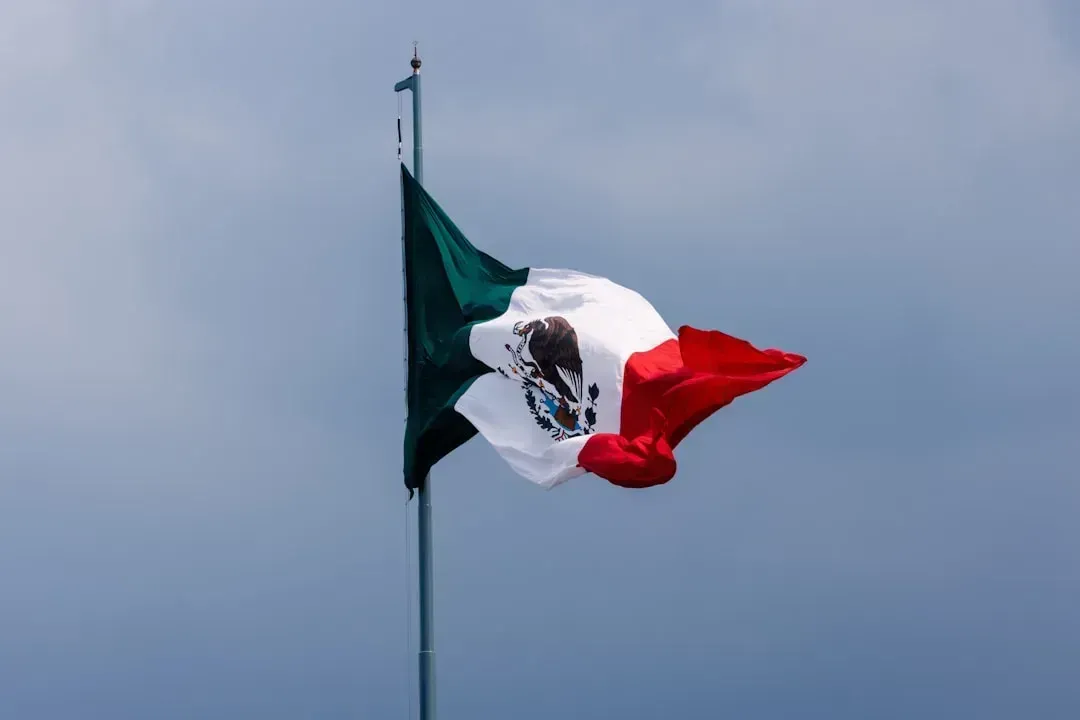
Mexico is complicated. Many parts of it are genuinely wonderful: the food, the history, the warmth of its people. But there are stretches of the country, and this includes some well-known tourist zones, that have become deeply unsafe. The drug war in Mexico is one of the most violent conflicts on the planet, with cartel activity permeating through many levels of the Mexican economy and society. Cartel conflicts continue to drive violence across Mexico, including tourist areas previously less affected, such as Cancun, Tulum, and Puerto Vallarta.
Drug cartels rule in certain parts of Mexico, making them very dangerous areas. Between 2018 and 2019, ten American citizens traveling through Sinaloa were killed. As well as violent crime, such as armed shootouts between cartels and the Mexican military, the region is also notorious for kidnappings.
The challenge with Mexico is that the danger is uneven, which means travelers may underestimate it. Some regions are completely fine. Others are catastrophically dangerous. Getting that line wrong is not a mistake you can easily walk back from. The advice from security experts remains consistent: research at a hyper-local level, check the latest State Department advisories, and absolutely do not drive between cities at night.
7. Bali: Over-Loved and Under-Resourced
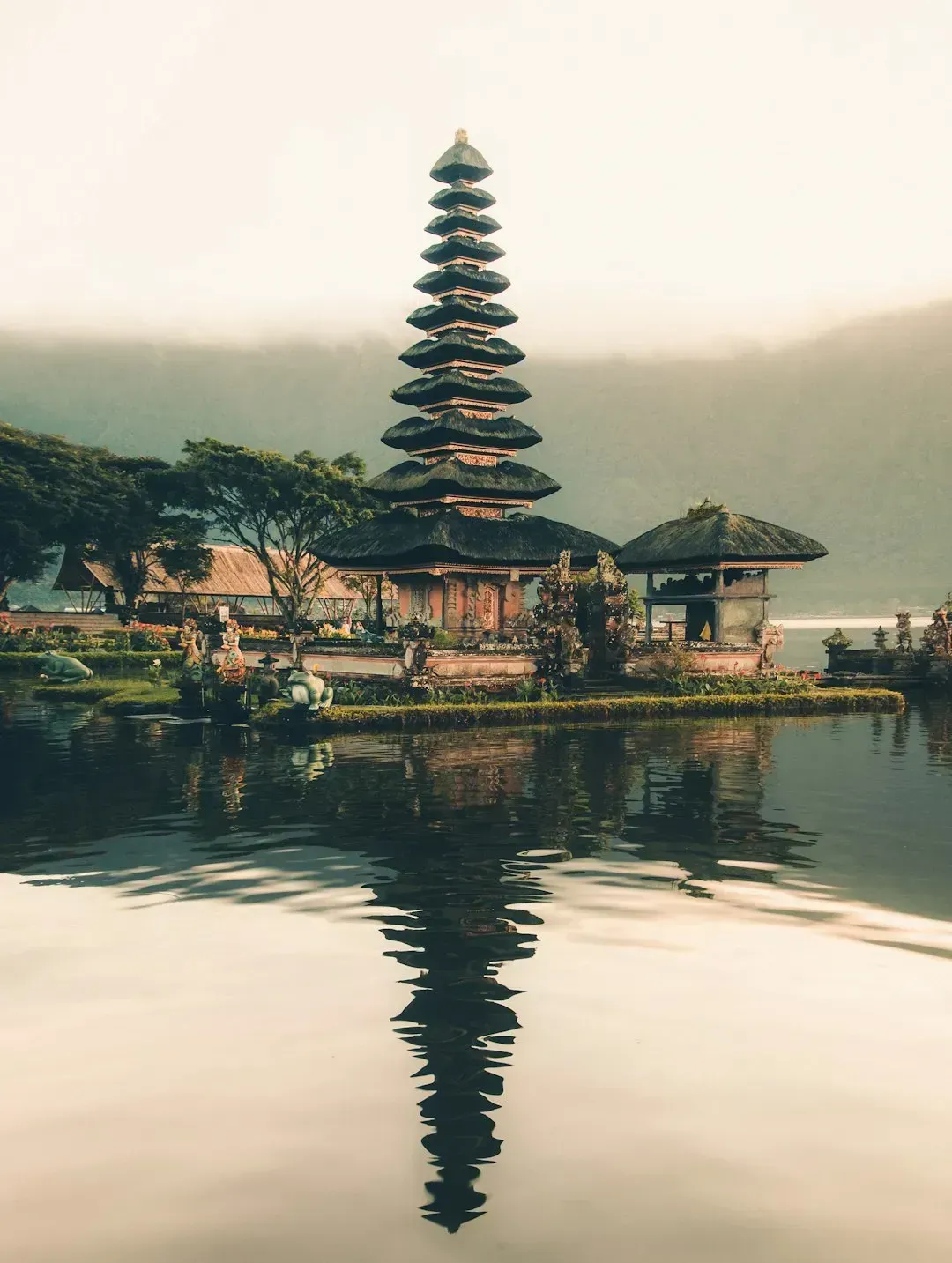
Bali occupies a special place in the global travel imagination. Temples at sunrise, rice terraces, spirit-restoring yoga retreats. The reality in 2024 and 2025 has been significantly messier. According to the Central Bureau of Statistics for Bali Province, the island recorded around 5.3 million international visitors in 2023. By the first seven months of 2024, foreign tourist numbers rose to approximately 3.5 million, marking a 22 percent increase over the same timeframe in 2023. This post-pandemic travel rebound has only intensified the strain on the island, while the influx has placed overwhelming pressure on Bali’s infrastructure.
Once-pristine beaches like Kuta and Seminyak are now buried under piles of trash, with local waste management systems struggling to keep up. That dreamy beach you saw on a travel influencer’s feed? It might have been captured from a very particular angle, carefully excluding the piles of plastic washing in from the sea. The Bali Partnership estimates the island generates 1.6 million tons of waste annually, with plastic waste comprising nearly 303,000 tons.
Travelers who arrived in Bali expecting serenity have found traffic gridlock, commercialized “spiritual” experiences designed entirely for Instagram, and beaches that bear little resemblance to what was advertised. It is not dangerous in the same way as Haiti or Venezuela. It is a different kind of regret: the kind where you spend a lot of money to be disappointed.
8. Barcelona and Spain’s Tourist Hotspots: You Are Not Welcome Here

Here is something that will make you feel genuinely uneasy: arriving in a beautiful city and being actively told, by its own residents, that you are part of the problem. That is the reality for tourists visiting Barcelona, Mallorca, and other Spanish hotspots right now. Over the course of 2024, 94 million tourists visited Spain, compared to its population of 48 million. That ratio, nearly two tourists for every resident, has created genuine social tension.
Protesters used water pistols against unsuspecting tourists in Barcelona and on the Spanish island of Mallorca as demonstrators marched to demand a rethink of an economic model they believe is fueling a housing crunch and erasing the character of their hometowns. The marches were part of the first coordinated effort by activists concerned with the ills of overtourism across southern Europe’s top destinations.
By 2024, about 1,000 residents of Mallorca lived in their vehicles, as did an unspecified number of Ibiza residents. That is the kind of statistic that reframes tourism almost entirely. The housing crisis driven by short-term rentals has become so severe that locals have effectively been priced out of their own island. The U.S. State Department has even warned travelers to exercise caution in several European locations because of the possibility of anti-tourism protests.
9. Venice: A Sinking City Losing Its Soul
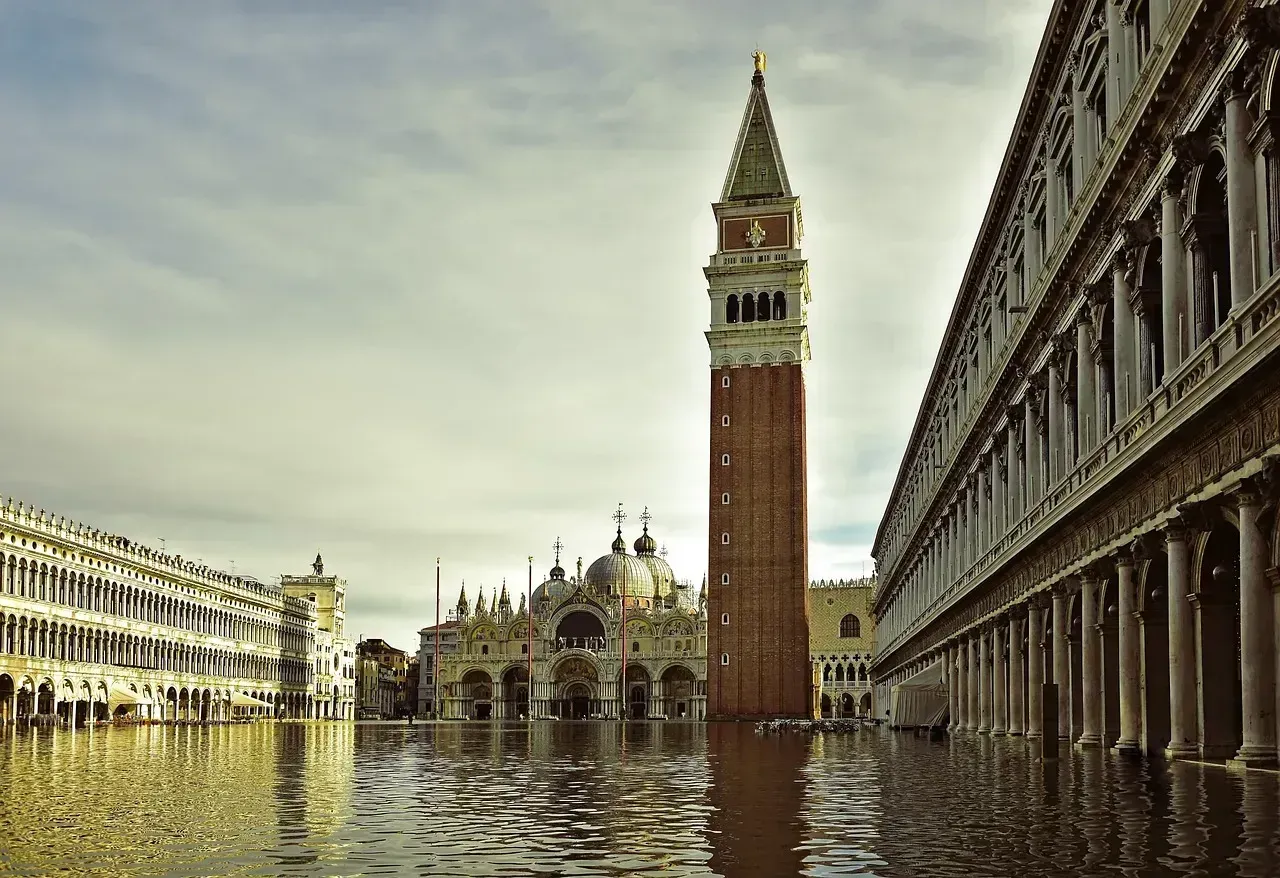
Venice is undeniably one of the most beautiful cities ever built by human hands. It is also, increasingly, a city that makes thoughtful travelers feel deeply conflicted. By 2024, fewer than 50,000 inhabitants remained in the center, marking a staggering 72 percent decrease from 1952. Think about that. The actual Venetians have almost entirely left.
Rising waters and overtourism are killing Venice. The local and international push to save it has resulted in new day-tripper fees and visitor restrictions, but many analysts believe those measures are too little, too late. Italian cities such as Florence, Rome, and Venice are implementing measures to manage overtourism in 2025, including tourist taxes, visitor limits, and restrictions on short-term rentals.
The experience of visiting Venice today has been described by many travelers as disorienting: gorgeous in theory, overwhelming in practice. Narrow alleyways jammed with selfie sticks. Restaurants catering almost exclusively to tourists at tourist prices. The absence of any real local life left behind. It is a living city transforming, not always gracefully, into an open-air museum. That transition makes a lot of visitors feel strangely hollow, even if they got the gondola photo they came for.
10. South Africa: Extraordinary Beauty, Extraordinary Danger
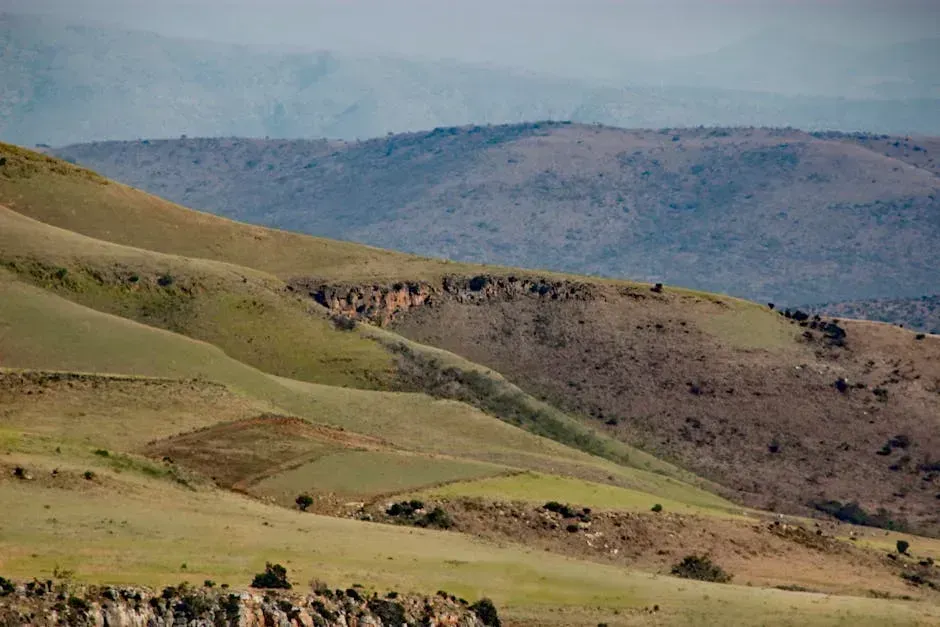
South Africa is one of the most visually spectacular countries in the world. The Drakensberg mountains, Cape Town’s coastline, the Kruger safari experience. Few destinations offer this kind of dramatic natural variety. The safety reality, though, has consistently alarmed security researchers. South Africa topped the Everly Life travel danger list with a Travel Danger Score of 76. The country’s safety concerns are multifaceted, presenting a perfect storm of risk factors for international visitors, with 88.5 sexual assaults per 100,000 population and the highest crime index of 75.4 among analyzed destinations.
Adding to these concerns is the country’s high traffic fatality rate of 24.5 deaths per 100,000 people and a subpar healthcare index of 33.2. These factors combined paint a picture of a destination where tourists must exercise extreme caution and thorough preparation. The Everly Life study analyzed the 50 most visited countries worldwide, examining sexual assault rates, traffic fatalities, crime incidents, healthcare quality, and human trafficking scores.
What makes South Africa particularly challenging for travelers is the unpredictability of the risk. Popular tourist zones can feel entirely safe one moment, and genuinely threatening the next. Many tourists leave Cape Town describing a constant underlying tension, a low-level anxiety that never fully dissolves, even in the most visited and ostensibly “safe” areas of the city.
11. Colombia: Stunning Scenery, Sobering Statistics
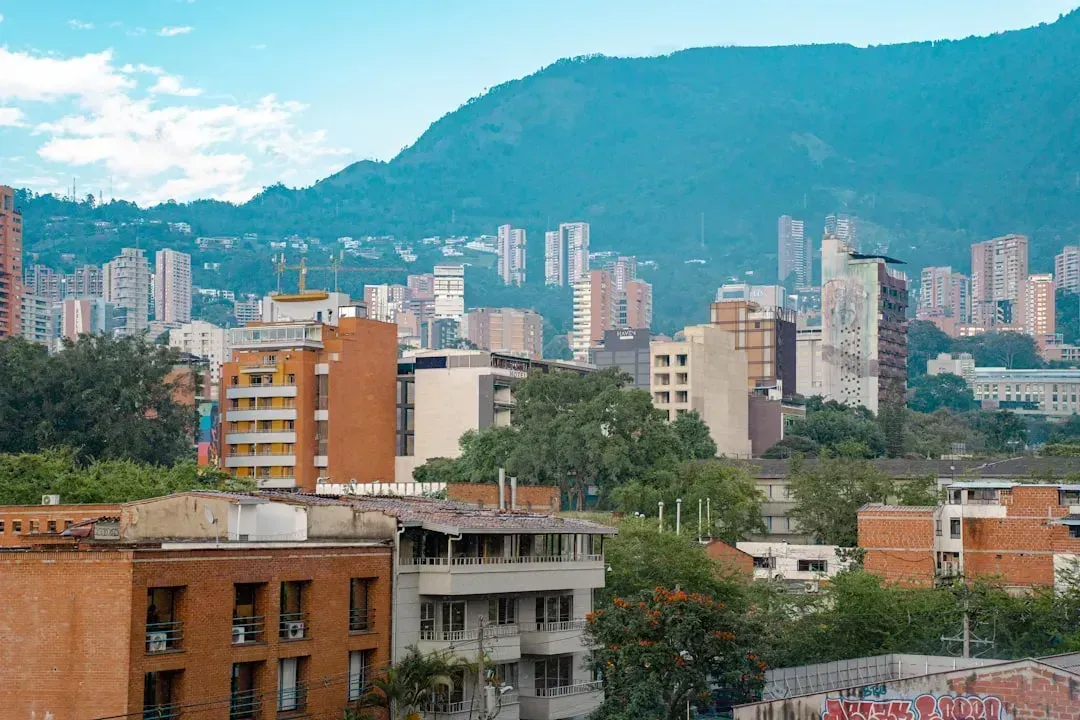
Colombia’s rehabilitation as a travel destination has been one of the great comeback stories of the past two decades. Medellin transformed its image spectacularly. Cartagena became a hotspot for international tourists and digital nomads alike. The problem is that the safety narrative has shifted again in recent years, and travelers arriving on the strength of a 2018 travel article may be in for a shock. In 2024, numerous tourists reported being victims of violence when traveling in Colombia, and Medellin was once again on track to become the crime capital of the continent. U.S. nationals are particularly concerned, as they are perceived to have money and make for easy targets.
Popular scams include the use of scopolamine powder, which renders victims suggestible and compliant during robberies. The threat is not limited to major cities either, as Colombia registered around 26 homicides per 100,000 residents in 2025, with Bogotá, Cali, and Medellín seeing notable spikes in robberies targeting foreigners.
Scopolamine, sometimes called “devil’s breath,” is almost uniquely terrifying as a criminal tool: you remain conscious and cooperative while being robbed, and often have no memory of the event. That detail alone has caused many experienced travelers to reconsider Colombia entirely. The country still has tremendous appeal, but the risk profile in 2025 and 2026 demands far more careful preparation than many travel guides currently suggest.
12. Peru: Machu Picchu Dreams Derailed by Road Blockades and Crime
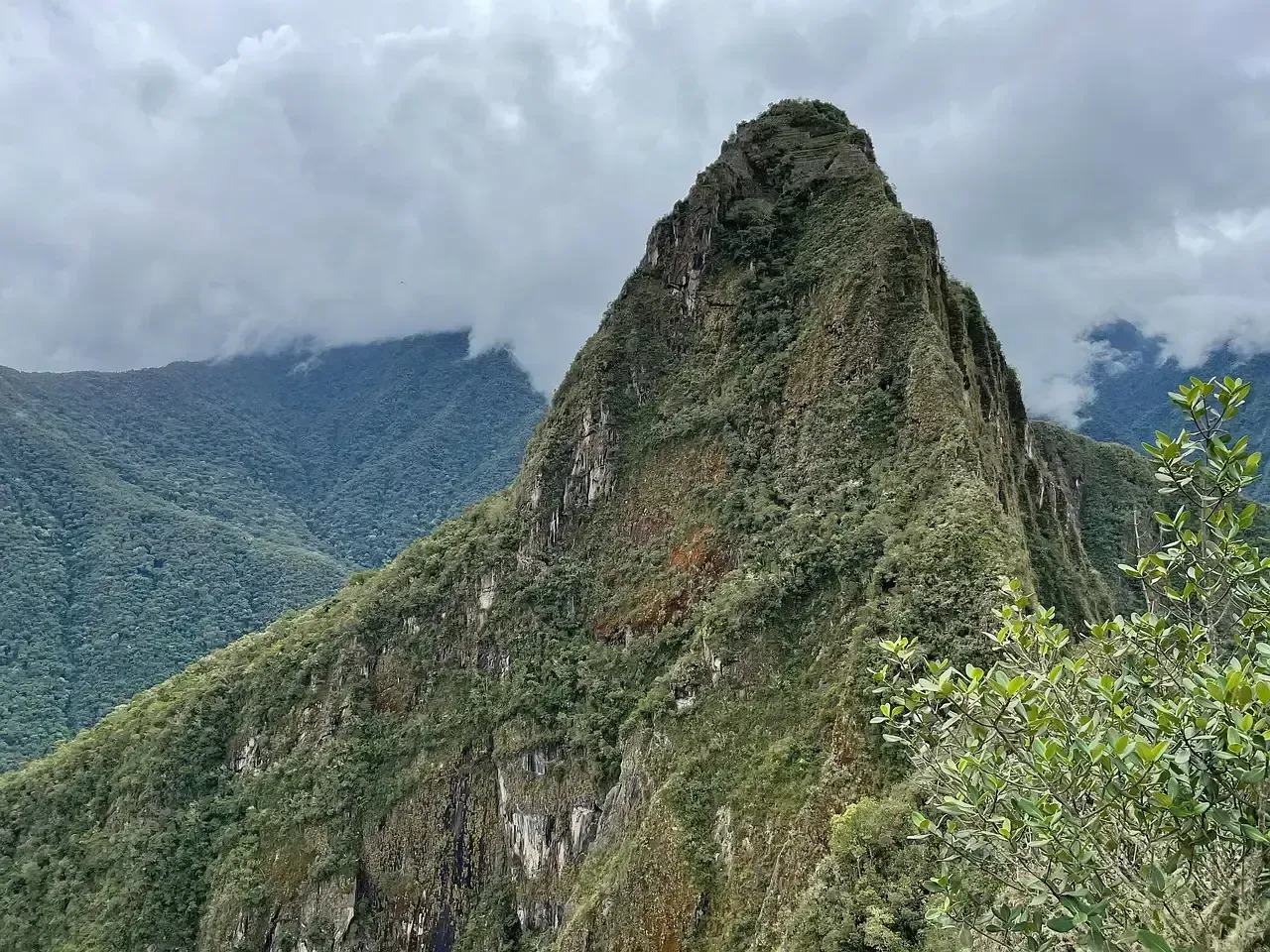
Machu Picchu is one of those bucket-list destinations that feels almost mythological. The ancient Inca citadel rising above the clouds is, by any measure, astonishing. Getting there, however, has become an increasingly fraught experience, and a growing number of travelers have returned from Peru feeling shaken rather than inspired. Peru’s Level 2 travel advisory stems from ongoing demonstrations that directly threaten tourists visiting Machu Picchu, the legendary UNESCO site attracting up to 5,600 visitors daily during peak season. Road blockades during protests can strand travelers for extended periods in remote mountain areas.
In 2025, authorities logged roughly 2,500 violent robberies nationwide and a homicide rate of 8 per 100,000. Demonstrations occasionally disrupt travel, especially around Lima and Cusco, with protests in 2024 and 2025 resulting in 60 or more injuries near major transit hubs.
American tourists have found themselves trapped for days without food or medical supplies during these blockades. That is not a hypothetical risk. It has happened repeatedly to real travelers who booked their trip in good faith, checked the standard travel sites, and assumed things would be fine. Peru remains a country of genuinely extraordinary places. The journey to reach them, however, has become far more stressful than most travel content acknowledges. If you are planning a trip, go, but go with eyes wide open, with flexible bookings and a very solid contingency plan.