
Most people treat their checking account like a financial home base. Money comes in, money goes out, and whatever’s left just sits there. But from where I stand behind the teller window every day, I can tell you that leaving a large, idle balance in your checking account isn’t as harmless as it seems. In fact, it can quietly work against you in ways that are surprisingly easy to miss.
There’s a reason seasoned financial professionals keep raising red flags about this habit. The risks are real, they’re growing, and they affect people at every income level. Let’s dive in.
1. Your Money Is a Prime Target for Fraud – and the Numbers Are Alarming

Here’s something that should make you think twice: the more money sitting in your checking account, the bigger the reward for anyone trying to steal it. Debit card fraud accounted for nearly two-fifths of all fraud losses in 2024, according to a Federal Reserve survey of financial institutions, followed closely by check fraud at roughly a third of total losses. These aren’t small, isolated incidents. They’re happening at scale, right now, at banks across the country.
Consumer fraud losses jumped by roughly a quarter year over year, totaling more than $12.5 billion in 2024, according to the Federal Trade Commission. Honestly, that number is staggering. A large checking balance is essentially a high-value target sitting in plain sight, and fraudsters know exactly how to go after it through skimming, phishing, and account takeover schemes. FDIC insurance does not cover losses due to fraud or theft within individual accounts, meaning that if your funds are stolen through identity theft, phishing scams, or embezzlement, FDIC insurance provides no compensation for those stolen funds.
2. Debit Cards Tied to Your Checking Account Are Especially Vulnerable
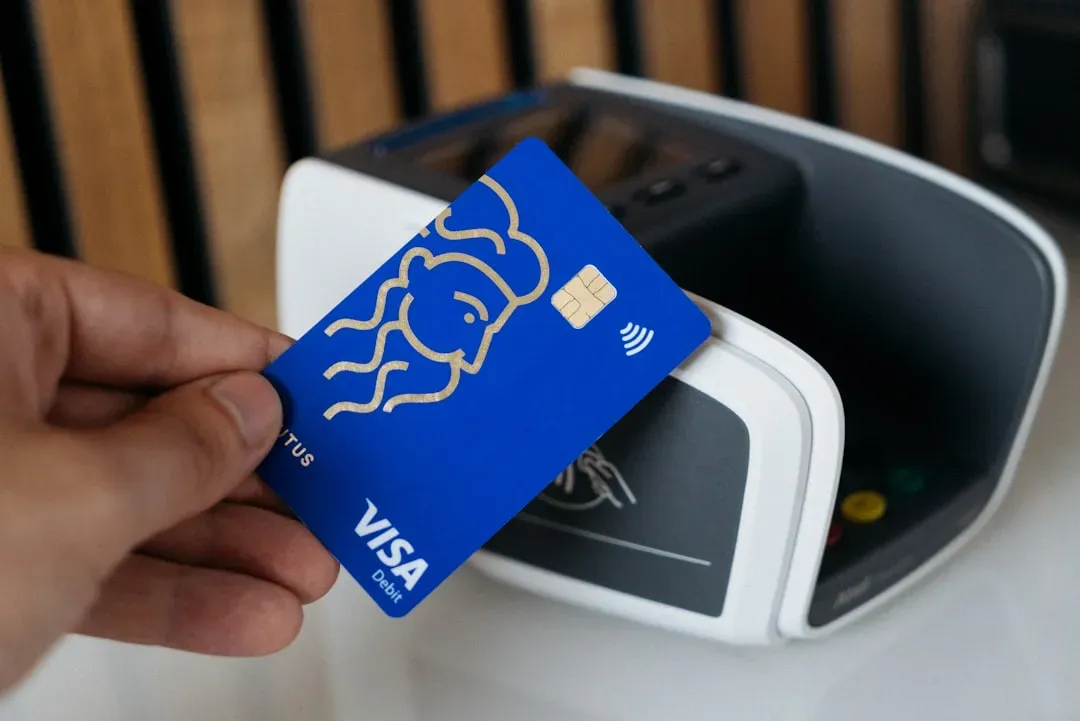
Financial institutions lost more money to debit card fraud than any other type of fraud, according to a 2024 Federal Reserve survey. Debit cards were the top payment method for fraud attempts, with nearly three quarters of financial institutions surveyed saying they experienced such attempts. That’s a remarkable figure, and it matters deeply because your debit card is directly connected to your checking balance. Unlike a credit card, where disputes keep your own cash safe during an investigation, a debit card breach can drain your account immediately.
The number of financial institutions that experienced attempted check fraud also grew by roughly ten percent from 2023 to 2024. So it’s not just one angle of attack. It’s check fraud, debit card skimming, phishing, and more, all converging at the same time. Debit card-related incidents caused the largest year-over-year increases in financial institution fraud losses in 2024, with counterfeit checks, payee forgery, and check washing among the primary drivers of fraud events. The more cash you keep accessible, the more damage a single breach can do.
3. Inflation Is Quietly Eating Your Balance Alive
Let’s be real about what a checking account actually does with your money: almost nothing. Most checking accounts offer close to zero percent interest. As of June 2025, the national average rate for checking accounts was just 0.07%, according to the FDIC, while the rate of inflation was running at 2.4% in May 2025. Think about that for a moment. Your money is losing purchasing power every single month it just sits there.
Where many people get tripped up is treating their checking account like a long-term parking lot. Money just sits there doing nothing, while inflation quietly eats away at its value. It’s like leaving food on the counter instead of putting it in the fridge. It’s still there, technically, but it’s slowly going bad. Keeping tens of thousands of dollars sitting in your checking account comes at an opportunity cost since that money isn’t working for you. If you earn no interest at all, or if the yields you’re getting are below the rate of inflation, you’re actively losing purchasing power.
4. You’re Missing Out on Genuinely Strong Savings Rates Right Now

This is the one that gets me every time I think about it. While your checking balance earns essentially nothing, high-yield savings accounts are offering rates that are dramatically higher. Top high-yield savings accounts can earn more than four percent annually. By comparison, the national average savings rate is just 0.39%. That gap is enormous, and every dollar you leave parked in checking instead of a high-yield account is a dollar not earning anything meaningful for you.
Once you’ve decided how much to keep in checking, directing anything extra to a place where it can earn interest makes clear financial sense. Online-only banks tend to offer the best rates, including annual percentage yields of four percent or more as of late 2025. That is a massive difference compared to a standard checking account paying nearly nothing. The difference between high- and low-yield accounts can amount to hundreds of dollars annually in earned interest, even on modest balances. Over several years, that’s not pocket change. It’s real money that could be building your future.
5. A Large Balance Can Trigger Overspending Without You Even Realizing It

This one is harder to see, but it’s something I notice in patterns constantly. Financial planners warn that keeping too much money in a checking account tends to lead to expenses expanding, so much so that they eventually eat up all of your income. It’s a psychological trap. When you see a big number in your account, you unconsciously give yourself permission to spend more freely. The cushion feels like abundance, and abundance feels like an invitation.
Thinking of a checking account solely as a conduit through which money comes in and quickly goes out is the healthier mindset. The money in your account doesn’t need to be much more than what you need to cover your planned expenditures. It’s a transit hub, not a destination. Even with a comfortable buffer factored in, most financial professionals recommend keeping no more than two months of living expenses in a checking account. Anything above that is essentially tempting you to spend money you hadn’t planned to spend.
6. FDIC Coverage Has Real Limits That Many People Don’t Fully Understand
A lot of people assume their money is fully protected no matter how much they deposit. That’s not quite right. In 2026, FDIC insurance covers up to $250,000 per ownership category at each insured bank, with this coverage extending to both principal and accrued interest while the account balance remains within the limits. The key phrase there is “within the limits.” Go over that threshold, and you’re in a very different situation.
If you have, say, $300,000 in a single account, the amount over the limit becomes an unsecured claim in the bank’s receivership process if the bank fails. You might get some or all of it back eventually, but there are absolutely no guarantees. Checking accounts tend to be the account people stuff with the most accessible cash. The FDIC has been clear: government bailouts of uninsured deposits are an exception, not a rule. Future bank failures will default back to the standard limit. Don’t count on history repeating itself when it comes to your money’s safety.
7. You’re Likely Ignoring Better Alternatives for Your Extra Cash

It’s hard to say for sure exactly what the right move is for everyone, but most personal finance experts agree on one thing: idle money in a checking account is underperforming money. Most experts recommend saving at least three to six months’ worth of expenses in a high-yield liquid savings account so that funds can be accessed in an emergency while still earning a competitive rate of return. That’s your emergency fund covered, working harder than it ever would in checking.
Once your savings account holds about three to six months’ worth of living expenses, the next smart move is opening or contributing more to a retirement account, including 401(k)s and individual retirement accounts. Every dollar sitting idly in checking that could be going into a retirement account is a lost compounding opportunity. Credit card debt is expensive, with rates often exceeding twenty percent annually. Yet many people keep thousands in checking “just in case” while simultaneously paying heavy interest charges every single month. If that sounds familiar, the solution might be closer than you think. Moving excess checking funds toward high-interest debt repayment or a better-performing account is one of the most straightforward financial wins available to almost anyone right now.