
Flying has never been more stressful. Cramped cabins, middle-seat standoffs, that one person aggressively reclining into your tray table – it all adds up faster than you’d think. And while most passengers board with good intentions, the reality of air travel has a funny way of stripping away social grace somewhere between the gate and the runway.
Here’s what most travelers don’t realize: the habits that separate a smooth, tension-free flight from a deeply uncomfortable one are surprisingly small. A seasoned flight attendant could spot them from across the cabin. So, let’s dive into the 10 things that truly make a difference.
1. Greet the Crew When You Board
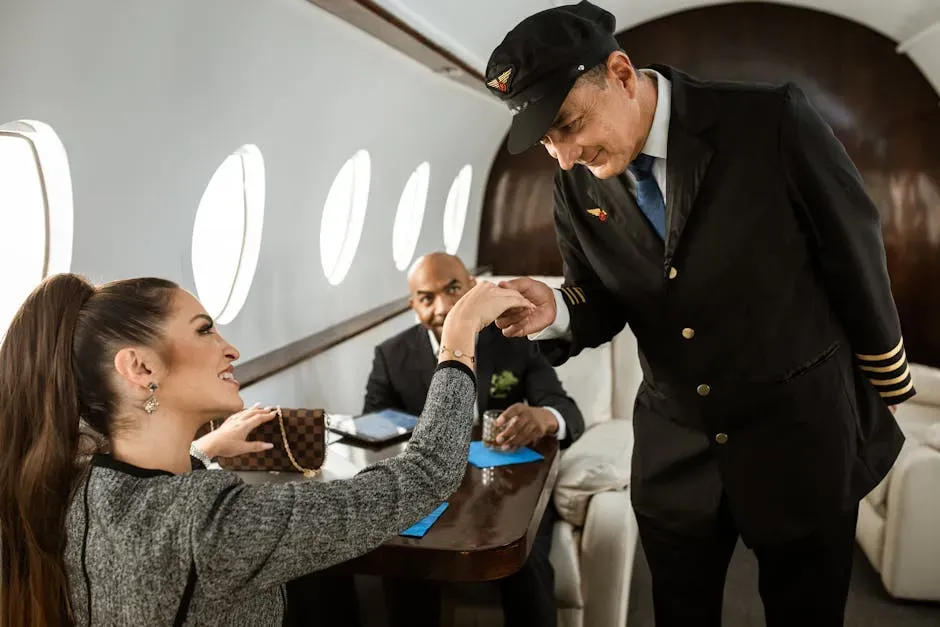
This one sounds almost embarrassingly simple, and yet it’s one of the most overlooked habits in the history of air travel. Andrew Henderson, a flight attendant with 22 years of experience, puts it plainly: “A simple ‘hello’ or ‘thank you’ or acknowledgment of our existence is polite. I think that’s some of the etiquette that’s being lost these days with all the noise-canceling headphones and devices we’re on. We’re all so busy that we forget that humans exist in the world.”
Making a point of smiling at and warmly greeting every airline employee and flight attendant at boarding can go a long way. Airline jobs have become more stressful than ever, and establishing yourself as someone other than “just another rude and annoying passenger” can add a little joy to the day of a gate employee or flight attendant. It takes two seconds. It costs you nothing. Honestly, it might even get you extra pretzels.
2. Pay Attention During the Safety Briefing
Most passengers treat the safety briefing like background noise, scrolling through their phones or chatting with neighbors. But flight attendants are actually required to scan the cabin and note who is paying attention. Passengers who stay alert during announcements make the crew’s job noticeably easier.
When everyone understands the instructions, the cabin runs more smoothly from takeoff to landing. Staying focused also means you are genuinely prepared if something unexpected happens. Flight attendants deeply appreciate this quiet form of cooperation. Think of it less like a boring legal formality and more like a quick, potentially life-saving two-minute investment.
3. Respect the Middle Seat Armrest Rule

There is perhaps no conflict more quietly simmering on any long-haul flight than the armrest war. Reports of passenger disputes over armrest territory on long-haul routes jumped by a considerable 42% in 2024 compared to the prior year. That is a startling number for something that could be settled with a single unspoken agreement.
The middle seat passenger typically gets both armrests, while window and aisle seats each get one. This arrangement keeps things fair and respects everyone’s space, especially on a crowded flight. The golden rule: if you’re in the middle seat, you get the armrests. The aisle and window seats already have their perks, so don’t hog the middle armrests too. Let the middle-seat passenger have something.
4. Recline Thoughtfully, Not Aggressively
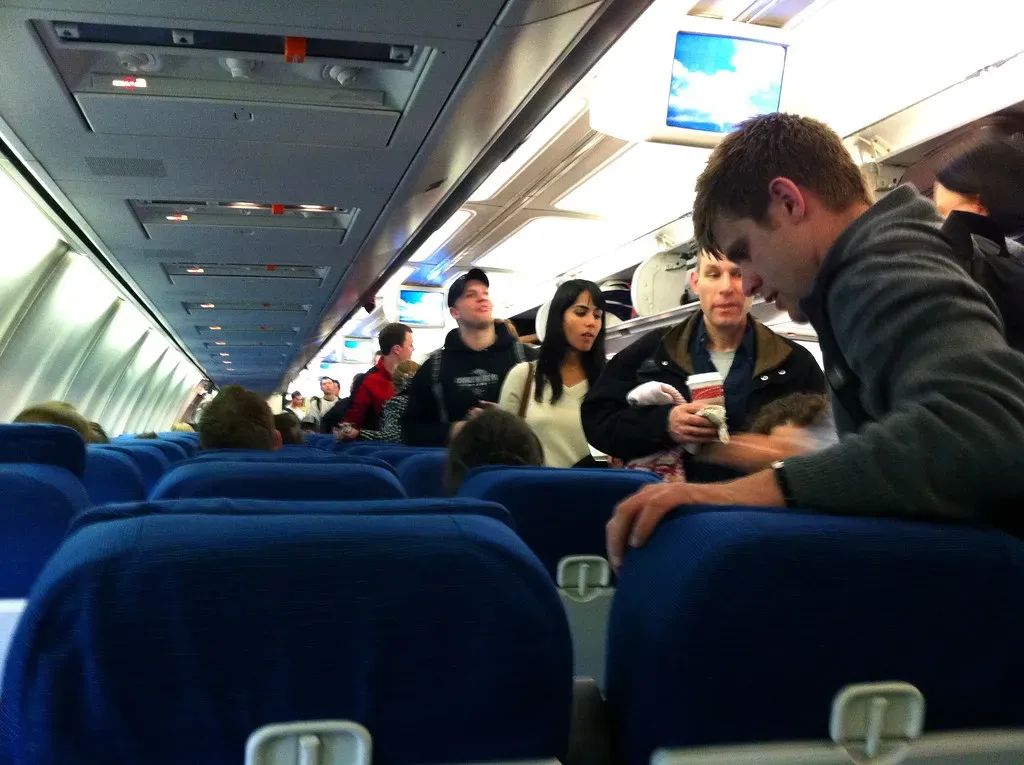
Reclining is not inherently rude. Let’s be real about that. If your seat is designed to recline, you can and should recline it, especially on long-haul night flights. Just remember to keep your seat upright during takeoff, landing, and meal service. The problem is never the recline itself. It is the way people do it.
If you’re going to recline your seat, do it with care. Don’t just slam it back like you’re launching a surprise attack. Take a quick look behind to see if the person has finished eating, then ease it back slowly. Before leaning back, take a moment to check if the person behind you has a meal or a laptop on their tray. Reclining without checking has led to spilled food and even broken laptops, so a quick glance can save everyone a lot of trouble.
5. Be Mindful of What You Eat on Board
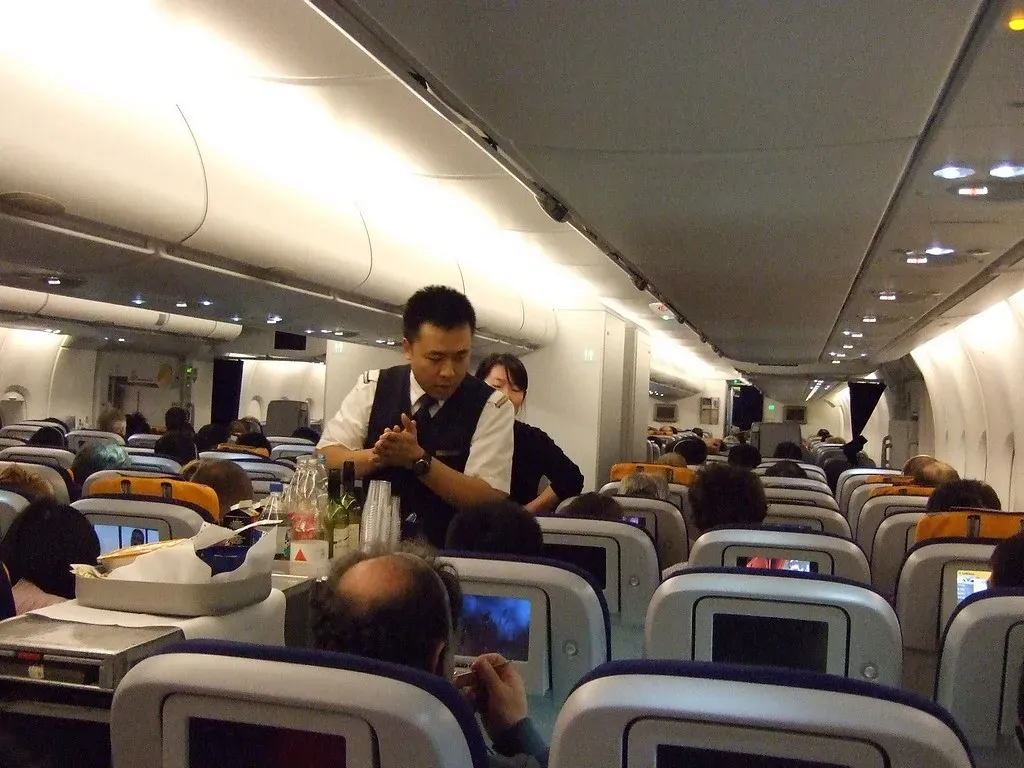
Here is a truth that nobody says out loud at the airport food court: your tuna sandwich is a shared experience for an entire cabin of strangers. Nearly 40% of travelers report being irritated when a fellow passenger eats pungent or foul-smelling foods onboard. That is nearly half the plane silently suffering through your lunch choices.
If you’re bringing a meal or snacks on the flight, be mindful of odor. You may love tuna salad or spicy beef jerky, but your seatmate may have different olfactory opinions. Flight attendants also have opinions on “good” and “bad” airplane food options. Stick to low-odor snacks. Your seatmates will be quietly grateful in a way they’ll never verbally express.
6. Keep Your Personal Space in Check
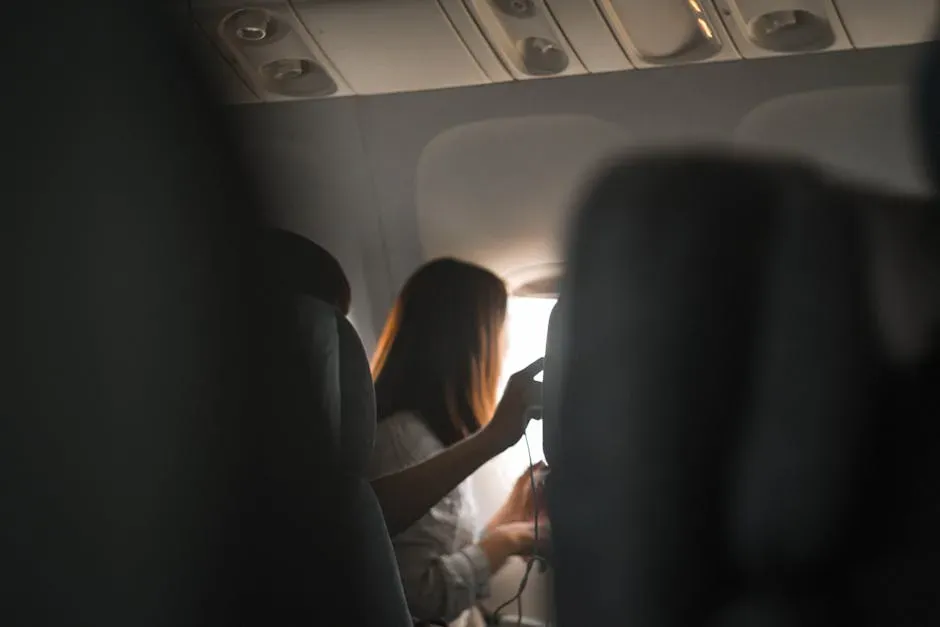
In the confined quarters of an airplane, personal space becomes a luxury. Always keep your belongings within your area, avoiding the temptation to overflow into others’ seats. If you must get up, avoid grabbing the back of the seat in front of you – it’s startling and invasive.
Travel stress naturally builds anxiety and tension, which can quickly escalate into aggressive behavior. Some incidents stem from passenger-to-passenger conflicts, particularly in tight seating arrangements where personal space becomes limited. Think of your seat footprint like an invisible chalk outline. Step outside it, and you are stepping into someone else’s world. Nobody asked for that.
7. Use the Call Button Wisely

Technically, flight attendant call lights are for emergencies only. There are often only a few crew members and hundreds of passengers, so they could potentially be running up and down the aisle all flight if everyone rang their call lights. Crew members will respond much more kindly if you simply walk to the galley and ask for what you want.
Pay attention to the rhythm of the flight. During boarding, takeoff and landing, flight attendants are often restricted by safety protocols and cannot assist with non-urgent requests. The best approach is to be observant and respectful. If they’re serving meals, in the middle of turbulence, or visibly attending to another passenger, consider waiting a few minutes. In tight spaces like airplanes, that awareness makes the difference between a stressful flight and a pleasant one.
8. Don’t Touch or Grab Flight Attendants
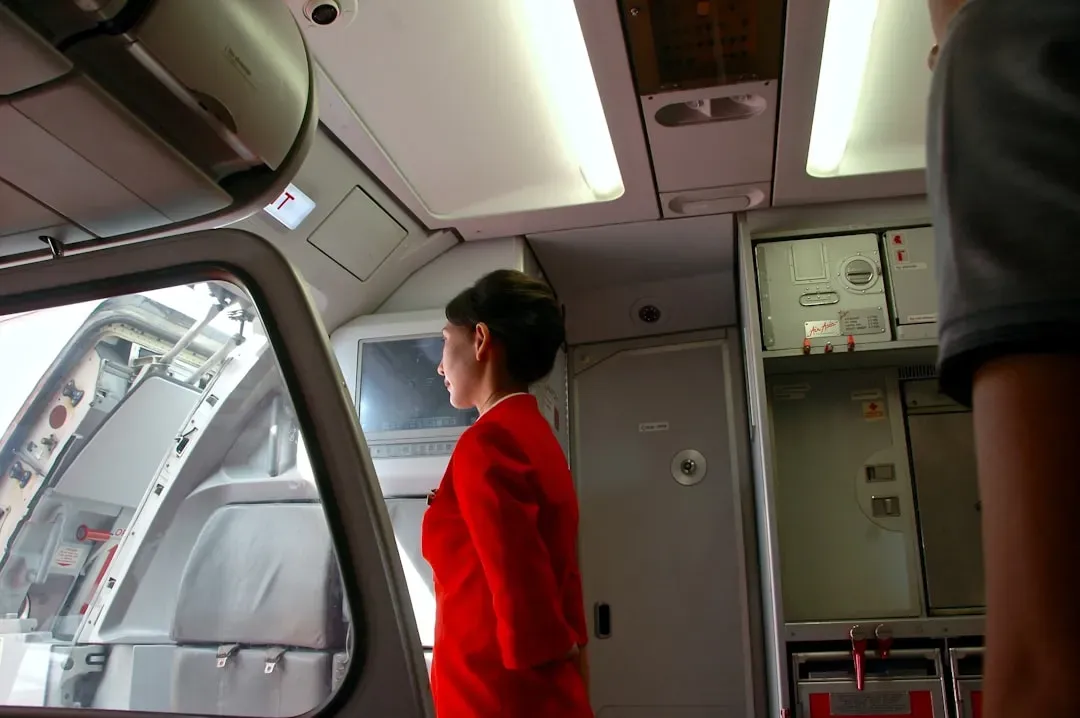
This one might surprise you. It shouldn’t, but apparently it does for many passengers. You don’t need to touch flight attendants to get their attention. As one flight attendant explained: “The amount of times in a day we get poked, prodded and grabbed is alarming. It would be one thing if it were to get our attention in an emergency, but it happens when people need very basic things like to throw away their trash.”
Airlines reported 2,102 unruly passenger cases in 2024, marking a continued trend of in-flight conflict. Physical contact with crew, even when unintentional or casual, contributes directly to this climate of tension. A raised hand, eye contact, or a polite walk to the galley will always do the job better.
9. Follow Overhead Bin Etiquette Without Drama
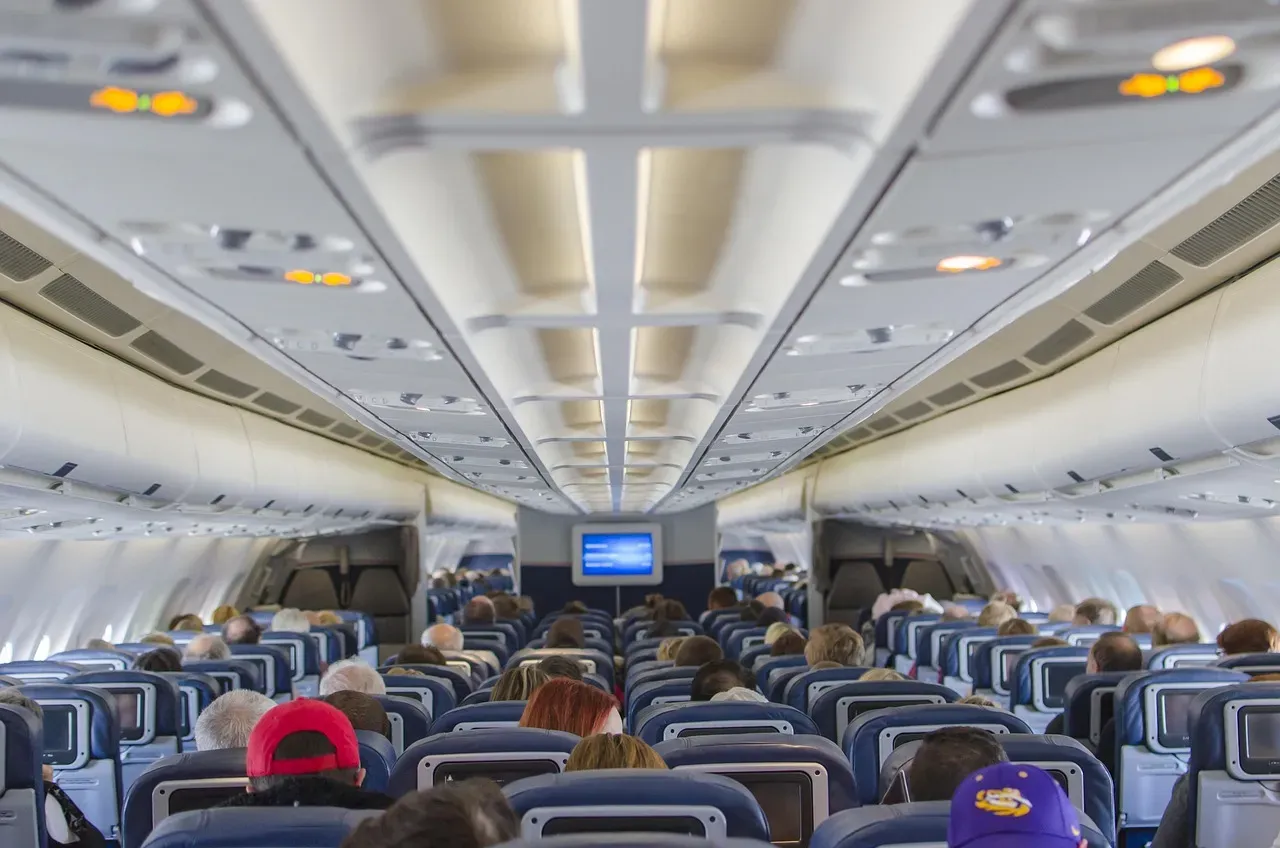
With airlines charging more and more for checked bags, everyone is trying to bring as much with them on the plane as they can. The problem is the overhead bins simply cannot hold a suitcase for every passenger. Fights and arguments over overhead bin space are fairly common. It is not worth getting kicked off the plane over, so it’s important going into the flight to understand the space above your seat may not be available.
Overhead bin space is limited and shared, so be considerate when stowing your carry-on luggage. Place bags in the designated compartments with care, ensuring they can close. If you have a second bag, place it under the seat in front of you. Once boarding has finished, if there’s still space, you can move your second bag to the overhead. It’s a simple system. Most of the drama happens because people skip step one.
10. Stay Calm When Things Go Wrong
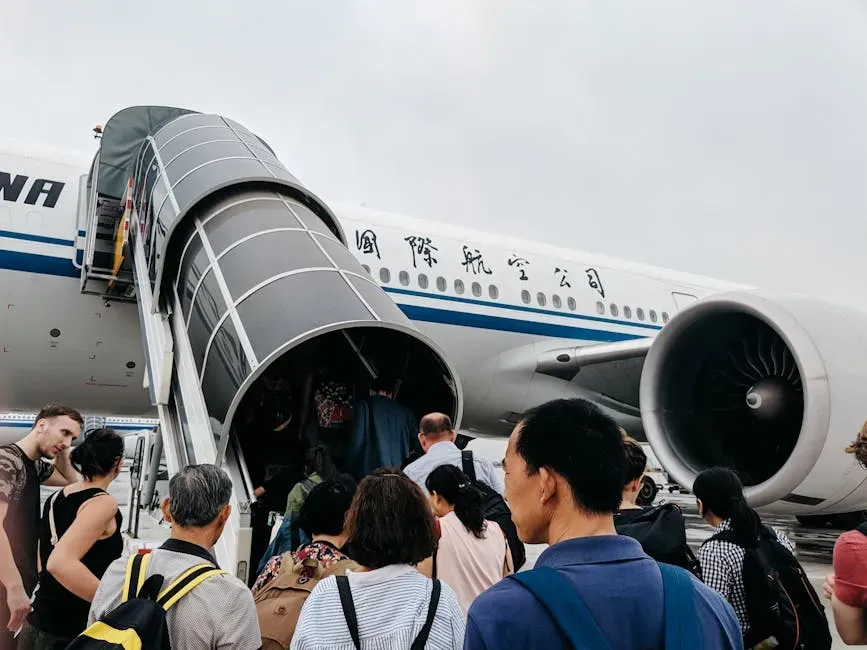
Delays happen. Turbulence happens. The movie screen stops working. I know it sounds crazy, but none of these things are the flight attendant’s fault. Frustration with flight delays often triggers conflicts, especially when passengers feel their time is being wasted. Travel stress naturally builds anxiety and tension, which can quickly escalate into aggressive behavior.
Angry outbursts are especially common on planes, partly due to the nature of flying itself. Unlike most settings, there’s no easy way in or out of an airplane cabin. The typical “fight or flight” response is amplified, transforming even mild irritants into what might feel like earth-shattering headaches. Normal turbulence is expected and usually not jarring for most seasoned crew members. But even veteran fliers get anxious and scared sometimes. Crew members are trained to stay calm even if they don’t feel calm – and it helps when passengers follow that same lead. A deep breath costs nothing. Keeping composure is genuinely contagious.