
Retirement planning used to mean talking to a financial advisor and leafing through brochures. These days, plenty of people are turning to AI for a first opinion. So I did exactly that – I put the question to ChatGPT and asked it to identify the ten best U.S. states for retirement, weighting factors like taxes, cost of living, healthcare access, climate, and overall quality of life for older adults.
The results were genuinely interesting. Some picks were completely predictable. Others, frankly, were not. A few well-known “retirement paradises” didn’t make the cut at all. Here’s a breakdown of every state that earned a spot, along with the reasoning behind each one.
1. Wyoming – The Quiet Overachiever

Wyoming is widely considered the best state for retirement, in large part due to affordability reasons. ChatGPT landed here too, emphasizing the state’s combination of low taxes and manageable cost of living. Wyoming is considered highly friendly to retired taxpayers, and also offers the added benefit of no estate or inheritance tax.
Wyoming ranks first overall due to its lack of personal income tax and the nation’s lowest rate of multiple chronic conditions among Medicare beneficiaries. That last detail is easy to overlook but critically important – health outcomes in retirement matter just as much as tax bills. Wyoming also has the fifth-lowest violent crime rate, and one of the highest percentages of people who do favors for their neighbors.
2. Florida – Still in the Mix, But With Caveats

Florida came second on ChatGPT’s list, combining tax benefits with retiree-friendly infrastructure. The AI noted that Florida has no state income tax covering Social Security, pensions, and IRAs, and liked it for warm weather, many retiree-oriented communities, homestead property tax exemptions, and no estate or inheritance tax. Those advantages are real and substantial.
However, ChatGPT warned about hurricane risk, expensive home insurance, high cost of living in desirable areas, and intense summer heat and humidity. While about 45,700 Americans in the 65-plus age group moved to Florida last year – the most for any state – nearly 44,900 left. That two-way migration story tells you something about the trade-offs involved.
3. New Hampshire – The Surprise Frontrunner

According to Bankrate’s 2025 Best and Worst States to Retire Study, New Hampshire takes the top spot as the best state to retire overall. ChatGPT’s analysis aligned closely with this. There is no state income tax in New Hampshire, so Social Security benefits, pensions, and retirement distributions are all exempt from state taxation.
As of January 1, 2025, the Interest and Dividends Tax has been fully repealed, meaning taxpayers are no longer required to pay a levy on interest and dividend income. That’s a meaningful recent change that improves the picture further. New Hampshire consistently ranks in the top five nationally for senior health and healthcare access. The winters are cold, and property taxes run high, but the overall package is hard to dismiss.
4. South Dakota – No Income Tax, Lower Profile

South Dakota is the third-most tax-friendly state in the U.S. with no state income tax, which means Social Security benefits and other retirement income are not taxed at the state level. ChatGPT flagged South Dakota as a strong but overlooked pick, particularly for retirees who prefer a quieter, less crowded environment. The average cost of living in South Dakota is four percent below the national average, including healthcare costs, and it has one of the highest numbers of arts, entertainment, and recreation businesses per capita.
According to ChatGPT’s analysis, retirees benefit from the lack of state income tax, a low cost of living, good healthcare, and a low crime rate. Cons include harsh winters and less cultural diversity. For retirees who want financial simplicity and open space without the crowd, this state fits the brief.
5. Tennessee – Low Costs, No Income Tax, Big Culture

Tennessee has no state income tax on wages, a benefit that extends to all forms of retirement income. Distributions from 401(k)s, IRAs, pensions, and Social Security benefits are completely exempt from state taxation, allowing retirees to retain more of their wealth. ChatGPT pointed to this as one of the cleanest tax profiles in the country. Tennessee’s cost of living is twelve percent below the U.S. average, and the state’s annual spending for a comfortable retirement is among the seventh-lowest in the country.
From the music-filled streets of Nashville to the scenic beauty of the Great Smoky Mountains, the state has a lot to offer retirees in terms of lifestyle. The trade-off worth knowing: while there is no income tax, be prepared for a higher-than-average sales tax – the combined state and average local sales tax rate is one of the highest in the nation. Planning your spending accordingly makes a real difference here.
6. Delaware – Small State, Big Advantages
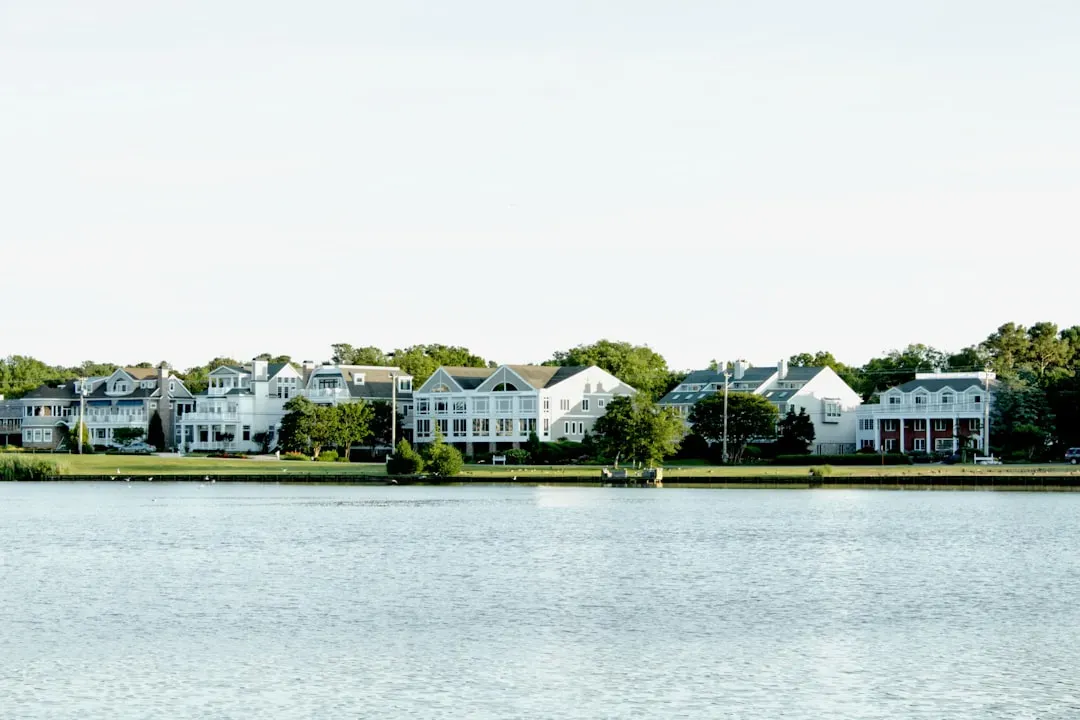
Delaware has no sales tax, no inheritance tax, no estate tax, low property taxes, and offers exemptions on Social Security benefits and pension income. That’s an unusually clean slate for retirees watching every dollar. Tax exemptions allow residents over 60 to exclude up to $12,500 of investment and qualified pension income, including out-of-state government pensions, from state taxes.
Considering how much this makes it one of the best places to retire, Delaware is still something of a hidden gem, with many overlooking the stunning coastal scenery with miles of pristine beaches as well as the proximity to major cities like Philadelphia, Baltimore, and Washington, D.C. For retirees who want coastal charm without true isolation, it’s a genuinely practical option that rarely gets the attention it deserves.
7. South Carolina – The Net Migration Winner
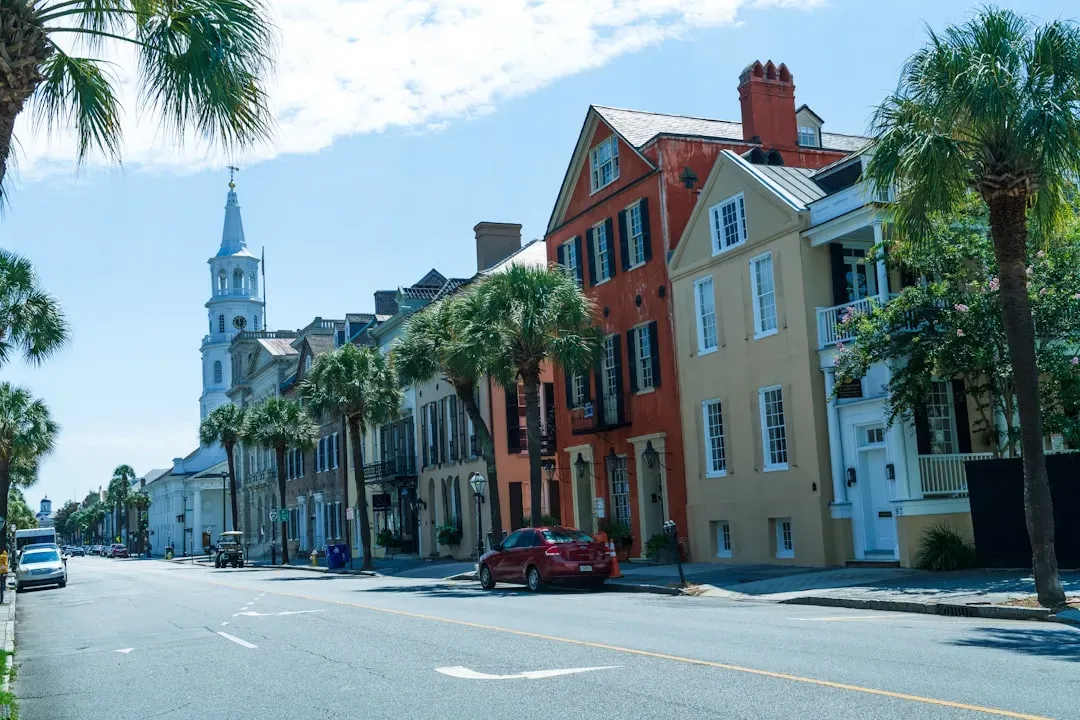
Sixteen states had a greater net gain of retirement-age migrants in recent reporting, with South Carolina topping that list. That isn’t an accident. South Carolina offers no tax on Social Security income, ensuring more of your benefits stay in your bank account, and the state also offers deductions on other retirement income and low property taxes.
South Carolina’s climate varies depending on the region, but many areas have a moderate climate with mild winters and warm summers, making it an attractive destination for retirees who want to avoid harsh weather conditions. Upscale communities in places like Hilton Head Island and Charleston provide luxury amenities and vibrant cultural scenes, attracting retirees who desire both comfort and activity. The numbers moving there suggest the reputation is well-earned.
8. Nevada – Taxes Zero, Amenities High

ChatGPT noted that Nevada has no state income tax on retirement income, relatively affordable property taxes, and no estate or inheritance tax. The AI praised Nevada’s mild winters, large cities with amenities like Las Vegas and Reno, plus access to outdoor recreation. For retirees who want urban energy without brutal income taxes, Nevada checks real boxes. There’s also no state income tax in Nevada, and the Las Vegas area is home to a growing number of affordable active adult communities.
ChatGPT warned about high sales and local taxes, weaker healthcare access in remote parts, rising housing costs, and severe summer heat in southern Nevada. The region boasts outdoor destinations such as Lake Mead and Red Rock Canyon to draw active adults, alongside a growing major sports presence. If the desert heat isn’t a dealbreaker, Nevada’s financial structure is legitimately attractive.
9. Texas – Big State, Big Perks, Big Property Taxes

Texas has several major medical centers and no state income tax, and ranked second as a draw for retirees, with over 24,000 inbound moves in the latest reporting period. ChatGPT included it on the list with some notable reservations. Texas doesn’t have a state income tax and doesn’t tax Social Security benefits, but it has much higher property taxes than Florida and California.
It has a lower cost of living and more affordable housing than those two states, but those costs have been rising over the past decade as more businesses and their employees flock to the Lone Star State. Texas also has harsh summers, unpredictable winters, floods, and tornadoes – all of which drive up home insurance and energy costs. Texas rewards those who choose their city carefully. Major cities like Austin and Dallas may have higher housing costs, while smaller towns and rural areas tend to be more affordable.
10. Georgia – Affordability Meets Mild Southern Climate

Georgia is considered one of the best places to retire due to its affordability, tax benefits, mild climate, outdoor recreation options, rich cultural attractions, and quality healthcare facilities. Retirees appreciate Georgia’s low cost of living, favorable tax policies, and diverse landscapes, from beaches to mountains, offering plenty of opportunities for leisure activities. ChatGPT highlighted the state’s pension-friendly approach specifically. Georgia offers a relatively low tax burden for retirees, with no Social Security tax and modest income tax rates, and property taxes are also moderate compared to other states.
With charming historic towns, vibrant cities like Atlanta, Macon, and Gainesville, and numerous retirement communities, Georgia provides retirees with a fulfilling lifestyle and access to essential amenities. The state doesn’t always make the headline rankings, which is part of what makes it interesting. Retirees looking for warm temperatures, real culture, and a reasonable cost of living without the Florida price tag are finding it here.
What ChatGPT Got Right – and What It Left Out

ChatGPT’s analysis showed that no state is perfect for everyone. Each of the top picks involves trade-offs between tax savings, climate, cost of living, and access to services. That framing is honest and useful. The AI was consistent in flagging that income taxes are only part of the picture – property taxes, sales taxes, healthcare access, and climate all feed into the real daily cost of retirement living.
Choosing where to retire isn’t just about escaping winter or finding the lowest taxes. The best retirement destinations balance affordability, taxes, and healthcare access with lifestyle preferences like weather, community, and proximity to family. Where you choose to retire can make a big difference in how far your money goes – especially since nearly two-thirds of non-retired adults say their retirement savings aren’t on track. That gap makes the geographic decision more consequential than many people realize until it’s almost too late to act on it.