There is something deeply human about wanting to look like you have it together – even when you absolutely do not. The middle class has, for decades, built an entire visual language around prosperity. The right car. The right house. The right vacation photo on social media. It all looks fine from the outside.
The trouble is, behind the granite countertops and the BMW parked in the driveway, something else is quietly happening. A 2024 survey by Primerica found that roughly two thirds of middle-income Americans say they are financially struggling. That is not a fringe statistic. That is the majority. So why does the spending keep going? Let’s dive in.
1. The Leased Luxury Car You Can Barely Afford
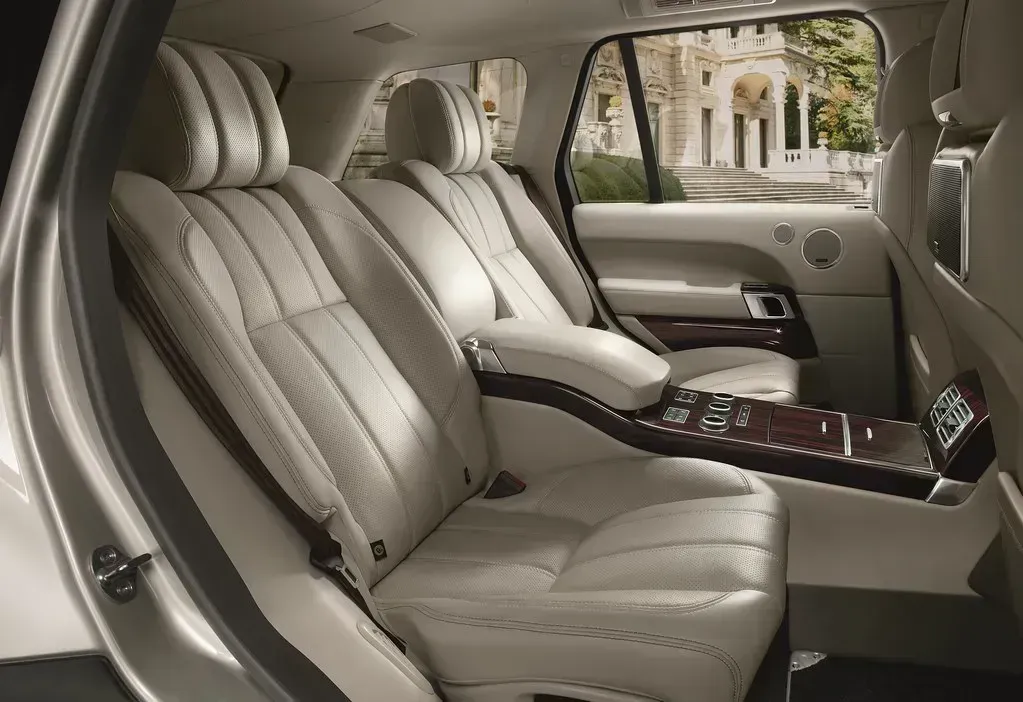
Nothing screams “I’ve made it” quite like sliding into a leather seat with a German badge on the steering wheel. It is a cultural shorthand for success that most people read instantly. The problem is that the car parked in the driveway is often borrowed, monthly-payment by monthly-payment, stretching a budget that has no room to breathe.
Americans owed over one and a half trillion dollars on more than 100 million vehicle loan accounts in 2025. Think about that for a moment. That is not wealth – that is a nation financing its image. Financial experts have long pointed out that excessive spending on vehicles is one of the most detrimental mistakes they see, with a “buy now, worry later” mentality fueled by credit card debt and a lack of budgeting being a surefire path to financial ruin.
Used luxury cars depreciate like melting ice, with most losing roughly half or more of their value in just five years. Whether you buy or lease, the math rarely favors the middle-class buyer chasing the badge. The car looks like success. The bank account tells a very different story.
2. The McMansion With Rooms Nobody Uses

There was a time when a big house in the suburbs was the ultimate prize. More bedrooms than children. A formal dining room used twice a year. A three-car garage for two cars and a treadmill. Honestly, the McMansion was never really about space – it was always about signaling arrival.
The McMansion is officially moving from a status symbol to a liability. New data from Zillow reveals a fundamental reversal, as buyers are ditching “wasted scale” for high-efficiency designs, while insurance premiums and property taxes soar, making these oversized estates a growing financial exposure. That is not a niche trend. Recent data from the National Association of Home Builders reveals that the average size of new homes has been shrinking since 2015, hitting a low in 2024 not seen since 2010.
Research published in a peer-reviewed journal found that in response to the “McMansion effect,” homeowners exposed to new-built oversized homes nearby are more likely to expand their own homes and take on more debt. It is the Keeping Up with the Joneses effect, now formally documented in academic literature. The bigger the house, the deeper the hole.
A family earning the nation’s median income needed roughly two fifths of its total income just to cover the mortgage payment on a median-priced new home in the third quarter of 2024. Buying a house bigger than you need, in that environment, is not a flex. It is financial anxiety with a mailbox.
3. The Endless Stack of Streaming and Subscription Services
Here’s the thing about subscriptions – they feel cheap. Eight dollars here, fifteen there, a gym app you opened twice in January. Each one feels harmless. Together, they quietly hollow out a bank account every single month without triggering a single moment of buyer’s remorse, because the charge is too small to notice and too habitual to cut.
As technology has become essential for education, work, and entertainment, families are spending more on digital services, with the average household now spending roughly $273 monthly on subscriptions including streaming platforms, cloud storage, and online education tools – up from $199 just a few years ago. That is nearly $3,300 a year, often on services that are duplicated, forgotten, or barely used.
Almost four in five people surveyed admit they spend money on things they do not use, and overspenders – particularly millennials and Gen Zers – frequently say they subscribed to a service they rarely used or bought an item simply because it was on sale. Subscriptions have become the new status layer: the curated life, delivered monthly, charged automatically, and mostly ignored.
4. The “Investment” Vacation That Goes on the Credit Card
Social media made vacations a competitive sport. Not just a trip anymore – it is a performance. The resort in Tulum, the ski chalet, the European city break. Experiences have replaced objects as the new status currency, and the middle class has embraced the shift enthusiastically, often without checking what it actually costs.
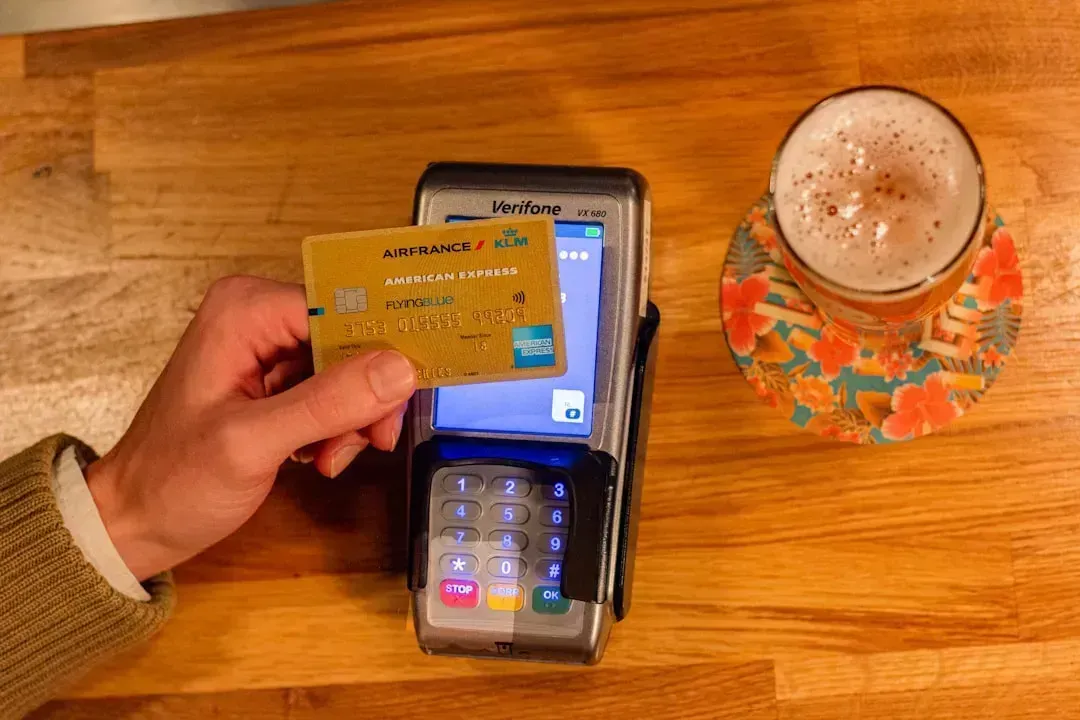
Americans are still willing to go into debt to travel, dine out, and attend concerts. Young adults especially are focused on enjoying life in the moment rather than saving for the future, fueled partly by a “you only live once” mentality that intensified during the 2020 pandemic. The trip happens. The debt stays. Roughly about two in five adults said they plan to take on more debt to travel, dine out, or see live entertainment, according to a Bankrate report.
About four in five Americans justify unnecessary purchases with phrases such as “I deserve it” or “I’ll treat myself,” while nearly half admit to buying things to cope with stress. The vacation is real. The Instagram is real. The anxiety about paying for it? That is very real too.
5. Private School Tuitions and “Enrichment” Spending

Education has become one of the most emotionally charged arenas for middle-class status competition. Sending children to the right school, enrolling them in the right activities, and giving them every advantage possible – it sounds like good parenting. It often is. But the financial weight of it is crushing families who cannot honestly afford it.
In 2025, the average cost of full-time childcare exceeded $15,000 per year in many regions, rivaling a second mortgage for two working parents. Add in extracurricular activities, technology fees, and school supplies, and families are spending tens of thousands annually just to give a child a “normal” experience. That word “normal” is doing a lot of work in that sentence.
College savings are on the back burner for most families, as the priority becomes simply getting through each month first. It is a trap that looks like sacrifice and love, which makes it nearly impossible to step back from. The investment in children’s futures is real. The financial damage, though, is also real – and often invisible until it is too late.
6. Designer Clothes, Handbags, and the “Quiet Luxury” Spiral

The status wardrobe has evolved. It used to be about visible logos. Now it is about knowing the right brands – the “quiet luxury” movement, the understated cashmere, the handbag that only insiders recognize. Either way, it costs money that most middle-class households simply do not have sitting around.
About two in five Americans report overspending on clothing, while more than a quarter say they have an overspending problem with beauty products. These are not outliers. These are majority-range behaviors driven by social comparison, social media influence, and a very human desire to be seen as “put together.” Seminal research has demonstrated how consumers signal status with more or less conspicuous branding depending on the audience they want to impress – or avoid.
Nearly four in five Americans make purchases they immediately regret, and more than a third often know their purchases are reckless but make them anyway. The outfit is meant to signal confidence and financial ease. The regret that follows is the opposite. It is status purchased on credit and worn with anxiety.
7. The “Living Paycheck to Paycheck” Lifestyle With a Full Life Façade

This last one is the most invisible status symbol of all. It is not a single purchase – it is the entire performance of middle-class stability. The full calendar. The busy weekends. The dining out culture. The appearance of a life that is comfortable, full, and under control. Meanwhile, the savings account is close to zero.
Half of Americans are currently living paycheck to paycheck. More than half of middle-class households are at least somewhat concerned about the risk of a serious decline in their financial situation, and nearly half are not confident they will be able to build sufficient retirement savings. These are not people on the poverty line. These are families with jobs, mortgages, and full social calendars.
Signs of rising financial stress, particularly among middle-income Americans, are warning flags about the U.S. economy’s health in 2026. Spending growth for higher-income Americans remained relatively stable between January 2025 and January 2026, but spending growth slowed for lower- and middle-income households during that same period. The gap between appearances and reality keeps widening. Roughly two thirds of Americans considered middle class are financially struggling today and do not expect that to change – not because they cannot cover basics, but because they cannot plan, save, or build anything for tomorrow.
The Real Cost of Looking Successful

Here is the uncomfortable truth at the center of all this: the middle-class status game is largely funded by debt, and the symbols of that game are getting more expensive as the financial cushion underneath shrinks. The car, the house, the vacation, the wardrobe – they are all coherent pieces of a story that says “I’m fine.” But the data says otherwise.
More than a third of Americans have more credit card debt than retirement savings – over 90 million adults prioritizing debt payments over their future. That is a staggering number. Many Americans feel trapped and not able to make real progress with their money, like they are caught on a hamster wheel. Thirty-five percent report feeling trapped in a cycle of debt, and only one in five feels like they are genuinely getting ahead.
Status anxiety is not a character flaw. It is a deeply social instinct, made worse by an economy that has made genuine financial security harder and harder to achieve. The real flex in 2026 is not the leased BMW or the oversized house. It is the emergency fund, the retirement account, and the quiet freedom of not owing anyone anything.
So next time you see someone projecting an immaculate middle-class life – and feel that familiar urge to keep up – ask yourself: is that a signal of success, or is it just very expensive anxiety? What do you think? Tell us in the comments.