Most of us walk into a hotel room, drop our bags on the nearest surface, and breathe a sigh of relief. Finally, a night away. But people who have actually worked in hotels? They tell a very different story when that door swings open.
The things that trained eyes catch in the first thirty seconds of entering a room would shock most travelers. From invisible pest threats lurking in mattress seams to suspicious door hardware and air that is telling you something is very wrong, the warning signs are there. You just have to know what to look for. Let’s dive in.
1. That Musty Smell the Moment You Walk In
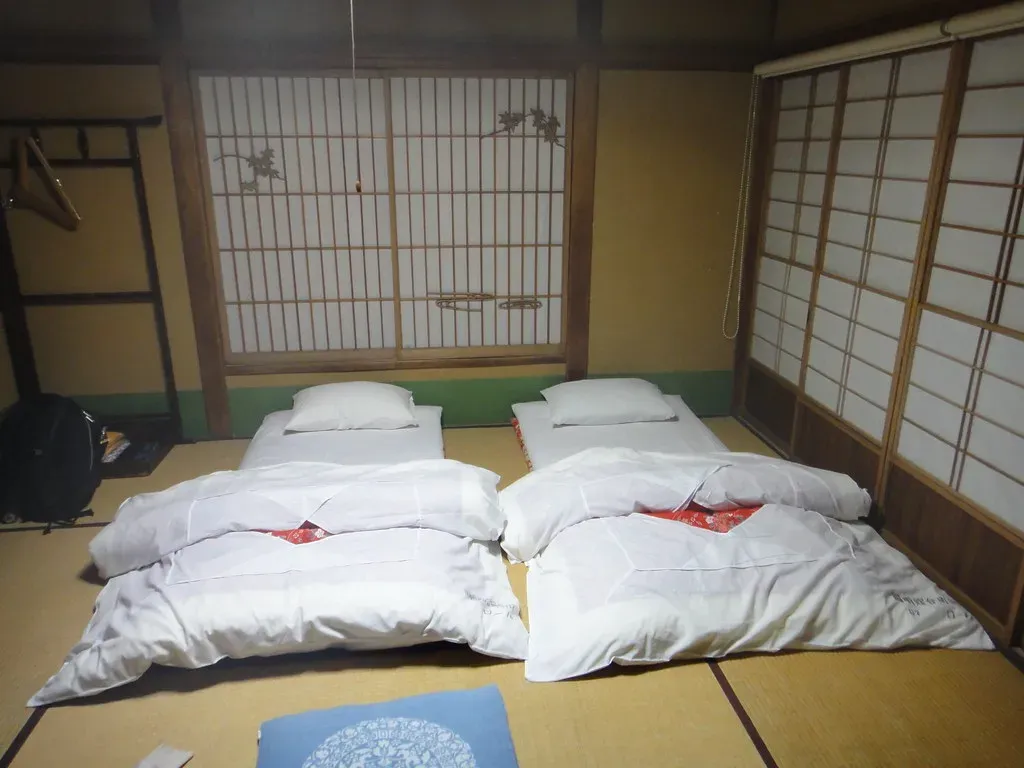
Here’s the thing most guests do: they smell something odd, shrug it off, and unpack anyway. Don’t. If you open the door and that classic basement aroma hits you in the face, trust it. A musty hotel room smell is often a signal of hidden moisture and possible mold. The scary part is that you don’t even need to see mold for it to be a real health problem.
Mold can lurk behind walls, inside AC units, and under flooring. It doesn’t announce itself with a neon sign. Musty odors are often due to moisture accumulation from showers, spills, leaks, or humidity, leading to mold and mildew growth, especially in poorly ventilated areas.
Mold can cause allergic reactions in some people, including coughing, sneezing, itchy eyes, and skin rashes. If you experience these symptoms while staying there, mold could be the culprit. The fix is simple. Request another room immediately, and document everything with photos before you leave.
2. Stained or Improperly Made Bedding
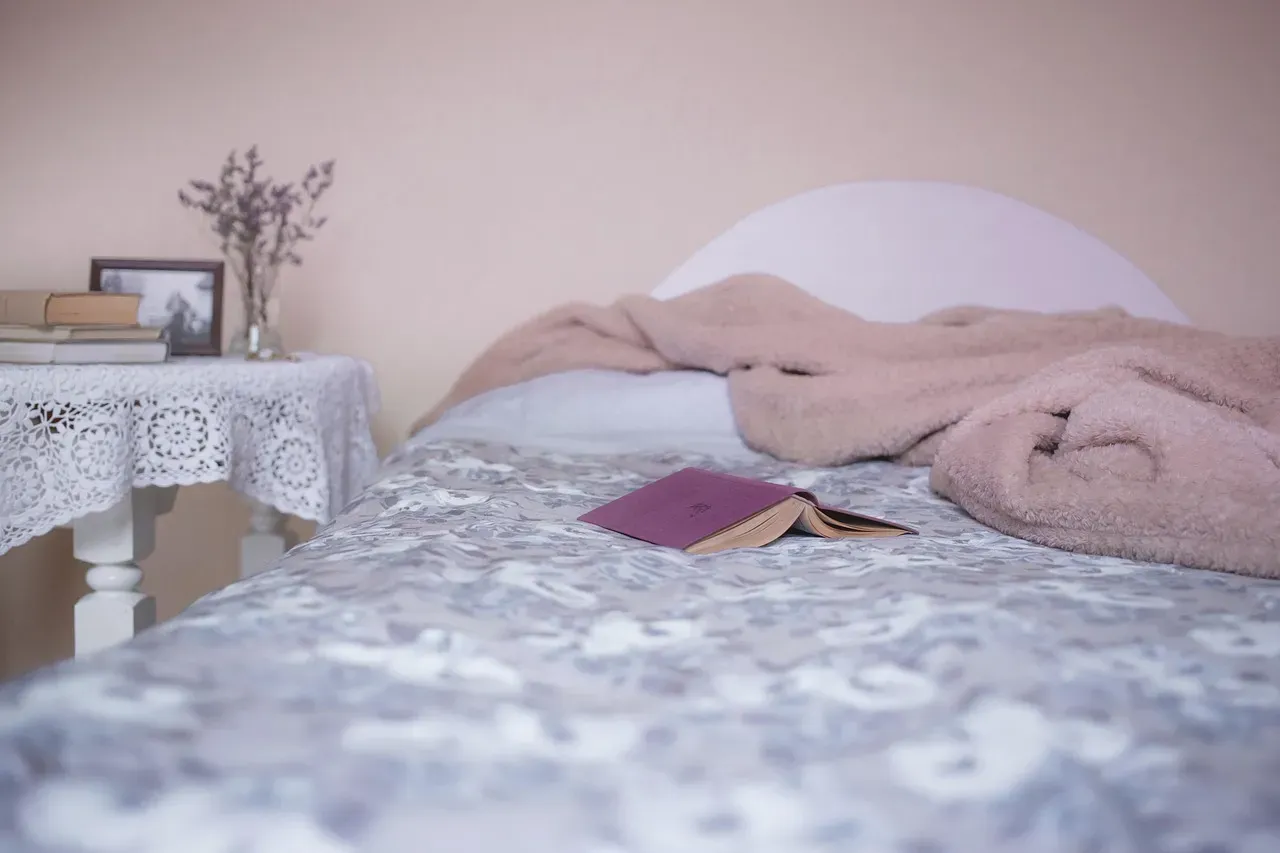
In bedrooms, the three most important factors guests look for are clean linen, no evidence of previous guests, and absence of bad smells or odors. Sounds basic, right? Yet stained sheets and loosely tucked bedding remain a persistently reported complaint across the industry. Hotel employees have flagged dust in hallways and a bed made with loosely tucked sheets as red flags to watch for when checking in.
Guest reviews consistently show that small lapses in visible cleanliness, such as a hair on the sheets or a smudge on a glass, can make guests question the overall hygiene standards of the hotel. It’s like the tip of an iceberg. What you can see tells you a lot about what you cannot. Bloodstains on the comforter, sheets, and pillowcases are a common indicator of bed bugs, caused by being bitten in the night or bed bugs being squashed and leaving blood stains.
Honestly, if the sheets look like they were thrown on without care, I’d pull them back and check the mattress seams before sleeping. A well-run hotel cares about corners. If those corners are sloppy, everything else probably is too.
3. Signs of Bed Bugs Around the Mattress and Headboard
This one makes people’s skin crawl, and for good reason. A recent survey conducted by Sleep Doctor found that one in seven U.S. travelers encountered bed bugs in 2024, and twenty percent of those sightings happened in five star hotels. That last detail is the one that really shocks people. You cannot assume a higher price tag means a pest-free room.
University of Kentucky entomology research indicates that bed bugs can survive six to twelve months without feeding, allowing them to remain dormant in unused rooms until the next guest arrival triggers their activity through carbon dioxide detection and body heat sensing. Think about that. A room can look perfectly clean and still be a problem waiting to happen.
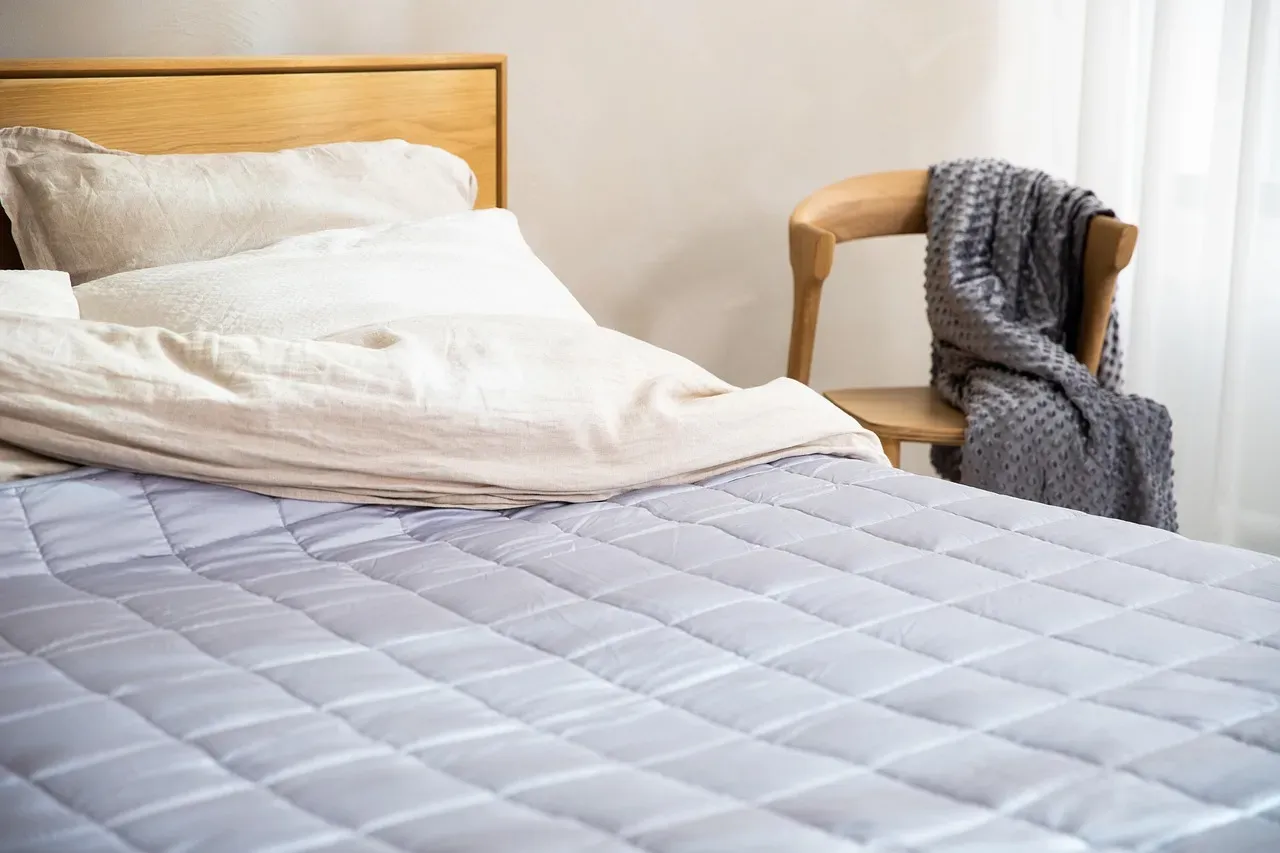
Industry research shows that roughly eighty-five percent of hotel bed bug populations concentrate around headboard attachment points and visible bed frame joints. Former hotel staff recommend pulling the headboard slightly away from the wall and using your phone’s flashlight to check the seams. Adult bed bugs are about the size of an apple seed, flat, oval, and reddish-brown. However, their eggs and newly hatched nymphs are much smaller and harder to detect without magnification.
4. Damaged or Tampered Door Locks
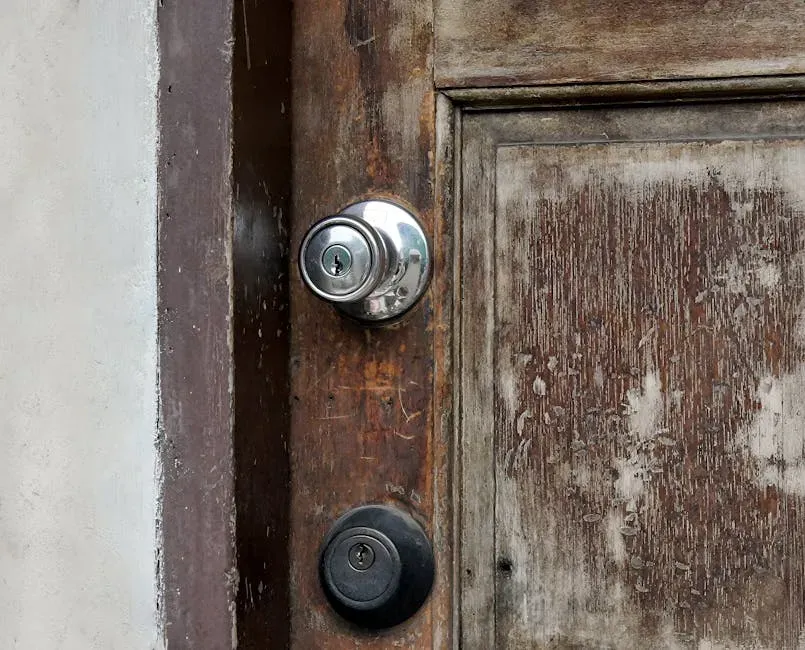
Security concerns have become a far bigger issue for travelers in recent years than many people realize. Guest room and property cleanliness continue to be top areas hotels should focus on, but property security measures actually bumped “friendly staff” out of the number three spot in 2024 in guest satisfaction priorities. People are paying closer attention to how safe they feel.
If the deadbolt on your room shows visible signs of tampering or damage, ask for a new room or find a safer hotel. This should be a non-negotiable deal breaker. A door lock is the most basic layer of protection you have, and if it’s been forced, scratched, or bypassed at some point, you genuinely cannot trust who has had access to that room.
This detail is not simply limited to double locks on doors and key card entries, although the significance of these features cannot be overstated. Whether or not a hotel cares about your safety becomes evident long before you get to your room. A quick inspection of the lock, door frame, and latch when you enter takes about ten seconds and could matter enormously.
5. Suspicious Mirrors or Unusual Object Placement
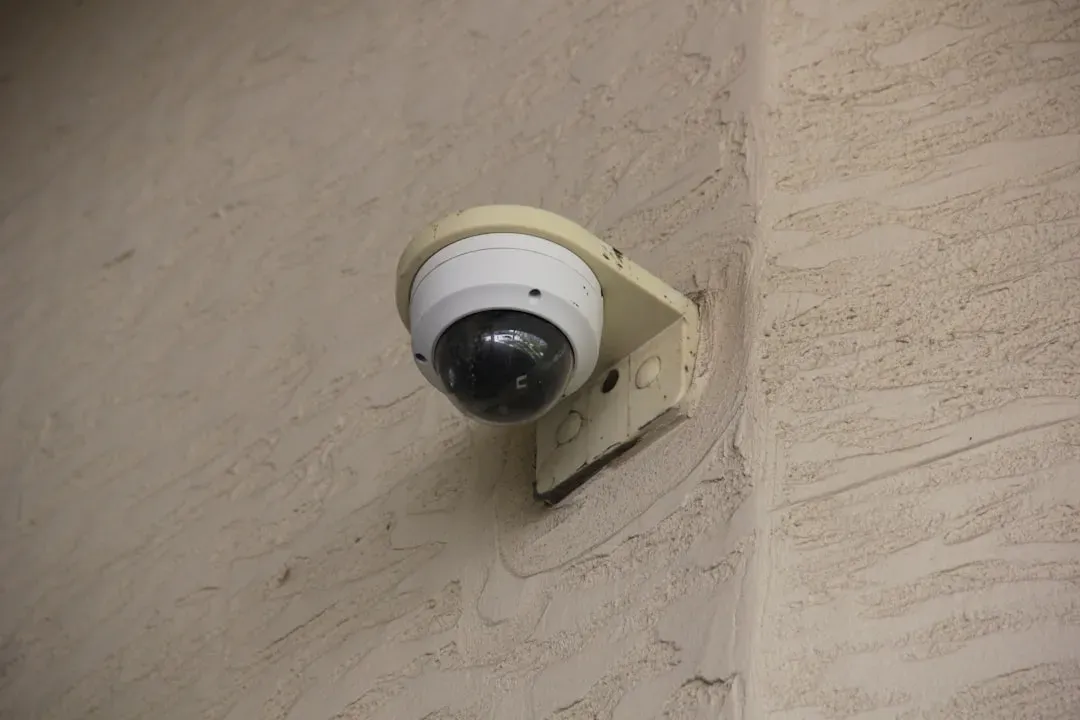
This sounds like something out of a thriller, but it is a very real concern. About sixty percent of travelers are wary of hidden cameras in hotels and rental properties. Worse, ten percent have actually discovered one. That is a staggering number when you stop and think about it.
In recent years, tales of two-way mirrors in independent rental accommodation have surfaced. A user reported a strange experience in 2024 involving a hallway mirror that appeared to function as a see-through film. The concern is not limited to shady budget motels either. Any accommodation type can be vulnerable. There is a quick way to check. Simply put your finger up against the mirror. If there is a space between your finger and its reflection, you are fine.
Former staff also recommend checking smoke detectors, clocks, and small vents near the bed or bathroom for anything that looks out of place or has an unusual lens-shaped component. It sounds paranoid, but knowing the check takes thirty seconds makes it worth doing every single time.
6. Visible Mold, Water Stains, or Peeling Wallpaper
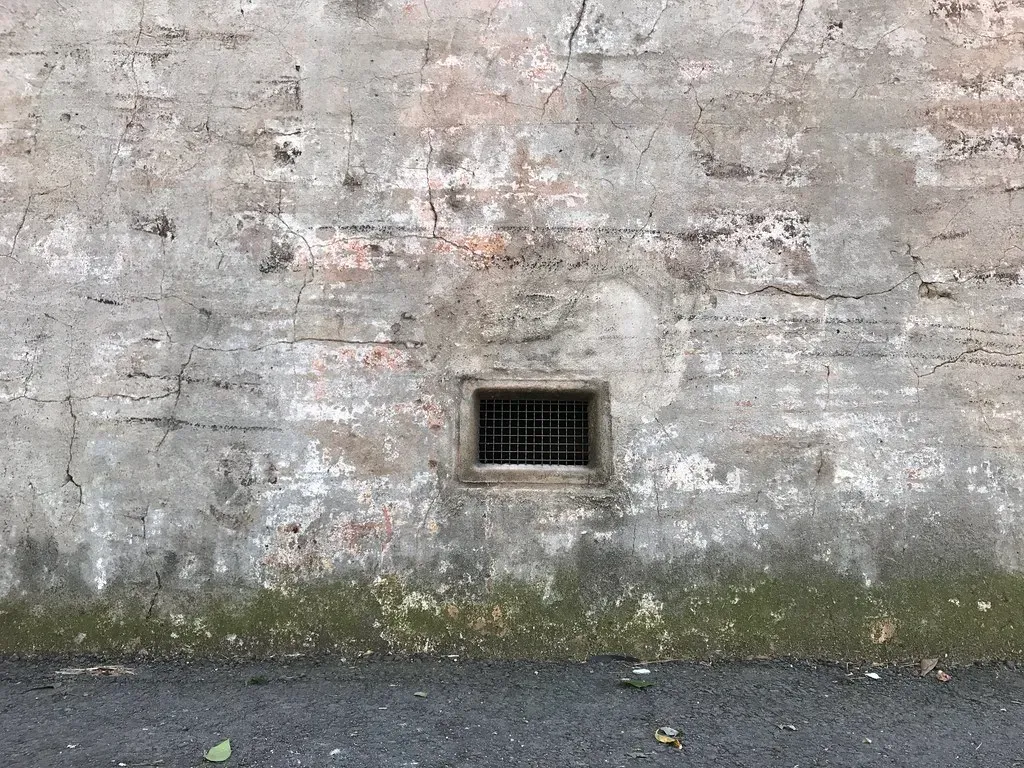
Water damage is one of the most underreported issues in hotel rooms, and it leaves traces everywhere if you know what to look for. The first signs of mold damage often appear on walls and wallpaper. Peeling wallpaper is an immediate indicator of moisture in the room, which can mean mold is present.
Stains on walls or ceilings, warped or discolored flooring, or damp carpets could indicate a water leak that may have caused mold to grow. These are not cosmetic issues. They are health warnings. The bathroom is one of the most likely locations for mold, particularly as most bathrooms lack external windows or ventilation. Spores can flourish between the grout of the tiles due to constant moisture and humidity.
Bathrooms deserve a longer glance than most travelers give them. Grout and caulk should be free of stains. The fan should actually move air, not just make noise. If you see visible growth, dark streaks, or anything that looks like a watercolor painting gone wrong, hit pause on unpacking. This is not dramatic. This is just smart.
7. Dirty Common Areas and a Lobby That Smells Wrong
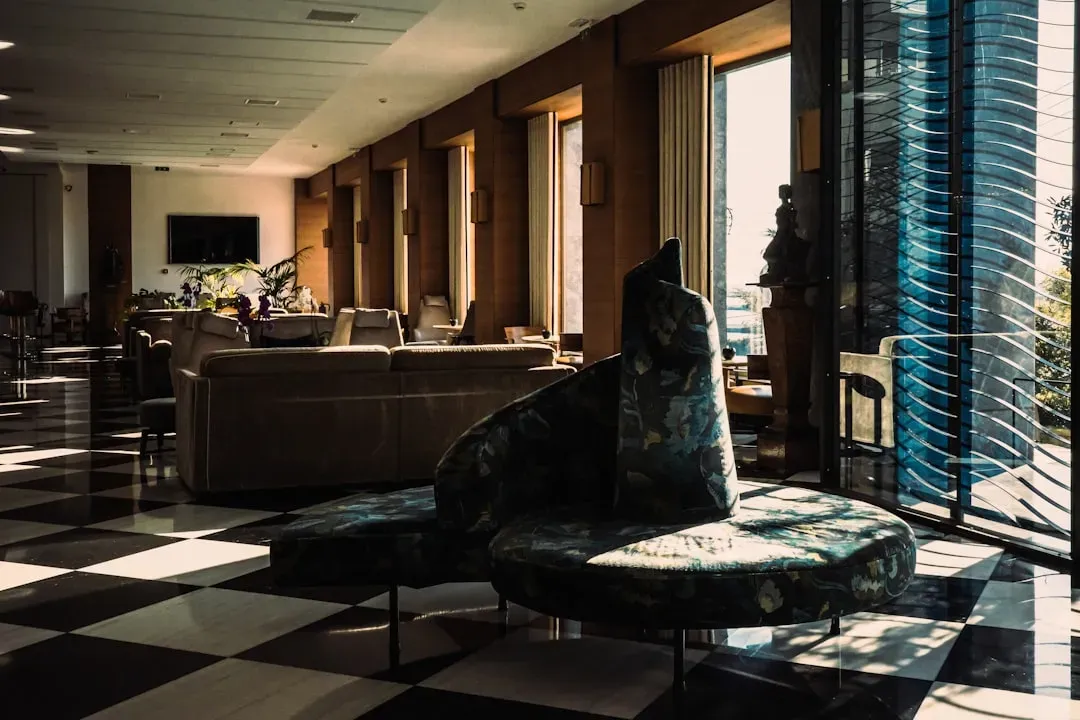
Think of the lobby as the hotel’s handshake. What it tells you matters deeply. Walk into any truly clean space and you will notice it smells like almost nothing. Maybe there is a hint of fresh laundry or cleaned floors. If the first thing you notice walking through the doors is either a dense cloud of artificial fragrance or something suspiciously musty, both should raise concern.
Cleanliness should be immediately noticeable in lobbies, corridors, elevators, and service zones. Recent data from the American Hotel and Lodging Association 2025 State of the Industry Report shows that overall cleanliness of the property and room cleanliness rank among the top three booking criteria for U.S. travelers, right after price and location. The lobby is not just decor. It is a preview of your room.
Immediately visible problems like dusty corners or trash under beds signal a lack of attention to detail. These issues make guests question what else might have been overlooked in their room. An empirical study found that more than roughly one third of internet users will refrain from booking a hotel if they come across questionable reviews, and about one in five will share their negative impressions with others. Estimates suggest that a business can risk losing up to twenty percent of its bookings due to negative online reviews. The standards are there. When they’re not met, it shows immediately.
Next time you push open that hotel room door, take a slow breath, look up, look down, run your hand along the wall, check the lock, and trust your nose. The former staff who shared these red flags are not trying to make you anxious. They are trying to make you informed. There is a real difference between those two things. What would you have noticed on your last hotel stay that you might now look at differently?