
Walk through a 1920s Spanish Colonial Revival in Hancock Park, and something shifts. The walls feel different. The doors have actual weight. The trim work is the kind of detail you’d pay a small fortune to replicate today – and even then, you probably couldn’t. There’s a reason people keep describing these old houses as having “good bones,” and it turns out that phrase is less poetic than it is technically accurate.
Los Angeles has an unusual relationship with its old housing stock. The city tears things down with remarkable ease, yet the century-old homes that survive in neighborhoods like Los Feliz, Windsor Square, and West Adams keep attracting buyers who pay serious premiums for them. In a city obsessed with the new, the old keeps winning. The reasons why are more concrete – literally – than most people realize.
The Wood Inside Old L.A. Homes Is Simply Not Available Anymore
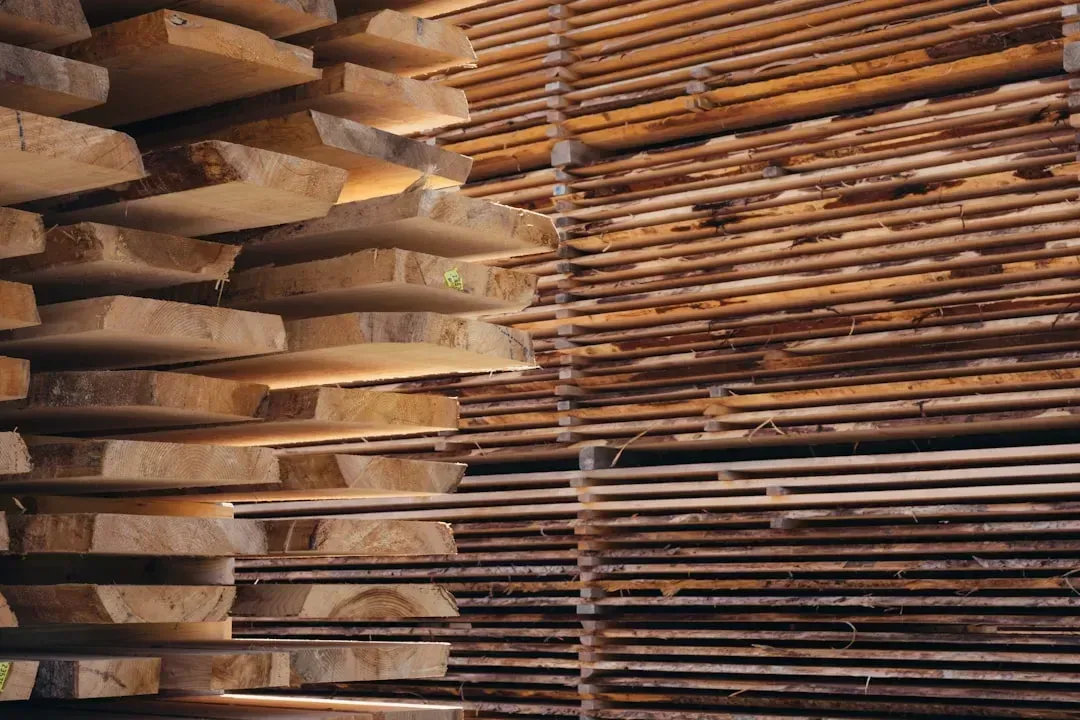
Older homes commonly used old-growth lumber. This type of wood had tighter growth rings and greater density because the trees grew slowly under more natural forest conditions. That slow growth translated directly into a stronger, more stable material. Old-growth wood has nearly ten times the number of growth rings per inch, meaning it is much denser and more resistant to decay or damage.
Lumber today is not the same as it was 100 years ago. Due to the high demand for lumber, sturdier old-growth trees experienced over-harvesting, which drove forests near extinction. Lumber farms, where trees grow at a much faster rate but have less density, have become the primary source of wood for construction. As a result, today’s 2×4 is not equal to the 2×4 from 100 years ago. That single fact carries enormous structural implications for anyone comparing a Craftsman bungalow to a new build.
Old-Growth Redwood: California’s Secret Building Advantage
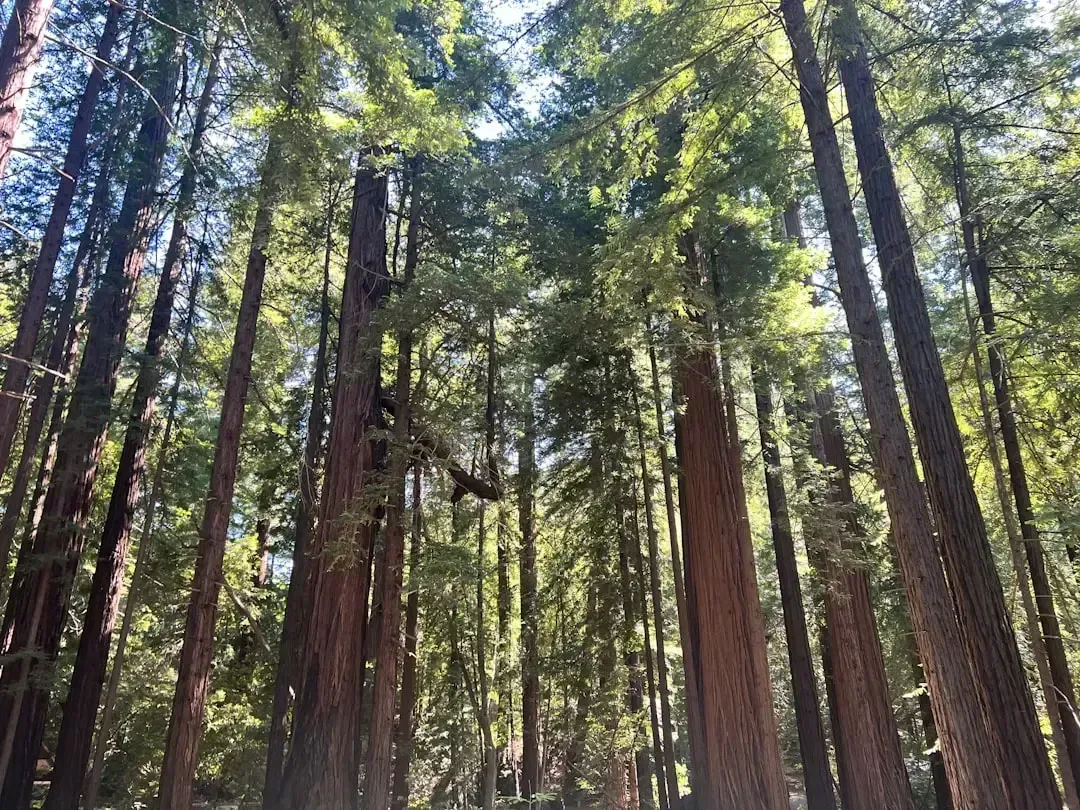
During the first half of the 20th century, when California experienced a major building boom, the redwood forest suffered its greatest losses, with trains of lumber heading south as trains of oranges headed north. Going into the 21st century, only about five percent of the old-growth forest still stood, thankfully protected on public lands. The homes built during that boom were the beneficiaries of that timber.
In modern times, redwood farms produce wood for lumber, however this new wood does not have the same high levels of toxic tannins – a type of bitter, astringent chemical compounds which protect trees from fungus and insects and decrease susceptibility to rot. Selective cutting of young trees is permitted on redwood farms, but these trees do not have enough age on them to acquire the decay and insect-resistant properties of the old growth. A century-old L.A. home framed with genuine old-growth redwood is holding a material that cannot be purchased anywhere today.
Plaster Walls That Outperform Anything Modern Construction Offers
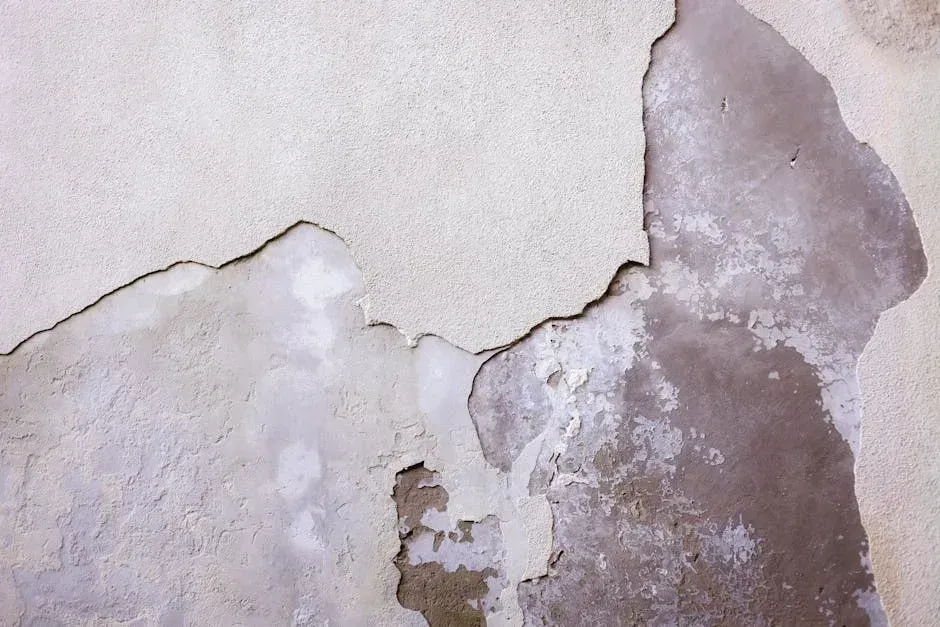
Plaster’s thickness provides greater thermal mass, which helps keep homes cooler in the summer and warmer in the winter. This unique characteristic has the potential to improve energy efficiency and lower heating or cooling costs. In a city where air conditioning bills can be punishing, that passive temperature regulation is a genuine advantage that drywall simply cannot match.
Plaster’s density gives it superior soundproofing and fire resistance, making it suitable for studios or fire-rated construction. Drywall can be enhanced with special panels for sound or fire resistance, but standard drywall provides less protection than plaster. Drywall began to replace plaster in residential construction after World War II, with its popularity surging in the late 1940s and especially throughout the 1950s. This shift occurred because drywall offered a faster, less labor-intensive, and more cost-effective alternative to traditional lath and plaster walls. Speed won over quality, and most new construction still reflects that trade-off.
The Craftsman Detail No New Build Can Honestly Replicate
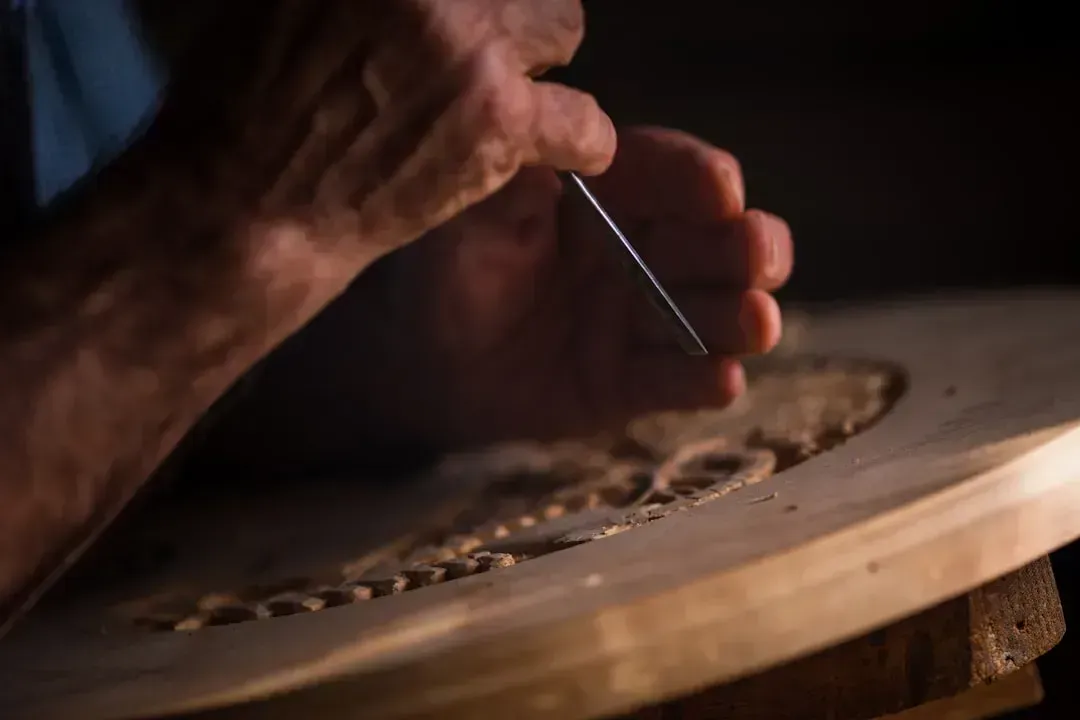
Older homes were more likely to include details shaped by labor rather than by speed and cost savings alone. You often see these differences in woodwork, masonry, built-ins, plaster work, and the kind of finish carpentry – such as paneling and wainscoting – that is expensive to reproduce today. These weren’t decorative flourishes added as an afterthought. They were the standard of the era.
Suburban sprawl is a real thing, and when you see neighborhoods with hundreds of homes and only four to six different designs, the monotony is almost unbearable. When an industry changes from custom building to assembly-line style manufacturing, you are guaranteed to lose the uniqueness it once had, and that has clearly happened with new homes and neighborhoods today. Century-old L.A. homes were built before that industrial shift changed everything about the trade.
The Survivor Bias That Works in Favor of Old Home Buyers
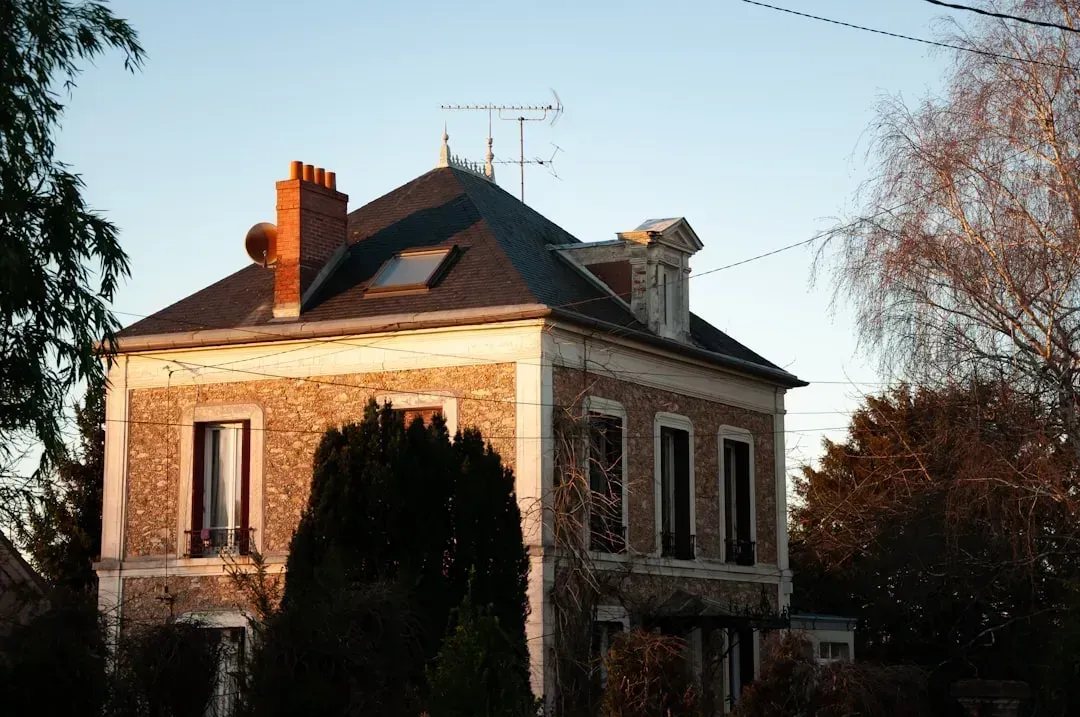
Many old houses that were built poorly have failed or been torn down, so we are left with a bit of survivor bias when it comes to old houses. Only the strongest have survived. That means if you have a very old house, the chances are excellent that you have one of the best old houses. A home standing in Los Feliz since 1923 has already passed a century-long stress test that no new build has had to face.
Generally speaking, homes built around that era were not subject to the plethora of codes that modern homes are. This is a double-edged sword: on one hand, some older houses have deficiencies by today’s criteria; on the other hand, builders often compensated with conservative construction practices or simply “overbuilt” parts of houses because there was no precise code minimum to meet. The tendency to overbuild rather than hit a minimum threshold turns out to be a lasting benefit.
Historic Preservation Overlay Zones Lock in Value and Character
A Historic Preservation Overlay Zone, or HPOZ, is a zoning tool that protects and preserves neighborhoods composed of architecturally and historically significant structures. A type of historic district, HPOZs primarily protect single-family residential neighborhoods. In September 1983, Angelino Heights became the city’s first HPOZ. As of 2023, City Council has designated 35 neighborhoods as HPOZs, ranging geographically from San Pedro to San Fernando and varying in size from two blocks to areas encompassing hundreds of structures.
Numerous studies nationally have found that homes within historic districts such as HPOZs tend to appreciate in value at a higher rate than similar homes outside designated historic districts. Many homebuyers specifically seek out homes in unique historic neighborhoods and welcome the assurance that the qualities which attracted them to the neighborhood are more likely to endure over time. Residential homeowners also find that property values increase when historic preservation standards are used in rehabilitating their homes. The protection is simultaneously cultural and financial.
Spanish Colonial Revival Homes Are Moving Faster Than the Broader L.A. Market
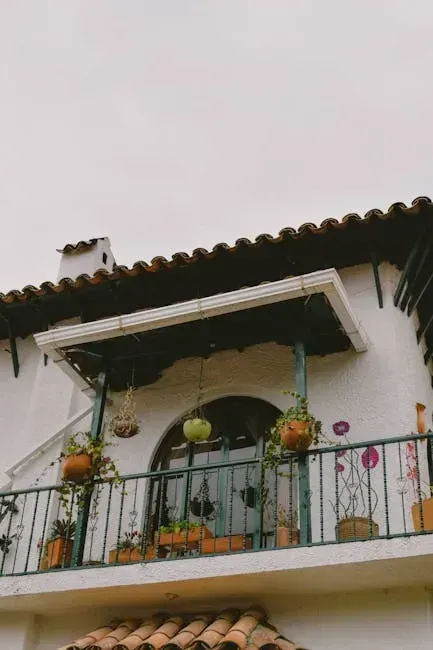
Most authentic Spanish Colonial Revival homes were built between 1915 and 1940, concentrated in historic neighborhoods governed by HPOZ regulations that prevent demolition and protect architectural character. This limited supply, combined with strict preservation standards, ensures these homes remain rare, coveted assets. You cannot simply build a new Spanish Colonial Revival home in Hancock Park or Los Feliz; the existing stock represents a finite, irreplaceable resource.
The Los Angeles housing market in late 2025 showed prices moderating and inventory climbing, with homes averaging 61 days on market compared to 51 days in September 2024. The median sale price settled at $1.1 million, up about seven percent year over year. Yet within that cooling market, Spanish Colonial Revival homes, particularly those in Historic Preservation Overlay Zones and architecturally distinguished neighborhoods, were moving at a completely different pace, selling in 28 to 35 days, attracting multiple offers, and frequently closing at or above list price even as the broader market cooled.
The Architectural Diversity That New Construction Is Actively Chasing
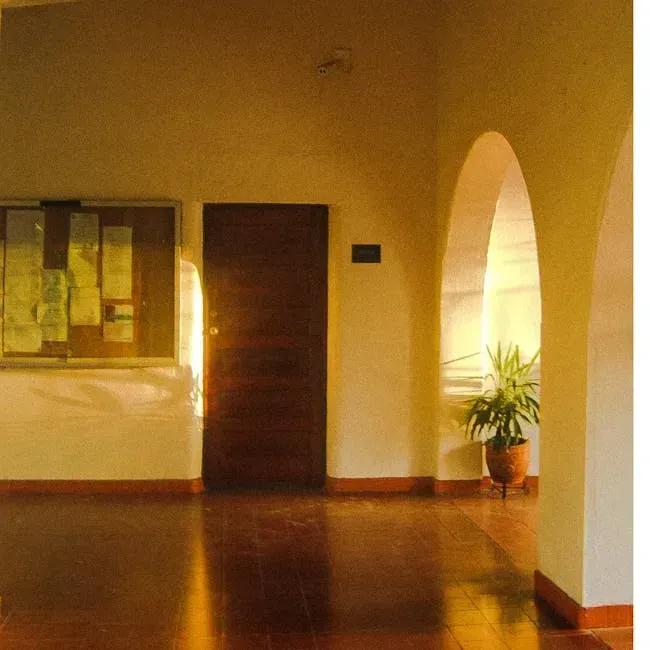
Buyers don’t just purchase square footage; they acquire a lifestyle. Arched doorways, hand-painted tiles, courtyard entries, exposed beam ceilings, and wrought-iron details create spaces that feel romantic, grounded, and timeless. These features weren’t trendy additions in 1925. They were structural and stylistic norms that became embedded in the homes themselves.
Interestingly, newer construction in L.A. has started trying to circle back toward these qualities. Sterile, straight lines were cast aside in 2025 for more form-fitting designs. Circular tables and arched alcoves came into vogue as homeowners sought to make their spaces more welcoming and whimsical. Custom-made features like flexible drywall and specially crafted arches are helping spaces feel more dynamic and human. Century-old L.A. homes didn’t need to manufacture that feeling. It was built in from the start.
The Mills Act Tax Advantage Nobody Talks About Enough
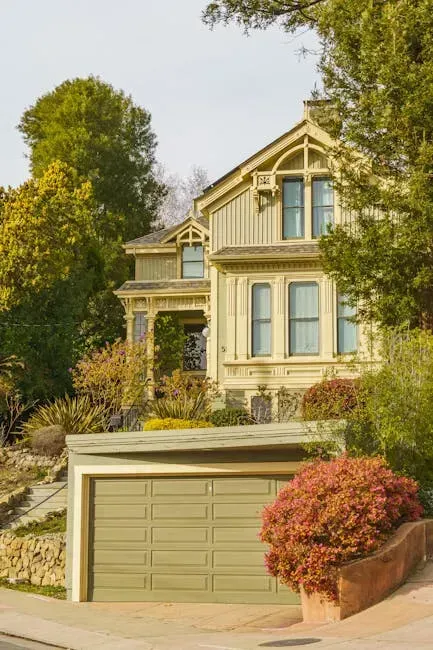
Keeping original windows, doors, and materials is often prioritized in HPOZ neighborhoods, and in some cases, financial incentives or tax breaks may be available. For example, the Mills Act offers significant property tax reductions to qualifying historic homeowners in exchange for preserving and maintaining their properties. In a city where property taxes on a million-dollar home add up quickly, that reduction matters in a very practical sense.
HPOZs keep the look and feel of beloved neighborhoods intact, from original woodwork to historic facades. Living in an HPOZ often comes with a strong sense of neighborhood identity and involvement. Buyers are often drawn to historically protected neighborhoods, which can boost desirability and long-term value. From Craftsman to Tudor Revival, HPOZs showcase a wide range of L.A.’s architectural styles. Owning in one of these zones combines financial incentive with a level of neighborhood stability that new construction subdivisions rarely offer.
What New Builds Do Better – and Why It Still Doesn’t Fully Close the Gap
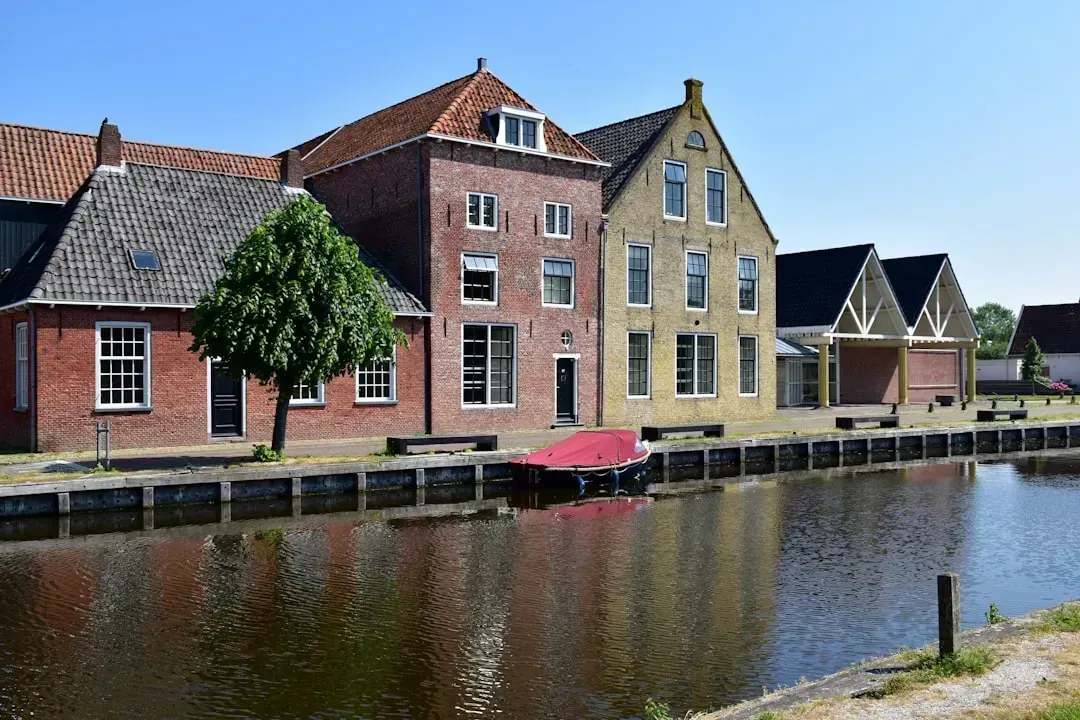
In many cases, older homes really do feel different because they were built with denser materials, slower-grown lumber, thicker assemblies, and more repairable parts. Newer homes, on the other hand, often outperform older homes in energy efficiency, code compliance, and safety. Those are genuine advantages, and anyone dismissing them misses part of the picture. Updated electrical panels, modern seismic retrofitting, and properly insulated walls are meaningful improvements.
While not perfect by today’s metrics – you may need to add a few outlets and scrape off some lead paint – the longevity and continued desirability of old homes speaks volumes. Each era has its strengths, and the best outcome is taking the enduring craftsmanship of the past and enhancing it with the advances of the present. A renovated century-old L.A. home, with its original bones intact and modern systems updated, sits in a category that neither old nor new construction can fully occupy on its own – which may be exactly why so many buyers keep reaching for it.