
Summer is supposed to be the season when your garden finally shows off. The flowers bloom, the tomatoes ripen, and all that hard work from spring starts to pay off. But here’s the uncomfortable truth: summer is also when gardeners do the most damage, often without realizing it. The heat changes everything, and routines that worked perfectly in spring can quietly destroy a garden by August.
Whether you’ve been growing things for two years or twenty, the summer growing season has a way of humbling everyone. Some of the most well-meaning habits, like watering more during a heat wave or reaching for the fertilizer when leaves look sad, can actually backfire in a serious way. Be ready to rethink a few things you were probably sure about.
Overwatering When the Sun Is Blazing
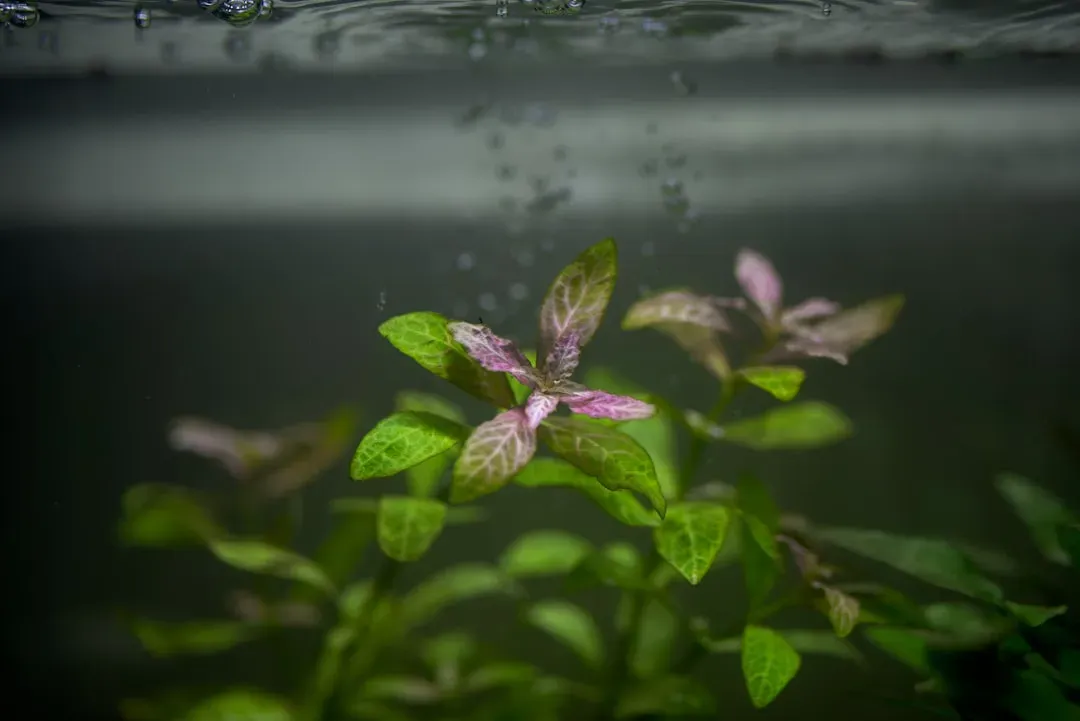
Let’s be real, the instinct to grab the hose more often when it’s hot makes total sense. Your plants look wilted, the sun is relentless, and you want to help. The problem is that this instinct is one of the most damaging things you can act on during summer.
Excessive watering is one of the leading causes of issues in the home landscape, and yes, this can be a problem even during prolonged dry spells. A condition known as root rot develops, and marigolds, verbenas, hollies, boxwoods, azaleas, and rhododendrons are some of the most sensitive plants to this. Think of it like drowning someone while trying to give them a drink.
Overwatering can be just as harmful as heat itself, often leading to root rot. Newly planted or drought-stressed plants have shallow, limited root systems that can only absorb and store so much water at once, and if the soil stays constantly wet, roots can suffocate, decay, and ultimately collapse, a condition that’s often fatal.
People often overwater simply out of habit or because the top layer of soil is dry. Instead, check the soil occasionally to determine if the plant has adequate drainage and is getting enough water. Dig about 6 inches down to determine the moisture content, avoiding going into the root systems of plants. If the soil is dry and powdery that far down, it requires watering. That simple test saves more plants than any fancy gadget ever will.
Watering at the Wrong Time of Day
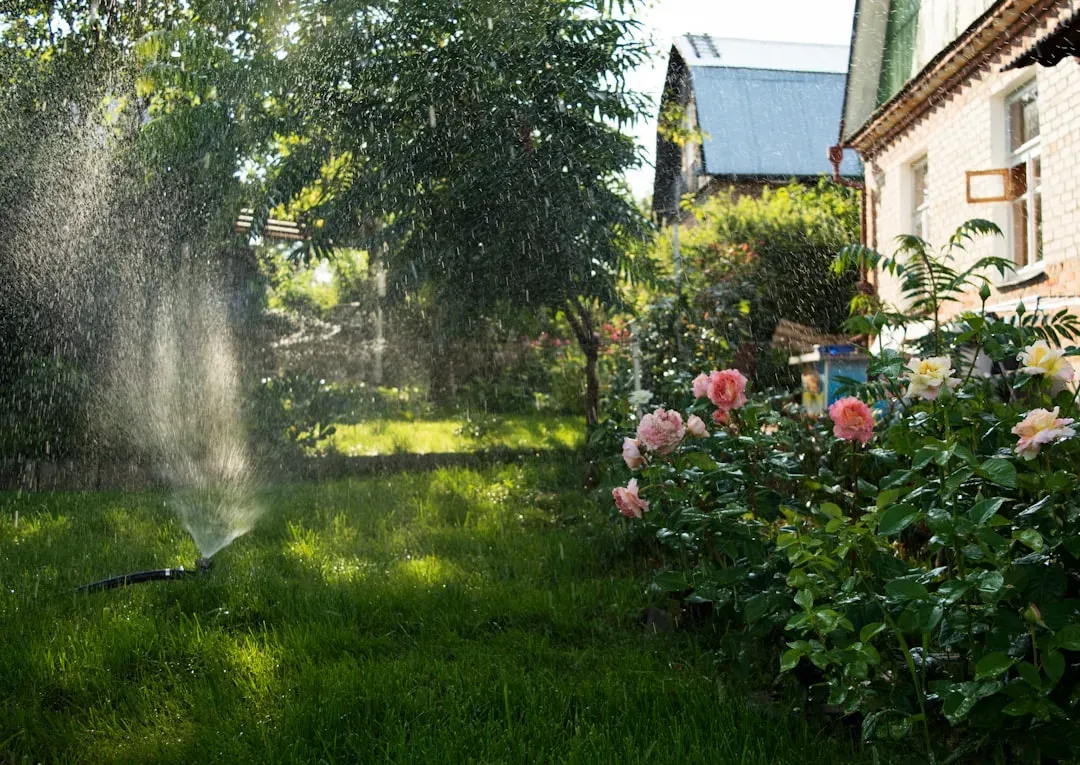
Even experienced gardeners get this one wrong. Timing your watering session really does matter, and midday watering during peak summer heat is genuinely counterproductive in ways that add up fast.
The best time to water your garden in summer is from 5 am to 9 am, before the heat of the day sets in, giving your soil plenty of time to drink up before the water evaporates and any moisture on leaves to dry off before nightfall. If watering in the morning isn’t possible, the next best time is from 5 pm to 8 pm.
Rapid evaporation from intense heat and wind causes most water to evaporate before it reaches roots, wasting water and leaving plants thirsty. Watering foliage that immediately heats can cause rapid temperature shifts in leaf tissues, which stresses cells, especially in tender or newly transplanted plants. Foliar disease risk is also lower with morning watering than with evening, and very hot midday wetting offers little disease benefit while losing water to heat.
Unless you live in an arid climate, try to avoid watering too late at night, as cool and wet conditions could encourage fungi and slime mold, lead to increased slug activity, and invite sow bugs, earwigs, and other pests into your garden. Morning watering really is the sweet spot. Early and deep. Every time.
Fertilizing Heat-Stressed Plants
Here’s a mistake that catches even seasoned gardeners off guard. You see your plants looking a little sad and pale in the July heat, and your instinct says they need a boost. So you fertilize. Honestly, this is one of the worst things you can do at that moment.
When summer’s heat is in full swing, the answer to whether you should fertilize plants in hot weather is generally no. If a lawn, ornamental plants, or fruits and vegetables are drought or heat stressed, summer fertilizing can do more harm than good.
Fertilizing in high temperatures can actually injure your plants by restricting their ability to take up water, resulting in physical burns and visible damage. Because plants are trying to conserve energy rather than grow during hot weather, they won’t actually be able to use the fertilizer you give them, causing them to become stressed due to all the extra nutrients. It’s like force-feeding someone who already has a fever. Their body simply cannot use it.
Fertilizers fuel new growth, and a heat-stressed plant simply cannot keep up with the pressure of putting out new leaves. An increase in the amount of water needed to move nutrients through a plant can also take its toll if a plant is already suffering from dry or inconsistently moist soil. Withhold the fertilizers, or apply a weaker diluted solution, until the weather cools off a bit and your plants have a chance to recover.
Pruning During a Heat Wave
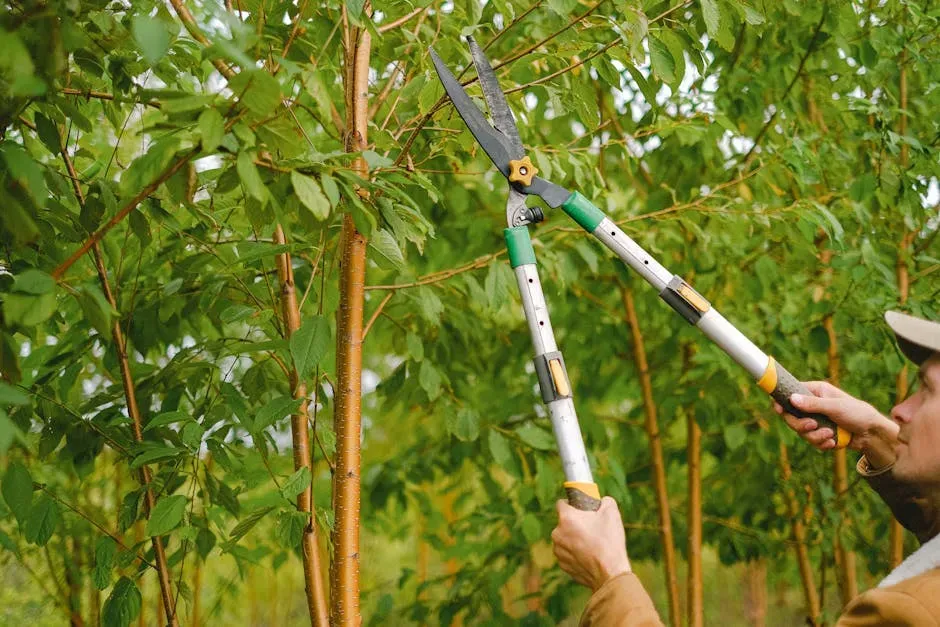
Summer often brings scraggly growth, dead-looking branches, and the urge to tidy everything up. The pruning shears come out, and things start to look worse pretty quickly. Pruning in intense summer heat is something the Desert Botanical Garden and multiple horticultural extension programs have flagged as a serious warm-season mistake.
When you start to see dead or dried foliage, your instinct is probably to prune it, but this would be a mistake. Pruning or thinning plants in high heat simply exposes the remaining healthy parts to the sun, making them more vulnerable to injury. Another reason not to prune in hot weather is because pruning stimulates new growth, and new growth is especially soft and vulnerable to heat. Cutting away branches in the hot sun increases the probability of heat damage for the growing parts of the plant.
Avoid or minimize pruning during drought and excessive heat. Removing branches can expose other branches that were previously shaded to direct sun and lead to sunscald. If too much of the canopy is removed through pruning, the plant has less foliage for photosynthesis. Do not shear plants in dry, hot weather as this will cause additional stress by removing foliage that may be scarce already and stimulate new growth.
Do not heavily prune your plants in summer heat. Pruning will encourage new growth, which is susceptible to burning if high temperatures return. Save the big cuts for fall or early spring, when plants can actually handle them.
Skipping Mulch or Applying It Incorrectly
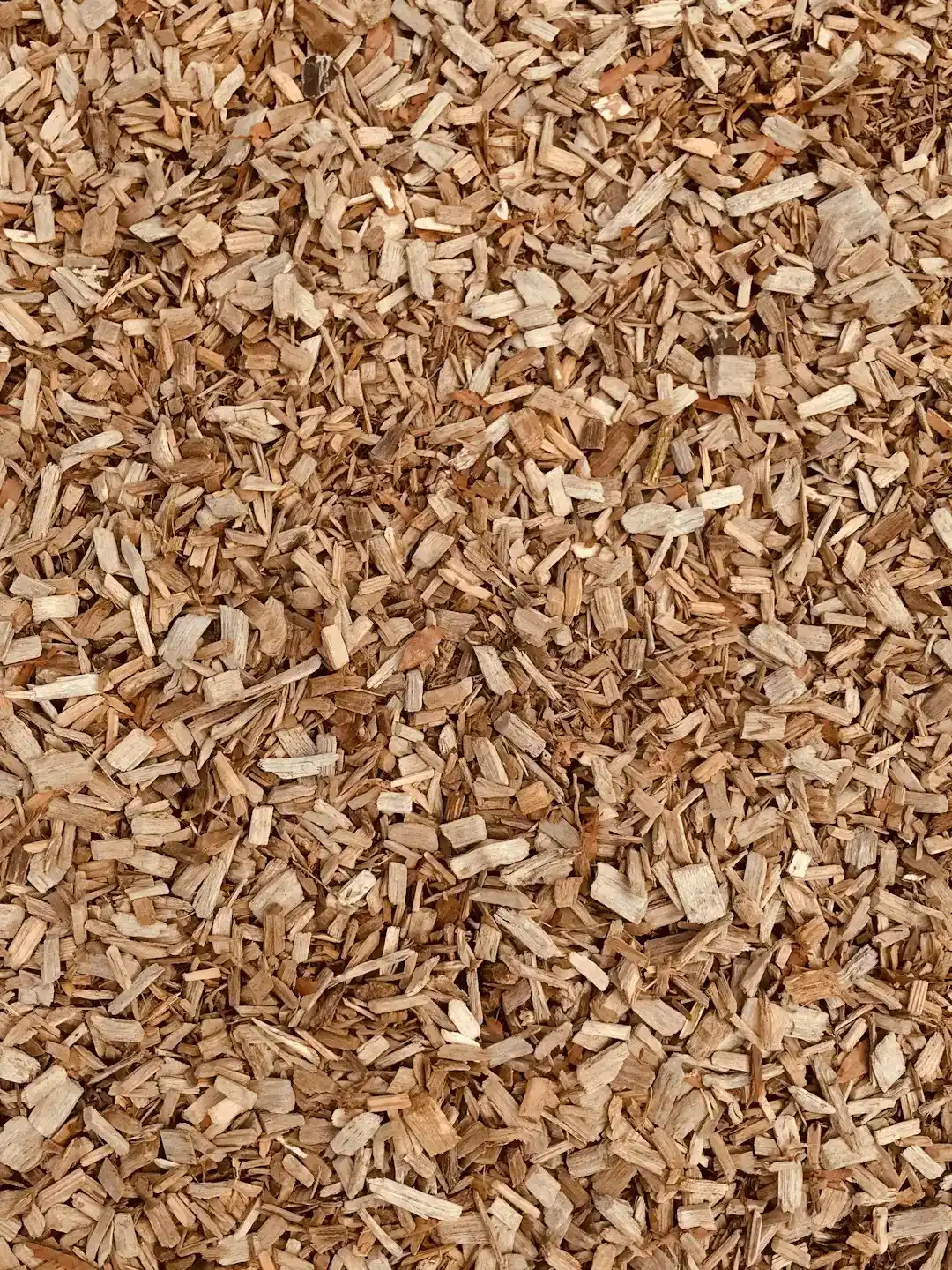
If there is one single thing that makes a dramatic, visible difference in a summer garden, it’s mulch. Yet so many gardeners either skip it entirely or apply it wrong and wonder why their beds still look stressed. This one has solid science behind it.
Using mulches and organic matter can help reduce the impact of drought by improving soil properties. Mulch’s particular ability lies in minimizing evaporation by roughly 28 to nearly 59 percent and controlling soil temperature by maintaining conditions at 2 to 3 degrees Celsius, thereby enhancing soil moisture significantly. Those are meaningful numbers for any gardener dealing with a dry July.
Roots are sensitive to extreme heat. Bare soil can reach high temperatures in direct sun, potentially damaging plant roots. Mulch insulates the soil, keeping it significantly cooler during the hottest part of the day, helping to reduce plant stress and encourage consistent growth through the summer.
Spread a layer of mulch about 2 to 4 inches thick around your plants, but be sure not to pile the mulch against the stems or trunks, as this can cause rot and attract pests. That last detail trips up a shocking number of people. Piling mulch against the trunk is often called a “mulch volcano” and it actually harms the very plants you’re trying to protect.
Overcrowding Plants and Ignoring Airflow
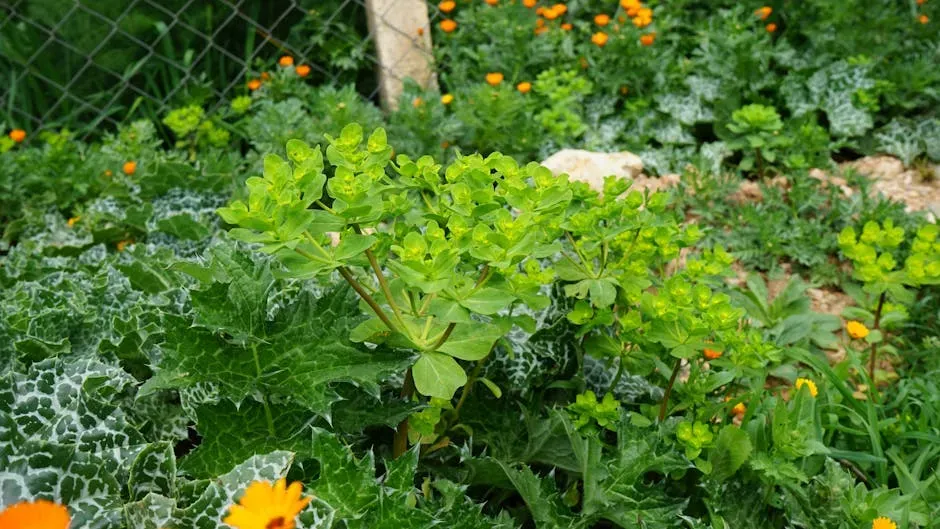
More plants sounds like more abundance, right? It’s a trap. Overcrowding is one of those mistakes that feels fine in spring but turns into a full disaster by mid-summer, especially when the heat and humidity arrive together.
Overcrowding in raised beds and planters leads to poor airflow, stressed plants, and increased pest problems. When plants are packed too closely together, moisture lingers on leaves, nutrients are competed for, and pests and diseases spread more easily.
Stuffing too many plants in because there’s still room left leads to tomatoes and peppers turning into a full jungle; poor airflow invites blight, and as a result yields tank. I’ve seen this happen in my own space, and it’s genuinely heartbreaking after all that work. A crowded garden is not a thriving one, it’s a stressed one waiting to collapse.
Leaving your soil bare, especially in the summer, will cause roots to overheat and encourage weed growth. Adding straw or wood chips mid-season will reduce watering in half and keep soil cool as well. Combine that with proper plant spacing and you have a genuinely resilient setup for the hottest months.
Growing the Wrong Plants for Your Climate’s Heat
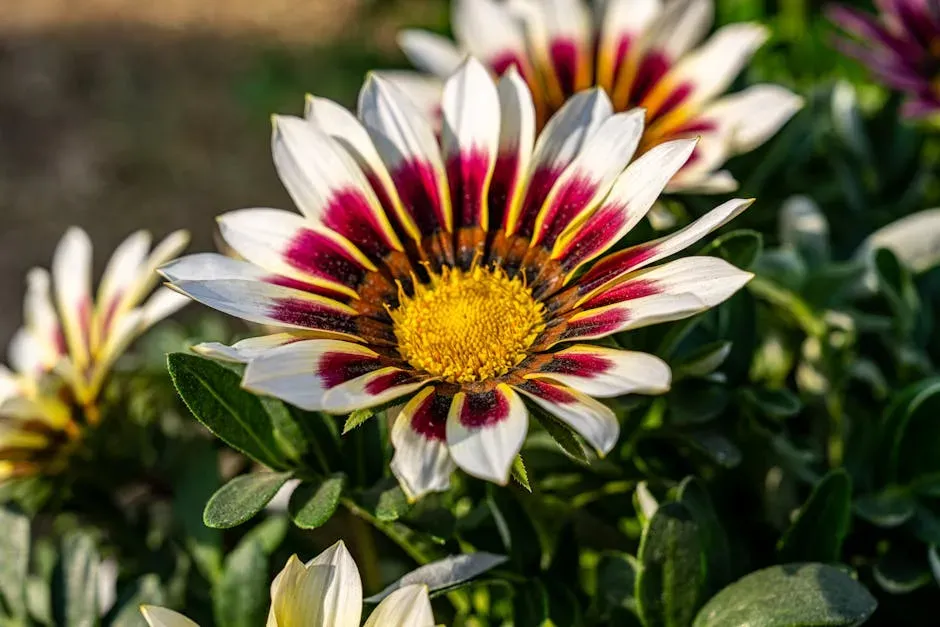
This one stings a little, especially for gardeners who fall in love with a particular variety and insist on growing it regardless of what the summer thermometer says. It’s hard to say for sure where passion ends and stubbornness begins, but the result in the garden is the same.
If you’ve ever really struggled to keep plants alive in July or August, you were most likely growing the wrong plants for your climate. The number one key to summer gardening success is filling your garden with plants that will actually like your weather.
The hot season is so hot that many plants struggle. Fruiting plants like tomatoes and cucumbers won’t be able to form fruit, and most leafy greens will bolt and go to seed. During this time, you’ll do best to remove warm-season plants and fill your garden with only plants that can tolerate hotter temperatures.
By planting more heat and drought-tolerant species, gardeners can help counteract the impacts of changing weather patterns, including increases in periods of drought and much hotter summers. Strategically selecting species for drought tolerance, as well as adopting waterwise gardening practices and utilizing gravel gardens or rain gardens, are tools that can mitigate the impacts of climate change. Choosing wisely from the start is so much easier than fighting nature all summer long.
Ignoring Early Pest Pressure During Heat Stress
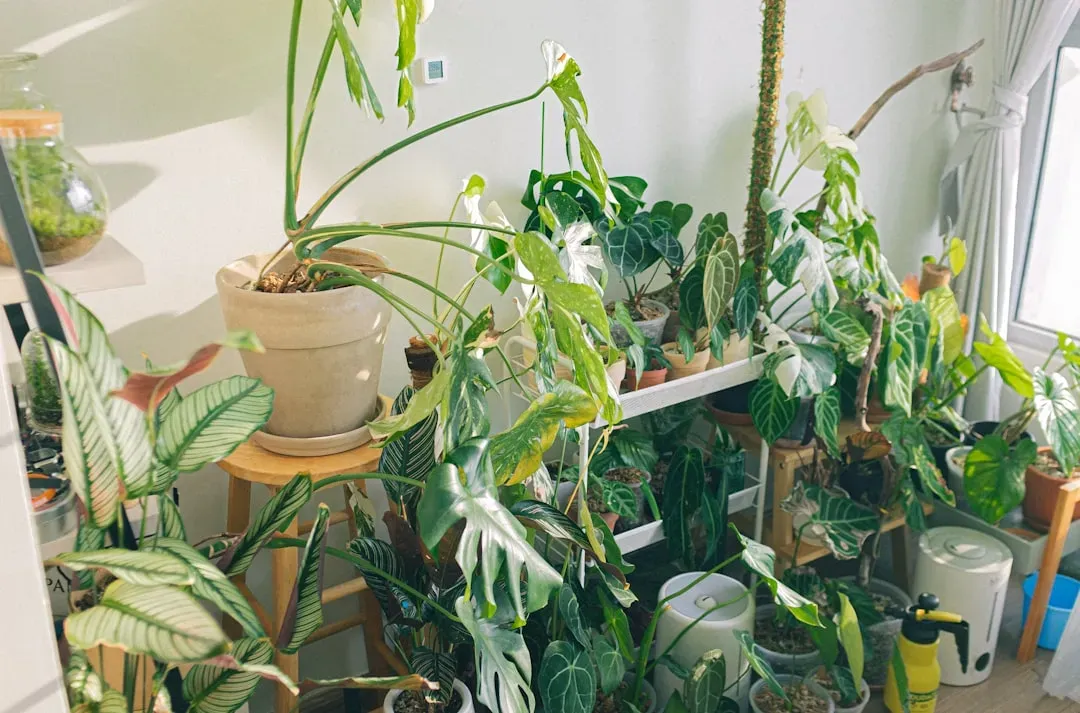
Heat-stressed plants are not just suffering on their own. They are actively broadcasting distress signals that every pest in your garden picks up on. Summer is when pest problems accelerate fast, and gardeners who miss the early signs pay a steep price later.
Heat-stressed plants are far more vulnerable to pests and diseases. This is not a minor concern. Think of a stressed plant like a person running a fever who suddenly has to fight off a secondary infection. The resources just aren’t there.
During a period of stress, it’s essential that your garden doesn’t have multiple stress-causing factors to deal with at once. When pests or diseases hit your plants at a time when they’re already stressed, it lowers their chance of recovery. During periods of heat, it’s essential that you refocus your pest control efforts and stay on top of regular inspections of your garden plants to ensure they’re not harboring the beginning of an infestation.
Missing aphids on melons in raised garden beds, for example, and not noticing them until much later means the infestation has already spread. Checking plants daily, especially those growing on trellises where pests are easy to miss, makes all the difference. A quick daily check takes two minutes. Recovering from a full infestation can take the rest of the season.