
Selling a home today is not the same game it was ten years ago. The housing market in 2025 and 2026 is a completely different beast compared to just a decade ago. Buyers have become sharper, more discerning, and less forgiving when they walk through a home and see something that screams “2014 Pinterest board.” What once closed deals over a weekend can now quietly derail a showing before the agent finishes the tour.
Existing home sales ended 2024 at 4.06 million, the lowest level since 1995, as the median price reached a record high of $407,500. With fewer transactions and buyers who have more choices than they did a few years ago, sellers simply cannot afford to leave outdated features on the table. Realtors across the country are flagging the same recurring culprits, and some of them might surprise you.
1. Oversized Soaking Tubs That Nobody Actually Uses
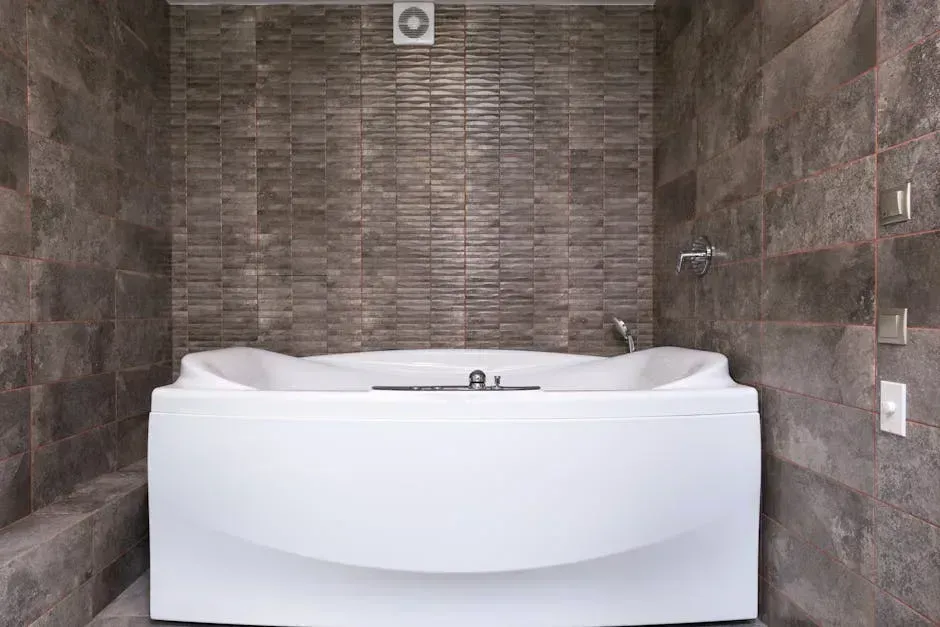
Many buyers now prioritize functionality, storage, and accessibility over indulgence. Realtors report that oversized tubs can consume valuable floor space, leaving less room for walk-in showers, cabinets, or flexible layouts that better accommodate daily routines. The idea of sinking into a giant tub after a long day sounds appealing in theory. In practice, most of these tubs collect dust and take up real estate that buyers would rather use for something else.
A 2025 report from Houghton Contracting highlights that bathroom remodels focusing on walk-in showers and water efficiency are generating a return on investment of roughly 60 to 70 percent, outperforming the installation of large soaking tubs. These oversized tubs are now viewed as “dust collectors” that take too long to fill and consume too much water, making them an eco-liability. In the 2026 “wellness” bathroom, the focus has shifted from soaking in a giant plastic basin to the efficiency and luxury of a high-end shower experience.
2. Formal Dining Rooms That Feel Like Wasted Square Footage
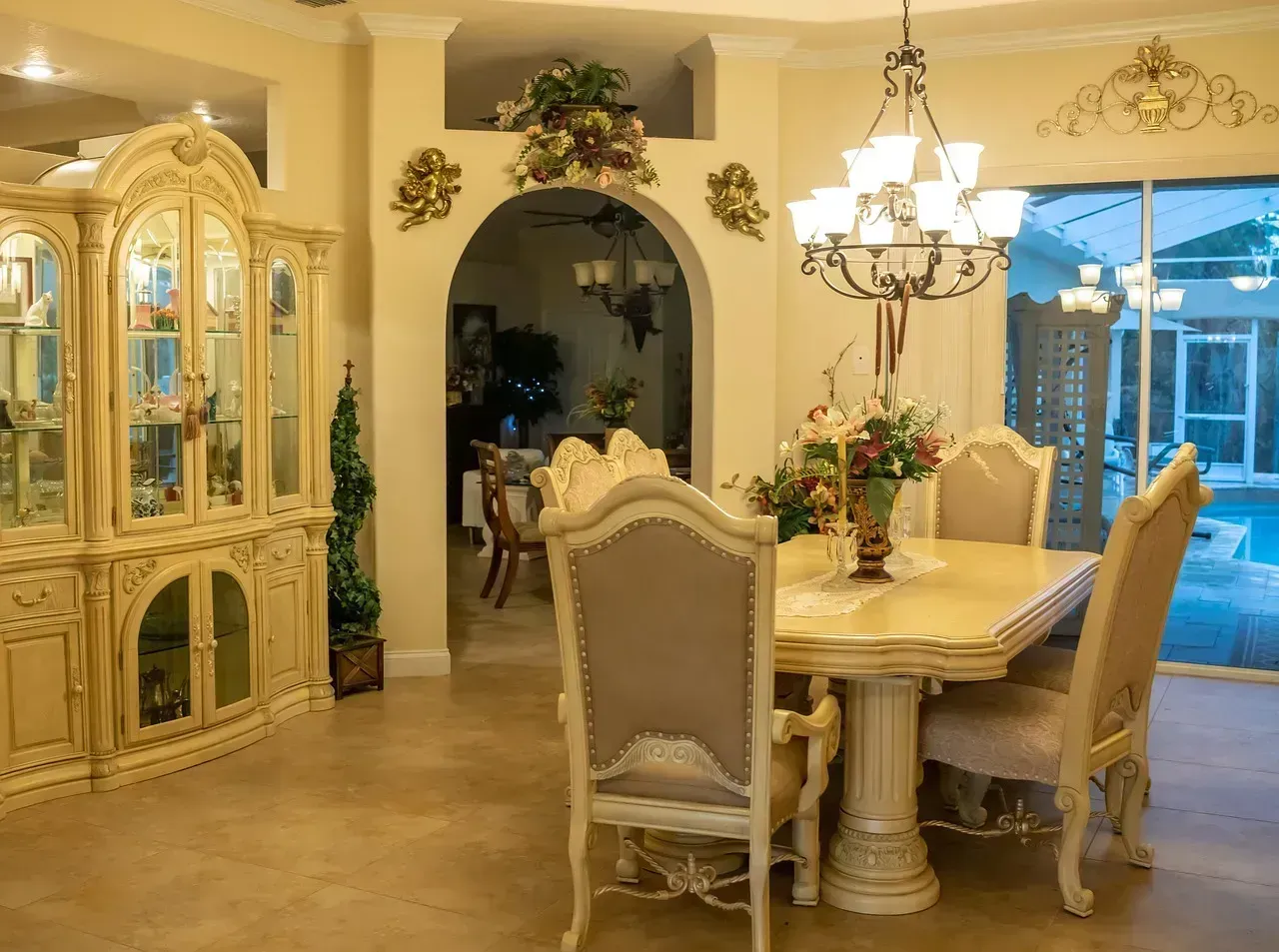
Formal dining rooms were long considered a standard feature in single-family homes, representing status and tradition. Today, however, many buyers see these spaces as underutilized or impractical. The post-pandemic era has emphasized flexible living, with homeowners needing areas that accommodate work, casual dining, and family activities. A room used three times a year for holiday dinners rarely sells a house anymore.
A trend report released by Realtor.com in late 2025 revealed that listings featuring formal dining rooms with built-ins saw a 25.3 percent year-over-year decline, signaling a massive drop in buyer interest. Many buyers see it as wasted square footage, especially when open-concept kitchens with eat-in islands are more practical. With more families eating on the go or gathering casually, a closed-off dining room feels outdated. Buyers now prefer multipurpose spaces that can serve as offices, playrooms, or flex rooms.
3. Wall-to-Wall Carpet, Especially in Bathrooms
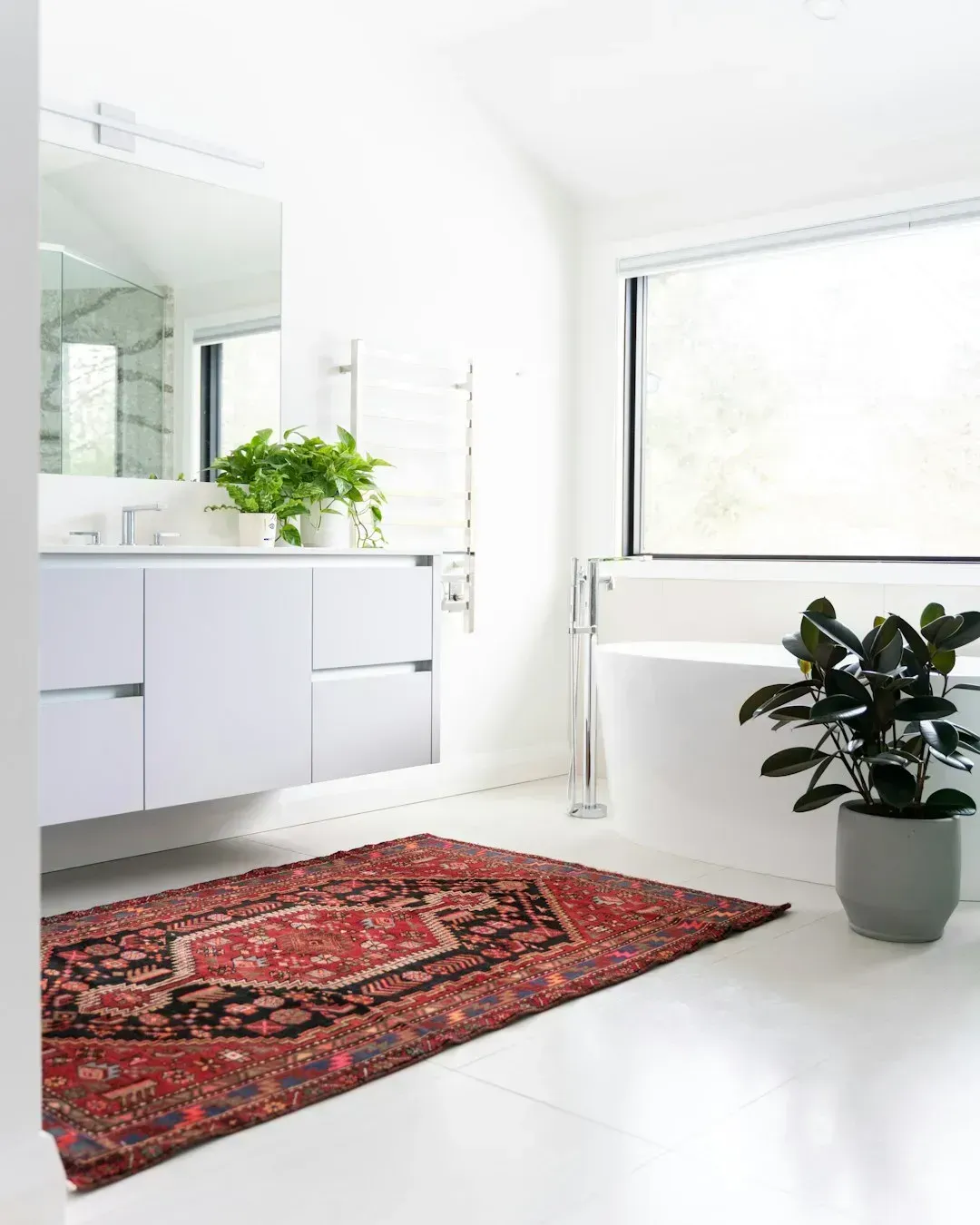
Carpet used to be the ultimate luxury, soft, cozy, and found in every room from the bedroom to the dining room. In 2025, this once-coveted flooring choice has become one of the biggest red flags for potential buyers. What was once considered a luxury is now widely regarded as a dust trap that is a nightmare to keep clean. The shift is especially stark in bathrooms, where carpet is now seen as a hygiene problem rather than a comfort feature.
Carpeted bathrooms in particular are now considered unhygienic because they trap moisture and can contribute to mold and bacterial growth. Home inspectors routinely note them as a sanitation risk. Modern buyers prefer tile or sealed flooring materials that meet current moisture-resistance standards. Today’s health-conscious buyers prefer hardwood floors or luxury vinyl plank that is easy to clean and does not harbor allergens. According to Realtor.com, home buyers prefer hardwood. Buyers with allergies tend to look for hardwood because it does not harbor dust like carpet does.
4. Popcorn Ceilings That Date a Home Instantly
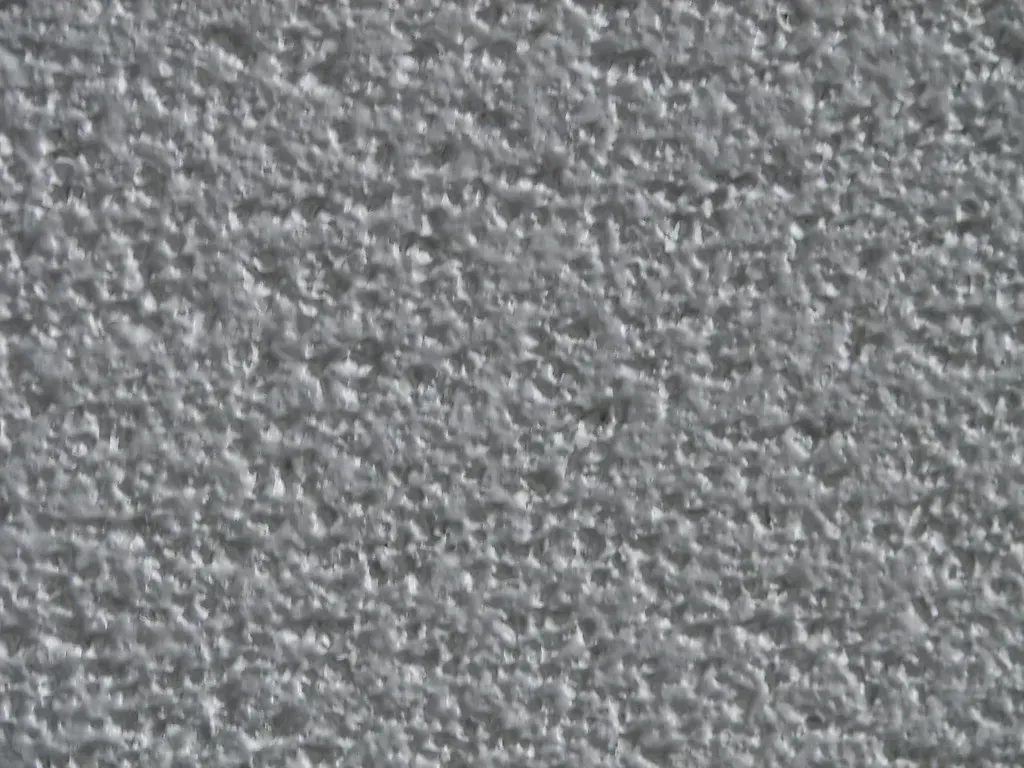
Once a popular ceiling finish from the 1950s through the 1980s, popcorn ceilings are now widely considered unattractive and obsolete. In today’s housing market, especially among modern buyers, popcorn ceilings often stand out for the wrong reasons. Popcorn ceilings, with their bumpy, uneven texture, instantly date a room and signal that a home may not have been updated in years. Even if a home features modern kitchens, bathrooms, or flooring, a popcorn ceiling can give the impression that updates are incomplete or superficial.
Many homebuyers perceive popcorn ceilings negatively, which can have a detrimental impact on resale value even when other features in your home are highly desirable. There is also a health dimension that raises the stakes further. Many homes built before 1980 with popcorn ceilings may contain asbestos, which was commonly used to enhance durability and fire resistance. The hazardous mineral fiber can cause serious health problems. If you are aware of asbestos being used in your popcorn ceilings, laws in your area may require you to disclose that fact to buyers.
5. Granite Countertops That Feel Heavy and Dated
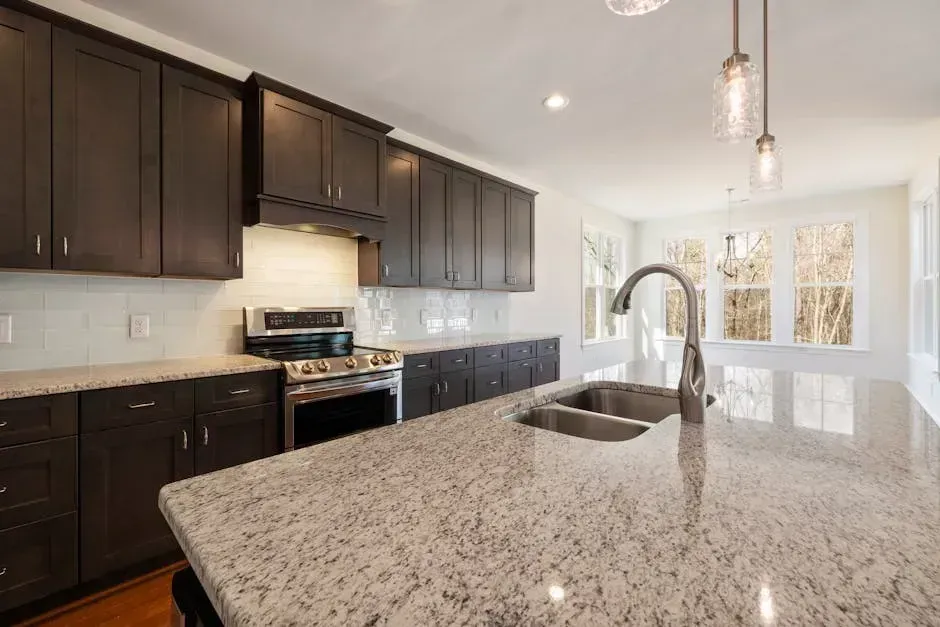
For decades, granite was the undisputed king of kitchen renovations, but its reign has officially ended. Buyers are now rejecting the busy, speckled look of granite in favor of cleaner, lower-maintenance materials that fit modern aesthetics. The requirement to seal natural stone annually is a chore that today’s low-maintenance homeowner is happy to leave behind. Once a reliable signal of a premium kitchen, dark granite now reads as dated to many buyers touring homes in 2026.
Dark granite used to be a sign of an upscale kitchen, but trends have moved on. Today’s buyers want light, bright spaces, and that includes countertops. White quartz, butcher block, or soft veining is now the preferred look. Dark granite can make a kitchen feel dated and heavy, even if the layout is modern. The National Kitchen and Bath Association’s 2026 forecast reported that 78 percent of professionals now favor quartz for its durability and consistency.
6. All-Gray Everything That Has Aged Almost Overnight
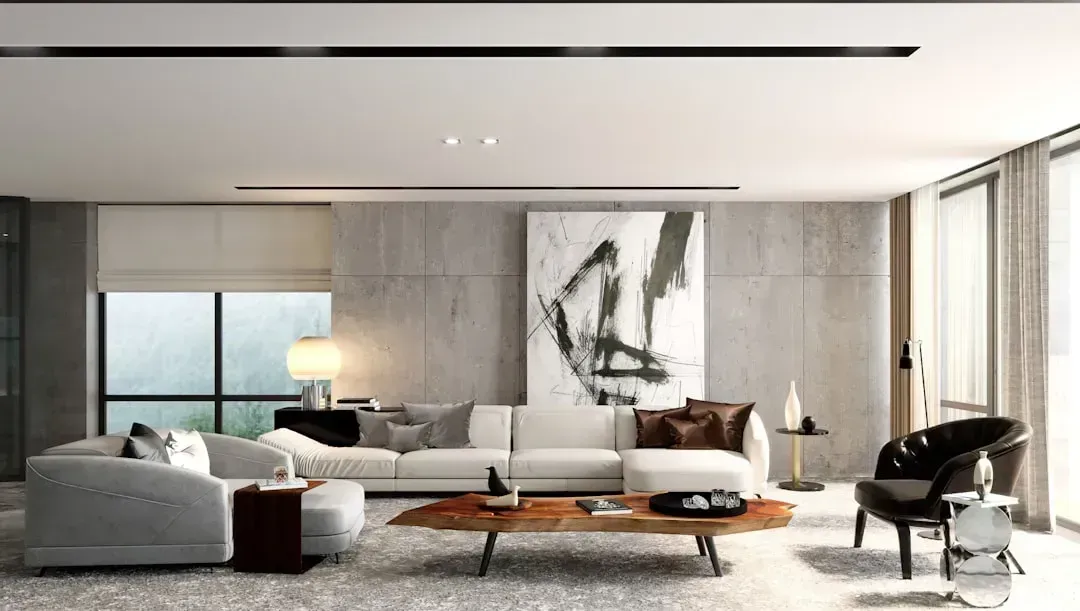
For years, gray was the safe bet. Gray walls. Gray cabinets. Gray floors. It was everywhere, and for a while, it genuinely looked clean and sophisticated. Then something shifted, and suddenly all that gray started feeling like a waiting room. Investors and home flippers leaned heavily on the gray palette because it felt universally inoffensive. Now, buyers process it as cold and uninspired.
Buyers now see all-gray interiors as cold, outdated, and overdone. The monochromatic approach that once felt sophisticated now reads as uninspired and sterile. Color predictions heading into 2025 leaned into bold, nature-inspired hues. White kitchens are being replaced with warmer wood tones. Two-toned cabinetry, statement islands, and bold countertops are the preferred alternatives. Warm wood cabinets mixed with painted elements like deep green, navy, or beige are making kitchens feel more unique and inviting.
7. Barn Doors That Look More Like a Trend Than a Feature
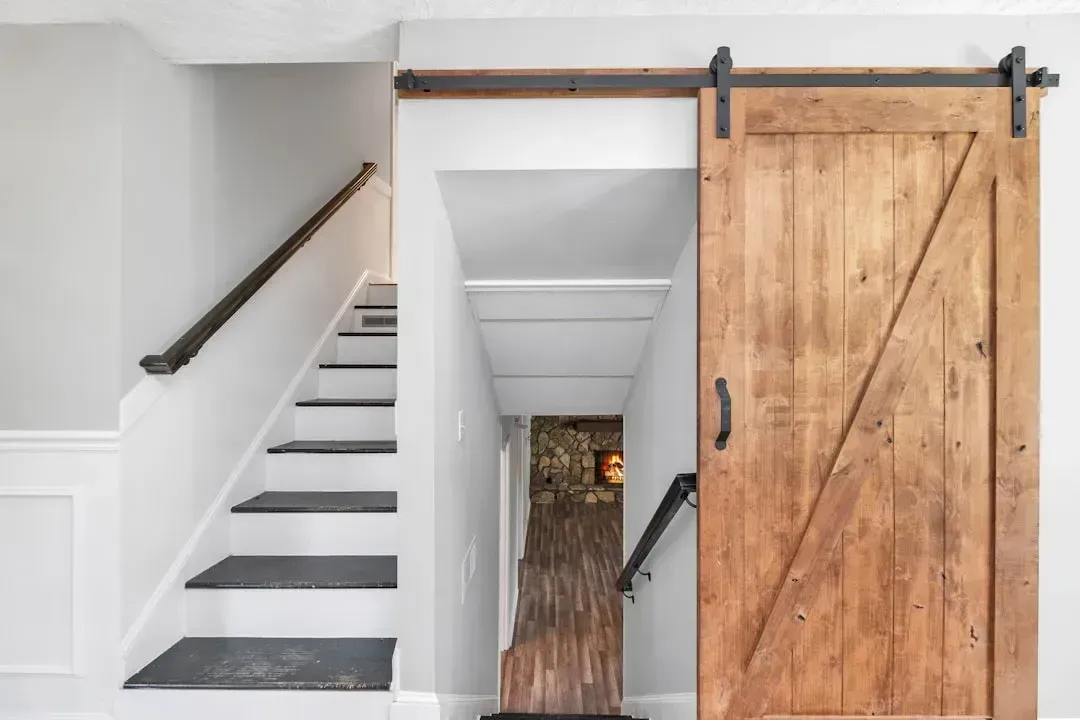
For the last decade, farmhouse design dominated house flips, with shiplap walls, barn doors, and rustic beams defining the look. In 2025, the overly rustic-chic aesthetic is officially outdated. Buyers are moving towards sleek, modern, and transitional designs that feel less theme-heavy. The barn door had a real moment, but that moment has passed in most markets.
Once trendy, barn doors are now increasingly polarizing. They do not offer much privacy or sound control, and buyers are noticing. What buyers prefer instead are pocket doors, traditional hinged doors, or modern sliding options that blend better with the architecture of the home. The sliding barn door trend of the 2010s was one of the biggest modern farmhouse elements copied everywhere, but buyers began realizing there was little practical reason to replicate a barn in a home, especially on bathrooms where the sliding door never really closed or provided any privacy.
8. Overly Bold or Permanent Wallpaper
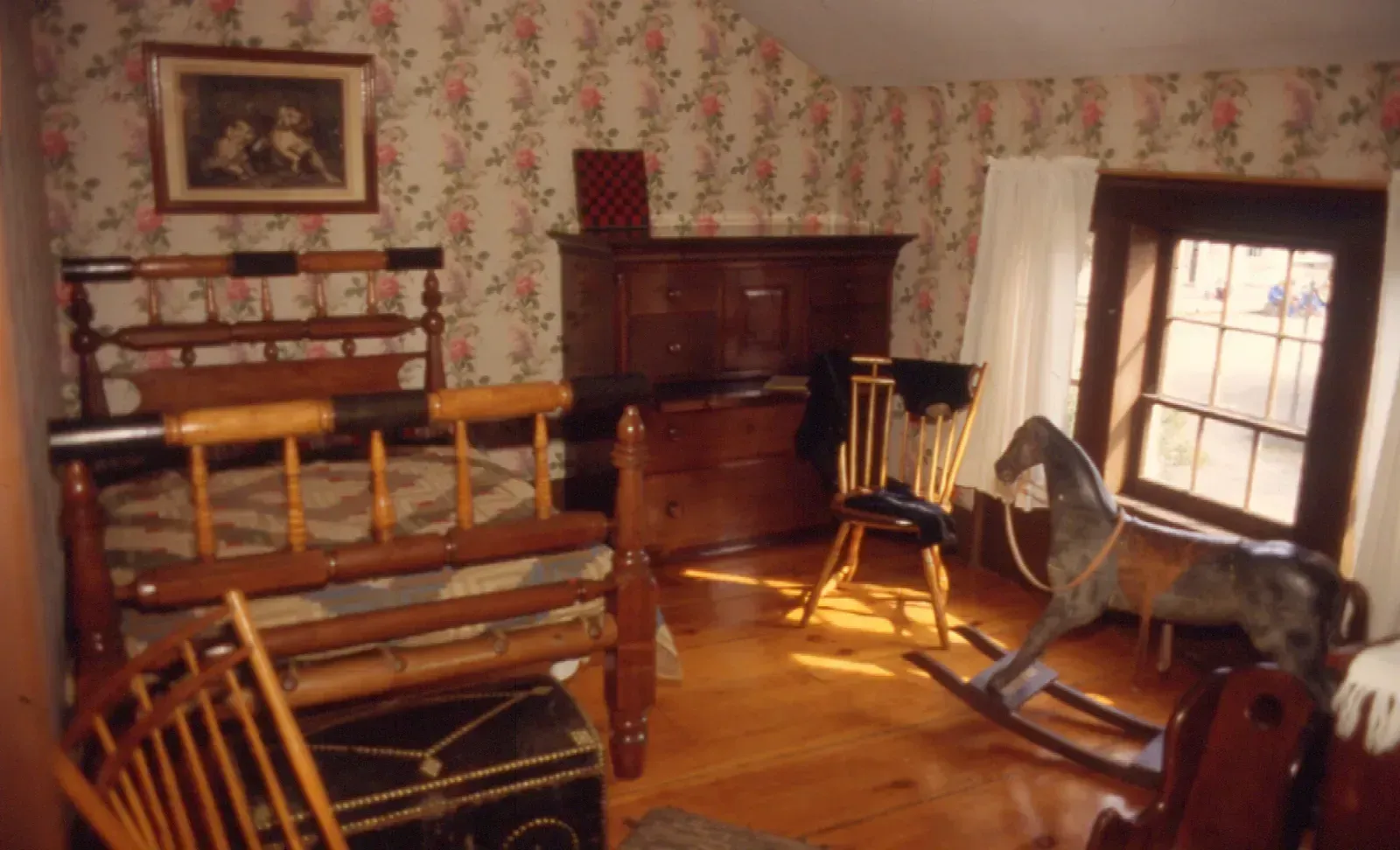
While the “grandmillennial” and “maximalist” trends brought wallpaper back into fashion, permanent, high-impact wallpaper is a major turn-off for move-in-ready shoppers. Real estate agents note that while bold patterns look great in photos, they dictate a very specific style that rarely matches a buyer’s personal furniture. A dramatic botanical print in the living room may photograph beautifully, but it immediately triggers mental math for buyers calculating how many weekends they’ll spend removing it.
While peel-and-stick options have their niche, permanent wallpaper is increasingly seen as a hassle that buyers simply do not want to inherit. The labor-intensive process of steaming and scraping old paper is a project that scares off move-in-ready shoppers who fear what damage might hide beneath. A freshly painted neutral wall allows buyers to envision their own life in the space, whereas bold wallpaper dictates a specific style they may hate. According to a 2025 market analysis from Vancouver Home Hub, homes with outdated or damaged wallpaper can deter buyers, while removing it and applying fresh paint significantly improves buyer perception and offers a strong return on investment.
9. Double Wall Ovens That Have Lost Their Prestige
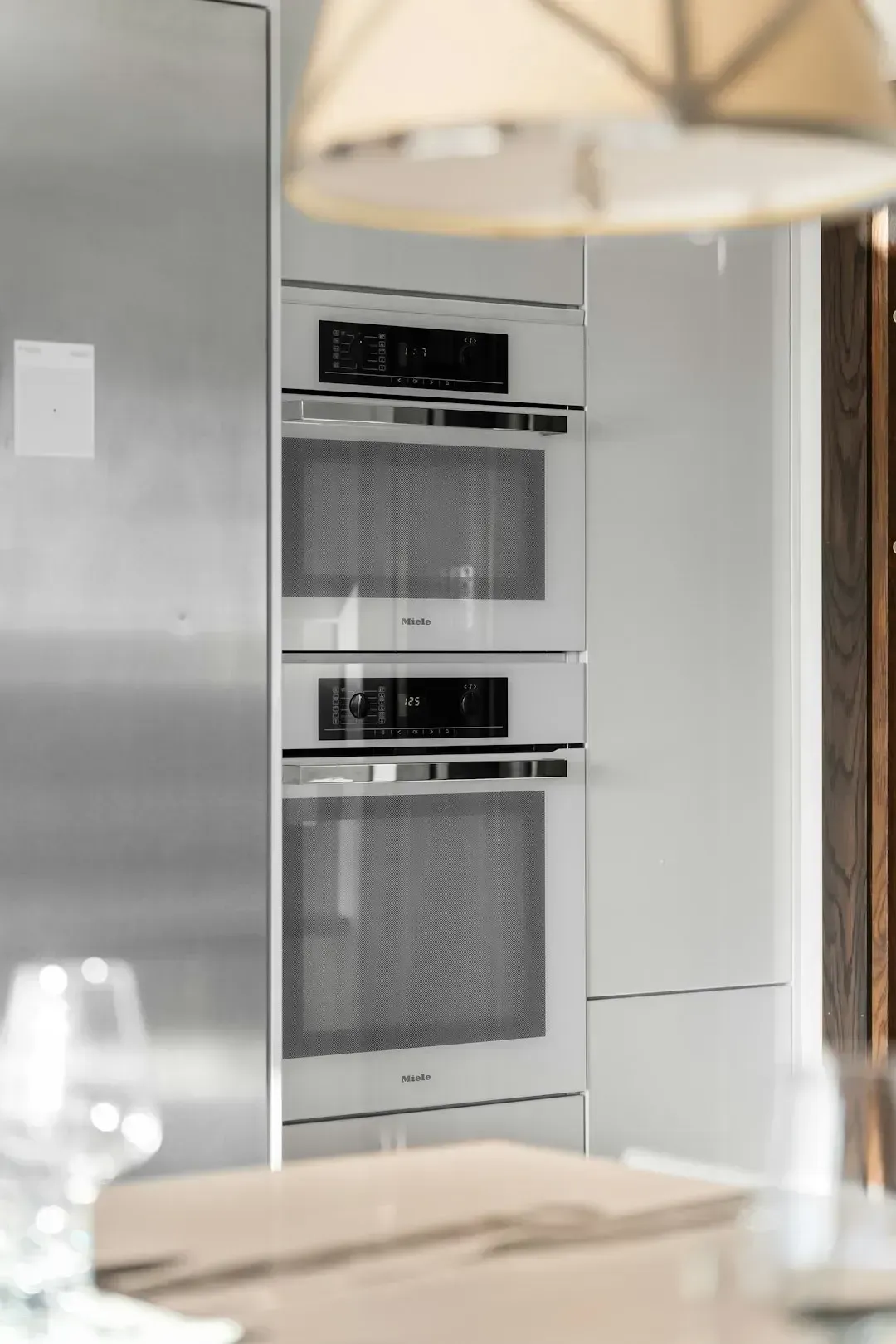
The prestige of the double oven is fading as kitchen technology advances and cooking habits change. Unless a buyer frequently hosts massive holiday dinners, sacrificing cabinet space for a second oven used only twice a year no longer makes sense. Countertop air fryers and multifunctional smart appliances have rendered the second wall oven largely obsolete for the average American family. Today’s buyers are not impressed by a second oven; they’re more interested in what it replaced.
Kitchen real estate is precious, and buyers in 2026 are prioritizing pantry space and coffee bars over redundant cooking capacity. Data from the 2025 Zillow Zeitgeist, which analyzes millions of natural-language searches on the platform, shows that buyers increasingly focused on adaptable living spaces and features that support daily routines. Interest shifted away from square footage and high-end amenities while moving toward homes that feel functional, flexible, and personal. A double wall oven fits neither of those priorities for most households in 2026.