
There is something almost surreal about the idea that a dusty, forgotten skillet sitting in grandma’s kitchen cabinet could be worth more than a brand-new laptop. Yet that is exactly what is happening across thrift stores, estate sales, and online auction platforms right now. In 2025, what’s old is new again when it comes to the kitchen, with millennials and Gen Zers actively seeking vintage dinnerware, old cookware, cookie jars, and retro appliances.
The hunt is real, and it’s getting more serious by the year. Collectors are quietly combing through flea markets and Etsy listings, armed with knowledge most people simply don’t have. What they’re looking for might be sitting in your home right now. Let’s dive in.
1. Griswold Cast Iron Skillets – The Crown Jewels of Vintage Cookware
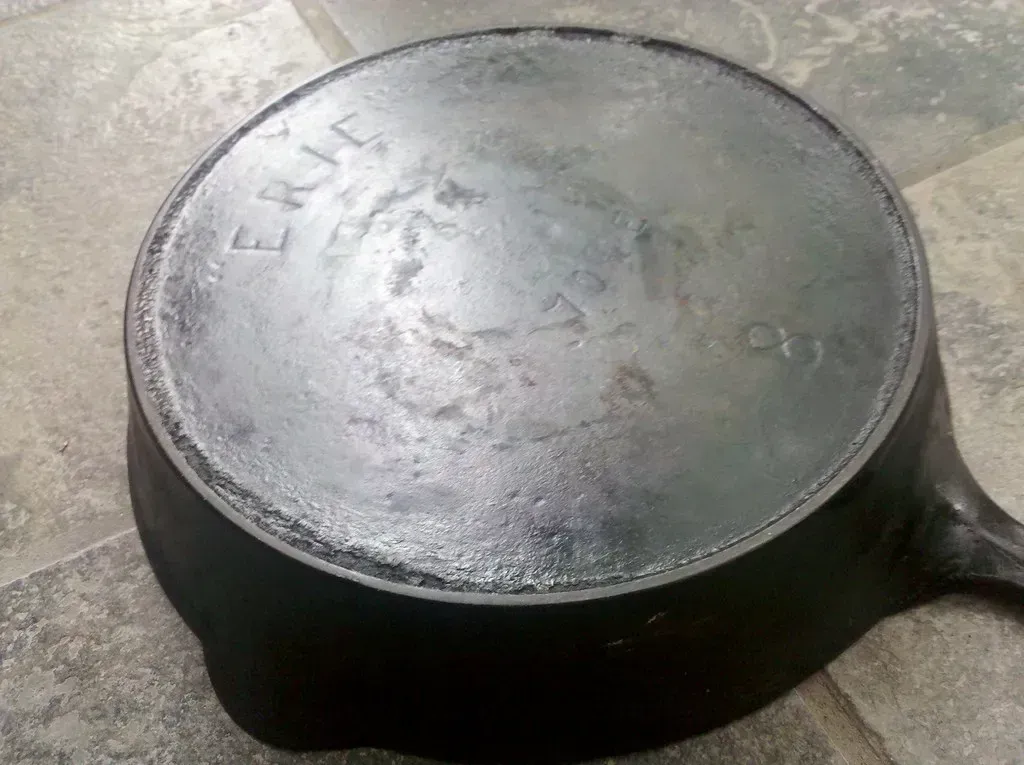
Honestly, if there is one item on this list that can make your jaw drop, it’s a rare Griswold cast iron skillet. Among cooks and collectors, two brands stand out as the very best: Griswold and Wagner. Griswold Manufacturing was founded in 1865 in Erie, Pennsylvania, originally producing hardware like hinges before moving into cast iron cookware. What came next was nothing short of legendary craftsmanship.
What made its skillets special was their exceptional quality – they’re far lighter than modern cast iron with a silky-smooth surface that can fry an egg with no sticking at all. Today, these skillets can fetch thousands of dollars, and pieces marked “ERIE, PA” were made before 1957 at the company’s original factory and are especially valuable. Think of it like buying a first-edition book versus a reprint: the provenance matters enormously.
In August 2024, one Griswold spider skillet, also stamped with an all-caps “ERIE” for where the company was founded, sold for $10,000 at auction. In December 2024, a vintage Griswold #14 skillet with a front-pour spot sold for $3,249, and a #13 with a slant logo sold for $2,799.99. A vintage Lodge #12 skillet sold for $1,280, while a vintage Wagner Ware #13 skillet sold for $949 in November 2024.
Well-maintained cast iron cookware that retains its original seasoning and has minimal rust or damage can fetch higher prices, and Etsy is currently selling a Griswold cast iron skillet for $4,999.99. Condition is everything. A little surface rust is not a death sentence for value, but cracks and warping certainly are.
2. Vintage Pyrex – The Colorful Kitchen Collectible With a Cult Following
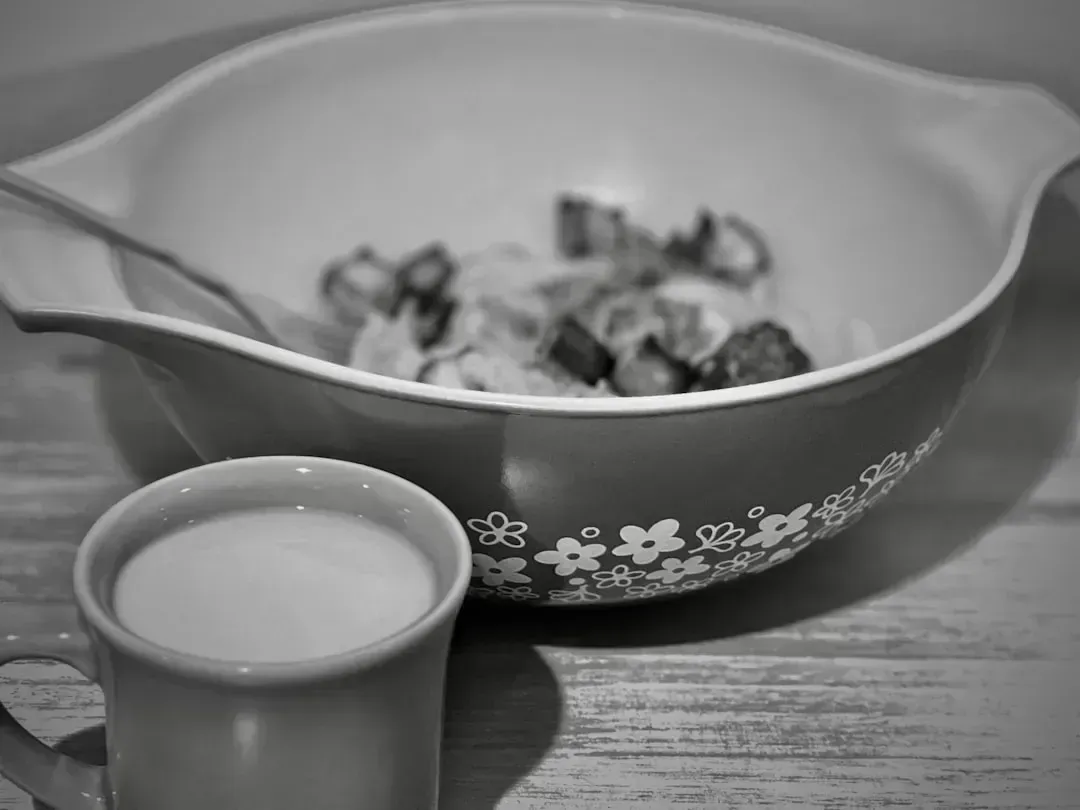
Vintage Pyrex has made a major comeback in recent years, especially among millennials and Gen Z collectors on TikTok, and it’s easy to see why: Pyrex is beautiful and practical. With its cheery colors, whimsical patterns, and durable designs, it’s the kind of vintage item that looks great on a shelf and still works perfectly in the kitchen. I think that dual appeal – useful AND gorgeous – is exactly why collectors can’t get enough of it.
Manufactured since 1915 by New York-based Corning Glass Works, Pyrex items were frequently released in limited-edition batches. Seasonal patterns and ever-rotating new designs mean there are more vintage Pyrex patterns than you can imagine, and The Pyrex Collector lists 173 vintage Pyrex patterns in its database. That’s a rabbit hole most collectors happily fall into.
A green “Spring Blossom” butter dish sold for $20.99 in December 2024, but compare this to a rare orange “Barcode” casserole dish that sold for $1,995 in November 2024, or a rare “Butterprint” dish featuring the Lady on the Left that sold for $3,050. Complete sets regularly sell for upwards of $500.
Standard patterns were manufactured for at least two years, while promotional patterns were only featured on a limited number of pieces for a limited time. Promotional Pyrex patterns can be quite expensive, and in fact the Pyrex pattern most in demand can go for upwards of $4,000 – it’s called Lucky in Love. Find one of those at a garage sale and you’ve basically won the lottery.
3. Vintage KitchenAid Stand Mixers – More Than a Baking Helper
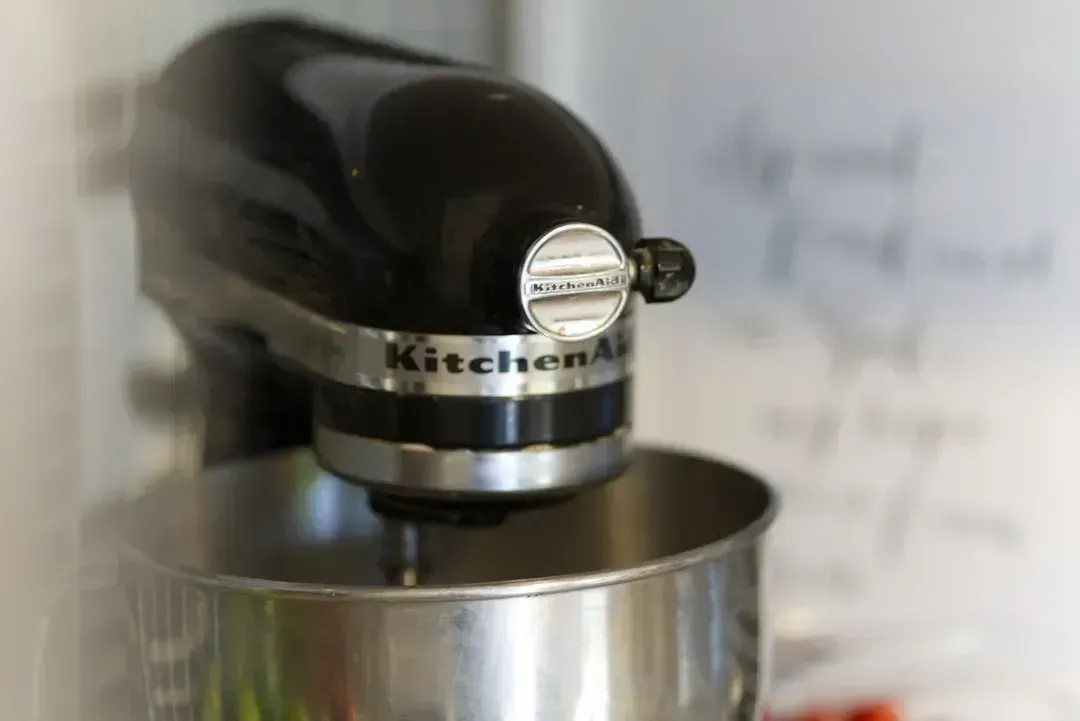
Early models from the 1930s and 1940s are especially valuable. The Model H from 1941, with its pastel colors and Hobart-style design, is particularly sought after. Mixers from the 1950s and 1960s can also bring high prices if they work well and retain their original parts. These machines were built during an era when appliances were made to outlast the people who bought them.
One of its most appealing traits is the interchangeability of its attachments, which can be used on any KitchenAid mixer. The postwar period added additional appeal by making models available in a wide range of colors. The Model Ks made between the 1930s and 1950s have proven incredibly durable, and collectors are keen on them.
Some of those vintage KitchenAids are now worth far more than modern models. Older mixers in popular colors can fetch between $150 and $500 on sites like eBay, while rare Hobart versions like the H-5 and G can sell for even more if they’re in good condition. Even later vintage models without the Hobart label can be valuable, thanks to their durable construction and timeless design. Here’s the thing: a non-working vintage mixer can still hold collector value if the body and color are intact.
Model K mixers from that period can sell for hundreds, even thousands of dollars, with one selling for $5,000 at auction. That’s a staggering sum for something that once lived under a kitchen counter, used mainly to mix birthday cake batter.
4. Vintage CorningWare – The Accidental Kitchen Icon Worth Thousands
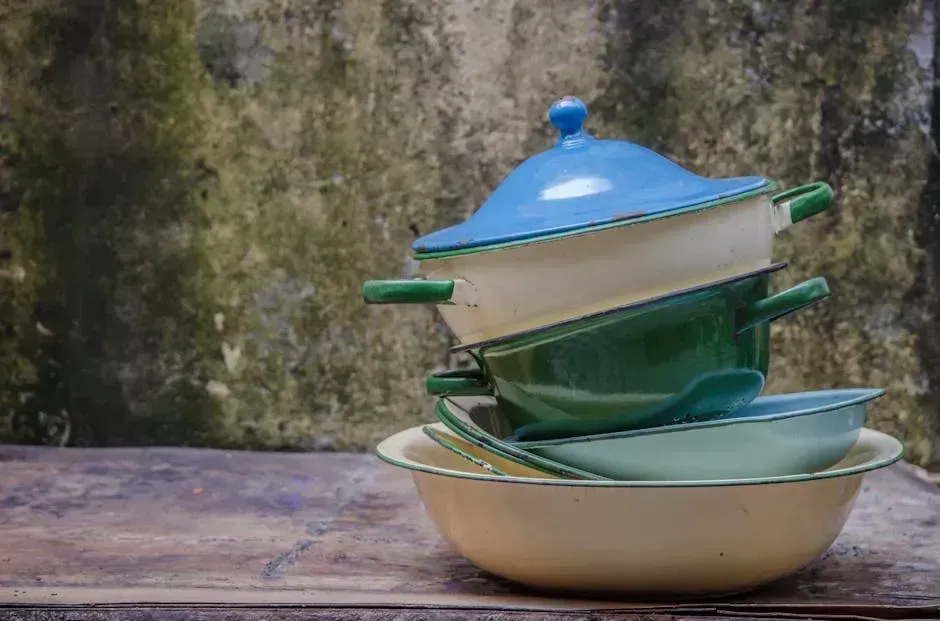
Pyroceram, the glass-enamel material behind CorningWare, was discovered by accident. Its inventor, S. Donald Stookey, accidentally overheated a piece of photosensitive glass, only to find it had gone white, retained its structure, and didn’t break when dropped. The resulting product was originally put to military use, but Corning later used it in a line of cookware it dubbed CorningWare. These dishes could be used for cooking, baking, freezing, or serving. Not bad for a kitchen accident.
Popular in the 1970s, vintage CorningWare dishes in common patterns like Cornflower and Spice O’ Life usually sell for around $20 per piece today. Rare colors and patterns, however, can go for as much as $10,000. Keep an eye out for the flame logo and “Made in USA” markings, as these little details are your ticket to spotting a genuine vintage gem.
Vintage CorningWare, especially pieces from the 1950s and 1960s, has become increasingly collectible in recent years. Rare patterns like “Wildflower” and “Floral Bouquet” are particularly prized. A complete set of vintage CorningWare in good condition can sell for hundreds or even thousands of dollars, and even individual pieces can be worth a pretty penny.
Even some cornflower dishes, if they’re old enough and in good enough condition, can command a high price. Sellers on Etsy have listed 1950s CorningWare for $23,000. That’s not a typo. The market for this stuff is absolutely wild right now.
5. Jadeite Glassware – The Minty Green Kitchen Treasure

Vintage jadeite glassware, made by companies like Fire-King and McKee, became a staple in Depression-era and postwar kitchens thanks to its cheerful hue and durable design. It’s a pretty remarkable story: glassware born out of economic hardship is now one of the most coveted collectibles in the antique market. There’s a certain poetry in that.
Jadeite dinnerware is a cherished collectible, beloved for its vibrant green hue and classic mid-century design. Originally produced by companies like McKee and Jeannette Glass from the 1940s to the 1960s, this glassware was often used in diners and homes, giving it a nostalgic appeal. Jadeite pieces, including plates, cups, and mixing bowls, are now coveted by collectors.
Collectors looking for vintage wares can distinguish older jadeite by the manufacturer’s mark, embossed patterns, and for prewar jadeite, a black-light glow due to uranium present in the glass. Vintage jadeite is a popular collectible found in all sorts of markets. The condition of the dishes wildly affects their price, and Fire King jadeite can sell for as little as $5 or as much as $1,000, with pristine limited-manufacture pieces going north of $5,000.
Rare pieces like cake stands or salt and pepper shakers can sell for hundreds of dollars, and even more common items like coffee mugs or dinner plates can be worth $50 or more apiece. Look for pieces marked “Fire-King” or “McKee,” as these are often the most valuable. It’s hard to say for sure, but I think jadeite’s appeal comes down to its sheer visual warmth – it glows like sea glass in sunlight.
6. Vintage Le Creuset – The Discontinued Colors That Drive Collectors Wild
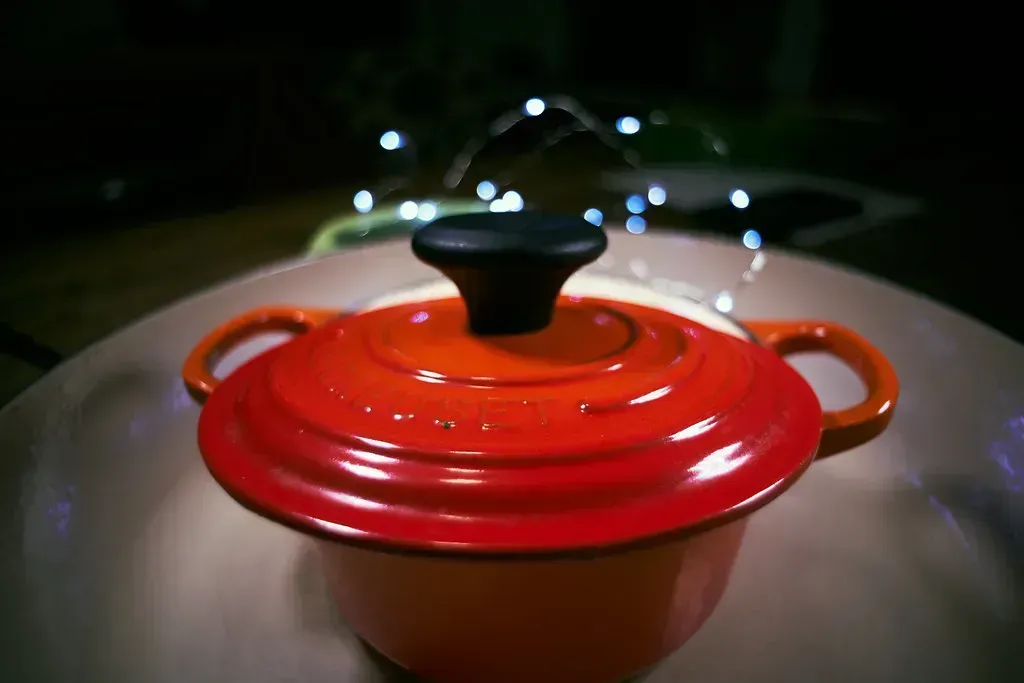
Le Creuset has been around since 1925, and their signature color, Flame, is a bright orange-red that many people recognize. Over the years, they introduced many other colors, making them a stylish addition to any kitchen. Most people think of Le Creuset as simply “that expensive pot.” Collectors think of it as a color archive worth hunting obsessively.
Age doesn’t always knock down the value. The company has gone through many colors in its time, some of which have been discontinued, making them rare and collectible. Design changes have also moved the handle from an integrated part of the lid to a separate black knob. A vintage piece, even with a bit of damage, can sell for around as much as brand-new Le Creuset at auctions and vintage shops.
Le Creuset has been making high-quality cookware since 1925, and their vintage pieces are highly sought after. If you have an old Le Creuset pot or pan, it could be worth a significant amount of money. Some of the rarer colors or designs can fetch hundreds, or even thousands, of dollars online. Think of it like a rare sneaker colorway – scarcity and nostalgia create an almost irrational demand.
Cathrineholm enamelware is also celebrated for its striking designs and high-quality craftsmanship, particularly known for the iconic lotus flower pattern. Produced in Norway from the 1950s to the 1970s, this enamel cookware features vibrant colors, most notably the signature green and white lotus motif on a glossy background, making it a sought-after collectible among vintage enthusiasts. Enamelware as a category is genuinely exploding in collector circles.
7. Antique Coffee Grinders – Old Machines, Surprising Prices
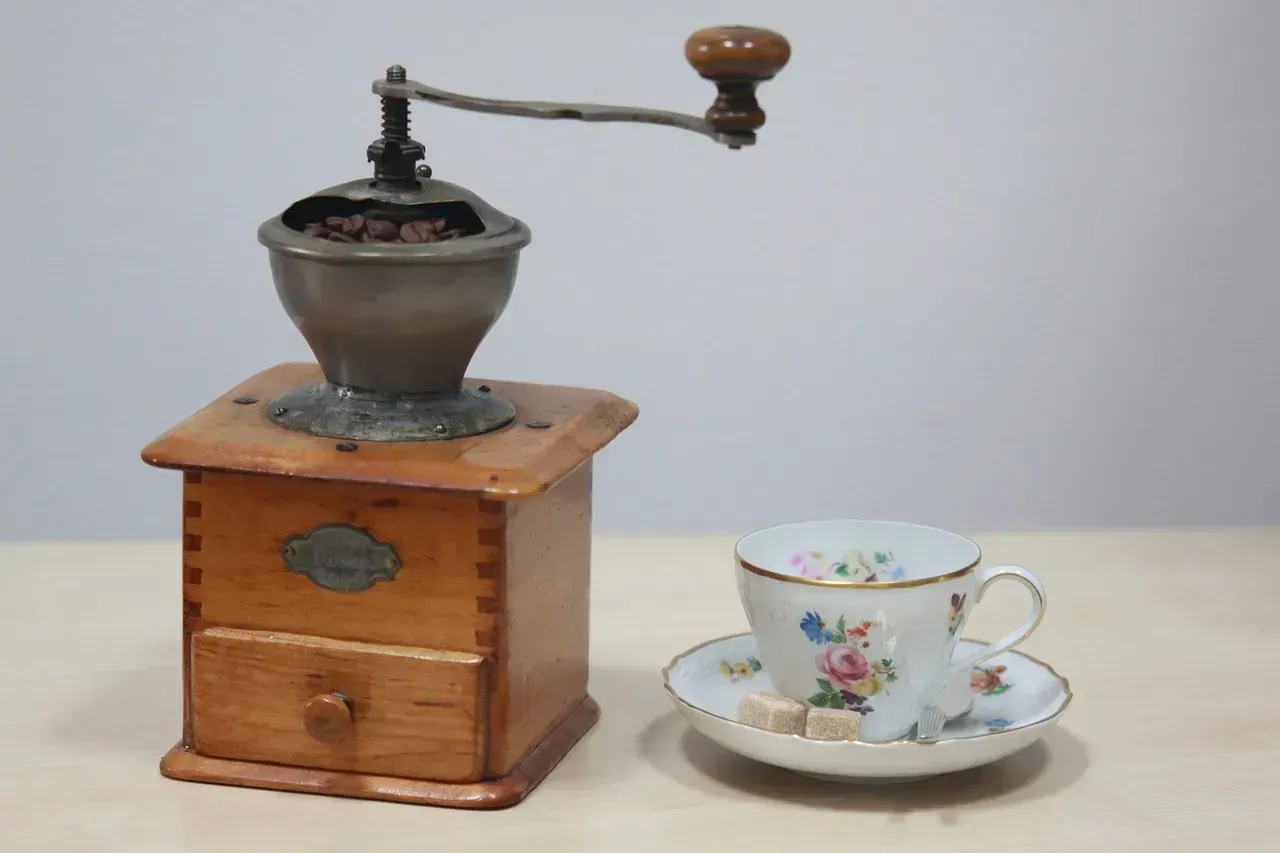
Before electric grinders became popular, manual hand-rotated coffee mills were kitchen essentials. Today, these antique coffee grinders are highly sought after by collectors, especially those produced by The Chas Parker, Peugeot, and Arcade brands. Large cast iron grinders are more valuable than small wooden mills. They were built to last for generations, and it shows.
Vintage coffee grinders, especially those from the early to mid-20th century, have become popular collectibles among coffee enthusiasts and antique lovers alike. Look for well-known brands like Peugeot or Zassenhaus. Hand-crank models with wooden bodies and metal grinding mechanisms are particularly valuable. A vintage Peugeot grinder in good condition can sell for several hundred dollars.
Depending on age, brand, and condition, antique coffee grinders can typically fetch between $100 and $5,000. Look for working models with original parts and a clear brand logo or name for maximum value. A working grinder will almost always sell for dramatically more than a purely decorative one – functionality is still king in this niche.
Vintage coffee grinders can end up selling for up to $1,700 on platforms like Etsy. Old-school craftsmanship never goes out of style, and cast-iron coffee grinders from the late 1800s and early 1900s prove it. The most desirable models, particularly those with ornate wooden bases, can sell for hundreds. Built to last, these vintage treasures represent quality that endures.
8. Antique Sterling Silverware Sets – The Forgotten Fortunes in Your Drawer
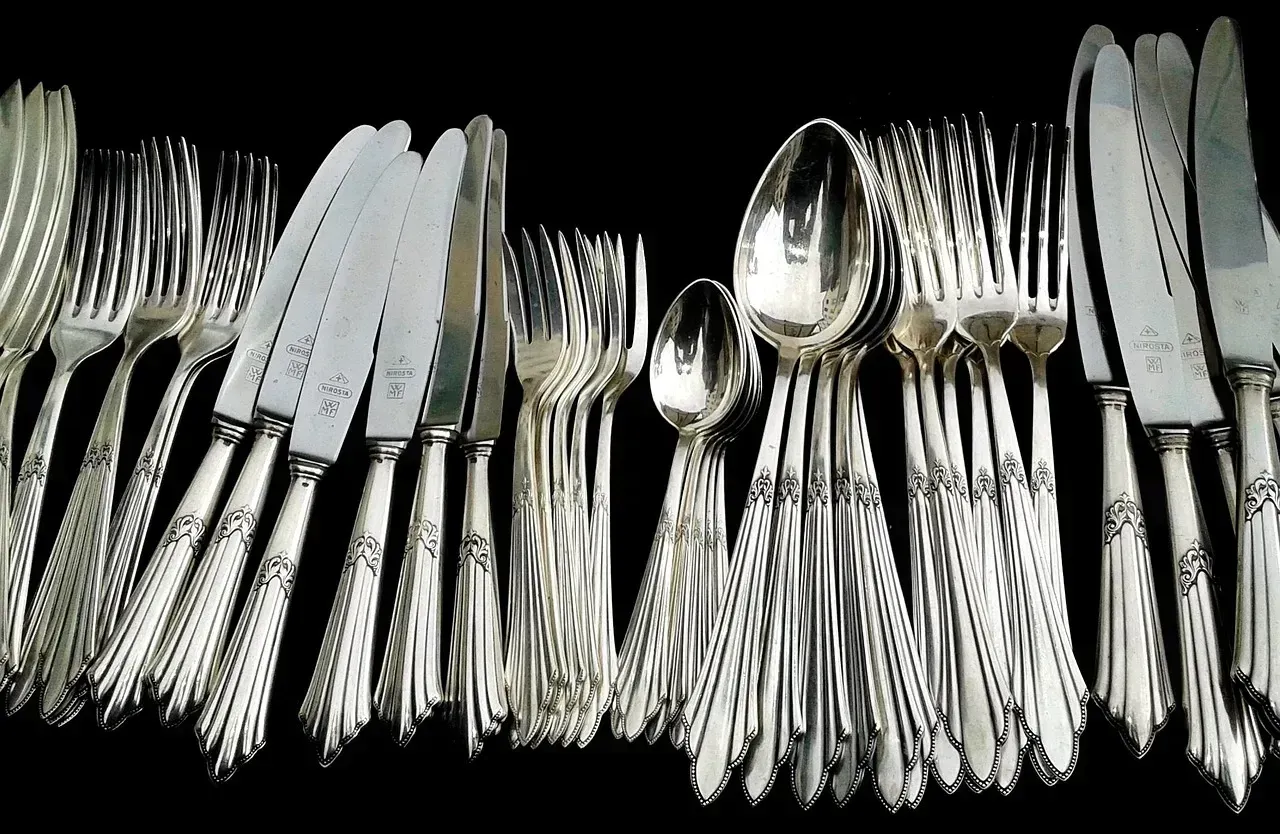
Even if silverware doesn’t have the same value as it did in the days of our grandparents, it’s no less interesting from a financial point of view. Its resale price is linked not only to the price of silver, but also to the originality of the utensil itself, its functionality, and the finesse of its construction. Most people inherit these sets and shove them in a drawer. Big mistake.
Gorham, Reed and Barton, Georg Jensen, and Towle are some of the highly collectible flatware brands that can fetch thousands. For instance, a 220-piece Gorham Mythologic Sterling Flatware set sold for an eye-popping price of almost $18,000. That is, to put it mildly, a life-changing discovery hiding in plain sight.
Some popular patterns, like Gorham’s “Chantilly” or Wallace’s “Grand Baroque,” can sell for between $1,000 and $5,000 depending on the number of pieces and overall condition. Look for ornate patterns in Victorian and Art Nouveau styles and the manufacturer’s marking on the pieces. Complete sets with original wooden boxes are also more in demand.
An incomplete antique silverware set from Tiffany and Co. is listed for $1,400 on eBay. Vintage silverware, especially from well-known makers, has a level of detail and weight that’s hard to find today. Even if it needs polishing, it’s often worth far more than its apparent price. Honestly, polishing a set and researching the maker’s mark might be the most profitable two hours you ever spend.
The lesson running through all eight of these items is deceptively simple: the kitchen has always been the heart of the home, and what we cooked with, ate from, and served on tells the story of entire generations. Many older kitchen tools were built to last for generations and have successfully done so. Before plastic Tupperware and nonstick pans were kitchen mainstays, cookware was crafted from durable, high-quality materials like iron, copper, and enamel, and manufacturers took pride in their craftsmanship. That pride is now being recognized and rewarded by collectors willing to pay serious money for it.
So before your next cleanout, take a slow walk through the cabinets. Check the bottoms of old pans for maker’s marks. Hold that old glassware up to the light. You may be sitting on something extraordinary. What would you have guessed was hiding in your kitchen all along?