
There’s a particular kind of longing that doesn’t get talked about much. Not the loud, obvious kind where someone wishes for a different life entirely, but the quieter variety: the creeping sense that certain ordinary pleasures, the ones everyone else seems to access without effort, might simply never feel natural. Rest that doesn’t come with guilt. A body that feels like yours. A night out that doesn’t require recovery from anxiety the next morning.
These aren’t niche fears. Research consistently shows that women, across countries and age groups, report lower average wellbeing, more restlessness, and less day-to-day enjoyment than men. The reasons are layered, and they deserve more than a passing mention. What follows are eight things many women carry a quiet, private fear about never truly getting to enjoy.
1. Genuine, Guilt-Free Rest
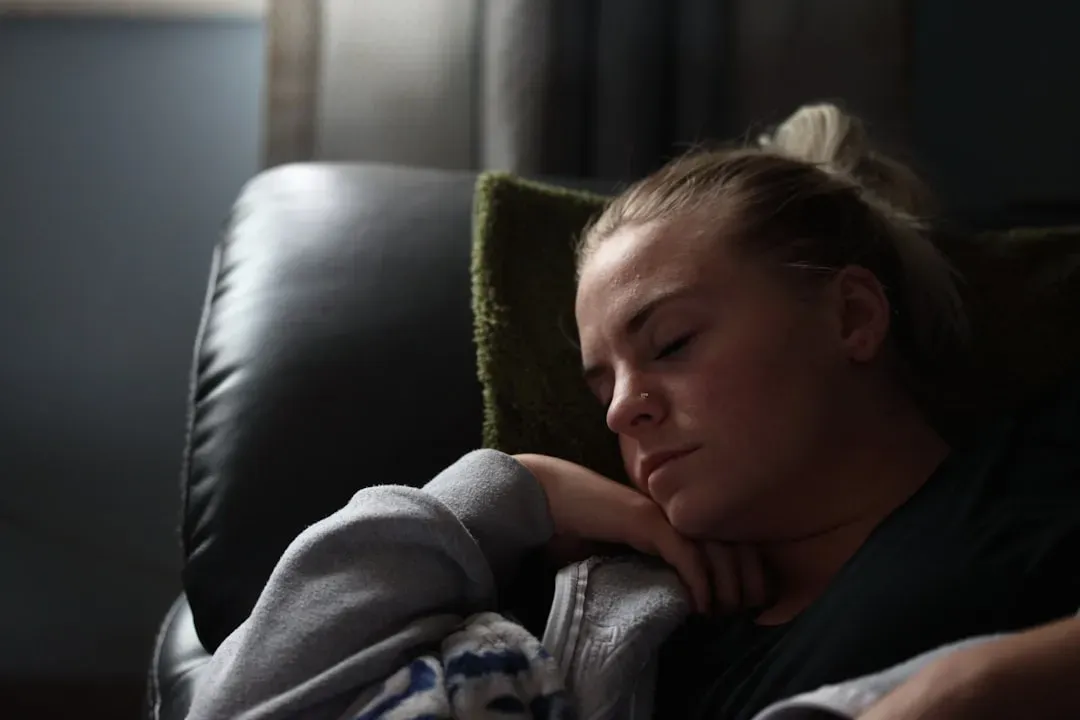
Women are often conditioned to prioritize others before themselves, to be nurturing at all costs, and to manage emotions silently while appearing capable and composed. That conditioning has a cost. For many women, rest is equated with weakness or laziness. They may feel that their value is tied to their productivity, and slowing down can feel terrifying.
Women, caregivers, and marginalised groups have historically carried this burden more heavily. Their rest is often interrupted by invisible labour, by expectations of self-sacrifice, by the unspoken demand to keep things running. Rest becomes not a right, but a negotiation. A 2024 global survey by Deloitte found that more than roughly seven in ten workers experience burnout symptoms, not from overwork alone, but from the inability to switch off. Even leisure time becomes performative: workouts tracked, reading lists logged, relaxation turned into achievement. This constant proving leaves no room for genuine peace.
2. Feeling at Home in Her Own Body
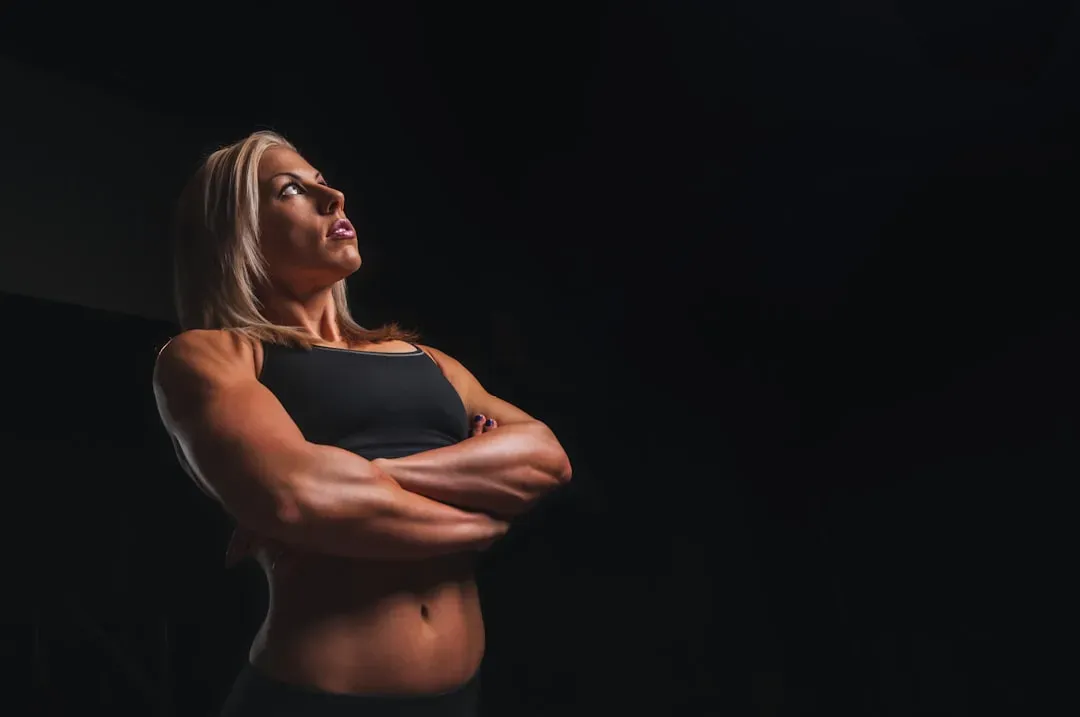
In recent decades, growing evidence has emerged demonstrating similarly alarming rates of body dissatisfaction in middle-aged or midlife women, with several studies reporting that between roughly four in ten and eight in ten midlife women struggle with body image concerns. In fact, body dissatisfaction has become so ubiquitous among women and girls, particularly in Western societies, that it has been described as “normative discontent.”
Aging-related physiological changes shift the female body further away from the thin-young-ideal, which is the societal standard of female beauty. Concerns about body dissatisfaction negatively affect physical activity in adult women, with mothers reporting giving up activities secondary to body image concerns, making statements such as abandoning swimming or dancing because of how their bodies look in public. Notably, actual weight status is not the primary driver of this disengagement. The fear is rarely about health. It’s about permission to take up space.
3. Sexual Pleasure Without Shame or Anxiety
Age, sexual experience, arousability, body-esteem, sexual autonomy, and sexual assertiveness seem to benefit women’s sexual pleasure, while sexual compliance and a gender power imbalance seem to compromise it. For many women, those second factors weigh more heavily. Anxiety proneness may predispose women to developing worries and fears about their sexual lives and sexual behavior. Sex-related anxiety can make it difficult to psychologically engage in sexual activity, as a woman may be too preoccupied with her sex-related fears to fully attend to sexually arousing stimuli.
The most common overall reasons women give for difficulty with orgasm were stress and anxiety, reported by more than half of respondents; lack of enough arousal or stimulation by nearly half; and not enough time by roughly four in ten. Self-determination, consent, safety, privacy, confidence, and the ability to communicate and negotiate sexual relations are key enabling factors for pleasure to contribute to sexual health and wellbeing. When those conditions are missing, enjoyment rarely follows.
4. A Career That Feels Truly Fulfilling, Not Just Functional

Women are measured by a different bar. Women are supposed to be great mothers, lovers, friends, and professionals. They can’t fail in any category, or they’re failures in totality. That impossible standard makes it very difficult for many women to settle into satisfaction with any single area, including work.
Women feel greater pressure to accept a dry promotion and don’t take up the issue with their managers. Women feel that they’re not going to get another opportunity or are used to being underpaid compared to men. The very least young women deserve is a secure job, a decent wage, and the opportunity to fulfil their potential, yet for far too many that’s still a distant dream. When basic professional fairness is absent, career fulfillment stays just out of reach.
5. Real Mental Calm and Day-to-Day Peace

Using data across countries and over time, research shows that women have worse mental health than men in negative affect equations, irrespective of the measure used, including anxiety, depression, fearfulness, sadness, loneliness, and anger, and they have more days with bad mental health and more restless sleep. These aren’t minor inconveniences. They are daily companions for a significant number of women.
Women are also less satisfied with many aspects of their lives, such as democracy, the economy, the state of education, and health services. They are also less satisfied in the moment in terms of peace and calm, cheerfulness, feeling active, vigorous, fresh, and rested. The fear that a quiet, untroubled mind is something other people have, and not something you’ll ever get to keep, is one of the more corrosive worries a woman can carry through her days.
6. The Freedom to Have Hobbies That Are Just for Her

As Professor Joseph Ferrari noted, “In our culture, women are instructed to declutter. But men are told, ‘That’s your hobby’ or ‘Those are your toys.'” Women are expected to fulfill societal expectations rather than find personal fulfillment. It’s a quiet disparity that shapes how women understand their right to leisure.
Many women can’t remember the last time they did something just because they wanted to, not to be productive, not to be a good partner or parent or employee. Just because. For a lot of women who hold it together, a belief runs quietly underneath: that your worth is tied to your output. Until that belief loosens, a hobby will always feel like something that needs justifying first.
7. The Ability to Truly Enjoy Food Without It Becoming Complicated
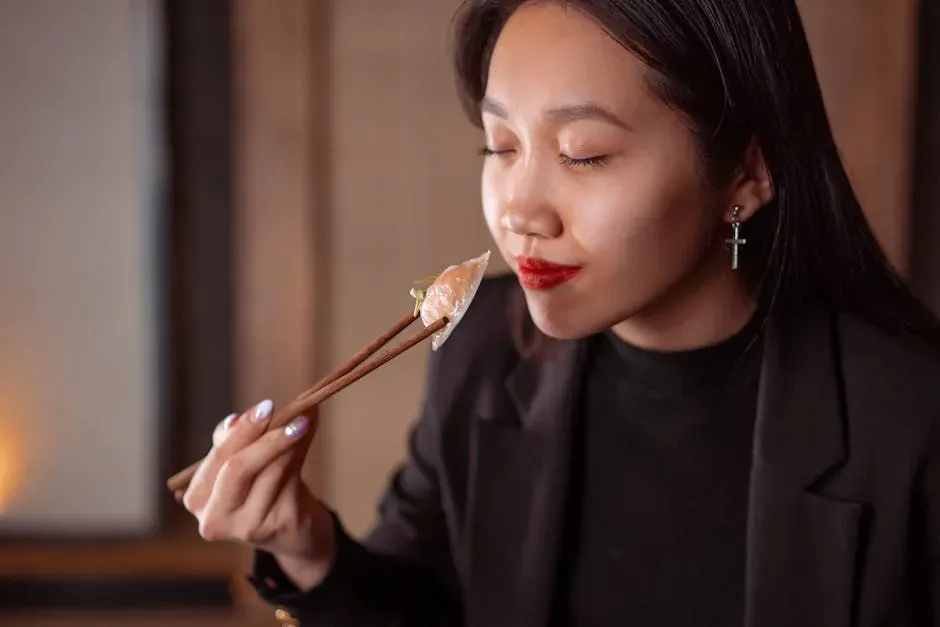
Women tend to experience higher rates of body dissatisfaction than men, with reproductive milestones such as puberty, pregnancy, and postpartum being windows of vulnerability for body image concerns. Those windows don’t always close cleanly. For many women, the relationship with food becomes entangled with body image, control, and self-worth long before they fully realize what’s happened.
Research investigates how societal expectations, health concerns, and self-perception intersect in shaping women’s views of their own bodies. Many women express a desire for slimmer waists, balanced hips, or overall proportionality, reflecting internalization of socially constructed ideals of beauty. That internalization means a meal can stop being nourishment and start being a negotiation with an inner critic, quietly draining one of life’s most ordinary pleasures.
8. A Lasting Sense of Belonging and Being Enough
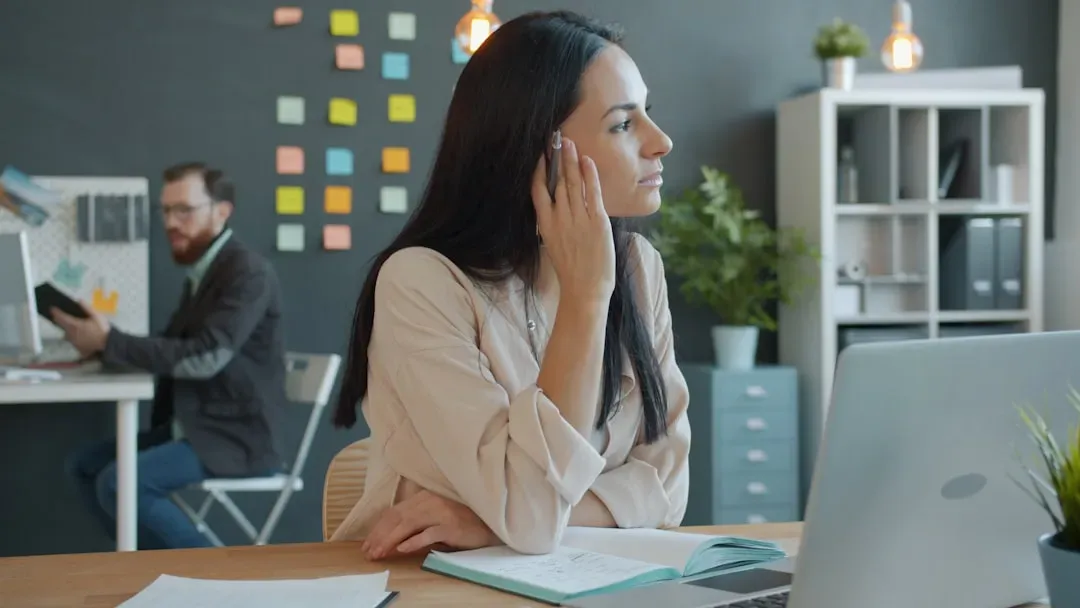
Burnout among capable, competent women isn’t new. It’s getting harder to ignore. More women are naming it, more researchers are studying it, and more therapists are seeing it walk through their doors, accomplished, reliable, and running on empty. Underlying much of this exhaustion is something harder to name than overwork: the persistent feeling of not quite measuring up, even when every objective measure says otherwise.
For a lot of women who hold it together, the drive to perform isn’t coming from ambition alone. It’s coming from something older and quieter than that. A belief that your worth is tied to your output. The fear that you will never simply be enough, without a list of accomplishments to prop it up, is perhaps the most quietly devastating fear of all. Research on women’s wellbeing points to it from every direction, and naming it clearly is at least a start.
These eight fears don’t belong to every woman, and they don’t show up with the same intensity for everyone. Still, the research is consistent enough to suggest they are far more common than the silence around them implies. The first step is recognizing them as fears worth taking seriously, not personal failings to push through alone.