
France: The Data Finally Caught Up With the Reputation

France has carried a reputation for frostiness toward American visitors for decades. It was always chalked up to cultural pride, a preference for the French language, and a certain reserved quality that tourists learned to navigate. Now the numbers are catching up with that long-standing perception in a way that is hard to dismiss.
France led the way in a major European survey at 15%, making it the country most likely to call itself unwelcoming to Americans. No other European nation even comes close to that level of self-declared coolness toward U.S. visitors. U.S. favorability in France plunged 33 points by early 2025, tied directly to trade disputes and political tensions. France’s disapproval rating for the United States currently sits at roughly two thirds, and this level of animosity can make it hard for Americans to feel welcomed in the country, regardless of how hard they try. When it comes to behaviors hurting U.S. travelers’ reputations overseas, noise is number one, with nearly two thirds of European respondents saying Americans are far too loud.
Canada: The Neighbor That Changed Almost Overnight
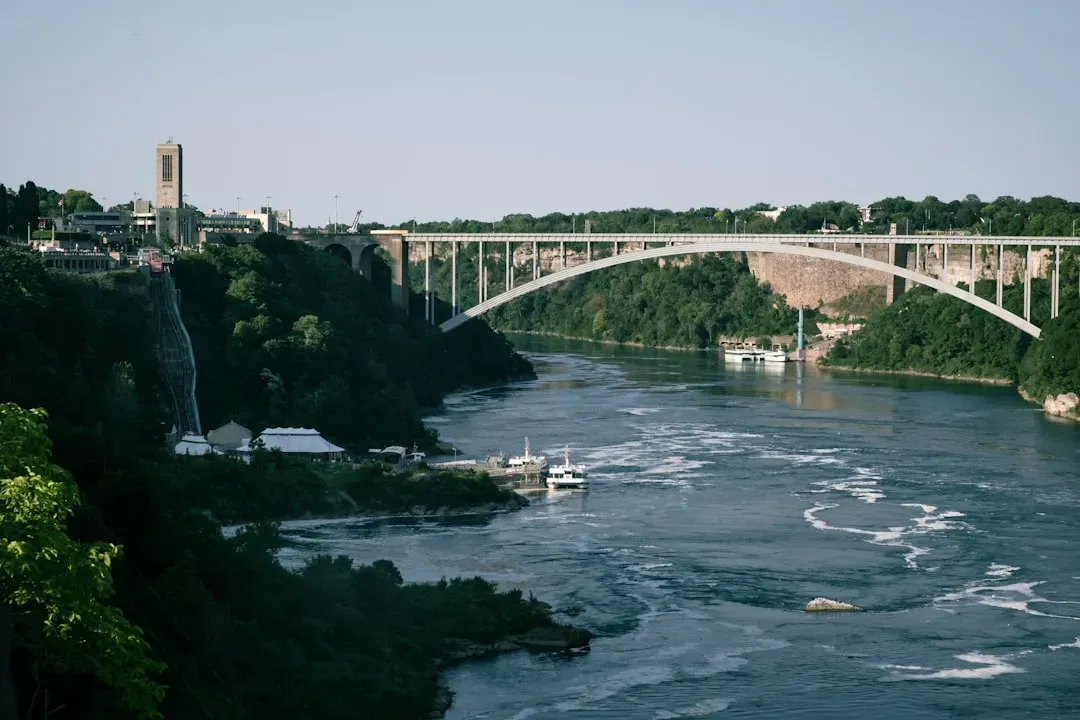
Of all the countries on this list, Canada is the one that genuinely catches Americans off guard. This is not a distant adversary with a historical grudge. This is the country that shares the longest undefended border in the world, whose culture is deeply intertwined with American life, and whose citizens have always ranked as the largest group of international visitors to the United States.
Travel bookings from Canada to the United States for the April through September 2025 period decreased by more than 70% compared to the previous year. That collapse has had real economic consequences. Since the onset of the boycott in early 2025, Canada’s decision to restrict travel to the U.S. has led to an economic loss of over $4.5 billion for the U.S. economy, with Canadian bookings to national parks plummeting by a staggering 93%. Statistics Canada reported that Canadian-resident return trips from the U.S. in February 2026 were down 31.5% from February 2024, before the start of trade tensions. When that level of political tension defines a bilateral relationship, Americans crossing into Canada carry it with them whether they intend to or not.
Russia: A Level 4 Warning With Real Consequences
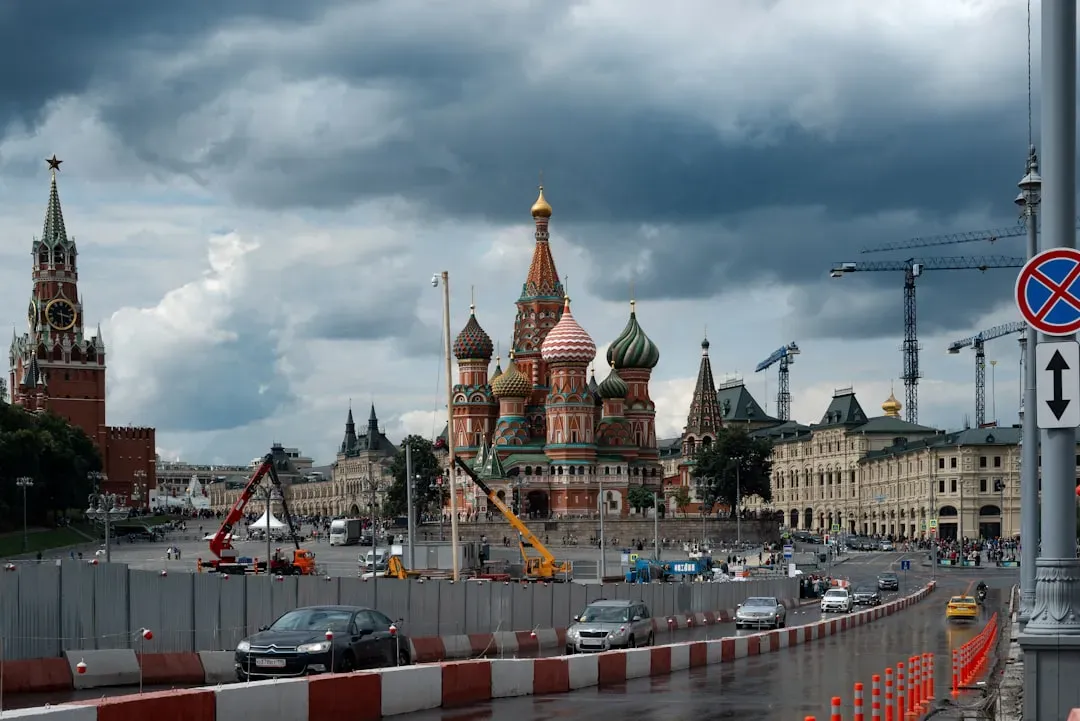
Russia was never an easy destination for Americans, even in calmer times. The current situation has pushed well beyond routine caution into a category that few seasoned travelers would dismiss lightly.
A new update for Russia, published on December 29, 2025, places the country squarely in the “Do Not Travel” category and reinforces a pattern of increasingly urgent warnings. The U.S. has tightened “Do Not Travel” warnings for several countries, including Russia, Iran, and Uganda, reshaping 2026 travel planning. The advisory for Russia cites arbitrary enforcement of laws, risk of detention, and dangers linked to the war in Ukraine. For an American traveler in Russia, there is no reliable safety net and no assurance of basic consular protection if something goes wrong.
North Korea: The One Place That Is Actually Off-Limits by Law
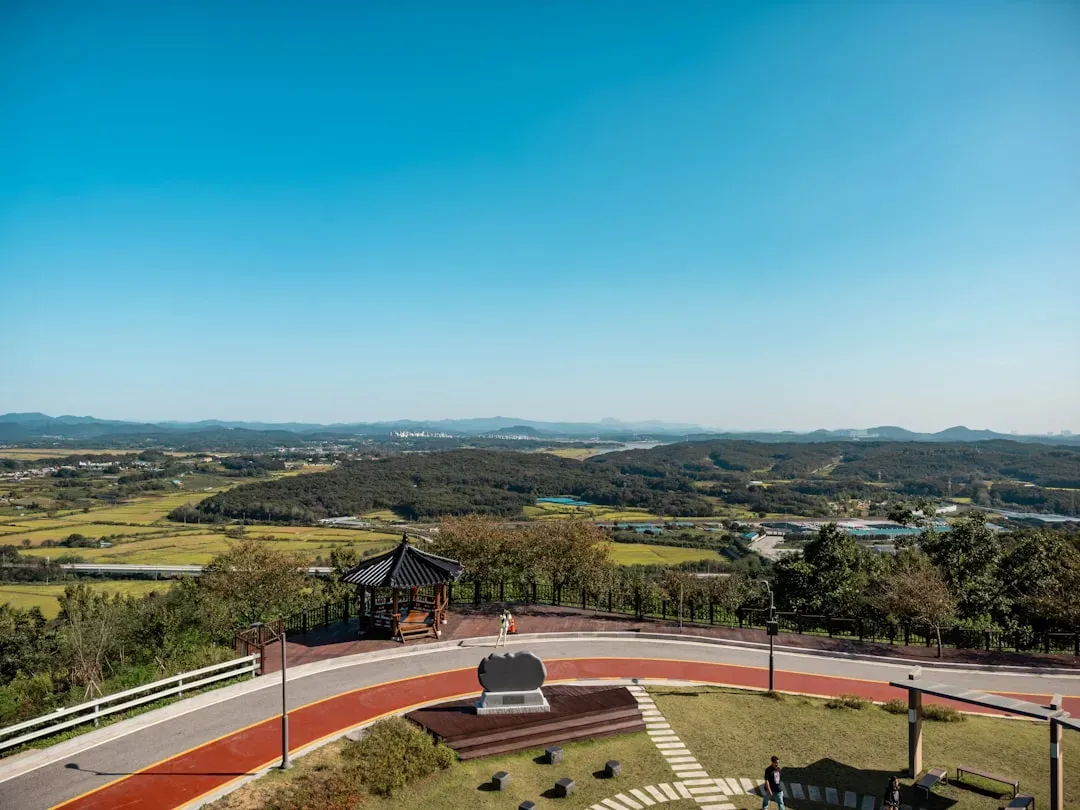
Every other country on this list involves political friction, cultural discomfort, or strongly worded advisories. North Korea is in a category entirely its own. This is the only destination on earth where U.S. law flat-out prohibits an American from using their passport to enter.
Americans cannot travel to North Korea. It is the only country where U.S. law prohibits using an American passport. The State Department cites risks of long-term detention, lack of diplomatic relations, and severe restrictions on movement. The restriction dates to 2017 following the death of Otto Warmbier and has not been lifted. There is no tourist exception, no workaround for most travelers, and no consular assistance waiting if something goes wrong.
Spain: Protests, Water Pistols, and Worn-Out Locals

Spain is objectively one of the most visited places on the planet, and that is precisely the problem. The country welcomed close to 94 million international visitors in recent years, nearly double its own population. The backlash from residents has been fierce, loud, and increasingly difficult to ignore.
Across 2024 and 2025, protests against overtourism drew international attention, especially in Barcelona and parts of the Balearics. Locals in Barcelona took to the streets, spraying water pistols at innocent visitors, and protests gripped parts of Mallorca. A Spanish mobility consulting firm reported that the availability of long-term rental property in the nation decreased by three percent in 2024, with rental prices reaching a new all-time high. Locals blame tourists directly for making their cities unaffordable to live in. Americans, often perceived as among the loudest and most visible tourist groups, found themselves grouped into that frustration by default.
Germany: A Mutual Frost That Spills Both Ways
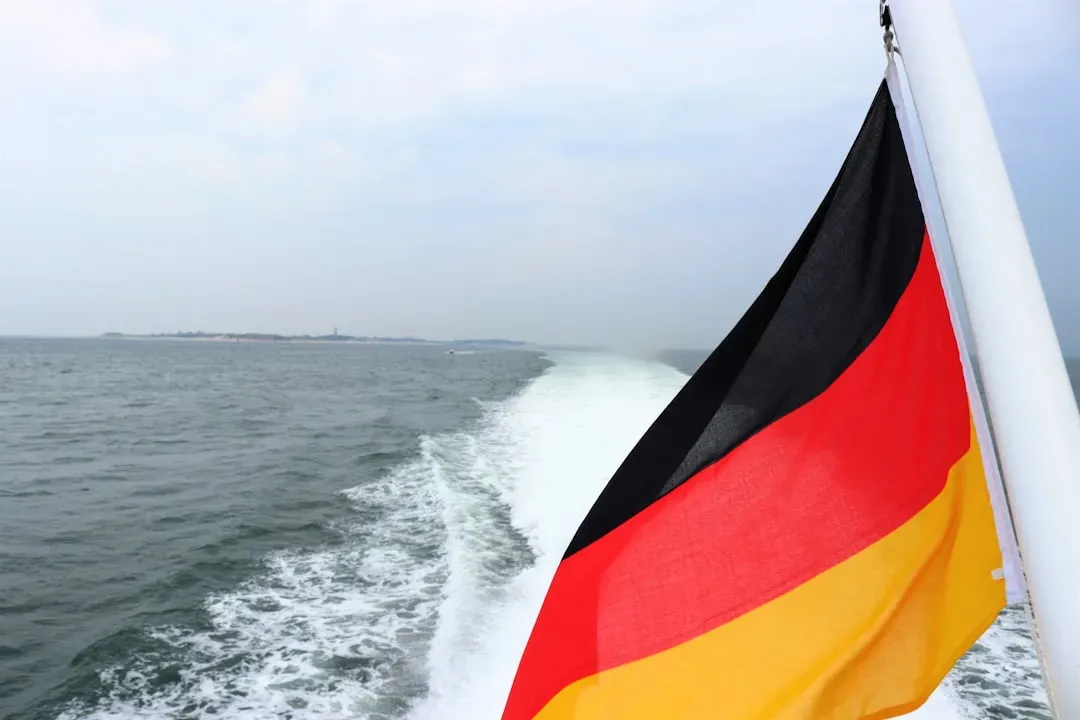
Germany’s relationship with the United States has always carried historical weight. For decades, that weight translated into genuine admiration and strong tourist ties. The current data tells a very different story, and the shift has been remarkably swift.
Germany ranks number one with a steep drop in interest in visiting America compared to the previous year. That mutual coolness is spilling over into how Germans treat American visitors on their own soil. Germany hasn’t formally restricted American entry, but the welcome mat has definitely been pulled back. NATO disputes and trade tensions have fueled anti-American sentiment among locals, and German travel agencies now warn U.S. visitors about potential public hostility, especially in eastern regions. Roughly 45 to 55% of Germans hold an unfavorable view of the U.S., and that anti-American sentiment is spilling over in both directions.
Norway: Reserved by Nature, Increasingly Cool by Choice
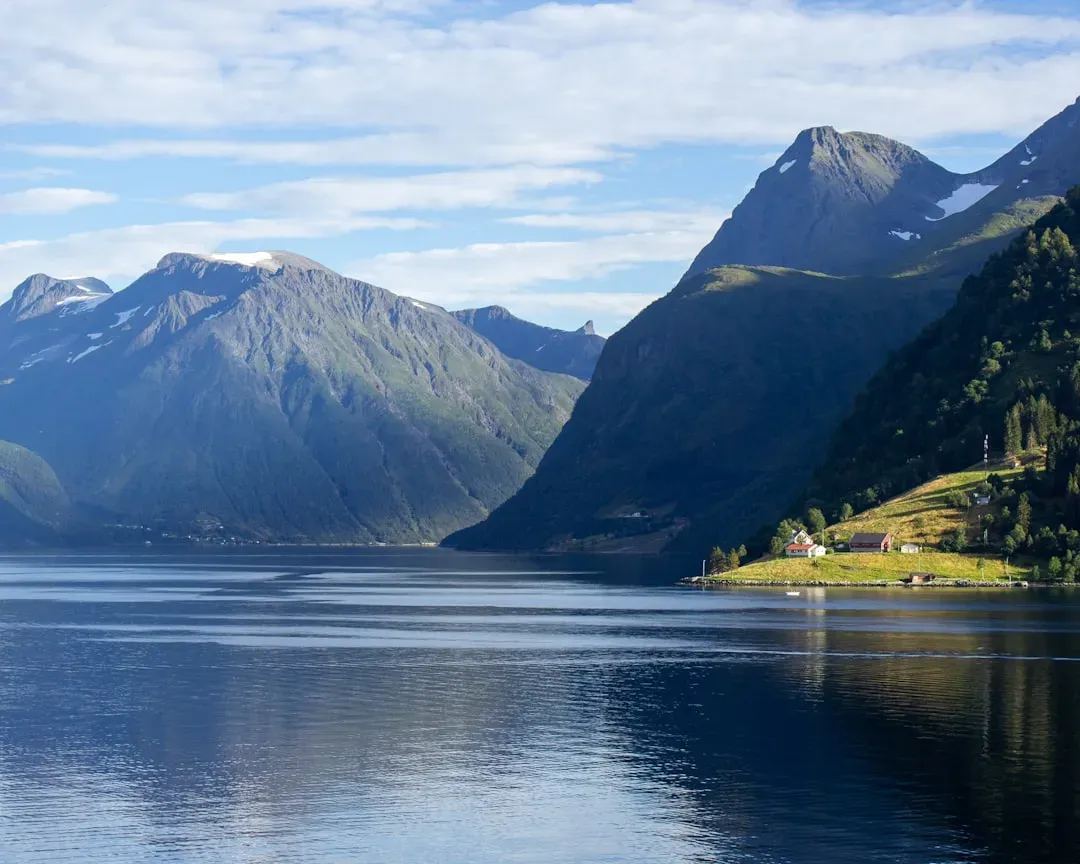
Norway is not a country that makes dramatic gestures or throws public protests. It is famously polite, measured, and composed. That restraint is exactly what makes the survey data coming out of this Scandinavian nation so striking: when even Norwegians are registering discomfort, something real has shifted.
Norwegians quietly resent American visitors, with around 8% calling their fjords unwelcoming in recent polls, and the 2024 U.S. election swayed nearly half of Norwegians to view American travelers more harshly. That is nearly half the country shifting its view of one tourist group based entirely on politics. Scandinavian countries value quiet, orderly public behavior and personal space, and American tourists who bring typical U.S. social norms can feel jarringly out of place. The silence during a Norwegian hike is not accidental. It is the point.
Denmark: Greenland Made It Personal

Denmark might seem like an unlikely entry here. It is a small, prosperous, and broadly progressive country with a genuine reputation for being internationally minded. The Greenland situation changed the emotional temperature in a way that surveys have since confirmed.
Opinion toward the U.S. is lowest in Denmark. Just about one in five Danes express a favorable view of the U.S., plummeting from nearly half in August 2024. That is a staggering collapse in goodwill in less than a year. Polling in 2025 shows sharp declines in Danish favorability toward the United States, with YouGov reporting roughly three quarters of Danes viewing the U.S. unfavorably in March 2025. Trump’s repeated suggestions of acquiring Greenland, which is an autonomous Danish territory, drove deep resentment into Danish public life. In Denmark, approximately half of consumers reported deliberately refraining from buying United States products since Trump’s inauguration. It is worth noting that VisitDenmark has officially reassured American tourists they remain welcome, and individual travelers continue to report positive experiences on the ground.
Hungary: Political Layers and Quiet Cold Shoulders

Hungary is an easy country to overlook on a list like this. Budapest is genuinely beautiful, the food is underrated, and the city carries real historical magnetism. The discomfort runs beneath the surface, tied to political divergences that tend to surface in conversation faster than most tourists expect.
Hungary ranked second in Europe for locals describing their country as unwelcoming to Americans, with nearly 9% of respondents identifying it as such. That placed it just behind France, ahead of Norway, Denmark, and Spain in the European rankings. Budapest’s political scene adds a layer of unease that makes casual conversations turn awkward fast. Travelers report cold shoulders in cafes, tied to broader anti-Western sentiments. It is hard to say with certainty whether politics or cultural mismatch drives more of the friction. American tourists who arrive carrying strong assumptions about how a democracy should function often find the conversations become uncomfortable very quickly.