
You just finished mowing. The lawn looks neat, the edges are clean, and you’re already feeling good about the weekend. But here’s the thing – the moment you put the mower away, you could be setting your yard up for some serious trouble without even realizing it.
Most lawn damage doesn’t come from neglect. It comes from well-meaning homeowners doing the wrong things at exactly the wrong time. The post-mow window is surprisingly fragile. Your grass is essentially in recovery mode, and how you treat it in those next several hours matters more than most people think.
From watering too aggressively to letting kids run wild on a freshly cut lawn, the mistakes pile up fast. Let’s get into it.
1. Watering Your Lawn at the Wrong Time After Mowing

Here’s something that surprises a lot of people: watering right after mowing is not always a good idea. Following a mowing session, your freshly cut grass becomes more susceptible to stress and potential damage, and extra moisture is not always the best solution. The timing of that watering makes all the difference in the world.
Watering your lawn after mowing is usually fine, but be cautious not to overwater or water during the hottest part of the day, as these practices can result in pest problems, scorching, or disease. Think of it like putting sunscreen on a sunburn – the instinct seems right, but the execution can backfire badly.
Mow dry, then water – never the reverse. Waiting 30 to 60 minutes after mowing before irrigating leads to greener, healthier grass without disease or soil compaction. Professionals consistently point to early morning as the gold standard timing for watering, giving the grass an entire day to dry out before cooler temperatures set in.
Watering in the evening results in too little evaporation, allowing most of the water to sit on the grass all night and encouraging fungal growth. The best time to water your lawn is in the early morning to allow plenty of time for turf to absorb and utilize water, giving the lawn an entire day to dry out and reduce the chances of disease.
2. Scalping the Lawn by Cutting Too Low
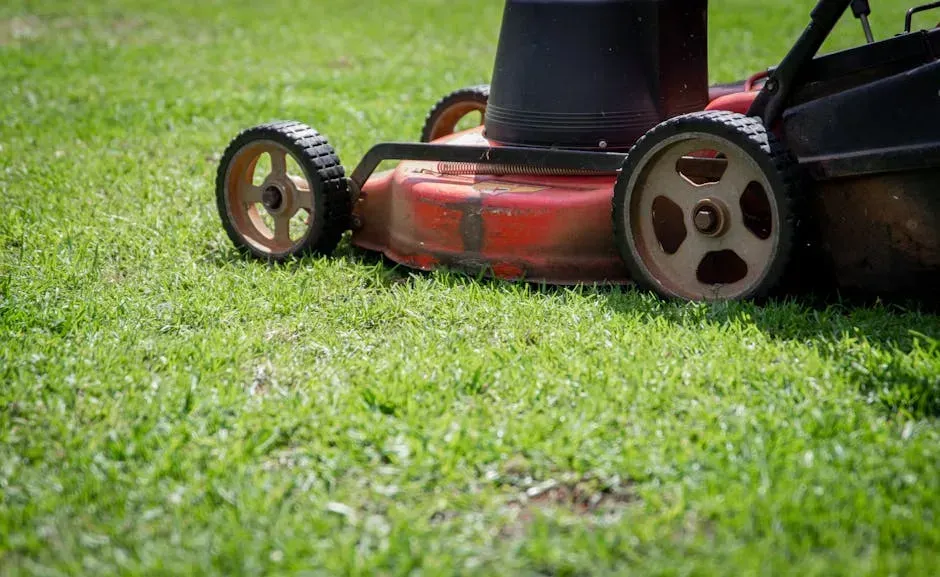
Honestly, one of the most common mistakes out there. Scalping your grass might look neat and tidy, but it’s one of the worst things you can do for lawn health. Cutting too low severely weakens the root system, dramatically reduces drought resistance, and practically invites weeds to move in and take over.
Also called scalping, cutting your grass too short leaves your lawn more susceptible to weeds and less resilient to environmental stresses, because when the grass is cut too short, it focuses its energy on regrowing its blades instead of deepening its roots, resulting in weaker grass less able to withstand adverse conditions including heat and drought.
The grass blades need to be long enough to perform photosynthesis, turning sunlight into food. The blades also shade the soil, keeping the grass cooler, retaining needed moisture, and helping crowd out weeds. Grass is not that different from most living things – cut it down too hard and it spends all its energy just trying to survive, not thrive.
The solution is to follow the one-third rule – never remove more than one-third of the grass height in a single mowing session. Keeping your grass at an optimal height, typically three to four inches, allows for deeper root growth and better resistance to heat and pests.
3. Using Dull Mower Blades
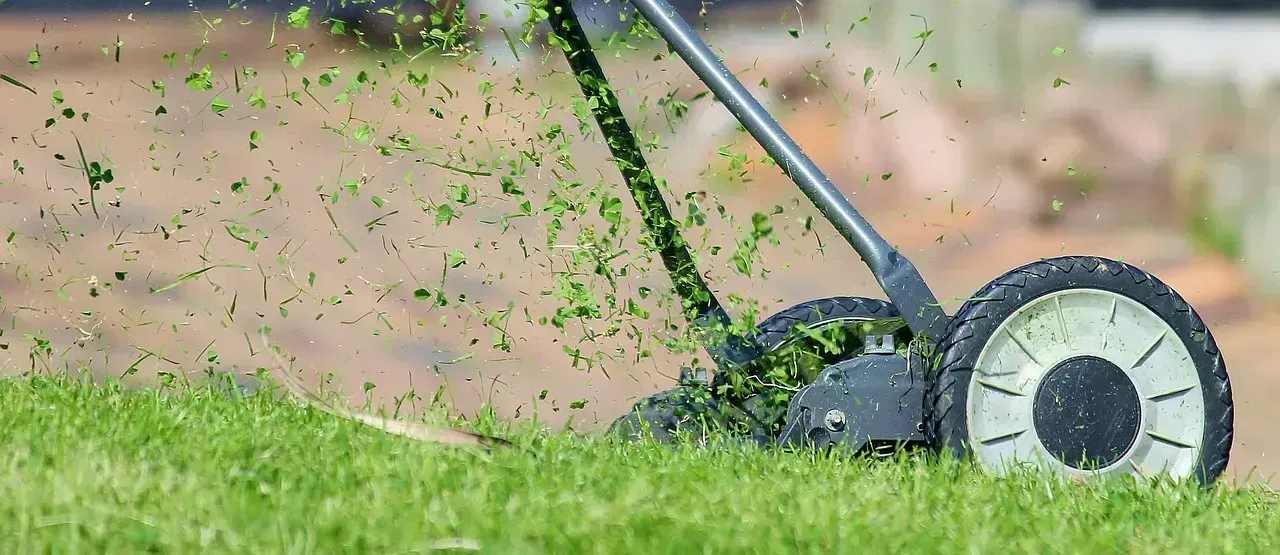
Dull mower blades rip through the grass blades instead of slicing them cleanly, leaving grass stressed and more prone to disease. You can always tell a lawn that’s been mowed with a dull blade because it looks brown on the top. It’s a subtle sign that most homeowners miss, and it starts a damaging cycle from the very first pass.
Using a dull mower blade is a common mistake that can have serious consequences for your lawn’s health and appearance. When your mower blade isn’t sharp, it tears and bruises the grass instead of making clean cuts, and this damage will leave your lawn ragged and increase its susceptibility to disease and pest infestations.
Dull mower blades rip the grass blades, leaving a raw, tattered edge rather than a clean slice. In addition to leaving a less pleasing appearance, dull blades pull on the grass causing stress to the plant, and the jagged edges heal more slowly, making the grass more susceptible to disease.
To maintain a healthy lawn, sharpen your mower blade at least twice per season, or more often if you mow multiple times a week or have a large lawn. Signs that your blade needs sharpening include uneven cuts, frayed grass tips, and a lawn that appears brown or gray shortly after mowing.
4. Allowing Heavy Foot Traffic on a Freshly Mowed Lawn
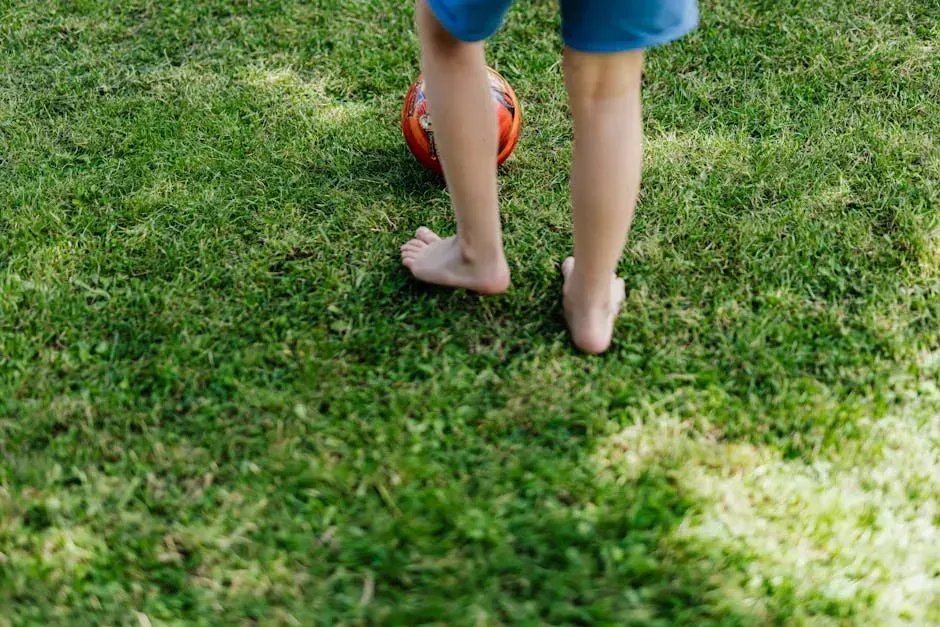
You just finished cutting. The kids want to run outside and the dog is already scratching at the door. It’s tempting to let it all go, but freshly mowed grass is genuinely vulnerable. A wet lawn is more susceptible to damage because the soil is softer and more prone to compaction, and walking on or mowing wet grass can crush delicate grass blades and harm the roots, making it more difficult for your lawn to recover.
Turf wear is inevitable and immediate – it simply requires physical pressure to be applied to occur. More intense activity will exacerbate the severity of wear, such as running, stomping, and placing heavy objects on the lawn, and this can cause bruising and injury to turf shoots.
One of the most serious long-term effects of foot traffic is soil compaction. When the soil is compacted, it becomes dense and prevents proper air, water, and nutrient circulation. Without these essential elements, grass roots struggle to grow deeply, making your lawn more prone to issues like thinning, browning, and even death. Think of it like walking repeatedly across the same stretch of carpet – after enough passes, it just flattens and never quite bounces back.
5. Leaving Thick Clumps of Grass Clippings on the Surface
There’s a popular belief floating around that all grass clippings are bad and should always be removed. That’s not exactly true. But letting thick mats of clippings sit on your lawn? That’s where the real damage starts. Excessive clippings left on the lawn surface are unattractive and can damage the grass beneath.
As a general rule, grass clippings of an inch or less in length can be left on your lawn where they will filter down to the soil surface and decompose quickly. Remove longer clippings because they can shade or smother grass beneath, causing lawn damage.
If the lawn is wet or the grass has become too tall when you mow, clippings can mat together and smother the grass. That matting is like throwing a wet blanket over your turf. The grass beneath it can’t breathe, can’t access sunlight, and quickly starts to struggle in ways that take weeks to fix.
Clippings are a valuable source of nutrients and you can use less nitrogen fertilizer if you recycle clippings to the lawn. Adding organic matter from clippings may also help improve your soil if it is sandy, heavy clay or low in organic matter. The key is keeping them short and well-distributed, not piled into soggy clumps.
6. Over-Fertilizing Immediately After Mowing
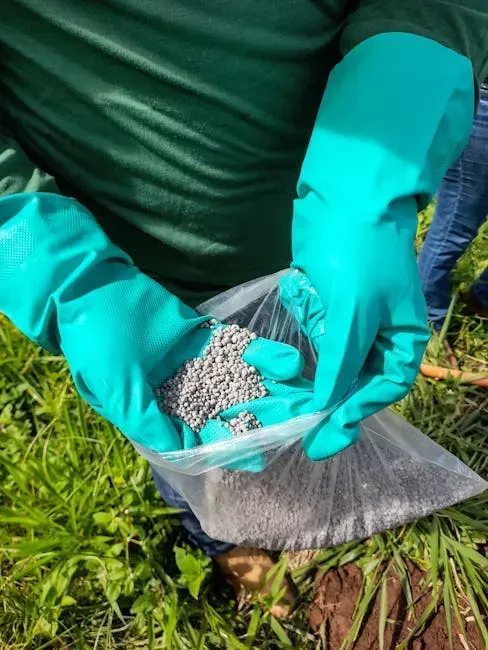
It seems logical – you’ve just cut, the lawn looks a little bare, so why not give it a quick feed? Here’s why that’s risky. Applying too much fertilizer can burn your grass, while using the wrong type can lead to nutrient imbalances. And freshly cut grass is already under stress, making it even more sensitive to chemical exposure.
Be sure to check your lawn and treat for fungus prior to any fertilizing. Most fertilizers contain nitrogen, which fungi love. If you feed your lawn prior to putting a fungicide down and you have a fungus, that fungus will expand exponentially – which will be disastrous for your lawn.
You can also damage your lawn by fertilizing it at the wrong time of the year. The right approach is to fertilize your lawn just twice a year, in the spring and the fall. More is not better here, and the post-mow window is genuinely one of the worst times to dump fertilizer on an already stressed lawn.
7. Mowing Right After Rain or Watering
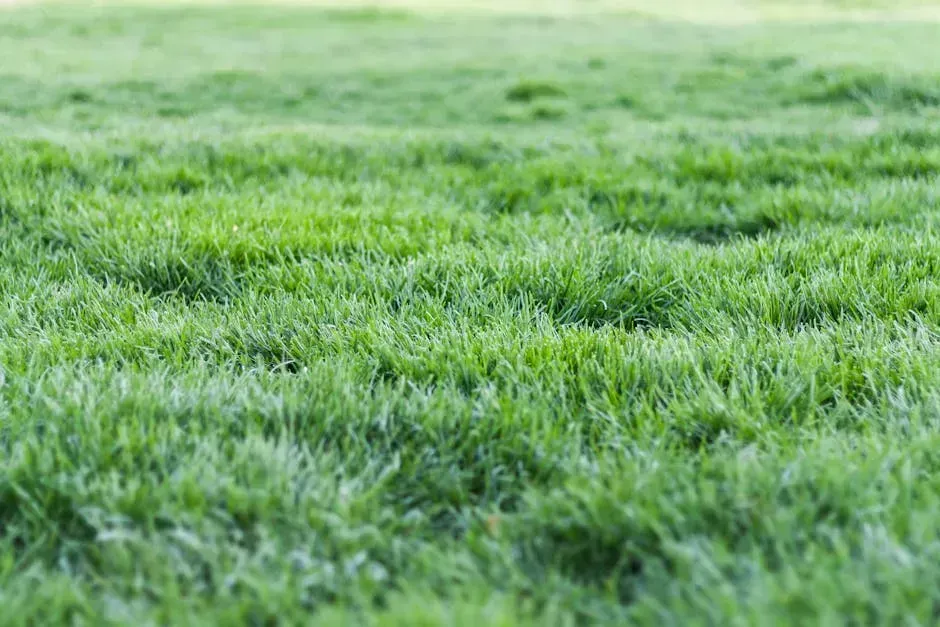
Mowing wet grass after irrigation or rainfall is generally not recommended for several reasons. Wet grass tends to clump together and mat down, resulting in an uneven cut. Wet grass clippings can also clog the mower, potentially causing damage in the long run, and mowing when wet can spread fungi that may be present, leading to infestations.
Mowing damp grass does more long-term damage than delaying mowing by a day. That’s an important reminder for anyone who likes to stay on a strict mowing schedule regardless of conditions. The schedule should always yield to the weather.
Wet grass is heavier and more prone to bending or flattening under your mower’s weight. When mowing wet grass, you run a higher risk of unintentionally tearing grass blades, making recovery more challenging for the turf. It also makes every other mistake on this list more likely to occur – from disease spread to compaction.
8. Ignoring Thatch Buildup After Repeated Cuts
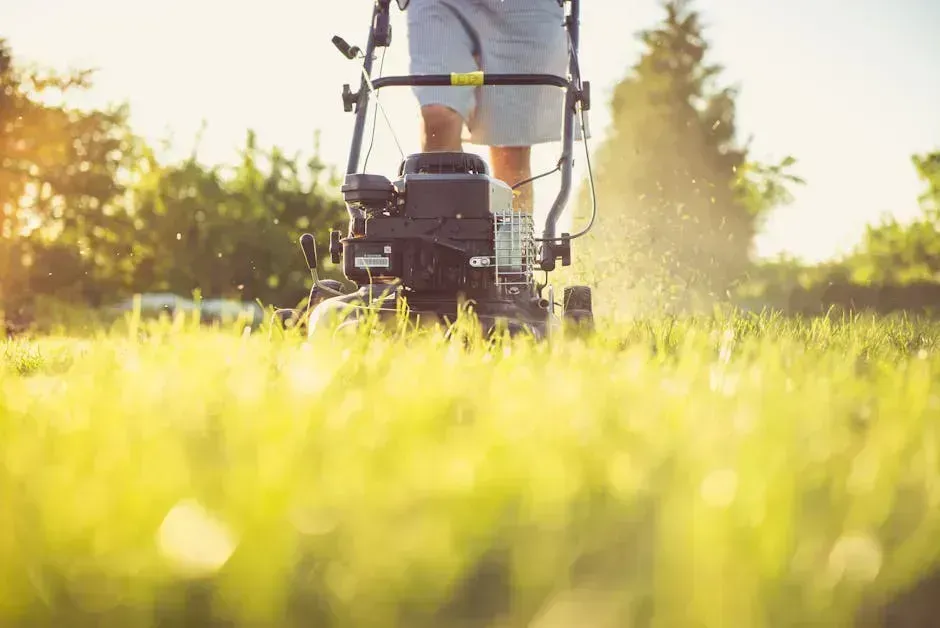
Most homeowners have heard of thatch, but few understand just how seriously it can undermine a lawn over time. Thatch is a layer of undecomposed organic matter that builds up between the soil surface and the actively growing green vegetation. Left unchecked, it becomes a wall between your grass and everything it needs to survive.
A thick layer of thatch blocks water, air, and nutrients from reaching the roots, leading to weak grass and increased disease risk. What makes this tricky is that thatch builds up invisibly. You won’t notice it just by looking at the lawn from a distance – it’s a hidden enemy working beneath the surface.
A healthy lawn should have no more than half an inch of thatch. Anything above that can start to cause problems by blocking water, nutrients, and air from reaching the soil and roots, with water getting stuck in the thatch layer and never reaching the soil.
Regular dethatching and aeration can significantly improve lawn health. Remove dead plant matter through dethatching to prevent fungal habitats and aerate the lawn annually to improve soil circulation and reduce compaction.
9. Ignoring Fungal Disease Spreading Through Mowing
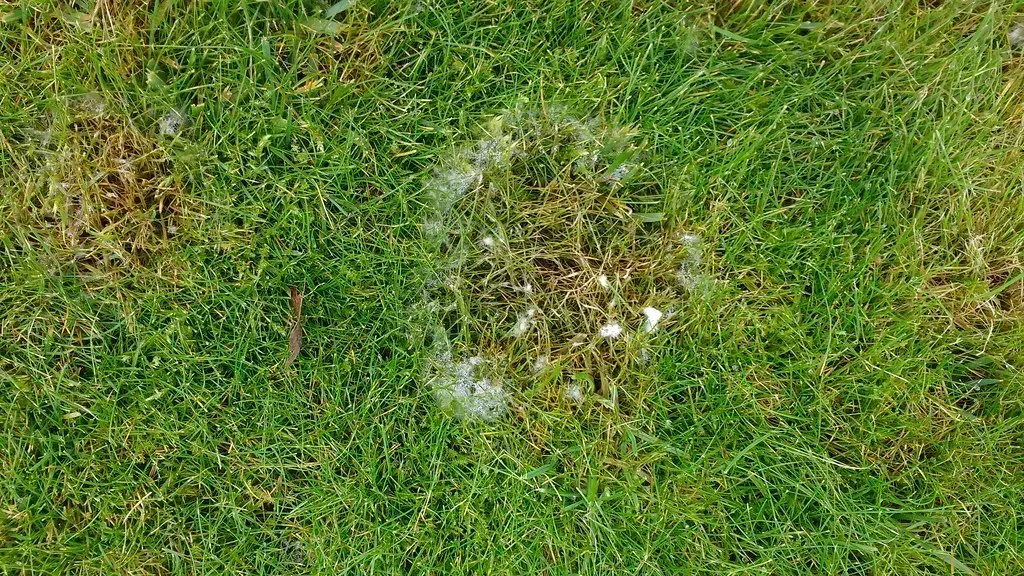
This one catches people off guard. Your mower is not just cutting grass – it can also be spreading disease from one section of your lawn to another. Fungi spread through spores, which are easily transferred through wind, rain, mowing, and simply walking through a fungi outbreak. Once transferred, the spore penetrates into the host plant, feeding and growing until it has taken over the host.
During peak fungus season, a fungus can produce and discharge up to 100,000 spores an hour, because of the rising temperatures during this time of year, which provide warm, humid environments for spores to grow in. That is a staggering number, and it puts into context just how fast a disease can go from one small patch to covering your entire yard.
If a disease is present, raise your mowing height and mow any areas with an active disease last. Wash or blow equipment off to remove any diseased leaf clippings once you’re done. These are easy, practical steps that most homeowners skip entirely because they don’t know fungal spread is even happening.
Fungus develops when lawns are stressed due to low nitrogen, excessive moisture, compacted soil, poor airflow, or dull mower blades. Overwatering or watering at the wrong time can also set the stage for disease. It all connects, which is why every single mistake on this list can make the others worse.
10. Mowing in the Same Pattern Every Single Time
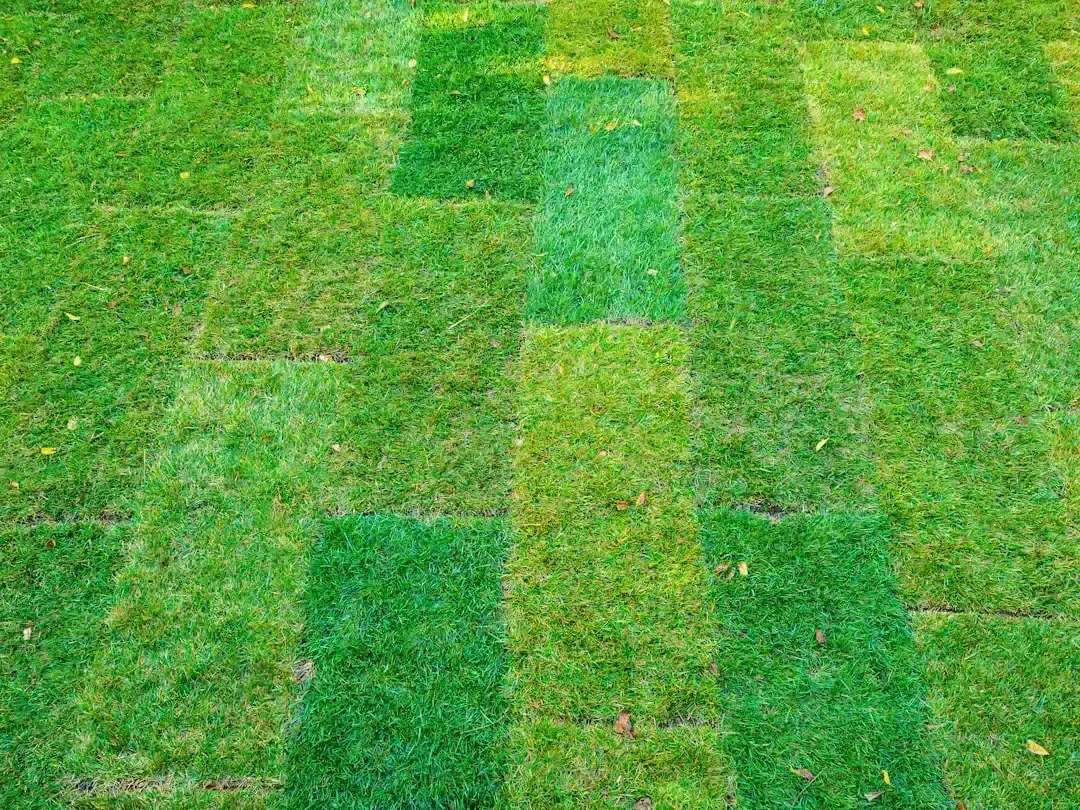
It’s easy to fall into a routine. Same route, same direction, every weekend. But repeating the same mowing pattern is one of the quietest ways to slowly damage your lawn. Your lawn mower is heavier than you think, especially if you use a riding mower or a zero-turn model. Driving over the same areas week after week creates compacted ruts, especially when mowing wet grass or following the same mowing pattern every time. The weight of other lawn care equipment like carts, spreaders, or wheelbarrows can add up too, especially on clay soils that are already prone to compaction.
Soil compaction, unlike surface wear, develops over time due to increases in soil hardness brought on by heavy traffic. Compacted soil restricts root growth, reduces air and water infiltration, and leads to poor drainage. Symptoms include pooling water, stunted grass growth, and increased susceptibility to diseases and drought.
The fix is genuinely simple once you know about it. Alternate your mowing direction and avoid mowing when the ground is soft or saturated. Rotating your pattern also tends to produce a better-looking, more even cut – so it’s a win on two fronts.
Turfgrass managers and homeowners must realize that soil compaction is the hidden enemy of turfgrass. Correcting a compaction problem after it has already developed is often a difficult and prolonged process. The best approach is to anticipate its eventual occurrence and develop a maintenance program in which compaction reduction procedures are detailed.