
There’s a particular kind of stress that comes with packing for Europe. Not the nervous excitement of a new destination, but the low-grade worry of forgetting something essential, being slowed down by the wrong bag, or standing at a foreign airport without the documents you need. Most first-time visitors to the continent have felt it. Experienced travelers have simply learned how to reduce it before they ever leave home.
Travel anxiety is stress that comes with planning or taking a trip. It can show up physically as a racing heart or sweaty palms, and it can affect your mind, making you irritable or stuck in a loop of “what if” thinking. The good news is that most of these worries respond well to preparation. What experienced travelers pack, and how they pack it, often makes the difference between a trip that feels effortless and one that quietly drains you from day one.
The Right Bag for the Right Trip
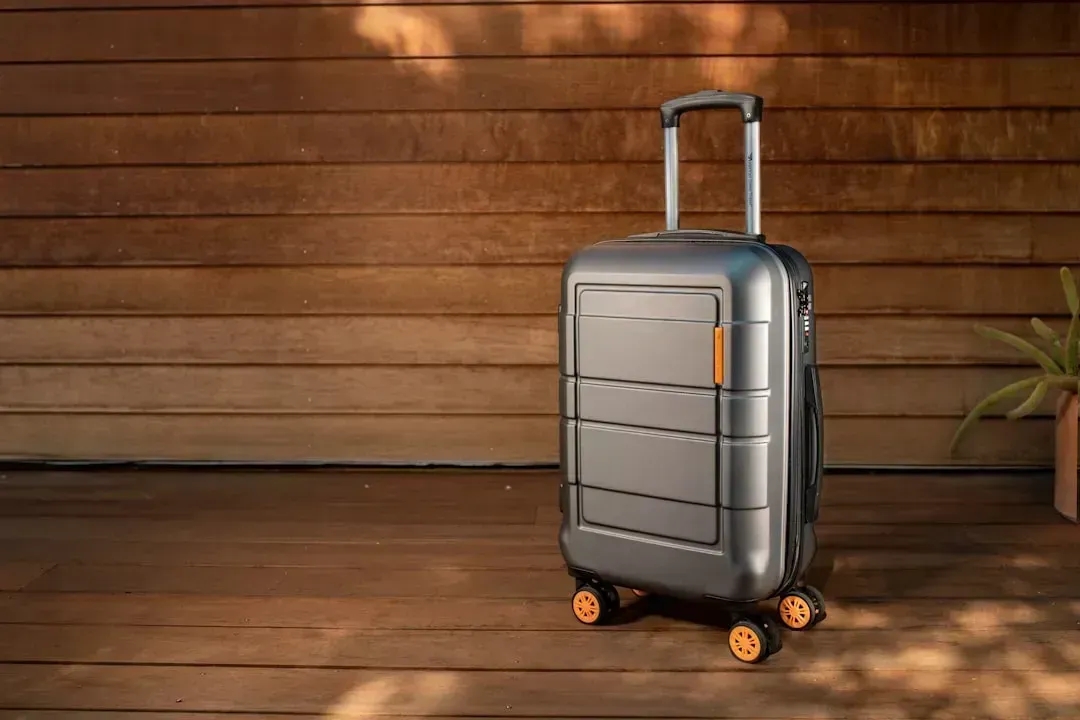
Choosing the right luggage isn’t just a practical decision. It’s one of the first things that shapes how a trip actually feels on the ground. Moving from place to place with a bag that fits comfortably will dramatically improve your vacation and reduce stress and worry. Europe rewards compact luggage. Trains have tight luggage racks, boutique hotels often have no elevators, and cobblestone streets are not kind to oversized wheels.
European airlines mishandled 12.3 bags for every 1,000 passengers in 2024, according to SITA’s 2025 Baggage IT Insights report. That’s roughly double the global average and four times the rate in Asia-Pacific. Experienced travelers take this number seriously. A carry-on gives you more flexibility to change planes and still arrive with your belongings. Planning your daily attire can help you avoid the urge to pack extras. Going carry-on only isn’t about minimalism for its own sake. It’s about staying in control.
Packing Cubes and the Art of Staying Organized
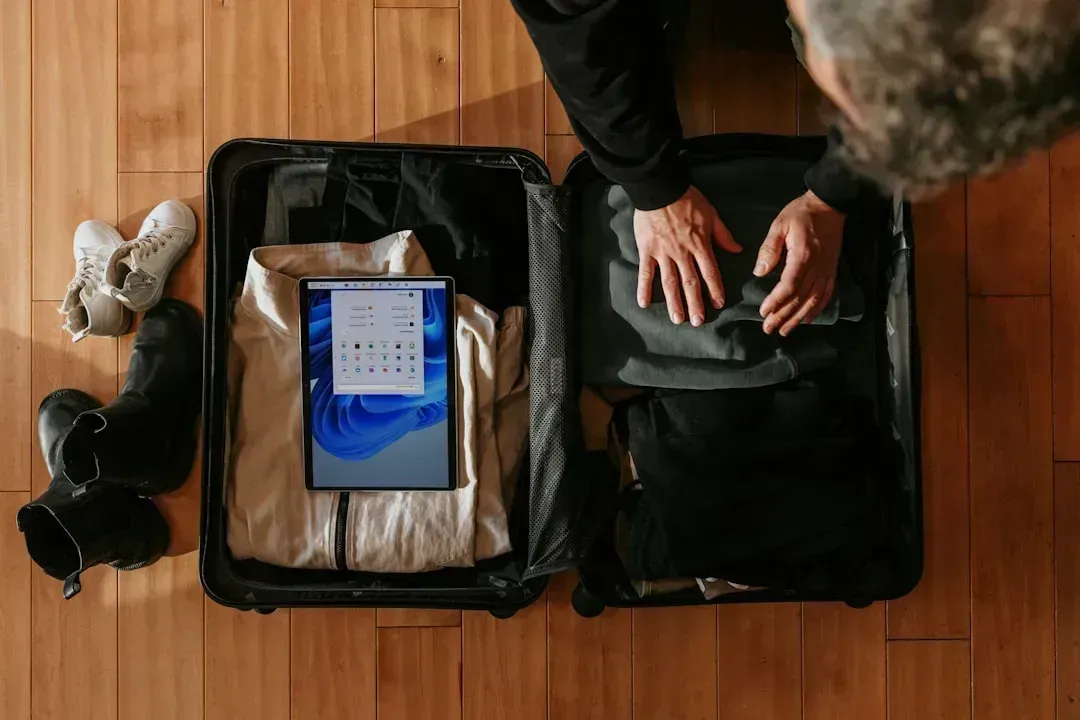
An organized bag is a calmer bag. When you know exactly where everything is, you spend less mental energy on logistics and more on actually enjoying where you are. Compression packing cubes are great for saving space and organizing outfits by day or destination. On winter trips, vacuum-seal bags work well for coats and sweaters. Every nook can be used: socks go in shoes, jewelry in pouches. It sounds obvious, but the system only works when it’s consistent.
The goal is always the same: pack light, stay organized, and keep it simple so you can focus on the experience, not your suitcase. A capsule wardrobe built around neutral, mix-and-match pieces reduces daily decision fatigue too. For a ten to fourteen day trip, planning around seven to ten mix-and-match outfits and doing laundry midway through keeps luggage light and effortless. That midway laundry stop is a habit most seasoned European travelers swear by.
Documents, Copies, and the Backup Plan
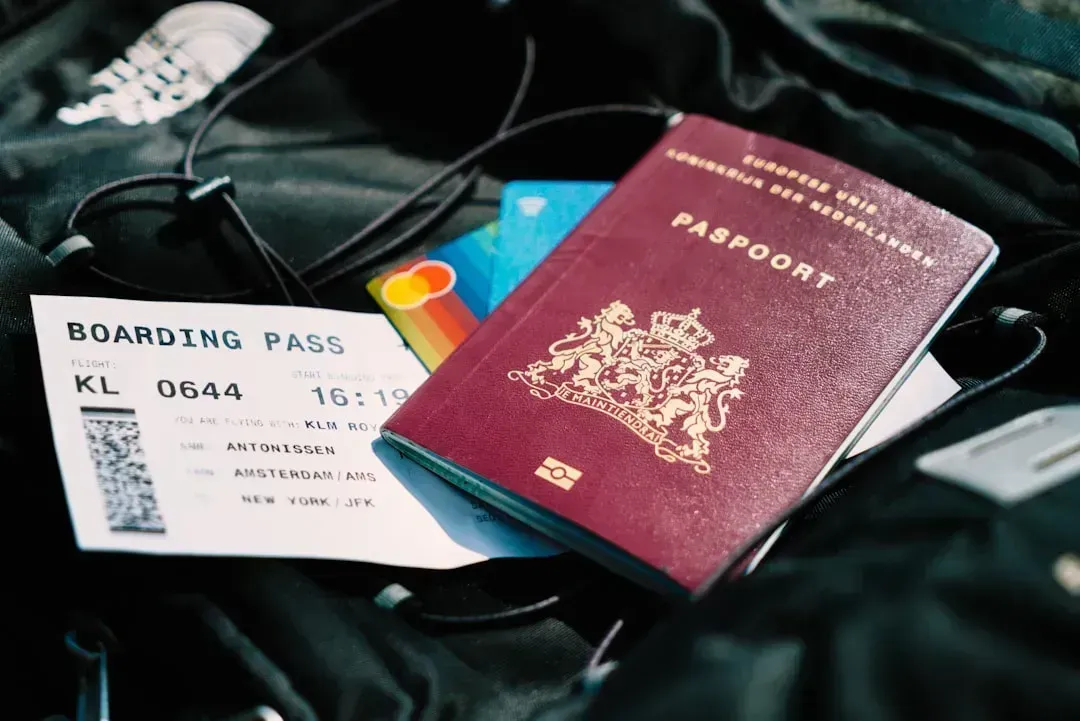
Lost documentation abroad is one of the most anxiety-inducing scenarios a traveler can face. Experienced travelers don’t leave this to chance. Organizing your travel documents is vital before you depart. Keeping essentials like your passport, visas, and travel insurance in a safe, accessible place, ideally in a dedicated travel document holder, can keep everything organized and stress-free.
It’s a good idea to print info like flight numbers, hotel confirmations, and important phone numbers and addresses, just in case you lost your phone. Sharing your itinerary with a trusted person can give you peace of mind. Knowing that someone is aware of your plans can be reassuring if you run into unexpected changes or delays. Paper copies feel old-fashioned until the moment you actually need them. That moment always comes eventually.
The Universal Adapter and Power Backup
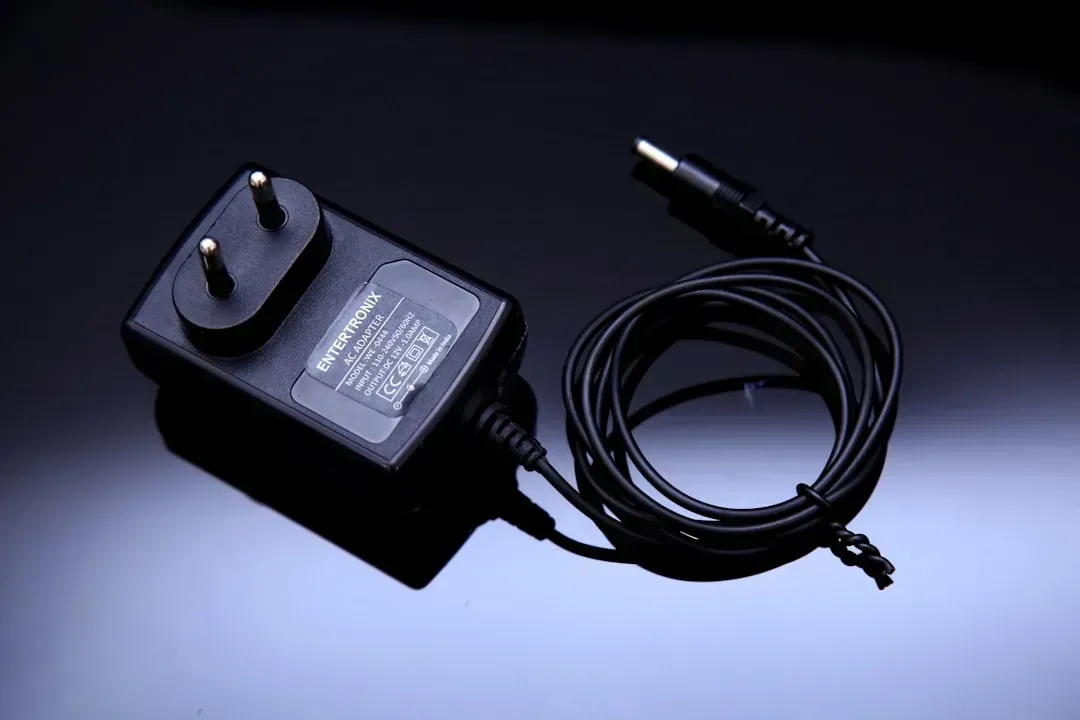
Electrical outlets are not internationally universal. With cell phones, tablets, cameras, and laptops being not just luxury items but absolute necessities when traveling, this has become more than a routine annoyance for millions of travelers. A universal travel adapter is one of those items that seems small on the packing list but generates enormous stress when it’s missing. Buying one at an airport or hotel gift shop tends to cost several times more than it would at home.
A portable charger is essential, since relying on a plane’s charging port or finding an outlet in airports is unreliable. Staying hydrated on a long flight with electrolytes is also a smart move for avoiding jet lag. A fully charged phone and a backup power bank aren’t optional luxuries on a multi-city European trip. They’re the difference between navigating confidently and standing lost in an unfamiliar train station.
Medications, Health Essentials, and Self-Care Items
Packing self-care essentials means remembering to bring any items needed to feel your best, both physically and mentally. This includes everything from prescriptions to health aids like essential oils. Prescription medications deserve special attention. Be sure you pack enough of each of your prescription medications, and never put them in your checked luggage. If a checked bag goes missing, the inconvenience is manageable. If your medications go missing, the situation becomes a genuine emergency.
The stressors of travel can cause preexisting conditions to recur, latent problems to become apparent, and new problems to arise. Jet lag, fatigue, and work or family pressures can trigger anxiety and aggravate depressive symptoms in travelers. Packing a small personal wellness kit, whether that’s a familiar sleep aid, a pain reliever, or even an eye mask and earplugs for noisy urban hotels, gives seasoned travelers a sense of control over their environment wherever they land.
Weather-Ready Clothing and the Layering Strategy

Europe’s weather changes fast, especially between coasts, mountains, and the Mediterranean. Using the season as a baseline and then adding region-specific extras is the smartest approach. A traveler moving from London in April to Santorini in the same week will need to dress for rain and moderate cold in one city, then for warm sunshine in another. Packing for a single forecast is how people end up underprepared.
Layering is a practical strategy for unpredictable weather, ensuring you’re comfortable no matter what the skies decide to do. The classic formula for Europe is a lightweight waterproof shell, a mid-layer like a fleece or merino wool piece, and base layers that breathe. Regardless of the time of year, it pays to always prepare for rain. A good umbrella and a chic trench coat are reliable companions. Comfortable walking shoes are equally non-negotiable, since European cities are best explored on foot.
Travel Insurance as an Anxiety Tool
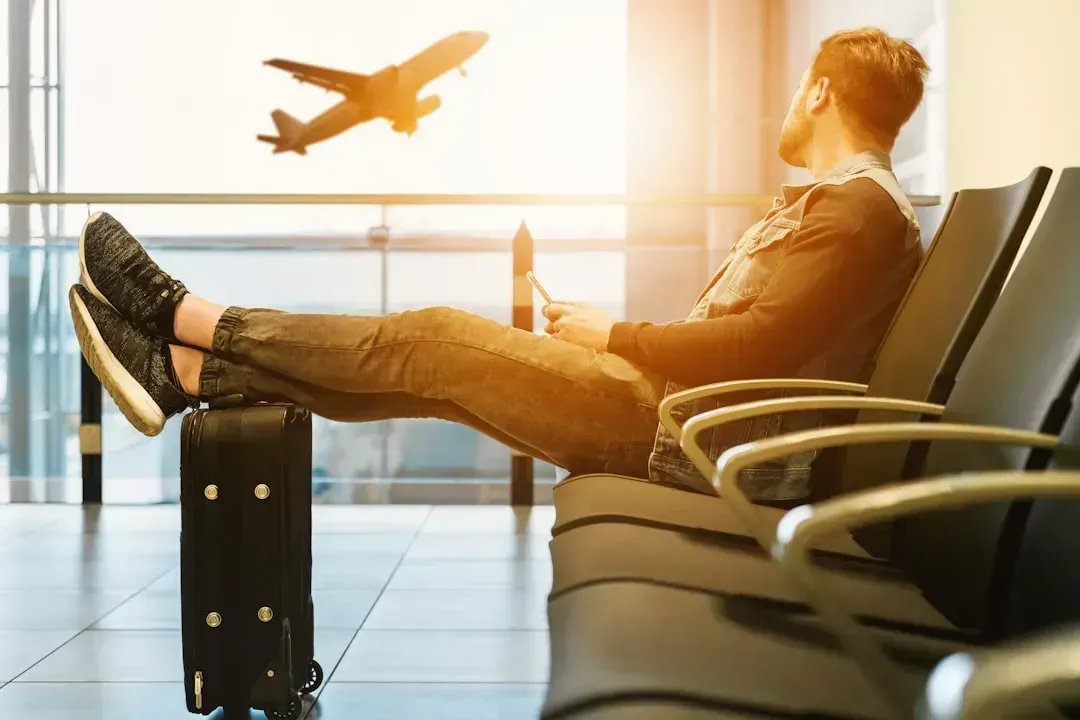
Experienced travelers rarely skip travel insurance, and the numbers behind that habit are striking. In the summer of 2025, nearly half of travelers noted flight cancellations and delays as their top concern, a twelve percent increase from the previous summer. With disruptions becoming more common, the question of whether to buy coverage has shifted. After the pandemic, many travelers recognized the importance of having a robust insurance policy to cover unforeseen circumstances like trip cancellations, medical emergencies, or flight delays. Travel insurance has become not merely a luxury, but an essential part of planning a trip.
Consumers are looking for policies that cover a wide range of incidents, including medical emergencies, trip cancellations, lost baggage, and travel delays. Many are prioritizing coverage for unexpected events like natural disasters or pandemics. This trend is driven by a desire for peace of mind, particularly for travelers taking longer trips or visiting higher-risk destinations. In practice, having insurance doesn’t just protect your money. It changes how you feel when something goes wrong, and something always goes at least a little wrong.
Security Items to Reduce Pickpocket Anxiety
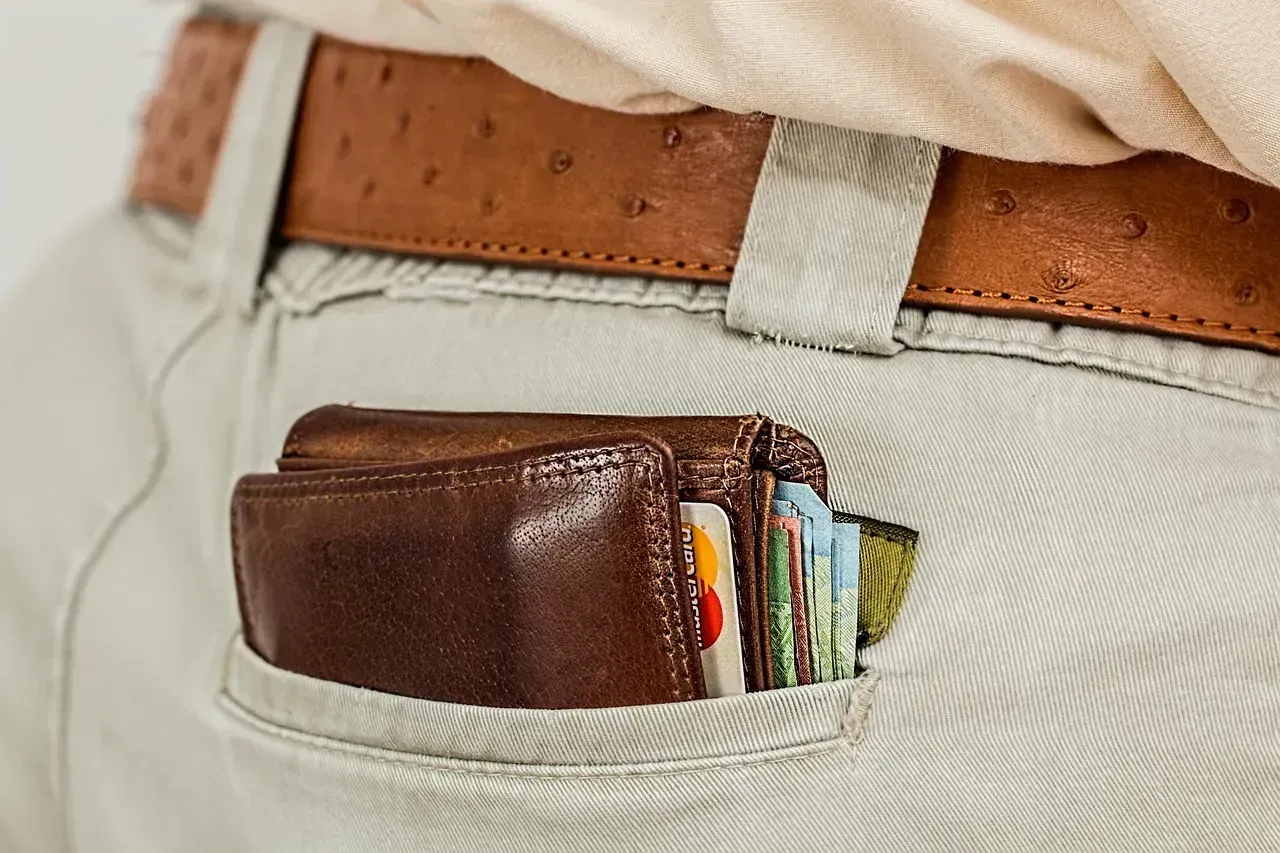
Pickpocketing is a genuine concern in many of Europe’s most visited cities, and experienced travelers prepare for it without letting it dominate the trip. An additional security measure such as a money belt can protect your valuables. This way, you can relax and enjoy your surroundings, knowing your belongings are safe. A secure crossbody bag that stays close to the body works equally well and blends in more naturally with local style.
Carrying a mix of cash and credit cards is a smart financial strategy. Though cards are widely accepted, some smaller, quieter places may still require cash. Notifying your bank before departure is just as important. Calling the bank and credit card companies months ahead of time notifies them well in advance, especially when there are foreign transactions being placed to book lodging and other reservations. Getting a card blocked mid-trip because of a suspicious foreign transaction is the kind of easily preventable stress that ruins an otherwise good day.
Offline Navigation and Digital Preparedness
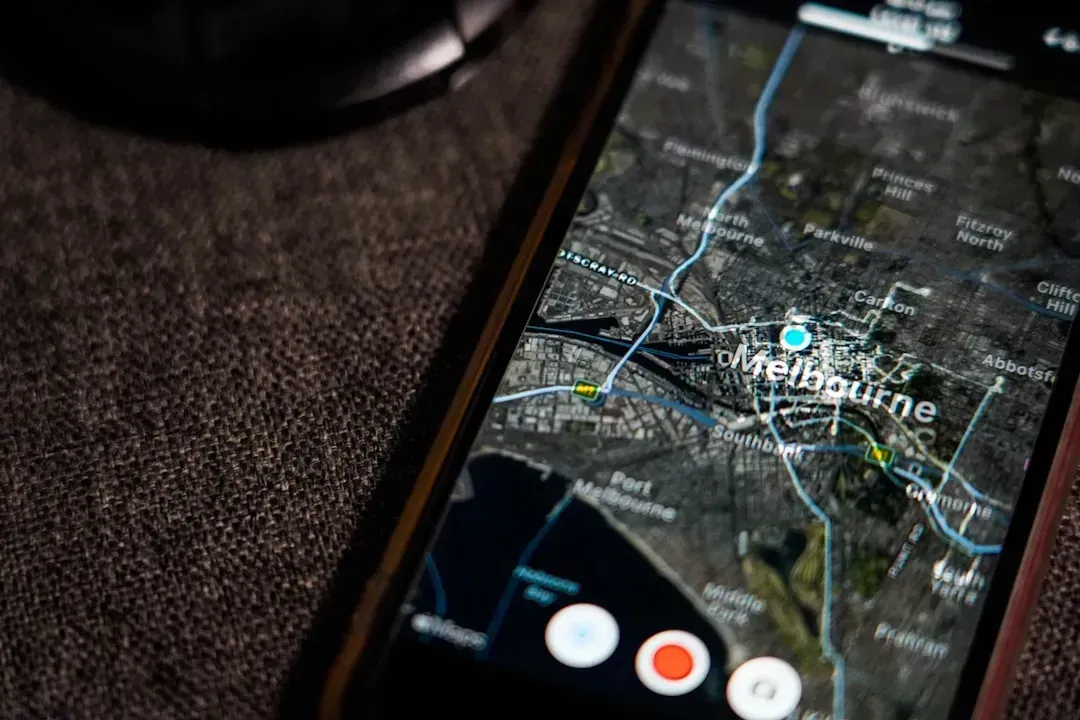
Connectivity in Europe is generally good, but it isn’t guaranteed, particularly in rural areas, on trains through mountain passes, or during unexpected roaming issues. Experienced travelers don’t rely entirely on live data. A smartphone is essential for navigation, photos, and communication, but making sure your phone is unlocked for international SIM cards keeps you reliably in the loop. Downloading maps for offline use is a habit worth building before every trip.
For some people, music and movies offer a distraction during anxious moments, while others find comfort in quiet activities like books and puzzles. Downloading these to a device in advance is wise, in case inflight internet isn’t working. A Kindle or downloaded reading material is a small thing that pays dividends on long train journeys across the continent. Europe has some of the world’s great rail routes, and having something to settle into on a four-hour crossing makes the journey part of the experience rather than dead time.
A Printed Itinerary and the Comfort of Preparation
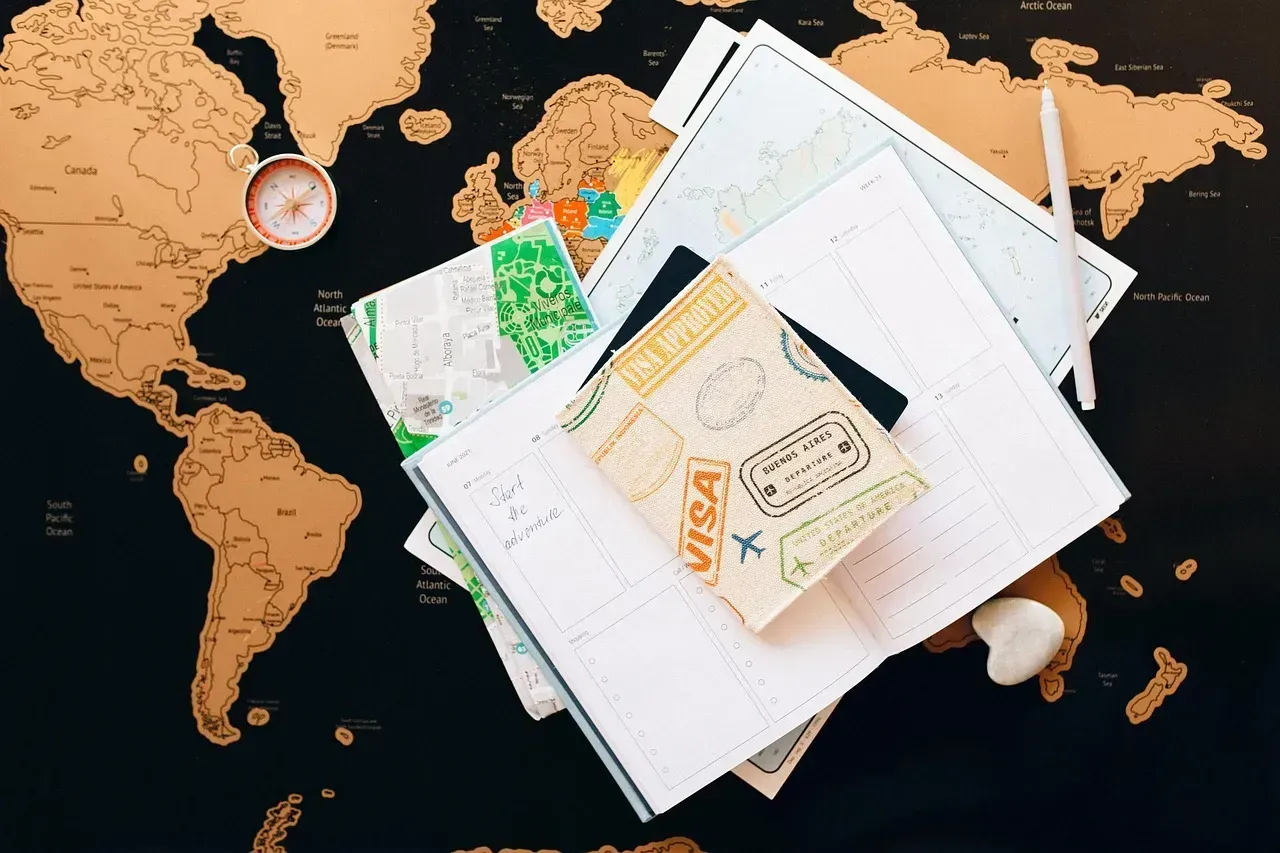
There is a quiet confidence that comes from knowing you’ve handled the details. Experienced travelers often carry a printed itinerary not because they distrust their devices, but because preparation itself reduces anxiety. Over-preparation is a reliable way of reducing stress. Getting to places early, having plans written down and organized in a journal carried everywhere, and understanding how things work all contribute to a calmer travel day. The goal isn’t rigidity. It’s readiness.
Foreknowledge of unfamiliar situations will help minimize the stress experienced, as will advance study of the culture, language, and health and security threats and countermeasures. Even a few hours of research before departure, from understanding which cities require timed museum tickets to knowing how local transit cards work, removes the surprise factor that drives most in-the-moment panic. Things like talking to a friend, journaling, or a few minutes of meditation can help you find greater meaning in your experiences as well. Packing well is only part of the equation. Arriving mentally prepared is the other half.