
Most people don’t think about depreciation until the moment they try to sell. By then, the damage is already done. In the electric vehicle world, that damage can be severe. Shockingly severe, in fact. But not every EV falls apart the same way, and a small handful of models have genuinely earned the right to be called value keepers.
The story of EV depreciation is messy, emotional, and far more complicated than any showroom salesperson will tell you. Between price wars, policy shifts, and technology galloping forward at a relentless pace, holding your value in the EV space has become something of an art form. So which vehicles actually manage to pull it off? Let’s find out.
Why EV Depreciation Is Different From Everything You’ve Seen Before
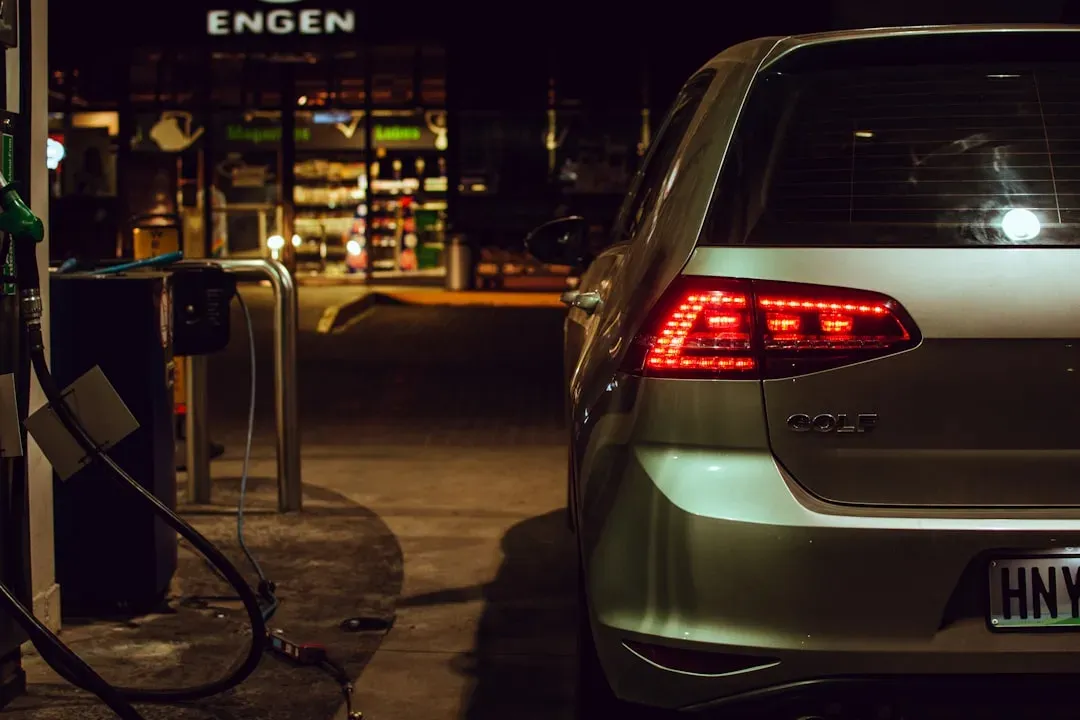
Here’s the thing: buying an electric vehicle has never carried more financial risk from a resale perspective than it does right now. Industry analysis shows that popular EV models are experiencing roughly a 35 to 55 percent value loss within 24 months, compared to 15 to 25 percent for comparable gasoline vehicles. That gap is staggering, and it’s not closing as fast as the industry would like you to believe.
One of the main issues EVs are facing is that they depreciate much faster than ICE vehicles, principally due to rapid technological progress that drives the market and makes older EV models prematurely obsolete. Think about it like a smartphone. The moment a better version drops, the older one feels ancient overnight.
An iSeeCars analysis of 1.1 million vehicle sales found that, on average, EVs lose nearly half of their value within five years, which is roughly ten percent more than the market average. That said, not all models are created equal, and the gap between the worst and best performers is enormous. The following five vehicles represent what experts consistently point to as the EVs most likely to fight back against that curve.
1. Tesla Model Y: The Benchmark That Others Chase
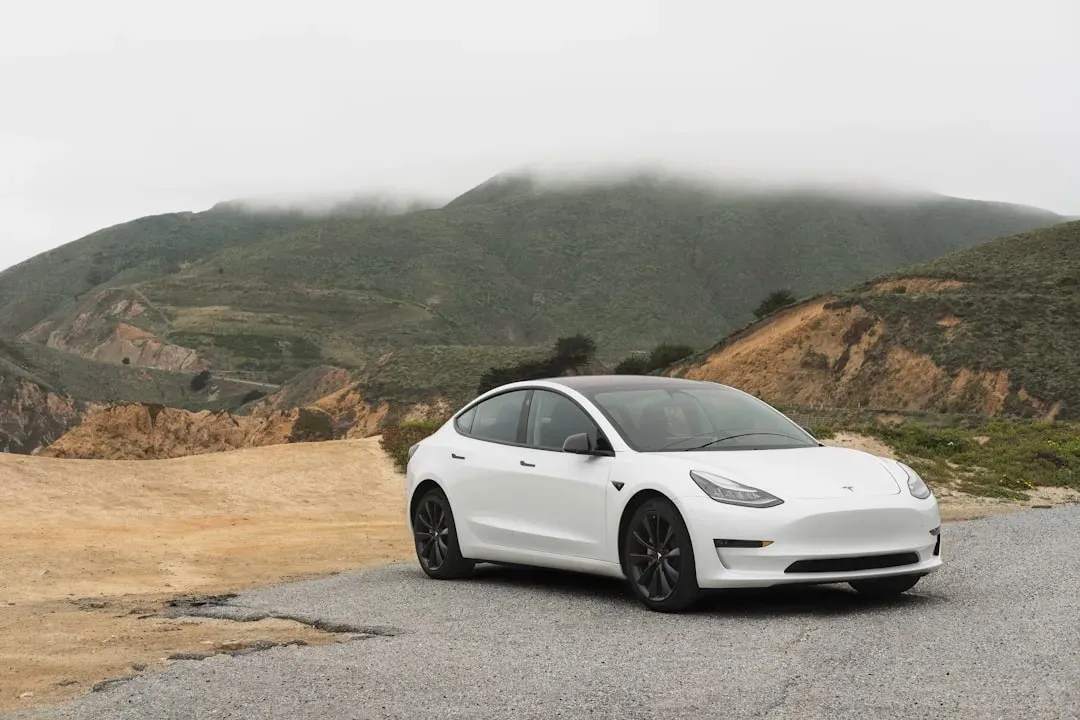
If you’re going to talk about EV resale value in 2025 and 2026, you simply cannot start anywhere other than the Tesla Model Y. It is, by almost every available metric, the reference point that all other electric vehicles are measured against. The Tesla Model Y offers an EPA range between 318 and 330 miles in the Long Range AWD version, at a starting price around $46,000.
The cult following of Tesla results in lower depreciation rates for the Model 3 and Model Y, which are only slightly higher than for ICE vehicles. That is genuinely remarkable in a market where most competitors are hemorrhaging value twice as fast. It’s not pure luck either.
Automakers and Tesla cut new EV prices and added incentives, which dragged used values down. Battery tech and range improved quickly, making older EVs feel “obsolete” faster than comparable gas cars. Tesla’s saving grace is that its over-the-air software updates keep older vehicles feeling relevant. The Tesla Model Y is California’s best-selling vehicle, reflecting the rapid adoption of electric vehicles on the West Coast. Demand, plain and simple, is what protects a vehicle’s value over time.
2. Rivian R1T: Scarcity Is the Best Value Protector
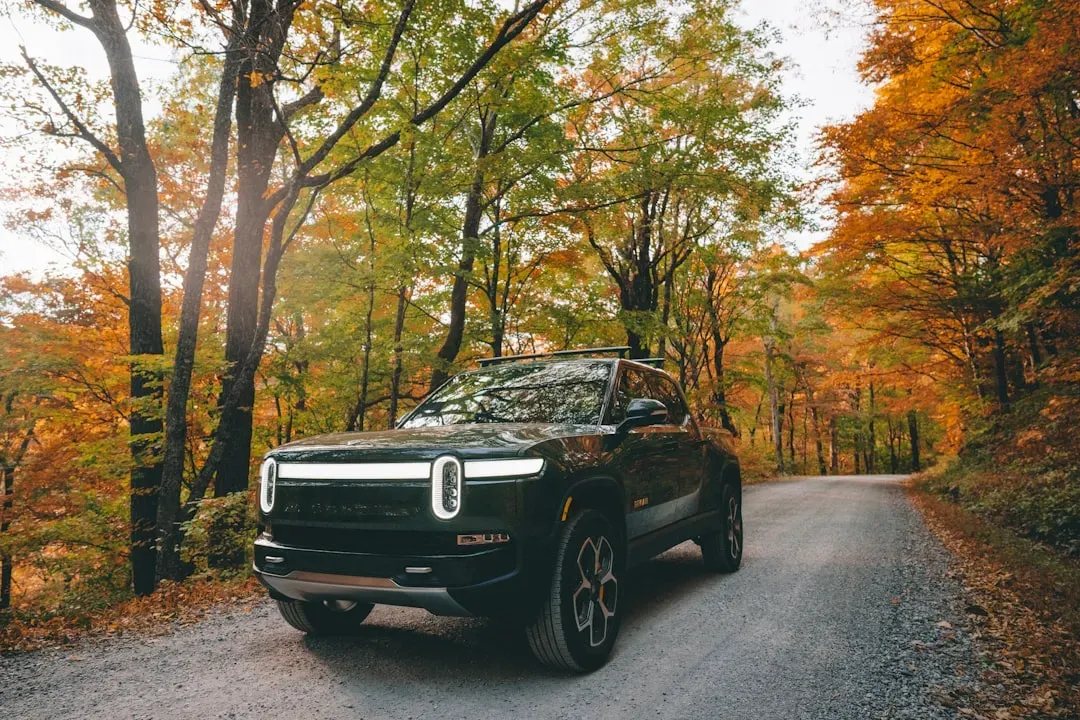
The Rivian R1T is, honestly, one of the most fascinating resale stories in the EV world right now. It defies the typical depreciation logic in a way that feels almost rebellious. The Rivian R1T is among the most talked-about electric trucks on the market, and early data shows impressive resale potential at around 55 to 60 percent. Its high demand, combined with relatively limited production, has created scarcity that benefits current owners. As the electric pickup market continues to evolve, Rivian’s early mover advantage and brand cachet could help it retain strong value for years to come.
Some EVs, especially trucks like the Rivian R1T, hold close to half their value after five years. Rivian’s electric pickup often retains around 50 percent of its value after five years, and trucks in general depreciate less. The R1T is still a relatively rare, desirable product. Rarity does what marketing never can.
Rivian backs its vehicles with a 10-year and 175,000-mile battery warranty, which is genuinely one of the most generous in the entire industry. That kind of protection shifts the risk perception for second buyers dramatically. Early R1Ts are now available for around $53,000, getting you a truck with a ton of range, over 300 miles in some trims, class-leading technology, and great styling.
3. Hyundai Ioniq 5: The Korean Challenger Holding Its Ground
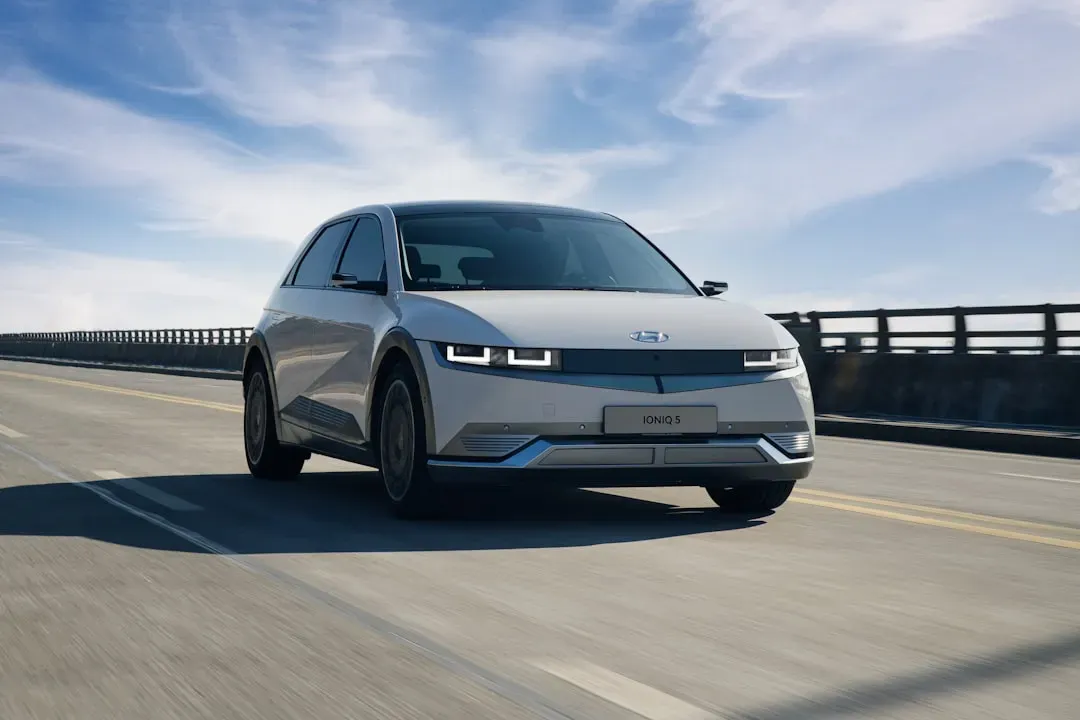
Few cars have surprised the EV market quite like the Hyundai Ioniq 5. It came out of nowhere for many American buyers, and the data is now showing that its staying power is just as strong as its initial impression. The Hyundai Ioniq 5 is quickly gaining traction as one of the most innovative non-Tesla EVs. With resale value projected between 50 and 55 percent after five years, it benefits from rapid charging capability, futuristic design, and consistently high reviews. As Hyundai continues to push into the premium EV market, models like the Ioniq 5 are likely to remain in demand.
The Ioniq 5 offers plenty of range, excellent driving dynamics, and the fastest charging speeds you can get in the mainstream segment. It can charge from 10 to 80 percent in under 20 minutes, making it a road-trip monster. That kind of real-world usability matters to the second buyer just as much as the first.
Hyundai provides a lifetime battery warranty for the original owner on its 2025 models, which is an almost unheard-of commitment in this space. The Ioniq 5 still stands out with the shortest charging time of only 6.3 hours for a full home charge and better overall reviews. Confident buyers create confident resale markets. It’s really that simple.
4. Kia EV6: The Sports Car of Value Retention
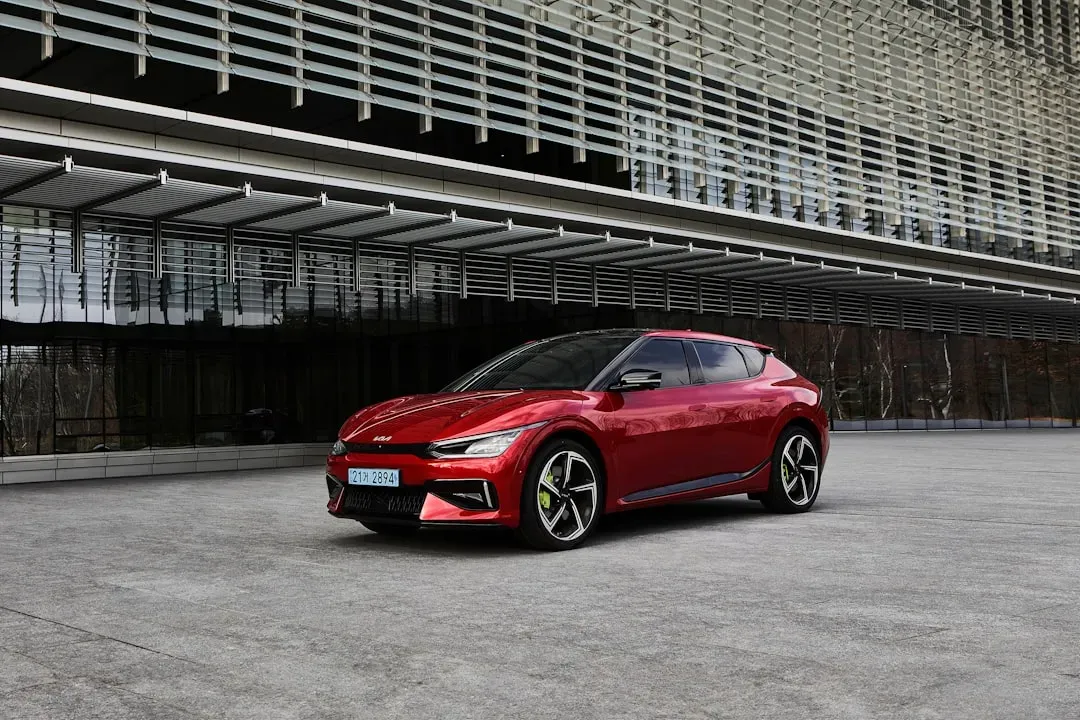
The Kia EV6 shares its bones with the Ioniq 5, but it wears them very differently. It’s sportier, sleeker, and it attracts a buyer who cares deeply about driving feel. That buyer profile turns out to be excellent for resale. Closely related to the Ioniq 5 is the Kia EV6, which shares Hyundai’s E-GMP platform. Its five-year value retention hovers around 48 to 52 percent, and its sportier styling has made it a favorite among buyers seeking a more aggressive design. Kia’s improving reputation for electric performance, combined with strong warranty offerings, supports its performance in the used market.
Used EV data shows strong residual value for both models, especially as public charging access expands. The Ioniq 5 may slightly outperform in resale among family-focused buyers, while EV6 GT variants hold appeal in the performance segment. So the choice between the two often comes down to the buyer you’re hoping to attract when resale time arrives.
Modern 800-volt charging, competitive range, and good reviews help these Korean crossovers avoid the worst EV depreciation, even if they still lose more than a comparable hybrid. The EV6’s range spans from 206 to 310 miles depending on trim, and early data shows the EV6 retains value better than many gas vehicles in its class, especially in long-range or AWD trims.
5. Tesla Model 3: The Model That Started It All Is Still Holding Strong
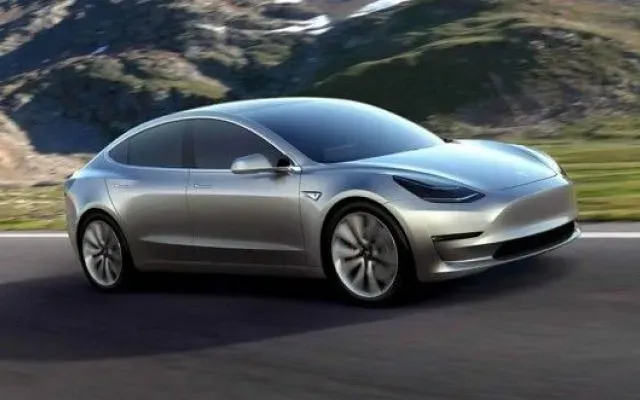
Let’s be real: it would feel incomplete to talk about EV value retention without putting the Tesla Model 3 front and center. It is, arguably, the vehicle that made the modern electric car culturally relevant. And years later, it still punches above its weight in the resale market. The Tesla Model 3 remains a leader in value retention, holding 72 percent of its value after 3 years, according to Kelley Blue Book data for 2025. Tesla’s robust Supercharger network, frequent over-the-air software updates, and strong brand loyalty keep demand high. The Model 3’s battery range, up to 405 miles in the 2025 Long Range version, also appeals to used buyers.
Tesla offers an 8-year and 120,000-mile battery warranty, and these guarantees reduce buyer risk, boosting resale value. That peace of mind factor is enormous in a market where battery anxiety is still very real for many shoppers. A 2024 study by Battery University found that Tesla batteries retain 90 percent of their capacity after 200,000 miles, reassuring buyers.
Tesla’s Supercharger network of over 60,000 chargers globally as of May 2025 gives the Model 3 a distinct edge over almost every competitor in terms of everyday usability. The Model 3 is no longer magic, but compared with older Leaf and Bolt-style EVs it still holds a higher floor thanks to the Supercharger network, efficiency, and software support.
What All Five of These EVs Have in Common
It’s worth stepping back and asking: why these five? What do a Tesla sedan, a Korean crossover, a sporty sports-car-styled EV, a rugged electric truck, and an all-around crossover have in common? Quite a lot, actually. A well-maintained battery keeps an EV’s range high and resale value strong. The best thing an owner can do is to avoid frequent fast charging and extreme temperatures as these can speed up battery wear. Models with a higher driving range retain their value better.
Research from Recurrent shows batteries deteriorate just 1 to 2 percent annually, with only 1 percent of cars built after 2016 needing replacements, versus 13 percent for older EVs. That statistic is quietly revolutionary for the used market because it removes the biggest fear that still haunts the second-hand EV buyer. All five of the vehicles on this list benefit from strong battery reputations.
Based on iSeeCars data, while EVs still lose value faster overall, the gap between electric and traditionally fueled cars is starting to narrow. The vehicles on this list are the ones leading that narrowing trend. Battery technology has proven more durable than many predicted, with most EVs retaining 85 to 90 percent of their original range capacity, making them viable long-term options.