
History is full of events that get softened over time. Textbooks edit out the worst details, and the distance of decades makes even terrible things feel abstract. Then you look closer at certain stories and realize that no amount of time or context makes them easier to sit with.
These thirteen accounts are real. They are documented, researched, and in many cases still debated by historians and ethicists today. They span continents and centuries, and yet each one carries a specific quality that makes it feel immediate, unresolved, and genuinely hard to shake.
1. Japan’s Unit 731: Science as Atrocity
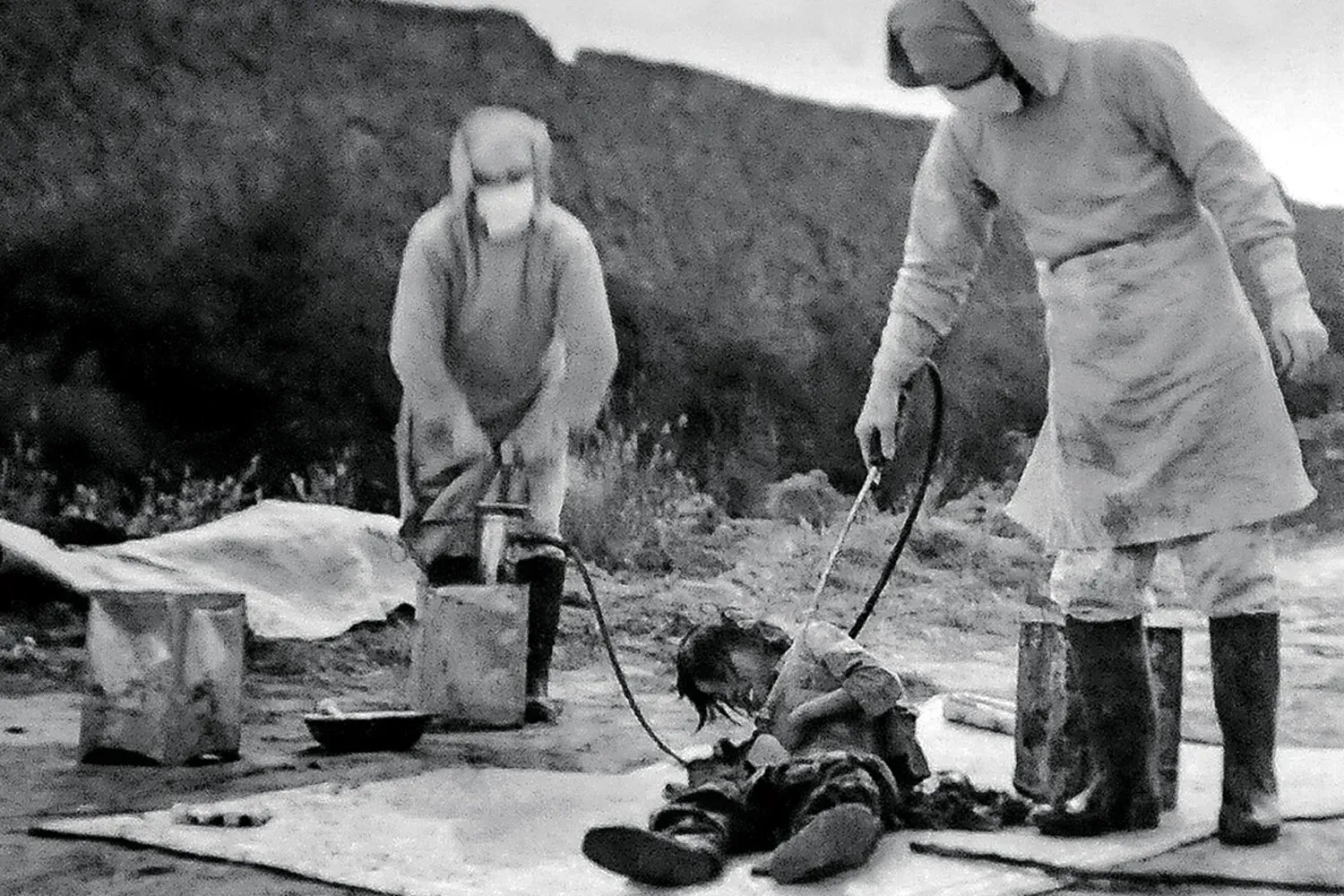
From 1936 to 1945, the Japanese military operated one of the most secretive and violent programs of the Second World War. Known as Unit 731, it was officially listed under the Epidemic Prevention and Water Purification Department of the Kwantung Army. Its real purpose was far more sinister: to develop and test biological and chemical weapons using human beings as experimental material. Victims, primarily Chinese civilians, prisoners of war, and other marginalized groups, were subjected to deliberate infection with pathogens, vivisection without anaesthesia, freezing and hypothermia tests, and field tests that released plague-infested fleas and contaminated water.
At least three thousand people are believed to have been killed directly in Unit 731’s laboratory and medical experiments, with estimates ranging from thirty thousand to more than five hundred thousand believed to have died in field tests of diseases on the Chinese population. Despite its atrocities, upon Japan’s defeat in World War II, many of Unit 731’s personnel were granted immunity from prosecution by the United States in exchange for their research data. The existence of Unit 731 was largely denied for decades by the Japanese government, with formal acknowledgment of its activities only emerging in the 1980s and 2000s.
2. The Donner Party: A Shortcut That Became a Death Sentence
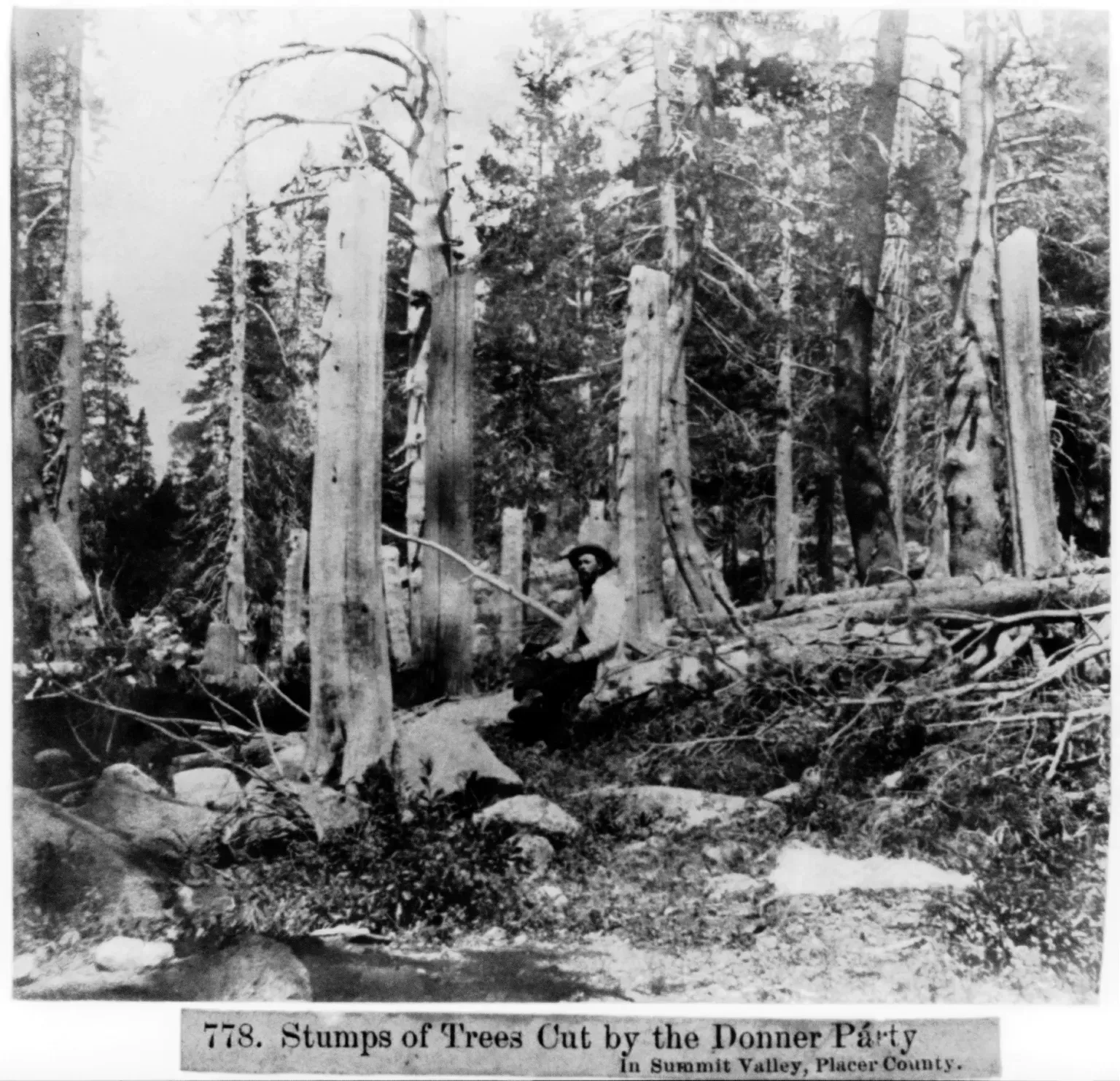
The Donner Party, a group of American pioneers named for their expedition captain George Donner, became stranded en route to California in late 1846. The party was trapped by exceptionally heavy snow in the Sierra Nevada, and when food ran out, some members of the group reportedly resorted to cannibalism of those already dead. It was the worst disaster of the overland migration to California. A dishonest guidebook author named Lansford Hastings was promoting a straighter and supposedly quicker path that cut through the Wasatch Mountains and across the Salt Lake Desert. There was just one problem: no one had ever traveled this “Hastings Cutoff” with wagons, not even Hastings himself.
Because of the time lost taking Hastings Cutoff, the party ran into a catastrophic and fatal snowstorm. Only 48 of the original 87 party members would survive getting snowbound in the Sierra Nevada that winter, and hunger and desperation would turn some of them into cannibals. One survivor reportedly was unable to recover from her role in the cannibalism of her mother and brother. The trauma lasted for the rest of their lives.
3. The Ghost Tapes of Vietnam: Psychological Warfare at Its Darkest
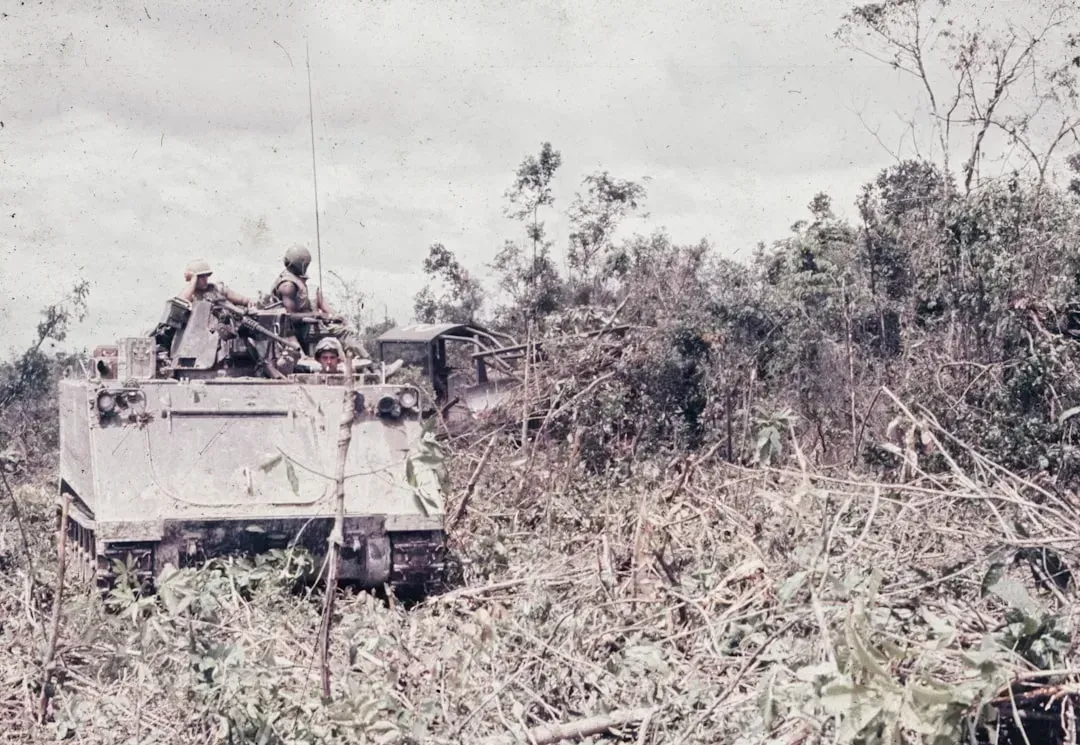
During the Vietnam War, the 6th Psychological Operations Battalion of the United States Army psychologically tortured the Việt Cộng forces by broadcasting sounds of dying soldiers. Like many cultures around the world, Vietnamese culture calls for proper burials to allow souls to move on and prevent hauntings. The sounds of the dying soldiers echoing throughout the jungle terrified the Việt Cộng forces, who believed they were being haunted by the souls of their fallen comrades.
The ghost tape not only caused psychological damage but led to many defections from the Việt Cộng. The operation deliberately targeted spiritual and cultural beliefs as a weapon. It was methodical, effective, and profoundly disturbing as a reminder that psychological cruelty can be just as devastating as physical violence, while leaving no visible wounds at all.
4. The Dancing Plague of 1518
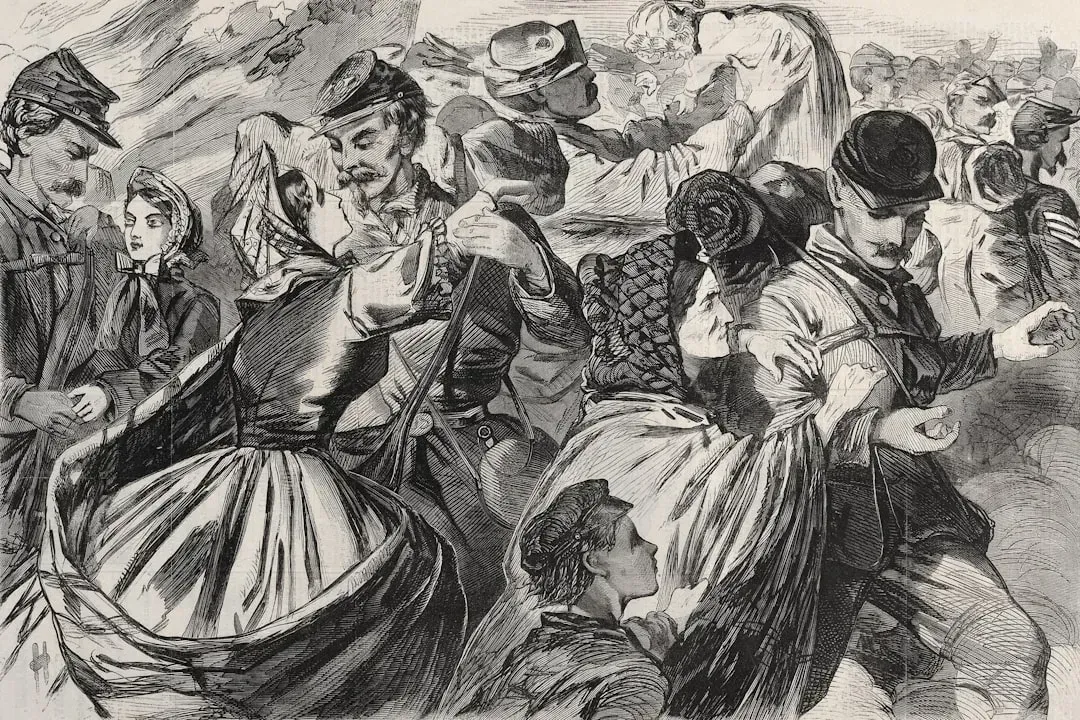
It began with a single woman dancing solo for a few days, before eventually more and more people became affected. Doctors proclaimed that the illness was caused by overheated blood and recommended that the inflicted should continue to shimmy and sway the fever away. Musicians were even called in and a stage was set up in the town centre to give the dancers more room. While the idea may seem funny at first, most of them kept dancing until they fell unconscious, and some died from exhaustion, heart attack, or stroke.
The dancing plague of Strasbourg, as historians now call it, affected hundreds of people over roughly a month in the summer of 1518. Physicians, authorities, and clergy were all baffled, and their responses made things actively worse rather than better. Scholars still debate its cause today, ranging from mass psychogenic illness to ergot poisoning from contaminated grain. What’s clear is that real people died from dancing, and no one in charge understood why.
5. The Jonestown Massacre: 909 People in a Single Day
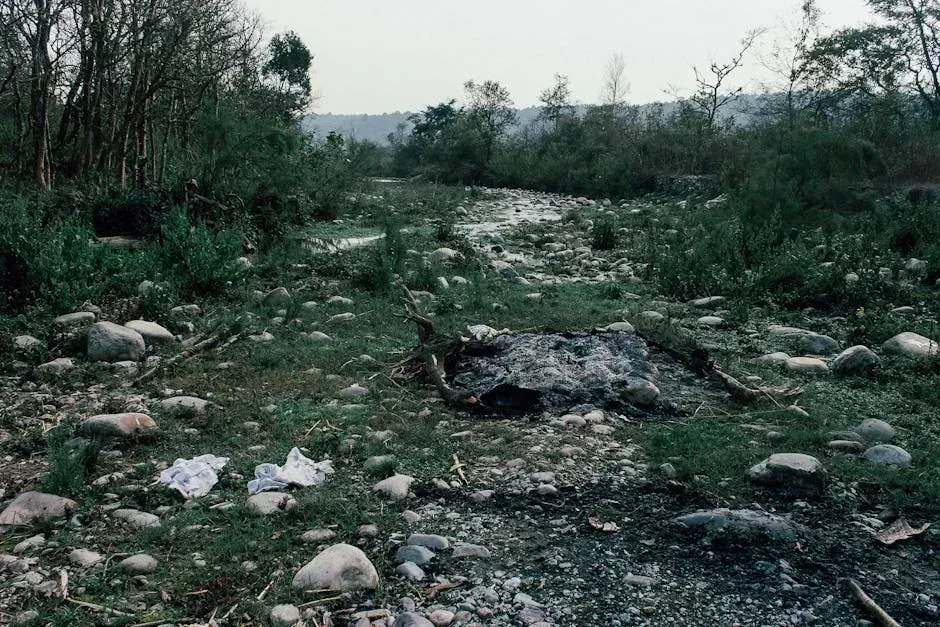
American preacher Jim Jones created a doomsday cult called the Peoples Temple. In the 1970s, Jones moved his congregation to an isolated area in Guyana, where they established a remote settlement called Jonestown. That became the site of one of the most infamous crimes involving American lives. After disturbing details from the settlement came to light, U.S. congressman Leo Ryan traveled to Guyana with some concerned relatives of the Jonestown members.
Concluding that his cult had failed, Jones reportedly ordered the killing of Ryan, who was later shot at a nearby airstrip. He then led his entire congregation to ingest a drink poisoned with cyanide. This resulted in the deaths of 909 people, becoming one of the worst massacres in American history. Among the dead were hundreds of children. The phrase “drinking the Kool-Aid” entered common speech, which itself feels disturbing, since it reduced one of history’s largest mass deaths to a casual idiom.
6. The Lake Nyos Disaster: A Lake That Exhaled Death
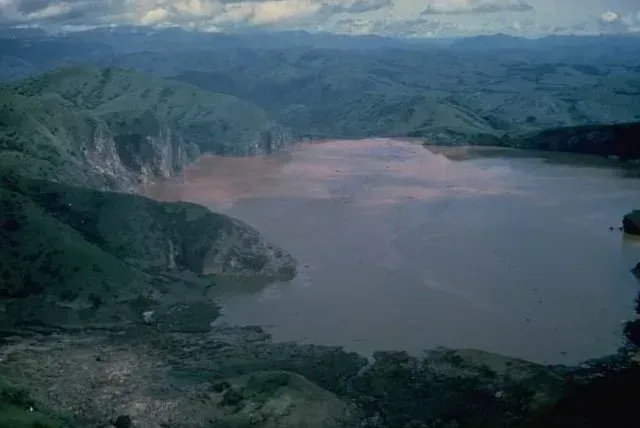
Unbeknownst to residents of the area around Lake Nyos in Cameroon, a limnic eruption in August 1986 sent as many as 1.5 million tons of carbon dioxide into the air. Caused by a volcanic eruption or earthquake that shifts the ground, the rare natural disaster killed more than 1,700 people, as well as thousands of livestock within a 15-mile radius of the lake. People fell where they stood. Many survivors woke to find everyone around them dead, with no obvious cause and no warning.
A limnic eruption occurs when a lake supersaturated with dissolved gas suddenly releases it in a massive burst. The carbon dioxide, being heavier than air, rolled through valleys and into villages like an invisible tide. Entire communities were silenced overnight. The lake still exists today, and though scientists have installed pipes to gradually vent the gas, the threat has never fully disappeared.
7. The Radium Girls: Poisoned and Then Blamed for It

It’s no secret that workplace conditions in the United States used to be incredibly dangerous. The Radium Girls, female laborers who painted dials, are a grim reminder of that fact. They had been told their materials were harmless and had even been told to use their lips to get a smaller point on their brushes. This led to them ingesting high amounts of radium over an extended period.
At first, the side effects were small, mostly consisting of loose teeth. They soon devolved into much worse symptoms, including necrotic jaws and unwanted sterilization. By 1924, a dozen women had died and were the targets of smear campaigns blaming them, rather than the unsafe practices. It wasn’t until the paint’s inventor passed that they finally saw justice. Their legal fight eventually helped shape modern occupational safety law, though that’s small comfort measured against the suffering they endured.
8. Josef Mengele’s Twin Experiments at Auschwitz
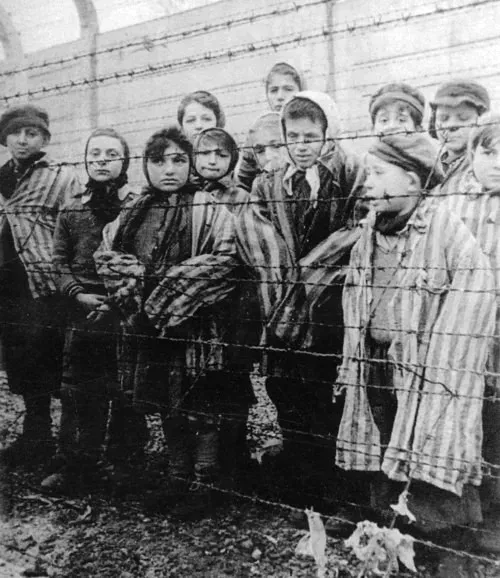
The Nazi atrocities during WWII are well-documented, but few seem to know about Josef Mengele’s experiments on twins. Reports suggest he performed tests on 732 pairs of twins at Auschwitz, mainly on the topic of inherited genes and attempting to prove that Jewish and Roma people were genetically weak. Survivors remember children having organs and limbs removed without anesthesia, other children getting murdered and then dissected, and still others getting injected with diseases.
Mengele, known to prisoners as the “Angel of Death,” conducted his selections on the platform at Auschwitz personally, often wearing white gloves as he decided who would live, who would die immediately, and who would be sent to his laboratory. He fled to South America after the war and was never brought to justice. He died in Brazil in 1979, having lived freely for over three decades after the crimes he committed.
9. The Villisca Axe Murders: Still Unsolved After a Century

On the morning of June 10, 1912, Mary Peckham of Villisca, Iowa, noticed that her neighbors, the Moore family, had not yet come out of their house to do their morning chores. She and Josiah Moore’s brother Ross investigated the Moore home, only to discover that the two parents, four children, and two young guests had been murdered. The grisly crime attracted nationwide attention, even taking over newspaper headlines. Although there were several suspects connected to the murders, the crime ultimately remains unsolved more than a century later.
Eight people were killed in their beds overnight, all with an axe. Investigators found that the killer had covered every mirror in the house and placed cloth over the faces of the victims after death. Those details suggest a level of deliberateness that goes beyond violence into something harder to explain. The house still stands in Villisca and is now a tourist destination, which is its own strange footnote to the tragedy.
10. The Herculaneum Dead: Skulls That Literally Exploded
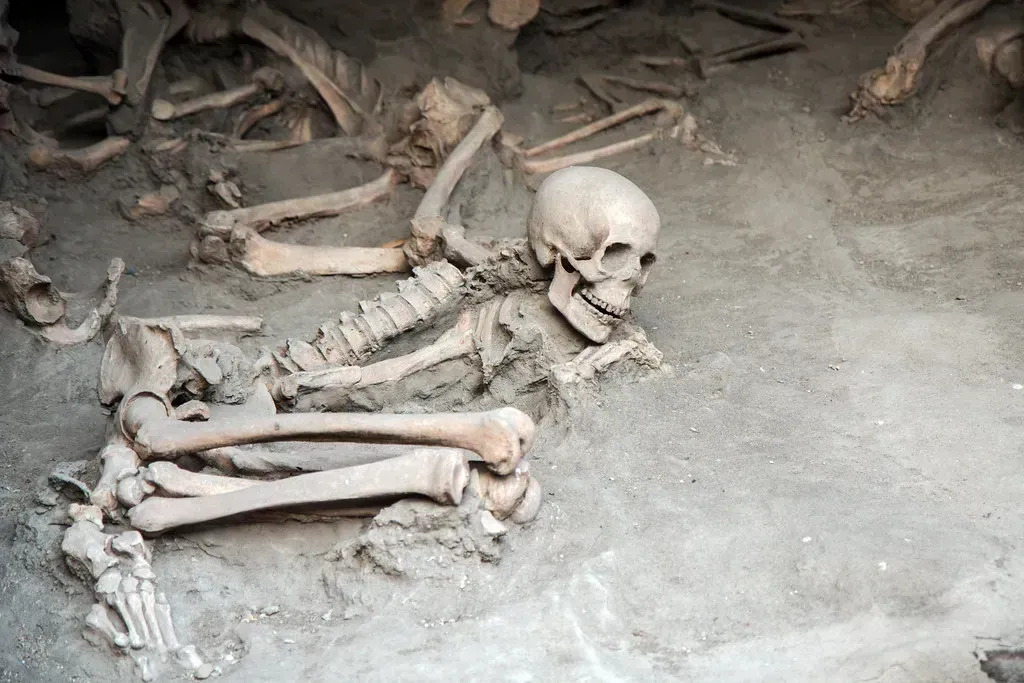
Although Pompeii is the most famous, it was far from the only town impacted by the Mount Vesuvius disaster. Herculaneum was located only a few miles from the volcano and was in the direct path of its hot lava and gas. Mount Vesuvius perfectly preserved the skeletons of its victims in Herculaneum, allowing scientists to study their bodies in detail. The heat from the eruption caused people’s blood to boil, flesh to melt, and, maybe most horrifying of all, skulls to explode.
Researchers studying the remains found evidence that victims were exposed to temperatures so extreme that soft tissue vaporized almost instantly. In some cases, the dark residue found inside skulls was identified as brain matter that had been turned to glass by the heat. The eruption of 79 AD preserved these deaths in extraordinary detail, which is both scientifically remarkable and deeply sobering when you consider what those final moments must have been like.
11. The Siege of Leningrad: Survival at the Edge of Humanity
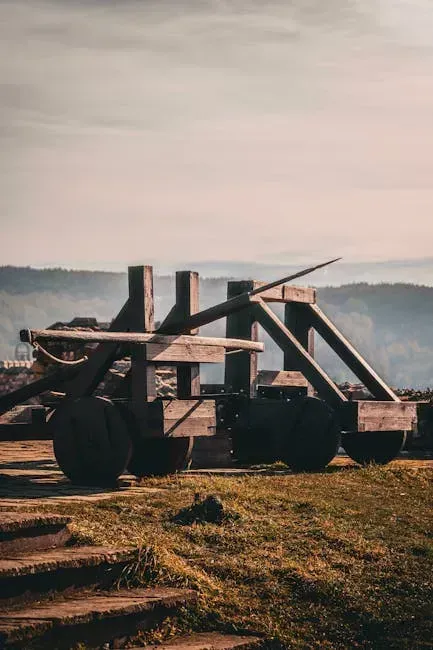
The people of Leningrad didn’t get any critical supplies like food, wood, coal, or gas. When winter hit, people were trying to stay alive in negative 40 degree temperatures without any food. People started bringing their possessions just to make fire. As time went on, things only got worse. People would leave their homes and never return. At first, it was assumed that these people died in the cold, but authorities drew a link between rising disappearances and the sudden availability of meat in the markets.
Most of this meat was labeled horse or dog meat, but it was obvious that the Russians had started eating themselves just to survive. There are officially about 2,000 documented cases of cannibalism in this period. The siege lasted nearly 900 days between 1941 and 1944, during which an estimated one million civilians died, mostly from starvation. What makes it uniquely devastating is the slow, grinding nature of that suffering, stretched across years rather than a single catastrophic moment.
12. The Stanford Prison Experiment: Power Corrupts With Alarming Speed

In 1971, psychologist Philip Zimbardo divided college student volunteers into “guards” and “prisoners” in a mock jail in the basement of Stanford University’s psychology building. The experiment, originally planned for two weeks, had to be shut down after just six days. Within that short window, the “guards” had begun inflicting genuine psychological abuse on the “prisoners,” including sleep deprivation, humiliation, and arbitrary punishment. The “prisoners,” meanwhile, began showing real signs of emotional breakdown.
Zimbardo himself later admitted that he became so absorbed in the role of prison superintendent that he initially failed to recognize how badly things had deteriorated. The experiment has since been criticized on ethical grounds and some of its findings have been disputed by later researchers. Still, its core finding, that ordinary people can adopt cruel roles with remarkable ease when given institutional authority, remains one of the most unsettling observations in behavioral science.
13. The Psychological Operations Against Russian Soldiers at Ypres
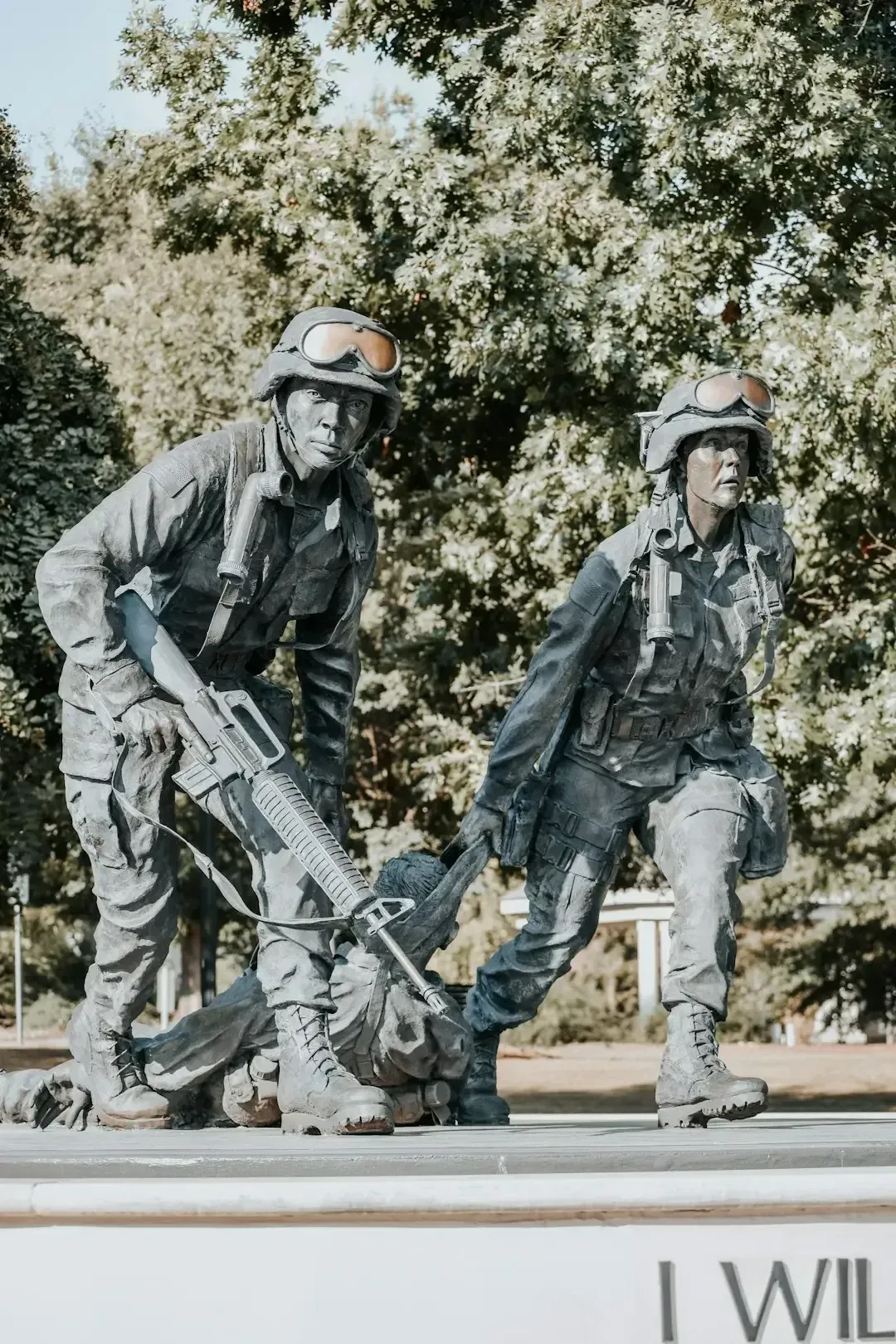
World War I was filled with nightmarish stories of human brutality, especially when it came to chemical warfare, but this particular account stands out. During a 1915 battle between German and Russian troops, the German forces bombarded the Russian soldiers with chlorine and bromine. These poisonous gases devastated the Russian troops, burning their skin and causing them to cough up blood. Nevertheless, the Russian soldiers marched forward, determined to continue fighting the army that had poisoned them. Their gruesome appearance terrified the German troops, who believed they were being attacked by zombies and subsequently fled from them.
The Battle of Bolimów in January 1915 was the first large-scale use of chemical weapons on the Eastern Front, and the scene it produced, gas-ravaged soldiers continuing to advance despite catastrophic injuries, was so beyond normal human expectation that it caused a rout. There’s something deeply disturbing about the way this episode collapses together. The horror of chemical warfare, the desperate courage of the victims, and the collapse of the aggressors in the face of what they had done all collide in a single moment that reveals what industrialized warfare had made of human beings.
These thirteen stories don’t share a single moral or a tidy lesson. What they share is the quality of being genuinely hard to dismiss. The details stick. And perhaps that is the most honest thing history can offer: not comfort, but a clear-eyed account of what people are capable of, in both directions.