
You’ve probably stood in a grocery aisle and felt completely overwhelmed. So many choices, so many colorful labels screaming “natural” and “healthy.” Here’s the uncomfortable truth though: some of the most popular foods filling shopping carts every single day are the very ones scientists are now connecting to serious, long-term health consequences.
We’re not talking about obscure exotic ingredients. We’re talking about things most households keep stocked at all times. Let’s dive in.
1. Processed Meats: The Carcinogen Hiding in Your Fridge

Bacon, hot dogs, deli slices, sausages. These are breakfast staples and lunchbox favorites for millions of people. Yet the science here is genuinely alarming. Processed meat has been classified as a Group 1 carcinogen, a category used when there is sufficient evidence from epidemiological studies that it directly causes colorectal cancer.
An analysis of data from 10 studies estimated that every 50-gram portion of processed meat eaten daily increases the risk of colorectal cancer by roughly 18%. That’s about the weight of one hot dog or a few strips of bacon. Not a mountain of meat. Just a modest daily amount.
Evidence points to three chemicals in particular: heme, which gives meat its red color; nitrates and nitrites added to keep processed meat fresh; and heterocyclic amines produced when meat is cooked at high temperatures. These compounds can damage the DNA of cells in the colon and rectum, and the more damaged the cells become over time, the higher the risk of cancerous growths forming.
As of March 2026, nearly half of Americans still don’t know that processed meat increases colorectal cancer risk, according to a new poll. Once people learn the connection, most support warning labels, suggesting people want clearer information.
2. Sugar-Sweetened Beverages: A Global Health Crisis in a Can

Sodas, sweetened iced teas, energy drinks, flavored sports drinks. They feel like harmless treats, something to grab with a meal or to perk up during a long afternoon. The reality is far more serious than that. Consuming sugar-sweetened beverages accounts for roughly 2.2 million new cases of type 2 diabetes and 1.2 million new cases of heart disease annually worldwide, according to a 2025 study from Tufts University published in Nature Medicine.
According to the CDC, frequent consumption of sugary drinks is linked to adverse health outcomes including obesity, type 2 diabetes, heart disease, nonalcoholic liver disease, and gout. The list keeps growing too. Researchers continue connecting these beverages to inflammation, blood sugar spikes, and disrupted metabolism.
Sugar-sweetened beverages have high carbohydrate content but poor energy compensation, creating low satiety effects. Experimental studies have demonstrated that high intake has detrimental effects on health, including accelerating chronic inflammation, disordering lipid metabolism, and promoting oxidative stress.
A meta-analysis found significant associations between high consumption of these beverages and increased cardiovascular and all-cause mortality, with sugar-sweetened beverages linked to roughly an 11% higher all-cause mortality risk. Dose-response analysis further indicated approximately an 8% increase in all-cause mortality risk per additional daily serving.
3. Ultra-Processed Packaged Snacks: The Slow Damage You Don’t Feel Yet
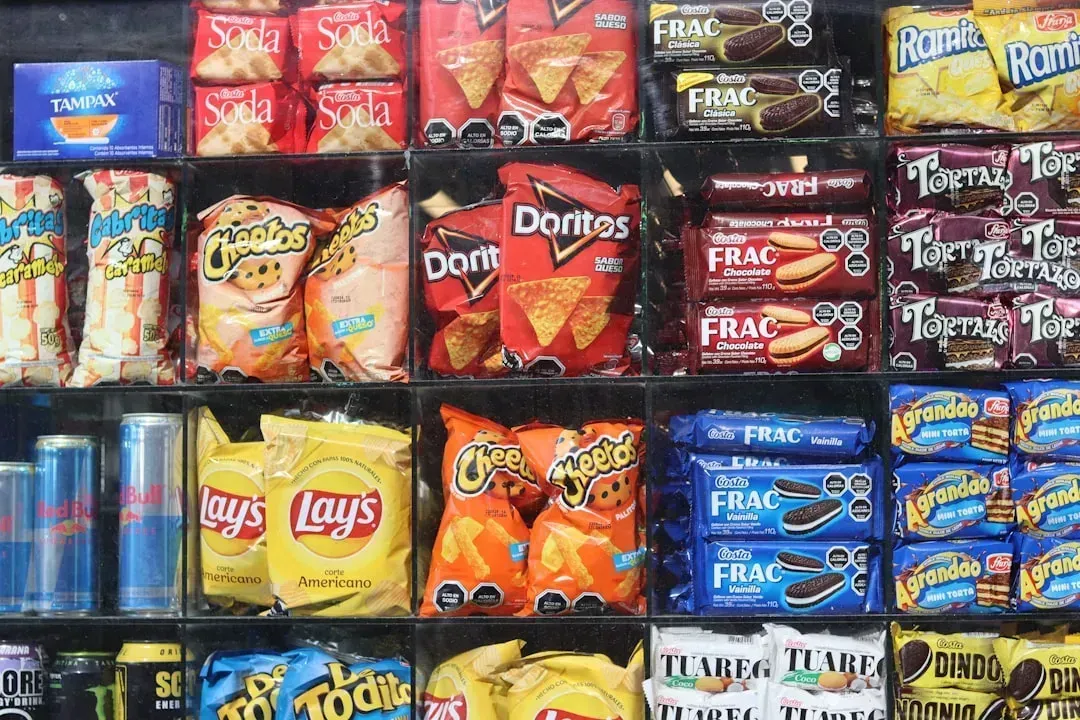
Chips, packaged cookies, crackers with long ingredient lists, candy bars wrapped to look like energy foods. These fall squarely into the ultra-processed food category. The problem isn’t just what they contain. It’s what they do to you over months and years. A systematic review of 104 long-term studies found that 92 showed higher risks for at least one chronic disease, with meta-analyses identifying significant associations with 12 health conditions including obesity, type 2 diabetes, cardiovascular disease, depression, and premature death.
A 2024 review of 45 meta-analyses covering nearly 10 million study participants found “convincing” evidence that a diet high in ultra-processed foods increases the risk of death from cardiovascular disease by roughly half and the risk of anxiety by nearly half. It also found “highly suggestive” evidence that greater consumption increases the risk of obesity by more than half, sleep disorders by about 40%, and type 2 diabetes by around 40%.
CDC data shows that roughly 53% of the calories adults consumed daily, on average, came from ultraprocessed foods between 2021 and 2023. For children 18 and younger, the figure climbs even higher, to nearly 62%.
4. Hot Dogs and Deli Meats: Even a Little Adds Up

Honestly, this one hits close to home for many people. Hot dogs are picnic food, game-day food, childhood food. But the data from global health organizations is hard to ignore. The World Health Organization has determined that processed meat is a major contributor to colorectal cancer, classifying it as “carcinogenic to humans.” Just 50 grams of processed meat, which is roughly one hot dog or a few strips of bacon consumed daily, increases cancer relative risk by 18%.
Research supported by the National Institutes of Health showed that ultra-processed food types most strongly associated with the highest risk for heart disease included sugar-sweetened beverages and processed meats such as hot dogs and deli meat. These aren’t just cancer risks. They’re cardiovascular risks too.
A comprehensive report analyzed 99 studies including data on 29 million people, of whom more than a quarter of a million were diagnosed with colorectal cancer. For processed meat, every 50 grams consumed daily linked to a roughly 16% increased risk of this cancer.
5. Soft Drinks and Colas: Your Brain and Body Pay the Price
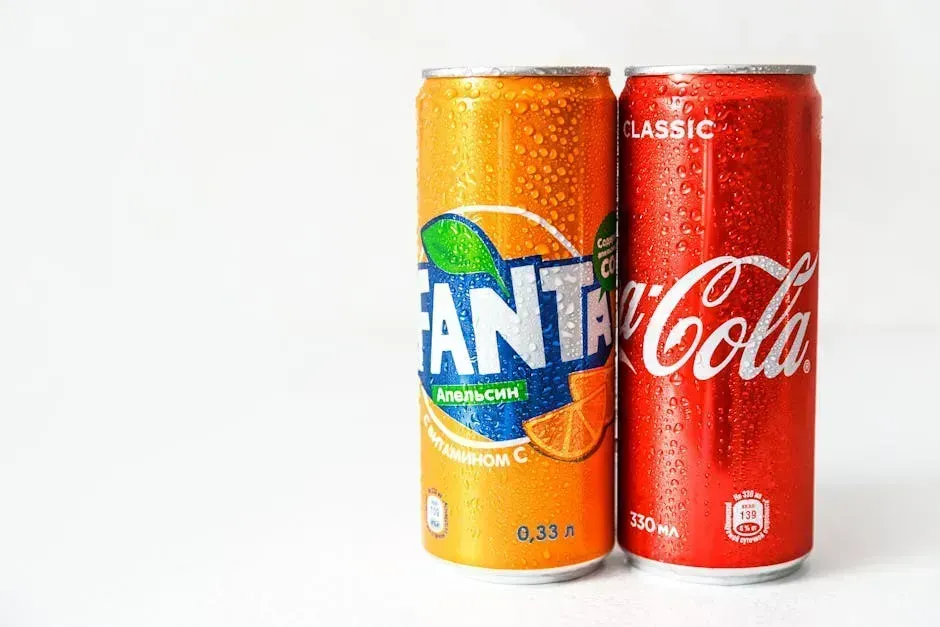
Most people know that sodas are loaded with sugar. What’s less understood is the long-term neurological impact building in the background. People who eat more ultra-processed foods like soft drinks, chips, and cookies may have a higher risk of having memory and thinking problems and a higher risk of stroke compared to those who eat fewer processed foods, according to a study published in May 2024.
Plausible mechanisms for harm from ultra-processed foods including soft drinks include nutrient imbalances, overeating, reduced consumption of health-protective plant compounds, toxic contaminants from processing or packaging, harmful additives and mixtures of additives, and subsequent inflammation. A diet high in these foods may also disrupt blood sugar and cholesterol levels, gut bacteria, and kidney or liver function.
The scale of the problem is staggering. Ultra-processed foods, including soft drinks, now make up more than half the calories consumed in the United States and the United Kingdom. Consumption has also more than doubled or tripled over the past few decades in countries including Spain, Brazil, Mexico, and China.
6. Commercially Produced Bread and Instant Noodles: The Hidden Ultra-Processed Staples

Here’s one people rarely see coming. Bread is basic. Noodles feel simple. Yet many commercially produced versions of these foods belong firmly in the ultra-processed category, packed with additives, refined starches, and ingredients you would never find in a home kitchen. Frozen pizza, ready-to-eat meals, instant noodles, and many store-bought breads contain a long list of ingredients, chemical additives, and little to no whole foods.
A Yale Medicine gastroenterologist describes ultraprocessed foods as items that have “industrial formulations, chemicals, refined oils, fats, starches, and proteins,” which make them last longer and are highly palatable. This makes people eat more of them, and they are more calorie-dense, meaning people consume more calories even when eating smaller amounts of food.
Ultra-processed foods are characterized by high sugar, high salt, and other non-nutritive components, exhibiting low nutritional density yet high caloric content, according to researchers from Sun Yat-sen University. Bread and noodles sold in convenience formats frequently fit this exact description.
7. Sugary Breakfast Cereals: The Morning Trap

For decades, colorful cereal boxes targeted children with cartoon characters and “whole grain” claims on the front. But look at the ingredient list. According to the NOVA food classification system, commercially produced breakfast cereals are classified as ultra-processed foods, alongside hot dogs, frozen meals, potato chips, soft drinks, and candy bars.
People who eat more ultra-processed foods like cold breakfast cereal, cookies, and hot dogs are more likely to have early signs of Parkinson’s disease compared to those who eat very few of these foods, according to research published in May 2025. That’s a link most cereal eaters never see on the label.
Evidence shows that diets high in ultra-processed foods are linked to overeating, poor nutritional quality including too much sugar and unhealthy fats alongside too little fiber and protein, and higher exposure to harmful chemicals and additives. Sugary cereals check nearly every one of those boxes.
8. Frozen Meals and Ready-to-Heat Products: Convenient but Costly

It’s 7pm, you’re exhausted, and a frozen meal feels like the only reasonable option. Nobody’s judging that. But regularly relying on ready-to-heat products comes with real long-term consequences. Consumption of ultra-processed foods such as frozen meals may be associated with adverse health outcomes, and this risk for hypertension, cardiovascular events, cancer, digestive diseases, and mortality increases with every additional 100 grams of ultra-processed foods consumed each day.
Research presented at the American College of Cardiology found that each additional 100 grams per day of ultra-processed food consumption was associated with a roughly 14.5% higher risk of hypertension, nearly 6% increased risk of cardiovascular events, and about 19.5% higher risk of digestive diseases. Those numbers compound over years of daily consumption.
Highly processed foods may harm nearly every major organ system and are linked to a surge in chronic illnesses, according to a global review. A series of papers published in The Lancet found that ultra-processed foods are associated with a higher risk of diseases including heart disease, diabetes, and depression.
9. Fast Food Items and Fried Foods: A Recipe for Chronic Disease

Let’s be real: fast food is not just an occasional indulgence for most people. Americans’ diets consist of up to 60% ultra-processed foods, which are linked to an increased risk for diabetes, heart disease, obesity, cancer, and dementia. Fast food sits at the very center of that statistic. It’s engineered to be eaten often and in large amounts.
Researchers at the NIH explain that the link between ultra-processed foods and heart disease may be driven by mechanisms independent of calorie consumption, including inflammation, immune system dysregulation, and changes in the gut microbiome, the collection of bacteria and microorganisms that live in our intestines. Fried fast foods accelerate all of these processes.
Dozens of scientific studies have found links between the consumption of foods often considered ultra-processed and numerous adverse health outcomes, including cardiovascular disease, type 2 diabetes, cancer, obesity, and neurological disorders. In July 2025, both the FDA and USDA officially began accelerating federal efforts to address this growing crisis.
10. Flavored Yogurts and Packaged Desserts: The Sugar Disguised as Health Food

This might be the most insidious category on the list. Flavored yogurts are marketed as health food. They sit next to fruit in the dairy aisle. Parents pack them in children’s lunch boxes feeling responsible. Yet most flavored yogurts and packaged desserts are ultra-processed products with significant added sugar loads. Flavored yogurts are classified under the NOVA system as ultra-processed foods, in the same category as hot dogs, frozen meals, and candy bars.
A longitudinal study of young adults possessing a college degree indicated that increased consumption of ultra-processed foods was associated with an elevated risk of depression. Packaged sweets and flavored dairy products consistently appear among the dietary patterns connected to mental health decline.
An analysis published in The Lancet predicts that roughly one in three Americans between the ages of 15 and 24 will meet the criteria for obesity by 2050. While genetics, inactivity, and other factors play a role, diet features prominently, and ultra-processed foods make up 55 to 65% of what young adults in the U.S. eat, associated with metabolic syndrome, poor cardiovascular health, and other conditions.